博客

  • US action in Venezuela sets ‘catastrophic precedent’ for small states, warns group

    US action in Venezuela sets ‘catastrophic precedent’ for small states, warns group

    The Caribbean Movement for Peace and Integration, based in Barbados, has issued a strong condemnation of the United States’ military operation in Venezuela that resulted in the extraction of President Nicolás Maduro and his wife from the country. The organization characterized the intervention as an unlawful violation of sovereign territory that establishes dangerous implications for developing nations worldwide.

    In an official statement released following the military action, the group warned that this operation creates a catastrophic precedent for smaller nations that exercise their right to determine independent political, economic, and social pathways. The organization framed the intervention as both a crime against peace and a blatant breach of the United Nations Charter, representing what they termed a dangerous escalation threatening the sovereignty of Global South nations.

    The Caribbean Movement specifically cautioned regional governments against maintaining silence, suggesting that inaction would constitute complicity with the violation. The group issued an urgent appeal to Caribbean governments, Latin American nations, Global South countries, intellectuals, artists, social movements, trade unions, and faith communities to activate coordinated solidarity with Venezuela through political pressure, mass mobilization, and cultural resistance.

    Drawing historical parallels, the organization referenced the region’s shared colonial past, noting that Caribbean societies possess deep understanding of external domination dangers and maintain longstanding traditions of resistance to oppression. The statement characterized the operation as an attack on self-determination rights and a reversal of gains achieved by formerly colonized peoples, describing it as the reactivation of colonial warfare as an instrument of political and economic control.
  • Majority in Spain rejects US interference in Venezuela

    Majority in Spain rejects US interference in Venezuela

    Spanish legal and political organizations have issued strong condemnations of U.S. President Donald Trump’s recent actions regarding Venezuela, characterizing them as violations of established international legal frameworks. The Progressive Union of Prosecutors (UPF) formally expressed deep concern over Trump’s Venezuela policies, asserting they represent a fundamental breach of international law standards.

    Igor Zulaika, Head of Politics and International Relations for the Basque political party EH Bildu, escalated the criticism by accusing Trump of actively seeking to ‘destroy international law’ following Saturday’s military action in Venezuela. Zulaika further warned of potential intervention risks in European politics, specifically suggesting Trump might attempt to influence upcoming European elections in favor of far-right movements.

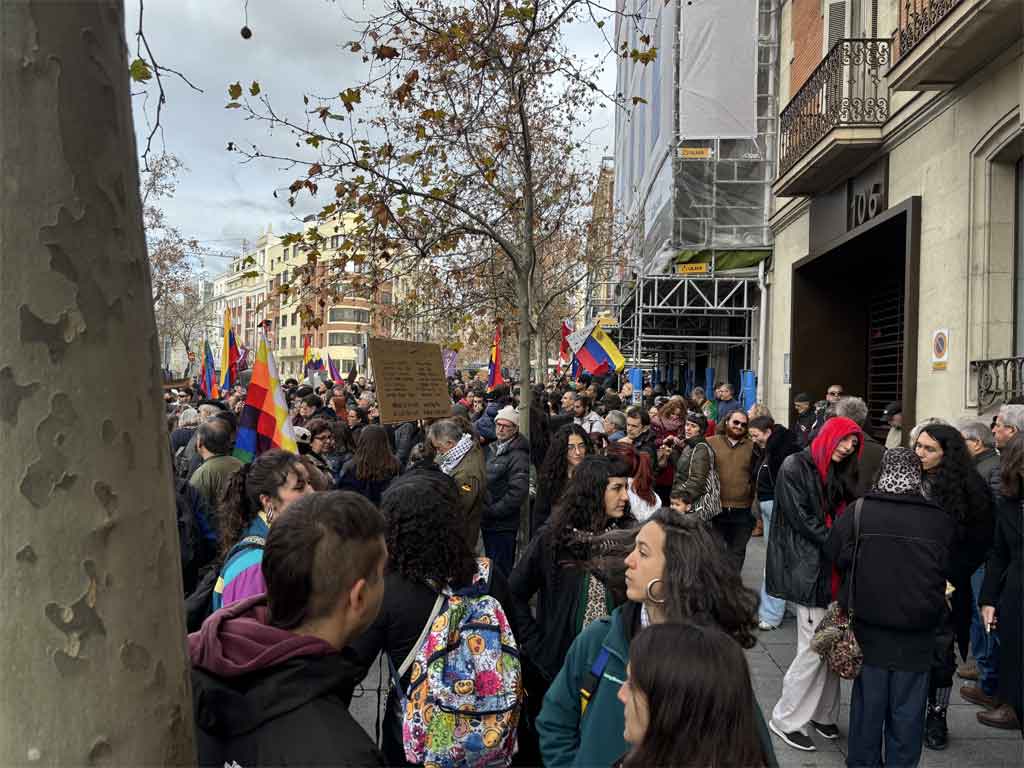
    The diplomatic tensions manifested locally in Bilbao, where demonstrators gathered outside the Venezuelan Consulate shortly before Zulaika’s statements. The Basque representative characterized Trump’s actions as implementing an ‘imperialist plan’ against Venezuela’s sovereignty.

    Glenna del Valle Cabello, Venezuelan Consul in Bilbao, responded to the escalating situation by calling for nationwide mobilization to counter what she described as ‘imperianist aggression’ against her country.

    Broad political consensus against Trump’s Venezuela policy emerged across Spain’s left-wing political spectrum. The United Left, Podemos, and Sumar parties joined major labor unions including Workers’ Commissions and UGT in condemning both the reported kidnapping of Venezuelan President Nicolas Maduro and his wife Cilia Flores, and the White House’s announcement regarding overseeing Venezuela’s democratic transition. The coordinated statements reflect deepening European concerns about U.S. foreign policy approaches in Latin America.

  • Russian air defense downs 90 Ukrainian drones in a single day

    Russian air defense downs 90 Ukrainian drones in a single day

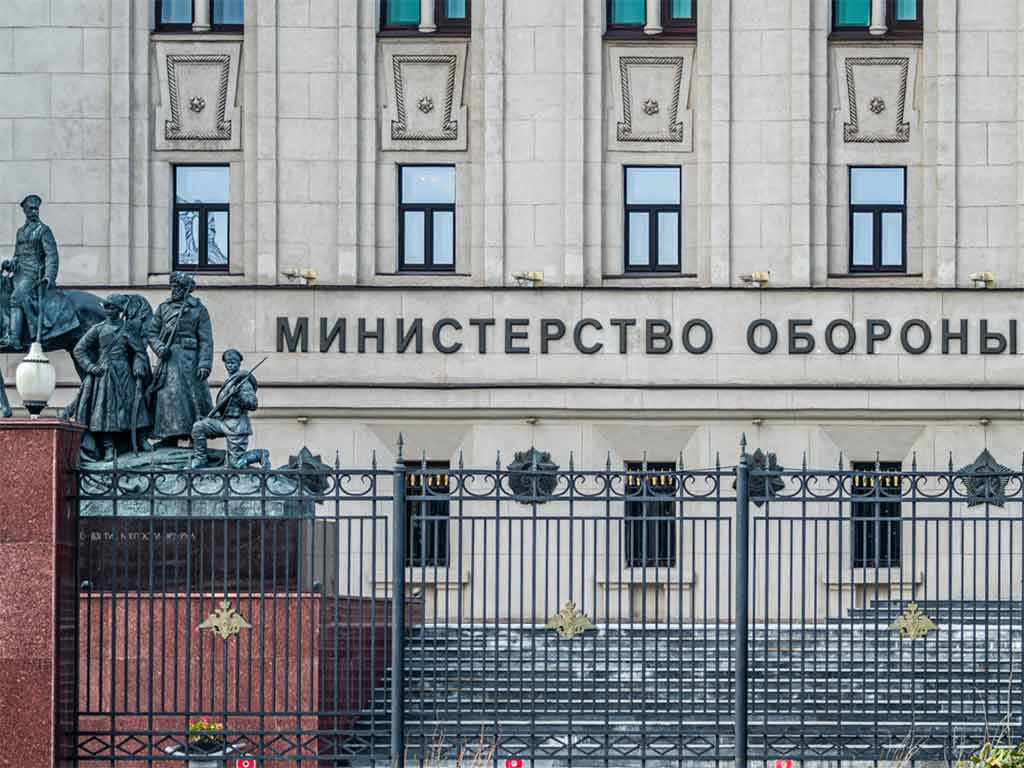
    Russian military authorities have issued a stark warning regarding a significant escalation in Ukrainian unmanned aerial vehicle (UAV) operations targeting Russian territory. In an official statement released on their Telegram channel, defense officials attributed this anticipated increase to substantial losses sustained by Ukrainian armed forces along the front lines of the ongoing conflict.

    The Ministry of Defense provided detailed figures on recent aerial defense operations, announcing the successful interception of 37 drones over the Bryansk region. Additional UAVs were neutralized in other strategic locations: 22 over Kursk, 11 over Kaluga, 11 over Moscow, four over Tula, two over Voronezh, and one each over Belgorod, Rostov, and Oryol territories.

    Concurrently, Russia’s national air transport agency, Rosaviatsia, implemented temporary flight restrictions at multiple airports citing security concerns. The affected airports include those serving Saratov, Tambov, and Yaroslavl, along with two of Moscow’s four major airports—Vnukovo and Zhukovsky International.

    The context for these developments traces back to February 24, 2022, when Russia initiated what it terms a ‘special military operation’ in Ukraine. President Vladimir Putin has consistently framed this campaign as a necessary measure to protect Russian-speaking populations from what he describes as ‘genocide by the Kiev regime.’ Additionally, Russian leadership has emphasized the operation’s strategic purpose in countering perceived national security threats resulting from NATO’s continued eastward expansion toward Russia’s borders.

  • China: South Korean leader boosts a new stage in bilateral ties

    China: South Korean leader boosts a new stage in bilateral ties

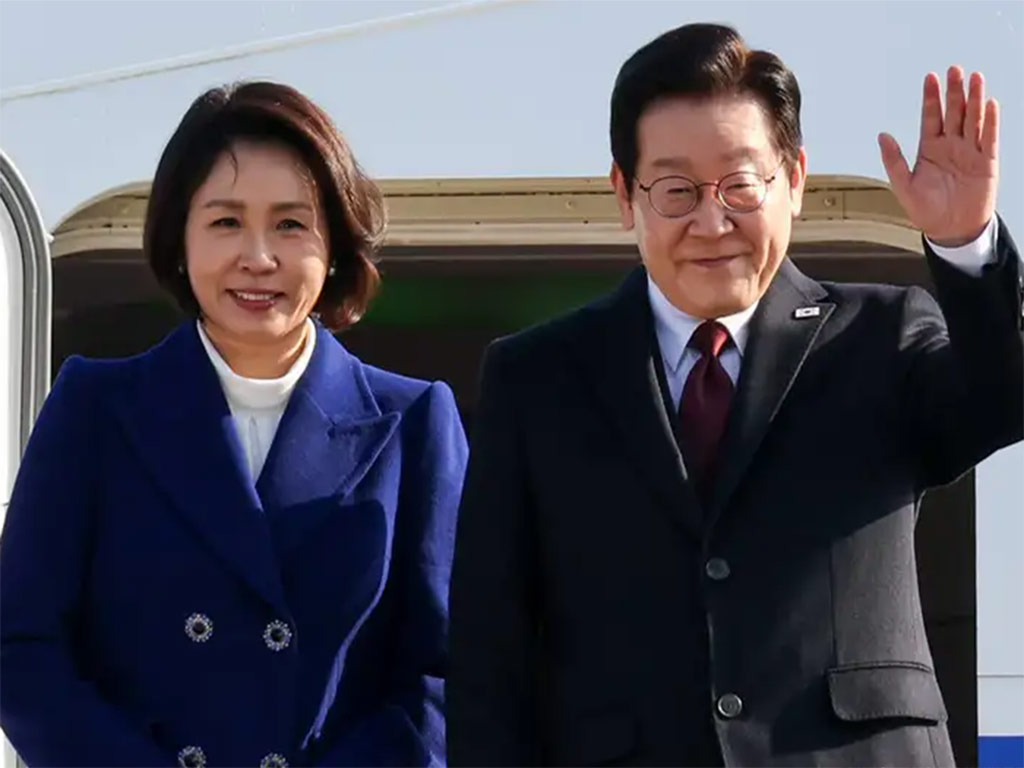
    In a significant diplomatic development, South Korean President Lee is scheduled to undertake his first state visit to China in nearly nine years from January 4-7. The landmark trip follows the recent bilateral summit held in Gyeongju just two months ago, signaling a renewed commitment to enhanced cooperation between the two Asian nations.

    The official itinerary includes high-level talks with Chinese leadership in Beijing during the initial phase of the visit (January 4-6), followed by engagements in Shanghai on January 6-7. According to diplomatic sources from Seoul, the agenda encompasses comprehensive discussions on multiple fronts including supply chain collaboration, investment opportunities, digital economy initiatives, environmental cooperation, and joint efforts against transnational criminal activities. Several memoranda of understanding are anticipated to be signed during the visit.

    South Korean officials emphasized that the primary objective of this diplomatic mission is to reinforce the strategic partnership framework and establish more robust political dialogue channels between the two countries. The timing of the visit holds particular historical significance as it coincides with commemorative events honoring Kim Gu’s 150th birthday and the centenary of the Provisional Government of the Republic of Korea’s establishment. President Lee’s itinerary includes a symbolic visit to the former site of the Korean Provisional Government in Shanghai, underscoring the historical connections between the two nations.

    This state visit represents a crucial step in revitalizing diplomatic relations and addressing mutual concerns while exploring new avenues for economic and strategic collaboration in the region.

  • Frei Betto describes US Attack on Venezuela a crime against humanity

    Frei Betto describes US Attack on Venezuela a crime against humanity

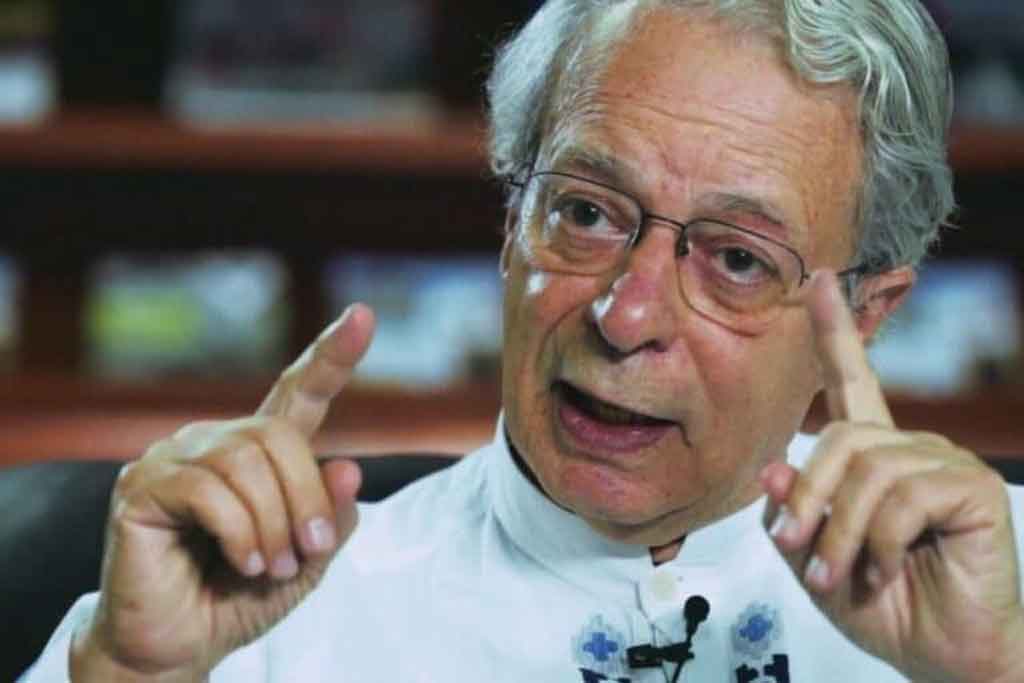
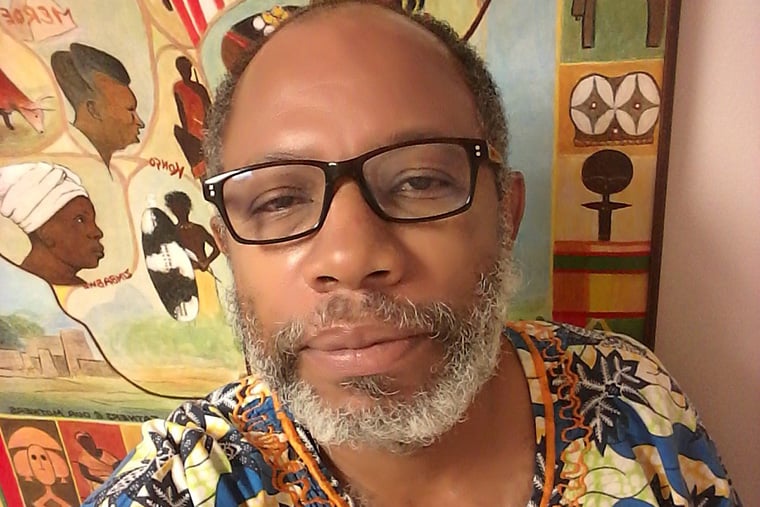
    In a striking condemnation of US foreign policy, prominent Dominican theologian and intellectual Frei Betto has characterized American interventions in Latin America as “imperialist terrorism” and “crimes against humanity.” During an exclusive interview with Prensa Latina, the renowned author of “Fidel and Religion” delivered a comprehensive critique of historical US involvement in regional regime changes.

    Betto articulated that such aggressive actions constitute severe violations of sovereignty and independence across Latin American and Caribbean nations. The intellectual provided a detailed historical account of American-backed operations that resulted in the deposition, disappearance, or death of democratically elected leaders throughout the region.

    The theologian cited numerous case studies, beginning with Jacobo Árbenz, Guatemala’s democratically elected president who was overthrown in a 1954 coup orchestrated by the White House. Árbenz subsequently died under suspicious circumstances—officially recorded as accidental drowning—during his exile in 1971.

    Betto further documented a pattern of interventionism, noting that in the same year as the Guatemala coup, the United States facilitated the establishment of a military dictatorship in Paraguay. This was followed by systematic dismantling of democratic institutions across the continent: Brazil (1964), Argentina (1966 and 1976), Bolivia (1966 and 1971), Uruguay, and most notably Chile in 1973.

    The analysis extended to include the cases of Chilean President Salvador Allende, Panama’s progressive leader Omar Torrijos, and Maurice Bishop, the elected prime minister of Grenada in 1979. Concluding his assessment with a powerful declaration of solidarity, Betto exclaimed: “Long live the people of Venezuela!”

  • Murder in Lords Bank

    Murder in Lords Bank

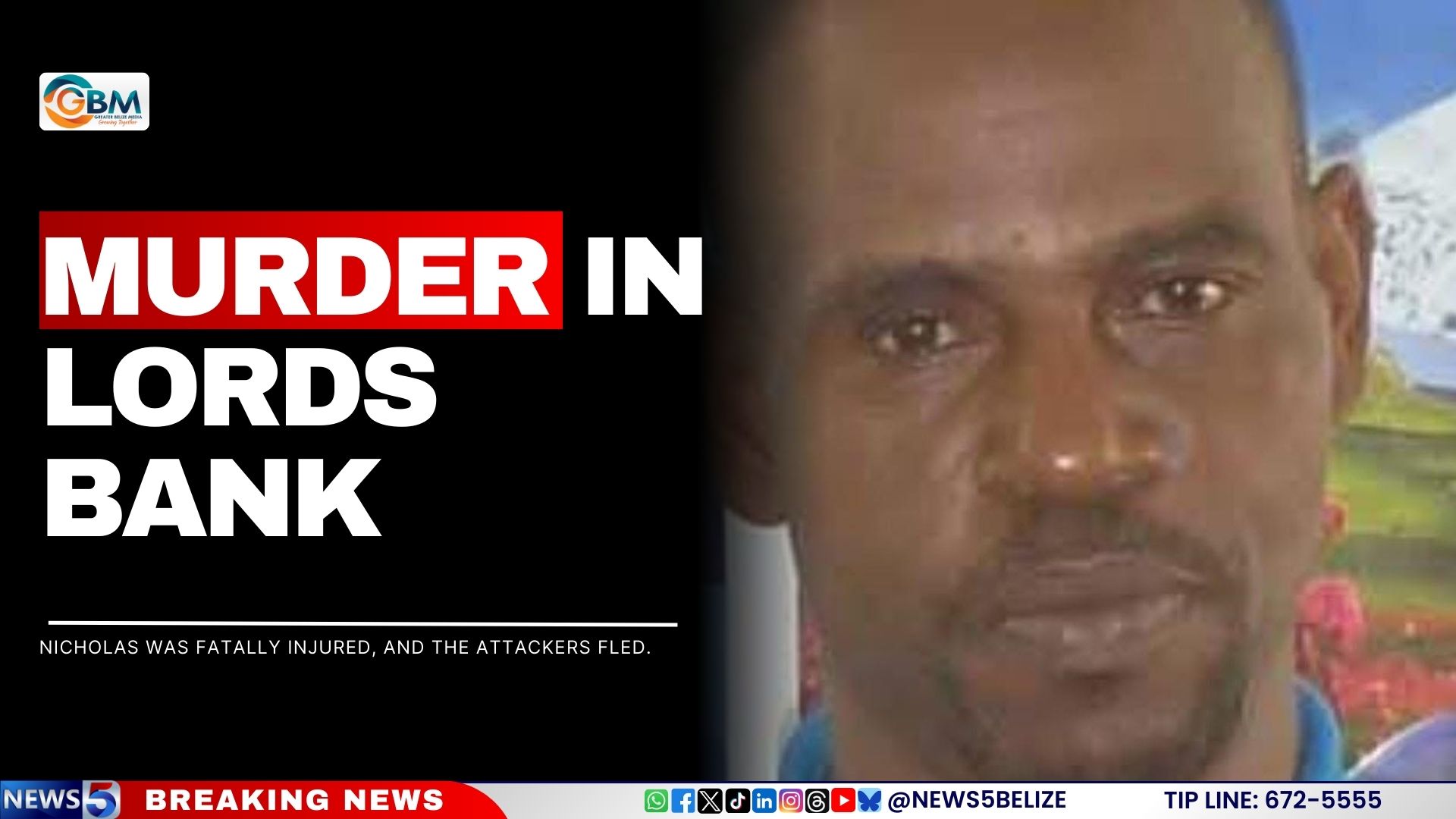
    LORDS BANK VILLAGE, BELIZE DISTRICT — A brutal home invasion has culminated in the tragic killing of 57-year-old Phillip Nicholas, sending shockwaves through this quiet community. The incident, which unfolded in the predawn hours of January 4, 2026, is now the subject of an intensive homicide investigation by Belizean law enforcement.

    Authorities confirmed they were dispatched to the residence at approximately 1:41 a.m. following reports of gunfire. Upon arrival, officers discovered Nicholas deceased inside his home, having sustained a catastrophic gunshot wound to the head.

    Preliminary investigative reports indicate the victim was asleep on the floor alongside his wife and their four-year-old grandson—a detail that underscores the particularly heinous nature of the crime. The assailants, described as two masked individuals, allegedly approached the dwelling through an open side door before discharging multiple rounds into the home in what appears to be a targeted attack.

    Following the shooting, the perpetrators fled the scene under the cover of darkness. The motive remains undetermined, leaving investigators to explore all possibilities, including personal disputes or targeted violence.

    The cold-blooded execution of a family man in his own home, with young family members present, has ignited profound concern among local residents regarding community safety and the escalating patterns of violent crime. This homicide represents not just a personal tragedy for the Nicholas family but a distressing symptom of broader security challenges facing the region.

  • Airspace Ban Lifted for U.S. Airlines in Caribbean, South America

    Airspace Ban Lifted for U.S. Airlines in Caribbean, South America

    U.S. commercial air carriers resumed normal operations across critical Caribbean and South American flight corridors early Sunday following the expiration of temporary flight restrictions imposed by the Federal Aviation Administration (FAA). The aviation safety measures, which had triggered extensive flight cancellations and travel disruptions throughout Saturday, were formally lifted at midnight Eastern Time.

    The FAA initially issued multiple Notices to Airmen (NOTAMs) on Friday, identifying potential safety hazards in airspace managed by the Curacao, Maiquetia, Piarco, and San Juan flight information regions. These advisories specifically referenced increased military activities within Venezuelan territory that posed risks to civilian aviation.

    U.S. Transportation Secretary Sean Duffy confirmed the restoration of normal flight operations late Saturday, indicating that airlines were actively working to clear passenger backlogs resulting from the temporary suspension. Travelers received recommendations to consult directly with their carriers for the most current scheduling information as airlines updated their flight plans.

    United Airlines, which had experienced hundreds of cancellations at Luis Muñoz Marín International Airport in San Juan on Saturday, announced preparations to reinstate its Caribbean service network. The carrier projected that most scheduled flights would operate normally on Sunday, with additional services being arranged to accommodate affected passengers.

    JetBlue similarly commenced service restoration after approximately 215 flight cancellations during the disruption period. The airline indicated potential additional flights would be added to its schedule and advised customers to monitor flight status through digital platforms.

    While European aviation authorities maintained their conflict-zone advisory for Venezuelan airspace, KLM—the Dutch flag carrier—proceeded with scheduled Sunday flights to Caribbean destinations after canceling services the previous day. Regional airlines operating within the Caribbean basin remained largely unaffected by the restrictions, which applied exclusively to U.S.-registered aircraft operators.

  • Uzbek President sends congratulations to Cuban people

    Uzbek President sends congratulations to Cuban people

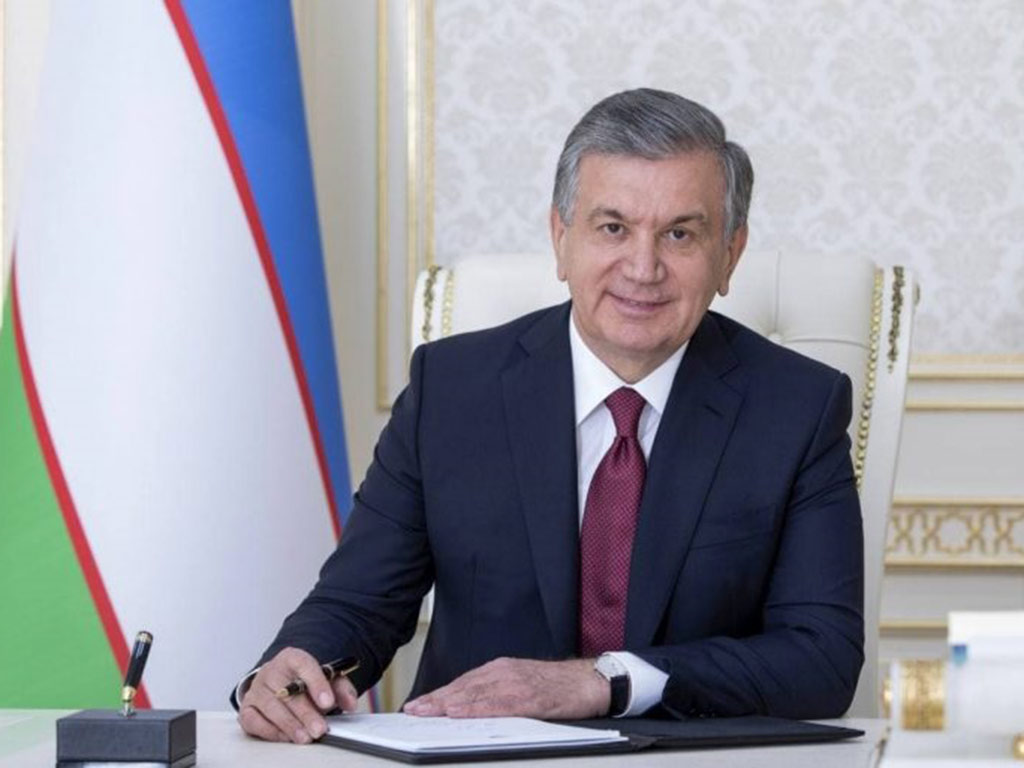
    In a significant diplomatic exchange, Uzbek President Shavkat Mirziyoyev has conveyed formal congratulations to Cuban leadership commemorating Liberation Day, the Caribbean nation’s pivotal national holiday. Through an official message transmitted via Prensa Latina news agency, Mirziyoyev articulated heartfelt felicitations to both President Miguel Díaz-Canel and the Cuban populace, underscoring the deepening rapport between the two governments.

    The Central Asian leader expressed unwavering confidence that ‘practical cooperation ties between our nations will persistently broaden, advancing the mutual interests of our amicable peoples.’ This statement signals a deliberate commitment to fortify international partnerships beyond traditional geopolitical blocs.

    Mirziyoyev specifically emphasized collaborative initiatives designed to elevate the comprehensive partnership into a new developmental phase. The strategic enhancement encompasses multiple sectors including economic collaboration, agricultural modernization, public health coordination, and cultural-humanitarian engagement. This multidimensional approach reflects contemporary diplomatic trends favoring diversified bilateral cooperation.

    Concluding his diplomatic correspondence, the Uzbek head of state extended personal wishes for President Díaz-Canel’s wellbeing and professional success in governing responsibilities. The message culminated with aspirations for Cuba’s peaceful development and national prosperity, symbolizing the cordial nature of inter-state relations despite geographical separation.

  • Colombia takes steps in response to potential impacts in border area

    Colombia takes steps in response to potential impacts in border area

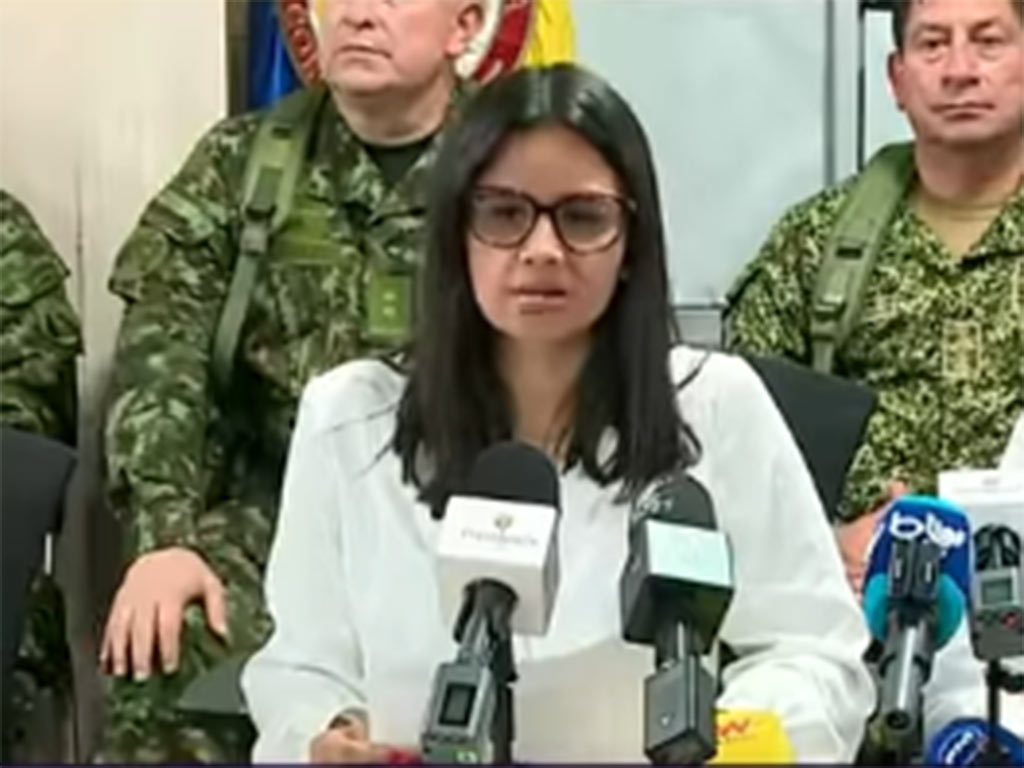
    In a significant escalation of border security measures, Colombia’s Administrative Department of the Presidency (DAPRE) has announced the deployment of 30,000 military personnel to its frontier with Venezuela. The decision emerged from high-level governmental meetings where Director Angie Rodriguez outlined a comprehensive strategy addressing both humanitarian and security concerns.

    The substantial military mobilization, described as part of a ‘comprehensive and coordinated response plan,’ will prioritize regions deemed critically vulnerable. The Armed Forces have been placed on high alert status to address potential security challenges while safeguarding national sovereignty and territorial integrity.

    Concurrently, the Colombian government is implementing preventative measures aligned with its ‘Lasting Solutions for Victims’ public policy framework. This initiative involves resource allocation and preparation of comprehensive support systems for Colombian communities affected by border region migration dynamics.

    Of particular significance is the government’s consideration of declaring an Economic Emergency to address potential impacts from regional migration patterns. Such a declaration would provide exceptional tools enabling swift and efficient response mechanisms to the evolving situation.

    The official statement concluded with expressions of unanimous support for President Gustavo Petro and firm rejection of what it characterized as unfounded accusations against the administration.

  • Atilio Boron warns of implications of US strike on Venezuela

    Atilio Boron warns of implications of US strike on Venezuela

    Prominent Argentine sociologist Atilio Boron has issued a stark warning about the destabilization of international norms following recent US military actions against Venezuela. In a recent interview, Boron characterized Washington’s airstrike on Caracas as representing the definitive collapse of the post-World War II global governance framework.

    Boron emphatically stated that such actions must not be normalized, arguing that validation of unilateral military strikes could trigger dangerous geopolitical consequences extending far beyond South America. The academic specifically cautioned that the United States’ breach of international law might tacitly empower other global powers to resolve territorial disputes through force rather than diplomacy.

    To illustrate his concerns, Boron presented hypothetical scenarios where Azerbaijan might move to seize Armenian territory, or China could attempt to formally incorporate Taiwan within its national jurisdiction—actions that would previously have been constrained by international norms.

    Regarding the White House’s official justification for the military action, Boron dismissed narratives centered on drug trafficking interdiction or democracy promotion as lacking credibility. The sociologist’s analysis suggests the incident represents a fundamental shift in global power dynamics that could undermine decades of established international law and diplomatic protocols.