博客

  • From recovery to renewal

    From recovery to renewal

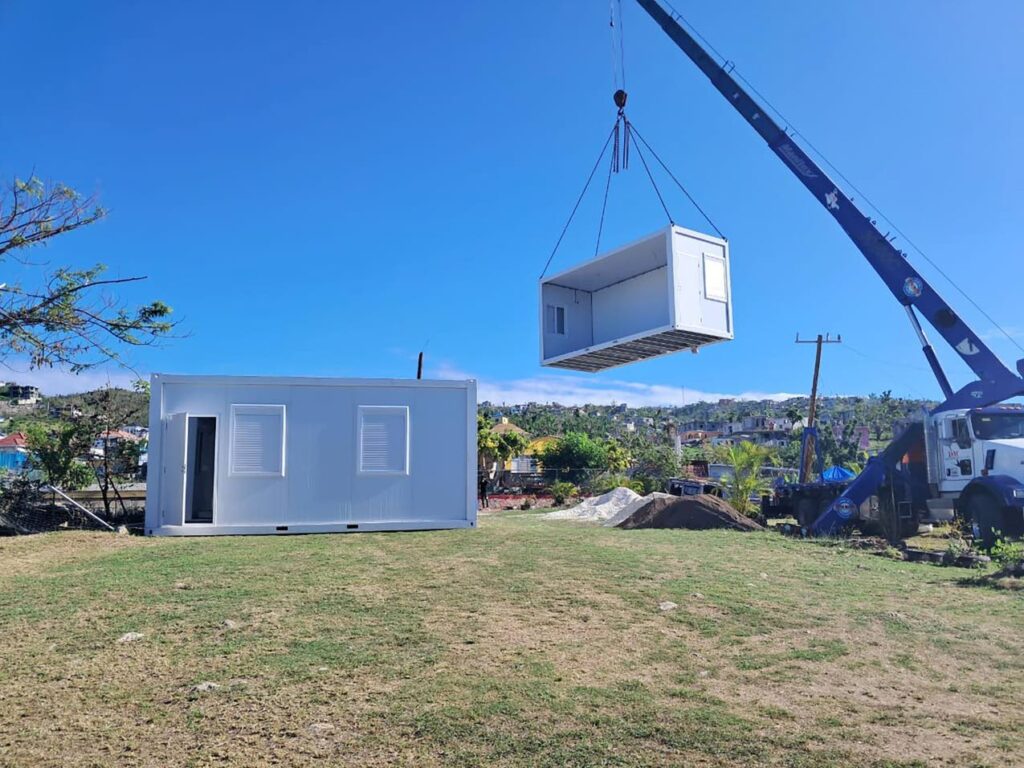
    The Sandals Foundation has initiated a significant educational restoration program across multiple Jamaican parishes severely impacted by recent hurricane activity. In Westmoreland’s Whitehouse community, Culloden Infant School has received two modular classrooms as part of this comprehensive recovery effort, marking a pivotal step toward normalizing education for affected students.

    The foundation’s multi-faceted approach extends beyond physical infrastructure, incorporating psychological support, nutritional assistance, and environmental management. Six pre-fabricated modular units have been strategically deployed to create temporary learning spaces while permanent reconstruction planning progresses.

    Executive Director Heidi Clarke emphasized the urgency of educational restoration: ‘Creating safe temporary spaces represents just one component of our holistic recovery mission. We’re simultaneously addressing emotional trauma through psychosocial support programs while ensuring basic needs through daily meal provisions and water security measures.’

    The foundation has mobilized an international coalition including Team Rubicon for debris removal and structural repairs, Mercy Chefs for nutritional support, and Sesame Workshop for educational resources. Local partnerships with Rhino Jamaica and Ex-o-Pest have facilitated pest management and infrastructure repairs.

    At Kings Primary School, temporary roofing installations have already enabled the resumption of classes for critical PEP examination students. Michelle Whittingham, Principal of Culloden Infant, highlighted the psychological component’s importance: ‘These interventions restore routine and build emotional resilience when children’s sense of security is most vulnerable.’

    The ongoing initiative currently supports thirteen educational institutions across Westmoreland, St. Elizabeth, and St. James parishes. The foundation maintains collaborative planning with Jamaica’s Ministry of Education and National Education Trust to coordinate long-term reconstruction timelines.


  • 2026: The year of intention

    2026: The year of intention

    As 2026 approaches, a transformative shift is emerging in how women conceptualize personal development. Moving beyond traditional New Year’s resolutions focused on achievement, a growing movement emphasizes sustainable foundations that prioritize preservation over performance. Life coach Beth-Ann Falconer identifies ten core areas that represent this philosophical reorientation toward lasting wellbeing.

    Preventive healthcare has been redefined as an active expression of self-respect rather than reactive treatment. This paradigm emphasizes sleep prioritization, regular medical screenings, hormonal awareness, and proactive stress management as essential components of future-proofing one’s health.

    The concept of mental hygiene expands upon conventional mindfulness practices by incorporating emotional consumption curation. This includes conscious management of news intake, social media exposure, and interpersonal expectations, combined with early intervention in negative self-talk patterns. Building peace requires active boundary-setting and nervous system regulation rather than passive acceptance.

    Physical fitness is undergoing a conceptual transformation from aesthetic-focused goals to functional strength development. The new emphasis celebrates strength training, mobility, and cardiovascular health for their contributions to bone density, metabolic efficiency, and overall resilience in handling life’s physical demands.

    Nutritional approaches are shifting from control-based eating to nourishment-centered practices. This framework emphasizes adequate protein, fiber, and micronutrient intake without moral judgment, focusing instead on sustainable eating patterns that support energy levels and hormonal balance.

    Relationship dynamics are being reconceptualized through the lens of boundary-setting as a fundamental skill. Clear limitations prevent resentment and burnout while serving as indicators of mutual respect in interpersonal connections.

    Emotional honesty is gaining recognition as essential for maintaining intimate relationships. The practice involves expressing needs and disappointments in real-time rather than allowing frustrations to accumulate into emotional distance.

    Rights literacy has emerged as a crucial component of personal agency, with awareness of healthcare access, reproductive autonomy, workplace protections, and financial equity laws providing the foundation for informed decision-making.

    Parenting philosophy is evolving toward conscious modeling of emotional regulation and accountability, while non-parents are encouraged to examine how childhood needs continue influencing adult patterns of behavior and self-worth.

    Financial clarity is being reframed as a pathway to reduced anxiety and increased independence rather than merely wealth accumulation. Understanding income, spending patterns, and long-term security creates foundational confidence.

    Finally, rest is being recognized as a biological requirement rather than a earned reward. Strategic incorporation of sleep, stillness, and unproductive time enables clearer decision-making and sustained energy management.

  • She wants a ring this year

    She wants a ring this year

    A young man’s relationship dilemma has sparked broader conversations about commitment timelines and gender expectations in modern partnerships. The 25-year-old individual, who has been dating his partner since high school, finds himself at a crossroads as his girlfriend has delivered an ultimatum: propose by 2026 or she will move on.

    The conflict centers on differing perspectives about relationship progression. While his partner seeks security and formal commitment after years of investment in the relationship, the young man feels pressured and acknowledges he isn’t emotionally or financially prepared for marriage and children. This situation raises fundamental questions about whether such discomfort indicates underlying relationship problems or simply reflects personal anxiety.

    Relationship experts note that such timing conflicts are particularly common among couples in their mid-twenties who began dating young. The pursuit of security represents a natural evolution in serious relationships, especially for partners who have invested significant time and emotional resources. Women often demonstrate greater urgency for commitment due to biological, emotional, and financial security concerns that remain prevalent in contemporary society.

    Financial stability emerges as a crucial consideration, particularly for men who traditionally feel pressure to establish economic security before marriage. The connection between financial preparedness and marital success cannot be overlooked, as economic stress frequently undermines relationship quality and intimacy.

    The resolution pathway involves open communication without succumbing to ultimatums. Experts recommend honest conversations about readiness timelines, concrete goal-setting, and potentially seeking professional counseling. The situation doesn’t necessarily indicate relationship dysfunction but rather highlights the natural progression challenges that couples face when transitioning from dating to lifelong commitment.

    Ultimately, both partners’ perspectives remain valid—her desire for commitment security and his need for additional preparation time. The healthiest outcomes emerge from compromise, clear communication, and mutual understanding rather than pressure or rigid deadlines that could potentially undermine the relationship’s foundation.

  • Can I sue the parents of my child’s bully?

    Can I sue the parents of my child’s bully?

    In Jamaica’s educational landscape, parents facing persistent school bullying encounter a complex system guided by ministerial guidelines rather than specific anti-bullying legislation. The situation described involves a child who has endured bullying since second grade, with initially physical aggression evolving into verbal harassment and online abuse through video game chats despite multiple school reports and temporary suspensions of the offender.

    The framework for addressing such incidents stems from the Ministry of Education’s Guidelines, which mandate schools to maintain awareness programs, document all reported incidents, and provide support systems for both victims and offenders. The revised 2015 Safety and Security Manual further outlines specific anti-bullying strategies and emphasizes a ‘whole school approach’ to ensure secure learning environments. These policies operate in conjunction with the Child Care and Protection Act (2004), which imposes a legal duty on all adult citizens to report suspected or actual child abuse—a category that includes bullying behaviors.

    For parents seeking legal recourse against the parents of persistent bullies, the recommended pathway involves reporting to the Child Protection and Family Services Agency (CPFSA). This agency holds responsibility for investigating abuses against children and ensuring matters proceed through appropriate legal channels. The advice emphasizes that direct legal action against the bully’s parents is not the primary solution; instead, comprehensive reporting to CPFSA’s Children’s Registry represents the most effective approach. This should include detailed documentation of the bullying history, the school’s ineffective responses, and the resulting need for both victim protection and behavioral intervention for the offending child.

    The national commitment to addressing bullying is further demonstrated through the establishment of National Anti-Bullying Day on October 7, 2025, promoting community involvement and prompt action. However, the absence of specific anti-bullying legislation means protection relies on existing child protection frameworks and institutional compliance with ministerial guidelines.

  • TERM OF HOPE

    TERM OF HOPE

    Jamaican education authorities are implementing innovative recovery strategies as schools reopen across the nation following the devastating impact of Hurricane Melissa. Education Minister Senator Dr. Dana Morris Dixon has called upon citizens to approach the new academic term with determination and national pride, despite significant challenges persisting from the Category 5 storm that struck on October 28.

    The hurricane, which brought winds exceeding 185 miles per hour, caused substantial damage to over 600 educational institutions nationwide. The western parishes of St. James, Hanover, and Westmoreland (designated as Region Four) experienced particularly severe destruction to school infrastructure.

    Minister Morris Dixon characterized the hurricane as “the biggest shock to our education system that we have seen in decades,” acknowledging the disruption to thousands of students and staff members. However, she emphasized the collaborative recovery effort involving ministry teams, community partners, and school administrators who worked tirelessly to ensure safe learning environments could be restored.

    The reopening features adaptive educational models tailored to local conditions. Dr. Michele Pinnock, regional education director for the hardest-hit areas, explained that most institutions would employ hybrid learning approaches. This includes rotational attendance systems where critical grade levels maintain regular schedules while others receive printed materials and utilize digital platforms like Google Classroom where electricity permits.

    For communities still experiencing power outages, schools will implement reduced operational hours to ensure student safety during travel times. Education officials are actively encouraging parents facing challenges to contact their nearest available educational institutions to ensure all children remain engaged in learning activities.

    The reconstruction effort incorporates a forward-looking vision to build a more resilient education infrastructure. Minister Morris Dixon stated, “We must use this disaster to rethink, redesign and rebuild an education system that is safer, smarter, and more resilient for the future,” committing to preventive measures against similar disruption in coming years.

    While temporary arrangements including shared campus spaces and blended learning modalities will continue during ongoing repairs, authorities have guaranteed that no student’s academic progression will be compromised due to hurricane-related challenges.

  • Against the  odds

    Against the odds

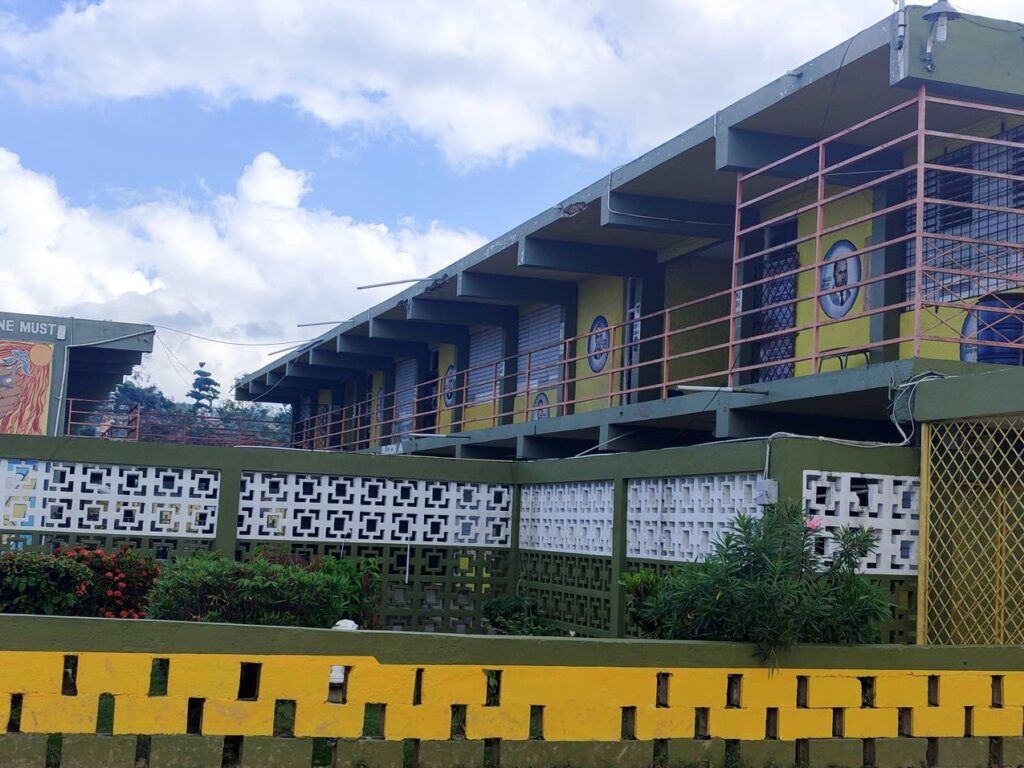
    In an extraordinary display of resilience, multiple educational institutions in St James Parish, Jamaica, are proceeding with full class resumptions today despite sustaining catastrophic damage from Hurricane Melissa two months prior. Among the most severely impacted schools reopening are Maldon High and Catherine Hall Primary, whose administrators acknowledge operating far from ideal conditions while implementing comprehensive contingency measures.

    Maldon High Principal Janet Manning confirmed the school remains substantially below full operational capacity but emphasized their commitment to creating a safe learning environment. “We are nowhere near 100 percent readiness, but we’re addressing critical priorities,” Manning stated, detailing extensive roof damage from the Category 5 hurricane that struck October 28. The institution has implemented temporary roofing solutions using tarpaulins and conducted intensive sanitization campaigns to ensure health standards despite ongoing infrastructure challenges.

    The school faces additional complications including complete power outage throughout the region, necessitating reliance on donated generators for electricity. Accessibility presents another significant hurdle as the primary access road collapsed during the storm, requiring coordinated transportation alternatives through the rural school bus system to ensure student attendance.

    Meanwhile, Catherine Hall Primary School, located in one of the most devastated communities, will receive crucial psychosocial support from UNICEF representatives who will remain on campus for four to six weeks. Principal Kay-Esther Malcolm highlighted the traumatic impact on students, many of whom lost uniforms, textbooks, and home structures during the disaster. “Many children arrive with nothing except their home structures intact,” Malcolm noted, emphasizing the urgency of educational continuity particularly with impending Primary Exit Profile examinations.

    The school endured catastrophic flooding that left classrooms buried under mud deposits, with kindergarten facilities and the cafeteria suffering particularly severe damage. Despite these challenges, staff conducted extensive cleanup operations throughout the weekend, with final deep-sanitization procedures completed last Friday in preparation for today’s reopening. Malcolm acknowledged the critical assistance received from Barracks Road Primary School in Montego Bay, which temporarily accommodated their sixth-grade students during the worst of the recovery period.

  • Baitali sleept staat opnieuw voor de rechter in kwestie Van ‘t Hogerhuysstraat

    Baitali sleept staat opnieuw voor de rechter in kwestie Van ‘t Hogerhuysstraat

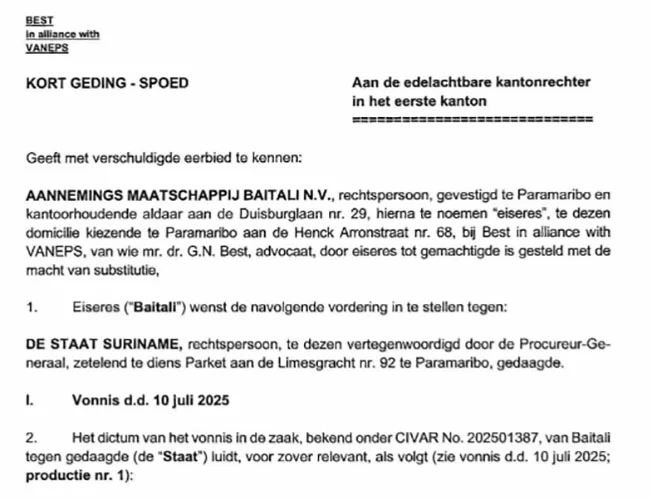
    Baitali NV has initiated another legal proceeding against the Republic of Suriname regarding the Van ‘t Hogerhuysstraat infrastructure project controversy. The company filed a petition requesting the court to compel the State, specifically the Ministry of Public Works, to enforce a previous judicial verdict that favored the construction firm.

    The initial ruling by the cantonal court mandated that the tender process for infrastructure work on Van ‘t Hogerhuysstraat must be reevaluated and reopened for bidding. This judgment explicitly required that Baitali be granted the opportunity to participate in the renewed tender process.

    According to company director Farsi Khudabuks, despite the judgment becoming irrevocable several months ago, the Surinamese government has failed to implement the court’s decision. “The verdict was pronounced with an execution deadline of two days, yet six months have elapsed without any action,” Khudabuks stated in an interview with Starnieuws. The company asserts that authorities have provided no clear explanation for this prolonged non-compliance.

    The case took a complex turn when the Inter-American Development Bank (IDB) initially threatened to withdraw project funding if the court ruling was implemented. However, Khudabuks revealed that the IDB later moderated its position during a high-level visit to Suriname. The bank’s president reportedly assured Suriname’s leadership that as a “law-abiding organization,” the IDB respects judicial decisions within member countries.

    “This development removed any potential obstacles for the State to simply execute the court order,” Khudabuks emphasized. Despite this clarification, implementation remains stalled, prompting Baitali to seek judicial intervention once more.

    In the renewed legal action, the company is petitioning to increase the imposed penalty from SRD 5,000 per day, arguing the current amount proves insufficient to motivate compliance. “Apparently this sum isn’t substantial enough to persuade the State to fulfill its legal obligations,” Khudabuks noted, while stressing that financial penalties serve as legal pressure mechanisms rather than primary solutions.

    The director underscored that settlement negotiations are not being considered: “There exists a court verdict that must be executed. This isn’t a matter of negotiation or compromise—the rule of law must prevail.” The company anticipates a new court hearing shortly to address its enforcement petition.

  • Chinese academician warns of US intentions in Venezuela

    Chinese academician warns of US intentions in Venezuela

    A prominent Chinese Latin America specialist has condemned recent United States actions against Venezuela’s leadership as a violation of international legal standards that establishes a concerning historical precedent. Dr. Sun Yanfeng, Director of the Institute of Latin American Studies at the China Institute of Contemporary International Relations, characterized Washington’s operation as another instance of the U.S. elevating its domestic legislation above established international law.

    In an exclusive interview with The Paper, Dr. Sun criticized the American justification for the action, noting that the U.S. relied solely on its own judicial orders and narcotics trafficking allegations under domestic statutes without presenting internationally verifiable evidence. The analyst emphasized that fundamental principles of international relations—specifically the sovereign equality of nations and the prohibition against interference in internal affairs—explicitly forbid the extraterritorial application of national laws against sitting heads of state.

    The expert drew parallels to a historically significant event from 1989, when United States military forces invaded Panama and apprehended its leader on similar drug-related charges. Dr. Sun described this earlier intervention as establishing a ‘dangerous precedent’ that now appears to be repeating itself in the Venezuelan context.

    Beyond the surface-level narcotics enforcement narrative, Dr. Sun identified broader geopolitical motivations behind Washington’s actions. He asserted that the operation serves strategic American objectives aimed at diminishing Venezuela’s influence as a regional actor that frequently opposes U.S. policies while maintaining close diplomatic and economic ties with both China and Russia.

    This development represents what the analyst considers the first direct U.S. intervention in Latin America during the 21st century, occurring shortly after the implementation of Washington’s newly updated national security strategy. The timing suggests a potential shift in American foreign policy approach toward the region that could have significant implications for international relations and regional stability.

  • Turkiye’s ruling party opposes intervention in Venezuela

    Turkiye’s ruling party opposes intervention in Venezuela

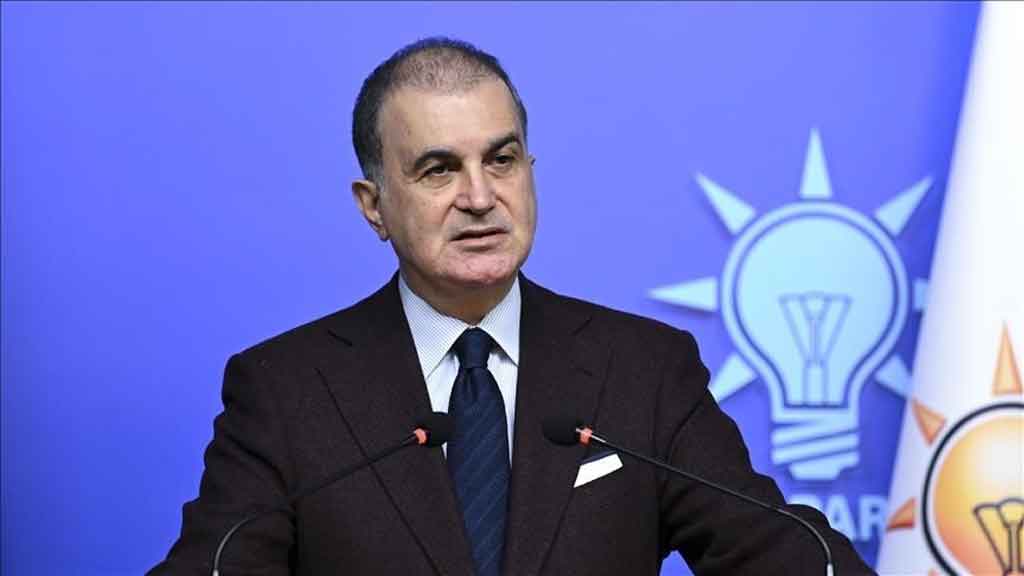
    In a firm declaration of diplomatic principles, Turkey’s ruling Justice and Development Party (AKP) has articulated its unwavering stance on Venezuela’s political sovereignty amid growing international tensions. Party spokesman Omer Celik utilized social media platform X to communicate the AKP’s position, emphasizing that political sovereignty resides exclusively with the Venezuelan people and that his party rejects any initiatives compromising state sovereignty.

    Celik’s statement established that the AKP’s approach to Venezuelan affairs is fundamentally grounded in respect for international legal frameworks and the democratic will of populations. The spokesman recalled that both Turkish President Recep Tayyip Erdogan and the AKP have consistently championed legitimate state sovereignty and territorial integrity as cornerstone principles of their political philosophy and international engagements.

    The declaration comes in response to recent developments that saw the Venezuelan government issue a formal statement on Saturday condemning what it characterized as US aggression aimed at appropriating the country’s strategic natural resources, including its substantial petroleum reserves and mineral wealth. Caracas asserted that these actions represent a deliberate campaign to undermine Venezuela’s political autonomy and economic independence.

    Venezuela’s government simultaneously announced its reserved right to employ legitimate self-defense measures to protect its citizens, territorial boundaries, and national independence. The South American nation additionally called for international solidarity in condemning what it perceives as foreign aggression, seeking broader global support against external pressure campaigns.

    The AKP’s reaffirmation of these principles signals Turkey’s continuing commitment to a foreign policy that prioritizes state sovereignty above geopolitical alignments, maintaining consistency with Ankara’s historical positions on international law and non-interventionist principles.

  • China calls for immediate release of Maduro and his wife

    China calls for immediate release of Maduro and his wife

    The Chinese government has issued a forceful condemnation of United States military operations in Venezuela, characterizing Washington’s actions as a severe breach of international legal standards and fundamental principles governing international relations. In an official statement released through its Foreign Ministry, Beijing expressed profound consternation regarding what it termed ‘reckless use of force’ against the sovereign nation of Venezuela and its leadership.

    The diplomatic communiqué emphasized China’s deep concern over the reported detention and coerced deportation of Venezuelan President Nicolás Maduro and his spouse, demanding immediate guarantees for their physical security and personal wellbeing. The Asian nation further called for the prompt and unconditional release of the Venezuelan head of state and his wife.

    Beijing’s position maintains that such military interventions directly contravene the established purposes and principles enshrined in the United Nations Charter. The Chinese statement characterized American conduct as ‘hegemonic behavior’ that not only infringes upon Venezuela’s national sovereignty but also potentially destabilizes regional peace and security throughout Latin America and the Caribbean.

    China has urged the United States to pursue resolution of bilateral differences with Venezuela exclusively through diplomatic channels and peaceful negotiations rather than military confrontation. The escalating situation has attracted concentrated attention from international media outlets, with extensive coverage of the developments unfolding in the South American nation where sovereignty violations and executive kidnapping allegations have created diplomatic upheaval.