博客

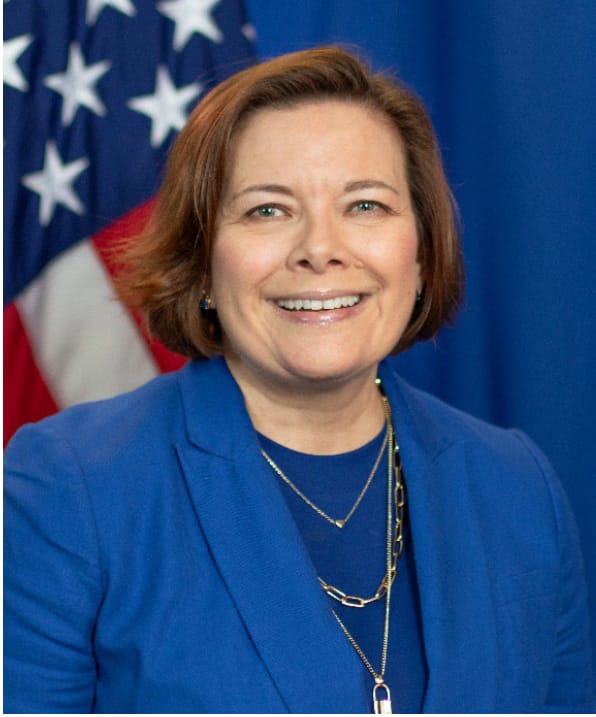
  • OP-ED: Chargé d’Affaires Karin Sullivan, U.S. Embassy to Barbados, the Eastern Caribbean, and the OECS on the Cuba medical workers

    OP-ED: Chargé d’Affaires Karin Sullivan, U.S. Embassy to Barbados, the Eastern Caribbean, and the OECS on the Cuba medical workers

    The United States has taken decisive action against Cuba’s controversial medical mission program, implementing visa restrictions targeting individuals involved in what American officials characterize as a coercive labor export scheme. Chargé d’Affaires Karin Sullivan of the U.S. Embassy Bridgetown has articulated the Trump Administration’s position, revealing that diplomatic engagements are underway with over 50 nations utilizing Cuban medical personnel to address systemic flaws within these arrangements.

    According to U.S. officials, Cuba’s international medical brigades—long promoted as humanitarian initiatives—function instead as a sophisticated forced labor operation generating approximately $5 billion annually in foreign currency for the Cuban government. Medical professionals, constituting 75% of Cuba’s exported workforce, reportedly operate under severely restrictive conditions including confiscated credentials and passports, withheld wages, and draconian penalties for non-compliance including eight-year exile periods.

    The administration emphasizes that their opposition targets not the provision of healthcare to vulnerable populations but rather the exploitative mechanisms underpinning these missions. Secretary Rubio previously characterized the arrangement in Jamaica as fundamentally concerning not because participants are Cuban doctors, but because ‘the regime does not pay these doctors, takes away their passports, and, basically, it is in many ways forced labor.’

    This policy stance emerges against the paradoxical backdrop of Cuba itself experiencing chronic medical care shortages and widespread infrastructure failures, even as it exports medical expertise worldwide. The United States maintains that regional healthcare cooperation should not necessitate complicity in systems that violate fundamental labor rights and channel earnings to what they term a corrupt regime.

    The administration positions its actions as advocating for accountability rather than isolation, urging partner nations to develop ethical, transparent healthcare partnerships that respect human dignity while meeting urgent medical needs. This approach reframes the debate from political alignment to fundamental human and labor rights, asserting that ethical practices and robust health cooperation are mutually reinforcing rather than contradictory objectives.

  • Antigua Sailing Week: Evolution, Not Reinvention

    Antigua Sailing Week: Evolution, Not Reinvention

    After more than five decades as a Caribbean sailing institution, Antigua Sailing Week is undergoing a transformative evolution that will redefine competitive sailing in the region. The legendary regatta, traditionally known for its intense round-the-buoys racing off Antigua’s southern coast, will debut a completely reimagined point-to-point format starting April 22-26, 2026.

    The strategic shift represents a deliberate response to changing demographics, economic realities, and evolving sailor preferences rather than a departure from the event’s competitive heritage. According to Antigua Sailing Week President Alison Sly-Adams, the transformation emerged from years of consultation with competitors, charter companies, cruising sailors, and local stakeholders.

    “Antigua Sailing Week has always reflected the way people sail now, not the way they sailed 20 or 30 years ago,” Sly-Adams explained. “This evolution allows us to stay true to our competitive DNA while opening the door to a broader cross-section of the sailing community.”

    The new format addresses several contemporary challenges: rising participation costs, difficulty assembling full race crews, and sailors’ increasing desire to balance competitive ambitions with family time and richer experiential vacations. The solution replaces daily buoy racing with coastal passages that circumnavigate Antigua’s dramatic coastline, combining competitive elements with exploration and navigation.

    Charter companies have welcomed the changes as long overdue. “This format finally reflects how our guests actually want to sail,” noted an Antigua-based charter representative. “They want to sail real miles, drop anchor somewhere beautiful, and still feel like they’ve accomplished something on the water.”

    The redesign specifically targets skilled sailors who previously avoided regattas due to perceived intimidation factors. By lowering barriers to entry—both practical and psychological—the event now actively encourages participation from cruising yachts, charter boats, owner-operators, and mixed-experience crews.

    Despite these changes, performance racing remains integral to the event. Rating systems and competitive divisions will continue, ensuring that serious racers still find challenging competition within the new framework.

    The shoreside experience, long considered essential to Antigua Sailing Week’s character, will be enhanced rather than diminished. The point-to-point format will distribute economic benefits across multiple coastal communities while allowing participants to engage more deeply with Antigua’s diverse anchorages and hospitality offerings.

    For participants like Charles Bayer and his 19-person crew from Michigan, the new format offers an ideal balance. “We’re curious to try the new Antigua Sailing Week format,” Bayer said. “It offers more of a laid-back race that focuses on tactics and boat speed without the intensity of buoy racing.”

    This evolution mirrors broader trends in Caribbean sailing, where success is increasingly measured not just by who crosses the line first, but by how many feel welcome to participate. The changes position Antigua Sailing Week to remain relevant for future generations while honoring the essential spirit of Caribbean sailing: adaptability, resilience, and joy in the journey.

  • Carnival holiday boosted tourism in Ecuador

    Carnival holiday boosted tourism in Ecuador

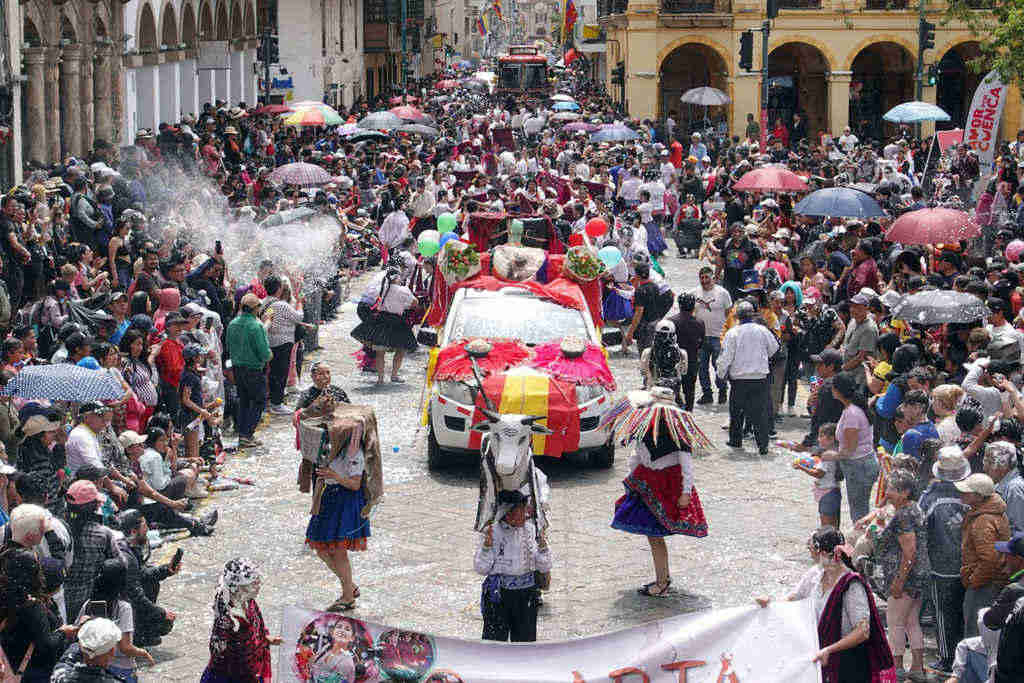
    Ecuador’s tourism industry has demonstrated remarkable growth during the recent Carnival celebrations, according to official data released by Minister of Production, Foreign Trade, Investment, and Fisheries Luis Alberto Jaramillo. National hotel occupancy rates reached 49.6 percent, marking a significant five percentage point increase compared to the same period in 2015.

    The domestic travel sector experienced substantial expansion with over 1.284 million trips recorded nationwide, representing a six percent surge from previous years. This increased mobility translated into considerable economic benefits, with total tourism expenditure reaching $81.9 million—a notable 12 percent rise compared to 2015 figures.

    Tourist spending encompassed multiple sectors including accommodation, transportation, food services, recreation, and local commerce. Geographical analysis revealed distinct travel patterns, with the highest occupancy concentrations occurring in the provinces of Bolivar and Tungurahua, regions traditionally known for their vibrant Carnival festivities.

    Coastal attractions proved equally popular, with significant visitor numbers heading to Santa Elena and the ecologically unique Galapagos Islands. Meanwhile, Pastaza province in the Amazon rainforest emerged as the fifth most visited destination, drawing nature enthusiasts with its exceptional biodiversity and natural wonders.

    Minister Jaramillo characterized these findings as evidence of a positive trajectory for Ecuador’s tourism model, noting that the sector is successfully contributing to national economic development while promoting income distribution across diverse regions of the country.

  • Turkiye to participate in Gaza peace board meeeting

    Turkiye to participate in Gaza peace board meeeting

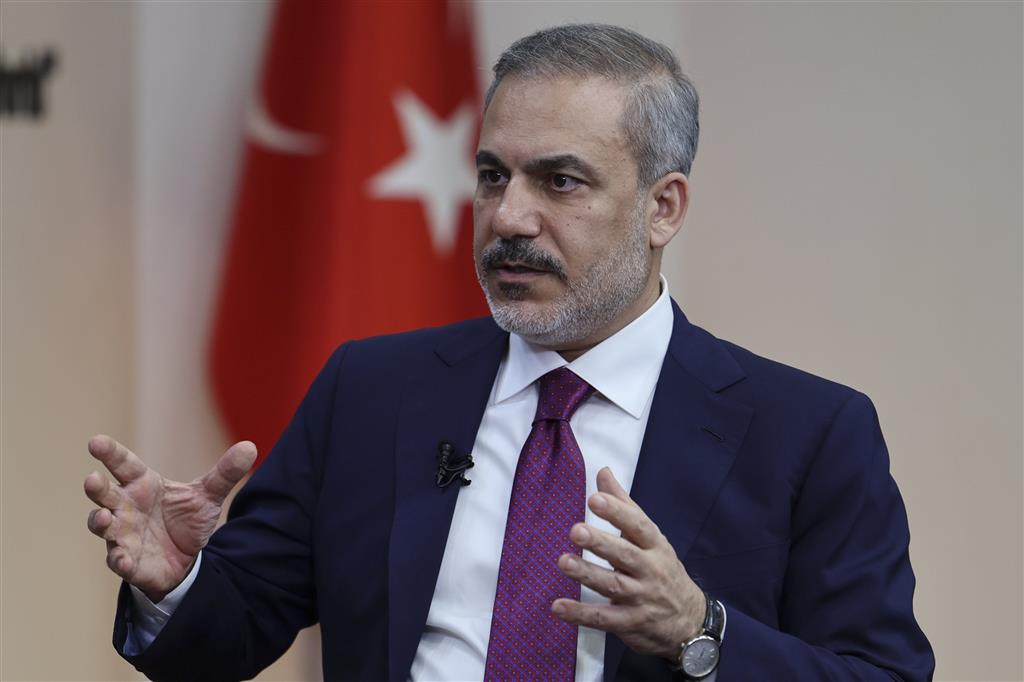
    Turkish Foreign Minister Hakan Fidan is set to represent President Recep Tayyip Erdoğan at the inaugural session of the newly established Peace Board, according to an official government announcement from Ankara. This foundational meeting, scheduled to occur in Washington D.C., will initiate the operational phase of an international mechanism specifically designed to foster stabilization in the Gaza Strip.

    The Peace Board itself is the product of diplomatic accords reached between Israel and Hamas concerning the governance of Gaza. It was formally constituted on January 22nd during the World Economic Forum in Davos, Switzerland, where representatives from nineteen nations endorsed its founding charter. While its primary initial focus is the Palestinian enclave, the platform’s mandate possesses the flexibility to expand into conflict prevention initiatives in other volatile regions.

    Regional analysts, cited by Turkish media outlets, interpret Ankara’s central role in this multilateral endeavor as a direct extension of its vigorous and nuanced diplomatic engagement throughout the Middle East crisis. Turkey has consistently maintained open communication channels with all key actors in the conflict, including the Hamas leadership. The meeting in the U.S. capital is anticipated to delineate the first concrete, operational procedures for this high-level political dialogue forum, setting the agenda for post-war reconstruction and governance in Gaza.

  • PM Says Sir Robin’s 50-Year Parliamentary Record Will Stand the Test of Time

    PM Says Sir Robin’s 50-Year Parliamentary Record Will Stand the Test of Time

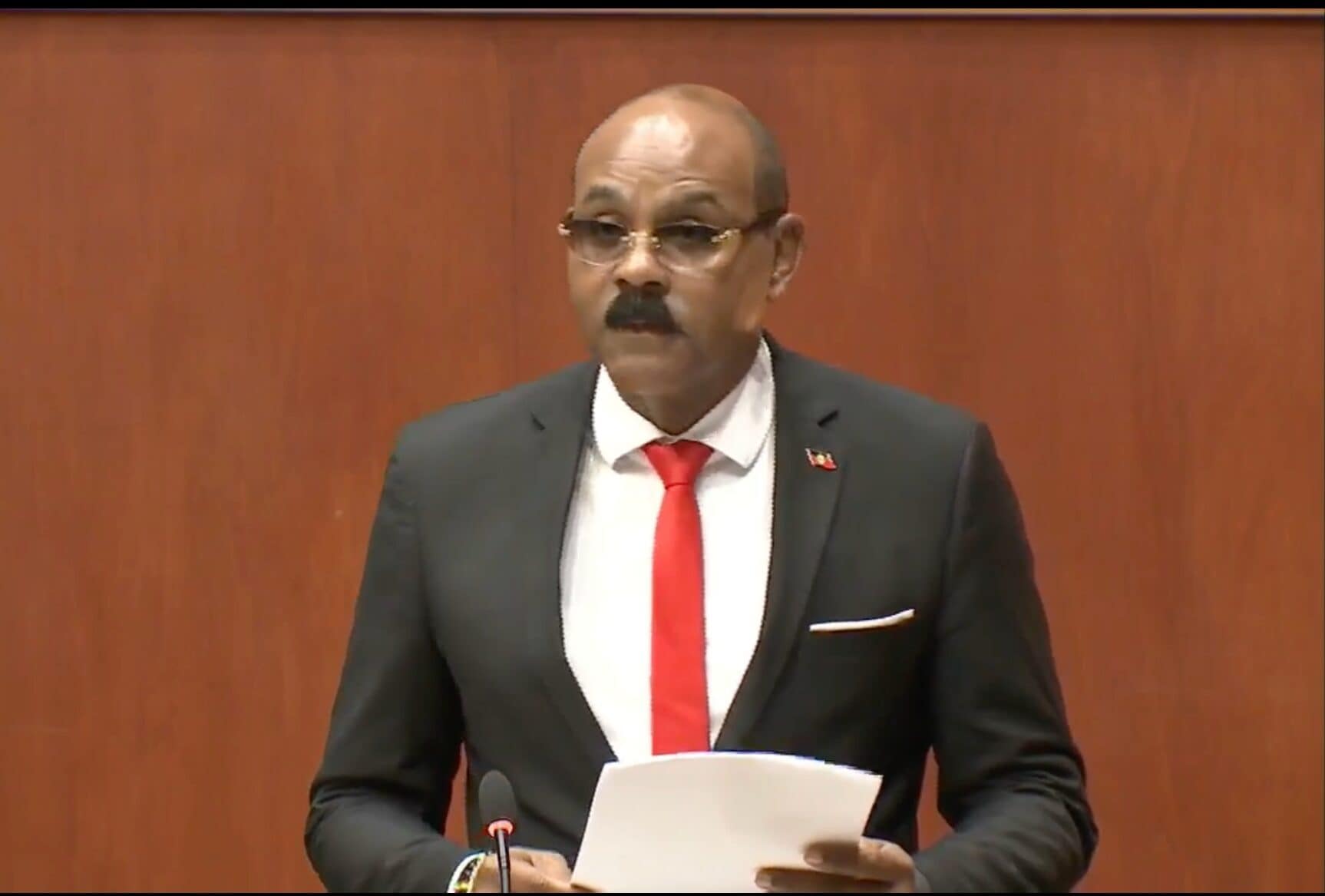
    In an extraordinary parliamentary session, Antigua and Barbuda’s Prime Minister Gaston Browne celebrated Sir Robin Yearwood’s unparalleled half-century of legislative service, declaring it a historic achievement unmatched throughout the Caribbean and Commonwealth nations. The landmark recognition occurred during a special sitting of Parliament dedicated to honoring the nation’s longest-serving parliamentarian.

    Browne detailed how Sir Robin, representing St Philip’s North constituency, has profoundly influenced national development through eleven consecutive electoral victories since first securing his seat on February 18, 1976. The Prime Minister emphasized that Yearwood’s legacy extends beyond parliamentary records, manifesting in strengthened communities, transformative policies, and reinforced democratic institutions that have benefited generations of constituents.

    “Our nation’s foundational strength owes much to Sir Robin’s dedicated service,” Browne stated, noting the parliamentarian’s unconventional approach to constituency representation. Rather than maintaining formal offices, Yearwood kept his personal residence permanently accessible to citizens throughout his five-decade tenure.

    Cross-party recognition came from Opposition MP Richard Lewis, who acknowledged Yearwood’s unique political standing. Lewis described the veteran legislator as occupying a singular position in Antiguan politics, suggesting his consistent electoral success provides a masterclass in political representation worthy of study by aspiring politicians.

    The celebration highlighted not just individual achievement but the evolution of Antigua and Barbuda’s democratic journey, with Yearwood’s career mirroring the nation’s transition to independence and beyond. His service spans multiple political eras, maintaining relevance and connection with constituents across demographic changes and political shifts.

  • Jamaican Farmers to receive support through matching grant scheme backed by CDB

    Jamaican Farmers to receive support through matching grant scheme backed by CDB

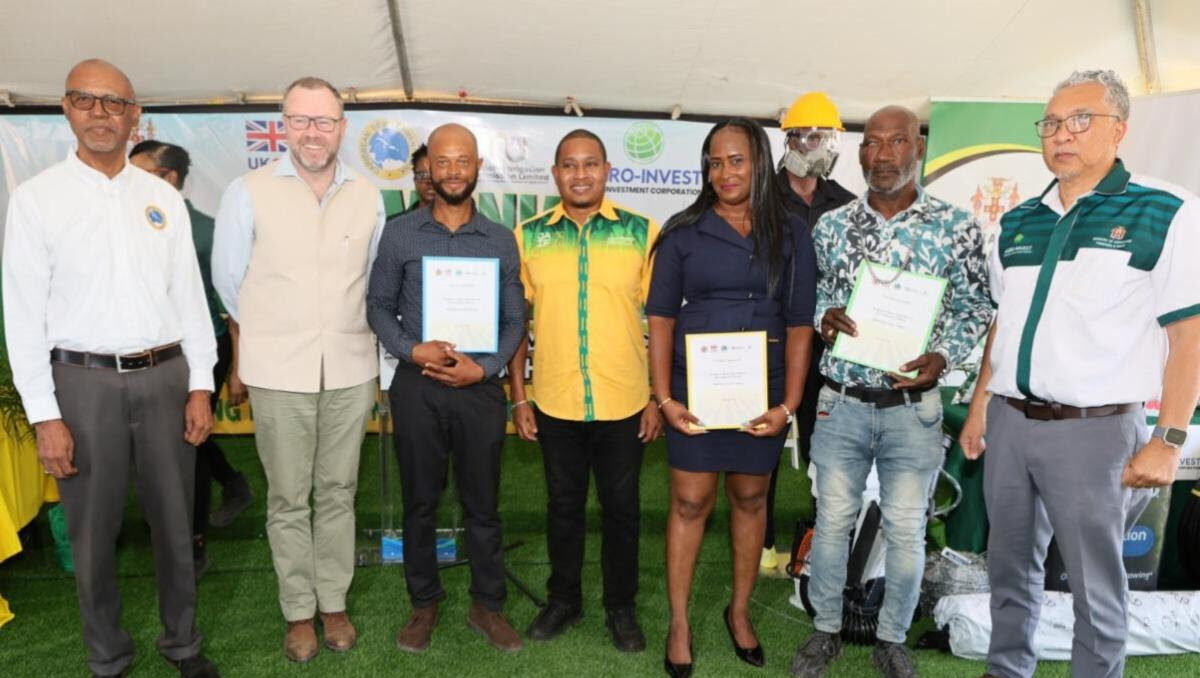
    Jamaican agricultural producers are set to receive substantial financial empowerment through an innovative Matching Grant Scheme (MGS) introduced through a strategic partnership between the Jamaican government and the Caribbean Development Bank (CDB). This groundbreaking initiative, formally launched recently, represents a significant advancement in supporting the growth and modernization of Jamaica’s farming sector.

    The MGS operates as a key component within the broader Southern Plains Agricultural Development Project (SPFDP), which benefits from substantial funding amounting to £16.7 million provided through the United Kingdom Caribbean Infrastructure Programme (UKCIF) and administered by CDB. The scheme specifically addresses the critical financial constraints that have historically impeded small and medium-scale farmers from expanding their agricultural operations.

    Stephen Lawrence, Projects Department Advisor at CDB, emphasized the transformative potential of the program, noting that it fundamentally aims to empower agricultural producers to invest directly in their own development. Through cost-sharing arrangements for essential production and post-harvest infrastructure, the scheme effectively reduces financial barriers that have traditionally limited business expansion within the agricultural sector.

    The initiative aligns perfectly with SPADP’s comprehensive objectives to enhance farming conditions across 795 hectares in the Parnassus and Amity Hall regions. Beyond physical infrastructure improvements including advanced irrigation systems, drainage solutions, farm road networks, and support facilities, the project tackles persistent challenges such as climate variability, water scarcity, escalating input expenses, and restricted market accessibility.

    Jamaica’s Minister of Agriculture, Fisheries and Mining, Honourable Floyd Green, underscored the government’s unwavering commitment to developing a contemporary, resilient agricultural industry. He characterized the program as transcending mere supply distribution, instead focusing on equipping farmers with essential tools, knowledge, and confidence to function as competitive agribusiness entrepreneurs. Minister Green highlighted how such initiatives strengthen national food security, expand rural economic opportunities, and enhance Jamaica’s agricultural competitiveness in both domestic and international markets.

    During project planning phases, CDB identified that infrastructure development alone would insufficiently guarantee success. The bank recognized the crucial need to support informal farmers and vulnerable households lacking secure land tenure or modernization capital. Consequently, the MGS was strategically incorporated to bridge this gap, enabling resource-constrained farmers to formalize operations and maximize benefits from newly developed infrastructure.

    Vivion Scully, Chief Executive Officer of Agro-Investment Corporation (AIC), outlined the scheme’s focus on developing sustainable livelihoods and long-term agricultural growth. He explained that the support enables farmers’ transition from subsistence-based operations to structured, commercially viable production models. Through comprehensive provision of irrigation infrastructure, production inputs, specialized training, and business development guidance, the program invests directly in farmers’ capacity to increase yields, access new markets, and establish multigenerational sustainable operations.

    The MGS promotes adoption of climate-resilient technologies and enhanced post-harvest management practices, advancing Jamaica’s strategic objectives of increased productivity, reduced losses, and improved market competitiveness domestically and internationally. The scheme additionally enhances market readiness by assisting producers in meeting contemporary quality standards while fostering stronger commercial buyer relationships.

    Andrew Bowden, the UK’s Development Representative for Jamaica and Caribbean Regional Counsellor, highlighted how the scheme expands access to vital resources for traditionally underserved groups including women, youth, and vulnerable populations. By facilitating investments in modern irrigation, agricultural technologies, and agribusiness ventures, the program ensures farmers possess necessary tools, financing, and support mechanisms to fully utilize new Southern Plains infrastructure.

    The AIC will assume management responsibility for the MGS, with a Selection Committee chaired by Mr. Scully and comprising representatives from private sector organizations and the Ministry of Agriculture, Fisheries and Mining. To ensure equitable participation, the project will develop a comprehensive Operations Manual with specific guidelines promoting involvement from vulnerable groups, supplemented by targeted communication strategies and technical assistance for investment plan development.

    This initiative reflects CDB’s strategic commitment to sustainable agriculture, rural development, and climate resilience through promotion of climate-smart practices that enhance food security and economic empowerment within rural communities. It further reinforces the bank’s dedication to inclusive growth by ensuring broad-based access to development benefits and economic opportunities throughout the region.

  • Op-Ed by Chargé d’Affaires Karin Sullivan Of The U.S. Embassy on the Cuba Medical Workers

    Op-Ed by Chargé d’Affaires Karin Sullivan Of The U.S. Embassy on the Cuba Medical Workers

    In a stark diplomatic condemnation, Chargé d’Affaires Karin Sullivan of the U.S. Embassy to Barbados, the Eastern Caribbean, and the OECS has characterized Cuba’s international medical missions as a systematic forced labor operation rather than humanitarian assistance. The detailed critique reveals how Havana’s program generates approximately $5 billion annually in foreign currency—representing the regime’s largest revenue stream—while subjecting medical professionals to coercive conditions.

    According to the analysis, Cuban medical workers face severe restrictions including confiscated credentials and passports, drastically limited wages, and punitive measures such as eight-year exile for non-compliance. While these medical brigades are publicly marketed as symbols of global solidarity, the U.S. official asserts they primarily serve to fund a corrupt regime while creating medical shortages within Cuba itself.

    The Trump Administration has responded with concrete measures, implementing visa restrictions against individuals facilitating Cuba’s labor export program and engaging with over 50 host countries to address systemic flaws. This policy approach frames the issue not as opposition to healthcare delivery but as a fundamental labor and human rights concern. The administration emphasizes that ethical medical cooperation cannot coexist with forced labor practices that exploit professionals and divert earnings from workers to the regime.

    Regional partnerships involving Cuban medical personnel are often rationalized as addressing staffing shortages rather than indicating political alignment. However, the U.S. position maintains that addressing healthcare gaps cannot justify participation in exploitative systems that raise serious ethical and legal questions. The administration advocates for building sustainable healthcare systems through transparent, equitable arrangements that respect workers’ rights while meeting medical needs.

    The fundamental contention positions human dignity and opposition to forced labor as prerequisites rather than obstacles to genuine international health cooperation, urging accountability for governments and individuals enabling exploitation while advocating for reformed practices that would benefit both Cuban medical professionals and Cuba’s domestic healthcare system.

  • Burn victim dies hours before travel to US for advanced care

    Burn victim dies hours before travel to US for advanced care

    In a devastating turn of events, 16-year-old Sylvester Rodney, known affectionately as ‘Small Man,’ passed away at Milton Cato Memorial Hospital on Tuesday night—just two days before his scheduled medical evacuation to the United States. The autistic teenager from Roseau had sustained severe burns during a residential fire last Friday evening, compounding existing health complications.

    Rodney, who resided with his mother Jasmine in Lower Roseau, suffered critical injuries to his hands and buttocks in the blaze. The incident occurred while the teenager was inside their concrete home and his mother was outdoors with relatives. Initial suspicions of neighboring trash burning quickly escalated when smoke was discovered emanating from the bedroom adjacent to the right-side neighbor’s property.

    Family members immediately alerted an uncle stationed at the front gate, prompting the mother’s courageous rescue operation. The distressed teenager was brought into the yard where emergency cooling measures were administered with water. A nearby healthcare professional provided initial assistance before formal emergency teams arrived.

    The St Vincent Electricity Services (VINLEC) crew was first to respond within minutes, followed shortly by firefighters from the Royal St Vincent and the Grenadines Police Force. By their arrival, the fire had already been extinguished and the injured adolescent moved to safety.

    Rodney was wrapped in transparent sheeting—believed to be plastic—and transported to medical facilities. Beyond the burn injuries, the youth had been managing pre-existing kidney conditions that deteriorated post-accident. His medical regimen included medications for hyperactivity management, with additional prescriptions following the traumatic injuries.

    The anticipated transfer to advanced U.S. healthcare facilities, scheduled for Thursday, was rendered heartbreakingly unnecessary by Rodney’s passing. The community now mourns the loss while grappling with questions about emergency response protocols and healthcare accessibility for disabled individuals in critical situations.

  • President Diaz-Canel highlights meeting with Argentine party leader

    President Diaz-Canel highlights meeting with Argentine party leader

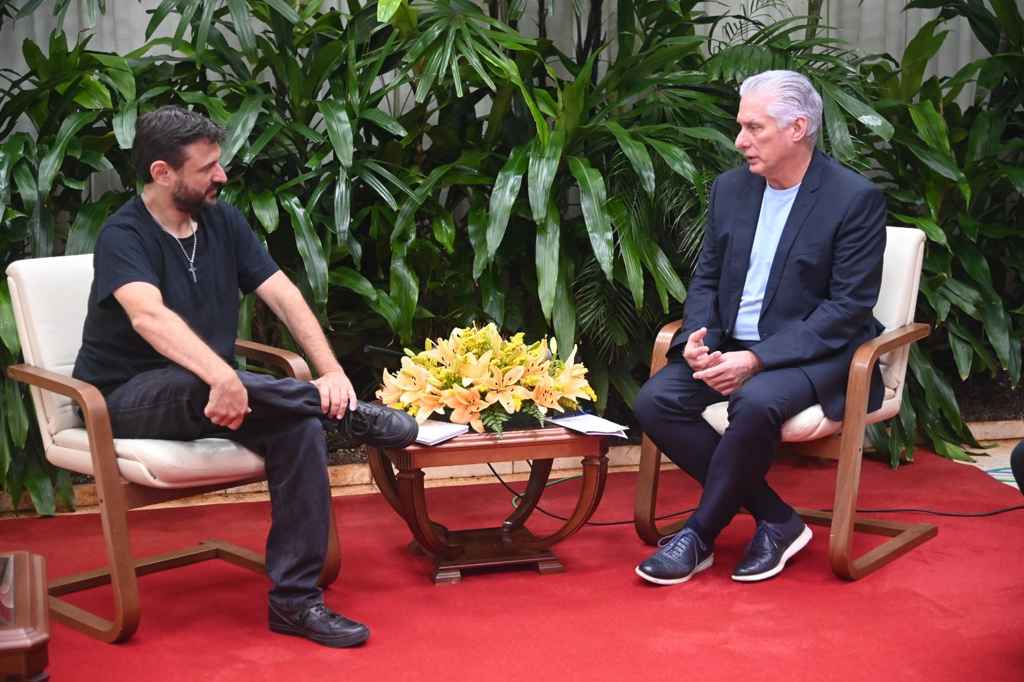
    In a significant diplomatic engagement at Havana’s Palace of the Revolution, Cuban President Miguel Díaz-Canel welcomed Argentine political figure Juan Grabois, leader of the Patria Grande movement. The meeting, extensively covered by official Cuban media outlets Granma and Juventud Rebelde, highlighted the strategic importance of international solidarity during Cuba’s current socioeconomic challenges.

    President Díaz-Canel characterized the visit as a demonstration of “committed solidarity” during complex global circumstances, noting the particular significance of international visits amid Cuba’s ongoing difficulties. The Cuban leader emphasized the mutual desire to enhance bilateral cooperation through increased exchanges and shared experiences throughout the coming year.

    The discussions focused on continental unity, with both leaders stressing the concept of collective responsibility. Grabois, a prominent intellectual and social movement leader, emphasized the critical need to coordinate progressive social movements across international boundaries during what he described as a pivotal historical moment.

    The Argentine leader invoked the principle that true friendship is demonstrated during difficult times rather than periods of prosperity. He further expressed appreciation for the hospitality extended during his Cuban visit while delivering sharp critiques of contemporary global power structures.

    Grabois presented a philosophical framework analyzing current global tensions as a choice between “dehumanization or rehumanization,” directly criticizing what he termed “imperial hegemony” for its alleged disregard for international law. His remarks specifically referenced the plight of vulnerable populations including migrants, economically disadvantaged communities, and Palestinian children caught in conflict zones.

  • Student among 5 people remanded in prison over fight at KFC

    Student among 5 people remanded in prison over fight at KFC

    A violent public disturbance inside a Kentucky Fried Chicken restaurant in Kingstown has resulted in five individuals being formally charged and remanded in custody. The accused—Kezron Peters (17), Jasrick (16), Gabrielle Haywood (18), Veron Holder (17), and Ivorn Thomas (23)—appeared before the Serious Offences Court on Tuesday, each pleading guilty to a single charge of affray.

    The incident, which occurred on February 13, was captured on video and circulated widely across social media platforms, showing multiple individuals engaged in a physical altercation and using objects from the customer area as weapons. According to investigative reports, the confrontation began following an argument between Peters and another individual after they had attended the Bethel High School sports event at Independence Park.

    The Royal St. Vincent and the Grenadines Police Force (RSVGPF) issued a strong public statement condemning the behavior, characterizing it as “reckless and wholly unacceptable.” The police emphasized that such public confrontations will not be tolerated and vowed to identify and prosecute all those involved. An active investigation is underway, with authorities reviewing video evidence and witness accounts to identify additional participants.

    Law enforcement officials are urging members of the public who witnessed the event or possess relevant recordings to come forward and assist investigators by calling 1784-457-1211. The defendants have been remanded in prison until March 2, pending the presentation of facts and formal sentencing.