博客

  • Panamanians reject joint military drills with the USA

    Panamanians reject joint military drills with the USA

    Approximately 50 U.S. Marines have commenced joint training operations with Panamanian forces, initiating a controversial military program that runs from today through February 26th. The exercises will take place at two strategic locations: the Jungle Warfare School in Colón province and Captain Noel Rodríguez Naval Base near the capital city.

    This military collaboration has sparked significant opposition from civil society organizations, particularly the National Front for the Defense of Economic and Social Rights (Frenadeso). The group contends that these maneuvers stem from a memorandum of understanding secretly signed between Panama and Washington in April 2025, which they characterize as detrimental to national sovereignty.

    In an official statement obtained by Prensa Latina and endorsed by Frenadeso coordinator Jorge Guzmán, the organization vehemently rejected the notion that these activities represent international cooperation. Instead, they framed the training as outright foreign interference and an act of aggression against Panama’s autonomous governance.

    The memorandum, according to Frenadeso’s analysis, effectively normalizes foreign military presence within Panamanian territory and transforms the nation into a strategic platform for geopolitical operations targeting neighboring countries, particularly Venezuela. These actions are allegedly justified under the pretext of addressing security concerns, migration flows, and narcotics trafficking.

    Frenadeso’s declaration emphatically states: ‘Panama is a sovereign and neutral country, not a ramp for imperial aggression,’ while demanding the immediate termination of all joint military exercises and calling for authentic defense of national independence.

    This development marks an escalation of U.S. military engagement in Panama that began in December 2025, initially justified through anti-drug trafficking initiatives. The increased presence followed concerning statements from former U.S. President Donald Trump regarding potential military intervention to secure the Panama Canal, citing unsubstantiated claims of Chinese influence—allegations consistently denied by officials from both nations.
  • Venezuela denies security alert promoted by the US

    Venezuela denies security alert promoted by the US

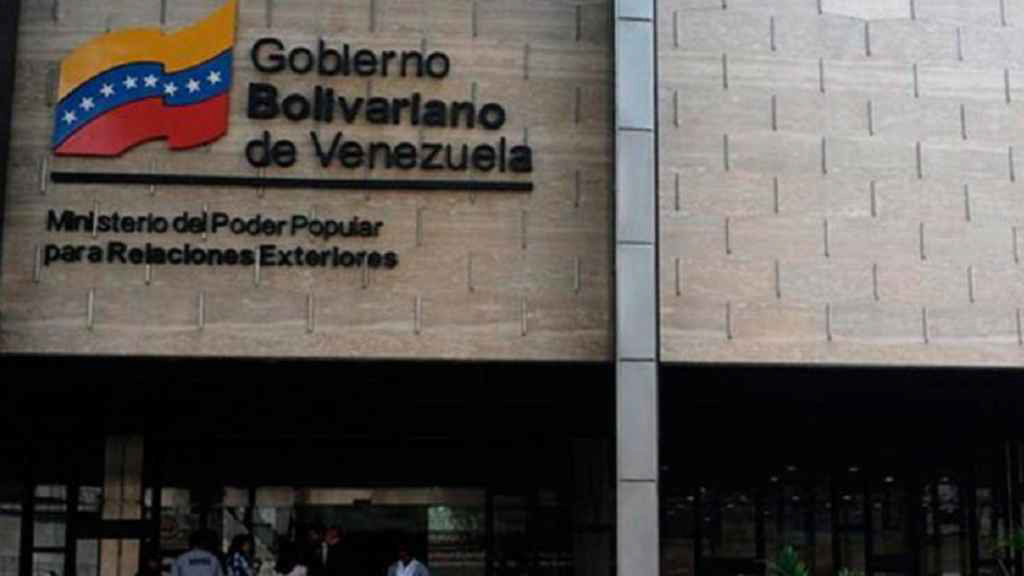
    Venezuela’s Ministry of Popular Power for Foreign Affairs has issued a sharp rebuttal to recent statements from the U.S. State Department, denouncing them as constructed falsehoods designed to project an inaccurate image of instability within the South American nation. The comprehensive communiqué presents a counter-narrative of a nation operating in a state of complete normalcy and peace.

    The ministry’s statement categorically asserts that all population centers, transportation networks, communication routes, and security checkpoints are functioning without disruption. Emphasizing sovereign control, the communication clarifies that all weaponry remains exclusively under the command of the Bolivarian Government, which it identifies as the sole entity holding the legitimate monopoly on the use of force.

    Furthermore, the Venezuelan government has used this opportunity to reiterate its unwavering dedication to safeguarding national peace, ensuring institutional stability, and fostering peaceful coexistence among its citizens. This firm response highlights the ongoing diplomatic friction between Caracas and Washington, underscoring a significant divergence in perceived realities regarding Venezuela’s internal security situation.

  • Italy: Growing rejection of US sttack and threats on Venezuela

    Italy: Growing rejection of US sttack and threats on Venezuela

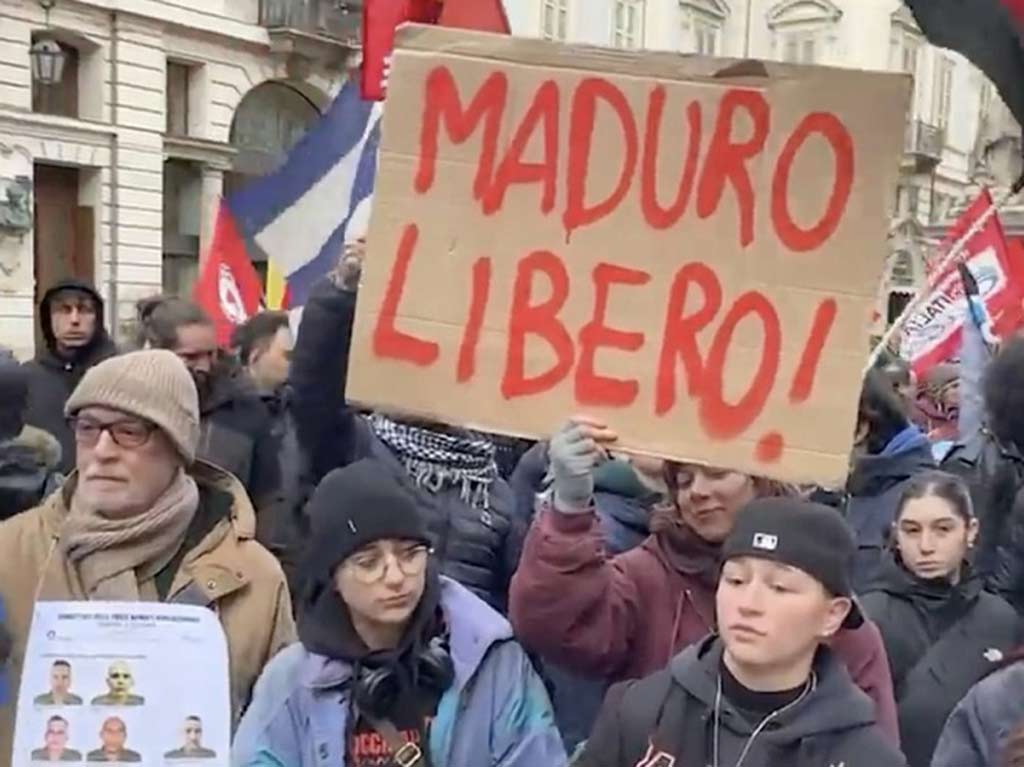
    In an unprecedented display of international solidarity, hundreds of thousands of Italian citizens flooded the streets across thirty major cities in coordinated demonstrations against United States foreign policy toward Latin American nations. The widespread protests, organized through a coalition of political parties, labor unions, student associations, and social advocacy groups, represented one of Europe’s most significant expressions of dissent against American interventionism.

    The mobilization spanned the entire Italian peninsula, with substantial gatherings documented in Rome, Milan, Turin, Venice, Bologna, Genoa, Florence, Naples, Palermo, and numerous other urban centers. Participants voiced strong opposition to what they characterized as US imperialist ambitions, state-sponsored terrorism, and the continued application of the nineteenth-century Monroe Doctrine, which they view as an anachronistic tool of hemispheric domination.

    Rome witnessed one of the largest concentrations of protesters, where columns of demonstrators advanced along central thoroughfares from Esquiline Square toward the US Embassy. The atmosphere remained charged with political fervor as speakers addressed the crowds, warning of escalating tensions and potential military confrontations. ‘We gather today knowing the threat of further aggression remains imminent,’ declared one organizer, capturing the movement’s apprehensive mood.

    The protests specifically highlighted solidarity with Venezuela’s Bolivarian government and Cuba’s socialist administration, both facing increased US economic and diplomatic pressure. Demonstrators carried banners and chanted slogans advocating for alternative global governance models free from American hegemony, with many participants emphasizing their commitment to continued mobilization for ‘a different world order based on mutual respect and sovereignty.’

  • No Injuries Reported in Ambergris Caye House Fire

    No Injuries Reported in Ambergris Caye House Fire

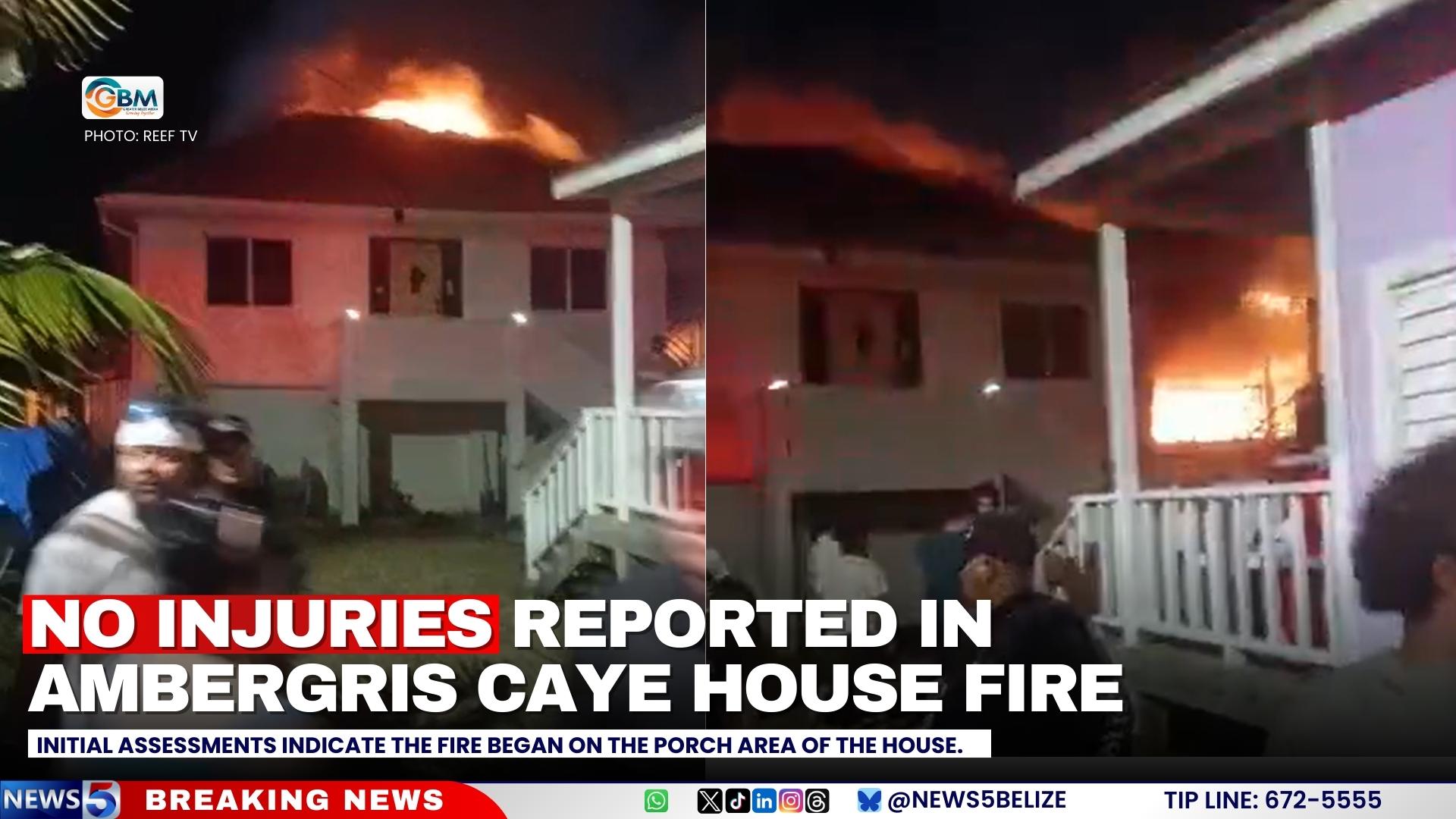
    A residential structure on Ambergris Caye sustained considerable damage during a Friday evening fire incident. The blaze erupted in a dwelling situated adjacent to the lagoon on the island’s western perimeter, prompting emergency response units to swiftly mobilize to the location.

    Preliminary investigations suggest the conflagration originated within the porch section of the property before rapidly spreading to the rear portion of the home. Eyewitness documentation, circulated among local residents, captured intense flames consuming the back area of the building, illustrating the severity of the situation.

    Emergency services, including a fully equipped fire suppression unit, were dispatched to the scene where firefighting personnel successfully contained and ultimately extinguished the blaze. While the property sustained significant damage, authorities confirmed no human casualties resulted from the incident. The homeowner was confirmed to be present on the island during the occurrence, with the property under professional management supervision.

    Unconfirmed reports indicate a canine may have been present within the residence during the fire outbreak, though the animal’s status and potential rescue remain unspecified. Official damage assessment reports are pending release by investigating authorities, though preliminary information confirms the property was covered by insurance provisions.

  • Newsday’s departure a real loss

    Newsday’s departure a real loss

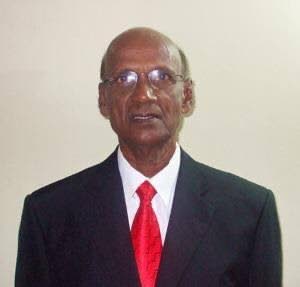
    In a poignant reflection on media freedom and editorial practices, Dr. Errol Narine Benjamin has expressed profound disappointment regarding the recent non-publication of his contributions in Trinidadian newspapers. The seasoned correspondent, who has maintained a three-decade writing relationship with Trinidad Express, now finds his perspectives increasingly sidelined by editorial decisions.

    Dr. Benjamin attributes this emerging censorship to his critical examinations of two particularly sensitive subjects: the conceptualization of national sovereignty within contemporary geopolitical contexts, and the Caribbean’s positioning as a theoretical zone of peace amidst growing American influence throughout the region. His analytical pieces have challenged conventional perspectives by evaluating how these established notions frequently diverge from practical realities, particularly regarding United States engagement in Caribbean affairs.

    Additionally, Benjamin’s commentary has addressed Opposition Leader Kamla Persad-Bissessar’s strategic alignment with American interests, presenting a nuanced assessment of potential long-term advantages contrary to prevailing anti-alliance sentiments. His analysis suggests that such partnerships may offer substantial benefits worthy of objective consideration beyond ideological opposition.

    The veteran writer acknowledges the complex landscape modern media organizations navigate, noting that publications inevitably serve specific interests and cater to their readership’s expectations. He draws parallels to polarized American media environment, where outlets like Fox News demonstrate overt Republican allegiance while CNN maintains opposing stances. Nevertheless, Benjamin highlights Newsday as a notable exception—a publication that has consistently demonstrated openness to publishing his liberal perspectives and critical insights, particularly regarding sensitive geopolitical matters affecting the Caribbean region.

    Through his published letter, Dr. Benjamin extends gratitude to Newsday for maintaining editorial pluralism and fostering diverse viewpoints, while simultaneously expressing concern about the narrowing spectrum of acceptable discourse in other Trinidadian media platforms.

  • Moonilal delighted as stickfighting returns to Debe

    Moonilal delighted as stickfighting returns to Debe

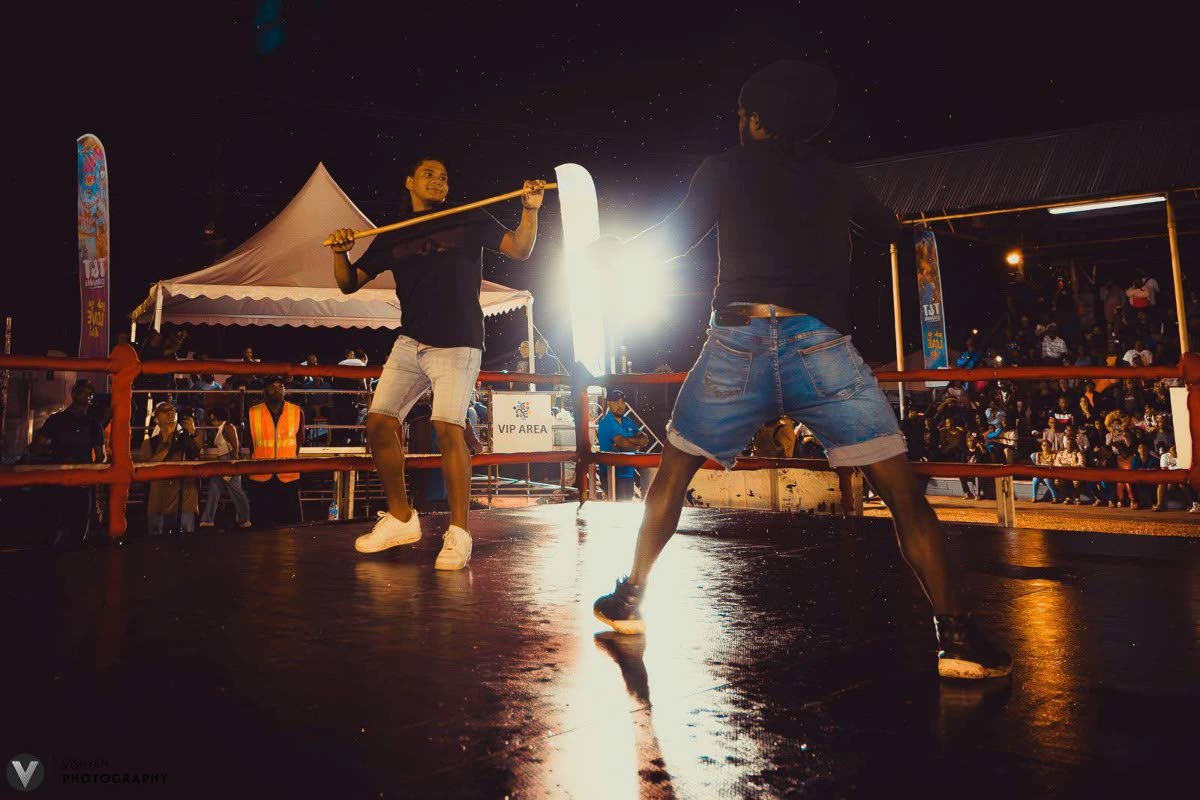
    The vibrant tradition of stickfighting has officially returned to the community of Debe following a ten-year hiatus, marking a significant cultural revival in the Trinidadian region. The event was celebrated with considerable fanfare, attracting community members and dignitaries alike.

    Energy Minister Dr. Roodal Moonilal, who also serves as the Oropouche East MP representing Debe, expressed profound appreciation for the restoration of this ancestral practice. In public statements, Minister Moonilal extended gratitude to Culture Minister Michelle Benjamin, National Carnival Commission (NCC) chairman Peter Kanhai, and the entire NCC team for their instrumental roles in facilitating the cultural resurgence.

    The gathering featured an array of traditional elements that enriched the cultural experience, including performances by a moko jumbie (stilt walker) and a fire-breathing devil character, both iconic figures in Trinidadian folklore. Young stickfighters demonstrated their skills in the gayelle (fighting ring), showcasing the martial art that has been passed down through generations.

    The event drew significant political representation, with attendance from Ernesto Kesar (Minister in the Ministry of Energy and Energy Industries and Point Fortin MP), Clyde Elder (Minister in the Ministry of Public Utilities and La Brea MP), Kurt Ramlal (chairman of Heritage Petroleum), and Gowtam Maharaj (chairman of the Penal/Debe Regional Corporation).

    Minister Moonilal characterized the return as “a powerful celebration of culture, heritage, and community pride” that reconnects Debe with its rich cultural legacy while demonstrating a renewed commitment to preserving national traditions.

  • Trinidad and Tobago gets first hyperbaric oxygen therapy chamber

    Trinidad and Tobago gets first hyperbaric oxygen therapy chamber

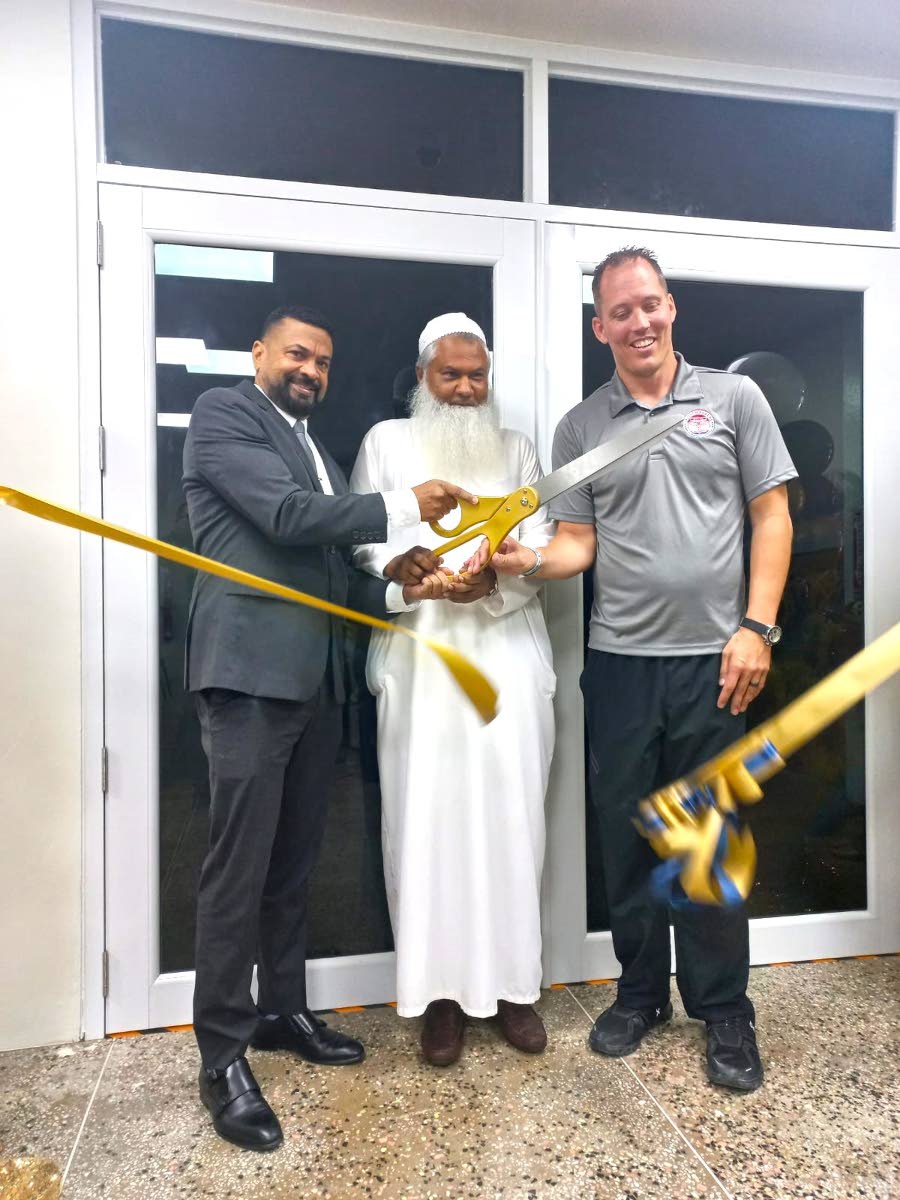
    Trinidad and Tobago has entered a new era of advanced medical treatment with the inauguration of the International Hyperbaric Medical Facility Ltd on January 8. This groundbreaking center, situated in Marabella, represents the nation’s first comprehensive facility specializing in hard-shell hyperbaric oxygen therapy (HBOT) combined with integrated diabetic wound care and advanced neurological services.

    The establishment addresses critical healthcare deficiencies by providing cutting-edge treatment options previously unavailable domestically. The facility specifically targets the reduction of diabetes-related amputations through advanced wound management protocols and offers solutions for neurological conditions and severe burns that traditionally required overseas referrals.

    Ray Hinds, General Manager of the facility, emphasized their mission: “Our objective is to make sophisticated medical care more accessible, affordable, and available within Trinidad and Tobago. For years, families have sought these essential services abroad. Today, we present viable local alternatives that deliver results.”

    The center operates using Class A hard-shell hyperbaric chambers that meet international safety standards, where patients breathe 100% medical-grade oxygen under pressurized conditions. This process enhances oxygen dissolution in the bloodstream, accelerating natural healing mechanisms, reducing inflammation, and promoting tissue regeneration.

    Medical applications of HBOT include treatment for chronic non-healing wounds, diabetic foot ulcers, radiation injuries, soft tissue damage, and various neurological disorders. The facility uniquely incorporates SnapshotNIR technology for optimized limb salvage and NeuroCatch—an AI-powered brain function assessment tool that provides clinical insights within six minutes.

    All prospective patients must undergo mandatory consultations with certified hyperbaric specialists to determine treatment appropriateness, session frequency, and duration based on individual medical requirements. During its initial operational phase, the facility is offering HBOT at promotional rates, with discounted packages available for multi-session treatment plans.

  • First interview was with Newsday

    First interview was with Newsday

    In a heartfelt letter to the editor, Dr. Jamelia Harris, an assistant professor, has joined the chorus of voices expressing profound sadness following the announcement of Newsday’s imminent closure. The academic shared personal anecdotes highlighting the newspaper’s significant role in both her personal and professional development.

    Dr. Harris revealed that her connection to the publication dates back to her childhood, where she developed the daily habit of reading Newsday and completing its crossword puzzles. This relationship deepened considerably in 2007 when she received notification of being awarded the prestigious President’s Medal from a Newsday reporter—a communication that surprisingly preceded the official announcement from the Ministry of Education. That initial contact culminated in her first interview with the newspaper, marking a pivotal moment in her public recognition.

    More recently, Dr. Harris expressed gratitude for the newspaper’s consistent platforming of her opinion pieces throughout the past year. Her letter serves as both a tribute to the publication’s legacy and a farewell message to the entire Newsday team, wishing them success in their forthcoming professional transitions. The correspondence stands as testament to the enduring impact community newspapers have on their readership and contributors alike.

  • Rambharat: Let trained people lead hikes

    Rambharat: Let trained people lead hikes

    In the wake of a devastating hiking incident that claimed the life of 41-year-old Jessica Jordan, urgent calls for professional guide certification and enhanced safety protocols have emerged from rescue authorities. Captain Vallence Rambharath, head of the Hunters Search and Rescue Team, has issued a comprehensive safety manifesto following Jordan’s tragic drowning at Madamas River on January 10th.

    The tragedy unfolded when Jordan, part of an eight-person hiking group, slipped while crossing a deteriorated log in rapidly swelling waters. Her legs became trapped between the log and gorge wall, creating an extraction scenario that even professional rescuers found extremely challenging. Rambharath emphasized that the location where Jordan perished was fundamentally inappropriate for hiking activities given the dangerous water conditions.

    ‘Where she fell is exactly where she was found,’ Rambharath stated, highlighting the preventable nature of the incident. ‘If Hunters Search and Rescue cannot navigate the water height in these gorges, no hiker should be there.’

    The rescue captain identified multiple critical failures: the use of a bark-less, moss-covered log for crossing that provided zero grip, poor river-crossing techniques, and most importantly, the decision to proceed with the hike despite nationwide rainfall. ‘Why couldn’t you just cancel the hike?’ he questioned, emphasizing that no commercial considerations should override safety priorities.

    Rambharath advocated for formalized oversight including mandatory guide certification, safety personnel integration within hiking groups, and weather-conscious planning. He specifically recommended against Northern Range hiking during rainy conditions and warned against crossing on smooth, bark-less logs that become dangerously slippery.

    Separately, Palance868 Adventures Team clarified through a Facebook statement that they had no involvement in the fatal hike and maintain a strict safety-first approach, including cancellation policies during adverse weather. The organization expressed condolences while emphasizing their rigorous risk mitigation protocols and incident-free record.

    The hiking community now faces pressing questions about professional standards, regulatory frameworks, and whether the industry requires formal oversight to prevent similar tragedies.

  • Widening parental protections

    Widening parental protections

    The Trinidad and Tobago government has unveiled sweeping proposals to modernize the nation’s parental protection laws, marking the first significant update to the Maternity Protection Act in over two decades. Labour Minister Leroy Baptiste announced on January 11 comprehensive reforms that would extend benefits to fathers, adoptive parents, and guardians in cases of maternal death.

    The groundbreaking legislative overhaul seeks to eliminate the current 24-month limitation period that effectively penalizes women for multiple pregnancies within a year. The proposed amendments also include provisions for paid breastfeeding breaks and stronger workplace protections against discriminatory practices. Employers would be prohibited from taking adverse actions such as termination or pay reduction against employees utilizing parental leave benefits.

    These changes come against a concerning demographic backdrop. Recent Ministry of Health statistics reveal a fertility rate of 1.9 births per woman, below the 2.1 replacement level needed to maintain population stability. Tobago officials have additionally reported a “drastic reduction” in births over the past ten years.

    International research underscores the urgency of these reforms. A Unicef report from early 2025 found that maternity leave policies across Latin America and the Caribbean remain generally deficient, while an International Labour Organisation brief highlighted persistent gender inequalities in Caribbean workplaces.

    The proposed measures represent not merely demographic intervention but a fundamental shift toward gender equity and workplace fairness. By facilitating legal proceedings for discrimination cases and banning pregnancy testing for job applicants, the government aims to create a more balanced environment for working parents.

    While demographic evolution and economic factors contribute to declining birth rates, the modernization of Trinidad and Tobago’s archaic parental protection framework could play a significant role in addressing these challenges. The reforms now await parliamentary consideration and implementation.