博客

  • Grenada launches new housing initiative

    Grenada launches new housing initiative

    ST. GEORGE’S, Grenada — In a significant move to address housing needs amid climate challenges, the Grenadian government has unveiled a groundbreaking housing program focused on resilience and sustainability. The “Scaling-Up Resilient, Green and Affordable Housing in Grenada” initiative, developed in partnership with the Global Green Growth Institute (GGGI), seeks to integrate climate adaptation measures with affordable housing solutions.

    This program forms part of a broader Eastern Caribbean effort funded by the Government of Ireland and the Agence française de développement (AFD). While technical assistance extends to St. Lucia and St. Vincent and the Grenadines, Grenada’s project aligns with its domestic “Project 500″—a flagship housing intervention aimed at providing secure and economical homes for its citizens.

    Gloria Thomas, Minister of Social and Community Development, Housing and Gender Affairs, emphasized the urgency of constructing dwellings capable of withstanding extreme weather events. “As a small island developing state on the frontlines of climate change, we must build homes that can withstand increasingly severe weather events while remaining accessible to vulnerable families,” she stated.

    The collaboration will focus on enhancing planning frameworks, developing innovative financing models, and accelerating the delivery of quality housing. Key objectives include improving access to resilient infrastructure, strengthening institutional frameworks, and mobilizing resources for construction—all while keeping homes affordable for low-income households.

    Rachel Fitzpatrick, representing Ireland’s Department of Foreign Affairs and Trade, highlighted the initiative’s alignment with Ireland’s strategy for partnering with small island developing states, particularly in climate-vulnerable regions like the Eastern Caribbean.

    A recent panel discussion convened experts from government, finance, construction, and civil society to explore pathways and address barriers in scaling up green housing. Discussions centered on policy reform, financial mechanisms, and technical assistance needed to foster public-private collaboration.

    Daniel Muñoz-Smith, GGGI’s Caribbean representative, noted that investing in sustainable housing not only protects livelihoods but also promotes inclusive economic growth, helping translate national ambitions into tangible community outcomes.
  • COOLING INFLATION INTENSIFIES RATE DEBATE AHEAD OF BOJ DECISION

    COOLING INFLATION INTENSIFIES RATE DEBATE AHEAD OF BOJ DECISION

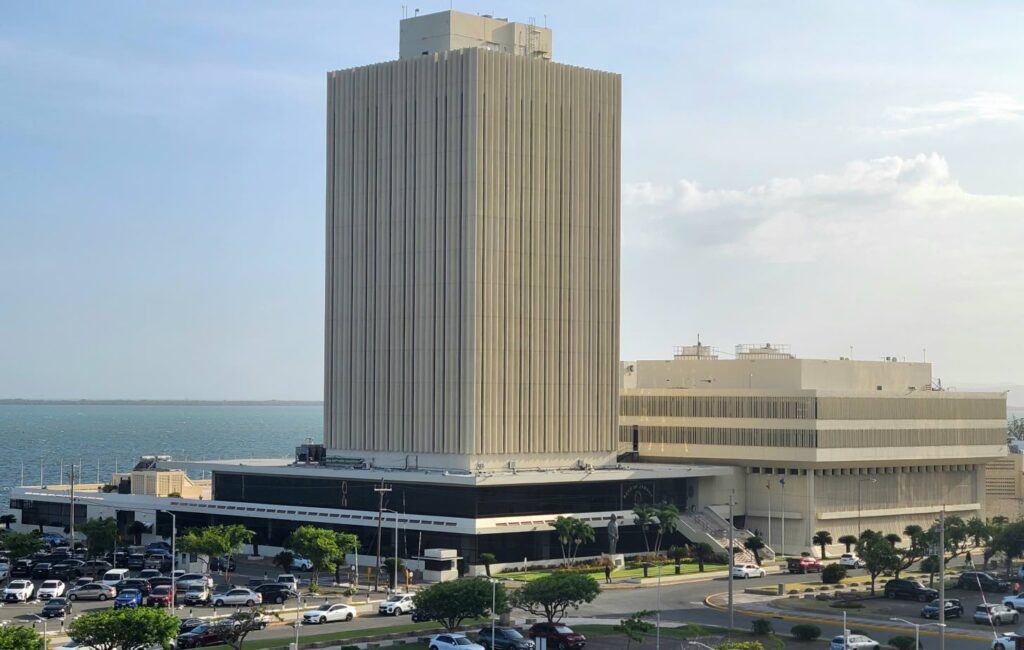
    Jamaican monetary authorities face a pivotal policy decision as inflation unexpectedly plunges below the central bank’s target range, creating a new economic landscape just days before the Bank of Jamaica’s rate announcement.

    Recent data reveals annual inflation dropped to 3.9% in January, dipping under the Bank of Jamaica’s four to six percent target band. This development marks a dramatic reversal from previous projections that anticipated inflation would exceed the upper threshold through early 2026, primarily due to hurricane-related supply chain disruptions.

    The surprising downturn has prompted influential financial leaders to advocate for policy reconsideration. Keith Duncan, CEO of JMMB Group, characterized the situation as “a real opportunity” for policymakers to reassess their stance. “Inflation has not breached the upper target; in fact, it has fallen below the lower bound,” Duncan noted in an interview with the Jamaica Observer. “The greater risk at this stage may be sustained inflation below the target range rather than an overshoot.”

    This inflationary shift contrasts sharply with the Monetary Policy Committee’s November warning that prices would “rise sharply” following Hurricane Melissa. By December, the committee had projected above-target inflation persisting through 2026, with risks “skewed to the upside.”

    January’s consumer prices actually declined 0.8% month-over-month, largely driven by a substantial 2.6% decrease in Food and Non-Alcoholic Beverages. Improved agricultural output precipitated a notable 9.9% price reduction for vegetables, tubers, and related produce, partially reversing the late-2025 surge.

    The unexpected development forces policymakers to balance competing risks: potential resurgent inflation versus prolonged below-target price growth amid weakening domestic demand. This dilemma is particularly acute given the central bank’s repeated warnings about potential second-round effects where initial supply shocks could trigger broader price and wage increases.

    Duncan contends these secondary risks have failed to materialize. “I have not seen where those second-order effects are playing out,” he told BusinessWeek, noting that domestic demand is already softening. “Growth in private sector credit has been falling year over year due to prior monetary policy actions.”

    The MPC has maintained the policy rate at 5.75% since September, citing concerns about secondary price effects and expansionary fiscal spending connected to reconstruction initiatives. As recently as December, the committee anticipated core inflation—excluding volatile food and fuel prices—would accelerate in the near term, reflecting rebuilding demand and elevated inflation expectations.

    Despite the overall decline, housing and utility costs continued their upward trajectory in January, signaling persistent underlying pressures even as headline inflation falls below target. Most economists anticipate the central bank will maintain its current policy rate, consistent with its historically cautious approach and ongoing concerns about fiscal expansion.

    Monday’s impending decision will reveal whether officials view this inflationary retreat as temporary or the beginning of a new policy cycle phase that might warrant accommodative measures.

  • Criminals losing territorial control, says Holness

    Criminals losing territorial control, says Holness

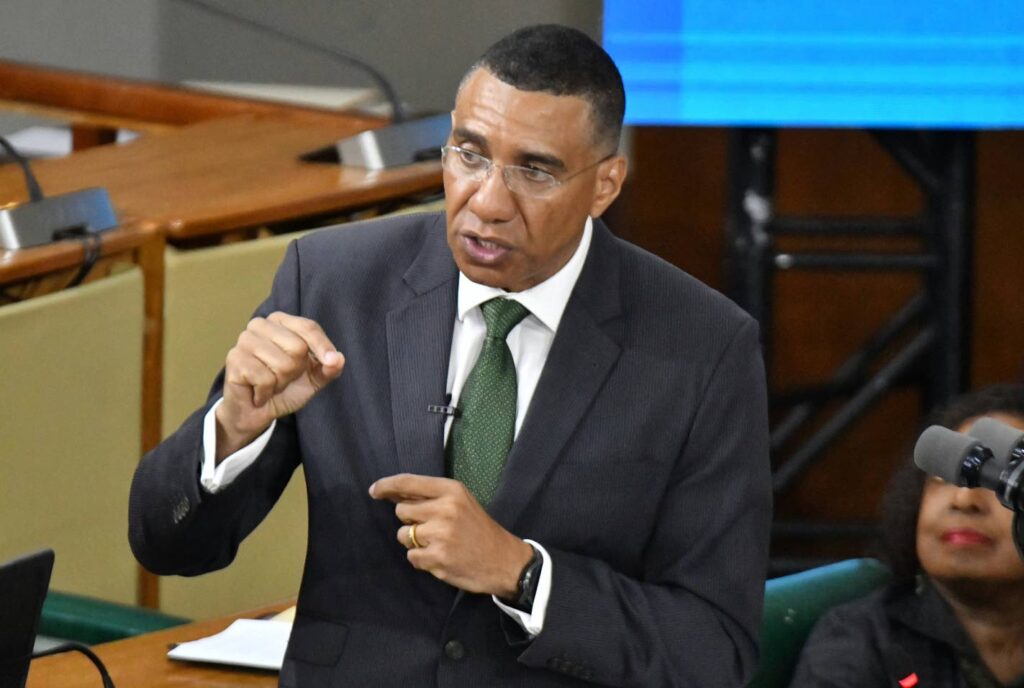
    Prime Minister Andrew Holness has articulated a comprehensive national security doctrine positioning Jamaica’s declining homicide statistics as evidence of systematic success against organized criminal networks. Addressing the 4th Annual Security Seminar in New Kingston, Holness detailed how strategic interventions have disrupted gang leadership architectures, constrained illicit financing channels, and diminished criminal territorial dominance.

    The Prime Minister framed national security resilience as the central organizing principle of Jamaica’s strategy, emphasizing that temporary gains require permanent consolidation. “Communities formerly governed through fear must become structurally and permanently inhospitable to criminal return,” Holness asserted, outlining prerequisites including secure public spaces, reliable infrastructure, ordered development, lawful economic opportunities, and consistent state presence.

    Holness presented Hurricane Melissa’s Category 5 impact in October as a paradigm-shifting national security event that claimed 45 lives and affected 760,000 citizens. While praising the Jamaica Defence Force’s response demonstrating enhanced joint planning and civil-military coordination, he revealed critical vulnerabilities: stretched logistical chains, strained maintenance capacity, and border security assets diverted to humanitarian relief.

    The crisis illuminated Jamaica’s persistent capability gaps despite tripled security budgets. “There are threats we could face for which we don’t have assets to respond,” Holness acknowledged, declaring climate shocks permanent features of Jamaica’s security landscape rather than episodic emergencies.

    Holness articulated disasters as strategic shocks that redirect resources, stress institutions, disrupt logistics, and create opportunities for illicit trafficking and irregular migration. Following Melissa’s destruction of police stations and government buildings, he noted with pride the uninterrupted policing services through human resource resilience.

    The Prime Minister integrated border security into this framework, highlighting Jamaica’s position in one of the hemisphere’s most trafficked maritime corridors. He detailed adaptive trafficking methodologies utilizing containerized cargo, clandestine airstrips, UAVs, and semi-submersibles, with narcotic routes increasingly converging with irregular migration networks.

    Citing 2025 interdictions of 33,000 kg of marijuana and 1,360 kg of cocaine, plus 990 pounds of cocaine valued at $3.7 billion intercepted by Coast Guard units, Holness connected border security directly to national stability. The documentation of 124 irregular migrant entries primarily from Haiti and Cuba demonstrated additional humanitarian, legal, and resource challenges for the island nation.

    Holness concluded that national security institutions must develop capacities to “anticipate, absorb, adapt, and recover from shocks” across criminal, environmental, and geopolitical domains, with disaster risk management fully integrated into security planning, budgeting, and capability development.

  • Friend to the ‘Coore’

    Friend to the ‘Coore’

    The University Chapel on the Mona campus of The University of the West Indies became a sanctuary of gratitude and musical reverence on Thursday as Jamaica’s cultural community gathered to honor Stephen ‘Cat’ Coore. Rather than a somber farewell, the service transformed into a vibrant celebration of the legendary cellist and guitarist whose artistry propelled Jamaican music onto the global stage.

    Government officials, music industry pioneers, and cultural custodians joined family members in painting a portrait of Coore as both a national treasure and a humble ambassador whose influence transcended generations. The atmosphere balanced poignant reflection with joyful remembrance, where tears were gracefully interwoven with laughter and stories of his enduring impact.

    As a founding member and longtime musical director of the iconic band Third World, Coore’s genius lay in his ability to bridge musical genres, transforming reggae into a universal language that resonated across continents for over five decades. His legacy was celebrated not merely for technical mastery but for the profound substance and consciousness he embedded within every composition.

    Personal tributes illuminated the man behind the music. Pianist Rita ‘Werki’ Widener delivered a powerful wordless homage, blending Third World’s ‘Try Jah Love’ with Jamaica’s national anthem—a fitting testament to Coore’s deep patriotism. His children—Shiah, Kanna, Stephen, and Ashley—shared intimate memories of a father who encouraged global curiosity, listened without judgment, and nurtured their love for music and travel.

    Colin Leslie, a friend of sixty years, recalled Coore’s signature phrase—’You know I love you, right?’—as emblematic of his approach to life and relationships. The sentiment was echoed by music royalty in attendance, including Damian and Stephen Marley, Protoje, Sean Paul, and Maxi Priest, who described Coore as both mentor and ‘bona fide friend’ who guided countless careers.

    Reverend Captain Astor Carlyle framed Coore’s journey as one of stewardship rather than stardom, introducing the concept of ‘Selah’ moments—musical pauses that invite deep reflection. He noted how Coore’s compositions consistently created space for consciousness elevation and behavioral transformation.

    The service attracted cross-sector leadership including Opposition Leader Mark Golding, Finance Minister Fayval Williams, and Science Minister Daryl Vaz, demonstrating Coore’s significance beyond the cultural sphere. His passing on January 18 at age 69 leaves a profound void, but his legacy continues through his four children, grandchildren, and the timeless music that remains a source of unity, consciousness, and joy for generations to come.

  • 2026 Audi SQ5: The very definition of Q-ship

    2026 Audi SQ5: The very definition of Q-ship

    Audi’s 2026 SQ5 Sportback stands as a definitive testament to the brand’s commitment to evolutionary excellence, fully actualizing the potential of its groundbreaking Premium Platform Combustion (PPC) architecture. This model masterfully navigates the delicate balance between honoring its traditional design ethos and embracing a forward-looking technological identity.

    Exterior design philosophy prioritizes sophisticated differentiation over overt aggression. Updates are intentionally nuanced, featuring distinctive alloy wheels, select aerodynamic body enhancements, and carbon fiber side mirrors. These elements provide clear visual demarcation from the standard Q5 lineup while maintaining an aura of executive refinement suitable for any corporate environment.

    The interior experience undergoes a radical transformation through the PPC framework, achieving unprecedented levels of space and luxury. The cabin immerses occupants in a world of premium materials, including extensive leather upholstery with contrast stitching, Alcantara accents, and carbon fiber trim. Technological dominance is established through the triple-screen Audi MMI panoramic display, featuring a 14.5-inch central touchscreen and 10.9-inch front passenger display with crystal-clear graphics and intuitive voice control. The Bang & Olufsen audio system, advanced ambient lighting with functional feedback, and smart tri-zone climate control represent just a portion of the extensive feature set.

    Performance credentials remain extraordinary despite its practical SUV form factor. The turbocharged 3.0-liter V6 engine generates 367 horsepower and 406 lb-ft of torque, propelling the SQ5 Sportback from 0-62 mph in a breathtaking 4.5 seconds with launch control engaged. The Quattro all-wheel-drive system, coupled with precisely tuned suspension and chassis components, delivers exceptional stability and confidence across diverse driving conditions—from urban traffic to high-speed autobahn running and light off-road adventures. The seven-speed S tronic transmission operates with seamless precision, while advanced driver assistance systems enable near-autonomous operation in congested scenarios.

    The 2026 SQ5 Sportback ultimately delivers a complete premium package that successfully merges practical SUV functionality with sports car performance and cutting-edge technology, establishing a new benchmark in the luxury performance SUV segment.

  • Floyd Green goes shopping at ‘Curry’

    Floyd Green goes shopping at ‘Curry’

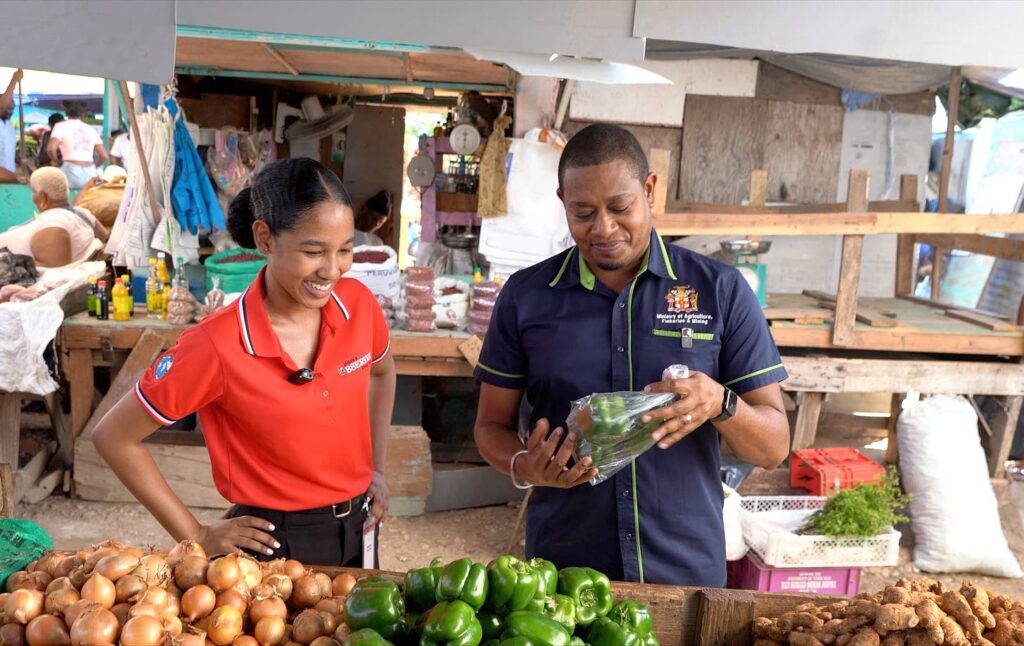
    Jamaica’s agricultural industry is demonstrating a remarkable resurgence as produce prices experience a significant downward trend across local markets. This encouraging development was highlighted during Agriculture Minister Floyd Green’s feature appearance on the Jamaica Observer’s popular Market Bag video series, filmed at Kingston’s historic Coronation Market.

    Minister Green joined host Carlysia Ramdeen to document the market’s vibrant activity and discuss strategic government initiatives that facilitated the sector’s robust recovery from Hurricane Melissa’s devastating impact last October. The weekly program, which tracks agricultural commodity prices nationwide, revealed substantial price reductions including tomatoes at approximately $50 per pound, carrots at $100, and cabbage priced around $150.

    During the market tour, Minister Green specifically commended Jamaican farmers for their extraordinary resilience and dedication amid challenging circumstances. “What we are witnessing represents the tangible outcome of combined efforts—strategic seed distribution, enhanced water management systems, operational improvements, and most importantly, the determination of exceptional farmers committed to restoring Jamaica’s food security,” Green emphasized.

    The agriculture minister detailed how coordinated intervention programs involving seed distribution, irrigation support, and technical assistance enabled farmers to rapidly rebuild production capacity following natural disasters. This comprehensive approach has not only stabilized supply chains but also created favorable conditions for price normalization that benefits consumers nationwide.

    The latest Market Bag episode documenting this agricultural recovery premieres Friday at 6:30 PM on YouTube and social media platforms, providing consumers with transparent market information and celebrating the restoration of Jamaica’s local food production capabilities.

  • Race day review for Wednesday, February 18, 2026

    Race day review for Wednesday, February 18, 2026

    The 2026 Ash Wednesday Trophy, a prestigious six-and-a-half-furlong race, concluded a dynamic 10-race program with notable performances and unexpected outcomes. Despite being installed as the 9-5 favorite, Supremasi, ridden by two-time champion Raddesh Roman for trainer Anthony Nunes, failed to contend, finishing without a notable chance.

    In a display of superior class, the American-bred Wall Street Trader (5-2) dominated the field, securing a victory by nearly four lengths. The 2019 champion jockey Christopher Mamdeen piloted the Rowan R Mathie-trained horse to a commanding win.

    The race meeting showcased a series of impressive triumphs. Jockey Robert Halledeen, following a 67-1 longshot ride earlier in the week, opened the card with a win aboard the 6-1 bet Bobbytwobad. The five-year-old chestnut, owned and trained by Robert French, led prominently throughout the five-and-a-half furlong gallop to win by over two lengths.

    Trainer Peter-John Parsard emerged as a dominant force, securing a remarkable triple victory. His success began with US-bred Miss Marabella (8-5), guided by 2022 champion Dane Dawkins to a 3.5-length victory over the even-money favorite Bowmore (USA) in the five-furlong straight course. Parsard’s second win came with Bangarang (5-2), where visiting former three-time champion Anthony Thomas demonstrated exceptional skill to secure a head victory. Parsard completed his triple with Midnight Galaxy (1-5), who delivered a 13-length canter under two-time champion Shane Ellis in the seven-and-a-half furlong event.

    The meeting wasn’t without controversy. The Nunes-Roman team found redemption in race three when their Canadian-bred Miss Grove (4-1) was awarded victory after the initial winner, Danka, was disqualified for interference in the final stretch.

    Additional notable performances included Tevin Foster’s riding double aboard Minnehaha (3-5) and Summer Palace (6-5), the latter completing a stable one-two finish for trainer Jason DaCosta. Spencer Chung earned the Training Feat Award for preparing seven-year-old General Chief to a dominant 9-length victory, while Anthony Thomas received the Jockeyship Award for his exceptional ride on Bangarang.

  • Cuba crisis warning

    Cuba crisis warning

    A coalition of eight former Caribbean Community (CARICOM) heads of government has issued a forceful condemnation of United States policy toward Cuba, characterizing recent executive actions as “inhumane weapons of mass destruction” that are deepening a humanitarian crisis on the island nation.

    The distinguished group, comprising former presidents and prime ministers from across the region, specifically targeted the Trump Administration’s January 2026 executive order that imposes punitive tariffs on nations providing petroleum to Cuba. This policy has exacerbated existing fuel shortages that have crippled transportation, healthcare, and basic services for Cuba’s 11 million citizens.

    Among the signatories are former Guyanese President Donald Ramotar, along with former prime ministers Freundel Stuart (Barbados), Edison James (Dominica), Tillman Thomas (Grenada), Bruce Golding and PJ Patterson (Jamaica), Dr. Kenny Anthony (St. Lucia), and Dr. Keith Rowley (Trinidad & Tobago).

    The former leaders framed their statement within historical context, recalling the landmark 1972 decision by four Caribbean nations to establish diplomatic relations with Cuba in defiance of hemispheric isolation policies. They highlighted Cuba’s five decades of solidarity with the region through medical assistance, educational scholarships, and disaster relief provided without expectation of reciprocity.

    The statement emphatically rejected the doctrine that “might makes right,” arguing that economic warfare waged over ideological differences is as morally reprehensible as military aggression. The leaders endorsed findings by UN human rights experts that the US executive order violates international law and called for immediate repeal of measures undermining Cuba’s access to essential energy resources.

    In parallel developments, an international humanitarian initiative dubbed ‘Nuestra America Convoy to Cuba’ is preparing to deliver critically needed supplies to the island via air, land, and sea routes starting March 21. The coalition, which includes Swedish activist Greta Thunberg among its supporters, aims to circumvent the US blockade with shipments of food, medicine, and essential goods.

    Mexico has already demonstrated regional solidarity by dispatching aid ships from Veracruz in February, while maintaining diplomatic channels with Washington regarding the oil embargo. This emerging pattern of international resistance signals growing regional determination to address what Caribbean leaders term an unprecedented humanitarian challenge.

  • FROM THE GROUND UP

    FROM THE GROUND UP

    Kingsmen Sports Enterprise has officially acquired the Jamaican franchise for the Caribbean Premier League (CPL), marking the team’s return after a two-year hiatus. The United States-based organization, represented by Faisal Mirza, successfully concluded bidding negotiations to secure ownership of the team previously known as Jamaica Tallawahs.

    Mirza revealed that expanding into Jamaican cricket represented a strategic evolution for Kingsmen, which recently added the Hyderabad franchise in the Pakistan Super League to its growing sports portfolio. He emphasized that Jamaica’s rich cricketing heritage and cultural resonance with the Kingsmen brand made this acquisition an obvious choice for the organization.

    The new ownership group plans to implement a self-reliant operational model, distinguishing their approach from previous ownership concerns about government support. While acknowledging the Jamaican government’s cooperative stance, Mirza stressed that Kingsmen intends to drive success primarily through internal resources rather than external dependencies.

    Beyond fielding a competitive team, Kingsmen has committed to substantial long-term investments in Jamaica’s cricket infrastructure and grassroots development. The organization aims to revitalize youth cricket programs and school-level participation, seeking to cultivate future talents comparable to Jamaican legends like Andre Russell and Chris Gayle.

    Mirza outlined a comprehensive vision that extends beyond immediate sporting success, targeting positive impacts on Jamaica’s tourism sector and broader economy. The ownership group recognizes this venture as a decades-long investment that balances financial returns with social development, particularly through youth cricket initiatives that may not generate direct sponsorship revenue but contribute significantly to national cricket development.

    The return of CPL cricket to Jamaica in August represents both a sporting homecoming and an economic opportunity, with government ministers already expressing support for the franchise’s revival and its potential benefits for Jamaican tourism and national pride.

  • Eastern Caribbean Judges Complete Three-Day Orientation in St. Lucia

    Eastern Caribbean Judges Complete Three-Day Orientation in St. Lucia

    The Eastern Caribbean Supreme Court’s Judicial Education Institute (JEI) has successfully completed its comprehensive Judicial Officers’ Orientation 2026, a transformative three-day training event held in Saint Lucia from February 2-4, 2026. This intensive program brought together recently appointed judges and masters to advance their professional capabilities and reinforce the integrity of the regional judicial system.

    The inaugural day established foundational principles, featuring Ms. Myrtene Cenac’s compelling analysis on statistical applications in judicial operations, demonstrating how data-driven methodologies can bolster transparency and accountability. Justice Agnes Actie followed with practical guidance on active case management strategies to ensure timely and cost-effective resolution of legal matters. The afternoon sessions culminated with retired Chief Justice Dame Janice Pereira’s authoritative address on building public trust through strict adherence to the ECSC Code of Conduct, while Justice Alvin Pariagsingh provided expert analysis of the updated Costs Regimes under the Civil Procedure Rules 2023.

    Day two embraced contemporary challenges through examinations of digital transformation and implicit bias. Mr. Mark Ernest delivered a comprehensive overview of technological integration in judicial processes, highlighting artificial intelligence applications, digital recording systems, electronic case management, and virtual courtroom technologies. In a particularly impactful session, Justice Peter Jamadar of the Caribbean Court of Justice addressed unconscious prejudices in judicial decision-making, presenting effective strategies to mitigate bias and promote equitable proceedings. Additional sessions covered interim remedies and the critical functions of court registrars, with Justice of Appeal Eddy Ventose concluding the day with an authoritative discussion on public law claims.

    The final day focused on practical judicial skills with Dame Janice Pereira leading an interactive workshop on precision in judgment writing, emphasizing clarity in reasoning and effective communication techniques for oral judgments. Justice of Appeal Trevor Ward conducted an in-depth exploration of sentencing principles, including proportionality and reasoned decision-making, complemented by scenario-based exercises to enhance sentencing consistency. Justice Ventose, as JEI Chair, formally closed the orientation, acknowledging participants’ active engagement and the collective success of the program.

    This landmark event reaffirms the ECSC’s commitment to judicial excellence through continuous professional development. Participants departed with enhanced capabilities in technological adaptation, ethical standards, and practical judicial skills essential for navigating the evolving legal landscape. The judiciary expressed profound gratitude to all speakers, facilitators, and participants whose dedicated engagement strengthens the rule of law throughout the Eastern Caribbean.