博客

  • Salvadorans demand freedom for President Nicolas Maduro

    Salvadorans demand freedom for President Nicolas Maduro

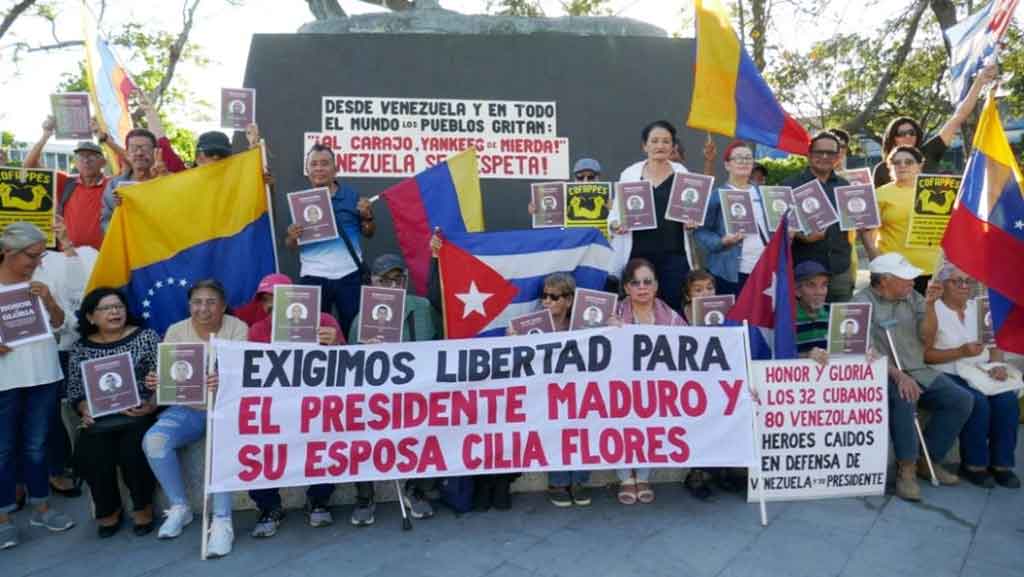
    In a powerful demonstration of solidarity, representatives from veterans’ organizations, survivors disabled during the 1980s armed conflicts, and political factions including the Farabundo Marti National Liberation Front (FMLN) gathered at the monument to Latin American hero Simon Bolivar. The assembly voiced strong opposition to what they characterized as United States aggression against the Bolivarian people.

    Multiple speakers denounced the resurgence of what they described as the ‘gunboat policy’ inherent in the Monroe Doctrine, asserting that the Trump administration has revitalized its most aggressive interpretation toward nations throughout the Americas. The discourse highlighted concerns over Washington’s interventionist approach in regional affairs.

    The ceremony also served as a memorial for the more than 80 Venezuelan defenders and 32 Cuban internationalists who perished on January 3rd while protecting Venezuela’s sovereignty and its elected leadership. Participants honored these individuals as martyrs who made the ultimate sacrifice resisting foreign intervention.

    Carlos Martinez, a prominent FMLN sectoral leader, delivered a forceful condemnation of what he termed ‘fascist aggression,’ stating: ‘Maduro confronts an illegitimate judicial proceeding orchestrated within the heart of the empire—a proceeding that fundamentally violates established international legal standards and Venezuelan self-determination.’

    The Schafik Handal Center for Studies’ Cuba Chapter joined both the denunciations and tributes, expressing unwavering solidarity with Cuban citizens and government officials during the funerary ceremonies for those killed in Venezuela. The collective gathering emphasized continuing resistance against perceived imperialist policies and affirmed support for Venezuela’s right to self-governance.

  • Road Upgrade Underway on Jennings Extension Road

    Road Upgrade Underway on Jennings Extension Road

    The Ministry of Works in Antigua and Barbuda has announced significant progress on its comprehensive infrastructure modernization initiative, with current construction activities concentrated along the Jennings Extension Road corridor leading to Hermitage Bay. This strategic development forms an integral component of a broader, island-wide program designed to revolutionize transportation networks throughout the nation.

    Engineering teams are executing substantial enhancements to both drainage infrastructure and road surfacing, implementing advanced engineering solutions to elevate safety protocols and travel efficiency. These improvements specifically target the reduction of flood risks and vehicular wear-and-tear, ultimately benefiting both local residents and international visitors accessing the picturesque Hermitage Bay region.

    Government officials have issued formal requests for patience and cooperation from motorists and community members affected by temporary disruptions along the construction route. The Ministry emphasizes that these short-term inconveniences will yield long-term advantages, including reduced maintenance costs and improved emergency vehicle access.

    This project underscores the administration’s dedicated commitment to developing climate-resilient infrastructure capable of withstanding extreme weather events. The Jennings Extension Road upgrade establishes a new benchmark for future infrastructure projects across Antigua and Barbuda, reflecting a forward-thinking approach to sustainable development and community connectivity.

  • Belize Teams Up with U.S. to Crack Down on Immigration Crime

    Belize Teams Up with U.S. to Crack Down on Immigration Crime

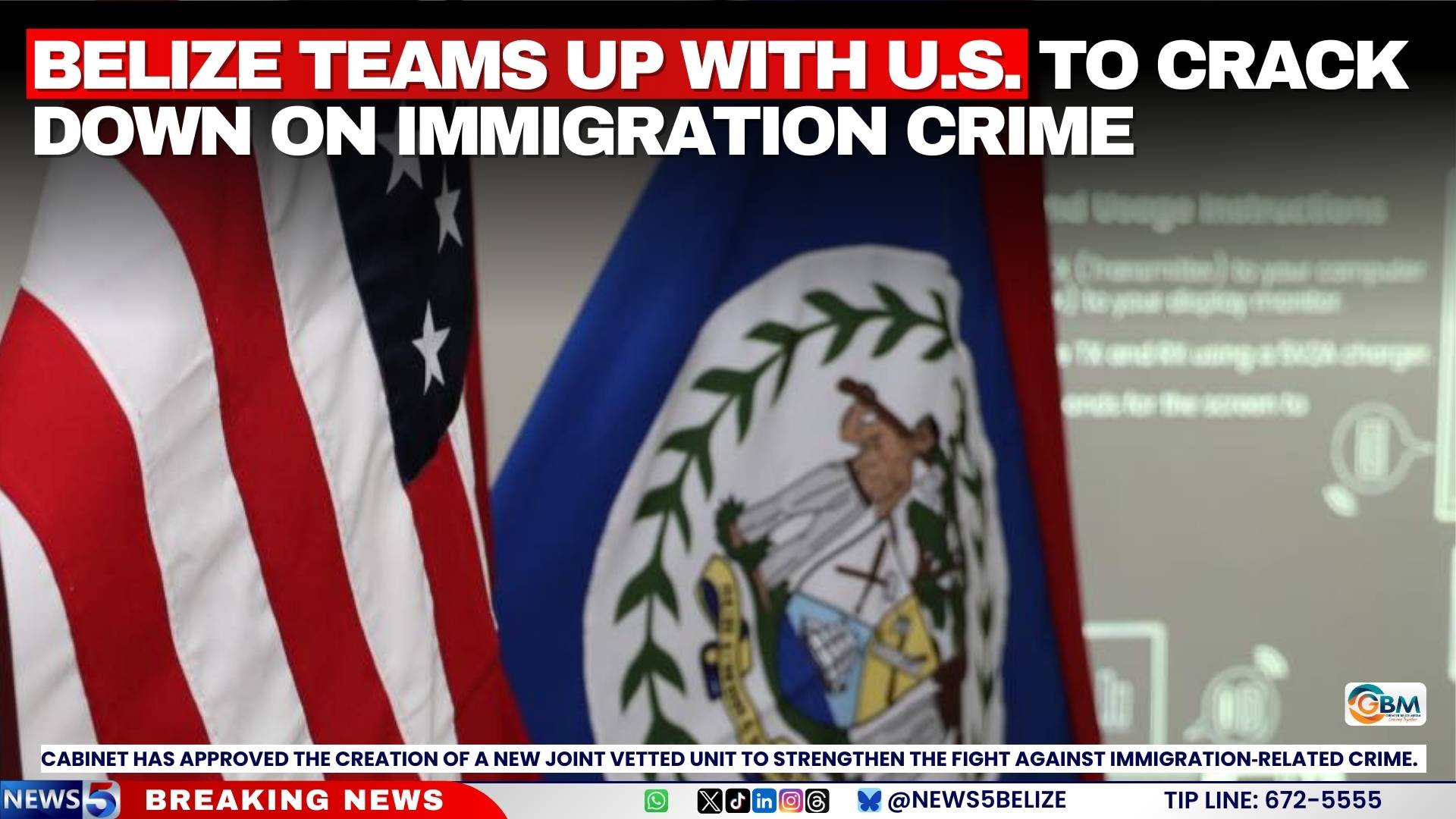
    In a significant bilateral security development, the Belizean government has formally authorized the establishment of a specialized joint investigative unit in collaboration with United States authorities to combat immigration-related criminal activities. The landmark decision, ratified by Belize’s Cabinet this week, creates an operational partnership with the U.S. Department of State’s Bureau of Diplomatic Security, with the unit being headquartered at the American Embassy in Belmopan.

    The cooperative framework will be officially cemented through a Memorandum of Understanding between both nations, as detailed in an official government press release issued Wednesday. This strategic alignment represents a deepening of cross-border security cooperation between the Central American nation and its northern partner.

    This security initiative follows closely on the heels of another recently implemented bilateral program launched on January 12th that established advanced biometric data-sharing capabilities between the two countries. The previously introduced system deployed cutting-edge fingerprint scanning and facial recognition technology at Belize’s primary airports and strategic border checkpoints, significantly enhancing monitoring capabilities and movement tracking protocols.

    The consecutive implementation of these sophisticated security measures demonstrates a concerted effort to modernize border management systems and strengthen institutional capabilities against transnational crime networks exploiting immigration pathways. The integrated approach combining investigative coordination through the new joint unit with technological advancements in biometric verification creates a comprehensive framework addressing both enforcement and prevention dimensions of immigration security.

  • Venezuela denies alleged decoration for CIA chief

    Venezuela denies alleged decoration for CIA chief

    The Venezuelan government has issued a formal denial through its official communication channel @AlMomento_M regarding what it characterizes as malicious disinformation circulating on social media platforms. The disputed content allegedly featured manipulated imagery suggesting the Venezuelan government had awarded honors to foreign intelligence services.

    In a strongly worded rebuttal, the government-affiliated account stated: “We categorically deny the malicious information circulating on social media about an alleged decoration with honors for foreign intelligence agencies.” The response was accompanied by a visual analysis demonstrating clear signs of digital manipulation within the controversial image, prominently featuring the word “Fake” superimposed over the disputed material.

    The incident highlights ongoing information warfare challenges facing the South American nation, where both government and opposition groups frequently accuse each other of deploying sophisticated disinformation campaigns. This particular fabrication appears to target the sensitive subject of international intelligence relationships, a particularly charged topic given Venezuela’s complex diplomatic positioning.

    Digital forensics experts note that the proliferation of such manipulated content has increased significantly across Latin American political landscapes, with various actors employing increasingly sophisticated photo-editing techniques to create persuasive but false narratives. The Venezuelan government’s prompt response indicates established protocols for countering potentially damaging misinformation before it gains broader traction.

    The controversy emerges amid heightened geopolitical tensions in the region, where intelligence cooperation agreements often serve as indicators of shifting international alliances. Authorities have not specified which foreign intelligence agencies were purportedly referenced in the fabricated image, nor have they identified potential sources behind the disinformation campaign.

  • Panama and Brazil advocate for increasing trade

    Panama and Brazil advocate for increasing trade

    In a significant diplomatic engagement, Panamanian President José Raúl Mulino and Brazilian leader Luiz Inácio Lula da Silva conducted a substantive telephone conversation focused on enhancing bilateral cooperation and regional integration. The discussion, announced through President Mulino’s official X (formerly Twitter) profile, centered on strategic priorities for Latin American collaboration.

    The presidential dialogue addressed Mulino’s potential participation in the prestigious International Economic Forum organized by the Development Bank of Latin America and the Caribbean (CAF), scheduled for late January 2026 in Brazil. This high-level summit will convene political authorities and business leaders from across the region to address critical economic integration initiatives and global challenges.

    Both heads of state reached consensus on the imperative to strengthen ties among Latin American nations, with particular emphasis on revitalizing partnerships within the Southern Common Market (MERCOSUR) framework. The leaders specifically highlighted Panama’s strategic role as a regional logistics hub and its potential synergy with MERCOSUR member states.

    This diplomatic exchange occurs amidst ongoing preparations for the CAF summit and follows President Mulino’s recent attendance at the signing ceremony of the landmark Partnership Agreement between MERCOSUR and the European Union in Asunción, Paraguay. The telephone consultation represents part of broader efforts to amplify trade, investment, and multilateral cooperation between Panama and Brazil, thereby accelerating regional economic integration processes.

  • Italy assesses benefits of EU-MERCOSUR deal for its economy

    Italy assesses benefits of EU-MERCOSUR deal for its economy

    After more than a quarter-century of complex negotiations, the European Union and MERCOSUR trading bloc have finalized a landmark trade agreement in Paraguay’s capital that establishes the world’s most extensive free trade zone. The comprehensive pact, which requires ratification by both the European Parliament and individual national governments before implementation, promises to significantly reduce market access costs while enhancing the competitive positioning of Italian exports in South American markets.

    Economic analysts project substantial growth in trade volumes and export opportunities for Italian businesses, with particular advantages anticipated for small and medium-sized enterprises and the premium agricultural food sector. The agreement strategically positions Italian products within a market encompassing approximately 800 million consumers across 27 EU nations and MERCOSUR member states including Argentina, Brazil, Uruguay, Paraguay, and Bolivia, though Venezuela remains suspended from participation since 2017.

    Italian Foreign Minister Antonio Tajani emphasized the agreement’s geopolitical significance, noting its timing coincides with the Trump administration’s reintroduction of protective tariffs targeting EU exports and other major markets. This trade alliance represents a strategic countermeasure to growing protectionist tendencies in global trade relations, creating alternative economic partnerships that bypass restrictive tariff barriers.

    The accord establishes unprecedented market access provisions while maintaining quality standards for specialized products, potentially revolutionizing trade flows between the European and South American continents. The creation of this massive economic bloc marks a historic shift in global trade dynamics, offering new avenues for economic cooperation beyond traditional transatlantic partnerships.

  • Russia and Saudi Arabia plan to expand air services

    Russia and Saudi Arabia plan to expand air services

    Russian aviation authorities are pursuing a significant expansion of flight routes with Middle Eastern partners, focusing on both existing and new destinations. Deputy Transport Minister Igor Chalik, through his representative Nikitin, announced plans to increase international flight offerings from Krasnodar, with particular emphasis on enhancing connectivity to the Kingdom of Saudi Arabia.

    The development extends beyond Saudi routes as Oman Air prepares to substantially increase its Russian operations. The Omani carrier will boost flight frequencies to Moscow while expanding its service network to include four additional Russian cities: St. Petersburg, Kazan, Yekaterinburg, and the resort destination of Sochi.

    In a strategic move for tourism connectivity, the airline will inaugurate new flight services from Salalah, Oman’s prominent resort city, to Russia’s capital by the end of 2025. This development represents part of Russia’s broader aviation strategy to strengthen transportation links with nations it considers friendly partners.

    Nikitin emphasized Russia’s proactive diplomatic stance, stating, “We maintain an active negotiating position with all friendly countries,” indicating ongoing discussions to further develop international air travel options for Russian citizens and businesses.

  • ‘Jail is hell,’ says soca artiste who did time for robbery

    ‘Jail is hell,’ says soca artiste who did time for robbery

    Bradley “Party Dawg” Huggins, a soca musician whose rising career was abruptly interrupted by incarceration, has delivered a powerful cautionary message about prison life following his recent release. The artist, who served over six years for a 2015 armed robbery conviction, characterized correctional facilities as places of unending torment where basic comforts and genuine human connections are scarce.

    Huggins described the brutal reality of incarceration in St. Vincent and the Grenadines, revealing that prisoners endure overcrowded cells housing up to nine inmates in confined spaces. The daily routine involves minimal nutrition—primarily consisting of what he termed “the national dish in jail”: rice and stewed chicken—and limited recreational time. He detailed how inmates typically receive bread with tea for breakfast, the ubiquitous rice dishes for lunch, and light evening meals accompanied by herbal tea.

    The artist revealed that survival in prison requires adopting protective personas, noting that “everybody wearing some kind of mask” and genuine relationships are rare. He explained that marijuana serves as a coping mechanism for many inmates, while interactions are often transactional rather than authentic. Huggins admitted to learning how to “become a snake” to navigate this dangerous environment where insincerity prevails.

    Despite these challenges, Huggins found opportunities for personal growth through reading and reflection. He emphasized his determination to avoid reoffending, citing parental responsibilities toward his 11-year-old daughter as primary motivation. The artist maintained communication with his daughter throughout his sentence using contraband cell phones, demonstrating his commitment to remaining present in her life.

    Huggins acknowledged his personal responsibility in the robbery incident while noting that peer influence and alcohol contributed to his poor decision-making. He expressed no bitterness toward his accomplices, revealing that both have reformed their lives since release—one operating a taxi business and the other abandoning previous negative behaviors.

    The musician confirmed plans to revitalize his music career, with new recordings expected for the 2026 Vincymas celebrations. During his incarceration, prison authorities had permitted him recording studio access, indicating institutional recognition of his artistic potential. Huggins concluded that while prison constituted a “very rough experience,” it provided invaluable lessons about personal accountability and life priorities.

  • Nursing education is failing us all

    Nursing education is failing us all

    A group of nursing students has come forward with devastating allegations against their educational institution, describing a six-year ordeal characterized by systemic exploitation, psychological abuse, and institutional failure. What began as hopeful pursuit of medical careers has transformed into what they describe as an oppressive system designed to break rather than educate future healthcare professionals.

    The students detail a pattern of being used to address hospital staffing shortages without adequate training or support, then being blamed when they struggled under the overwhelming pressure. They report facing intimidation, humiliation, and unexplained failures despite their dedication to the profession. The most alarming revelation is a claimed 100% failure rate that should have prompted institutional accountability but instead resulted in retaliation against those seeking answers.

    Communication breakdowns form a central part of their grievances, with exam results allegedly delayed for months without justification. The students characterize this silence as a deliberate control mechanism rather than an administrative necessity. Many report severe mental health consequences, including sleep disturbances, financial strain, and difficulty providing for their families while carrying the psychological weight of their educational experience.

    In a warning to prospective students, they describe the environment as ‘cult-like’ where submission is valued over competence and fear dominates over learning. Despite these challenges, the students emphasize their continued commitment to nursing as their ultimate calling, while calling for fundamental reform in how educational institutions treat those entering care professions.

  • Gaza: Interim administration announces priorities

    Gaza: Interim administration announces priorities

    In a significant political transition for the Gaza Strip, a newly established committee of Palestinian technocrats has commenced its governance duties, marking the imminent dissolution of the Hamas-led administration. Nabil Shaath, a prominent figure in this transition, outlined the government’s strategic vision during an exclusive interview with Cairo News Channel from the Egyptian capital.

    Shaath detailed that the foundational blueprint for Gaza’s recovery is the comprehensive Egyptian reconstruction project, which received formal approval at an Arab summit convened last year. He emphasized the committee’s legitimate mandate, stating, ‘Our committee is entirely Palestinian, elected by its people and its national forces with the primary objective of achieving a decent life for the populace as rapidly as possible.’

    A central pillar of the new governance framework is the establishment of lasting peace. Shaath explicitly articulated this commitment, noting, ‘We are profoundly interested in implementing measures that ensure wars do not return to the Gaza Strip or the wider Arab region.’ This objective is deemed critical given the extensive human cost of the recent conflict, which has resulted in the deaths of more than 71,000 Palestinians according to the statements made.

    Addressing the profound societal disruption, Shaath affirmed an immediate and critical priority: the return of Gazan children to formal education. He highlighted that these children have endured an two-year interruption in their schooling due to the prolonged war, a situation the new governing body is determined to rectify urgently. This shift in governance represents a pivotal new phase for the territory, focusing on stabilization, large-scale revitalization, and the restoration of normalcy for its inhabitants.