博客

  • World Economic Forum 2026 in Davos van start; wereldwijd leiders bijeen

    World Economic Forum 2026 in Davos van start; wereldwijd leiders bijeen

    The 2026 World Economic Forum (WEF) commenced officially on Monday in Davos, Switzerland, gathering approximately 3,000 participants from over 130 countries. The prestigious assembly brings together heads of state, government officials, corporate executives, and civil society leaders for a four-day convention running through January 23. This year’s theme, ‘A Spirit of Dialogue,’ emphasizes fostering cooperation during an era marked by complex geopolitical and economic challenges.

    Suriname’s Vice President Gregory Rusland is among the distinguished attendees, having received a special invitation to join an exclusive meeting of forty international decision-makers comprising heads of state, CEOs, and ministers. Rusland is scheduled to engage with global leaders on the critical topic: ‘From Commitments to Implementation: Scaling Sustainable Tourism and Hospitality.’

    For decades, the annual WEF summit has served as a crucial platform for addressing pressing global issues including economic growth, multilateral cooperation, technological advancement, and climate change. The 2026 program features more than 200 sessions covering diverse subjects such as global risks, economic inequality, artificial intelligence, and sustainable development.

    Key discussion topics this year include the role of dialogue in an increasingly fragmented global economy. According to recent WEF risk analysis, economic confrontations including trade conflicts and protectionist measures have gained significant prominence on the world stage. The forum will also address the growing divide between economic elites and broader populations. Larry Fink, CEO of investment firm BlackRock and interim co-chair of the forum, emphasized the need for economic systems to evolve toward generating broader societal benefits and reducing distrust.

    Additional focal points include digital innovation and artificial intelligence, investments in strategic sectors like defense and technology, the future of energy and climate policy, and the vital role of international cooperation in tackling global challenges.

    The geopolitical dimension features prominently in this year’s agenda. National security advisors from multiple countries convened in Davos to discuss sensitive matters including policy responses to trade conflicts surrounding Greenland, which have recently created tensions between the United States and European nations. The presence of numerous state leaders and government heads underscores the forum’s continued importance as a diplomatic platform for international collaboration amid global uncertainties including conflict zones and challenges in multilateral relations.


  • Operation Altagracian 2026 begins with over 9,000 personnel deployed

    Operation Altagracian 2026 begins with over 9,000 personnel deployed

    The Dominican Republic has initiated Operation Altagracian 2026, a comprehensive security and emergency response deployment designed to safeguard millions of pilgrims during the annual festivities honoring Our Lady of Altagracia. The operation commenced on Tuesday and will continue through Wednesday, January 21st at 6:00 PM, mobilizing an impressive force of 9,121 personnel including emergency responders, volunteers, and institutional collaborators throughout the country’s eastern region.

    President Luis Abinader authorized the large-scale operation, which is being coordinated through the Emergency Operations Center (COE) in collaboration with multiple government agencies and the Government of La Altagracia province. The primary mission focuses on ensuring safe passage for citizens traveling to the Basilica Cathedral of Our Lady of Altagracia in Higüey, the spiritual center of celebrations for the nation’s patron saint. Security and assistance coverage extends along all major routes from the Juan Carlos Bridge on Las Américas Avenue to the basilica itself.

    COE Director Juan Manuel Méndez García identified traffic accidents as the foremost concern during the religious gatherings and emphasized the importance of responsible behavior among travelers. The operational framework includes 113 ambulances, 153 first aid stations, and two fully equipped field hospitals operated by the Dominican Red Cross and Civil Defense. A sophisticated Mobile Command Center will coordinate with the Directorate of Out-of-Hospital Emergency Services (DAEH) to manage response efforts.

    The Ministry of Defense is providing aerial surveillance through helicopter support, while a specialized three-ring security perimeter will be established around the basilica complex. DIGESETT personnel will manage traffic flow and safety, with the Military and Police Commission of the Ministry of Public Works offering roadside assistance including mobile workshops and crane services. Authorities have reiterated warnings against driving under the influence of alcohol and urged compliance with official safety guidelines throughout the religious observances.

  • Column: Wanneer staatsbezit privé wordt opgericht, faalt de controle

    Column: Wanneer staatsbezit privé wordt opgericht, faalt de controle

    A significant governance crisis has emerged surrounding GuySure, the Guyanese subsidiary of Surinamese state-owned enterprise Grassalco. Official corporate registration documents from Guyana reveal that the company’s shares are formally held by private individuals with connections to Grassalco, contradicting previous representations that it represented a state-controlled regional expansion.

    The disclosure directly challenges the narrative presented during GuySure’s inauguration in Georgetown last May, which was attended by then-President Chan Santokhi, suspended Grassalco CEO Wesley Rozenhout, and former Foreign Minister Albert Ramdin. The high-profile political ceremony had positioned the venture as Suriname’s strategic state-owned presence in neighboring Guyana.

    Investigative findings indicate critical irregularities in documentation handling. Key GuySure documents were only entered into Grassalco’s official records and archives this January—months after both the company’s establishment and its high-profile launch. Forensic analysis confirmed no evidence of external hacking or digital manipulation, suggesting internal procedural deviations.

    The administrative process displayed multiple anomalies including missing сопроводительные документы, irregularities in dossier preparation, and archival inconsistencies. Investigators have not ruled out intentional manipulation or backdating of documents, raising concerns about potential criminal offenses such as document forgery and abuse of position.

    This case transcends political dimensions, touching fundamental principles of legal governance and state property protection. Unlike the separate 4-kg gold investigation, this matter involves international corporate registration, state assets, and possible cross-border legal violations that demand rigorous independent criminal investigation without political interference.

    The central question remains how a purported state subsidiary transformed into a private ownership structure without transparency or accountability, revealing systemic failures in both institutional controls and their appointed guardians.

  • Palomino Dam reopens with new ecotourism route and camping rules

    Palomino Dam reopens with new ecotourism route and camping rules

    SANTO DOMINGO – In a significant move to balance tourism growth with environmental preservation, the Dominican Republic’s Ministry of Environment and Natural Resources will inaugurate a new ecotourism route at the Palomino Dam on January 21, 2026. This development within the José del Carmen Ramírez National Park responds to a five-year surge in hiking and nature-based tourism, prompting authorities to implement enhanced safety and conservation frameworks.

    The initiative, orchestrated by the Vice Ministry of Protected Areas and Biodiversity, follows a comprehensive evaluation and restructuring of access protocols to the protected zone. A pivotal component is a newly established overnight stay protocol, formally introduced to tour operators, local guides, and Ministry of Tourism officials during a virtual conference held on December 30.

    Under the stringent new regulations, prospective campers are required to seek authorization a minimum of 15 days prior to their visit via the Ministry’s dedicated digital platform. Each visiting group must appoint a designated leader and be accompanied by at least one certified local guide for every ten participants. Overnight capacity is strictly limited to 120 visitors. The regulations explicitly prohibit alcohol, tobacco, controlled substances, and single-use plastics, mandating a ‘pack-in, pack-out’ waste policy to ensure zero environmental footprint.

    An integral part of the rollout includes a specialized training program to certify local guides as Nature Interpreter Guides, a qualification that will eventually become compulsory for all guided visits. Future plans also entail the construction of permanent, eco-friendly overnight facilities to minimize ecological disruption and bolster sustainable local economic development. This new route replaces the previous access path to the Palomino Dam, which was closed in August 2025 as a preventive measure to safeguard both visitors and the region’s delicate ecosystem.

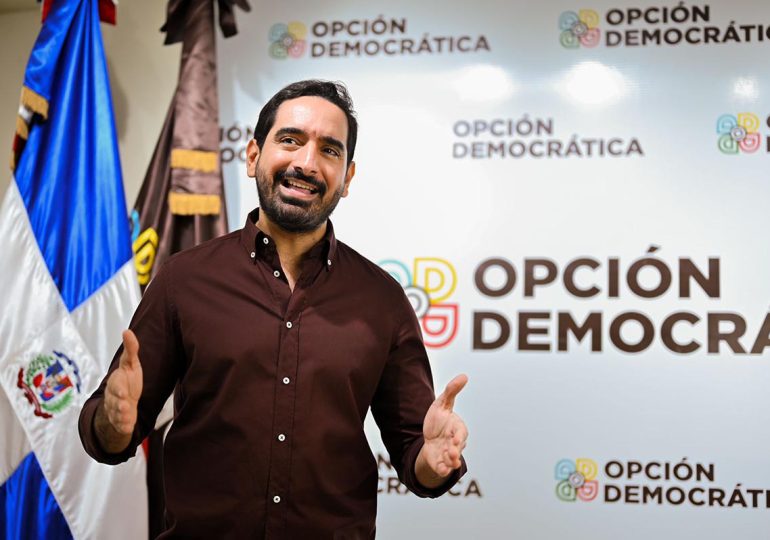
  • José Horacio Rodríguez calls alleged ITLA salary deductions for politics “deplorable”

    José Horacio Rodríguez calls alleged ITLA salary deductions for politics “deplorable”

    SANTO DOMINGO – A prominent political leader in the Dominican Republic has issued a stern condemnation following explosive allegations of coerced political contributions from public institution employees. José Horacio Rodríguez, who heads the Democratic Option party, characterized as ‘deplorable’ a recent investigative report claiming that staff at the Technological Institute of the Americas (ITLA) were pressured to donate up to five percent of their salaries to support a political movement.

    Rodríguez asserted that this incident is not isolated but rather symptomatic of a pervasive and deeply entrenched pattern of illicit political financing plaguing the nation. He emphasized that such practices represent a clear breach of Dominican law and called for an immediate and comprehensive official investigation into the matter. The party president contextualized the allegations within a troubling history of political scandals, noting that the misuse of funds for political gain has previously been linked to more severe criminal activities, including corruption and drug trafficking.

    Highlighting the corrosive effect of money in politics, the former congressman advocated for sweeping systemic reforms. His proposal centers on substantially reducing the overall financial burden of political campaigns by implementing stricter expenditure caps. Furthermore, Rodríguez pushed for enhanced transparency mechanisms and robust oversight to prevent financial misconduct. He pointed to international benchmarks for inspiration, specifically citing Belgium’s framework for regulated political advertising and France’s stringent limits on broadcast campaign time as viable models for the Dominican Republic to emulate. The ultimate goal, he stressed, is to ensure that political financing operates with integrity and truly serves the public interest, rather than undermining democratic institutions.

  • Atherley rules himself out of February 11 election

    Atherley rules himself out of February 11 election

    In a significant political development, former opposition leader Bishop Joe Atherley has officially declared he will not stand as a candidate in Barbados’ upcoming general election, despite reaffirming his enduring dedication to the nation’s political landscape. The announcement came during an exclusive interview with Barbados TODAY on Monday.

    Atherley, who previously secured the St Michael West constituency for the Barbados Labour Party in 2018 before establishing the People’s Party for Democracy and Development (PdP) as the sole opposition voice, emphasized that his withdrawal from candidacy does not signal retirement from public service. ‘I remain deeply engaged in the political process and maintain my commitment to advancing the interests of Barbadian citizens,’ he stated.

    The former parliamentarian articulated a philosophy of principle-driven service over partisan allegiance, noting: ‘My primary allegiance lies with the national colors of Barbados—blue, yellow, and gold—rather than any party label. I operate based on Christian principles and ministerial profession, remaining available to serve the people in whatever capacity circumstances permit.’

    This declaration coincides with the formation of the People’s Coalition for Progress, an alliance comprising the United Progressive Party, New National Party, and Conservative Barbados Leadership Party. Notably, Atherley clarified that neither he nor the PdP are participating in this coalition effort, distinguishing the current political landscape from the previous Allied Party for Progress arrangement during the January 2022 elections.

    Atherley’s decision creates strategic implications for Barbados’ opposition framework as the nation approaches its electoral process, with his continued involvement expected to take forms beyond conventional candidacy.

  • BADMC to review yam prices by April

    BADMC to review yam prices by April

    Barbados faces a significant setback in its campaign against soaring food prices following a major agricultural theft that forced authorities to delay a crucial price reduction initiative. The Barbados Agricultural Development and Marketing Corporation (BADMC) has revealed that the theft of approximately 10,000 pounds of yams from its St. John farmland has compromised plans to make the staple food more affordable for consumers.

    Dr. Claire Durant, Deputy Chief Executive Officer of BADMC, confirmed that the stolen produce, valued at nearly $70,000, was specifically cultivated as part of a strategic intervention to combat escalating market prices. Current retail rates for yams have reached concerning levels of $6-7 per pound, creating financial strain for many Barbadian households.

    The corporation had targeted a ambitious price reduction to approximately $2.50 per pound by 2026 through increased domestic production. However, the substantial theft has necessitated a recalibration of this timeline, with consumers now unlikely to see meaningful price relief before the conclusion of the year’s first quarter.

    This incident forms part of a disturbing pattern of praedial larceny across the island. Recent statistics indicate approximately 50,000 pounds of yams were stolen during the Christmas and New Year period alone, including a separate 20,000-pound theft from veteran farmer Richard Armstrong’s private holdings in St. John.

    Dr. Durant emphasized the disproportionate impact on smaller agricultural operators, noting that while the BADMC can absorb such losses, individual farmers face potentially catastrophic consequences from similar thefts.

    In response to the escalating crisis, the corporation has implemented enhanced security measures including increased police patrols and community vigilance initiatives. The BADMC has also introduced a numbered receipt book system to improve supply chain transparency, enabling better verification of produce legitimacy throughout the distribution network.

    Agriculture Minister Indar Weir has issued stern warnings to both vendors and consumers, emphasizing that stolen produce inevitably enters commercial channels and urging heightened due diligence across the sector. Meanwhile, the vending community, represented by the Barbados Association of Retailers, Vendors, and Entrepreneurs (BARVEN), has rejected suggestions of widespread complicity, maintaining that most vendors operate through legal sourcing channels.

  • New coalition pushes for reform, fairer representation, voter re-engagement

    New coalition pushes for reform, fairer representation, voter re-engagement

    A significant political realignment has emerged in Barbados as three emerging parties—the United Progressive Party (UPP), New National Party (NNP), and Conservative Barbados Leadership Party (CBLP)—have consolidated into the People’s Coalition for Progress (PCP) just weeks before the nation’s general election. This alliance positions itself as a viable alternative to Barbados’ established political duopoly.

    At the coalition’s inaugural press conference in Bridgetown, UPP leader Lynette Eastmond criticized Prime Minister Mia Mottley’s announcement of a snap election, contending the abbreviated timeline disadvantages voters rather than political organizations. “Calling a snap election with minimal notice undermines democratic participation,” Eastmond asserted. “This approach disadvantages Barbadian citizens who deserve adequate time to evaluate their voting options rather than defaulting to established parties or abstaining entirely.”

    Eastmond highlighted concerning voter apathy patterns, particularly in urban constituencies, attributing this trend to systemic neglect. She advocated for transitioning from Barbados’ current two-party framework toward multiparty parliamentary representation, citing nations with proportional representation systems that achieve superior Human Development Index rankings.

    The coalition leaders presented comprehensive reform proposals including constitutional amendments to implement fixed election dates, proportional representation instead of first-past-the-post voting, and reduction of parliamentary seats from 30 to better reflect Barbados’ population size. “Maintaining 30 parliamentary seats for 300,000 citizens represents excessive bureaucratic burden,” Eastmond contended.

    NNP leader Kemar Stuart raised concerns about electoral list integrity, revealing his own registration challenges despite being a parliamentary candidate. Regarding economic policy, Stuart warned about potential oil supply disruptions stemming from geopolitical tensions and suggested another International Monetary Fund arrangement might follow the election.

    CBLP leader Corey Beckles characterized the coalition as injecting renewed energy into Barbadian politics, emphasizing that “fresh parliamentary voices are essential after years of unfulfilled promises.”

    The PCP confirmed its candidates will contest individually like other parties, with elected members determining prime ministerial leadership. While the complete candidate roster remains forthcoming, the coalition pledged imminent publication of its full slate.

  • Security Scandal Deepens in BPO Industry as PM Launches Investigation

    Security Scandal Deepens in BPO Industry as PM Launches Investigation

    A significant security breach has rocked Belize’s Business Process Outsourcing (BPO) industry, prompting direct intervention from Prime Minister John Briceño. The escalating crisis involves sophisticated credit card fraud operations allegedly originating from within the sector itself, with multiple companies reporting substantial financial losses.

    The investigation gained urgency after a second private company came forward detailing thousands of dollars lost to an elaborate scam. Evidence suggests BPO employees have been circumventing PCI compliance protocols by smuggling mobile phones into secure workstations to capture customers’ sensitive financial information.

    KwiqPass, a prominent ticketing application platform, emerged as a primary victim of these fraudulent activities. Company representatives disclosed over $30,000 in illegitimate credit card transactions occurring within a two-year period. Detailed forensic analysis revealed a pattern of targeted attacks, including forty chargeback purchases for VIP tickets to the Belize International Music and Food Festival using a single compromised Chase Bank card.

    The fraud operation extended beyond concert tickets, encompassing semi-professional basketball games, special events in Corozal, and regional boxing matches. Investigators identified a consistent pattern of fraudulent purchases linked to a fake identity under the surname Atieno, totaling approximately $10,000 in additional losses.

    In response to these security breaches, KwiqPass has implemented enhanced verification protocols that automatically flag and block suspicious transactions in real-time. This proactive measure aims to protect both event promoters and consumers from further financial harm.

    Prime Minister Briceño acknowledged the gravity of the situation while emphasizing the government’s commitment to preserving the industry’s stability. “We have a responsibility to ensure we can keep these companies here and protect their interests,” Briceño stated, confirming collaboration with the Financial Intelligence Unit (FIU) to address systemic vulnerabilities.

    Industry observers note the potential catastrophic consequences if security concerns persist. Delroy Fairweather of KwiqPass warned that continued breaches could trigger widespread distrust, potentially leading to BPO closures and significant job losses throughout Belize.

    The Prime Minister is scheduled to convene with ministry officials to develop strengthened security frameworks for the sector. The Belize BPO Association has not yet issued an official statement regarding the ongoing investigation.

  • Politic : Demolition on Boulevard du Cap

    Politic : Demolition on Boulevard du Cap

    A controversial urban redevelopment initiative in northern Haiti has triggered significant economic and social concerns among business leaders. On January 9, 2026, municipal authorities launched “Operation Sidewalk Reclamation” along Cap-Haïtien’s strategic boulevard, a prime tourist and commercial corridor. Under the direction of Marc Merzius Présumé, Departmental Delegate of the North, and with Mayor Angie Bell present, the operation resulted in the complete demolition of at least 17 buildings and commercial structures deemed to be encroaching on public land.

    The North Chamber of Commerce and Industry (CCI Nord) has issued a formal statement expressing profound concern regarding the execution methodology of the demolition campaign. While explicitly refraining from challenging the legal basis of the operation, the Chamber’s President, Steve A. Mathieu, criticized the absence of reasonable notice, transparent planning, and proper consultation with affected businesses.

    According to the Chamber’s declaration, previous discussions with authorities had addressed general urban concerns in Cap-Haïtien but never specifically outlined demolition plans of this scale. The business organization condemned what it characterized as a “hasty, haphazard, and unilateral approach” that failed to consider the substantial economic, social, and human consequences for local enterprises and families.

    The statement further denounced reported incidents of power abuse and violence against individuals, including women attempting to exercise their right to peaceful protest. The Chamber expressed solidarity with victims while reiterating its commitment to participatory urban development processes that balance public interest, heritage preservation, and economic protection through dialogue and transparent governance.