博客

  • Antigua defends decision to recruit nurses from Ghana

    Antigua defends decision to recruit nurses from Ghana

    The government of Antigua and Barbuda has vigorously defended its controversial decision to recruit nursing professionals from Ghana, characterizing the move as an essential strategy to address critical staffing shortages within the nation’s healthcare system. Health Minister Sir Molwyn Joseph emphasized that the recruitment initiative directly responds to longstanding challenges in maintaining adequate nursing staff levels, which have resulted in widespread burnout and compromised patient care standards.

    Speaking at a press conference alongside senior health officials, Minister Joseph articulated the government’s position: “The reality of overworked and exhausted nursing professionals inevitably compromises the quality of patient care. This recruitment program represents a strategic opportunity to comprehensively address this systemic issue.” The minister extended formal gratitude to the technical teams and permanent secretary for their instrumental roles in facilitating the international recruitment process.

    This development follows last week’s announcement that the Gaston Browne administration has formalized agreements to contract over 100 Ghanaian nurses. Government officials have been careful to note that this new arrangement with Ghana does not signify termination of existing healthcare partnerships with Cuba, despite increasing diplomatic pressure from the United States urging Caribbean nations to discontinue collaborations with Cuban healthcare programs.

    According to an official Cabinet communiqué, approximately 120 Ghanaian nurses are scheduled to arrive during the January 23, 2026 weekend. These healthcare professionals will be strategically deployed across multiple medical facilities, with primary placements at the Sir Lester Bird Medical Centre supplemented by assignments at community health clinics and educational institutions.

    Permanent Secretary for Health Stacey Gregg-Paige provided detailed insights into the recruitment methodology, revealing that the selection process occurred in Accra during September 16-22, 2023 under the framework of Ghana’s Labour Exchange Program. The recruitment drive received 190 applications, with 32 candidates eliminated due to documentation deficiencies or eligibility concerns. The remaining 158 applicants underwent rigorous competency-based evaluations, resulting in 127 candidates being identified as suitable for subsequent vetting by the Antigua & Barbuda Nursing Council.

    Gregg-Paige emphasized the procedural integrity of the initiative: “This recruitment process operates under a formally established memorandum of understanding and service agreement that underwent comprehensive legal review. The Ministry of Legal Affairs has confirmed full compliance with national legal frameworks, ensuring this initiative maintains transparency and adherence to all regulatory requirements.”

    Dr. Shivon Belle-Jarvis, Medical Director of the Sir Lester Bird Medical Centre, outlined the orientation protocol designed to facilitate the integration of incoming nursing staff. The three-week onboarding program will provide comprehensive system familiarization for both international recruits and local healthcare professionals joining the institution.

    The nation’s healthcare system currently employs 260 local nurses supplemented by 33 Cuban healthcare professionals. With the addition of 120 Ghanaian nurses, the total nursing complement will reach 413—slightly exceeding the government’s stated requirement of 400 nurses for optimal healthcare delivery.


  • Suriname monitoring increase in cases of chikungunya

    Suriname monitoring increase in cases of chikungunya

    Health authorities in Suriname have officially declared an outbreak of the chikungunya virus following confirmation of multiple locally transmitted cases. The Ministry of Health verified through comprehensive testing at both the Central Laboratory of the Bureau for Public Health (BOG) and the Academic Hospital Paramaribo laboratory that eight individuals have tested positive without any recent international travel history.

    The public health response has been immediately activated with epidemiological investigations underway, including contact tracing protocols and enhanced surveillance measures to contain potential spread. Chikungunya, a viral disease transmitted through the bite of infected Aedes mosquitoes—the same species responsible for dengue and Zika viruses—presents with symptoms including abrupt high fever, debilitating joint pain and swelling, headaches, extreme fatigue, and occasional skin rashes.

    Unlike communicable diseases, chikungunya cannot spread directly between humans. Previous infection provides lifelong immunity to the virus. Health officials specifically advise affected individuals to avoid aspirin and ibuprofen, recommending instead paracetamol for pain and fever management alongside increased fluid intake and rest. Medical attention is urged if symptoms intensify.

    This outbreak marks the nation’s first significant recurrence since the initial 2014 epidemic when chikungunya emerged regionally throughout the Caribbean. The ministry has committed to maintaining transparent public communication as developments occur. Citizens are urged to eliminate mosquito breeding sites by removing stagnant water from containers, tires, and flowerpots around residential and recreational areas, supplemented by protective clothing and EPA-approved repellents.

  • Grenada must reapply fiscal discipline by 2027, IMF says after hurricane relief

    Grenada must reapply fiscal discipline by 2027, IMF says after hurricane relief

    The International Monetary Fund has advised Grenada to restore its core fiscal rule by 2027 to maintain debt sustainability, following the country’s temporary suspension of the measure this year to finance recovery efforts from Hurricane Beryl. In its annual Article IV economic assessment concluded Wednesday, the IMF justified the temporary pause as necessary for post-disaster reconstruction, which resulted in an estimated 2025 primary deficit of 3.2% of GDP.

    The IMF’s Executive Board supported staff recommendations that returning to fiscal rules is crucial for preserving fiscal discipline and ensuring sustainable debt management. Grenada’s fiscal framework requires a central government primary balance floor of 1.5% of GDP—a surplus level the IMF anticipates will be achieved in 2027. This return to fiscal rigor is projected to establish a firm downward trajectory for public debt, with a key debt target of 60% of GDP now expected by 2033.

    Alongside its call for fiscal consolidation, the IMF commended Grenada’s economic resilience, noting real GDP growth accelerated to 4.4% for 2025 driven by robust investment and construction activity, while inflation eased to 0.3%. The report acknowledged that prudent savings from substantial revenues generated through Grenada’s Citizenship-by-Investment program provided a critical financial buffer during the crisis period.

    Looking forward, the IMF projects growth will gradually moderate from current levels to an estimated potential rate of 2.7% by 2029 as the stimulus from large-scale public investment diminishes. The assessment identified significant external sector challenges, with Grenada’s 2024 position assessed as “weaker than the level implied by medium-term fundamentals.” A substantial current account deficit, estimated at 17.5% of GDP for 2025, is expected to persist due to high construction-related imports.

    The report highlighted Grenada’s heightened vulnerability to natural disasters and its dependence on tourism and imports as principal downside risks. The IMF recommended careful management of ambitious public investment projects to prevent cost overruns and emphasized the need for close monitoring of vulnerabilities within the non-bank financial sector.

    To foster durable growth, the fund proposed policies strengthening domestic economic foundations beyond foreign investment-driven tourism. These include enhancing local business linkages to the tourism sector, reducing trade friction, and investing in human capital development. The assessment also identified significant data deficiencies in key economic statistics as an impediment to effective policy-making, urging Grenada to prioritize improvements in its statistical capacity.

  • Several PLP nomination races are heating up

    Several PLP nomination races are heating up

    The Progressive Liberal Party’s candidate selection process entered a vigorous phase yesterday as eleven aspirants presented their cases before the party’s Candidates Committee, signaling intense internal competition ahead of the upcoming general election. The PLP headquarters transformed into a vibrant political arena with dozens of supporters creating a festive atmosphere through music, Junkanoo rushes, and enthusiastic chanting while adorned in party regalia.

    In the Freetown constituency, a notable contest emerged between incumbent MP Wayne Munroe and long-time party member Ormanique Bowe, who arrived with substantial supporter presence. Ms. Bowe, a local business owner, emphasized her role as a maternal figure for the constituency, expressing strong confidence in her nomination prospects. Mr. Munroe responded to the challenge with philosophical acceptance, acknowledging competition as a sign of party strength while maintaining his belief in being the optimal candidate.

    The St. Anne’s constituency witnessed three contenders—Keno Wong, Latorna McPhee, and Chris Saunders—vying for nomination. Mr. Wong, former chairman of the National Neighbourhood Watch Council, cited community encouragement as his motivation, while Mr. Saunders, a veteran journalist, referenced the unexpected political shift in Georgia as inspiration for potential change despite previous electoral setbacks.

    Former Senator Robyn Lynes adopted a strategic approach by expressing openness to any available constituency rather than challenging sitting MPs, emphasizing her decision emerged from financial stability, family preparedness, and spiritual guidance rather than personal ambition. Meanwhile, Tasha Bullard-Hamilton presented her vision for Bimini and The Berry Islands, highlighting ancestral connections and presenting comprehensive development plans addressing healthcare, education, and infrastructure.

    Several incumbent MPs including Wayde Watson (Bain and Grants Town), Zane Lightbourne (Yamacraw), Patricia Deveaux (Bamboo Town), and Lisa Rahming (Marathon) also underwent the committee review process. The party announced intentions to ratify its second candidate batch on Thursday, expected to include Sylvanus Petty, Kirk Cornish, Clay Sweeting, and Bradley Fox Jr.

  • Government focused on economic independence for Jamaica — Holness

    Government focused on economic independence for Jamaica — Holness

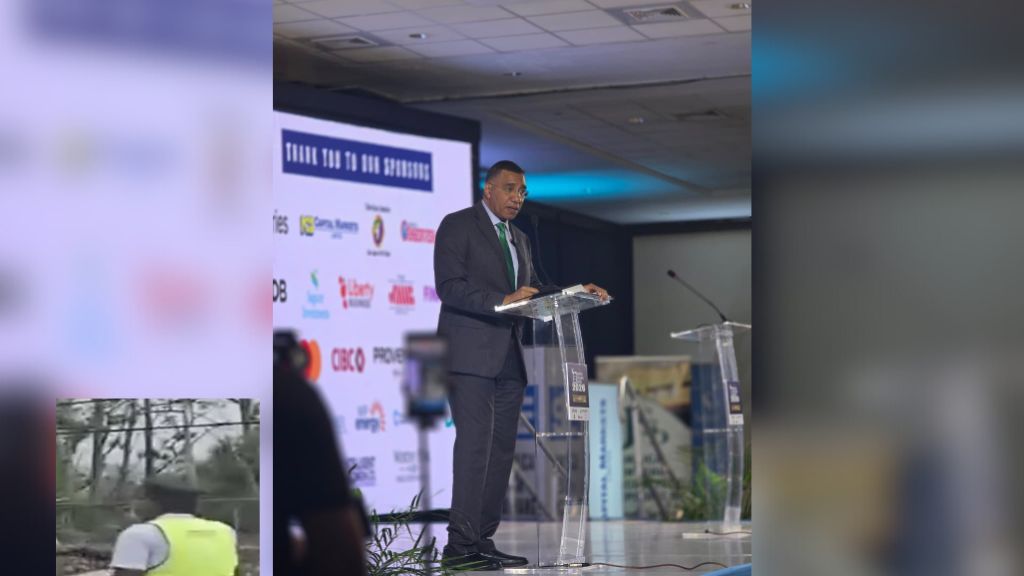
    KINGSTON, Jamaica — Prime Minister Andrew Holness has positioned economic self-sufficiency as the cornerstone of national sovereignty, declaring that political independence remains incomplete without financial autonomy. The Jamaican leader articulated this governing philosophy during his keynote address at the 21st Regional Investments and Capital Markets Conference, held at the Jamaica Pegasus Hotel on January 20, 2026.

    Holness drew a clear distinction between political and economic independence, emphasizing that the latter provides the substantive foundation for the former. “A generation persists in prioritizing political independence,” Holness observed. “My administration’s struggle is for Jamaica’s economic independence—the tangible capacity to underpin political sovereignty with financial strength.”

    The Prime Minister criticized historical ideological approaches that led Jamaica through “wilderness of economic despair,” pledging his government would not repeat these patterns. He outlined how responsible fiscal management has enhanced Jamaica’s international credibility, particularly evident in the rapid recovery efforts following Hurricane Melissa.

    This credibility, Holness revealed, enabled Jamaica to secure US$6.7 billion in financing with favorable terms. “We’ve demonstrated ourselves as a responsible nation with robust institutions,” he stated. “The crucial achievement isn’t merely obtaining loans and grants, but accessing low-cost financing with minimal conditionalities.”

    Holness expanded the conventional definition of private sector participation, highlighting that economic independence encompasses both corporate entities and informal micro-enterprises. “Our private sector includes not only National Commercial Bank,” he noted, “but also the woman frying fish in Border. Indeed, she represents the essence of our private sector.”

    The Prime Minister committed to policies enabling such entrepreneurs to sell their products to both local and international tourists, thereby funding their children’s education and preserving human dignity. He expressly urged this unscripted message to “percolate and filter throughout the audience,” emphasizing his administration’s dedication to grassroots economic empowerment.

    Holness concluded by noting that even small nations possess significant influence when understanding “new statecraft”—the strategic exercise of economic and diplomatic power on the global stage.

  • How to keep your New Year’s resolutions, with Shani Fitness

    How to keep your New Year’s resolutions, with Shani Fitness

    As the New Year unfolds, many individuals experience a familiar cycle of burnout and disappointment when their ambitious resolutions remain unfulfilled. Shani McGraham Shirley, a prominent influencer, motivational speaker, and CEO of Yahsuh Fitbox, proposes a radical solution: discard the traditional concept of New Year’s resolutions entirely. McGraham argues that these grand annual commitments often set people up for failure, creating a psychological barrier that undermines long-term success.

    McGraham’s approach doesn’t reject goal-setting altogether but rather advocates for a fundamental shift in methodology. Instead of waiting for January 1st to establish monumental objectives, she recommends implementing smaller, manageable goals throughout the year. This strategy leverages the psychological power of incremental achievements, where consistent small victories generate momentum and sustain motivation more effectively than infrequent major accomplishments.

    The fitness expert emphasizes the critical role of positive self-talk and what she terms ‘the power of suggestion.’ Drawing an analogy to pregnancy awareness—where women suddenly notice expecting mothers and baby-related items everywhere after contemplating pregnancy—McGraham demonstrates how our minds selectively focus on what we verbally reinforce. By consistently articulating positive aspirations, we program our subconscious to recognize opportunities and resources that were previously overlooked.

    Addressing procrastination, McGraham dismisses the notion of perfect timing, insisting that ‘the perfect time is now.’ She specifically advises against waiting for symbolic starting points like Monday mornings or new equipment, even suggesting beginning on a Wednesday to break psychological barriers associated with traditional starting points.

    McGraham outlines three fundamental pillars for achievement: the art of showing up, consistency, and moderation. She stresses that personal accountability—showing up for oneself rather than others—forms the foundation of sustainable progress. Using fitness as an example, she contrasts sporadic intense workouts with regular moderate sessions, demonstrating how consistency outperforms occasional bursts of effort.

    The motivational speaker cautions against ‘craven’ behavior—using Jamaican colloquialism for greed—in both dietary habits and goal-setting. Instead of overwhelming oneself with excessive targets, she advocates for measured, consistent steps that accommodate human limitations while maintaining progress.

    Perhaps most innovatively, McGraham reframes failure as a valuable teachable moment rather than a setback. Drawing parallels to burpee exercises where dropping down and rising up builds strength, she encourages embracing failure as an essential component of growth and self-discovery. This perspective transforms the fear of failure into a motivational tool, ultimately creating more resilient and adaptable goal-pursuers.

  • Opportunities opening up with crime reduction, says Holness

    Opportunities opening up with crime reduction, says Holness

    Jamaican Prime Minister Andrew Holness presented a compelling case for investment on Tuesday, positioning the nation’s robust macroeconomic stability and significant public safety improvements as foundational pillars for economic opportunity. Delivering the keynote address at the Jamaica Stock Exchange’s 21st Investment and Capital Markets Conference, Holness outlined a decade of disciplined fiscal management and consistent growth as evidence of the country’s economic resilience.

    The Prime Minister established a direct correlation between national security and economic prosperity, declaring that reducing criminal activity transcends social necessity to become a central component of investment strategy. ‘Lowering crime is not just a social imperative. It is central to attracting the quality investment our country needs,’ Holness told conference attendees, reinforcing the symbiotic relationship between safer communities and financial opportunity.

    Government initiatives targeting serious crime have yielded measurable results, with Jamaica recording fewer than 700 homicides in 2025—the nation’s lowest murder tally in over three decades. Holness highlighted increased support for law enforcement agencies and strategic security policies as integral to creating a more favorable business environment.

    ‘When people feel secure, businesses flourish. When investors see progress on crime, they see Jamaica as a place to grow,’ the Prime Minister asserted, challenging both domestic and international investors to adopt bold visioning for Jamaica’s economic future. He emphasized that the convergence of economic stability and security enhancements could unlock transformative opportunities across multiple sectors.

    The three-day conference serves as a formal gathering for policymakers, business leaders, and market participants to develop strategies for expanding Jamaica’s capital markets and strengthening investor engagement mechanisms.

  • Tributes for ‘kind hearted and loving’ teen car crash victim

    Tributes for ‘kind hearted and loving’ teen car crash victim

    A profound sense of grief has enveloped the local community following the tragic death of 18-year-old Chanell Adderley, who lost her life in a devastating vehicular accident earlier this week. The incident occurred during the early hours of Monday morning when the car she was traveling in collided with a stationary wooden pole along Prince Charles Drive.

    According to official police reports, two male occupants sustained injuries in the collision and were promptly transported to a medical facility for treatment. Their current medical status remains undisclosed to the public.

    The sudden passing of the young woman has generated an outpouring of emotional tributes across social media platforms, with friends and family members collectively remembering her as an exceptionally compassionate and affectionate individual. Darvinette Hanna, a close friend, expressed her profound shock and disbelief, recalling their recent outing to watch the Avatar film together as a cherished final memory.

    Lothario Adderley, the young woman’s uncle, emotionally described the tragedy as resembling a nightmare, addressing his niece directly in his online memorial: “SIP baby. Uncle love you so much.”

    Another friend, identified only as Katara, provided an especially moving testimony, characterizing Adderley as both a sisterly figure and personal sanctuary. She credited the deceased with providing unwavering emotional support during challenging times, noting: “You never let me give up on myself, even when I wanted to. You encouraged me, pushed me, and believed in me when I didn’t believe in myself.” Katara concluded her tribute with a solemn pledge to persevere in her personal endeavors as a testament to their friendship.

    This tragic incident represents the sixth recorded traffic fatality within the nation this year, according to official documentation maintained by The Tribune.

  • Holness expresses condolences to Spain after deadly train crash

    Holness expresses condolences to Spain after deadly train crash

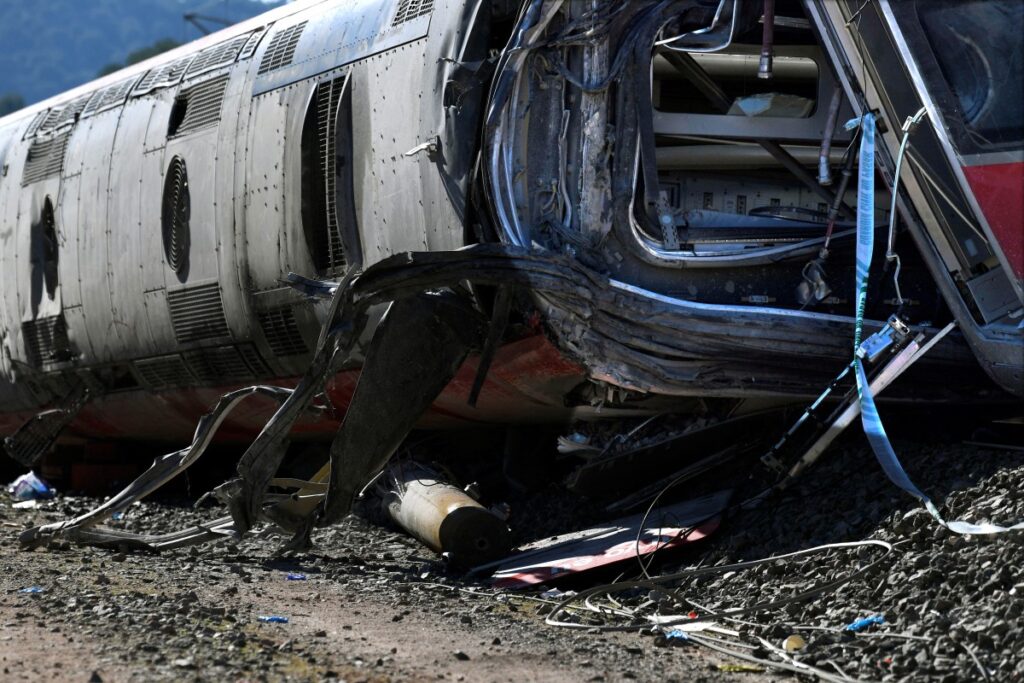
    KINGSTON, Jamaica — Jamaican Prime Minister Andrew Holness has publicly conveyed profound sympathies to the Spanish government and its citizens after a catastrophic railway incident resulted in significant casualties. The tragic event occurred on Sunday evening near Adamuz in the Andalusia region, claiming 41 lives and prompting international expressions of solidarity.

    In an official statement released via social media platform X, Holness emphasized the profound impact of the disaster, noting that the scale of loss transcends national boundaries. The collision involved a passenger service traveling from Malaga to Madrid, which derailed and subsequently collided with an oncoming train, causing both to overturn.

    Prime Minister Holness drew parallels between Spain’s current tragedy and the support Spain provided Jamaica during the aftermath of Hurricane Melissa, which resulted in over 50 Jamaican fatalities. This historical context underscored the mutual solidarity between the two nations.

    Holness expressed particular empathy for bereaved families and those injured in the accident, assuring them of Jamaica’s spiritual support during Spain’s declared period of national mourning. He concluded his message with a traditional benediction for the deceased.

    This incident represents the first of two recent railway emergencies in Spain, with a subsequent commuter train accident on Tuesday resulting in additional fatalities and injuries when infrastructure failure caused a collision in Barcelona.

  • Police commissioner rejects claims of resistance to body-worn cameras

    Police commissioner rejects claims of resistance to body-worn cameras

    KINGSTON, Jamaica — Jamaica’s top law enforcement official has launched a vigorous defense of the police force’s body-worn camera initiative, categorically rejecting allegations of institutional resistance as deliberate falsehoods designed to mislead the public.

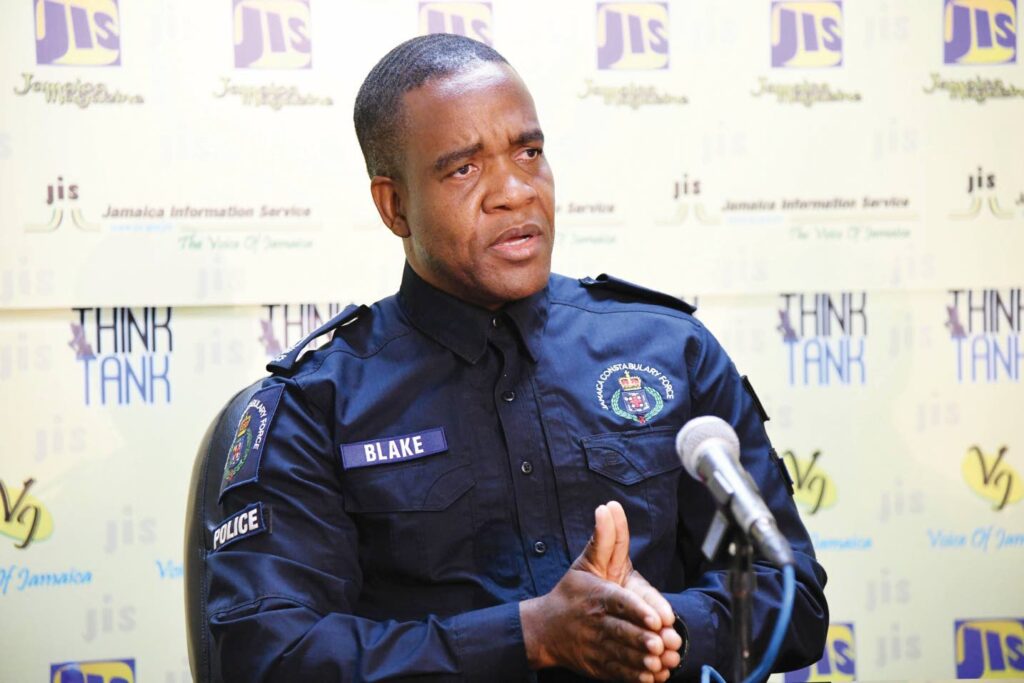
    Police Commissioner Dr. Kevin Blake, in a sharply worded editorial published in the Jamaica Constabulary Force’s (JCF) weekly Force Orders, expressed growing concern about what he characterized as coordinated efforts to create distorted narratives surrounding the implementation of the body-worn camera (BWC) program. The commissioner specifically addressed criticisms emerging in discussions about police-involved fatal shootings.

    “I acknowledge those who build careers and reputations through dismantling institutional credibility and propagating negative stories,” Blake stated. “Our systematic approach will ultimately deprive them of the adverse coverage they depend on.”

    Blake revealed that while he initially attempted to address misconceptions diplomatically, the persistent circulation of inaccurate information necessitated a more direct response. “Although I typically prefer diplomatic engagement, circumstances now demand unambiguous confrontation of these falsehoods,” he explained.

    At the heart of the controversy lies critics’ long-standing assertion that infrastructure deficiencies have delayed full BWC deployment. The commissioner firmly refuted this claim, revealing that the necessary digital infrastructure has been operational since 2023, with current efforts focused exclusively on equipment procurement and strategic distribution.

    The police leader referenced his previous public briefings, including an interview where he announced the JCF’s advanced procurement stage for 1,000 cameras. These units were delivered within weeks and have been largely deployed, with acquisition processes now underway for an additional 1,000 devices.

    Blake suggested that the perpetuation of false narratives serves particular interests rather than genuine public concern. “Maintaining the fiction of JCF resistance to body-worn cameras reinforces certain commentators’ relevance while concealing their inadequate understanding of actual circumstances,” he remarked.

    The commissioner positioned the BWC debate within broader criticism of what he described as an ‘economy of commentary’ that profits from portraying the police force as reform-resistant. He simultaneously dismissed claims that recent crime reduction resulted from improper police conduct, emphasizing that numerous firearm-related arrests occur annually without lethal force.

    Concluding his statement, Blake called for redirected public discourse, urging advocacy groups to join appeals encouraging armed criminals to avoid confronting police officers. He additionally offered reassurances to frontline officers, promising unwavering leadership support for those operating within legal boundaries while protecting public safety.