博客

  • Prime Minister of Saint Kitts and Nevis in Ghana on official visit – Kwakye Ofosu

    Prime Minister of Saint Kitts and Nevis in Ghana on official visit – Kwakye Ofosu

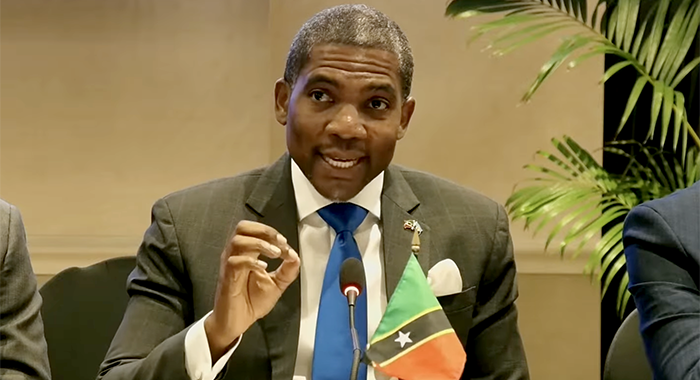
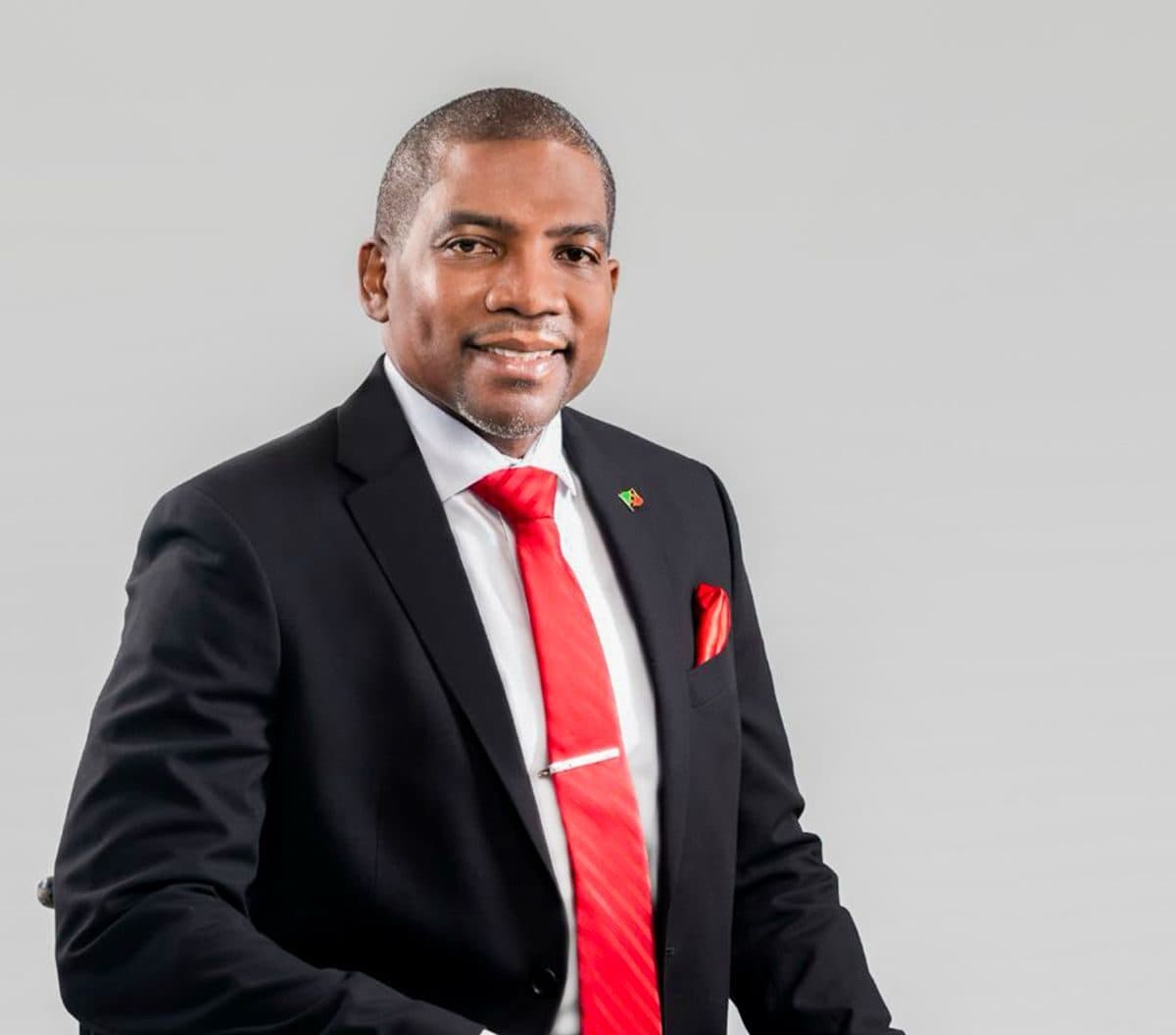
    ACCRA, GHANA – In a significant diplomatic engagement, the Prime Minister of the Federation of Saint Kitts and Nevis, Honourable Dr. Terrance Michael Drew, has arrived in Ghana for an official state visit. The high-level meeting between Caribbean and African leadership marks a strengthening of bilateral relations between the two Commonwealth nations.

    While the specific agenda for Prime Minister Drew’s visit remains undisclosed, such diplomatic missions typically encompass discussions on mutual economic partnerships, cultural exchanges, and collaborative initiatives within international forums. The visit represents a concerted effort to foster South-South cooperation and enhance diplomatic ties between the Caribbean Community (CARICOM) member states and African nations.

    The timing of this diplomatic mission holds particular significance as both nations navigate evolving global geopolitical landscapes. For Saint Kitts and Nevis, a small island developing state, building strategic international partnerships remains crucial for sustainable development and climate resilience. Ghana, as one of West Africa’s stable democracies and growing economies, continues to expand its diplomatic footprint across the African diaspora.

    This high-level engagement follows a pattern of increased diplomatic activity between Caribbean and African nations, signaling a renewed commitment to pan-African solidarity and shared developmental objectives. The outcomes of these discussions are anticipated to yield cooperative agreements that may span trade, education, tourism, and technology transfer sectors.
  • This Day in History: Fédon’s Rebellion began 3 March 1795

    This Day in History: Fédon’s Rebellion began 3 March 1795

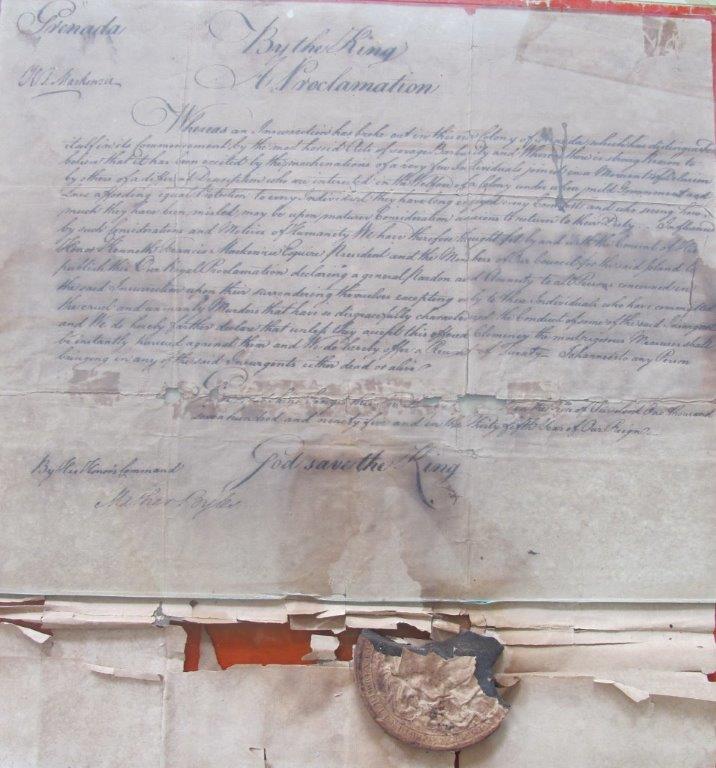
    On March 3, 1795, Grenada became the stage for one of the Caribbean’s most significant colonial uprisings when French inhabitants—comprising free people of color, white settlers, and enslaved Africans—initiated a violent rebellion against British colonial authority. The revolt, masterminded by Julien Fédon, erupted following years of religious, social, and political oppression under British rule, intensified by revolutionary ideals emanating from France.

    The rebellion commenced with coordinated nighttime assaults on Grenville (La Baye) and Gouyave, where insurgents captured and executed British residents, including prominent figures such as Dr. John Hay and Reverend Francis McMahon. Rallying under the banner ‘Liberté, égalité ou la mort!’ (Liberty, equality, or death!), Fédon’s forces established a strategic stronghold at Belvidere, attracting widespread support from French planters, free Black communities, and enslaved individuals seeking liberation from British domination.

    British attempts to suppress the rebellion faced significant challenges. An April 8 military offensive against rebel positions failed catastrophically, prompting Fédon to execute 47 hostages in retaliation. The colonial government subsequently implemented a new strategy involving coastal blockades to disrupt rebel supply lines and the formation of armed Loyal Black Rangers from enslaved populations.

    The conflict persisted for over fifteen months, with rebels controlling most of the island by early 1796. The tide turned in March when British reinforcements captured critical positions at Post Royal and Pilot Hill, severing the insurgents’ supply routes. The final blow came on June 19 with the arrival of General Abercromby’s forces, which systematically dismantled rebel defenses and forced survivors to retreat to Fédon’s mountain camp.

    The aftermath was brutal: approximately fifty rebels were convicted of high treason, with fourteen publicly executed in St. George’s Market Square. Many victims were decapitated, their heads displayed as warnings, while surviving rebels and their families were deported to Honduras. The rebellion resulted in devastating economic losses estimated between £2.5-4.5 million, the destruction of agricultural infrastructure, and approximately 7,000 enslaved Africans killed alongside hundreds of British soldiers.

    Historically complex in its objectives, Fédon’s Rebellion initially sought to replace British authority with French governance and secure civil rights for free people of color rather than universal emancipation. Nonetheless, it effectively terminated French influence in Grenada, cementing British colonial control and leaving an indelible mark on the island’s historical trajectory.

  • Sigmund Freund: no public funds for Pedernales spaceport

    Sigmund Freund: no public funds for Pedernales spaceport

    The Dominican Republic is poised to enter the commercial space industry with a landmark satellite port project in Oviedo, Pedernales province. In a significant shift from traditional public infrastructure models, the government will adopt a streamlined regulatory role, providing only permits, licenses, and land concessions. U.S.-based Launch On Demand (LOD Holdings) will assume full financial responsibility for the venture, ensuring no public funds are allocated to the development.

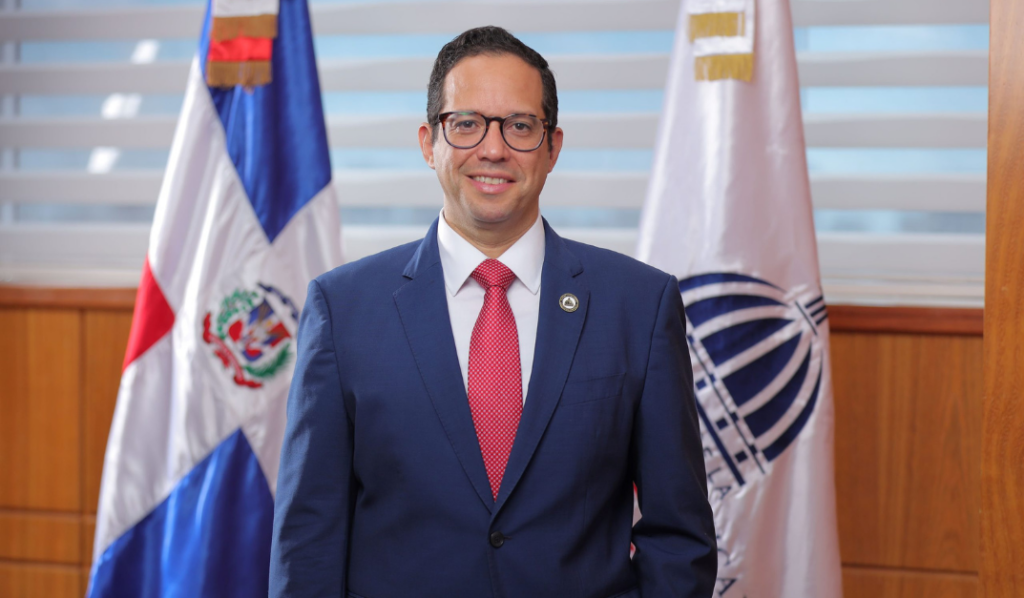
    Minister of Public Administration Sigmund Freund revealed the strategic rationale behind the site selection, citing the nation’s equatorial proximity as a prime advantage for orbital launches. This geographic benefit, coupled with extensive backlog at existing U.S. launch facilities—where delays can extend up to two years—positions the Dominican Republic as an attractive alternative for the burgeoning space sector.

    A comprehensive three-year technical and pre-feasibility study conducted near Cabo Rojo International Airport has validated the location’s operational viability. While initial operations will be managed by international experts, the project incorporates a robust knowledge-transfer initiative, aiming to integrate Dominican professionals into technical roles within a two-year timeframe. Environmental assessments indicate minimal ecological disruption, though additional studies are pending final approval.

    President Luis Abinader formally announced the $600 million investment agreement in his February 27 national address, projecting the first satellite or rocket launch from Dominican soil before May 2028. Beyond its aerospace applications, officials envision the spaceport becoming a major tourism draw, drawing parallels to the visitor attractions at Florida’s Cape Canaveral, thereby creating a dual-purpose economic engine for the region.

  • Nevis Island Administration NIA/MUA Scholarship 2026-2027

    Nevis Island Administration NIA/MUA Scholarship 2026-2027

    The Nevis Island Administration (NIA) has officially announced a significant educational partnership with the Medical University of the Americas (MUA) to offer the NIA/MUA Scholarship for the 2026-2027 academic year. This initiative represents a major investment in human capital development within the healthcare sector, targeting aspiring health professionals from St. Kitts and Nevis.

    Two full undergraduate scholarships will be granted to successful applicants commencing their studies between August 2026 and February 2027. The comprehensive financial support extends for up to four years of academic pursuit at prestigious institutions including the Medical University of the Americas, University of the West Indies, University of Technology, or any accredited four-year United States-based university. Notably, current university students are excluded from eligibility to ensure the program benefits new entrants to higher education.

    Eligibility criteria establish rigorous standards for candidates: applicants must be at least eighteen years old, citizens of St. Kitts/Nevis, possess minimum academic qualifications of five CXC CSEC passes including Mathematics, English, and one Science subject, demonstrate active community service involvement, and hold an official university acceptance letter.

    The scholarship program prioritizes sixteen critical healthcare and related disciplines that address both current and future needs in medical services and public health infrastructure. These priority fields encompass Environmental Health, Pharmacy, Dental Hygiene, Medical Technology, Physical Therapy, various therapeutic specialties, Health Education, Counselling, Biomedical Engineering, Electrical Engineering, Waste Management, Health Information Management, Occupational Health, Radiography, Supply Chain Management, Social Work, and Gender Studies.

    Prospective applicants must assemble a comprehensive application package including completed forms, birth certification, police record, photograph, certified academic transcripts, institutional acceptance documentation, official program cost breakdown, reference letters from both educational and community service sources, and an 800-1000 word personal essay articulating career objectives and scholarship justification.

    All applications require typewritten preparation and physical submission to the Chairperson of the MUA/NIA Scholarship Committee at the Ministry of Health administration building in Charlestown by the strict deadline of May 15, 2026. Additional inquiries regarding application procedures or eligibility requirements may be directed to the Ministry of Health’s official email or through designated administrative contacts.

  • Family doubtful they’ll receive justice over student-athlete’s death

    Family doubtful they’ll receive justice over student-athlete’s death

    The grieving family of Alia McDowall, a 17-year-old student-athlete who succumbed to injuries 16 months after being stabbed outside her school, is confronting systemic failures in St. Vincent and the Grenadines’ justice system. McDowall passed away at Milton Cato Memorial Hospital on Sunday, following continuous health complications stemming from the November 28, 2024 attack allegedly perpetrated by another secondary school student.

    Family members have expressed profound frustration with law enforcement and judicial authorities, accusing them of systemic negligence and case mismanagement. According to a close relative who spoke anonymously, police failed to conduct basic follow-ups during McDowall’s extended hospitalization, while prosecutors allegedly delayed crucial decisions regarding charges.

    The case presents legal complications due to St. Vincent’s “Year-And-A-Day” statute, which prevents murder or manslaughter charges when death occurs more than one year and a day after the incident. The alleged assailant, who has since graduated secondary school, was initially charged with grievous bodily harm and required to report weekly to Barrouallie Police Station while remaining free throughout McDowall’s medical ordeal.

    Communications obtained by iWitness News reveal contradictory narratives between police and the Director of Public Prosecutions’ office regarding case file locations and charging decisions. Family members describe being repeatedly redirected between agencies, with officials claiming unfamiliarity with case details despite multiple prior communications.

    Compounding the family’s distress are social media posts from the alleged assailant’s family that demonstrate apparent lack of remorse. The McDowall family maintains that the accused and victim knew each other potentially from primary school, while dismissing speculation about athletic competition motivations as factually unfounded.

    The family’s quest for justice now confronts both legal limitations and their perception of institutional indifference, leaving them questioning whether any meaningful accountability will be achieved through the judicial process.

  • Quarry workers accuse Rayneau of inequality

    Quarry workers accuse Rayneau of inequality

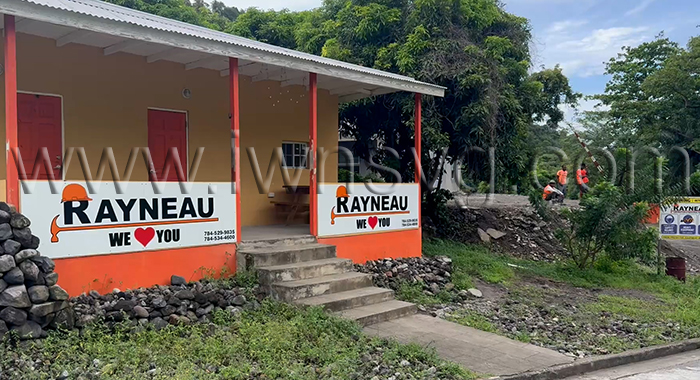
    Employees at Rayneau Construction in St. Vincent and the Grenadines have raised serious allegations of discriminatory labor practices and systemic wage inequality at the company’s Richmond quarry operation. The workers, who were employed under the previous Unity Labour Party government’s land lease agreement, claim the company maintains a two-tiered system that favors foreign nationals while suppressing the rights and compensation of local Vincentian workers.

    According to detailed worker testimonies, Vincentian employees face stark disparities in treatment compared to their foreign counterparts. Local workers report being paid a flat rate of EC$7.14 per hour regardless of their skill level or position, while foreign workers—particularly those from Guyana and India—allegedly receive upwards of EC$20 per hour for similar work. This uniform pay structure fails to distinguish between unskilled laborers and trained tradespeople, creating fundamental inequities in compensation.

    The situation escalated when, following a visit from Labour Department representatives, instead of addressing wage concerns, the company reduced local workers’ hours from 10 to 7 per day. This reduction pushed daily earnings below the EC$50 minimum wage threshold for laborers and under EC$100 for tradesmen, while foreign workers continued to receive full-time hours and compensation.

    Additional grievances include the company’s failure to adjust salaries for Vincentian workers who were promoted to skilled positions such as equipment operators and masons, with some performing these advanced duties for up to two years without corresponding pay increases. Workers also allege systematic denial of legally mandated overtime payments, with the company claiming employees had “agreed” to work 10-hour days without overtime compensation—an arrangement workers contend violates national labor standards.

    The workers have formally requested documented evidence of any voluntary agreement to waive overtime rights, as well as transparency regarding the company’s wage structure and its compliance with St. Vincent and the Grenadines’ labor regulations. They emphasize that industrial workers, given the hazardous nature of quarry operations, should receive higher compensation and better working conditions under national law.

    Despite raising these concerns through proper channels, workers report feeling limited protection from labor authorities and fear job loss if they advocate more forcefully. The case has broader implications for foreign investment and labor practices in the country, with workers warning that if one company is permitted to bypass national labor laws, it could establish a dangerous precedent for other enterprises.

    iWitness News attempted repeatedly over a two-week period to obtain comment from Rayneau Construction representatives, but received no response to the allegations.

  • Drew denies CARICOM, US discussed regime change in Cuba

    Drew denies CARICOM, US discussed regime change in Cuba

    The Caribbean Community (CARICOM) has firmly refuted allegations of participating in U.S.-backed regime change discussions regarding Cuba, while simultaneously announcing concrete plans to address the island nation’s escalating humanitarian crisis. The clarification came from CARICOM Chairman and St. Kitts and Nevis Prime Minister Terrance Drew during the closing press conference of the 50th Heads of Government Conference in Basseterre.

    Prime Minister Drew explicitly denied multiple reports from Miami Herald and Associated Press suggesting CARICOM’s involvement in transition discussions with U.S. Secretary of State Marco Rubio. When pressed by journalists about alleged meetings between Rubio and Fidel Castro’s grandson during the conference sidelines, Drew maintained that “CARICOM has not involved itself in any discussion of such nature.”

    Instead, the regional bloc revealed its intention to launch substantial humanitarian assistance to Cuba by late March. Drew emphasized the community’s primary concern regarding Cuba’s deteriorating conditions, describing severe shortages of food, water, and electricity, alongside accumulating street garbage and general infrastructure collapse.

    The CARICOM chairman, who studied medicine in Cuba for seven years, shared personal connections to the crisis: “I have friends there. I have people who are like family to me. They reach out to me and tell me of their difficulties. I can only feel the pain of those who treated me so well when I was a student.”

    Geopolitical context reveals the crisis stems partly from disrupted oil supplies from Russia, Mexico and Venezuela following U.S. military actions against Venezuela and President Trump’s executive order threatening tariffs against countries shipping oil to Cuba. CARICOM’s joint statement acknowledged discussions with Rubio regarding “the growing humanitarian crisis” while emphasizing the community’s unique position to facilitate dialogue given its “very close relationship with both Cuba and the USA.”

    Drew issued a stark warning about regional implications: “A destabilized Cuba will destabilize all of us. Cuba’s population is anywhere from 9 to 12 million people. Excluding Haiti, the rest of CARICOM does not amount to 10 million people. Therefore, if a state within our community is so destabilized, it will affect all of us in the region.”

  • Journalist calls for legal action over alleged harassment at military parade

    Journalist calls for legal action over alleged harassment at military parade

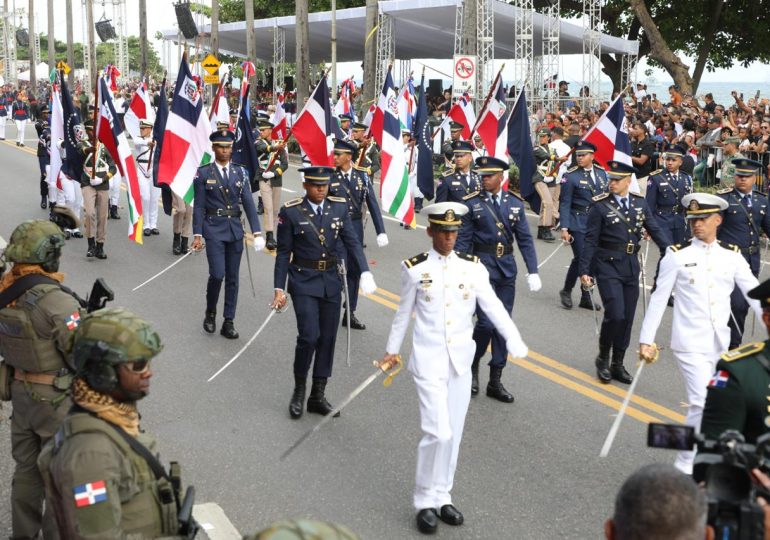
    SANTO DOMINGO – A prominent Dominican journalist has publicly denounced an incident during the nation’s Independence Day military parade as a severe case of sexual harassment, calling for immediate legal action against the perpetrators. Isis Álvarez characterized the event, which occurred during a ceremony organized by the Ministry of Defense, as an act of ridicule that violated the solemnity of the occasion.

    In a detailed appearance on the radio program ‘El Gobierno de la Tarde’ on Z101, Álvarez articulated that the annual military parade is a fundamental representation of national discipline, institutional integrity, and patriotic fervor. She asserted that such an environment demands utmost respect and that the offending behavior starkly contradicted these values.

    Dismissing potential defenses of the incident as a trivial joke, Álvarez emphasized the profoundly offensive and degrading nature of the act for its victims and the public. She underscored that Dominican law provides clear legal grounds for prosecution, specifically citing Article 24-97 of the national Penal Code. This statute defines harassment as any conduct—whether a single event or repeated actions—that intimidates an individual and impairs their physical, emotional, or psychological well-being.

    Conviction under this law carries stringent penalties, including imprisonment terms ranging from one to twelve years, monetary fines of up to six times the minimum wage, and additional court-mandated measures.

    Consequently, Álvarez has issued a formal appeal to key national authorities—including the National Police, the Public Prosecutor’s Office, and the Ministry of Women—to initiate a comprehensive investigation into the matter. Her demands are centered on ensuring accountability for those responsible and reinforcing the imperative of dignity and equality in all public spaces and national events.

  • Police searching for missing teen in Nevis

    Police searching for missing teen in Nevis

    Authorities on the Caribbean island of Nevis have launched a public appeal for assistance in locating Ezaunia ‘Blessings’ Batson, a 16-year-old resident who vanished under unexplained circumstances. The Nevis Police Force issued an official missing person bulletin on Tuesday afternoon, March 3rd, 2026, expressing growing concern for the teenager’s welfare.

    According to law enforcement officials, Batson was last sighted in the Prospect area at approximately 3:55 p.m. on Monday, March 2nd. The specific location was identified as the street directly behind the Government Repair Shop, a municipal facility in the parish. At the time of her disappearance, the fair-skinned adolescent was reportedly dressed entirely in black attire—consisting of black pants and a matching black shirt.

    Physical descriptions circulated by investigators characterize Batson as approximately five feet tall with a medium build. Distinctive features include brown eyes and black hair arranged in plaited style. The teenager resides in the Hamilton community of Nevis, though her disappearance occurred several miles from her home address.

    Police authorities have established multiple channels for information submission, urging citizens with any knowledge of Batson’s whereabouts to immediately contact either their local police precinct or the specialized Criminal Investigations Department. The case has been elevated to high priority status as forensic teams and search personnel work to determine whether Batson’s disappearance resulted from voluntary departure or potential foul play.

    Community response initiatives are being organized as island residents express concern over the unusual disappearance. This incident marks one of the most significant missing person cases on the small Caribbean island in recent years, with authorities emphasizing the importance of rapid information sharing from the public.

  • Labor Ministry to launch child labor-free certification seal

    Labor Ministry to launch child labor-free certification seal

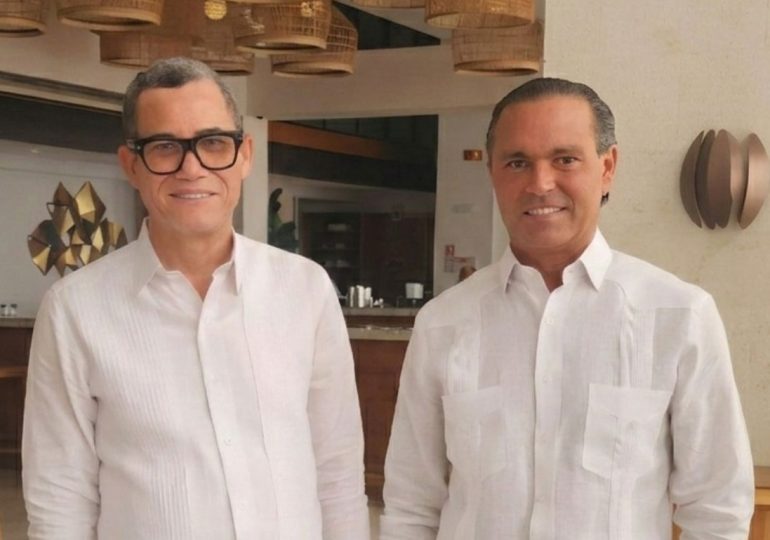
    The Dominican Republic’s Ministry of Labor has unveiled a groundbreaking initiative to combat child exploitation through a new certification system. Minister of Labor Eddy Olivares formally announced the implementation of a voluntary certification seal against child labor, developed in collaboration with the international organization Save the Children.

    This innovative program enables businesses, institutions, and social organizations to demonstrate compliance with responsible child protection standards. The certification serves as tangible proof of their commitment to eradicating child labor practices within their operations and supply chains.

    Minister Olivares emphasized that child protection represents a fundamental national priority, stating that authentic sustainable development remains unattainable without guaranteeing children’s rights and safety. The initiative forms part of the government’s broader strategy to support programs dedicated to protecting childhood rights throughout the Dominican Republic.

    The Labor Minister specifically acknowledged Juan Tomás Díaz, President of Save the Children, for his exemplary leadership and social responsibility within the private sector. Olivares stressed that effective collaboration between government entities, international organizations, and private enterprises is indispensable for constructing a nation free from child labor.

    This certification mechanism is projected to become a national benchmark for corporate social responsibility and child protection efforts, establishing new standards for ethical business practices while raising public awareness about the importance of eliminating child exploitation in all its forms.