博客

  • Ministry to replace ‘colonial’ inspectorate with new school quality system

    Ministry to replace ‘colonial’ inspectorate with new school quality system

    In a historic departure from a century-old oversight model, the national education system is undergoing a radical transformation. The Ministry of Education has officially terminated its post-colonial inspectorate regime, ushering in a new era with a collaboratively built Quality Assurance Framework. This modern system is designed to evaluate school performance through nationally defined metrics that emphasize development over punishment.

    Chief Education Officer Dr. Ramona Archer Bradshaw articulated the philosophical shift behind the reform, stating that the term ‘inspectorate’ is being retired to eradicate its colonial connotations. The new framework is founded on principles of co-creation and comprehensive systemic analysis. It aims to deliver a holistic evaluation of every function within the education sector, from classroom educators to senior administrative leadership.

    The development of this initiative is already in progress, incorporating a diverse cross-section of academic stakeholders. A significant collaborative exercise was recently conducted with education officers, master teachers, and peripatetic instructors to establish foundational indicators for ‘good teaching’ and ‘effective leadership.’

    A detailed implementation timetable has been laid out. The subsequent five months will be dedicated to continued stakeholder engagement to refine professional role definitions. A pilot cycle is scheduled for October 2026, where teams of officers and master teachers will deploy the new indicators in schools for real-time testing. Data gathered from this pilot will be analyzed to ensure the metrics are adaptable to various school contexts, with full implementation targeted for 2028.

    Dr. Archer Bradshaw emphasized the genuine nature of the co-creation process, describing it as a collective effort to reach a shared understanding of professional expectations. The reform also addresses a longstanding administrative conflict stemming from a past ‘regrading exercise’ that created a pay grade imbalance between some principals and their supervising education officers. To resolve this, the Ministry of the Public Service initiated a new regrading review two years ago. While its conclusions are pending, the education ministry has reaffirmed the legal authority of education officers under the Education Act, with the Chief Education Officer prepared to intervene in cases of non-compliance.

    Notably, reports of resistance from school leaders have diminished over the past two years as the focus has moved from criticism to supportive improvement. The ultimate objective of the new framework is to position master teachers and education officers as collaborative partners dedicated to enhancing educational environments for all students. With the pilot phase approaching, the ministry is calling for full engagement from educators to ensure the 2028 launch of a modern, home-grown, and cooperative standards-based system.

  • U.S. Embassy donates assistive devices to Conadis

    U.S. Embassy donates assistive devices to Conadis

    SANTO DOMINGO – In a significant move to enhance disability inclusion, the United States Embassy has delivered a substantial donation of assistive equipment to the Dominican Republic’s National Council on Disability (CONADIS). This humanitarian initiative, executed through the U.S. Southern Command’s Humanitarian Assistance Program, is set to directly improve the lives of individuals with disabilities nationwide.

    The comprehensive aid package comprises vital mobility and daily living resources, including wheelchairs, walking canes, crutches, and disposable diapers. These supplies are strategically intended to empower beneficiaries by fostering increased independence, facilitating mobility, and elevating overall life quality through CONADIS’s distribution networks.

    The handover ceremony garnered attention from key community figures and officials. Notable attendees included Dominican comedian and disability advocate Liondy Osoria, alongside members of the disabled community and U.S. diplomatic representatives. U.S. Ambassador to the Dominican Republic, Leah Francis Campos, officiated the event, commending CONADIS for its persistent dedication to forging a more inclusive society and systematically improving living conditions for Dominicans with disabilities. Ambassador Campos highlighted the donation as a testament to the ongoing bilateral cooperation between the two nations in addressing critical social needs.

  • Universal nursery access ‘from September’

    Universal nursery access ‘from September’

    Barbados is set to achieve a transformative educational milestone this September with the nationwide implementation of guaranteed nursery placements for every three- and four-year-old child across the nation. The Ministry of Education Transformation announced the comprehensive rollout during parliamentary proceedings for the new fiscal year’s Estimates of Revenue and Expenditure, confirming that infrastructure, staffing, and logistical frameworks are being finalized to ensure universal access to high-quality early learning environments.

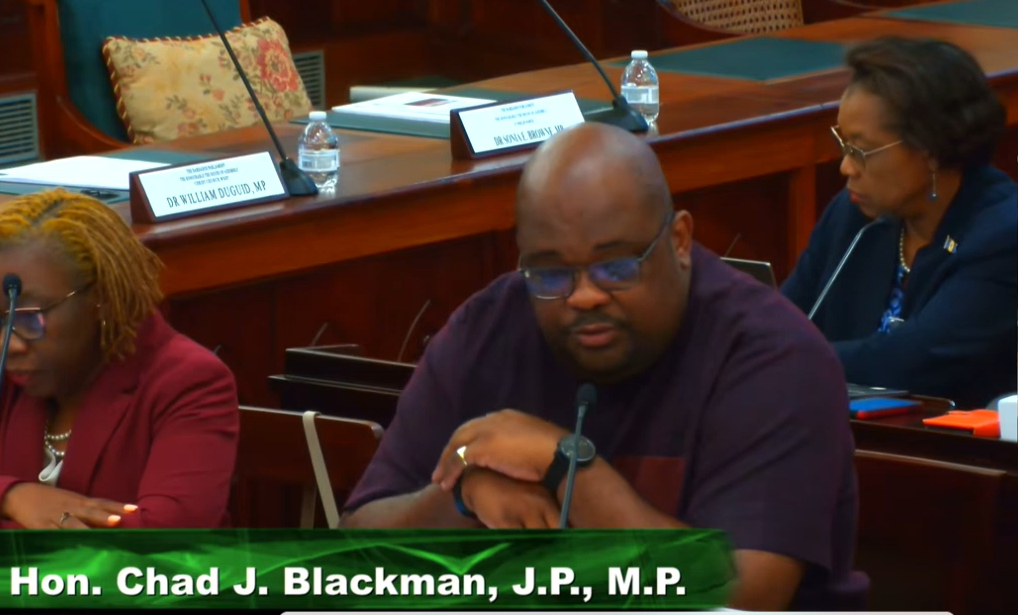
    Education Transformation Minister Chad Blackman declared this initiative fulfills a longstanding government promise to families, stating, “I am pleased to report that this coming September we are now in a position to ensure that access is granted to all parents across the country who want to access early childhood education for their children.” Minister Blackman acknowledged the bipartisan effort behind this achievement, recognizing that foundational work began under previous leadership.

    Dr. Christina Morris, Senior Education Officer for Nursery and Primary Education, provided detailed insights into the data-driven execution strategy. Current projections indicate approximately 2,032 children will reach eligibility age by the September 1 cutoff, with the ministry working to bridge the gap from the currently confirmed 1,711 available spaces. Education officers are conducting comprehensive site visits to assess capacity, with additional data expected to refine these numbers by week’s end.

    The initiative extends beyond merely creating physical space, focusing instead on developing specialized environments tailored to toddlers’ developmental needs. Dr. Morris emphasized the ministry’s commitment to creating “modern, colourful, and developmentally appropriate” learning spaces featuring age-specific amenities including mini toilets, appropriately sized sinks, and redesigned outdoor areas with sand and water play zones to develop motor skills and social-emotional capabilities through play.

    Human resource preparations include 421 qualified early childhood teachers identified for the program, with 79 early childhood coordinators currently undergoing specialized training to lead implementation. The ministry has initiated large-scale professional development programs to ensure pedagogical excellence for three-year-olds.

    To align the rollout with public needs, the ministry is launching dual surveys this week: a teacher interest survey to gauge placement preferences among qualified staff, and a parent interest survey to understand family expectations. Dr. Morris emphasized, “We want to hear from the parents. We want to know what they expect from us as educators as we say to them, ‘Bring your children, enrol your children.’”

    The ministry has established a strict July 31 deadline for completing all physical upgrades, including specialized furniture distribution, painting, and plumbing improvements. A comprehensive public information campaign will subsequently launch to guide parents through registration procedures and program implementation details.

  • World Cup Qualifiers Brazil 2027 : Victory [2-0] for the Grenadières against Suriname

    World Cup Qualifiers Brazil 2027 : Victory [2-0] for the Grenadières against Suriname

    In a decisive display of tactical prowess, Haiti’s national women’s football team, the Grenadières, clinched a 2-0 victory against Suriname during their FIFA Women’s World Cup Brazil 2027 qualifier match. The encounter took place on March 3, 2026, at the Dr. Ir. Franklin Essed Stadium in Suriname, marking Haiti’s second group stage appearance in the tournament.

    Under the strategic guidance of Swedish coach Pia Sundhage, the team fielded a revamped starting lineup featuring debutant goalkeeper Naïla Louissaint from AS Blainville. Melchie Daëlle Dumornay, widely recognized by her moniker ‘Corventina,’ led the squad as captain, showcasing her experience from Olympique Lyonnais.

    The first half concluded without goals despite Haiti’s controlled possession and offensive pressure. The breakthrough arrived in the 68th minute when substitute Roseline Éloissaint, who had entered at halftime, executed a precise left-footed strike from the left penalty area into the top corner. Haiti solidified their dominance in the 89th minute as Dumornay converted a penalty kick after being fouled by Suriname’s Naomi Piqué.

    Suriname struggled to generate meaningful opportunities against Haiti’s organized defense, failing to test Louissaint significantly. The victory propels Haiti to the summit of Group D with a perfect record of six points from two matches, having scored 11 goals while conceding none.

    Key upcoming fixtures include Haiti facing Anguilla on April 9, 2026, followed by a crucial match against the Dominican Republic on April 17, 2026. The Grenadières’ performance demonstrates growing cohesion under Sundhage’s leadership as they advance toward World Cup qualification.

  • Resign or Reapply? Terminal Workers Seek Answers

    Resign or Reapply? Terminal Workers Seek Answers

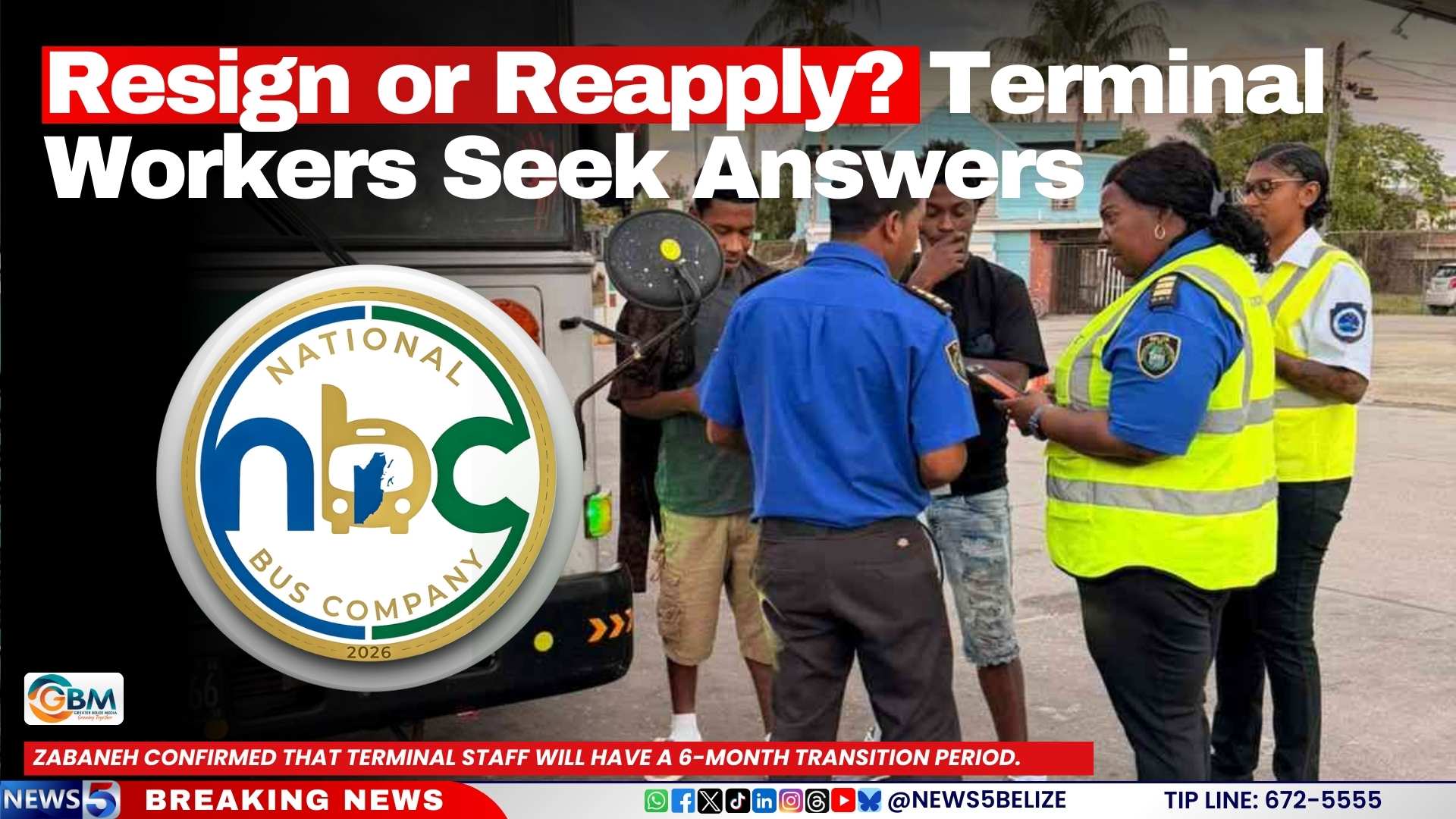
    Public service employees at bus terminals across the nation are confronting significant career decisions amid the establishment of the new National Bus Company. The Public Service Union reports growing unease among its membership following indications that certain workers have been encouraged to resign from their current positions.

    PSU President Dean Flowers confirmed the union has been fielding numerous concerns from members who fear potential forced termination scenarios. “This issue has genuinely unsettled our members who are worried about their job security,” Flowers stated, highlighting the anxiety spreading through the public service sector.

    The Ministry of Transport has formally denied issuing any directives for resignations. Transport Minister Dr. Louis Zabaneh attributed the current concerns to preliminary miscommunications during the transition planning phase. “We want to ensure that employee rights are fully protected, and certainly we agree this must be prioritized,” Zabaneh emphasized in a recent statement.

    Minister Zabaneh clarified the official transition framework, confirming that terminal staff will be granted a six-month window to determine their professional future. Employees must decide whether to apply for positions with the newly formed National Bus Company or remain within the government service structure under potentially different roles.

    “All personnel will need to formally apply because this constitutes an entirely new corporate entity,” Zabaneh explained. “It is essential that every employee comprehensively understands their revised terms of reference and employment conditions before making this important decision.”

    The developing situation continues to evolve, with further details expected to emerge in upcoming governmental announcements and union communications.

  • Belize Monitoring Border as Cartel Activity Reported in Chetumal

    Belize Monitoring Border as Cartel Activity Reported in Chetumal

    Belize has intensified surveillance operations along its northern frontier with Mexico following alarming reports of cartel-related violence erupting in the neighboring city of Chetumal, Quintana Roo. Prime Minister John Briceño confirmed the implementation of enhanced security protocols during a recent press briefing.

    Government authorities have significantly bolstered patrol units within the Northern Free Zone and adjacent riverine areas to prevent potential cross-border criminal infiltration. This defensive mobilization coincides with substantial Mexican security deployments, where thousands of military and law enforcement personnel have been dispatched to contain escalating cartel activities on Mexico’s southern territorial boundaries.

    While initial assessments indicate a gradual de-escalation of immediate threats, Prime Minister Briceño emphasized Belize’s critical need for international security assistance. The nation specifically requires advanced surveillance equipment, intelligence sharing capabilities, and specialized training programs to effectively combat transnational criminal organizations.

    Briceño explicitly identified the United States as a pivotal potential partner, stating: “The United States possesses all three essential resources—equipment, intelligence, and training expertise. We firmly believe they can provide crucial support during this security challenge.” The Belize government continues to monitor the situation through coordinated efforts with regional security partners.

  • Mideast war could drive up shipping costs, Chamber, BPSA warn

    Mideast war could drive up shipping costs, Chamber, BPSA warn

    Barbados faces significant economic vulnerability as escalating military tensions in the Middle East threaten to drive up global shipping costs, fuel prices, and insurance premiums, according to the Caribbean nation’s leading private sector organizations. The Barbados Chamber of Commerce and Industry (BCCI) and Barbados Private Sector Association (BPSA) issued separate warnings Tuesday that the conflict could exacerbate existing cost-of-living pressures despite no formal closure of trade routes.

    The advisory follows coordinated U.S.-Israel military strikes against Iran that killed the country’s supreme leader and senior officials on Saturday, triggering retaliatory missile attacks by Iran against U.S. allies and bases throughout the region. The geopolitical instability has already precipitated a surge in global oil markets, creating immediate concerns for import-dependent economies.

    BCCI analysis indicates that Barbados’ heavy reliance on imported fuel, commercial goods, and production inputs leaves the island nation particularly exposed to disruptions in global shipping logistics. ‘Even without formal closure of trade routes, heightened risk can lead to delays, rerouting, higher insurance costs, and more expensive freight,’ the chamber noted. ‘Any sustained disruption can affect both cost and availability of essential imports.’

    BPSA Chairman James ‘Jimmy’ Clarke linked the geopolitical instability directly to domestic economic vulnerability, stating: ‘While our thoughts are with all those affected, we must also recognize the wider economic consequences for small, open economies like Barbados.’ Clarke emphasized that although Barbados sources energy supplies from within the CARICOM bloc, domestic prices remain pegged to international markets, meaning global fuel price increases will directly impact local costs.

    Both organizations identified oil prices as the most immediate economic threat. ‘If oil prices rise and remain elevated, that will affect fuel, freight, electricity, and operating costs across the economy,’ the BCCI warned. ‘Those increases eventually work their way through supply chains and show up in the cost of doing business and the cost of living.’

    The logistics network adjustments are expected to compound these pressures through higher freight and insurance costs. For Barbados, this translates to added pressure on living expenses, electricity prices, transportation, food security, and business competitiveness. The BCCI cautioned that such increases would particularly burden firms and households already operating with limited financial margins.

    Regarding tourism, the chamber offered a nuanced assessment, suggesting the sector could experience both opportunity and risk. While some travel might divert from conflict zones, broader uncertainty could cause travelers to postpone plans or stay closer to home, potentially exacerbated by higher airfares and weakened consumer confidence in key markets.

    Rather than advocating for alarm, the BCCI urged strategic preparation, advising businesses to review inventories, supplier arrangements, lead times, and cash flow exposure. Clarke emphasized longer-term structural reforms as critical buffers, stating: ‘The BPSA is therefore urging faster implementation of renewable energy, agricultural, and industrial reforms to strengthen national resilience.’

    At the national level, the developments underscore the importance of energy resilience, efficient port operations, and reducing avoidable systemic costs. While acknowledging substantial geopolitical uncertainty, both organizations referenced Barbados’ historical resilience in navigating global disruptions, concluding that with realism, vigilance, and early preparation, the nation can manage this latest external shock.

  • HRCU Opens Its Doors in Belmopan Branch

    HRCU Opens Its Doors in Belmopan Branch

    In a significant development for financial accessibility in western Belize, Holy Redeemer Credit Union (HRCU) has officially inaugurated its first branch in Belmopan, effectively ending the arduous journey to Belize City for thousands of its members. The strategic establishment, situated within the newly constructed Fred Smith Building, marks a pivotal moment for the financial institution’s expansion strategy.

    For numerous years, members residing in the Cayo District and surrounding western regions faced considerable travel inconveniences to access essential banking services exclusively available in Belize City. This new facility now positions comprehensive financial services directly within the capital’s central hub, dramatically improving convenience for the local membership base.

    The branch’s location holds profound symbolic significance, serving as a tribute to the late former president Fred Smith, who vigorously advocated for the credit union’s expansion into Belmopan. Acting Manager Clement Usher reflected on Smith’s enduring legacy, noting his unwavering dedication: ‘During his presidency, he maintained a constant presence at the office to ensure seamless operations. He was fundamentally committed to excellence, consistently ensuring we performed to the best of our capabilities.’

    The newly operational branch currently serves approximately 2,800 members from the Belmopan area, with leadership expressing ambitious growth targets. President Wendy Castillo outlined the institution’s forward-looking vision, indicating objectives for sustained annual membership growth of approximately ten percent. This expansion not only enhances service delivery but also stimulates local economic activity through improved financial inclusion.

  • Legacy on the Line: Cruz Family Faces Ruta Maya’s Biggest Change Yet

    Legacy on the Line: Cruz Family Faces Ruta Maya’s Biggest Change Yet

    The Cruz family of Esperanza Village, whose name has become emblematic of endurance and excellence in Belizean canoe racing, faces an unprecedented challenge in the 2026 La Ruta Maya Belize River Challenge. For nearly thirty years, this family dynasty has maintained an intimate connection with the river that represents both their heritage and competitive home.

    Daniel Cruz Sr., alongside his sister Francisca and son Daniel Cruz Jr., will compete together in the mixed category this season, continuing a multi-generational tradition that has dominated the competition. Their exceptional performance in the previous year has established elevated expectations for their upcoming participation.

    This year’s event introduces the most significant course modification in the race’s history—a completely redesigned finish line that eliminates a crucial segment traditionally considered decisive for determining champions. This alteration has generated substantial concern within the paddling community, with competitors expressing frustration over limited consultation in the decision-making process.

    The Cruz team, receiving sponsorship support from The Nature Conservancy Belize and the San Ignacio Hotel, emphasizes that strategic adaptation, safety protocols, and stamina conservation will become more critical than ever in navigating the revised course. The family’s legendary status now confronts the ultimate test of adaptability as they approach this transformed competition landscape.

  • Hakrinbank boekt SRD 438 miljoen winst en versterkt financiële positie in 2024

    Hakrinbank boekt SRD 438 miljoen winst en versterkt financiële positie in 2024

    Suriname’s Hakrinbank has demonstrated robust financial health in its 2024 fiscal year, achieving a net profit of SRD 438 million while significantly strengthening its capital position. The institution’s solvency ratio climbed to 22.3%, substantially exceeding the minimum requirement set by the Central Bank of Suriname.

    The solvency ratio, which measures a bank’s capital adequacy and financial buffer capacity, showed notable improvement from its 2023 level of 20.3%. Shareholders unanimously approved the 2024 financial statements during Monday’s general meeting, reflecting confidence in the bank’s strategic direction.

    CEO Rafiek Sheorajpanday attributed this success to the bank’s sustained investments in human resources, digital transformation, governance frameworks, and risk management systems. The core banking business experienced substantial growth alongside an expanding credit portfolio, with positive trends continuing into 2025 and 2026 according to management forecasts.

    Financial Director Coenraad Valk confirmed the accuracy of previous projections, noting that the credit business recovery was driven by increased investment activity and improved margins. Board Chair Sharmila Jadnanansing highlighted four strategic priorities guiding the bank’s oversight: good governance, financial strength, human capital development, and digital advancement.

    A significant development occurred with the reduction of the Surinamese government’s shareholding in Hakrinbank, which resulted in substantial oversubscription during the share sale—a strong market endorsement of the bank’s future prospects. This move also ensures compliance with the country’s Banking and Credit Supervision Act.

    The shareholders approved the reappointment of commissioners Simone Oostwijk and Montague McLeod, while welcoming new commissioners Amisha Dewdath and Veditam Bishoen, pending regulatory approval from the Central Bank.

    On the commercial front, Deputy Director Claire Wydh announced continued digitalization investments, including enhancements to the mobile banking application and the November 2025 pilot launch of a corporate banking platform. The Mopé application is undergoing customer-experience based improvements. Additionally, Hakrinbank joined other local financial institutions in signing a sustainability protocol for inclusive financing on February 20.

    As the bank approaches its 90th anniversary this year, it emphasizes its historical role as Suriname’s premier business bank. The 2024 annual report underscores the institution’s commitment to digital innovation and service simplification.