博客

  • Labor Ministry reminds Duarte Day holiday remains on January 26

    Labor Ministry reminds Duarte Day holiday remains on January 26

    SANTO DOMINGO – In a definitive administrative declaration, the Dominican Republic’s Ministry of Labor has confirmed that the national holiday honoring founding father Juan Pablo Duarte will be strictly observed on its fixed calendar date of Monday, January 26, 2026, with no provision for a movable long weekend.

    The official communiqué from the ministry explicitly stated that the workforce is mandated to resume normal operations on Tuesday, January 27. This directive, grounded in the nation’s Holiday Act (Law 139-97), is binding for all commercial enterprises and public sector institutions across the country without exception.

    Furthermore, the ministry issued a critical reminder to the business community regarding compensation protocols for holiday work. Citing Article 205 of the overarching Labor Code (Law 16-92), the announcement stipulates that any labor conducted on this statutory holiday, or any other official day of rest, obligates employers to provide remuneration at double the standard rate. This enforcement of a 100% wage surcharge ensures employees receive twice their regular daily pay for hours worked on January 26.

  • Dominican Republic strengthens response to climate-related disasters

    Dominican Republic strengthens response to climate-related disasters

    The Dominican Republic has taken a significant step in fortifying its national resilience against climate-induced disasters through the formal introduction of the Dominican Red Cross’s Climate Change and Environment Policy. This strategic framework is designed to substantially enhance the nation’s preparedness and response mechanisms in the face of a growing frequency and intensity of climate-related emergencies.

    At the policy’s unveiling, Max Puig, the Executive Vice President of the National Council for Climate Change and the Carbon Market (CNCCMC), underscored the pivotal role of the Red Cross as a primary responder in crisis situations. He articulated that this new policy serves to strengthen comprehensive systems dedicated to the prevention, management, and mitigation of risks associated with a spectrum of climate threats. These include hurricanes, destructive floods, widespread forest fires, and the encroaching danger of sea-level rise.

    Furthermore, Puig elaborated that the initiative is engineered to work in synergy with established programs, notably the National Multi-Hazard Early Warning System. This integration facilitates the advanced detection of extreme weather phenomena and empowers authorities to execute prompt, coordinated responses grounded in robust social protection principles. He concluded with a critical observation that climate change is a potent catalyst for deepening social and economic vulnerabilities, thereby making collaborative action between governmental bodies and humanitarian institutions like the Red Cross absolutely indispensable for safeguarding communities and preserving livelihoods across the nation.

  • May these difficult times be an opportunity for growth

    May these difficult times be an opportunity for growth

    In a significant political mobilization, the Cuban Communist Party conducted extraordinary plenary sessions across Sancti Spíritus and Villa Clara provinces this Wednesday. Presided over by First Secretary Miguel Díaz-Canel Bermúdez, these assemblies marked a strategic reinforcement of national priorities amidst escalating global tensions.

    The gatherings, attended by high-ranking officials including Political Bureau member Roberto Morales Ojeda, focused on implementing resolutions from the Party’s 11th Central Committee Plenum. Discussions centered on three foundational principles: national unity, anti-imperialism, and patriotism as essential frameworks for navigating current challenges.

    Key priorities emerged with particular urgency, emphasizing homeland defense, agricultural productivity, stabilization of the National Electric System, and enhanced ideological work. Díaz-Canel characterized the current imperial decline phase as particularly hazardous, noting that “they tend to resolve things through the language of war,” necessitating comprehensive national preparedness.

    The sessions produced concrete operational directives, moving beyond theoretical discussions to practical implementation strategies. Morales Ojeda emphasized disciplined execution without extremism, while provincial leaders presented detailed progress reports. Sancti Spíritus demonstrated positive indicators across multiple metrics, including organizational growth and economic initiatives under the “Sancti Spíritus en marcha” mobilization program.

    Villa Clara’s First Secretary Susely Morfa González outlined dual economic and ideological battles, emphasizing development chains that directly improve citizens’ quality of life. The province is advancing municipal autonomy models and transforming grassroots units into state-owned enterprises or MSMEs to strengthen local economies.

    A recurring theme was the necessity of conscious unity through frank discussion rather than uniform discourse. Leadership emphasized engaging non-party members in decision-making processes, particularly youth, and eliminating bureaucratic obstacles to production. The gatherings concluded with commitments to intensified implementation, with follow-up sessions scheduled for the quarter’s end.

  • Column: Sportieve keuze op basis van realiteitszin

    Column: Sportieve keuze op basis van realiteitszin

    Professional footballers of Surinamese descent holding Dutch nationality face a complex career crossroads despite their high-level performances in competitive leagues. Many find themselves overlooked for selection to the Netherlands national team (Oranje), even as younger native Dutch colleagues receive call-ups. This creates a strategic dilemma for players who must weigh national pride against practical career considerations.

    The reality of international football presents harsh truths: some players receive nominal call-ups only to spend minimal time on the pitch during brief substitute appearances. These limited opportunities fail to provide adequate proving grounds while simultaneously locking players out of representing alternative nations through FIFA eligibility rules. The scarcity of actual playing time becomes particularly crucial during international matches, where scouts from major clubs actively monitor performances for transfer opportunities.

    Within Oranje’s selection process, intense competition creates an environment where only consistently starting players from top European clubs typically secure positions. The national coach enjoys the luxury of choosing among Dutch-nationality players performing at elite levels across Europe’s premier competitions. Regular playing time, statistical performance, and club success become determining factors in selection decisions, often leaving talented but less-featured players waiting for injuries to create opportunities.

    For players consistently receiving minutes in major leagues yet remaining overlooked by Dutch selectors, representing Suriname (their ancestral nation) presents a viable sporting alternative. Suriname’s national team coach operates without the same depth of top-tier options, meaning guaranteed playing time and greater visibility for scouts. This alternative path offers practical advantages over potentially waiting indefinitely for Netherlands recognition that might never materialize or result in meaningful playing time.

    Footballers must therefore conduct clear-eyed assessments of their actual prospects: evaluating both the likelihood of selection and the probability of substantive playing time if called. Those publicly declaring their Oranje aspirations risk finding themselves sidelined after limited opportunities, potentially closing doors to other international representation. The optimal path requires balancing national team aspirations with practical career development considerations in a highly competitive global sport.

  • St. Kitts-Nevis joins OAS in solemn reflection on anniversary of Haiti earthquake

    St. Kitts-Nevis joins OAS in solemn reflection on anniversary of Haiti earthquake

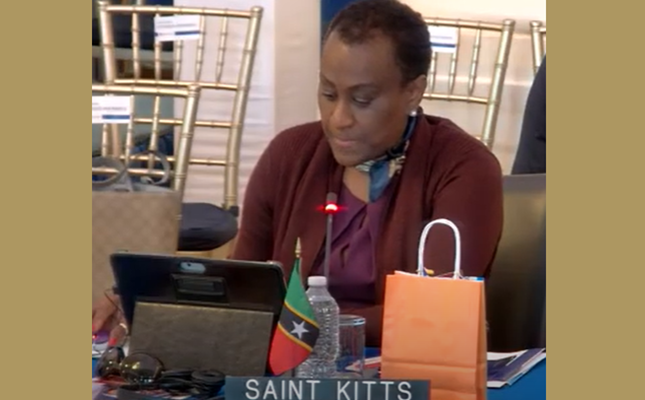
    WASHINGTON, DC – Sixteen years after the catastrophic magnitude 7.0 earthquake that ravaged Haiti, member states of the Organization of American States (OAS) convened for a solemn commemoration of the tragic event that continues to resonate throughout the Western Hemisphere. The Federation of St. Kitts and Nevis joined fellow OAS members in honoring the memory of the victims and celebrating Haitian resilience during a special session of the Permanent Council on Wednesday, January 21st.

    Ambassador Jacinth Henry-Martin, representing St. Kitts and Nevis, delivered a poignant address acknowledging the profound human, social, and economic devastation caused by the January 12, 2010 disaster. The earthquake resulted in hundreds of thousands of fatalities, displaced millions of citizens, and triggered significant migration patterns that continue to affect Caribbean nations and the United States.

    In her remarks, Ambassador Henry-Martin paid tribute not only to those who perished but also to the extraordinary fortitude demonstrated by the Haitian people. ‘From a nation of historical overcomers emerged, from the rubble and sorrow, valiant women and men who, despite unimaginable hardships, have continued to rebuild their communities,’ she stated, emphasizing the ‘extraordinary courage and resilience’ that has characterized Haiti’s response to the tragedy.

    The ambassador contextualized Haiti’s ongoing struggles within its remarkable historical legacy, noting the country’s pioneering role as the first Black Republic and the first nation in the Americas to achieve independence. She highlighted how Haiti’s 1804 revolution inspired liberation movements throughout the region and affirmed universal principles of liberty and self-determination.

    Ambassador Henry-Martin reaffirmed the collective responsibility of OAS member states to support Haiti’s recovery and development, stating: ‘It is therefore our collective responsibility to ensure that Haiti is not defined by this or any other disaster, nor by ensuing crises, but by its enduring contributions and its future promise.’

    She recalled the extensive solidarity demonstrated by Caribbean Community (CARICOM) partners and the international community following the earthquake, characterizing this support as ‘not merely an act of charity, but equal as an expression of shared history, shared humanity, and shared destiny within the Americas.’

    The ambassador concluded by calling for sustained international cooperation, respect for Haitian ownership of its development path, and renewed commitment to peace, institution-building, and inclusive growth throughout the nation.

  • Truck crashes into gas station on Joaquín Balaguer Highway

    Truck crashes into gas station on Joaquín Balaguer Highway

    A major traffic incident unfolded in the early hours of Thursday morning in Santiago when a semi-trailer truck careened out of control and collided with a gas station situated near the Madeco area along the Joaquín Balaguer Highway. The violent impact resulted in extensive structural damage to the station’s infrastructure and adjacent property, creating a scene of significant disruption.

    The driver of the heavy-goods vehicle sustained grave injuries in the collision. Emergency services provided immediate critical assistance at the location before he was urgently transferred to a medical facility for specialized treatment. As of the latest reports, investigating authorities have refrained from disclosing specific details regarding the driver’s medical status or the definitive circumstances that precipitated the accident.

    Initial investigative findings suggest the truck inexplicably deviated from its designated lane, subsequently invading the premises of the gas station. During this trajectory, the truck struck an unoccupied parked vehicle, which also incurred substantial damage. Official sources confirm that a comprehensive investigation is actively underway to determine the precise causative factors, which remain unconfirmed at this time.

  • Vakbeweging slaat alarm over koopkracht en uitblijven afspraken

    Vakbeweging slaat alarm over koopkracht en uitblijven afspraken

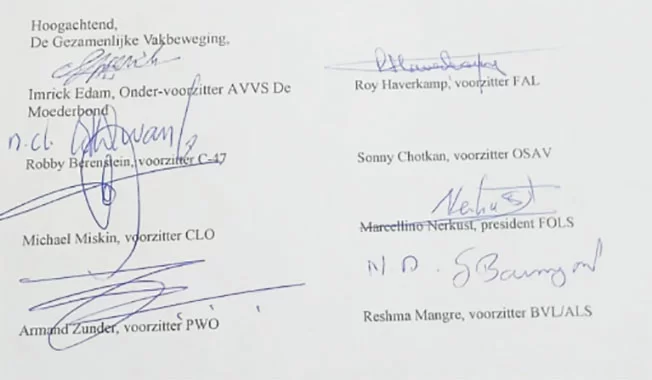
    The Ravaksur Plus labor union coalition has issued a formal warning to the president regarding the government’s failure to implement previously agreed fiscal and wage measures, exacerbating the ongoing decline in purchasing power for employees and retirees. In a strongly worded letter dated January 22nd, the coalition outlined multiple systemic failures in socioeconomic dialogue that threaten to permanently stall crucial negotiations.

    The unions documented how 2025 concluded with persistently high inflation rates and volatile exchange fluctuations, creating severe economic pressure on broad population segments. Particularly affected are working citizens and pensioners who face diminishing real income values despite previous government commitments. Notably, promised fiscal relief measures—including raised tax-free thresholds and expanded tax brackets scheduled for implementation before January 1, 2026—remain unfulfilled.

    According to Ravaksur Plus, consultation meetings with government representatives have repeatedly failed to produce concrete decisions or actionable implementations. Even established dialogue structures within ministerial departments are reportedly functioning inadequately. Additionally, an expert team appointed by the president specifically to engage with labor representatives has yet to initiate contact, further demonstrating the breakdown in communication.

    The consequences are particularly severe for public servants, private sector employees, and retirees. Civil servants experience structural erosion of purchasing power, while private sector workers cannot achieve meaningful income improvements without the promised tax reforms. Pensioners bear disproportionate impact from rising prices due to fixed incomes.

    The coalition emphasizes that socioeconomic policy properly belongs within recognized high-level consultation bodies such as the Social-Economic Council (SER) and Tripartite Consultation. Ravaksur Plus demands the reactivation of these institutions to enable proper policy preparation through collaboration between government, labor representatives, and business sectors.

    The unions highlight that recent government debt restructuring and refinancing operations have created newfound fiscal space. They advocate allocating portions of these resources toward structural salary adjustments for public servants and genuine tax relief for private sector employees.

    Finally, Ravaksur Plus references a comprehensive manifesto submitted at the current administration’s inception containing proposals for structural socioeconomic improvements. The coalition notes they have received no substantive response to these proposals and now demand clarity regarding high-level consultation frameworks and implementation timelines for existing agreements. The letter concludes with a stark warning that continued government inaction risks fundamentally undermining confidence in the entire social dialogue model.

  • PM urges voter registration, seeks another mandate

    PM urges voter registration, seeks another mandate

    With Barbados’ general election set for February 11, Prime Minister Mia Mottley has issued an urgent nationwide appeal for voter registration verification and public support for her administration’s continuation. The Prime Minister delivered her impassioned plea during a Barbados Labour Party rally at Checker Hall, St Lucy, held on the significant national holiday of Errol Barrow Day.

    Mottley outlined critical deadlines, emphasizing that citizens have until Monday to confirm their electoral registration status. She detailed a streamlined verification process: “Text ebc.gov.bb with your ID number – if registered, your name will appear immediately.” For those not appearing on the electoral list, she directed them to visit either BLP campaign offices or the Electoral and Boundaries Commission headquarters for resolution.

    The BLP leader presented a stark warning against complacency: “This is not a time for persons to be lagging. When you lag, you end up outside with no control over outcomes.” She specifically addressed supporters who might assume victory without personal participation: “I don’t want to hear that you don’t need to disturb yourself. We need your vote, we need your permission – that’s what a mandate represents.”

    Mottley announced an intensive 21-day national campaign alongside all 29 BLP candidates, signaling the official commencement of election activities. She offered strong endorsement for St Lucy candidate Peter Phillips, praising his resilience despite recent personal tragedies: “When you see Peter Phillips, you see Mia Mottley. He has demonstrated extraordinary commitment through tremendous personal hardship.”

    While acknowledging her party’s imperfections, Mottley positioned the BLP as the optimal choice for Barbados’ future: “We have never professed perfection, but we are good for Barbados and good for you.” She requested public support to maintain governance without arrogance: “Help us remain confident but not arrogant, help us continue this mission in progress. We simply need your permission to continue leading.”

  • Volksgezondheid en IKBeN versterken samenwerking voor betere bescherming van kinderen

    Volksgezondheid en IKBeN versterken samenwerking voor betere bescherming van kinderen

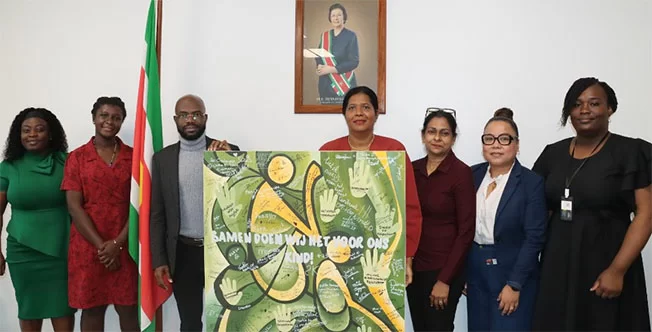
    In a landmark move to address systemic child protection gaps, Suriname’s Minister of Public Health, Welfare, and Labor, André Misiekaba, has formalized a comprehensive partnership with the Integral Child Protection Network (IKBeN). This binding commitment establishes a reinforced collaborative framework between government agencies and civil society organizations to combat child abuse, violence, and neglect through coordinated action.

    The agreement, signed during a ceremony attended by key stakeholders, represents a strategic shift toward integrated child welfare management. IKBeN serves as a multilateral platform uniting government ministries, domestic NGOs, and international partners including UNICEF Suriname. The network will prioritize developing standardized case management protocols and referral systems to ensure timely intervention for children in high-risk situations.

    This policy intensification follows a severe incident in Commewijne that exposed critical vulnerabilities in existing child protection mechanisms. In response, authorities have drafted an action plan emphasizing targeted measures and high-level administrative integration of child-focused policies. A cross-ministerial pilot project will designate technical representatives from each ministry to streamline interdepartmental coordination.

    UNICEF Child Protection Officer Sandhya Soekhoe joined IKBeN focal points Angela Salmo and Dana Plet-Wardi in endorsing the pact, which commits signatories to unconditional support for child development rights. The agreement explicitly recognizes every child’s entitlement to security, personal growth, and social welfare, mandating improved information-sharing practices to make protective services universally accessible and effective.

  • PM Defends Plan to Classify Media as Essential Services

    PM Defends Plan to Classify Media as Essential Services

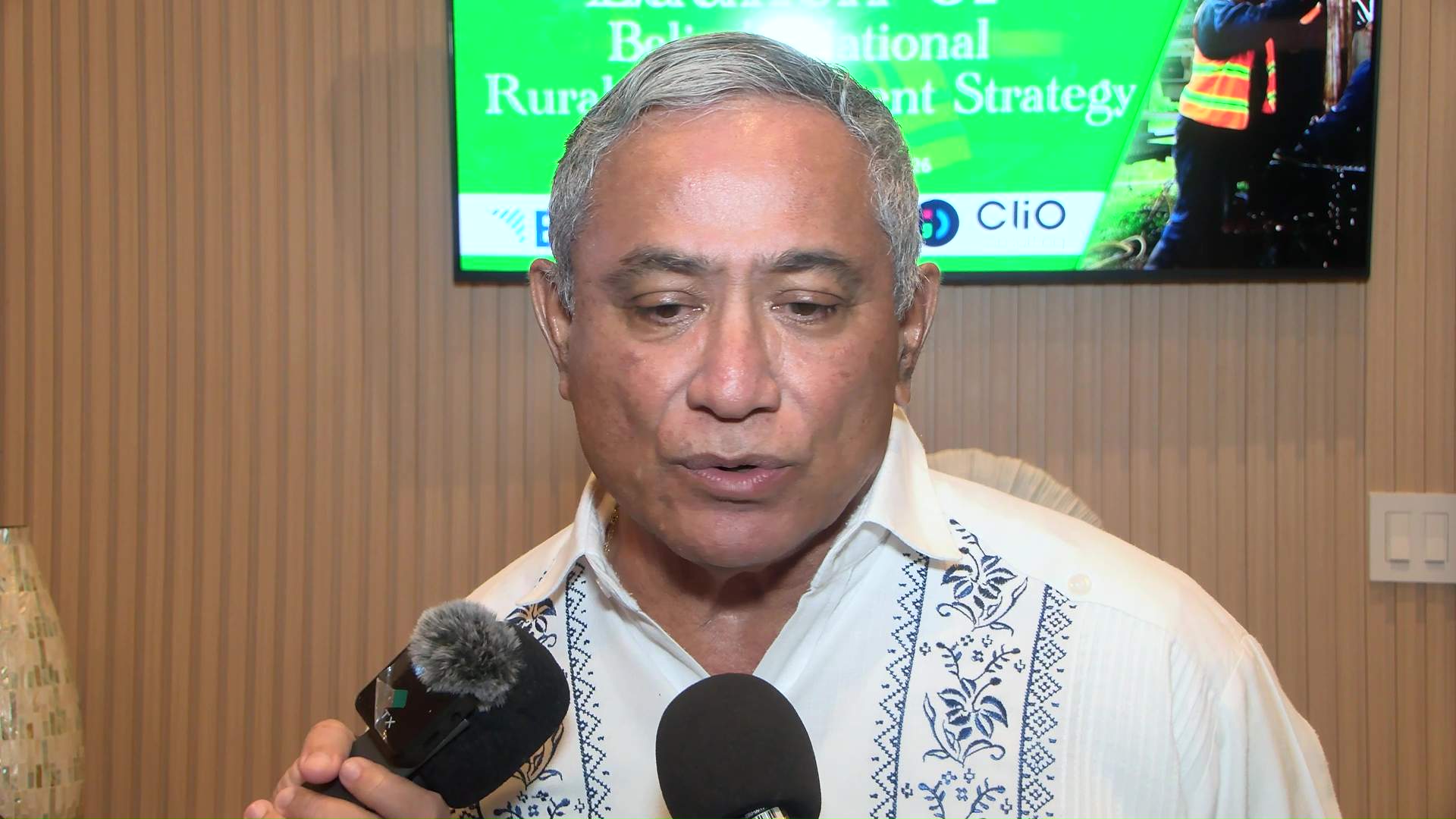
    Prime Minister John Briceño has articulated a robust defense of his administration’s proposal to designate media organizations as essential services within Belize’s telecommunications sector. The policy initiative, currently under cabinet consideration, would establish formal protections preventing service providers from arbitrarily disconnecting media outlets.

    During a recent press engagement, Briceño clarified the government’s position: “Our proposal through regulatory frameworks seeks to categorize media as essential infrastructure. This classification ensures service cannot be terminated without due process, while maintaining reasonable expectations that bills must be settled promptly.”

    The announcement follows mounting concerns from media representatives who reported service disruptions affecting Krem Television and Plus TV, with some speculating these incidents correlated with their editorial content. The Prime Minister directly addressed these allegations, stating: “I must challenge this presumption of content-based discrimination.”

    Briceño drew historical parallels to previous administration actions, notably recalling when the United Democratic Party government withdrew advertising from Channel Five (now Greater Belize Media). He pointedly questioned the media collective’s response: “I observed no collective outcry from media institutions when these punitive measures were enacted against Channel Five. Our administration fundamentally rejects such retaliatory practices.”

    The essential services designation would institute mandatory advance notification periods before any service discontinuation, providing media entities adequate opportunity to address billing disputes while safeguarding against politically motivated disruptions.

    This policy development emerges amid ongoing debates about press freedom and the government’s role in regulating telecommunications infrastructure, positioning Belize at the intersection of media rights and regulatory oversight.