博客

  • Jamaica and TUI Group to explore expansion into Latin America and Eastern Europe

    Jamaica and TUI Group to explore expansion into Latin America and Eastern Europe

    KINGSTON, Jamaica — In a strategic move to diversify its tourism economy, Jamaica’s Minister of Tourism Edmund Bartlett has announced the initiation of high-level talks with global tourism giant TUI Group. The discussions, held during the FITUR tourism fair, focus on a comprehensive partnership to amplify Jamaica’s visibility and attractiveness within Latin America and Eastern Europe.

    Minister Bartlett emphasized that this collaboration is a cornerstone of Jamaica’s plan to build economic resilience by reducing its historical dependency on North American and Western European source markets. By leveraging TUI’s vast marketing infrastructure and operational expertise in emerging regions, Jamaica aims to secure a formidable presence in markets demonstrating a rapidly growing appetite for Caribbean travel.

    The proposed alliance will explore multifaceted initiatives, including enhancing air connectivity through new and expanded flight routes, developing culturally tailored vacation packages, and executing targeted marketing campaigns designed to resonate with Latin American and Eastern European travelers.

    This initiative is already gaining traction. Jamaica is currently witnessing a notable surge in arrivals from Latin America, complemented by strategic growth in European traffic fueled by new airlift from carriers like World2Fly from Portugal and Edelweiss from Switzerland. Current projections, based on escalating demand, indicate this growth trajectory is set to accelerate throughout the year.

    “This partnership with TUI is poised to be a transformative opportunity for Jamaica’s tourism sector,” stated Minister Bartlett. “We are future-proofing our industry through value-driven strategic partnerships. The global outpouring of support for the Jamaican brand provides a powerful foundation for this expansion.”

    The minister is currently leading a delegation at FITUR 2024, a premier global tourism forum featuring representatives from 156 countries and over 100,000 visitors, which serves as a key nexus for tourism professionals across Latin America’s inbound and outbound markets.
  • Condemnation for US decision to terminate TPS for Haitians

    Condemnation for US decision to terminate TPS for Haitians

    NEW YORK — The Commissioner of New York City’s Mayor’s Office of Immigrant Affairs (MOIA), Manuel Castro, has issued a strong condemnation of former President Donald Trump’s administration for terminating Temporary Protected Status (TPS) for Haitian nationals residing in the United States. The Department of Homeland Security (DHS) published an official notice in the Federal Register confirming the termination, set to take effect on February 3, 2026.

    Castro characterized the move as a direct threat to the stability of tens of thousands of families across New York, warning of potential family separations and severe economic distress. He emphasized that TPS is a critical humanitarian provision enabling Haitian immigrants to reside and work legally in the U.S. amid persistently dangerous conditions in their home country. The Commissioner called on federal authorities to reverse the decision, redesignate TPS for Haiti, and issue clear guidance to allow affected families to plan their futures without fear.

    Highlighting their substantial economic contributions, Castro noted that Haitian TPS holders inject over $3.4 billion annually into the U.S. economy. He praised the Haitian community in New York—one of the largest globally—as neighbors, entrepreneurs, caregivers, essential workers, and faith leaders who significantly enrich the city’s economic and cultural fabric.

    In a similar vein, the Haitian Bridge Alliance (HBA), based in San Diego, California, denounced the termination as a deeply troubling policy. HBA Executive Director Guerline Jozef pointed to ongoing assessments confirming that Haiti remains critically unstable due to rampant gang violence, mass displacement, political chaos, and the breakdown of state institutions. She reported that over 90% of the capital, Port-au-Prince, is under gang control, and more than 1.4 million people have been displaced due to violence.

    Jozef argued that ending TPS would immediately jeopardize the legal status of over 500,000 Haitian nationals, many of whom have built lives in the U.S. for more than ten years and are essential workers in sectors like healthcare, construction, and services. She condemned the decision as an ‘act of violence’ and ‘state-sponsored cruelty,’ noting that it would also severely impact millions in Haiti who rely on remittances from relatives abroad.

    Both Castro and Jozef reaffirmed their commitment to advocating for the rights and protections of Haitian immigrants, urging a reversal of the termination and a renewed commitment to humanitarian principles.

  • Caricom framework for stabilising Haiti

    Caricom framework for stabilising Haiti

    A groundbreaking proposal for regional stewardship has emerged as a potential solution to Haiti’s protracted governance crisis. Andrew P. Anderson, an international facilities and construction professional who recently visited Haiti, argues that the country’s fundamental problem isn’t its people or resources, but generations of failed governance systems.

    During his professional assessment, Anderson observed the stark contrast between Haiti’s evident challenges—mounting uncollected garbage, informal vending in unsafe conditions, and neglected public spaces—and the remarkable resilience, creativity, and dignity of its citizens. Despite these conditions, Haitians continue trading, educating their children, building, and innovating daily, demonstrating what Anderson describes as ‘unmistakable human potential’ in a fertile land.

    The proposed solution involves a temporary Caricom-led governance compact, technically and financially supported by the United Nations and other partners. This model would not involve foreign territorial control but rather functional co-stewardship of specific state functions alongside Haitian counterparts for a fixed period, potentially ten years, with clear benchmarks and defined exit strategies.

    Key components of this regional approach include:

    National security and policing support from Jamaica, focusing on professional standards and community policing
    Justice and corrections strengthening through Trinidad and Tobago’s expertise
    Public administration and revenue management guided by Barbados
    Health services stabilization through regional partnerships
    Education and skills training supported by Barbados and OECS states
    Public works and municipal services managed with assistance from Guyana, Suriname, and Dominica
    Tourism development facilitated by Jamaica, St. Lucia, and the Bahamas
    Agriculture and food security supported by multiple Caribbean nations
    Structured labor mobility programs allowing Haitian workers to contribute legally to labor-short Caribbean economies

    Anderson emphasizes that this approach begins with rebuilding trust through visible public order improvements—waste management, drainage, street lighting, and regulated vending—which serve as signals of state competence. When order connects to jobs, income, and dignity, behavior changes rapidly, creating a foundation for sustainable development.

    This regional compact model preserves Haitian sovereignty, avoids domination by any single external power, shares responsibility across the Caribbean, and provides Haiti with what it has long been denied: a stable, predictable framework within which its people can thrive.

  • Paria tragedy survivor, families get $1m

    Paria tragedy survivor, families get $1m

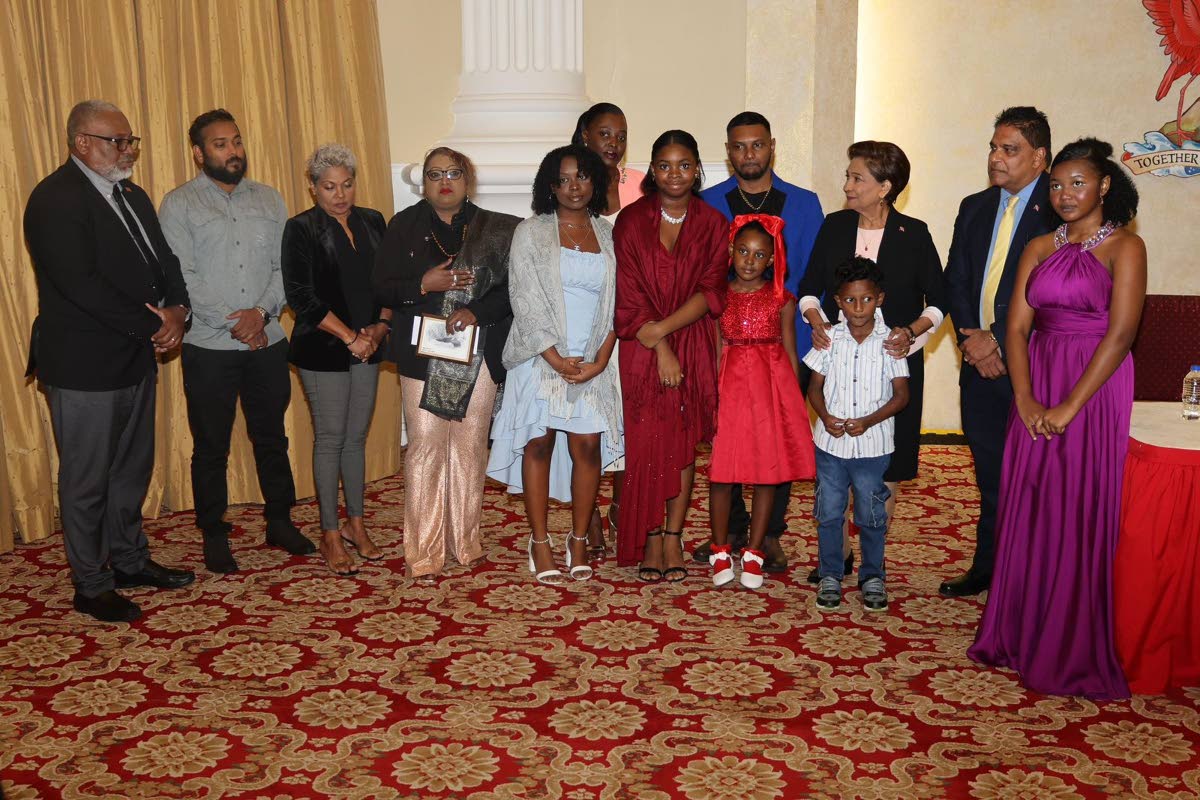
    In a significant gesture of national compassion, Prime Minister Kamla Persad-Bissessar personally delivered ex-gratia payments of $1 million each to Christopher Boodram, the sole survivor of the Paria diving catastrophe, and the families of deceased divers Rishi Nagessar and Fyzal Kurban. The ceremony occurred on January 22, 2026, at the Diplomatic Centre in St. Ann’s, marking a decisive shift in the government’s approach to one of the nation’s most tragic industrial accidents.

    The Prime Minister’s Office issued a statement condemning the previous administration’s handling of the aftermath, accusing them of prioritizing legal expenditures over direct humanitarian support for the affected families. The statement emphasized that the current government operates on principles of accountability and citizen welfare, ensuring that no individual would be abandoned in their time of need.

    The compensation initiative commenced with these three recipients and will expand progressively to include all families impacted by the February 25, 2022 incident. The tragedy unfolded during routine maintenance on a 30-inch underwater pipeline at Berth 6, Pointe-a-Pierre, when a sudden differential pressure event (Delta P) sucked five divers into the oil-filled conduit. Only Boodram emerged alive after enduring nearly four hours of entrapment in complete darkness.

    This governmental action follows the January 2024 Commission of Enquiry report, which recommended corporate manslaughter charges against Paria Fuel Trading Company and potential prosecutions under the Occupational Safety and Health Act for company officials. Previous delays in compensation, attributed to insurance liability disputes between Paria and contractor LMCS, were resolved through the current administration’s direct intervention.

  • Independent Senator: Don’t assume we’re PNM

    Independent Senator: Don’t assume we’re PNM

    In a significant parliamentary development, Independent Senator Michael Simon de la Bastide has called upon the Trinidad and Tobago government to employ persuasive dialogue rather than derogatory language to secure support for the Law Reform (Zones of Special Operations) Bill, 2026. The proposed legislation, which passed the House of Representatives on January 16, is currently under detailed scrutiny in the Senate, where deliberations began on January 20 and are set to continue.

    The bill grants Prime Minister Kamla Persad-Bissessar, in her capacity as National Security Council chair, the authority—following consultations with police and military leadership—to designate specific high-crime regions as Zones of Special Operations (ZOSOs) for periods up to 180 days. The bill requires a three-fifths majority in the Senate, translating to 19 votes. With the government holding 15 seats, the opposition 6, and independent senators 9, the support of the latter group is crucial.

    Senator de la Bastide, along with fellow Independent Senator Anthony Vieira, expressed a conditional willingness to back the bill but voiced strong objections to the hostile rhetoric directed at non-aligned senators. De la Bastide emphasized that independent senators are open to constructive pre-debate discussions, potential amendments, and compromises. He criticized the government’s approach of hurling insults and making partisan assumptions, stating that such tactics could deter qualified individuals from accepting future appointments as independent senators.

    Both senators acknowledged the necessity of innovative measures to address Trinidad and Tobago’s persistent crime challenges. However, they highlighted concerns about the potential stigmatization of communities labeled as ZOSOs, the risk of normalizing military involvement in civilian policing, and the importance of ensuring that expanded security powers align with constitutional principles and human rights protections.

    Vieira underscored that independent senators are constitutionally mandated to ask difficult questions, particularly when legislation involves expanding state authority. He rejected characterizations of their critiques as ‘shallow’ or ‘vapid,’ framing them instead as essential exercises of independent judgment in a healthy democracy.

    The ongoing debate reflects deeper tensions regarding governance, legislative process, and the balance between security needs and democratic safeguards in Trinidad and Tobago.

  • Windies into World Cup Super Sixes

    Windies into World Cup Super Sixes

    In a remarkable display of cricketing prowess, the West Indies Under-19 team secured their place in the Super Six stage of the ICC Men’s Under-19 World Cup with a decisive 55-run victory against South Africa on Thursday in Windhoek, Namibia. The match, held at the High Performance Oval, was defined by two extraordinary individual performances that ultimately shaped the outcome.

    Opening batsman Zachary Carter emerged from a run-scoring slump to deliver a spectacular century, crafting 114 runs from just 104 deliveries. His explosive innings featured eight powerful sixes and eight boundaries, providing the foundation for West Indies’ total of 234 all out in 47.5 overs. Carter’s dominance at the crease earned him the well-deserved Player-of-the-Match recognition.

    The Caribbean team’s bowling attack was equally impressive, led by pace bowler Shaquan Belle who achieved career-best figures of 6-40 from his 10 overs. Belle’s devastating spell virtually dismantled South Africa’s batting lineup, restricting them to 179 runs in 37.4 overs despite a fighting 46 from Jason Rowles.

    The victory marked West Indies’ second win in the tournament, securing them second position in Group D behind undefeated Afghanistan. South Africa, finishing third in the group, also advanced to the next phase of the competition alongside the top three teams from the group.

    The match witnessed several momentum shifts, particularly when South African left-arm pacer JJ Basson (5-23) threatened to derail West Indies’ innings with three wickets in four deliveries. However, Carter’s crucial 78-run partnership with Jonathan van Lange stabilized the innings before Belle’s bowling heroics sealed the comprehensive victory.

  • San Juan/Laventille corporation transport yard plagued by faeces, mosquitoes

    San Juan/Laventille corporation transport yard plagued by faeces, mosquitoes

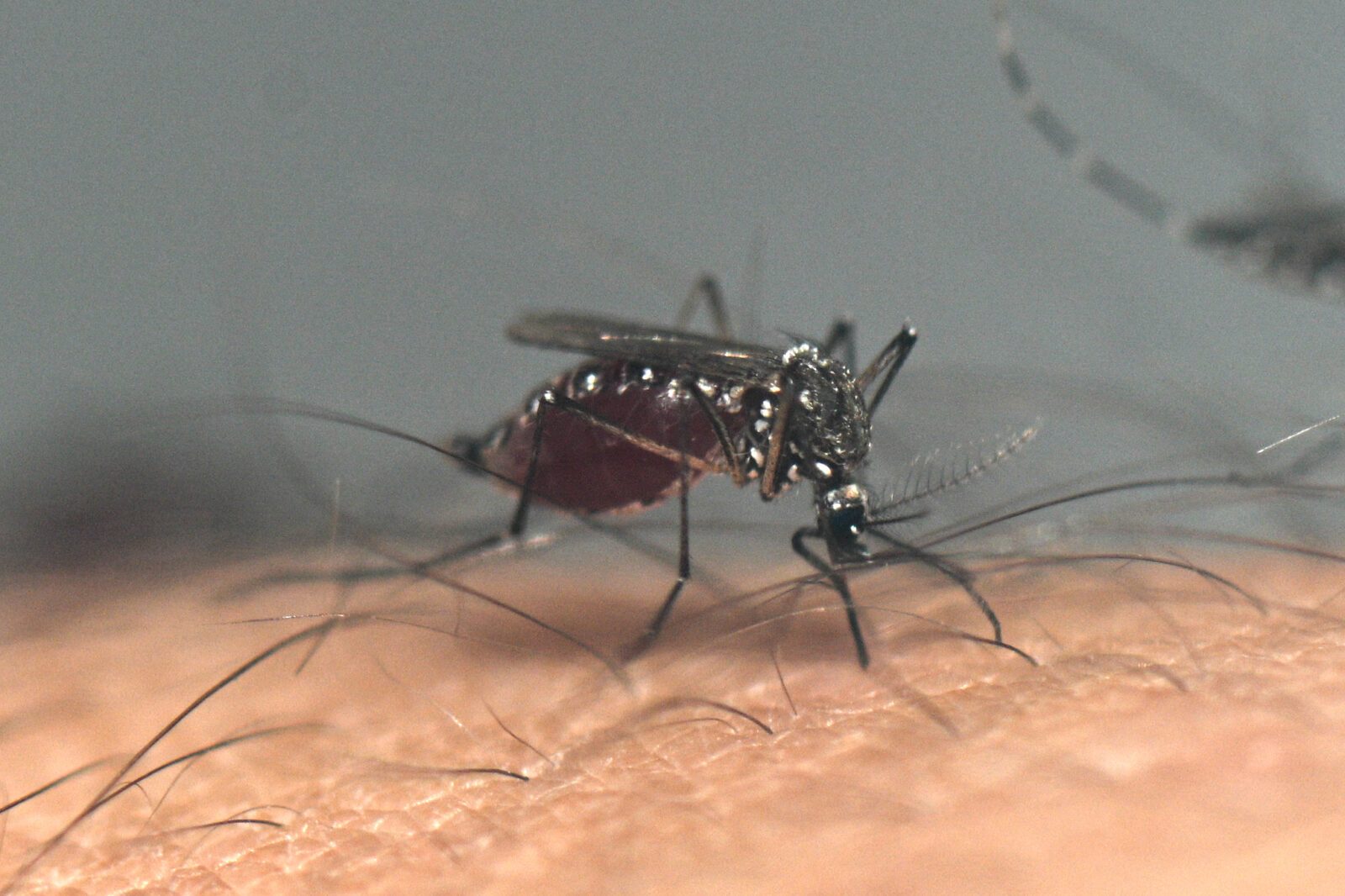
    San Juan/Laventille Regional Corporation transport yard employees are raising alarms over dangerously unsanitary working conditions and systemic operational failures that threaten both worker health and public service delivery. Workers interviewed on January 22nd detailed multiple health hazards including a chronically overflowing cesspit, mosquito infestations from stagnant water, and inadequate sanitation facilities.

    The situation has created a perfect storm of health risks, with one employee confirming he contracted dengue fever on the compound in early 2025. ‘We control mosquitoes at home, but here we’re bitten from morning to afternoon,’ he described. ‘You leave itchy, lumpy, and in discomfort.’

    Beyond health concerns, workers highlighted critical operational deficiencies. The yard faces severe vehicle maintenance issues, with many government vehicles operating without proper inspection, logbooks, or safety certifications. Employees reported being penalized for refusing to operate faulty equipment, while simultaneously having their allowances withheld and hours cut for not remaining on the hazardous premises.

    Workers identified these problems as symptomatic of broader institutional failure, criticizing both management and successive administrations for neglecting what they call ‘the backbone of every corporation.’ The transport yard handles essential services including emergency response, garbage collection, and construction material delivery across some of the region’s most challenging terrain.

    Despite previous complaints to management, union representatives, and councilors, no corrective action had been taken. When contacted by Newsday, Corporation Chairman Richard Walcott and the CEO both claimed unawareness of the issues, promising immediate resolution while acknowledging the corporation’s cesspool truck was currently non-operational.

  • Sisters gunned down 7 months apart

    Sisters gunned down 7 months apart

    In a devastating recurrence of violence, 37-year-old Kellyann Lemessy was fatally shot on January 22 in Lazzari Village, Rio Claro, marking the second homicide within her family in under eight months. The incident occurred as Lemessy sat inside a parked vehicle within a residential yard along Naparima Mayaro Road, where responding officers discovered the car still idling with multiple bullet impacts visible through the windshield.

    Law enforcement authorities later located a suspected getaway vehicle abandoned on San Pedro Road in nearby Poole Village, though no arrests have been made in connection with the killing. This tragedy echoes the murder of Lemessy’s sister, 41-year-old Cassie-Ann ‘Candice’ Lemessy, who was shot dead while in her van on June 17, 2025, near her Mayaro residence. The elder Lemessy, a contractor and mother of two, had been memorialized just three days before police apprehended 35-year-old Samuel Paul of Mayaro for her homicide. That case remains active within the judicial system.

    Complicating the familial narrative, court records indicate that Kellyann Lemessy and another female relative faced criminal charges following an alleged May 2025 assault against a male family member in Mayaro that resulted in severe burn injuries. Both women were granted bail after being charged with inflicting grievous bodily harm, with those proceedings also ongoing.

    Investigators from both the Eastern Division and Region Three’s Homicide Bureau are actively working to determine potential connections between these incidents, though the precise motive behind Kellyann Lemessy’s murder remains undetermined at this time.

  • Freelance journalist shot and killed in Trinidad

    Freelance journalist shot and killed in Trinidad

    TRINIDAD — A brutal assassination has shocked the community of Rio Claro, southeastern Trinidad, after freelance journalist Kellyann Lemessy was murdered in a targeted attack outside her home on Thursday. The 38-year-old mother of three was ambushed by two masked assailants as she arrived at her residence with her two young daughters in the vehicle.

    According to police reports, Lemessy was shot multiple times in the head and body while seated in her car. Investigators believe she heroically shielded her nearly two-year-old child, who was on her lap at the time of the attack. Remarkably, both her toddler and nine-year-old daughter emerged physically unharmed from the horrific incident.

    Lemessy had worked as a correspondent for CNC3 television, building a career in freelance journalism. The killing has raised serious concerns about journalist safety and organized violence in the region.

    This tragedy marks the second violent death in Lemessy’s family within a year. In June 2023, her sister Cassieann was similarly shot and killed in her vehicle near their Mayaro home, with one suspect currently facing charges for that murder.

    Adding to the family’s complex history, Lemessy and another sister were previously charged with causing grievous bodily harm to their brother after an alleged boiling water attack. They had been released on bail of TT$200,000 (approximately US$32,000) pending trial.

    Authorities are actively investigating possible motives behind the killing, including potential connections to her journalistic work, the previous family violence case, or her sister’s unsolved murder. The Trinidad and Tobago Police Service has vowed to prioritize the investigation amid growing public concern about violence against women and media professionals.

  • T&T gov’t to undertake registration of migrants

    T&T gov’t to undertake registration of migrants

    The Trinidad and Tobago government has announced a sweeping immigration regularization initiative requiring all undocumented migrants to register through a newly established digital framework starting next week. Homeland Security Minister Roger Alexander unveiled the Migration Registration Framework during Thursday’s post-Cabinet news conference, marking a significant policy shift in the nation’s approach to irregular migration.

    The comprehensive program mandates that all undocumented individuals regardless of nationality must complete online registration through the dedicated portal migrantregistration.gov.tt, followed by in-person interviews to obtain official Migration Registration Framework cards. The administration has set a registration fee of TT$700 (approximately US$110), while exempting children from the financial requirement.

    Minister Alexander emphasized the inclusive nature of the current framework, contrasting it with the 2019 program implemented by the previous administration that exclusively targeted Venezuelan nationals. “This Government intends to do things differently,” Alexander stated, highlighting the digital-first approach that leverages government facilities nationwide.

    Registration necessitates presentation of valid identification, proof of address, and employment details when applicable. However, the minister clarified that individuals with criminal records may face registration challenges, emphasizing the government’s stance against admitting those who might “add to the nation’s problems.”

    Despite the warning, authorities encourage all undocumented migrants—including those who entered illegally—to participate without fear of immediate reprisal. The program aims to create a structured immigration system while identifying productive contributors to Trinidad and Tobago’s development. Those failing to register risk potential deportation proceedings as the government seeks to balance humanitarian concerns with national security priorities.