博客

  • Dominican Republic appoints new consul general to Antigua and Barbuda

    Dominican Republic appoints new consul general to Antigua and Barbuda

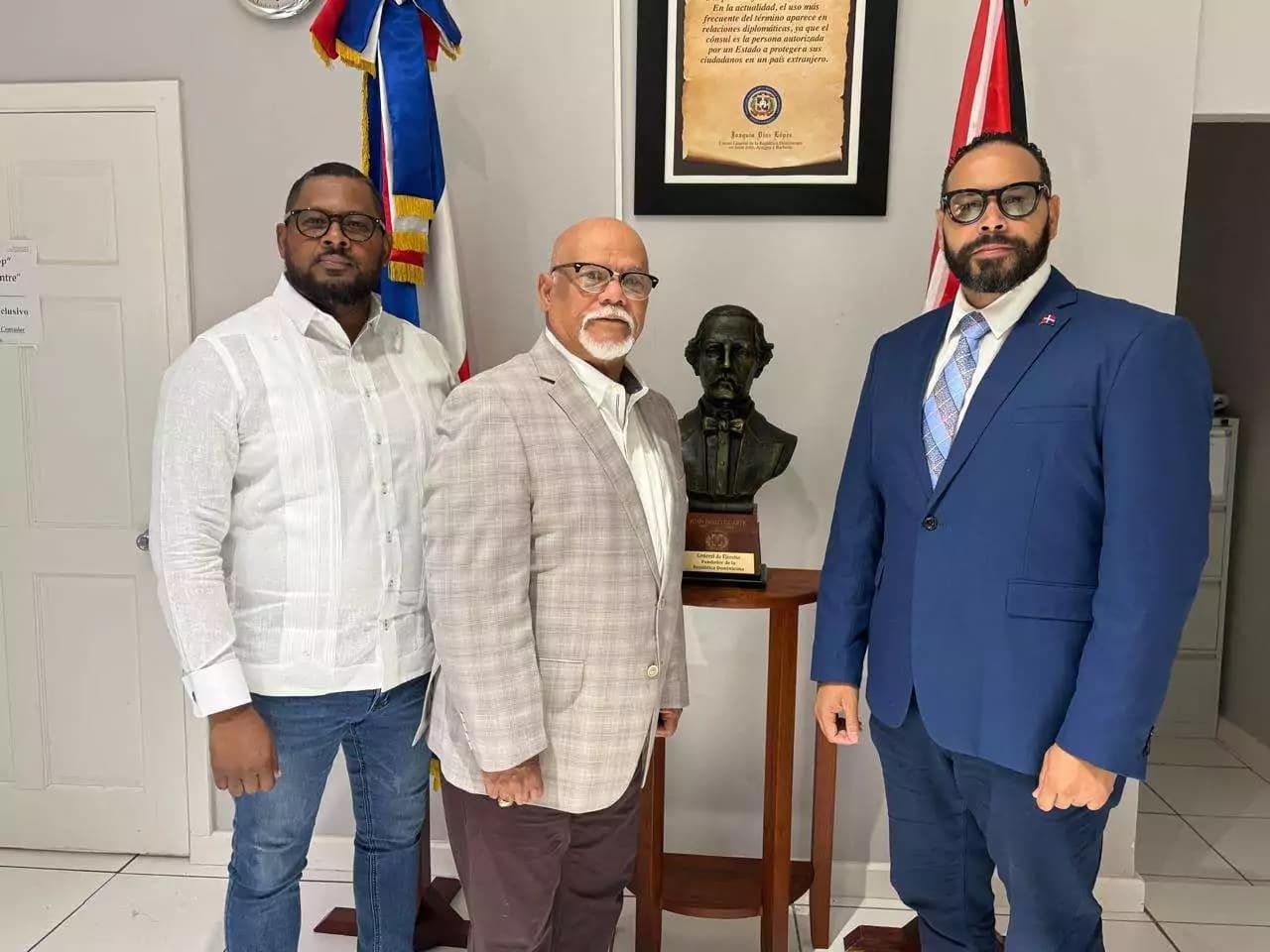
    The Dominican Republic has officially installed Julio Cesar Mateo Baez, colloquially known as Yulyn, as its new Consul General to Antigua and Barbuda. This diplomatic appointment follows the recent departure of former envoy Joaquin Lopez Diaz, marking a new chapter in bilateral relations between the two Caribbean nations.

    In his inaugural address, Consul General Mateo Baez emphasized his dual mission of serving the Dominican diaspora while fortifying diplomatic and cultural ties with Antigua and Barbuda. He characterized the host nation as a ‘valued partner’ whose citizens demonstrate remarkable dedication and work ethic, noting his encouragement from the historically strong relationship between the countries.

    The new consul issued a compelling appeal to Dominican nationals residing in Antigua and Barbuda, urging them to embody the role of cultural ambassadors through exemplary conduct and strict adherence to local laws. He emphasized that the behavior of expatriates directly influences international perceptions of the Dominican Republic.

    Mateo Baez’s diplomatic agenda includes scheduled courtesy visits to senior government officials in St. John’s during the coming weeks, where he will discuss matters of mutual interest and exchange formal greetings. His first official engagement will occur Sunday with attendance at a special service at Holy Family Cathedral commemorating the Bridging of Altagracia—a significant religious and cultural observance for the Dominican people.

  • SOVA waarschuwt voor overhaaste herstructurering Openbaar Ministerie

    SOVA waarschuwt voor overhaaste herstructurering Openbaar Ministerie

    The Suriname Bar Association (SOVA) has delivered a substantive critique of proposed judicial reforms during a national conference on modernizing the justice system. Legal experts argued that genuine modernization must transcend mere administrative restructuring and instead focus on strengthening legal certainty, transparency, integrity, and institutional resilience.

    The association presented a comparative analysis of two competing governance models: the existing single Attorney General system versus a proposed College of Attorneys General. SOVA emphasized that this choice fundamentally impacts core rule-of-law principles including accountability, operational efficiency, and democratic oversight rather than representing a simple organizational decision.

    SOVA’s analysis revealed that the current single Attorney General model offers distinct advantages in clear accountability structures, rapid decision-making capabilities, and direct crisis intervention. However, the association acknowledged vulnerabilities to personal dependency and political pressure when institutional safeguards remain underdeveloped.

    The collegial model, while potentially enhancing policy continuity and internal checks, presents significant risks for Suriname’s small legal jurisdiction. Collective decision-making could introduce bureaucratic delays, leadership ambiguity, and responsibility diffusion—critical concerns for a nation requiring swift, transparent judicial processes.

    The bar association cautioned against falsely equating modernization with structural overhaul, proposing instead comprehensive reforms within the existing framework. Key recommendations include establishing mandatory consultation protocols for high-stakes prosecution decisions involving state security, large-scale corruption, or political figures.

    SOVA advocated for publicly accessible prosecution guidelines to increase legal predictability and reduce risks of selective or politically influenced enforcement. The association stressed that transparency serves as the foundational element for public trust in judicial institutions.

    Additional proposals include implementing fixed statutory terms for the Attorney General, clearly defined dismissal grounds, and enhanced procedural protections during suspensions or removals. These measures aim to balance independence with institutional stability.

    The association called for clearer demarcation between the Prosecution Service and the Justice Ministry, recommending written documentation of policy directives, parliamentary oversight of interventions, and strengthened separation of powers to prevent informal influence.

    SOVA concluded that a properly empowered Attorney General—supported by robust legal safeguards, transparent policies, effective checks and balances, and visible accountability mechanisms—can deliver judicial security comparable to collegial governance systems. The central question remains how to create responsible, transparent, and resilient institutions rather than simply increasing the number of officeholders.

  • UN urges governments to prioritise education funding on International Education Day

    UN urges governments to prioritise education funding on International Education Day

    In a powerful address marking International Education Day, UN Secretary-General António Guterres issued an urgent call for governments worldwide to elevate education funding as a paramount priority in national budgets and development agendas. The January 23rd observance highlighted education’s critical role as both a fundamental human right and essential catalyst for opportunity, dignity, and global peace.

    Guterres revealed startling statistics indicating that over 200 million children and youth remain excluded from educational systems due to intersecting crises of poverty, discrimination, conflict, displacement, and natural disasters. He emphasized that closing persistent gaps in financing, access, and educational quality requires immediate coordinated action from governments, international partners, and donors.

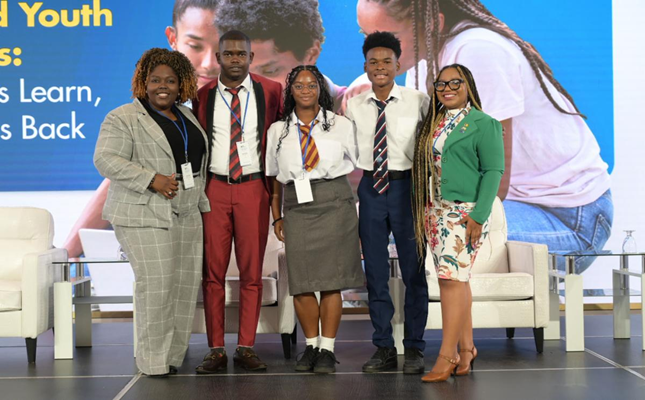
    Parallel developments emerged from the Caribbean region, where the Caribbean Development Bank convened a youth symposium addressing regional educational challenges. Participants identified three critical areas demanding urgent intervention: intelligent integration of technology in learning environments, mandatory implementation of Technical and Vocational Education and Training (TVET) programs, and strengthened collaboration among families, educational institutions, and communities.

    A significant generational divide surfaced regarding technological adoption, with students reporting that many educators and parents lack digital literacy, resulting in excessively restrictive technology policies. Symposium recommendations included comprehensive digital literacy programs for adults to facilitate more effective, safe, and responsible technology use in education.

    Youth representatives particularly emphasized the necessity for practical, hands-on learning experiences, advocating for TVET to become compulsory throughout Caribbean educational systems. They argued that these skills provide essential preparation for future economic success despite not being widely integrated into current curricula.

    Guterres specifically highlighted the importance of incorporating youth perspectives in policy formation, stating: ‘We particularly need to listen to the voices of young people themselves, and act on their pleas for qualified teachers, relevant skills training for a changing world, and equitable access to technology.’ His concluding appeal urged global collaboration to ‘build inclusive, resilient and innovative education systems for all people.’

  • Federation’s Human Rights Record to be spotlighted next week

    Federation’s Human Rights Record to be spotlighted next week

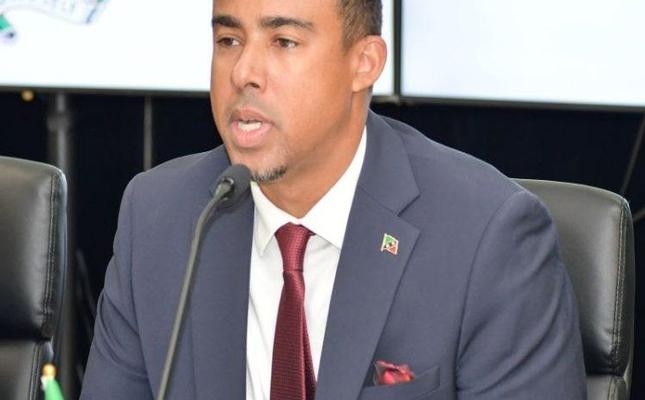
    The Federation of St. Kitts and Nevis is poised for international human rights examination as Attorney General Garth Wilkin prepares to present the nation’s human rights record before the United Nations on January 27, 2026. This appearance marks a significant moment in the country’s ongoing engagement with global human rights mechanisms.

    Among thirteen jurisdictions scheduled for assessment next week, St. Kitts and Nevis will undergo scrutiny through the UN Human Rights Council’s Universal Periodic Review (UPR) process. The evaluation will be conducted by the UPR Working Group during sessions at the UN’s Geneva headquarters, representing the fourth such examination for the Caribbean nation since the process began.

    The UPR mechanism employs a comprehensive three-document foundation for its assessments: an official national report submitted by the state under review; compiled information from independent human rights experts, special procedures, treaty bodies, and various UN entities; and substantive contributions from diverse stakeholders including national human rights institutions, regional organizations, and civil society groups.

    Historical data reveals this constitutes the Federation’s fourth UPR cycle, with previous evaluations occurring in January 2011, November 2015, and most recently in January 2021. The available documentation forming the basis for next week’s review has been made accessible to the public through official United Nations channels, ensuring transparency throughout the process.

    The upcoming review represents both a procedural obligation and an opportunity for the Federation to demonstrate its human rights advancements while receiving constructive feedback from the international community on areas requiring further development.

  • UWI Rises in Global Rankings

    UWI Rises in Global Rankings

    The University of the West Indies (UWI) has commenced 2026 with a remarkable achievement in global academic standing. According to the recently released Times Higher Education World University Rankings 2026, the institution has significantly advanced its position among the world’s premier higher education establishments.

    The prestigious ranking system, which evaluates universities across multiple performance indicators including teaching excellence, research output, knowledge dissemination, and international engagement, assessed over 33,000 institutions worldwide. Only 2,191 universities from 115 countries met the rigorous qualification standards for ranking. UWI’s latest placement positions it within the top 3.6% of global higher education institutions, demonstrating consistent improvement despite increasing global competition.

    Vice-Chancellor Professor Sir Hilary Beckles attributed this success to the university’s strategic adherence to its development plan. “Our unwavering commitment to the strategic framework has proven instrumental in enhancing our intellectual productivity, academic reputation, and global partnership network,” Beckles stated. “These ranking results reflect the tangible outcomes of our substantial collective efforts.”

    The improved ranking follows documented enhancements in research quality across UWI’s academic departments. Faculty members have achieved greater recognition for their publications and scholarly presentations, contributing to elevated citation metrics and academic influence. The university has also strengthened its international perspective through expanded global collaborations, participation in elite intellectual networks, and increased impact on regional and global research environments.

    UWI’s growing prestige spans multiple disciplines including climate change research, public health initiatives, cultural studies, economic development analysis, and social justice advocacy. The institution continues to demonstrate exceptional academic performance despite operating within considerable financial constraints.

    Looking toward the future, Professor Beckles expressed pride in what he described as an “inter-generational achievement” as the university approaches its centennial anniversary in 2048.

  • Venezuelan embassy in Antigua launches campaign calling for return of Maduro

    Venezuelan embassy in Antigua launches campaign calling for return of Maduro

    The Venezuelan Embassy in St. John’s has initiated a worldwide diplomatic campaign demanding the immediate repatriation of President Nicolás Maduro and First Lady Cilia Flores, whom Venezuelan authorities assert are currently detained in the United States under criminal allegations.

    Designated with the hashtag #BringThemBack, this mobilization effort stems from what embassy officials describe as a January 3rd military operation conducted by United States forces that allegedly resulted in the apprehension and subsequent transportation of Venezuela’s leadership to American territory.

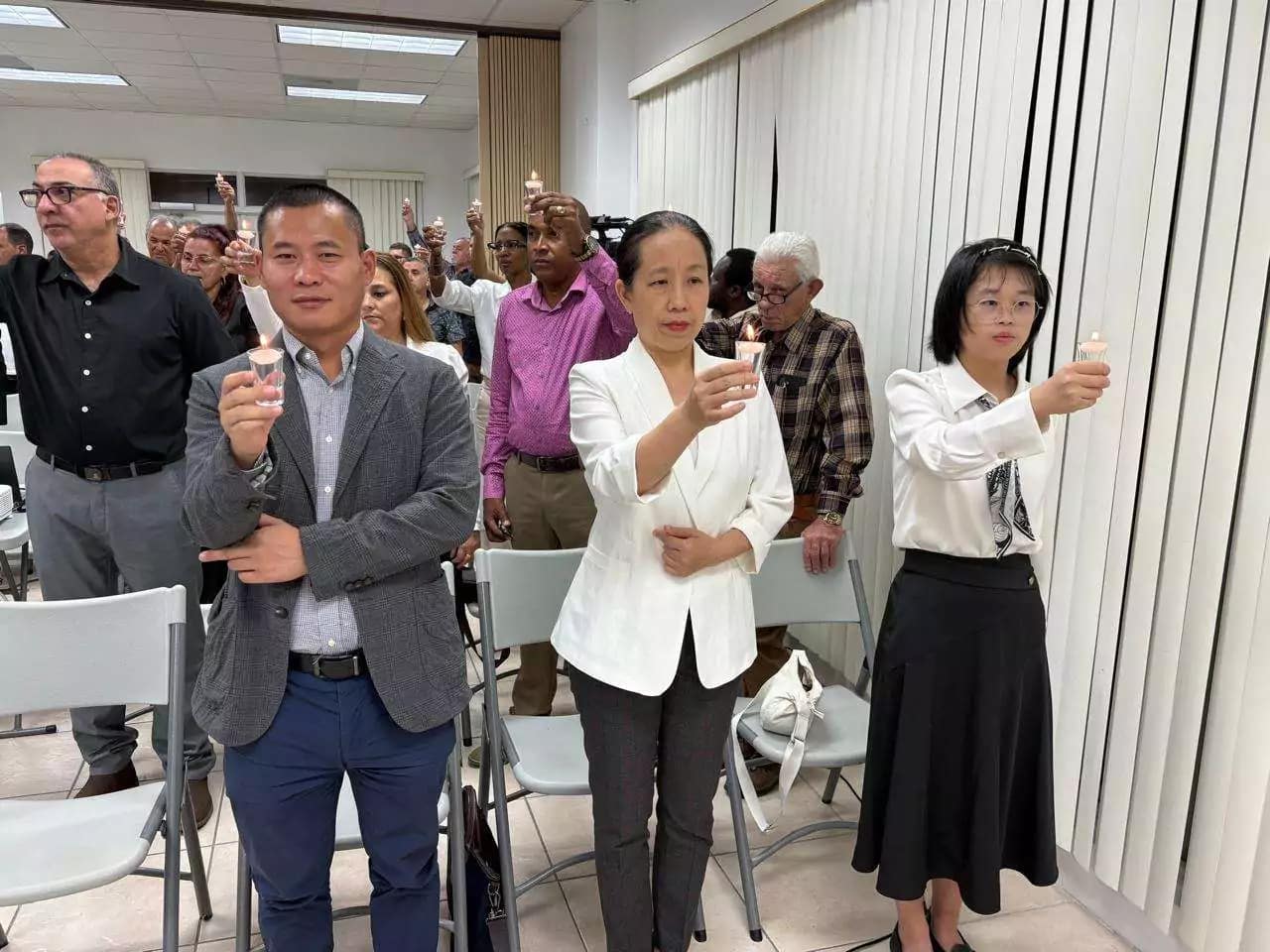
    The campaign formally commenced during a Thursday evening solidarity gathering at the embassy, drawing participation from international diplomats, religious figures, Venezuelan expatriates, and local activists. Venezuelan Ambassador to Antigua and Barbuda Carmen Velasquez characterized the alleged incident as among the most devastating events in contemporary Venezuelan history, addressing attendees with emotional appeals for diplomatic resolution.

    Ambassador Velasquez provided a firsthand account claiming presence in Caracas during the purported operation, describing being awakened by powerful explosions and observing unlit helicopters alongside drone strikes targeting multiple locations. Her testimony aimed to substantiate the Venezuelan government’s narrative of foreign military intervention.

    The assembly featured notable attendees including Cuban Ambassador Sergio Martinez, Chinese Ambassador Jiang Wei, Senator Colin O’Neal, and religious representatives from the Antigua Christian Lay Movement and All Saints Fellowship of Believers. Ambassador Martinez denounced the alleged American actions as violations of Venezuelan sovereignty, while Senator O’Neal criticized the purported removal of a democratically elected leader within Western Hemisphere territory.

    The event culminated in a candlelight vigil led by Pastor James Warner, honoring those reportedly deceased during the incident while symbolizing hope for the leaders’ safe return. The embassy has subsequently established a Condolence Book inviting public signatures as gestures of support for the Venezuelan people amid escalating international tensions.

  • UWIFIC Guild of students to Host Inter-Campus Guild Council Meeting in Antigua

    UWIFIC Guild of students to Host Inter-Campus Guild Council Meeting in Antigua

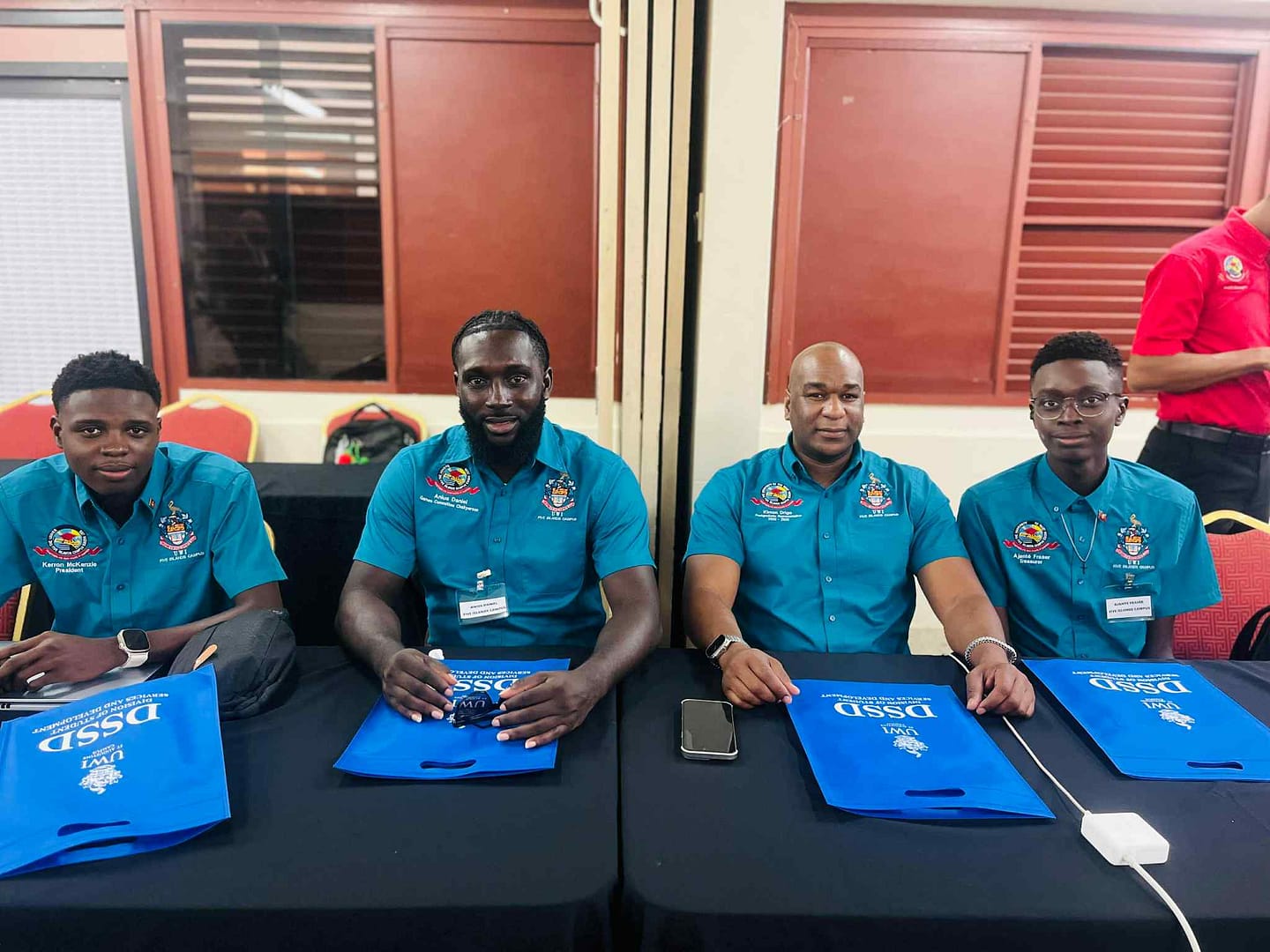
    The University of the West Indies Five Islands Campus is preparing to welcome student delegates from across the Caribbean region for the upcoming Inter-Campus Guild Council Meeting, scheduled to take place in Antigua over five consecutive days. This significant gathering will assemble student representatives from all five UWI campuses—Cave Hill, Mona, St. Augustine, Global Campus, and the host Five Islands campus—under the ambitious theme “Beyond the Council: A New Order of Leadership.

    The event represents one of the most substantial regional student leadership initiatives of the academic year, designed to foster enhanced collaboration, shared governance structures, and progressive advocacy among the university’s student bodies. As the hosting institution, UWI Five Islands will spearhead comprehensive discussions, interactive workshops, and strategic planning sessions concentrating on leadership development, effective student representation, and policy proposals with system-wide implementation potential.

    Kerron McKenzie, Guild President of the UWI Five Islands Campus, articulated the meeting’s profound significance, stating: “This transcends conventional formalities. We are building meaningful regional connections, fortifying inter-campus unity, and establishing foundational frameworks for sustainable initiatives that will advantage students throughout the entire UWI network.” McKenzie further emphasized the ICGC’s distinctive value as a platform for exchanging best practices, addressing common student concerns, and developing adaptable proposals that respect campus diversity while advancing a unified regional vision.

    A central thematic focus of this year’s deliberations will be legacy-building within student governance frameworks. Participants will explore mechanisms to ensure contemporary decisions generate enduring value, maintain operational continuity, and preserve institutional memory within guild leadership structures.

    The selection of Antigua as host venue underscores the growing influence of the UWI Five Islands Campus within regional student governance, positioning it as an emerging center for collaborative dialogue and innovative thinking within the broader UWI ecosystem. Campus organizers perceive this meeting as a definitive moment that reinforces purposeful leadership, regional solidarity, and the creation of lasting institutional legacies for future generations of UWI students.

  • UNDP Engagement Highlights St. Kitts and Nevis as Regional Leader in Crime Prevention

    UNDP Engagement Highlights St. Kitts and Nevis as Regional Leader in Crime Prevention

    BASSETERRE, St. Kitts – The Federation of St. Kitts and Nevis has gained significant international recognition for its innovative public health-oriented strategy in combating crime and violence. This acknowledgment follows high-level discussions between the nation’s Citizen Security Task Force and representatives from the United Nations Development Programme (UNDP).

    The dialogue occurred during the Task Force’s inaugural 2026 meeting, presided over by Prime Minister Dr. Terrance Drew. This meeting coincided with a UNDP assessment mission evaluating how the Federation’s prevention-focused framework could serve as a blueprint for broader Caribbean regional initiatives against criminal activities.

    Established in 2024, the Citizen Security Task Force has implemented a comprehensive societal approach that integrates law enforcement agencies, educational institutions, youth advocates, government officials, business leaders, and religious organizations. This collaborative model addresses crime fundamentally as both a public health concern and social development challenge rather than purely a law enforcement matter.

    The results have been transformative: the Federation has witnessed a remarkable 76% reduction in homicides, achieving single-digit homicide rates for the first time in more than twenty years.

    Prime Minister Drew emphasized that international attention validates both the model’s effectiveness and the collective national effort behind its success. “Today’s recognition celebrates a novel and thoughtful methodology toward citizen security,” stated Dr. Drew. “This approach conceptualizes crime and violence not merely through a law enforcement lens but as multidimensional public health and social challenges. The credit belongs to the people of St. Kitts and Nevis who partnered with government, embraced prevention, and took ownership of their safety.”

    The Prime Minister further noted that the model’s expanding influence creates opportunities for regional impact. “We take pride that our progress can now help shape solutions throughout the Caribbean. If our experience can assist other nations in enhancing safety, resilience, and social stability, that represents a contribution we are honored to make,” he affirmed.

    Eartha Carey, Coordinator of the Citizen Security Secretariat, indicated that UNDP’s engagement reinforces the importance of maintaining momentum throughout 2026. “This international interest confirms that prevention strategies work when communities are actively engaged and properly supported,” Carey observed. “Our current focus involves deepening outreach efforts, strengthening partnerships, and ensuring that achieved progress becomes sustainable long-term.”

    UNDP officials have suggested that St. Kitts and Nevis’ methodology could significantly influence discussions surrounding a proposed Regional Action Plan addressing crime and violence as public health issues. This development aligns with Caribbean leaders’ continued prioritization of prevention mechanisms, social investment, and regional cooperation frameworks.

    The Government of St. Kitts and Nevis reaffirms its commitment to enhancing citizen security through evidence-based policies, community involvement, and international collaboration, with the ultimate objective of ensuring safety and security for all citizens, residents, and visitors.
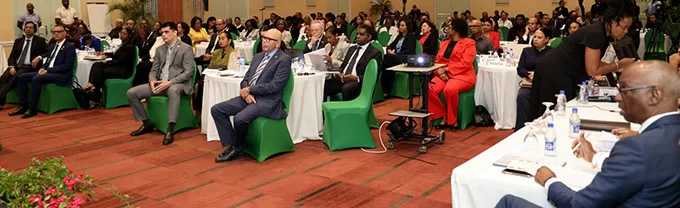
  • Applications Open for CHOGM 2026 Social Media Correspondents

    Applications Open for CHOGM 2026 Social Media Correspondents

    Antigua and Barbuda, host nation of the forthcoming 2024 Commonwealth Heads of Government Meeting (CHOGM), has unveiled an innovative initiative to integrate youth perspectives into the global dialogue. The program is actively recruiting a cadre of young content creators to serve as official correspondents, tasked with documenting and disseminating the summit’s proceedings across digital media channels.

    This initiative specifically seeks to elevate youth commentary on critical agenda items, with a sharp focus on climate change mitigation, advancing gender equality, and strengthening civil society engagement. Eligibility is extended to active members or distinguished alumni of established youth leadership programs, including the Antigua and Barbuda National Youth Ambassador Programme, the CARICOM Youth Ambassador Programme, and the National Youth Parliament. Furthermore, the application pool encompasses current university students, tertiary institution attendees, former school leaders (such as head boys, head girls, and prefects), and young professionals with a proven dedication to socio-developmental causes.

    Prospective candidates must exhibit a compelling on-camera persona and possess foundational technical knowledge in video production, encompassing principles of lighting, audio capture, and compositional framing. Mandatory proficiency is required in contemporary content creation tools, including smartphone/HD camera operation, wireless microphone usage, and video editing software. Interested individuals are instructed to submit their applications via email to youthaffairs@ab.gov.ag, clearly marked with the subject line ‘CHOGM Correspondents,’ no later than the deadline of Friday, February 6, 2026.

    CHOGM 2026 is poised to convene leaders from across the Commonwealth in Antigua and Barbuda, positioning the twin-island nation at the epicenter of high-level international discourse on development, multilateral cooperation, and the collective challenges confronting member states.

  • ABFA Hosts Badge Ceremony for FIFA Match Officials

    ABFA Hosts Badge Ceremony for FIFA Match Officials

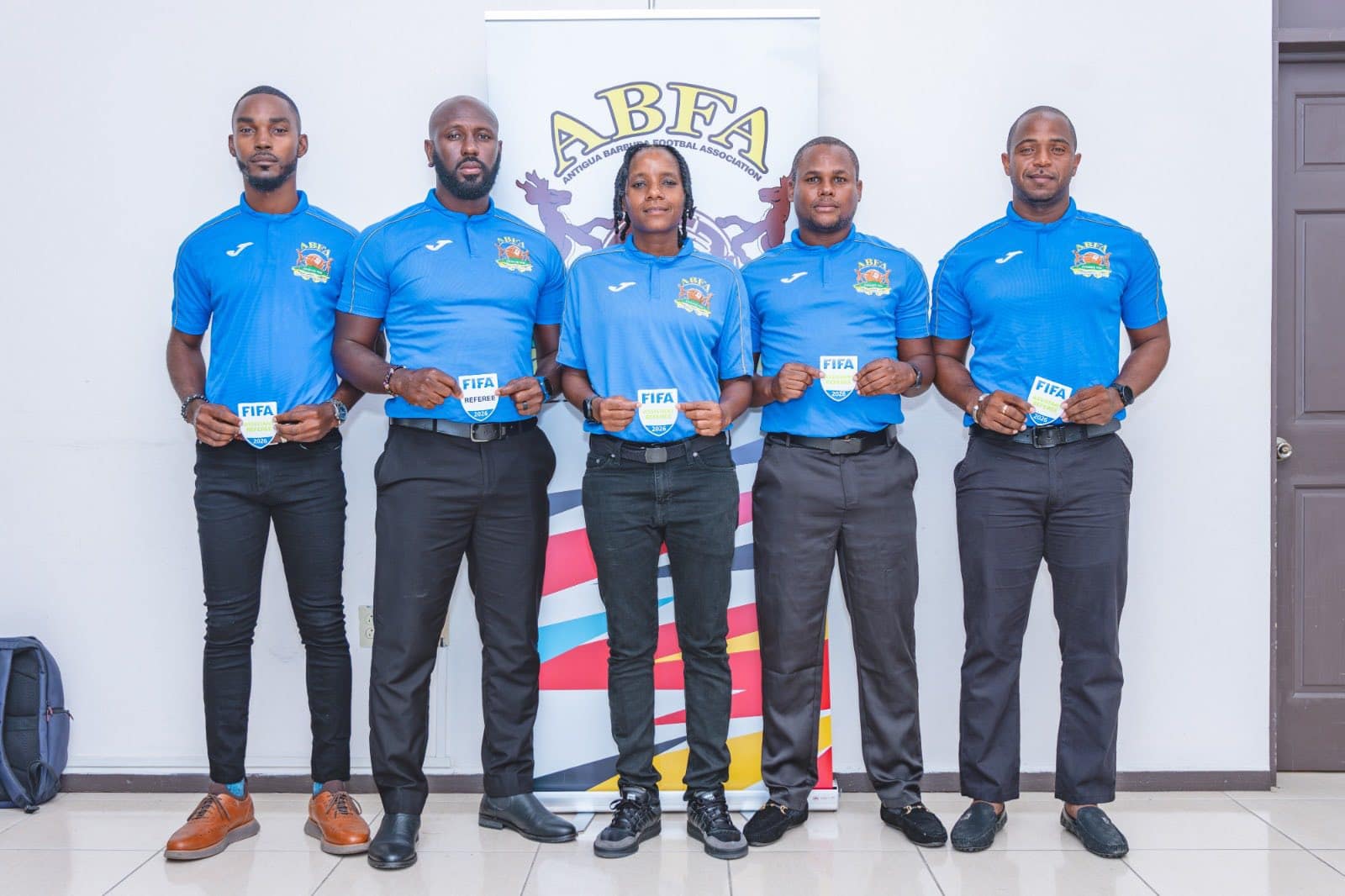
    In a significant event for Caribbean football, the Antigua and Barbuda Football Association (ABFA) convened a formal Badge Ceremony on January 21, 2026, to honor its cadre of FIFA-accredited match officials. The gathering, held at the ABFA Conference Room, served as a platform to celebrate the referees’ professional dedication and their critical role in maintaining the sport’s integrity.

    Senior ABFA leadership, including Technical Director Sowerby Gomes and Head of Referees Kelesha Antoine, presided over the proceedings. Both officials delivered commendations, highlighting the referees’ unwavering professionalism and their adherence to the highest international standards of officiating. The ceremony placed particular emphasis on the values of integrity, fairness, and the responsibility of officials to act as role models within the sporting community.

    A special segment of the event was dedicated to acknowledging three officials—Shemroy Alie, Teyarni Mourrillon, and Robet Emmanuel—for their pursuit of advanced training through regional referee development courses. Their engagement in these programs was cited as a vital investment in elevating the quality and credibility of football officiating across the nation and the wider region.

    The ABFA used the opportunity to reiterate its steadfast commitment to referee development programs. Gratitude was extended to technical instructors Darez Dundas and Ishan Philip, along with the assessors and support staff, for their instrumental role in preparing and equipping the officiating team. The association expressed strong confidence that these efforts will continue to foster the growth and professionalization of football in Antigua and Barbuda.