博客

  • Law 47-25 on Public Procurement takes effect this Wednesday

    Law 47-25 on Public Procurement takes effect this Wednesday

    SANTO DOMINGO – A transformative legal framework for public procurement, Law 47-25, officially takes effect in the Dominican Republic this Wednesday. The legislation, promulgated by President Luis Abinader on July 28 of the previous year, completes its mandatory 180-day waiting period, marking a significant milestone in the nation’s governance and fiscal management.

    To inaugurate the law’s implementation, President Abinader will preside over a ceremony to sign the decree that approves its General Application Regulation. This crucial regulatory document outlines the specific standards, establishes clear timelines, and delineates the responsibilities necessary for the effective execution of the new legal framework across all government entities.

    The General Directorate of Public Procurement (DGCP) has characterized the new regulation as the operational engine that translates the law’s foundational principles into concrete, actionable procedures. The agency has designed a gradual, supportive implementation strategy to ensure a smooth transition. This comprehensive plan includes extensive training programs and continuous technical support from the DGCP to purchasing units within all public institutions, aiming for universal compliance and preventing any administrative lag.

    Carlos Pimentel, the Director of the DGCP, underscored the strategic value of this phased approach, stating it provides essential legal certainty and unambiguous guidance for every participant in the public procurement ecosystem.

    In a further step to cement the rollout, the DGCP is set to issue a detailed resolution this Thursday, which will articulate the subsequent institutional steps required for the law’s proper enforcement.

    Law 47-25 introduces a suite of profound reforms designed to modernize state purchasing. Key provisions include a substantial increase in the procurement budget reserved for Micro, Small, and Medium-sized Enterprises (MSMEs), particularly those owned by women, raising the mandatory allocation from 20% to 30%. The legislation also fortifies sanctions to combat corruption, institutes novel contracting modalities, and mandates the exclusive use of the Electronic Public Procurement System (SECP) to enhance transparency. Furthermore, the law innovatively integrates environmental and sustainability criteria into the government’s procurement decision-making process, aligning national spending with broader ecological goals.

  • Werkzoekenden Bangladesh gedwongen mee te vechten in Rusland tegen Oekraïne

    Werkzoekenden Bangladesh gedwongen mee te vechten in Rusland tegen Oekraïne

    An extensive investigation by the Associated Press has uncovered a disturbing pattern of systematic deception targeting Bangladeshi labor migrants who were lured to Russia with promises of civilian employment, only to be coerced into military service in Ukraine’s ongoing conflict.

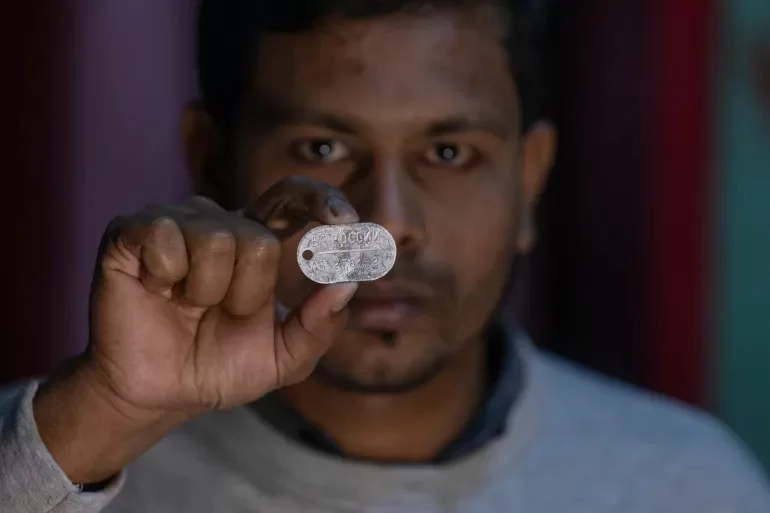
    Maksudur Rahman, a 31-year-old from Bangladesh, arrived in Russia expecting to work as a window cleaner in Moscow’s cold climate. Within weeks, he found himself on the Ukrainian frontlines after being pressured into signing Russian documents that were later revealed to be military contracts. Rahman and other Bangladeshi workers received training in drone warfare, medical evacuations, and combat techniques with heavy weaponry.

    When Rahman protested his forced conscription, he was told: “Your agent sent you here. We bought you.” The migrants faced severe threats including decade-long prison sentences and physical abuse for refusing combat duties. After seven months of compelled service, Rahman managed to escape and return to Bangladesh.

    Three additional Bangladeshi men who escaped Russian military service provided corroborating accounts of coercion, mistreatment, and threats. Their testimonies were supported by family members and verified through official documentation including visas, military contracts, medical reports, police records, and photographic evidence of injuries.

    The forced duties assigned to these conscripted migrants encompassed frontline combat operations, supply transportation, casualty evacuation, and corpse recovery. Similar deceptive recruitment practices have affected workers from other South Asian nations including India, Nepal, and Sri Lanka, with additional reports emerging from Kenya, South Africa, Jordan, and Iraq.

    Some Bangladeshi workers were specifically recruited under false pretenses of non-combat roles. Mohan Miajee, originally an electrician in Russia’s Far East, was recruited for electronic warfare but found himself in occupied Avdiivka, Ukraine, where he faced repeated physical abuse for refusing orders or making mistakes.

    Families of missing men have repeatedly contacted Bangladeshi police and government authorities demanding investigations. Salma Akdar continues to hope for news of her husband Ajgar Hussein, who departed believing he had secured laundry work. After weeks of communication, Hussein reported being forced into military training and frontline deployment, with commanders threatening detention, execution, and food deprivation for non-compliance. His final message was an emotional plea for prayers.

  • LETTER:When Regret Becomes Recruitment: A Dangerous Message to Caribbean Girls by Brent Simon

    LETTER:When Regret Becomes Recruitment: A Dangerous Message to Caribbean Girls by Brent Simon

    A troubling social phenomenon is emerging across Caribbean communities, where women grappling with severe health consequences are inadvertently perpetuating cycles of preventable disease. Rather than cautioning younger generations, many are actively encouraging the same lifestyle choices that led to their own chronic conditions—including poor nutrition, sedentary behavior, and medical non-compliance.

    This pattern represents a psychological coping mechanism wherein personal regret transforms into collective normalization. When change appears insurmountable, there emerges a tendency to reframe damaging behaviors as cultural identity or empowerment movements. This manifests through hostile reactions to health conversations, dismissal of physical activity as ‘self-hatred,’ and characterization of nutritional discipline as cultural betrayal.

    Young Caribbean girls increasingly receive contradictory messaging: women experiencing limited mobility, medication dependency, and chronic pain simultaneously promote these outcomes as embodiments of freedom and cultural authenticity. This creates a dangerous disconnect between rhetoric and reality, where preventable health decline becomes framed as ideological statement rather than medical consequence.

    The core issue transcends individual health choices, touching upon intergenerational responsibility and cultural preservation. When communities reframe health deterioration as cultural identity, they effectively transform preventable suffering into inherited burden. The Caribbean region already faces disproportionate rates of non-communicable diseases, making this normalization particularly concerning from public health and ethical perspectives.

    True empowerment involves distinguishing between body acceptance and health encouragement. While self-love remains vital, it shouldn’t preclude honest conversations about preventable conditions. The moral imperative lies in breaking cyclical patterns rather than perpetuating them under the guise of cultural solidarity.

    This analysis doesn’t blame individuals facing health challenges, but rather examines the social mechanisms that discourage preventive health behaviors. The solution requires compassionate yet truthful intergenerational dialogue that prioritizes long-term wellbeing over short-term validation.

    Caribbean youth deserve health education grounded in medical reality rather than defensive ideology. They need role models demonstrating functional strength and sustainable wellness practices. Most importantly, they require honest guidance about navigating modern health challenges while maintaining cultural authenticity—not false assurances that equate health neglect with cultural pride.

    The path forward demands courage to prioritize truth over comfort, recognizing that genuine cultural preservation involves ensuring future generations inherit health and resilience rather than preventable medical burdens.

  • Macario Coy Suspended from Being Justice of the Peace

    Macario Coy Suspended from Being Justice of the Peace

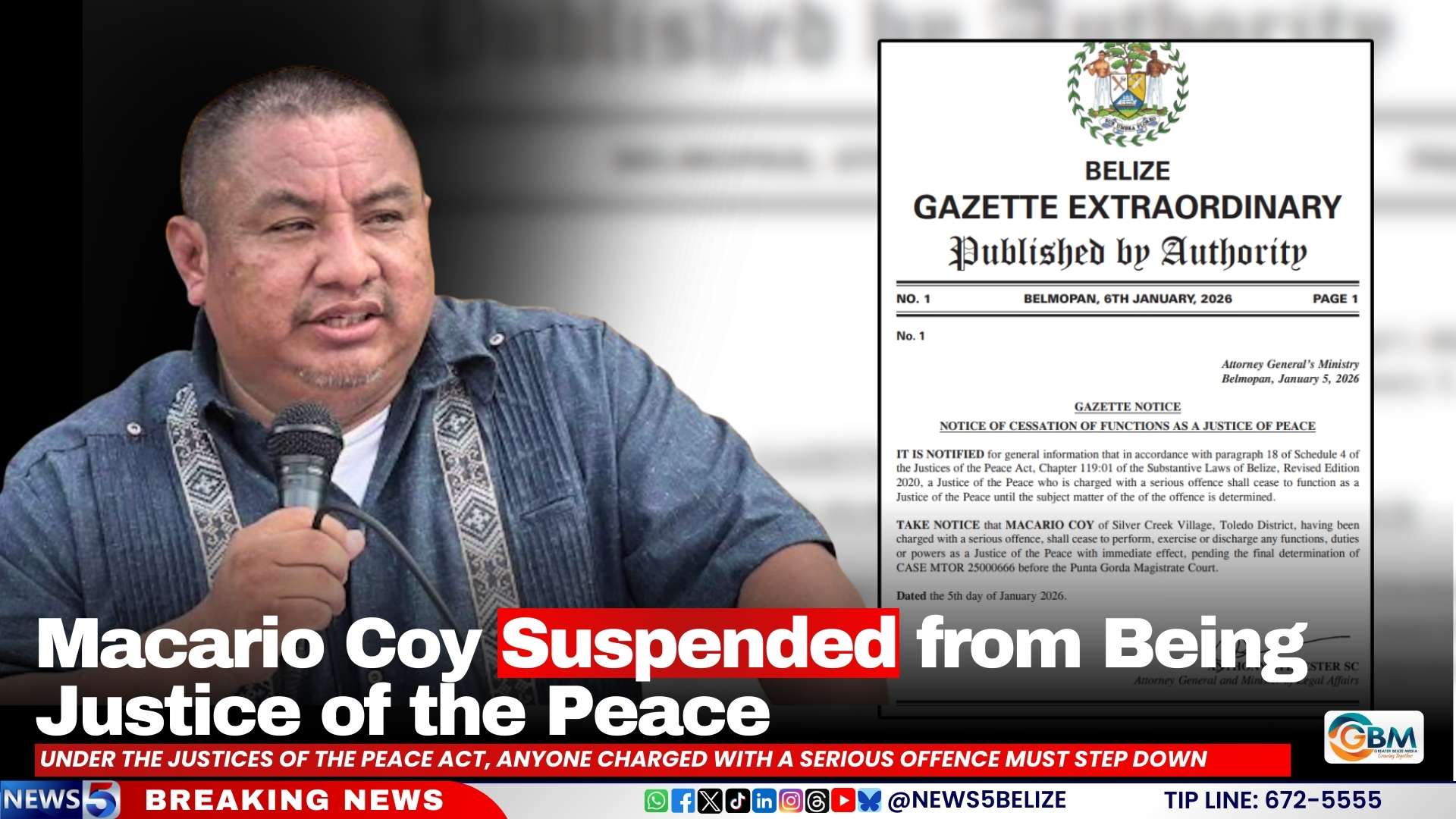
    In a significant judicial development, Macario Coy, a 39-year-old educator and former United Democratic Party senator, has been immediately suspended from his position as a Justice of the Peace. The suspension follows criminal charges filed against him in what court documents describe as a “serious offense.

    The suspension was formally enacted through a Gazette Extraordinary published on January 5, 2026, which mandates that Coy immediately cease all judicial functions, duties, and powers. This suspension will remain in effect pending the final resolution of Case MTOR 25000666, currently before the Punta Gorda Magistrate Court.

    The case stems from allegations made by a 36-year-old female educator who reported an incident of sexual assault allegedly occurring on November 4, 2025. Following these reports, Coy voluntarily surrendered to Punta Gorda Police authorities two weeks later, accompanied by legal counsel. Formal arrest and charges were executed on November 21, 2025, with the court granting bail set at $3,000.

    This action is pursuant to provisions within the Justices of the Peace Act, which explicitly requires any individual holding this judicial office to step down immediately when charged with a serious offense, maintaining suspension throughout the judicial process until case resolution.

  • New Scholarship Opens Door for Girls in Tech

    New Scholarship Opens Door for Girls in Tech

    A groundbreaking educational partnership between Saint Ignatius High School in Belize and Mexico’s Universidad Politécnica de Bacalar (UPB) has established an annual scholarship program specifically designed to empower young women pursuing careers in technology. The five-year agreement, formally announced during a January 22nd signing ceremony in Santa Elena, will provide full tuition support for one female student annually to study software engineering through UPB’s information technology and digital innovation program.

    The initiative, extending through 2029, represents a strategic effort to address gender disparities in Belize’s technology sector by creating structured pathways for female participation. Principal Jeaneane Neal of Saint Ignatius High School projected that the partnership will produce at least five professionally trained software engineers for Belize by 2030, significantly boosting the nation’s technical workforce.

    Selection for the prestigious scholarship involves a rigorous assessment process combined with comprehensive mentorship preparation. Students currently receive guidance from Byron Cera, identified as Belize’s sole licensed network engineer, ensuring candidates are thoroughly prepared for their international educational experience. The program seeks academically exceptional students with demonstrated strength in STEM subjects, while simultaneously encouraging broader female participation in technology fields.

    Beyond financial support, the scholarship provides successful candidates access to an international network of women working in technology, creating valuable professional connections and mentorship opportunities that extend far beyond the classroom. Principal Neal emphasized the program’s broader mission: “We want to ensure that our young girls know that anything is possible,” highlighting the initiative’s role in challenging gender stereotypes and expanding career aspirations for Belizean women.

  • City Council Employee Accused of Stealing From A Child

    City Council Employee Accused of Stealing From A Child

    The Belmopan City Council has issued a strong condemnation following allegations that one of its municipal employees stole money from a child at a local commercial establishment. The incident, which occurred in the Cayo District, has prompted an official institutional response characterized by the council as “deeply troubling” and “completely unacceptable.

    According to the council’s official statement, the child had temporarily left the money at a business counter when the municipal employee allegedly seized it. The council emphasized its strict zero-tolerance policy regarding theft, abuse of trust, or any conduct that causes harm to community residents, with particular concern for vulnerable populations such as children.

    The mayor and council members explicitly stated they do not condone the employee’s alleged actions, which they said brings disrepute to the municipal institution. In response to the incident, administrative and disciplinary proceedings have been initiated against the employee in accordance with established municipal protocols and procedures.

    The council’s statement serves both as a public acknowledgment of the incident and a reaffirmation of its commitment to ethical standards and public trust. The case has drawn significant public attention and discussion regarding accountability within public institutions.

  • Minister Zabaneh Engages Muslim Leaders

    Minister Zabaneh Engages Muslim Leaders

    BELIZE CITY – In a significant move toward interfaith collaboration, Belize’s Minister of Religious Affairs Dr. Louis Zabaneh convened a pivotal meeting with the nation’s Muslim leadership on Friday, January 27, 2026. The high-level discussion centered on enhancing the community’s participation in national policy formulation processes.

    Government officials and Muslim representatives engaged in substantive dialogue regarding representation mechanisms and the critical need for incorporating faith-based perspectives into governmental decision-making. Community leaders emphasized the fundamental importance of consistent consultation practices and cultivating mutual respect between religious groups and state institutions.

    The Ministry of Religious Affairs issued an official statement reaffirming its dedication to administering religious matters in a manner that honors Belize’s pluralistic society. The administration committed to developing frameworks that ensure all religious communities maintain active engagement in national affairs. The dialogue further addressed implementing enhanced transparency measures and establishing structured collaboration channels among diverse faith groups to advance societal understanding and inclusive governance.

    This meeting represents Belize’s ongoing commitment to recognizing religious diversity as a cornerstone of national identity while working to institutionalize interfaith cooperation in the country’s political landscape.

  • Minister of Infrastructure’s update of projects

    Minister of Infrastructure’s update of projects

    The Grenadian government has declared 2026 a pivotal year for national infrastructure development, with the Ministry of Infrastructure implementing a comprehensive strategy built on four foundational pillars: resilience against climate challenges, sustainability through green technologies, innovation via digital transformation, and enhanced regional connectivity.

    This strategic approach comes amid global economic uncertainty, prompting the ministry to adopt stringent cost-saving measures. Key initiatives include standardizing equipment rental rates, implementing enhanced design reviews for cost efficiency, conducting targeted contractor negotiations, and strengthening internal technical capacity to reduce reliance on external consultants.

    Several major projects face significant challenges. The Cliff Road rehabilitation project, originally contracted at $16.5 million, has experienced substantial delays due to contractor performance issues and weather complications, with completion now expected by end-Q1 2026. The Clozier Retaining Wall Project has encountered a dramatic cost escalation from $249,171 to $1.37 million due to unforeseen ground conditions, pushing its completion to May 2026.

    The Willis Road Rehabilitation Project faced setbacks following the unexpected passing of a key joint venture partner, while the Seamoon Cultural Centre reconstruction continues with anticipated Q2 2026 completion. The Snell Hall Bridge project ($1.4 million contract) progresses despite weather-related interruptions to riverbed construction work.

    New for 2026, the ministry has outlined four major road packages focusing on critical corridors including Cliff Junction to Maurice Bishop Highway and Republic Bank roundabout to Burns Point. Additionally, bridge projects at Marquis, Morne Fendue, and Mt Rich will advance with careful planning to minimize public disruption.

    The ministry’s enhanced maintenance capabilities will include a new pothole patcher truck, delayed until mid-February due to weather conditions. Concurrently, multiple police station renovations and school construction projects continue throughout Grenada, with several scheduled for Q1 and Q2 2026 completions.

  • Honduras Swears in New President

    Honduras Swears in New President

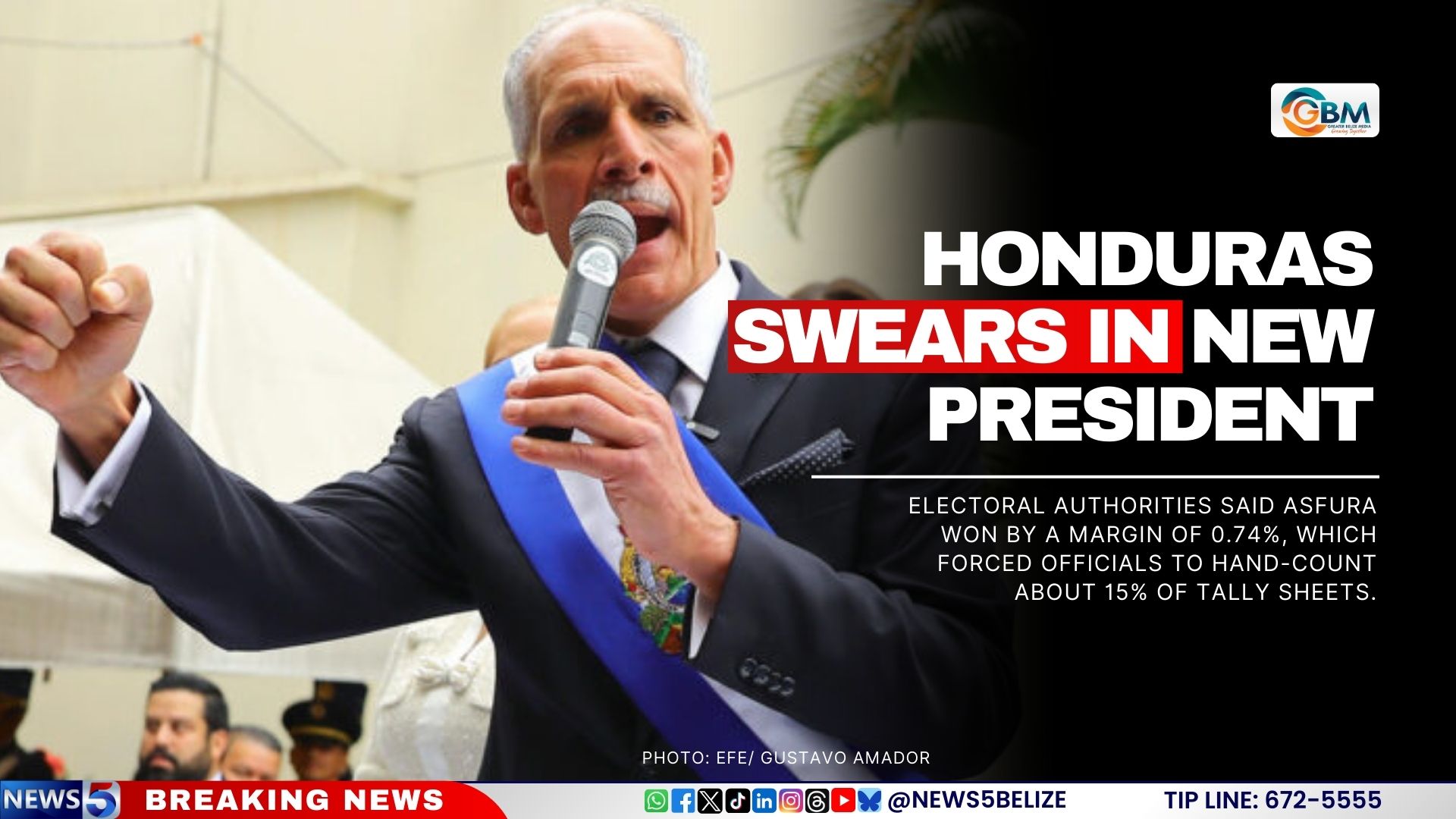
    Tegucigalpa witnessed the presidential inauguration of conservative business leader Nasry “Tito” Asfura on January 27, 2026, following one of Honduras’ most contentious electoral processes. The 67-year-old politician assumed power after securing a razor-thin victory in the November 2025 elections, which required extensive manual vote recounts due to the narrow margin.

    The electoral authorities confirmed Asfura captured just over 40% of the popular vote, narrowly defeating right-leaning centrist candidate Salvador Nasralla who obtained slightly under 39%. Rixi Moncada, representing the ruling Libre party, finished a distant third with approximately 19% support. The official results showed a winning margin of merely 0.74%, triggering a manual recount of approximately 15% of all tally sheets to verify the outcome.

    This political transition carries significant geopolitical implications as Asfura’s victory strengthens United States influence in Latin America. Then-US President Donald Trump openly endorsed Asfura during the campaign, warning Honduran voters of potential “catastrophic results” should his preferred candidate fail. In a controversial pre-election move, Trump granted clemency to former Honduran president Juan Orlando Hernández—a member of Asfura’s political party—who was serving a 45-year narcotics trafficking sentence in the United States for facilitating the smuggling of 400 tons of cocaine.

    US Secretary of State Marco Rubio formally congratulated Asfura on his electoral success, expressing Washington’s anticipation of collaborative governance with the new administration. The inauguration ceremony at the Congressional building in Tegucigalpa marks the beginning of Asfura’s four-year presidential term amidst both domestic scrutiny and international observation.

  • Lobster and Lambie Festival launched in Carriacou

    Lobster and Lambie Festival launched in Carriacou

    Carriacou and Petite Martinique witnessed the inauguration of a landmark culinary event on January 16, 2026, as the Grenada Tourism Authority (GTA) unveiled the Lobster and Lambie Festival. This strategic initiative aims to transform the islands’ tourism landscape by celebrating their unique gastronomic heritage and cultural identity while stimulating economic growth.

    At the opening ceremony held at Windward Fish Market, GTA CEO Stacey Liburd articulated the vision for establishing this festival as a signature experience that resonates with both residents and international visitors. “Today’s travelers increasingly seek authentic, place-based experiences that facilitate genuine connections with destinations,” Liburd emphasized. “We are deliberate about developing tourism that is authentic, community-rooted and economically meaningful for Carriacou and Petite Martinique.”

    The festival received strong governmental endorsement with Minister for Carriacou and Petite Martinique Affairs Tevin Andrews welcoming the addition to the islands’ expanding event calendar. While acknowledging Carriacou’s established reputation as a festival hub through events like the Regatta and Maroon Festival, Andrews addressed critical infrastructure challenges: “Room stock remains a major concern. Thanks to this initiative, we’ve reached full occupancy. We’re collaborating with three hotels, including True Blue Bay Resort which will begin constructing a 30-plus room boutique hotel at L’Esterre Bay in September.”

    Tourism Minister Adrian Thomas pledged full governmental support for the festival’s development, characterizing it as “the beginning of a new chapter” that could elevate the international profile of the sister islands. “This festival sends a powerful message: visitors don’t simply come to beautiful islands—they enter a living culture, taste generational stories, and meet people who take pride in their heritage,” Thomas stated, noting the event’s alignment with national goals for inclusive, locally-driven sustainable tourism.

    GTA Marketing Director Tornia Charles highlighted the dual focus on tourism development and economic impact: “This event aims to increase visitor arrivals while promoting cultural traditions, culinary skills, and musical heritage. It strategically strengthens Carriacou and Petite Martinique’s brand identity as a premier seafood destination.”

    The three-day celebration featured dedicated activities on Petite Martinique, incorporating culinary showcases, musical performances, and traditional games that collectively created a vibrant tapestry of community, culture, and cuisine.