博客

  • St. John’s is experiencing urban decay, minister says

    St. John’s is experiencing urban decay, minister says

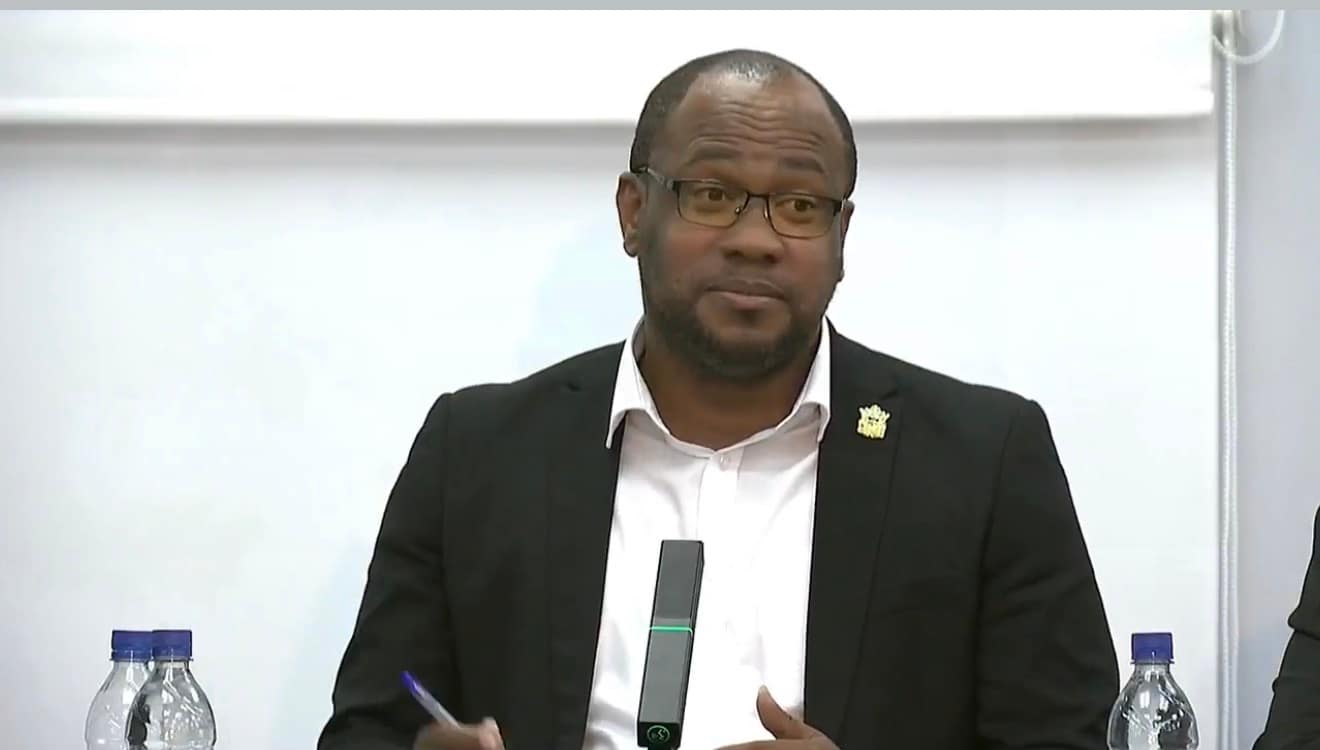
    The Newfoundland and Labrador government has issued a stark warning regarding the deteriorating urban landscape in St. John’s, identifying it as a critical public safety issue. Social and Urban Transformation Minister Rawdon Turner has brought urgent attention to the proliferation of derelict and decaying structures throughout the city, highlighting their potential danger to the community.

    During a public consultation focused on the city’s future development, Minister Turner emphasized that these abandoned properties, particularly those in proximity to educational institutions, present tangible hazards. The risks extend to pedestrians, students commuting to and from school, and local businesses operating in affected areas. The structural instability of these buildings, coupled with potential fire hazards and unauthorized access, creates an environment ripe for accidents and criminal activity.

    The minister’s remarks signal a growing governmental concern over urban blight and its cascading effects on community well-being and economic vitality. This public declaration is seen as a pivotal step toward formulating comprehensive strategies for urban renewal and revitalization. The consultation process aims to gather community input and develop actionable plans to address the structural decay, potentially through increased regulatory measures, incentives for property owners, or targeted redevelopment initiatives to transform these hazardous sites into safe, productive spaces for the city’s residents.

  • ‘We Will Waive All Duties’: Government Offers Tax Concessions to Revive St. John’s

    ‘We Will Waive All Duties’: Government Offers Tax Concessions to Revive St. John’s

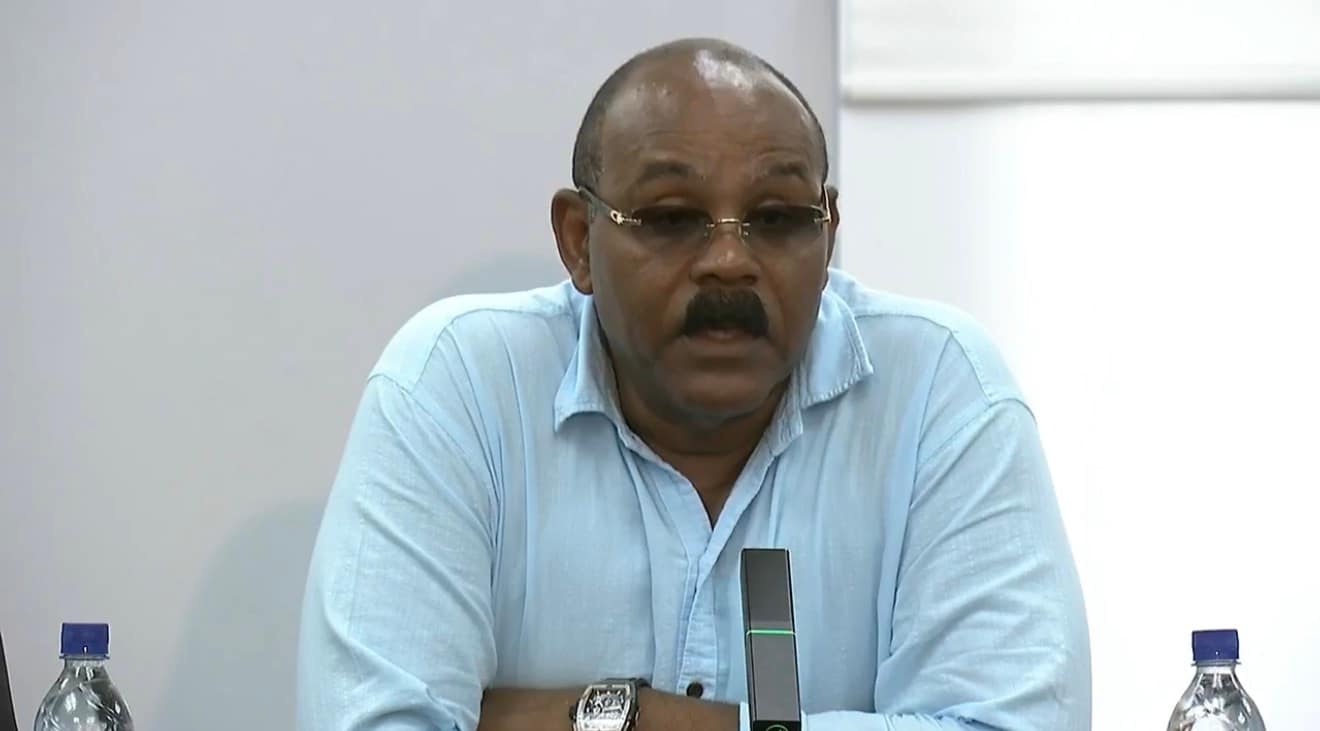
    The administration of Prime Minister Gaston Browne has unveiled a significant fiscal incentive program aimed at addressing the deteriorating building conditions in the capital city of St. John’s. In a strategic move to encourage voluntary property upgrades, the government will eliminate all import duties and taxes on essential building materials and renovation systems required for structural improvements.

    This proactive approach represents the first phase of a comprehensive urban renewal strategy, offering financial relief to property owners who undertake voluntary renovations. Prime Minister Browne emphasized that these tax-free concessions are designed to stimulate private investment in property maintenance before considering regulatory enforcement measures.

    The initiative specifically targets the restoration of buildings within St. John’s that have fallen into disrepair, creating both aesthetic and potential safety concerns. While the program initially relies on voluntary participation, the government has indicated it may implement compulsory measures for property owners who decline to undertake necessary improvements despite the financial incentives provided.

    This dual approach of economic encouragement followed by potential enforcement demonstrates the administration’s commitment to urban revitalization while balancing property rights with public safety concerns. The policy reflects a growing recognition among Caribbean governments that proactive maintenance strategies are crucial for preserving architectural heritage and ensuring urban sustainability.

  • Works Minister Announces Total Overhaul of St. John’s Drains and Roads

    Works Minister Announces Total Overhaul of St. John’s Drains and Roads

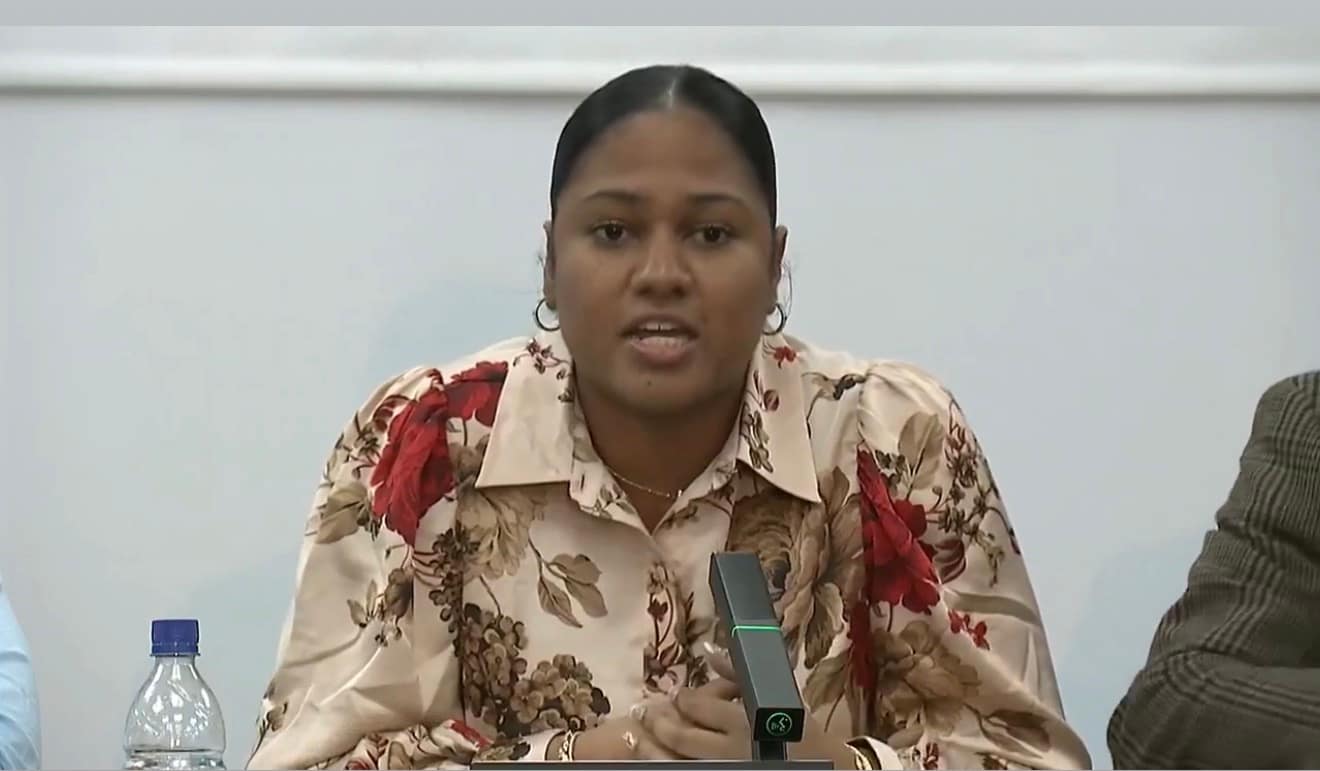
    The Antiguan government has unveiled ambitious plans for a complete reconstruction of St. John’s drainage and road networks, signaling a fundamental shift from temporary repairs to comprehensive infrastructure renewal. Works Minister Maria Browne announced that the decades-old systems require complete rebuilding rather than partial fixes, emphasizing that the deteriorated underground infrastructure must be fully replaced before any meaningful road resurfacing can take place.

    Minister Browne explained that the current approach of temporary repairs has proven ineffective in addressing the city’s chronic drainage and road problems. The new strategy involves coordinated replacement of underground piping systems alongside drainage reconstruction, ensuring that future road surfaces will have lasting durability. This integrated approach recognizes that surface-level improvements alone cannot resolve the underlying infrastructure deficiencies that have plagued the capital city for years.

    The comprehensive overhaul represents a significant infrastructure investment that will address systemic issues dating back several decades. The government’s commitment to complete reconstruction rather than piecemeal repairs demonstrates a long-term vision for urban infrastructure resilience, acknowledging that only through fundamental rebuilding can sustainable solutions be achieved for St. John’s transportation and drainage challenges.

  • QR-Code Parking Payments Proposed for St. John’s Parking problems

    QR-Code Parking Payments Proposed for St. John’s Parking problems

    St. John’s is poised for a technological transformation of its parking infrastructure as the government advances plans to implement a QR code-based payment system. Tourism and Transportation Minister Charles Max Fernandez has revealed that the innovative approach forms part of broader reforms designed to optimize traffic management and enhance parking efficiency throughout the urban center.

    The proposed system would enable drivers to utilize smartphone technology to scan QR codes at parking zones, facilitating instantaneous digital payments without physical cash or traditional meters. This modernization initiative aims to address longstanding congestion challenges while providing residents and visitors with a more streamlined parking experience.

    Minister Fernandez emphasized that the QR code integration represents a significant step toward smart city development, aligning St. John’s with other progressive municipalities adopting digital solutions for urban mobility. The technology promises real-time monitoring capabilities that could allow transportation authorities to dynamically adjust parking availability based on demand patterns.

    While implementation details and timelines remain under consideration, the proposal has generated considerable discussion among urban planners and technology advocates. The government is expected to conduct feasibility studies and stakeholder consultations before formalizing the modernization plan, ensuring the system meets both technological standards and public needs.

  • Dominican Republic most awarded country at 2025 Ibero-American Quality Awards

    Dominican Republic most awarded country at 2025 Ibero-American Quality Awards

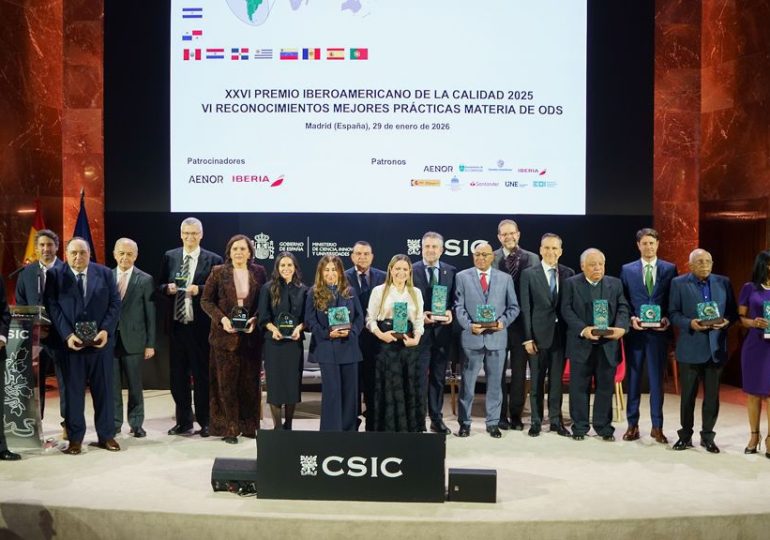
    In an unprecedented display of institutional excellence, the Dominican Republic emerged as the standout performer at the 2025 Ibero-American Quality Awards ceremony held in Madrid, securing an impressive collection of four Gold awards and one Silver recognition. This remarkable achievement positions the Caribbean nation as the most decorated country at this year’s prestigious international event.

    The award recipients showcase the breadth of Dominican excellence across multiple sectors. In the public domain, Gold distinctions were bestowed upon the General Directorate of Government Accounting (Digecog), the Dr. Hugo Mendoza Pediatric Hospital, and the Cometas de Esperanza Educational Center. The private sector contributed significantly to this success, with La Vega Real Cooperative capturing Gold honors while the Technological Institute of Santo Domingo (INTEC) received Silver recognition in the category of Best Practices aligned with the Sustainable Development Goals.

    This year’s ceremony witnessed several historic milestones for Dominican institutions. The Dr. Hugo Mendoza Pediatric Hospital achieved the extraordinary ‘Gold Trajectory’ distinction, becoming the first Dominican organization to receive this honor after securing Gold category wins for three consecutive years. Simultaneously, the Cometas de Esperanza Educational Center reinforced its leadership in educational innovation by claiming Gold for the second time.

    The 2025 awards mark a significant breakthrough for the Dominican public sector, representing the first time the nation has captured three Gold awards in this category at the Ibero-American level. Since the program’s inception in 2010, a total of 16 Dominican public institutions have earned PIC recognition. Notably, under the current administration of President Luis Abinader since 2020, the country has maintained an unbroken streak of winning at least one Gold award in every edition of the competition.

    The Ibero-American Quality Award, often referred to as the ‘Award of Awards,’ stands as one of Latin America’s most prestigious institutional recognitions. The program grants international credibility while promoting excellence, innovation, and continuous improvement in both public and private management. Participation is exclusively limited to institutions that have previously won their respective national quality awards, ensuring that only the most exceptional organizations compete for these honors.

  • Judge declares inadmissible expert request against Jet Set owners

    Judge declares inadmissible expert request against Jet Set owners

    SANTO DOMINGO – In a significant procedural ruling, Judge Raymundo Mejía of the First Court of Instruction of the National District has dismissed a defense motion seeking a counter technical expert report in the ongoing case against Jet Set nightclub proprietors Antonio Espaillat and Maribel Espaillat. The court’s decision, rendered this Friday, was based exclusively on the motion’s failure to comply with statutory filing deadlines, rendering it procedurally invalid without any examination of its substantive merits.

    The ruling aligns with a prior submission from the Public Ministry, which argued that the motion was time-barred. This position was further reinforced by the fact that the Third Court of Instruction, the judicial body with primary jurisdiction over the proceedings, had previously declined an identical request. Defense counsel Plutarco Jáquez acknowledged the court’s decision, clarifying that the rejection was not a reflection on the motion’s content but rather a strict adherence to procedural timelines. He emphasized that the request was inappropriate for the current stage of litigation, as it had been erroneously presented before a control judge instead of through the proper administrative channels.

    Despite this setback, Jáquez confirmed that the defense retains the right to petition for a new expert evaluation via the appropriate administrative process. This ruling underscores a fundamental principle within the Dominican Republic’s procedural legal framework: motions that fail to satisfy stringent legal, technical, or formal prerequisites are deemed inadmissible, thereby precluding any judicial consideration of their underlying arguments. The case continues to develop as it proceeds through the established legal process.

  • Dominican Republic to receive over 100 cruise ships in February 2026

    Dominican Republic to receive over 100 cruise ships in February 2026

    The Dominican Republic is positioning itself for an unprecedented maritime tourism event in February 2026, with projections indicating over 100 cruise ship arrivals at various national ports and anchorages. This remarkable scheduling feat, announced by the Dominican Port Authority (Apordom), will significantly bolster the nation’s standing as a premier Caribbean cruise destination.

    Puerto Plata emerges as the dominant hub in this maritime influx, substantially outpacing other key ports including La Romana, Samaná, and Cabo Rojo. This concentration solidifies the northern region’s status as the primary maritime tourism gateway. The extensive roster features vessels from globally recognized cruise operators such as MSC Cruises, Royal Caribbean, Norwegian Cruise Line, Carnival, Celebrity Cruises, Costa, and Virgin Voyages.

    The convergence of these cruise lines is anticipated to deliver tens of thousands of international visitors, generating substantial economic benefits through enhanced local commerce, excursion bookings, and tourism service utilization. Jean Luis Rodríguez, Executive Director of Apordom, underscored the profound economic and social implications of this tourism surge. He identified February 3-24 as the peak period, with daily arrivals expected to reach five or six ships simultaneously.

    Rodríguez contextualized this event within the Caribbean’s traditional high season for cruise tourism, which spans November through April. He attributed this exceptional turnout to the Dominican Republic’s strategic investments in modern port infrastructure, robust security protocols, superior connectivity, and a diverse array of tourist attractions, collectively confirming its evolution into a regional cruise powerhouse.

  • Gajadien: VHP kiest nu voor CCJ als derde instantie, niet voor eigen Hoge Raad

    Gajadien: VHP kiest nu voor CCJ als derde instantie, niet voor eigen Hoge Raad

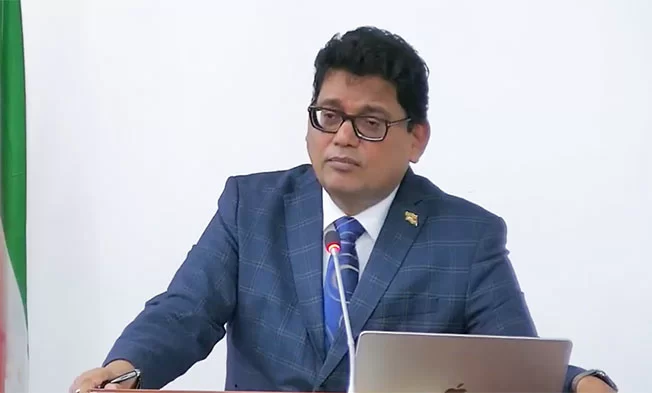
    In a significant parliamentary address on Thursday, VHP faction leader Asis Gajadien articulated his party’s firm position regarding Suriname’s judicial modernization efforts. The VHP has decisively rejected the immediate establishment of a national Supreme Court in favor of joining the Caribbean Court of Justice (CCJ) as the country’s third judicial instance.

    Gajadien, who serves on the committee of rapporteurs, emphasized that Suriname must prioritize strengthening the foundational elements of its judicial system before considering top-tier institutional expansions. He revealed that the CCJ has expressed willingness to establish a dedicated Suriname chamber, which would provide high-quality cassation jurisdiction without imposing substantial institutional risks or financial burdens.

    The debate emerged during parliamentary discussions concerning initiative laws and constitutional amendments aimed at modernizing Suriname’s judiciary. Gajadien characterized the decision as touching the core of constitutional governance, noting that choices made now would impact citizen confidence, investor security, and legal certainty for decades.

    Financial and infrastructural concerns formed a central part of Gajadien’s argument. While acknowledging the theoretical value of cassation jurisprudence for legal development and certainty, he warned that a national Supreme Court would entail enormous structural costs. These would include not only specialized judges but also court clerks, legal researchers, support staff, facilities, and digital infrastructure. In Suriname’s relatively small legal system, such an institution could dangerously divert scarce expertise from first and second instance courts.

    The VHP leader highlighted the CCJ’s existing advantages, including experienced judges, modern procedures, and strong institutional embedding. The proposed Suriname chamber would be specifically tailored to the country’s legal system, enabling immediate cassation capabilities without lengthy development phases or additional pressure on national judicial resources.

    Gajadien identified the most pressing challenge as lying not at the top but at the base of Suriname’s judicial system. He referenced persistent capacity problems and the impending retirement of numerous judges within the foreseeable future. Until Suriname meets international standards for judicial capacity at fundamental levels, the VHP considers it irresponsible to add new layers at the system’s apex.

    Additionally, Gajadien opposed proposals to replace the single Attorney General with a College of Prosecutors-General. He argued that prosecution policy requires clear ultimate responsibility, which a single Attorney General provides through unambiguous authority lines, accountability, and democratic oversight. In small societies, collegiate leadership could instead create diffuse responsibility and increased vulnerability to politicization.

    The VHP advocates for a clear reform sequence: first strengthening and modernizing first and second instance courts, then conducting explicit debate about the CCJ’s role as third instance, and only later—if circumstances justify—reconsidering a national Supreme Court.

    The parliamentary discussion continues today after only two committee members spoke on Thursday.

  • Dave & Buster’s opens first location in the Dominican Republic and Latin America

    Dave & Buster’s opens first location in the Dominican Republic and Latin America

    Santo Domingo has become the epicenter of a significant development in the leisure and hospitality sector as Dave & Buster’s, the internationally acclaimed entertainment giant, has inaugurated its premier venue in Latin America. This strategic launch at BlueMall Santo Domingo represents not only the brand’s first foray outside North America but also establishes the Dominican Republic as a vanguard in the region’s entertainment industry.

    The inauguration ceremony, held on January 28, convened an exclusive gathering of over 450 distinguished guests comprising prominent business executives, media personalities, digital influencers, and strategic partners. This landmark event culminates from a collaborative partnership with Grupo Pais, a preeminent Caribbean franchise and commercial development operator, signaling a pivotal advancement in Dave & Buster’s global expansion framework.

    Occupying an impressive 3,200 square meters on the fourth level of BlueMall Santo Domingo, the state-of-the-art complex redefines entertainment experiences through its comprehensive offerings. The facility boasts an extensive arcade featuring more than 98 interactive games, regulation bowling lanes, exclusive private event spaces, a sophisticated sports viewing arena equipped with massive screens, and a contemporary restaurant-bar concept.

    Corporate representatives emphasized that this substantial investment directly addresses the escalating demand for innovative recreational experiences while simultaneously generating substantial employment opportunities. The project is projected to significantly enhance urban tourism metrics and fortify Santo Domingo’s standing as a dominant entertainment nexus within Latin America. With over 222 established locations throughout North America, Dave & Buster’s brings its renowned ‘Eat, Drink, Play & Watch’ philosophy—a synergistic blend of interactive entertainment, American culinary traditions, and vibrant social atmospheres—to the Caribbean market.

  • Dossier houtexport 14 – Column:Toen onrecht bijna een certificaat kreeg

    Dossier houtexport 14 – Column:Toen onrecht bijna een certificaat kreeg

    A troubling case of systematic timber export fraud has exposed dangerous vulnerabilities in Suriname’s governance systems, nearly receiving judicial legitimization before being overturned by the High Court. The scandal involves six timber exporters who illegally shipped wood to India without valid phytosanitary certificates over several years, including species prohibited for export to that market.

    The scheme operated with collaboration from officials within the Ministry of Agriculture, Livestock and Fisheries (LVV). Anand Ramkisoensing, then Director of Agricultural Research, Marketing and Processing, improperly signed certificates despite lacking authorization. The legitimate authority, Meglin Samuel, Head of Inspection, rightfully refused to participate in misrepresenting wood species on official documents—a critical moment highlighting the distinction between bureaucratic integrity and administrative misconduct.

    Ramkisoensing has since been removed from his position and faces criminal charges for deliberate misrepresentation of wood species on phytosanitary documents, constituting serious document fraud rather than mere administrative error.

    The case took a shocking turn on December 31, 2025, when Judge Robert Praag issued an injunction compelling the State to issue phytosanitary certificates to the six exporters, despite no official application existing for Indian exports. The timber had originally been fumigated by LVV for China. This ruling effectively forced the State to produce fraudulent documentation that masked reality rather than recording it.

    The Court of Justice rightly overturned this decision, establishing clearly that illegal and falsified activities cannot be justified regardless of economic interests involved. The court drew a definitive boundary: years of wrongdoing and fraud cannot receive judicial blessing, even temporarily.

    Because the injunction was immediately enforceable, the six exporters managed to sell their shipments in India using fraudulently obtained certificates, profiting from their deception while leaving the rule of law damaged. Despite the High Court’s correct intervention, the timber had already been sold in India as Mora wood while actually consisting of more valuable species.

    Adding to the concerning pattern, a seventh exporter (Jeva Trading NV) sought to benefit from the original ruling before its annulment, demonstrating how the initial judgment created a dangerous precedent that encouraged further violations.

    The case raises serious questions about the political responsibility of former LVV Minister Parmanand Sewdien, under whose watch these practices continued for years. While not necessarily indicating criminal guilt, it certainly suggests administrative accountability failures regarding how unauthorized signing could occur systematically and why earlier intervention didn’t occur when integrity was demonstrated by authorized officials.

    This case demands full transparency, administrative evaluation, and where justified by evidence, further criminal proceedings. The criminal investigation must address numerous unanswered questions surrounding this affair.

    The Court of Justice ultimately delivered the correct message: wrongdoing remains wrong even when profitable. However, this case serves as a stark warning about what occurs when fraud becomes policy and certificates become covers—threatening the credibility of the State both nationally and internationally.