博客

  • Antiguan race driver Jason Marsh hospitalised after crash in US Virgin Islands

    Antiguan race driver Jason Marsh hospitalised after crash in US Virgin Islands

    Professional motorsport competitor Jason Marsh, a native of English Harbour, is currently receiving critical medical care at a United States Virgin Islands healthcare facility following a severe racing incident. The collision occurred during a competitive event in St. Croix where Marsh was actively participating. Track officials confirmed the athlete sustained multiple traumatic injuries including complex fractures to his vertebral column and cervical region, with medical professionals reporting his condition remains serious but stable.

    The Cabinet of Antigua and Barbuda has received official notification regarding the incident. Government spokesperson Maurice Merchant issued an official statement conveying collective ministerial support for the injured athlete, extending heartfelt sympathies to Marsh’s immediate family members. The government representative further emphasized the administration’s commitment to facilitating comprehensive medical assistance and extended recovery resources, acknowledging the anticipated prolonged rehabilitation period facing the professional driver.


  • Limestone kiln launched to aid heritage restoration in Antigua and Barbuda

    Limestone kiln launched to aid heritage restoration in Antigua and Barbuda

    Antigua and Barbuda has inaugurated a newly constructed limestone kiln at the Harrison Centre, marking a significant advancement in the preservation of the nation’s architectural heritage. This facility will produce authentic lime mortar specifically designed for the restoration of historical structures throughout the dual-island nation.

    The project represents a collaborative effort between multiple entities, including Antigua and Barbuda’s Ministry of Education, the Culture, Youth and Sports Division, the National Parks Authority, and the UK-based Centre for the Study of the Legacies of British Slavery. This partnership aims to resurrect traditional construction methodologies that predate the widespread adoption of modern cement.

    Technical specifications reveal the kiln measures 48 inches square with a production capacity of approximately 10 feet of lime per firing cycle. The resulting lime mortar offers superior preservation qualities compared to contemporary cement, as it permits historical masonry to naturally regulate moisture through breathability—a critical factor in maintaining structural integrity over time.

    Beyond material production, the initiative serves as an educational platform for skill development. Officials emphasize the kiln’s role in training both students and craftsmen in specialized heritage techniques, including conservation, masonry, and restoration practices. This knowledge transfer addresses a critical gap in the local heritage sector, where the unavailability of appropriate materials has previously compelled restoration teams to compromise with modern alternatives.

    Project organizers highlighted during the launch ceremony that this facility not only bridges a technological void but also safeguards traditional knowledge while equipping the younger generation with valuable expertise in heritage conservation.

  • Bangladesh to open embassy in Guyana, eyes labour market

    Bangladesh to open embassy in Guyana, eyes labour market

    In a significant move to strengthen international ties and access emerging labor markets, the Bangladesh government has officially approved the establishment of a new diplomatic mission in Georgetown, Guyana. The decision was ratified during the weekly convening of the Council of Advisers, presided over by Chief Adviser Professor Muhammad Yunus at the Chief Adviser’s Office (CAO).

    The new mission, which will be staffed at the level of Charge d’Affaires or First Secretary, represents a strategic effort to deepen economic and manpower cooperation between the two nations. Significantly, the diplomatic outpost will be manned by personnel drawn from Bangladesh’s existing embassies and missions abroad, optimizing resource allocation.

    This diplomatic expansion is strategically timed to coincide with Guyana’s remarkable economic ascent. Currently ranking among the world’s fastest-growing economies, Guyana reported a staggering economic growth rate of nearly 50 percent last year. This explosive growth has catalyzed a rapid expansion of its labor market, creating a demand for foreign workers that Bangladesh aims to fulfill.

    Bangladeshi workers are already engaged in several large-scale infrastructure projects within Guyana, including potable water initiatives. Furthermore, foreign recruiters have previously advertised for Bangladeshi healthcare professionals, specifically nurses, to work in the country.

    The Guyanese government has publicly acknowledged a critical labor shortage, stating that its domestic workforce is insufficient to maintain the pace of its economic boom. However, the move has not been without controversy. The opposition party, A Partnership for National Unity (APNU), has alleged that the influx of Bangladeshi workers is politically motivated, suggesting they are being brought in to influence upcoming general and regional elections in favor of the ruling People’s Progressive Party Civic.

  • Secondary School Students Explore Local Chocolate Production in Antigua and Barbuda, sponsored by TicketPulse

    Secondary School Students Explore Local Chocolate Production in Antigua and Barbuda, sponsored by TicketPulse

    A cohort of secondary school students in Antigua and Barbuda recently gained exclusive insight into the nation’s burgeoning chocolate industry through an innovative educational initiative. Sponsored by the local enterprise TicketPulse, this program transported students beyond classroom walls to witness firsthand the complete bean-to-bar chocolate manufacturing process.

    The immersive experience began at local cacao farms, where agricultural specialists demonstrated cultivation techniques and sustainable harvesting methods. Students then visited production facilities to observe the intricate stages of fermentation, drying, roasting, and grinding that transform bitter cacao beans into premium chocolate products. Industry professionals provided detailed explanations of quality control measures and the economic significance of value-added processing for local agriculture.

    This industry-academia collaboration represents a strategic effort to stimulate student interest in agricultural science and food technology sectors. By exposing young learners to viable career paths within their homeland’s economy, the program simultaneously promotes STEM education and domestic economic development. The initiative also highlights how local businesses like TicketPulse can actively contribute to educational development and workforce preparation through corporate social responsibility programs.

    The excursion particularly emphasized the growing importance of import substitution industries and sustainable local manufacturing in small island developing states. Students engaged in practical workshops where they crafted their own chocolate creations while learning about the chemistry behind tempering and flavor development.

  • Hundreds attend St John’s redevelopment consultation

    Hundreds attend St John’s redevelopment consultation

    Antigua’s ambitious initiative to revitalize its capital city has generated substantial public interest, with hundreds of residents participating in a comprehensive consultation session regarding the proposed redevelopment of St John’s. The Wednesday evening gathering at the Sir St Luce Center attracted widespread engagement, with additional citizens following proceedings through digital streams and local television broadcasts.

    Prime Minister Gaston Browne expressed considerable encouragement regarding the participatory turnout, characterizing the public involvement as ‘exceptionally positive.’ He extended formal appreciation to both community stakeholders and residents for their substantive contributions, interpreting the robust attendance as indicative of broad support for the government’s urban renewal strategy for the capital.

    The consultation assembled key governmental figures including Attorney General Sir Steadroy Benjamin, Tourism Minister Charles Fernandez, Works Minister Maria Browne, and Urban Development Minister Rawdon Turner. The event also featured representation from multiple government agencies: APUA, the Development Control Authority, the Central Board of Health, the National Solid Waste Management Authority, St John’s Development Corporation, and Antigua Cruise Port.

    Prime Minister Browne reaffirmed the administration’s dedication to maintaining transparent dialogue throughout the redevelopment process. He committed to conducting additional public consultations once the master plan reaches its finalized form, emphasizing that stakeholder collaboration remains imperative during all phases of the urban transformation initiative.

  • Housing ‘one of the most corrupt institutions’ under ULP

    Housing ‘one of the most corrupt institutions’ under ULP

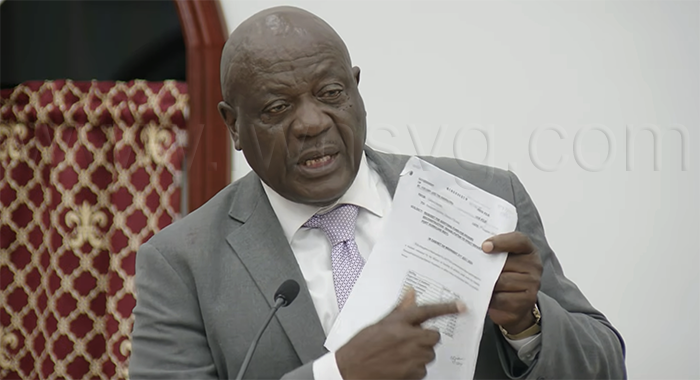
    In a fiery parliamentary address, St. Vincent and the Grenadines’ newly appointed Housing Minister Andrew John delivered a damning indictment of his predecessor’s administration, characterizing the housing ministry as “one of the most corrupt institutions” in the nation’s recent history. The allegations emerged during Thursday’s debate on the EC$1.886 billion fiscal package for 2026.

    Minister John, who secured his parliamentary seat in the November 27 elections that ousted the Unity Labour Party (ULP) government, presented compelling evidence of systematic mismanagement. He revealed significant discrepancies between officially reported housing repairs and actual on-ground assessments, stating that claimed repairs to 5,034 homes were entirely fictional upon physical inspection.

    The minister detailed how the previous administration allegedly utilized housing resources as “political footballs,” strategically positioning over $6 million worth of construction materials in key constituencies to manipulate electoral outcomes. These tactical depots were established across multiple regions including North Leeward, Central Leeward, and various Windward constituencies.

    The parliamentary session grew increasingly heated when opposition senator Carlos James challenged the current government’s fiscal priorities, particularly questioning the allocation of EC$2.1 million for prime ministerial vehicles and official residence repairs while temporary housing assessors faced layoffs. James presented documentation showing termination notices issued to workers involved in post-Hurricane Beryl reconstruction efforts.

    Minister John countered by producing a July 2024 Cabinet memo that established the temporary nature of these positions, emphasizing that his administration inherited expiring contracts rather than initiating dismissals. He contrasted this with the ULP government’s termination of over 500 workers during COVID-19 vaccine mandate implementations.

    The housing minister committed to presenting photographic evidence during the formal budget debate commencing February 9, promising visual documentation of the alleged mismanagement and unfinished projects that have left citizens in inadequate housing conditions across the nation.

  • Venezuela ondertekent oliewet terwijl VS sancties versoepelt

    Venezuela ondertekent oliewet terwijl VS sancties versoepelt

    In a significant policy shift, Venezuela’s acting President Delcy Rodriguez has signed into law legislation that opens the nationalized oil market to privatization measures. The move comes alongside the US Treasury Department’s announcement of eased sanctions on Venezuelan oil transactions, marking a coordinated effort to reshape the country’s energy sector.

    The newly enacted law grants private companies substantial control over production and sales operations within Venezuela’s oil industry. A key provision mandates that commercial disputes be resolved outside Venezuelan courts—a deliberate concession to international investors who have expressed concerns about the socialist party-dominated judicial system.

    Concurrently, the US Treasury Department has authorized certain transactions by the Venezuelan government and state oil company PDVSA when conducted through US entities for export and trade purposes. This sanctions relief represents a calculated effort to make Venezuela’s oil infrastructure more appealing to foreign capital despite ongoing political turbulence and economic instability under the Maduro government.

    The reforms follow increased pressure from Washington since the controversial detention of President Nicolás Maduro by US authorities in early January. The Trump administration has explicitly pushed for Venezuela to open its oil industry to foreign investment, with the former president and his allies asserting that Venezuelan oil “should belong to the US.”

    Rodriguez has hailed the legislation as economically beneficial, describing it as crucial for “the future of Venezuela and its people.” The law additionally caps government royalties at 30 percent—a provision specifically designed to attract international energy companies.

    These developments signal a historic transformation for Venezuela’s oil character, which has maintained strong state control since nationalization in the 1970s and intensified government management under Hugo Chavez. The United States now plays an active role in determining the conditions under which Venezuelan oil enters global markets, though critics have raised concerns about violations of Venezuelan sovereignty and questioned the legality of American intervention.

  • car park is under NAMCO’s control

    car park is under NAMCO’s control

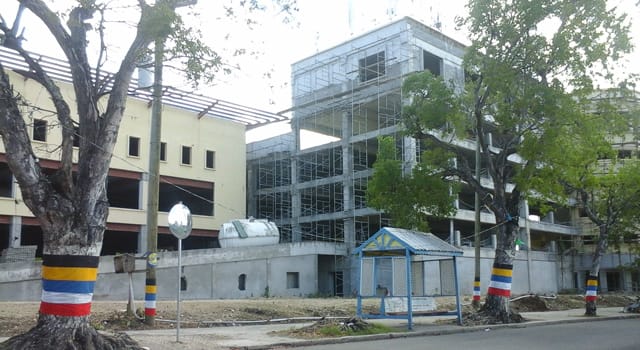
    The longstanding parking infrastructure project in St. John’s capital has received a definitive funding solution through the strategic disposal of government assets. Works Minister Maria Browne announced during a public consultation on urban infrastructure and accessibility that proceeds from the recently concluded sale of state-owned land at Shell Beach will be entirely allocated to finalize the city’s much-anticipated car park facility.

    The announcement came as a direct response to mounting public inquiries regarding the delayed completion of the parking structure, which has been in development planning for several years. Minister Browne’s clarification during the open forum provided transparent insight into the government’s fiscal strategy for public works projects, demonstrating how capital generated from asset liquidations can be directly reinvested into community infrastructure.

    This financial approach represents a pragmatic model of public fund management where non-essential government holdings are converted into tangible public benefits. The Shell Beach land transaction effectively creates a dedicated funding stream that eliminates further budgetary constraints on the parking project, ensuring its prompt completion without additional burden on taxpayers.

    The infrastructure consultation session, which covered broader topics of urban development and transportation access, highlighted the administration’s commitment to addressing practical mobility challenges in the capital city. Minister Browne’s specific response to the parking question provided attendees with concrete evidence of how the government is executing its infrastructure agenda through innovative financing mechanisms.

  • New Landlord and Tenant Act Planned to Replace Rent Restriction Law

    New Landlord and Tenant Act Planned to Replace Rent Restriction Law

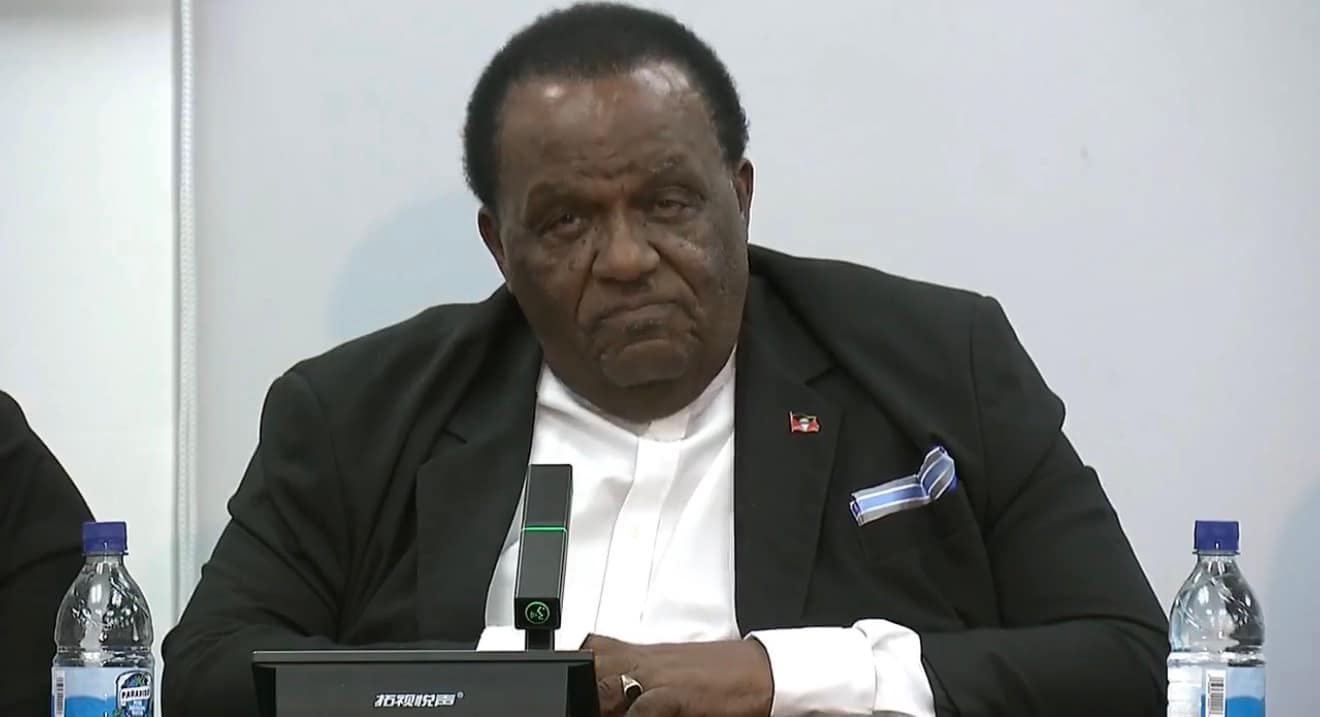
    The Government of Antigua and Barbuda has initiated a significant legislative reform in its property sector, with Attorney General Sir Steadroy Benjamin announcing the impending repeal of the longstanding Rent Restriction Act. This decisive action follows a recent public consultation in St. John’s, where property owners voiced substantial concerns regarding the current regulatory framework, which they deem antiquated and inadequate for the modern rental market.

    The Attorney General confirmed that the outdated act will be superseded by a comprehensive new Landlord and Tenant Act, designed to address contemporary challenges and foster a more balanced and equitable relationship between property owners and renters. This initiative is a cornerstone of the government’s broader strategy to improve housing standards and overall property conditions within the capital city. The move is expected to modernize the legal landscape, providing clearer guidelines and protections for all parties involved in the rental process, thereby stimulating investment and ensuring better maintenance of rental properties.

  • St. John’s is experiencing urban decay, minister says

    St. John’s is experiencing urban decay, minister says

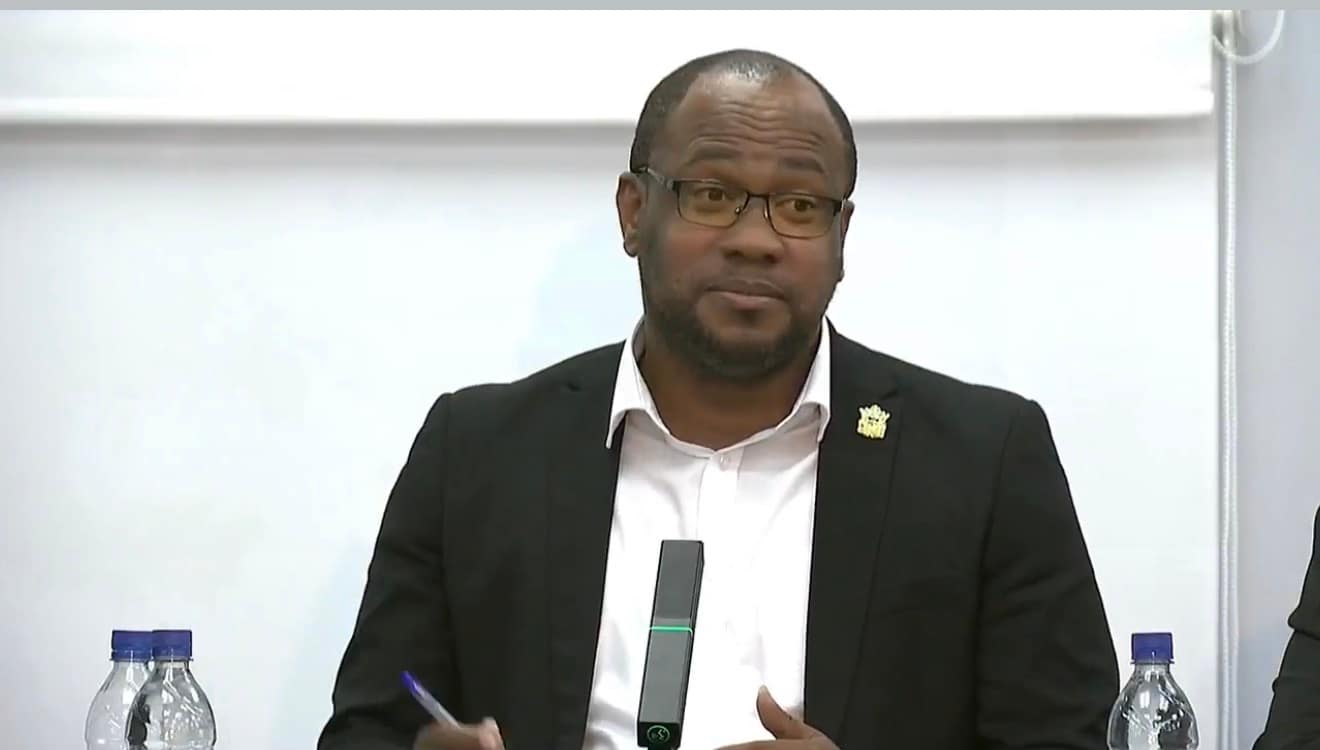
    The Newfoundland and Labrador government has issued a stark warning regarding the deteriorating urban landscape in St. John’s, identifying it as a critical public safety issue. Social and Urban Transformation Minister Rawdon Turner has brought urgent attention to the proliferation of derelict and decaying structures throughout the city, highlighting their potential danger to the community.

    During a public consultation focused on the city’s future development, Minister Turner emphasized that these abandoned properties, particularly those in proximity to educational institutions, present tangible hazards. The risks extend to pedestrians, students commuting to and from school, and local businesses operating in affected areas. The structural instability of these buildings, coupled with potential fire hazards and unauthorized access, creates an environment ripe for accidents and criminal activity.

    The minister’s remarks signal a growing governmental concern over urban blight and its cascading effects on community well-being and economic vitality. This public declaration is seen as a pivotal step toward formulating comprehensive strategies for urban renewal and revitalization. The consultation process aims to gather community input and develop actionable plans to address the structural decay, potentially through increased regulatory measures, incentives for property owners, or targeted redevelopment initiatives to transform these hazardous sites into safe, productive spaces for the city’s residents.