博客

  • West Indies ‘tick boxes’ in shortened T20 against South Africa

    West Indies ‘tick boxes’ in shortened T20 against South Africa

    JOHANNESBURG, South Africa — In a dramatic conclusion to their T20 International series, the West Indies cricket team clinched a hard-fought victory against South Africa at Johannesburg’s Wanderers Stadium on Saturday. The match, severely truncated by multiple weather interruptions, was ultimately decided by the Duckworth-Lewis-Stern method, with the visitors winning by a narrow margin of six runs.

    The contest was initially delayed by 75 minutes due to lightning threats, reducing the game to 16 overs per side. A subsequent stoppage further compressed the match into a frantic 10-over-per-side affair. Batting first under challenging stop-start conditions, the West Indies posted a competitive total of 114 for three, largely powered by a dynamic 86-run partnership between Captain Shai Hope (48) and Shimron Hetmyer (48 not out) from just 41 deliveries.

    Facing an adjusted target of 125, South Africa’s chase fell just short at 118 for six. The victory was secured through exceptional bowling performances from two players making their only series appearances. Left-arm spinner Gudakesh Motie delivered a match-winning performance of three for 17, earning him Player of the Match honors, while fast bowler Shamar Joseph applied crucial pressure in the final over, conceding only nine runs and taking the key wicket of big-hitting Jason Smith (26 off 10 balls).

    Captain Shai Hope expressed satisfaction with his team’s progress, noting the particular challenges of batting first in interrupted play. ‘I’m very happy with the strides we’re making,’ Hope stated. ‘It’s good to see Shimron batting well, and the bowlers are hitting their straps.’

    South African Captain Aiden Markram viewed the high-pressure scenario as valuable preparation, stating the match provided ‘a really good exercise for us’ with several players responding well under pressure. Despite the loss, Markram found ‘a lot of good signs’ after convincing victories in the first two matches, believing the team has ‘all bases covered.’

    The series conclusion marks the final preparation for both teams as they depart for India on Sunday to compete in the upcoming T20 World Cup.

  • Self-inflicted wounds hurting JCF, says Blake

    Self-inflicted wounds hurting JCF, says Blake

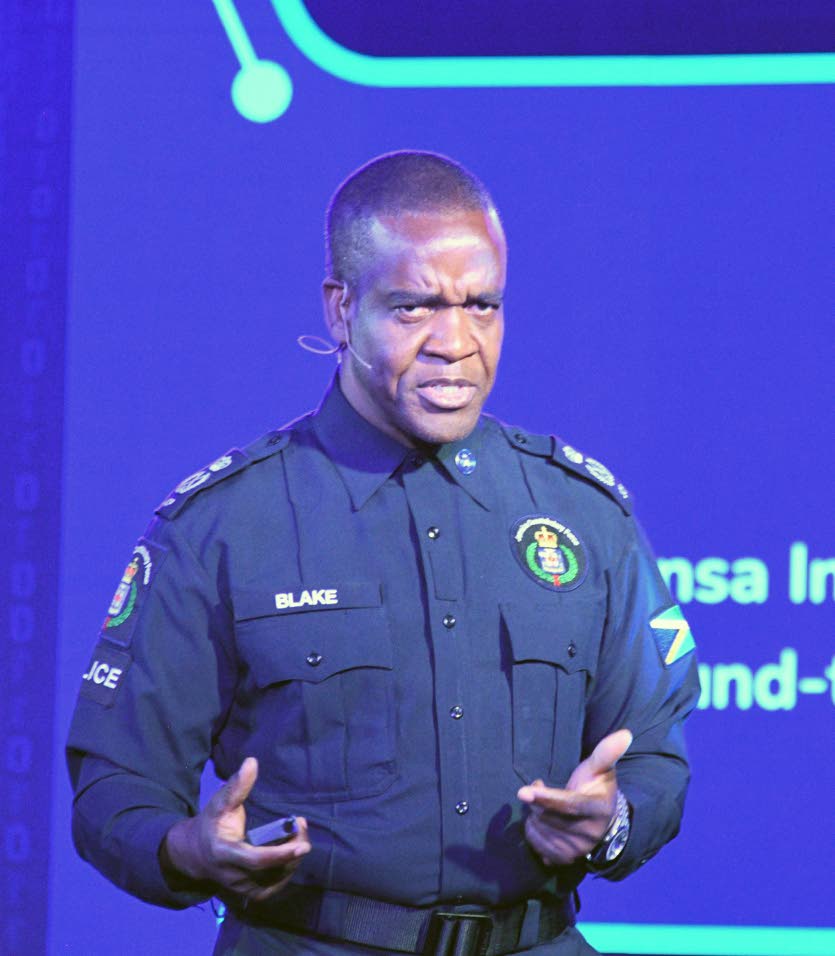
    Jamaica Constabulary Force (JCF) Commissioner Dr. Kevin Blake has issued a stern warning to officers that internal misconduct risks undermining the organization’s recent progress and eroding public trust. In his weekly Force Orders column, Blake identified self-inflicted challenges as the primary threat to police integrity, particularly referencing the ongoing leadership crisis within the Police Officers Association (POA).

    The commissioner’s comments follow criminal charges against POA Head Senior Superintendent Wayne Cameron, who faces five counts of fraudulent conversion and six counts of larceny as a servant for allegedly misappropriating association funds. This development occurs simultaneously with a legal battle concerning Cameron’s continued leadership of the organization.

    Blake acknowledged previously constrained ability to address the matter publicly but emphasized that maintaining silence was no longer tenable given the seriousness of the credibility issues. “I would have been negligent to knowingly allow this to continue because of the fear of backlash and disapproval,” Blake stated, highlighting the complex balance between public expectations, internal procedures, and leadership demands.

    The commissioner framed the situation as an organizational integrity crisis rather than merely individual misconduct, asserting that internal breaches pose greater danger to JCF’s advancement than external criticism. “These self-inflicted wounds provide the greatest risk of distraction and disappointment,” Blake wrote, noting they divert attention from ongoing operational and reform initiatives.

    Addressing criticism of his handling of the POA controversy, Blake established unequivocal standards for leadership within the force: “There is absolutely no place in representation for persons who lack integrity, discipline, credibility, and honesty.” He particularly criticized those seeking leadership roles for self-preservation rather than organizational interest, declaring such individuals “better off staying away from leadership positions.”

    Blake acknowledged his decisions sparked significant public debate and attribution of unpleasant motives but maintained that leadership requires making difficult decisions regardless of popularity. He concluded by urging JCF members to maintain discipline and focus, emphasizing that institutional credibility ultimately depends on individual conduct and that leadership should never serve as a platform for self-interest or grandstanding.

  • Boombastic 30 post-Grammy

    Boombastic 30 post-Grammy

    Three decades after his groundbreaking Grammy victory, reggae icon Shaggy revisits the creative journey behind his seminal album ‘Boombastic’ in a candid retrospective. The artist secured the Best Reggae Album honor at the 1996 Grammy Awards, cementing a career-defining year that saw him dominate international charts with multiple cross-Atlantic hits.

    The album’s revolutionary sound—featuring chart-toppers like the title track ‘Boombastic,’ ‘In the Summertime’ featuring Rayvon, and ‘Why You Treat Me So Bad’—defied contemporary dancehall conventions. In an exclusive interview with the Jamaica Observer, Shaggy revealed the creative fearlessness that propelled the project: “This was risky because the wave at that time in dancehall sounded nothing like what I was making. I liked the sound and knew the song was special.”

    Despite facing formidable competition from reggae legends including Burning Spear’s ‘Rasta Business’ and Ziggy Marley’s ‘Free Like We Want 2 B,’ Shaggy’s commercial momentum proved undeniable. The album achieved remarkable global penetration, peaking at #34 on Billboard 200, #37 in the UK, and attaining platinum certification in the US with gold status in four additional countries.

    The artist offered surprising perspective on the award’s practical impact: “It was just another accolade added to the brand. I didn’t think it really moved the needle financially nor opened any particular doors.” Rather than career transformation, Shaggy cherishes the creative spirit that defined that era: “Everything about creating music in those times was inspired by fun; it didn’t feel like work.”

    As the music industry prepares for the 2026 Grammy ceremonies, the legacy of ‘Boombastic’ continues to resonate. This year’s Best Reggae Album nominees include Lila Ike, Vybz Kartel, and Jesse Royal, representing the latest generation of artists building upon the foundations Shaggy helped solidify.

  • Record cracks forensic science code at CMU

    Record cracks forensic science code at CMU

    Jamaica’s higher education landscape witnessed a historic milestone last Wednesday as 22-year-old Jamaela Record became the Caribbean Maritime University’s inaugural graduate with a Bachelor of Science in Forensic Science. Her journey from childhood fascination with crime investigation television shows to becoming a national pioneer exemplifies dedication and transformative educational ambition.

    Introduced in 2021 to bolster Jamaica’s counter-terrorism capabilities and investigative prowess, the forensic science program employs rigorous scientific methodologies including DNA analysis, toxicology, and digital forensics within criminal investigations and legal contexts. Record discovered the program through online channels and immediately enrolled, recognizing the opportunity to convert her lifelong interest into professional practice.

    The academic path proved challenging as initial cohort numbers dwindled from approximately six students to just Record persevering through the four-year curriculum. She reframed these obstacles as investigative challenges, approaching each difficulty as evidence leading toward ultimate resolution rather than reasons for abandonment.

    Hailing from Clarendon, Record describes her pioneering achievement as blending pressure, pride, and profound purpose. Without upper-level students to provide guidance or existing models to follow, she developed self-reliance and disciplinary rigor while recognizing her responsibility to establish benchmarks for future candidates.

    Record acknowledged faculty advisors and lecturers as crucial supporters throughout her academic journey, alongside family encouragement and spiritual strength derived from her favorite biblical passage, Philippians 4:13. Her professional formation was further enhanced through an internship with the Jamaica Constabulary Force, providing hands-on experience with evidence handling and investigative procedures that emphasized the critical importance of integrity and confidentiality.

    The graduate emphasized forensic science’s unique position at the intersection of scientific inquiry, justice administration, and societal impact. She characterized the field as fundamentally concerned with uncovering truths through meticulous evidence examination, requiring both technical expertise and unwavering ethical commitment.

    Looking forward, Record aims to specialize in cyber forensics while contributing to public safety, national development, and law enforcement effectiveness. She encourages prospective students to embrace the program’s challenges, noting that forensic science transcends laboratory work to represent a deeper commitment to justice, accountability, and societal service through evidentiary storytelling.

  • Defence backfires?

    Defence backfires?

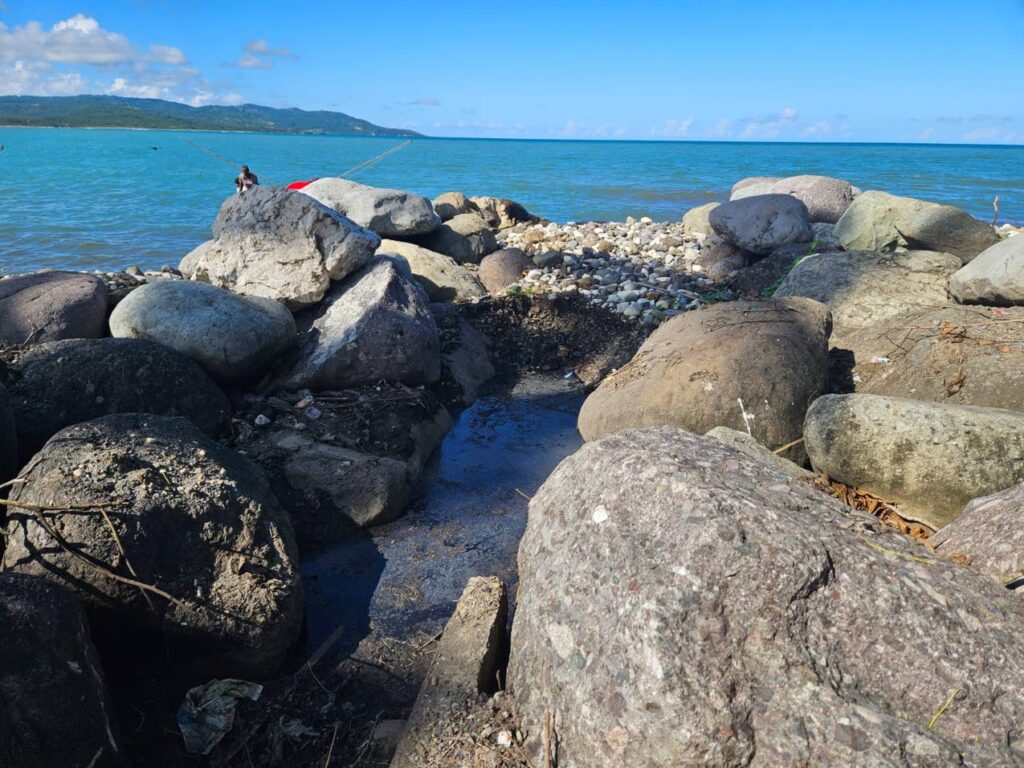
    A multimillion-dollar coastal protection initiative in Annotto Bay, Jamaica, designed to shield the shoreline from erosion and rising sea levels, is now facing criticism for allegedly exacerbating flooding issues during heavy rainfall events. The $244-million project, part of the Disaster Vulnerability Reduction Project, has come under scrutiny following significant flooding at the Annotto Bay Market last month.

    Local officials including Port Maria Mayor Fitzroy Wilson and Councillor Hugh Bryan have identified the placement of offshore groynes as a primary concern. These structures, intended to slow wave action and accumulate sand to prevent erosion, are believed to have disrupted natural water drainage patterns. Mayor Wilson explained that during periods of high sea activity, water pushed back through drainage systems, carrying sand that ultimately blocked critical outflow channels behind the market.

    The project, managed by the Planning Institute of Jamaica (PIOJ) with funding from a World Bank loan and implemented by the Jamaica Social Investment Fund, was designed to protect three coastal towns from climate change impacts. However, the Jamaica Social Investment Fund has stated the flooded area falls outside their project footprint.

    PIOJ Director General Wayne Henry acknowledged the longstanding flooding issues in Annotto Bay while clarifying that no groyne was placed behind the market by their contractors. He detailed that project engineers had actually created an improved drainage outfall through the revetment in May 2023 to address frequent blockages. Henry emphasized that this drainage channel requires regular maintenance to prevent debris and silt accumulation, noting that the high-water intersection point necessitates ongoing cleaning by relevant authorities.

    Local vendors provided firsthand accounts of the flooding, describing thigh-high water levels that transformed the market area into “a natural sea.” They advocated for drain widening and improved maintenance, expressing particular frustration given the market’s recent $19-million renovation that concluded in mid-2025. This renovation included infrastructure repairs, bathroom facilities, and commercial shop construction.

    Officials have recommended coordination between engineering authorities and the ongoing coastal project team, with Mayor Wilson suggesting future phases should extend further offshore to break waves before they approach the shoreline. Councillor Bryan additionally highlighted the need for attention to the Pencar River and dredging operations to comprehensively address the area’s flooding vulnerability.

  • When it rains…

    When it rains…

    In western Jamaica, the soothing patter of rainfall has transformed into a trigger for profound psychological trauma among schoolchildren. The memory of Hurricane Melissa’s devastating landfall on October 28, 2025, continues to haunt educational institutions, where students now respond to precipitation with screams, trembling, and paralyzing fear rather than playful excitement.

    Educational leaders from multiple institutions describe heartbreaking scenes during stormy weather. Principals Garfield James (Little London High School), Venesha Brown-Gordon (Salt Marsh Primary School), and Oraine Ebanks (Green Pond High School) report that their students exhibit severe trauma responses when rains begin. These schools number among five educational institutions selected as beneficiaries of the 2026 Sagicor Sigma Corporate Run, an initiative aiming to raise $150 million through a February 15th charity run to fund hurricane recovery efforts.

    The psychological impact extends beyond directly affected regions according to Kirk Morris, President of the Jamaica Association of Guidance Counsellors. He notes that students in eastern parishes—many exposed to harrowing social media footage—have also required professional psychological support, demonstrating the hurricane’s far-reaching emotional consequences.

    Official statistics from the Ministry of Education reveal extensive intervention efforts: over 50,000 students and 4,000 teachers in northwestern Jamaica have received psychosocial support through 2,086 counseling sessions. The ministry has additionally provided assistance to 167 regional staff members and more than 9,000 parents, creating a comprehensive support network for affected communities.

    At Green Pond High School, Principal Ebanks describes implementing flexible teaching approaches that allow for spontaneous counseling moments when trauma surfaces. The school’s damaged infrastructure—leaking classrooms and missing roofs—compounds the psychological challenges during rainfall. Educators actively work to maintain normalcy through extracurricular activities while acknowledging that heavy precipitation instantly triggers traumatic memories, particularly among students from severely impacted areas like Catherine Hall and Westgreen.

    Similar challenges confront Salt Marsh Primary School, where the institution’s proximity to a flood-prone gully intensifies student anxiety. Acting Principal Brown-Gordon recounts children as young as twelve trembling during storms while asking teachers whether Hurricane Melissa is returning.

    The psychological toll extends beyond students to encompass educators and parents. Little London High School reports cases of depression among students that exceed the guidance department’s capacity, highlighting the need for ongoing mental health support despite limited resources.

    Minister of Education Senator Dana Morris Dixon confirms the ministry operates a comprehensive psychosocial support program utilizing both virtual and in-person sessions. This effort has been bolstered by 36 private clinicians, psychiatric experts from The University Hospital of the West Indies, and support organizations including UNICEF, Children First, and the Ministry of Health and Wellness.

    While counselors across Jamaica continue providing support, educational leaders acknowledge that normalization will require sustained time and resources, with rainfall serving as a persistent reminder of the catastrophic hurricane that forever changed their students’ relationship with weather.

  • ‘FIT FOR PURPOSE?’

    ‘FIT FOR PURPOSE?’

    With the World Anti-Doping Agency (WADA) preparing to implement its revised World Anti-Doping Code effective January 1, 2027, significant apprehensions are surfacing regarding potential disproportionate impacts on athletes from developing nations. Despite incorporating athlete-centered enhancements—including more proportionate sanctions, improved contaminated substance protocols, reduced penalties for abuse substances, and strengthened safeguards for minors—the updated framework faces critical examination from Global South representatives.

    Dr. Emir Crowne, a Toronto-based Trinidadian sports attorney, has raised fundamental questions about whether the code adequately addresses the socioeconomic realities confronting athletes from developing regions. While acknowledging WADA’s retention of Michael Beloff, King’s Counsel, to assess the code’s alignment with human rights principles, Crowne highlights persistent structural concerns.

    The accessibility of the Court of Arbitration for Sport (CAS) remains a primary contention. Although the revised code expands appeal rights beyond elite international competitors, Crowne argues that systemic barriers remain formidable. ‘CAS positions itself as the supreme judicial body in sports,’ he noted, ‘without sufficient consideration for economic and geographic disparities.’ Despite available legal aid provisions, athletes must cover a 1,000 Swiss franc filing fee and secure specialized legal representation—requirements that effectively exclude many from equitable access to justice.

    Further complicating matters is the procedural complexity of CAS proceedings, which incorporate elements of Swiss law unfamiliar to common law-trained attorneys from Caribbean jurisdictions. This creates an additional layer of disadvantage for athletes and their legal advocates from these regions.

    Crowne also challenges the code’s decade-long statute of limitations for doping violations, which conflicts with Jamaica’s six-year limitation period for statutory breaches. This discrepancy raises unresolved questions about legal supremacy between international standards and national legislation.

    Despite these concerns, Jamaican authorities emphasize compliance. Jamaica Anti-Doping Commission (JADCO) Executive Director June Spence Jarrett confirmed that operational protocols would remain consistent, with updated national regulations being developed to align with WADA’s framework. Sport Minister Olivia Grange concurrently announced plans to amend local anti-doping legislation to reflect international standards.

    The ongoing dialogue underscores broader tensions in global sports governance between standardized enforcement and equitable application. While WADA’s reforms aim to modernize anti-doping efforts, without greater sensitivity to geopolitical and economic disparities, the system risks perpetuating the very inequalities it seeks to eliminate.

  • Antigua and Barbuda Congratulates Kia Kirwan on First Runner-Up Finish at Miss OECS 2026

    Antigua and Barbuda Congratulates Kia Kirwan on First Runner-Up Finish at Miss OECS 2026

    The twin-island nation of Antigua and Barbuda has extended its heartfelt congratulations to its national representative, Kia Kirwan, for her remarkable achievement as the first runner-up in the recently concluded Miss Organisation of Eastern Caribbean States (OECS) 2026 pageant. Kirwan’s impressive performance on the regional stage has been met with widespread national acclaim, highlighting her as a distinguished ambassador of Antiguan and Barbudan culture and beauty.

    The Miss OECS competition, a premier event showcasing the talent, intellect, and grace of young women from the Eastern Caribbean, saw Kirwan excel through multiple rigorous segments. Her articulate responses during the interview portion, creative presentation in national costume, and poised demeanor in the evening gown segment were particularly noted by the panel of judges and audiences alike. This prestigious placement signifies one of the highest accolades achieved by a contestant from Antigua and Barbuda in the history of the competition.

    Government officials, including the Prime Minister’s office, and the Ministry of Culture have publicly commended Kirwan for her dedication and for representing the nation with exceptional poise and intelligence. Local media outlets and community groups have been abuzz with pride, celebrating her success as a testament to the nation’s vibrant youth and rich cultural heritage. Kirwan’s achievement is viewed not merely as a personal victory but as a moment of collective national pride that enhances the country’s profile within the OECS regional bloc and beyond.

  • Former CDB president Dr Warren Smith has died

    Former CDB president Dr Warren Smith has died

    The Caribbean Development Bank (CDB) announced the passing of its fifth President, Dr. Warren Smith, on Friday, triggering an outpouring of tributes from the institution’s leadership and staff. Dr. Smith, a distinguished Jamaican economist, led the regional financial institution from May 2011 to April 2021 through a transformative decade marked by significant global and regional challenges.

    During his ten-year tenure, Dr. Smith navigated the institution through what the bank described as a period of profound global shocks, including two major international crises that substantially impacted Caribbean nations. Under his strategic guidance, CDB strengthened its position as a trusted development partner, successfully mobilizing resources to foster sustainable growth, build regional resilience, and drive socioeconomic transformation across Borrowing Member Countries.

    Dr. Smith’s leadership placed particular emphasis on climate resilience, disaster risk management, and pioneering development financing mechanisms. He championed the design of innovative financial instruments specifically tailored to help Caribbean states respond to and recover from natural disasters and external economic shocks.

    In recognition of his exceptional service to regional development, Dr. Smith received several honors, including Jamaica’s prestigious Order of Distinction (Commander Class), conferred during the nation’s 54th anniversary of Independence celebrations.

    Current CDB President Daniel Best remembered Dr. Smith as both a mentor and guide who “devoted his life’s work to the proposition that Caribbean people deserve strong, modern institutions that are fully on their side.” Best noted that Dr. Smith demanded excellence from his colleagues based on his profound belief in their collective responsibility to serve the Caribbean with integrity, rigor, and purpose.

    The CDB community described Dr. Smith as a thoughtful and principled leader whose decisions were consistently guided by an unwavering commitment to the people of the Caribbean. His legacy endures through the institution he helped strengthen, the professionals he mentored, and the development trajectory he helped establish for the region.

  • WATCH: St. Philip’s South Road Works Generating Optimism, Johnson Says

    WATCH: St. Philip’s South Road Works Generating Optimism, Johnson Says

    Infrastructure transformation is underway in St. Philip’s South as long-awaited road rehabilitation projects generate renewed optimism among local residents. Senator Kiz Johnson, speaking during an appearance on the Morning Pointe show, confirmed that substantial progress is being made on critical infrastructure upgrades throughout the constituency.

    The rehabilitation initiative, which includes comprehensive work along Collins Road, represents a significant milestone for communities that have anticipated these improvements for an extended period. Johnson emphasized that the visible construction activity has already begun to elevate public confidence despite the temporary disruptions typically associated with such projects.

    According to the Senator, the accelerated progress stems from effective collaboration between local representation and the Ministry of Works, with government support proving instrumental in advancing the infrastructure agenda. Johnson reported witnessing firsthand the positive impact of these developments while traveling through the affected areas, noting growing excitement among constituents as physical transformations take shape.

    These roadworks form part of a broader infrastructure enhancement strategy designed to improve mobility and living conditions within the rural constituency. The improvements will directly benefit residents in Freetown, Bethesda, Piccadilly, and surrounding areas, addressing long-standing transportation challenges while potentially stimulating economic activity through improved connectivity.