博客

  • 42 militairen bevorderd; uitvoering defensiebeleid

    42 militairen bevorderd; uitvoering defensiebeleid

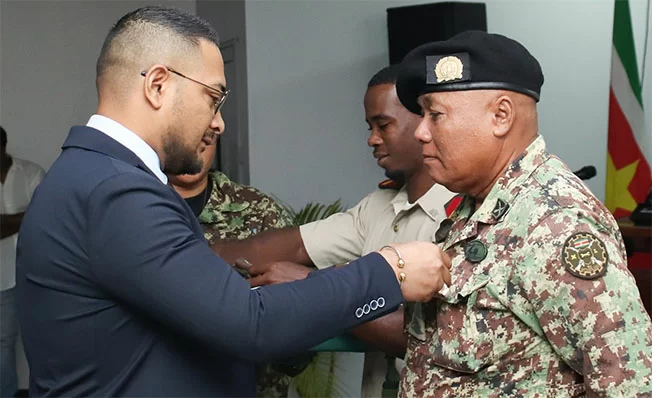
    In a significant move to strengthen national security infrastructure, Suriname’s Defense Ministry has elevated 42 military personnel to higher ranks during a formal ceremony presided over by Defense Minister Uraiqit Ramsaran. The February 2nd promotions represent a concrete implementation of the country’s 2026 defense policy focused on organizational reinforcement from within.

    Minister Ramsaran emphasized that these advancements serve dual purposes: recognizing individual dedication and discipline while demonstrating tangible execution of announced policy initiatives. The minister specifically highlighted the improvement of military legal status as a cornerstone of the ongoing modernization efforts, with additional promotions scheduled throughout the coming months.

    Army Commander Werner Kioe A Sen reinforced the gravity of these advancements, stating that rank elevation signifies increased responsibility rather than mere privilege. Many promoted personnel have served under challenging operational conditions, including deployments in remote interior regions and along national borders.

    Military leadership articulated that motivated and valued personnel form the foundation of a professional, reliable, and resilient defense force—essential components for maintaining Suriname’s national security and stability. The promotions align with broader strategic goals to enhance operational capacity through investment in human capital and institutional strengthening.

  • St. Lucia Bars Medical Studies in Cuba, PM Cites U.S. Pressure

    St. Lucia Bars Medical Studies in Cuba, PM Cites U.S. Pressure

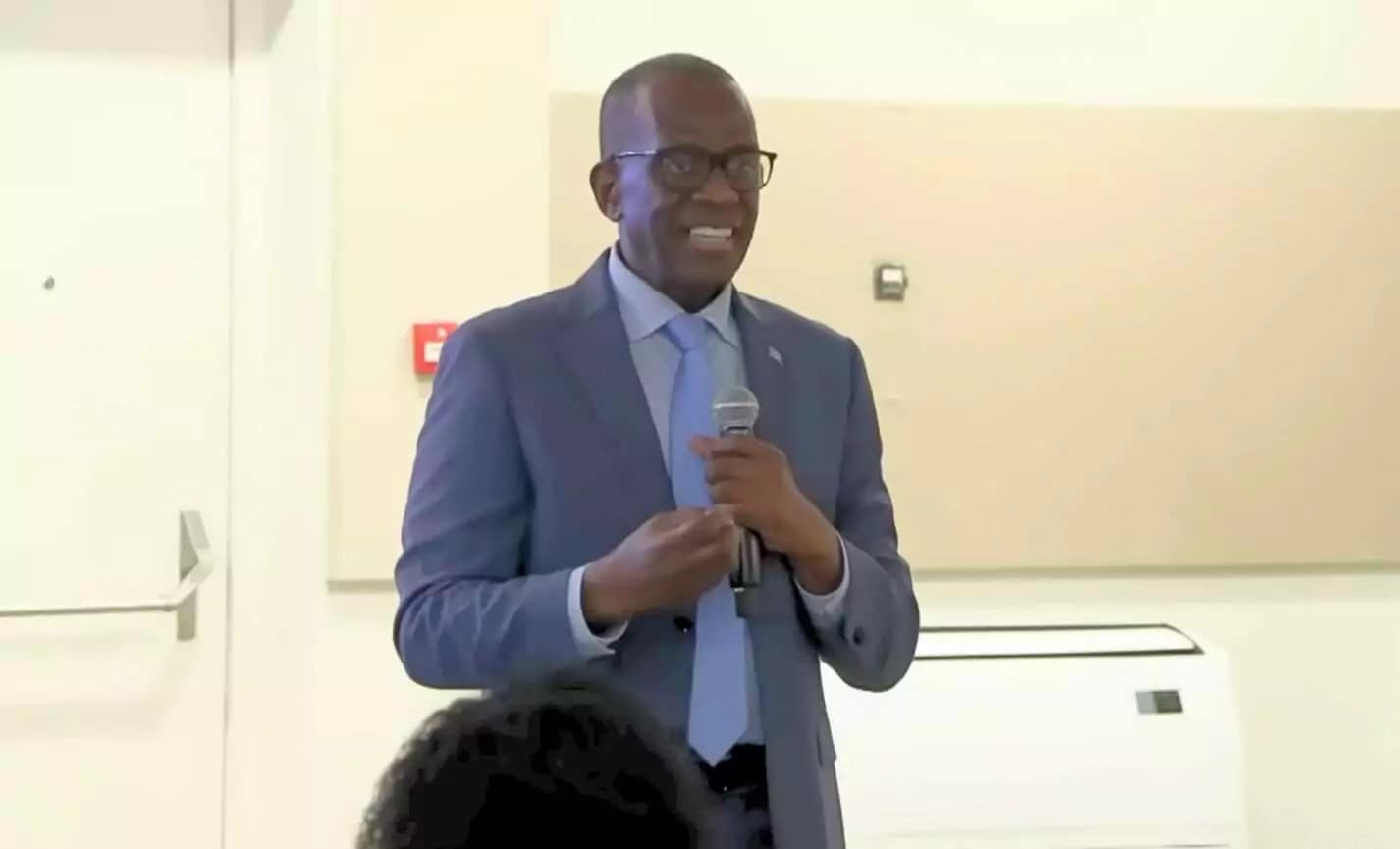
    In a significant policy reversal driven by geopolitical pressures, Saint Lucia’s Prime Minister Philip J. Pierre has announced the termination of the nation’s medical student program in Cuba. The decision, revealed during the Second World Congress on Racial and Ethnic Health Disparities, marks the end of a decades-long educational partnership that has trained numerous Caribbean physicians.

    Pierre characterized the move as “unprecedented but unavoidable” given current international relations, directly attributing the change to mounting diplomatic pressure from the United States. This development disrupts a longstanding regional arrangement that provided medical education opportunities for St. Lucian students through Cuban scholarship programs.

    The sudden policy shift has created substantial uncertainty for aspiring medical professionals and raised alarms about potential shortages in the future physician workforce. Prime Minister Pierre acknowledged the gravity of the decision while emphasizing the government’s constrained options in balancing educational needs against broader diplomatic and economic considerations.

    In response to the emerging crisis, Pierre issued an appeal to the St. Lucian diaspora—especially those in medical fields—to contribute through mentorship, financial investment, and professional support. Simultaneously, government officials are exploring alternative pathways including international medical school partnerships, enhanced regional cooperation, and strengthened domestic training capabilities.

    Healthcare administrators are urgently evaluating the potential consequences for hospital staffing and long-term service capacity, cautioning that delayed policy adaptations could exacerbate existing systemic strains. Government representatives have promised to unveil details regarding replacement programs and transitional measures for affected students within coming weeks.

  • Antigua and Barbuda Welcomes Ghanaian Health Workers in Healthcare Partnership

    Antigua and Barbuda Welcomes Ghanaian Health Workers in Healthcare Partnership

    In a significant move to fortify its national healthcare infrastructure, the Caribbean nation of Antigua and Barbuda has officially welcomed a contingent of more than 100 medical professionals from Ghana. The historic arrival marks a strategic partnership rooted in shared heritage and a common purpose to enhance public health services.

    The formal welcoming ceremony, held on Saturday evening, was attended by a high-level delegation including Governor General Sir Rodney Williams, senior health officials, and members of the diplomatic corps. Speakers at the event underscored the deep historical and cultural connections between Africa and the Caribbean, framing the collaboration as more than a simple workforce transfer.

    Sir Rodney Williams, himself a medical doctor, articulated the profound symbolism of the initiative. He characterized the arrival of the nurses and health workers as a powerful testament to international cooperation and a celebration of a common ancestry, noting that the partnership is fundamentally built upon a foundation of mutual respect and aligned objectives.

    From a operational standpoint, Health Minister Sir Molwyn Joseph outlined the strategic intent behind the deployment. The infusion of approximately 120 skilled professionals is a calculated effort to significantly boost the capacity and resilience of the nation’s hospitals and clinics, addressing critical gaps in the healthcare system.

    Looking beyond immediate healthcare needs, Minister Joseph revealed potential for a broader bilateral relationship, suggesting the collaboration with Ghana could expand into other strategic sectors such as education and trade. This sentiment was reinforced by Permanent Secretary Stacey Gregg-Paige, who personally assured the newly arrived professionals of the government’s full institutional support as they integrate into their new roles within the Antiguan and Barbudan health system.

  • Heftig interruptie debat hervorming OM: ‘Er is geen vertrouwen in de pg’

    Heftig interruptie debat hervorming OM: ‘Er is geen vertrouwen in de pg’

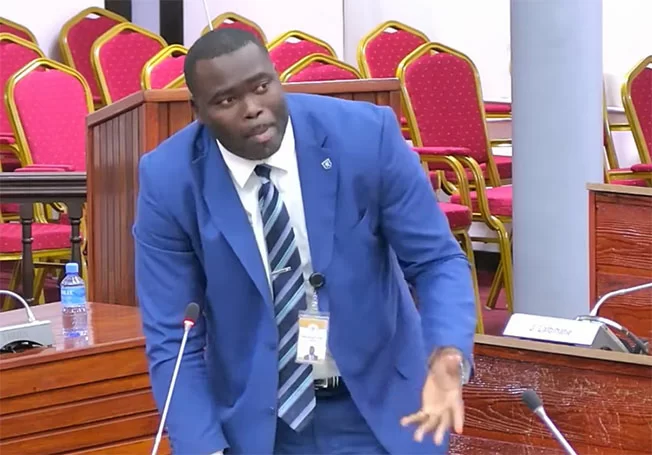
    A contentious parliamentary session in Suriname’s National Assembly has exposed deep divisions over proposed constitutional reforms affecting the judicial system and Office of the Attorney General. The debate, which unfolded during Friday’s session, revealed fundamental disagreements between governing and opposition parties regarding the future of Suriname’s legal framework.

    NDP Assembly Member Michael Marengo delivered the most striking criticism, declaring that Surinamese society has lost confidence in the current Attorney General and warning that the nation faces a profound “crisis of trust” in its judicial institutions. This blunt assessment set the tone for a heated exchange that crossed party lines.

    The core disagreement centers on two competing visions: the governing NDP faction advocates for establishing a domestic third judicial instance, while the opposition VHP party supports joining the Caribbean Court of Justice (CCJ). NDP Member Ann Sadi expressed concerns that CCJ membership would primarily benefit wealthy Surinamese citizens due to high costs and accessibility barriers, creating a two-tier justice system.

    VHP representative Krishna Mathoera pressed for concrete details about the proposed College of Attorneys General, questioning how many members it would contain, what safeguards would prevent political influence, and how the organization would function practically. Meanwhile, NDP members Jennifer Vreedzaam and Tashana Lösche argued that systemic reform is necessary to strengthen institutions rather than target individuals, suggesting that a distributed responsibility model could reduce vulnerability to pressure and selective enforcement.

    The most vehement opposition came from VHP Assembly Member Mahinder Jogi, who characterized the proposed college as a form of “political interference” that would increase pressure on the Office of the Attorney General. Jogi asserted the concept was unsuitable for Suriname’s context and would ultimately prove unworkable.

    In response to the emotional debate, initiator Raymond Sapoen (NDP) emphasized that constitutional amendments require pragmatic rather than emotional approaches. He clarified that the reform seeks to modernize an outdated system centered on a single Attorney General—a model he described as “no longer of this time”—while explicitly denying any personal targeting of current officeholders. Sapoen indicated that specific operational details would be established through subsequent legislation, with the current focus being on creating constitutional flexibility for future restructuring.

  • PM Urges Businesses, Banks in particular to do more to help the community

    PM Urges Businesses, Banks in particular to do more to help the community

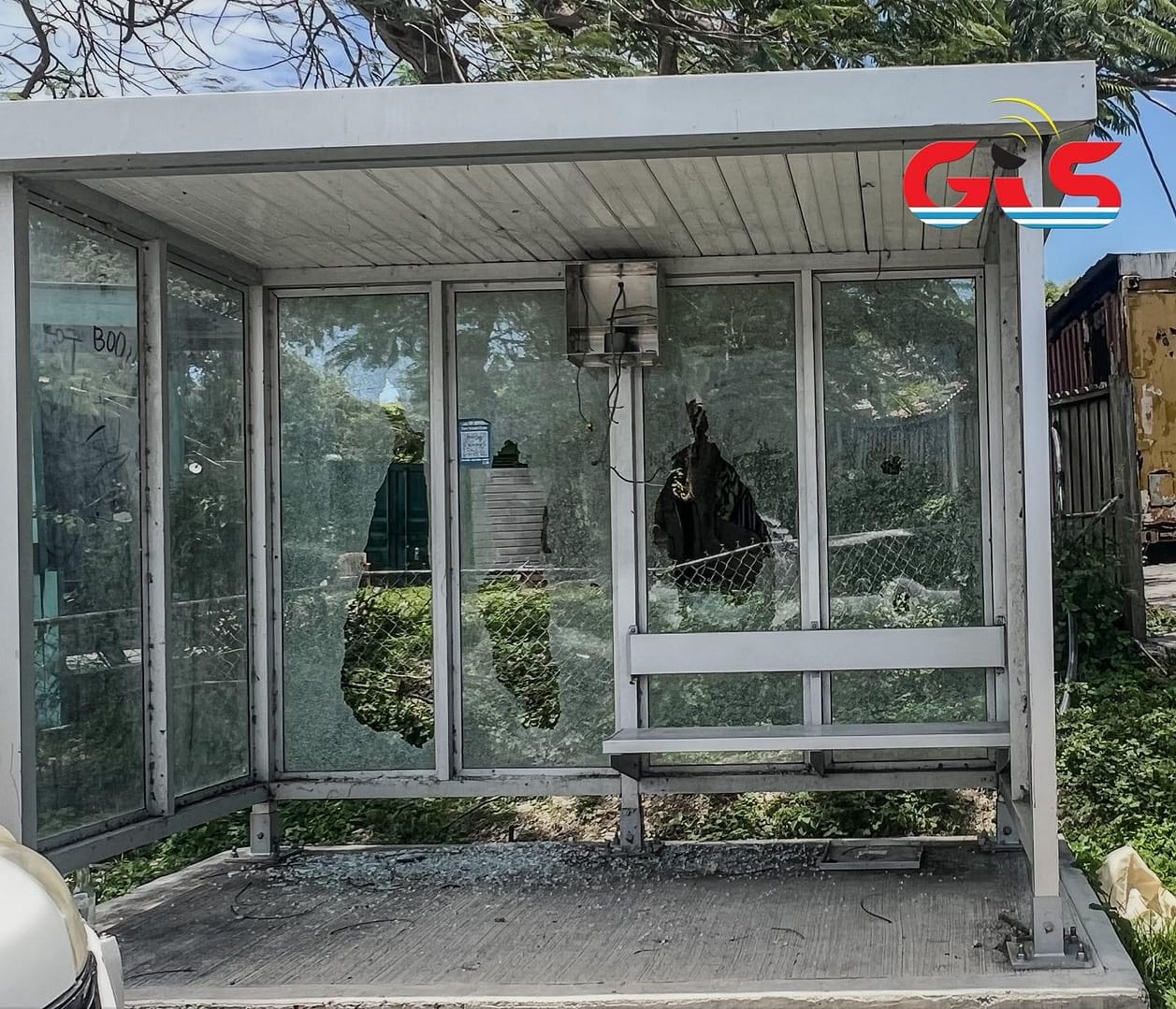
    Prime Minister Gaston Browne has issued a compelling appeal to private enterprises across the nation, urging them to assume greater responsibility for the upkeep and maintenance of public infrastructure adjacent to their commercial properties. During a recent public address, the Prime Minister specifically highlighted the potential adoption of bus shelters as a tangible demonstration of corporate social responsibility.

    This initiative represents a strategic shift toward public-private partnerships in urban maintenance, positioning business entities as active stakeholders in community development. Browne emphasized that well-maintained public spaces not only enhance civic pride but also contribute significantly to the overall business environment and customer experience.

    ‘The private sector must recognize its vested interest in maintaining the public realm,’ Browne stated during his speech. ‘Businesses benefit directly from improved public infrastructure through increased foot traffic and enhanced accessibility.’

    The government’s proposal suggests that companies could ‘adopt’ nearby bus shelters through sponsorship programs that would cover maintenance costs while providing businesses with recognition opportunities. This approach mirrors successful models implemented in other Commonwealth nations where private sector involvement has substantially improved public amenities.

    Business leaders have responded with cautious optimism, acknowledging the potential benefits while seeking clarification on liability frameworks and potential tax incentives. The Prime Minister’s office has indicated that detailed guidelines for the adoption program will be released in the coming weeks, outlining the specific mechanisms for private sector participation.

  • OPEN LETTER: To the Minister of Health Regarding the Treatment of Nurses and Midwives in Antigua and Barbuda

    OPEN LETTER: To the Minister of Health Regarding the Treatment of Nurses and Midwives in Antigua and Barbuda

    A registered nurse in Antigua and Barbuda has issued a profoundly emotional open letter to health authorities, exposing a deepening crisis within the nation’s nursing and midwifery profession. The communication, addressed to the Minister of Health and the public, articulates collective despair over what is described as systemic degradation and governmental neglect.

    The recent recruitment of nurses from Ghana under new legislation has ignited fierce criticism, being characterized not as constructive collaboration but as a dismissive imposition. The letter emphasizes that the Antigua and Barbuda Nurses Association (ABNA) was effectively sidelined during this process, exacerbating feelings of alienation among local professionals.

    This policy is denounced as a superficial solution to a profoundly rooted problem. The core issue is identified not as a simple staffing shortage but as a severe breakdown in dignity and infrastructure. The exodus of locally trained nurses is attributed to poverty-level wages that fail to match expertise or living costs, chronically understaffed and unsafe working conditions, and a culture of professional victimization against advocates.

    Healthcare facilities are reported to be in a state of physical decay, with many clinics operating without reliable running water, consistent air conditioning, or backup generators. The author argues that importing personnel into such a broken environment is an inadequate response.

    A particularly poignant point of contention was the lavish banquet held to welcome the newly arrived nurses, which served as a crushing symbol of misplaced priorities. The letter contrasts this public celebration with the consistent lack of recognition for local nurses, who receive no gestures of thanks during Nurses Week or Christmas despite holding the healthcare system together.

    The communication concludes with a direct set of demands: meaningful consultation with the ABNA, immediate negotiation for a living wage, a comprehensive plan to overhaul working environments and infrastructure, clear pathways for career advancement, and an end to the victimization of vocal professionals. The author asserts that nurses are not the problem but the essential solution to a crisis that requires honest and respectful surgical intervention, not merely another band-aid.

  • COMMENTARY: Is The Derelict Property Situation A Result Of Dereliction Of Duty?

    COMMENTARY: Is The Derelict Property Situation A Result Of Dereliction Of Duty?

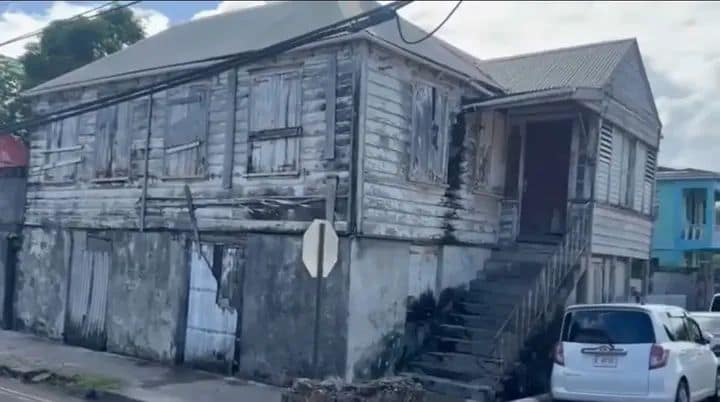
    The decaying state of St. John’s has sparked intense debate over responsibility, with evidence pointing to systemic government failure rather than solely private citizen neglect. For over three decades, the St. John’s Development Corporation—the government agency specifically tasked with urban development—has presided over the city’s dramatic infrastructure decline while officials publicly deflect blame onto property owners.

    A walking tour through the city reveals extensive deterioration: dangerously uneven roads and sidewalks, corroded sidewalk grills, non-functional drainage systems creating public health concerns, and tattered road markings. The urban environment suffers from inadequate parking, irrational traffic flows, and visibly neglected public spaces that deter investment.

    This infrastructure collapse has created a self-perpetuating cycle where property owners see little value in reinvesting. The evidence appears in the exodus of businesses from the city center and the absence of new private construction projects. Notably abandoned government buildings—including the Social Security building, Ministry of Agriculture building, and former parliament structure—stand as monuments to institutional neglect.

    Critics question the timing of recent cleanup initiatives, suggesting they coincide with the upcoming Commonwealth Heads of Government Meeting rather than genuine civic concern. The pattern indicates government attention primarily emerges when international observers are involved.

    The core issue remains accountability: until government acknowledges its role in creating this deterioration through the St. John’s Development Corporation’s failures, sustainable solutions remain unlikely. The city’s challenges represent 44 years of accumulated neglect that cannot be resolved through short-term measures motivated by diplomatic appearances.

  • Officials call for relocation of roadside mechanic shops (+VIDEO)

    Officials call for relocation of roadside mechanic shops (+VIDEO)

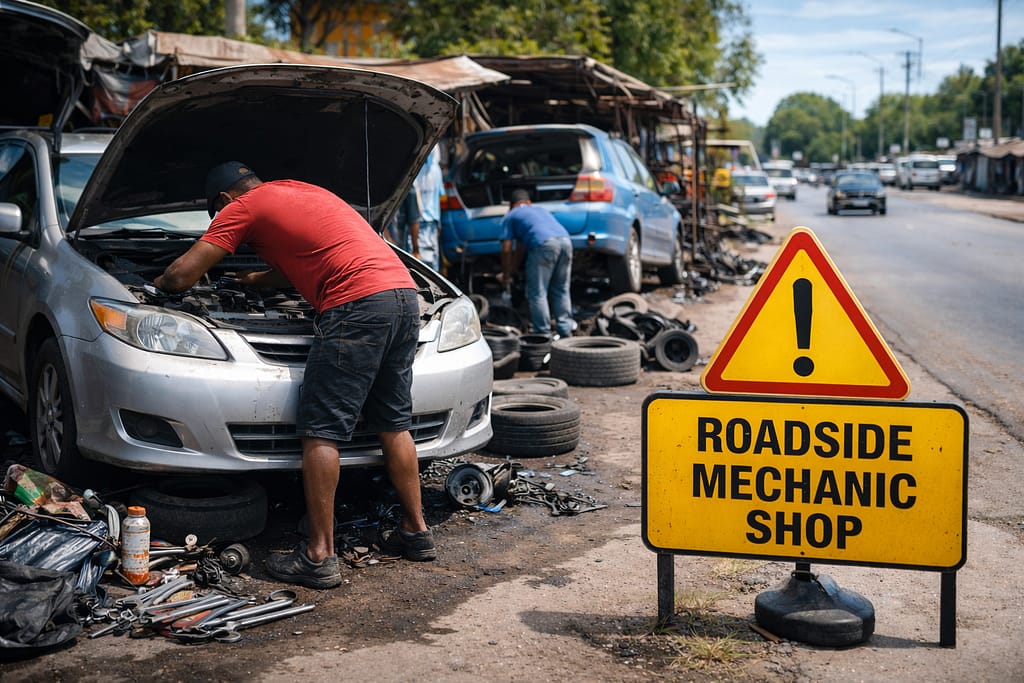
    Authorities are escalating measures to address growing public safety hazards caused by unauthorized roadside mechanic operations, mandating their relocation to officially designated zones. During a recent appearance on Pointe FM’s Browne and Browne programme, government representatives detailed how these informal auto repair shops are generating significant traffic obstructions, sanitation issues, and safety risks for communities nationwide.

    Officials revealed that despite previous offers of alternative operating locations, numerous mechanics persist in conducting business along public roadways. This non-compliance has prompted authorities to implement stricter enforcement protocols. The government’s position emphasizes that relocation initiatives must be respected, and those ignoring these directives will face legal consequences.

    The crackdown forms part of a comprehensive national strategy to enhance community order, improve traffic flow, and maintain cleaner, safer public spaces. The multifaceted approach balances enforcement with providing viable alternatives, though officials stress that persistent violators will encounter intensified regulatory actions.

  • Police say decapitated women found in Elías Piña were killed in Haiti

    Police say decapitated women found in Elías Piña were killed in Haiti

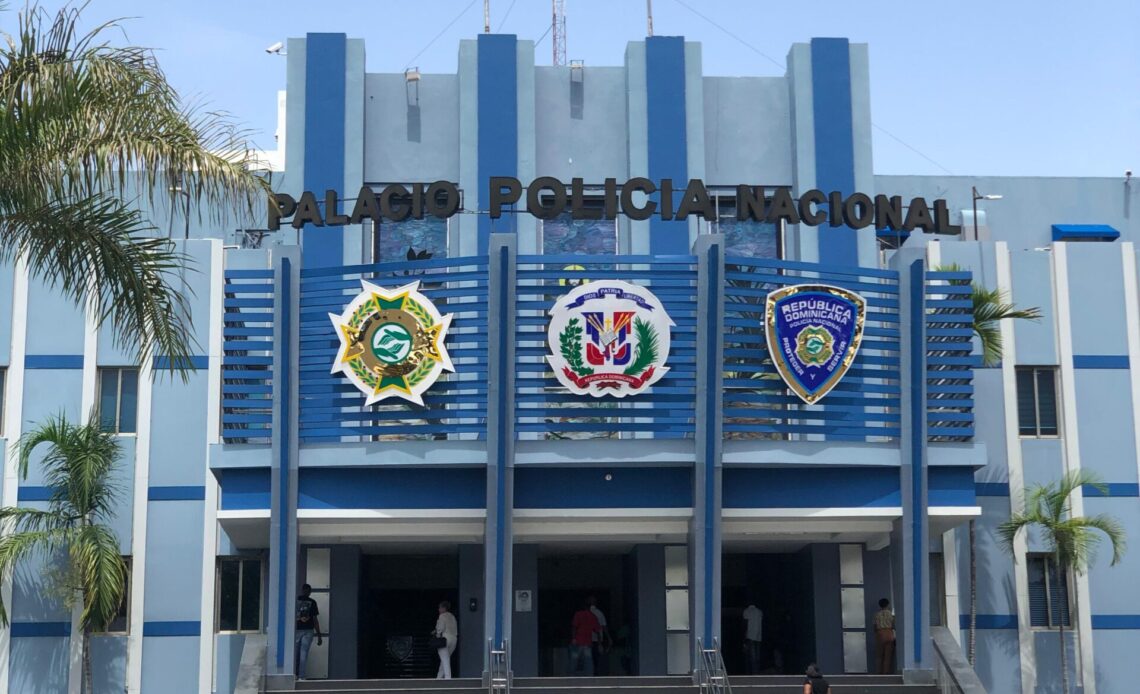
    Dominican authorities have confirmed that the gruesome discovery of decapitated Haitian women’s bodies in border areas originated from crimes committed in Haiti. National Police spokesperson Diego Pesqueira clarified Monday that the victims were murdered in Haitian territory before being discarded in the Binational Caña River, where currents carried them across the border into the Dominican Republic’s Elías Piña province.

    The macabre case involves at least three confirmed instances where dismembered bodies have been recovered on Dominican soil near the town of Macasías. Pesqueira detailed the transnational nature of the investigation, emphasizing that while the crimes occurred in Haiti, the downstream movement of bodies has created a complex binational law enforcement challenge.

    Law enforcement coordination between the two nations has intensified, with three suspects currently under investigation. In a significant development, the Dominican Republic Army apprehended one individual on January 27, who was subsequently transferred to Haitian authorities for questioning. The spokesperson stressed that ongoing cooperation remains essential given the river’s role as a natural border between the two countries.

    Authorities acknowledge that critical questions remain unanswered, including the identities of the victims and the precise circumstances surrounding their deaths. The investigation continues as both nations work to address this disturbing pattern of violence affecting their shared border region.

  • Officials Condemn Vandalism of Bus Shelters and Urge Tougher Action

    Officials Condemn Vandalism of Bus Shelters and Urge Tougher Action

    Senior government officials in Antigua and Barbuda have issued stern condemnations against the persistent destruction of public bus shelters, characterizing these acts as detrimental to national infrastructure. Prime Minister Gaston Browne, alongside Senators Lamin Newton and Colin O’Neal, has publicly denounced the recurring incidents of vandalism, which they assert undermine public resources and community welfare.

    The officials emphasized that such deliberate damage represents a significant financial burden on the state, diverting funds that could otherwise be allocated to essential public services. In response, they are advocating for a rigorous overhaul of current enforcement protocols and a substantial increase in penalties for offenders. This proposed legislative strengthening aims to serve as a more powerful deterrent against future acts of public property defacement.

    This public statement signals a forthcoming shift toward stricter regulatory measures, highlighting the administration’s commitment to preserving civic assets and ensuring communal spaces remain safe and functional for all citizens. The move has been framed not merely as a reactive measure, but as a proactive strategy to foster a greater sense of public responsibility and civic pride.