博客

  • DNA-vergadering verdaagd voor verder overleg wetsvoorstellen rechterlijke macht

    DNA-vergadering verdaagd voor verder overleg wetsvoorstellen rechterlijke macht

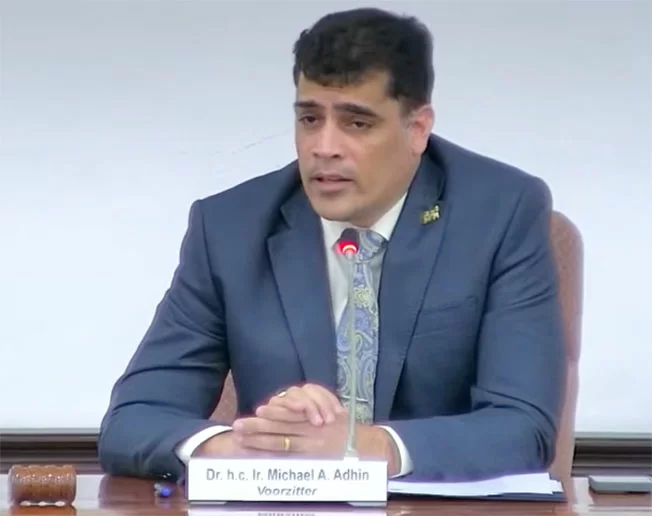
    PARAMARIBO – Suriname’s legislative proceedings encountered a strategic pause on Monday as the National Assembly suspended its public session to enable deeper consultations on pivotal judicial reform legislation. Assembly Chairman Ashwin Adhin announced the deferral following intensive preliminary discussions with coalition and opposition faction leaders.

    The decision to postpone came after lawmakers addressed various current affairs, with Adhin revealing that the planned second reading of the judicial bills would not proceed as scheduled. This development follows substantial preparatory work involving both government and opposition parties collaborating extensively with the Court of Justice.

    ‘Significant progress has been achieved through concerted efforts,’ Adhin stated, ‘however, certain aspects require further refinement and alignment.’ The parliamentary leader emphasized that the current legislative proposals represent substantial work that demands careful consideration rather than hasty treatment.

    Multiple amendment proposals from coalition members have been submitted, with new perspectives continuing to emerge during deliberations. Adhin noted that additional time for consultation would ultimately yield more comprehensive and sustainable outcomes that enjoy broad parliamentary support.

    The Assembly has adjourned until an unspecified date while faction leaders continue negotiations with judicial authorities. This continuation of behind-the-scenes discussions aims to resolve outstanding issues before formal proceedings resume, ensuring the judicial reforms receive thorough examination and consensus-building.
  • This Is How Venezuelan Farmers Are Fighting Fusarium

    This Is How Venezuelan Farmers Are Fighting Fusarium

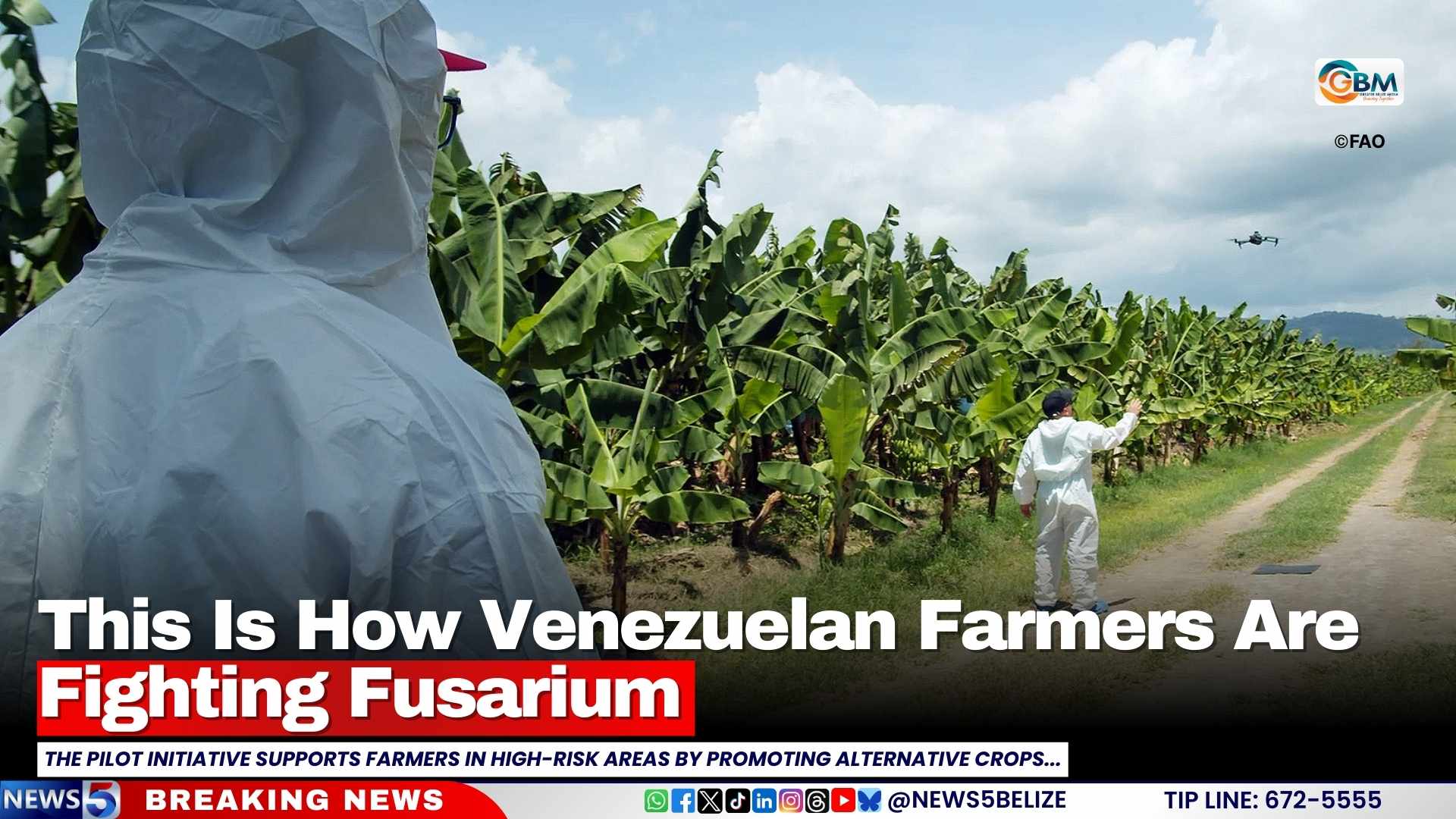
    Venezuelan agricultural communities have embarked on an extraordinary transformation in response to one of the most severe phytosanitary emergencies in recent history. The confirmation of Fusarium Tropical Race 4 (TR4) by Venezuela’s National Institute of Integral Agricultural Health (INSAI) in 2023 triggered a nationwide agricultural recalibration across key producing states including Aragua, Carabobo and Cojedes.

    This soil-borne pathogen, capable of persisting for over two decades, effectively decimated banana and plantain plantations that had sustained local economies for generations. In the Renacer community of Aragua, where farmers had cultivated 20 hectares of banana crops since 2018, the fungal invasion resulted in complete agricultural collapse within months.

    Farmer Lesbia Margarita García recounted the emotional devastation: ‘Witnessing our lifelong work deteriorate before our eyes was heartbreaking. We faced the painful necessity of removing entire groves of banana trees that represented years of dedication.’

    The crisis prompted an unprecedented collaborative response between national authorities and international organizations. The Food and Agriculture Organization of the United Nations (FAO) implemented emergency intervention measures, supplying alternative crop seeds, advanced agricultural tools, biosecurity equipment and comprehensive technical training.

    Through the innovative INSAI-FAO partnership program, affected producers have successfully transitioned to cultivating corn, cassava, beans, chili peppers and pumpkin. This agricultural diversification strategy incorporates sophisticated crop rotation techniques and organic fertilization methods to restore soil vitality and create sustainable income streams.

    ‘Our corn harvests have demonstrated remarkable success, benefiting entire communities and proving the resilience of these lands,’ García noted with renewed optimism.

    The initiative represents a comprehensive national effort involving continuous farmer education, public awareness campaigns, and enhanced institutional coordination. Technologically, the program has deployed multispectral drones and advanced laboratory equipment to establish early detection systems and strengthen phytosanitary monitoring capabilities.

    Internationally, Venezuela’s experience has contributed to global knowledge sharing through FAO’s World Banana Forum and the Global Network on TR4, establishing new protocols for addressing agricultural emergencies in tropical regions worldwide.

  • QEH steps up fight against superbugs

    QEH steps up fight against superbugs

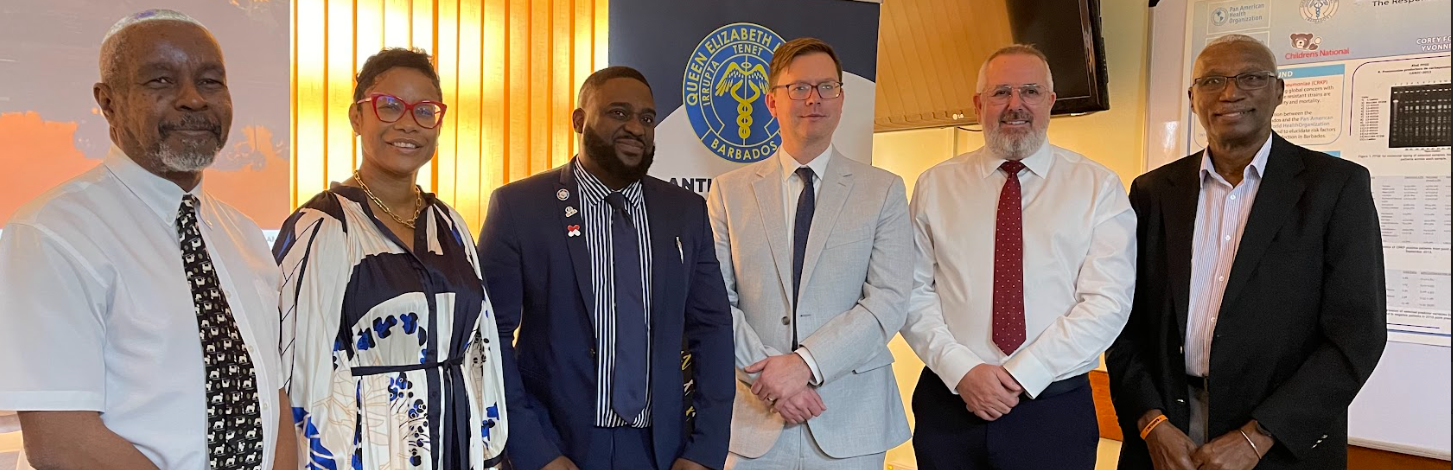
    Barbados is intensifying its frontline campaign against the escalating threat of antimicrobial resistance (AMR) through a strategic international partnership. The Queen Elizabeth Hospital (QEH) has launched an intensive training initiative, welcoming Canadian infectious diseases pharmacist Mark McIntyre to bolster the nation’s defenses against drug-resistant pathogens. This collaborative effort underscores a growing global health crisis that renders standard medications ineffective against evolving bacteria, viruses, and fungi.

    During a welcoming ceremony, QEH’s infectious disease specialist, Dr. Corey Forde, presented alarming data from the Global Health Research Group on Antimicrobial Resistance. The research forecasts a potential 39 million global fatalities between 2025 and 2050 if immediate action is not taken. The World Health Organisation’s 2019 figures, which attributed 1.27 million deaths directly to AMR and linked 4.95 million more to its effects, highlight the urgency of this health emergency. Dr. Forde emphasized that low- and middle-income nations with strained healthcare systems face the greatest risk.

    Barbados has emerged as an unexpected leader in the international arena against AMR. The nation partnered with Malta to table a political declaration on the issue at the 79th United Nations General Assembly, with Prime Minister Mia Mottley championing the cause through concrete actions rather than mere rhetoric. This diplomatic effort is supported by substantial domestic investment, including a $3 million government allocation for advanced microbiology equipment that enables faster pathogen identification and accelerated treatment initiation at QEH.

    Through Pan American Health Organization (PAHO) support, Barbados has enhanced its capacity as a regional center of excellence, extending technical assistance to Eastern Caribbean states. The hospital’s staff has received specialized training in molecular technology and whole genome sequencing, significantly strengthening surveillance capabilities for emerging infections. A landmark development in this comprehensive strategy is the creation of Barbados’ first antimicrobial stewardship pharmacist position, held by Deonne Jacobs, to oversee more prudent antibiotic usage.

    QEH Chief Executive Officer Neil Clark characterized AMR as “one of the most serious health challenges facing the world today,” noting its potential to undermine modern medical treatments and jeopardize health systems and economies globally. The current two-week engagement provides a crucial opportunity for medical practitioners to evaluate practices, identify deficiencies, and reinforce stewardship protocols to preserve effective medications for future generations.

    Newly appointed Minister of Health Senator Lisa Cummins, who is conducting a listening tour across the health system, committed to continuing the previous administration’s efforts. Her priorities include establishing a dedicated AMR center in partnership with the Best-dos Santos Lab and deepening regional and international collaborations.

    The campaign extends beyond clinical settings with planned public lectures and community engagement events. Dr. Forde encouraged public attendance at an expert-led session at the Daphne Joseph-Hackett Theatre on Saturday, emphasizing that simple preventive measures—including regular handwashing, avoiding antibiotic misuse for viral illnesses like flu, and completing prescribed antibiotic courses—can significantly curb resistance development.

  • Council president’s Heroes’ Day speech suggests Garifuna conflict

    Council president’s Heroes’ Day speech suggests Garifuna conflict

    The sacred grounds of Dorsetshire Hill, where Paramount Chief Joseph Chatoyer fell defending St. Vincent and the Grenadines against British forces over two centuries ago, became the stage for a remarkable display of political discord during Saturday’s National Heroes Day commemorations. International Garifuna Council President Trevor Garibali Palacio transformed the solemn wreath-laying ceremony into a platform for startling accusations and confrontational rhetoric that echoed across the mountains overlooking Kingstown.

    Palacio’s thunderous address, delivered at The Obelisk monument marking Chatoyer’s death site, appeared to stem from unresolved tensions during the annual international Garifuna Conference held earlier in the week. In remarks that frequently abandoned diplomatic decorum, the leader declared he was not present “for political correctness or political expediency” while launching what many perceived as supercilious attacks against unnamed individuals.

    “Let’s not be hypocrites who speak of unity and operate contrary to that,” Palacio challenged at the outset of his controversial speech. He specifically referenced being told to “shut up” during the previous day’s conference, questioning how genuine unity could exist alongside such silencing tactics.

    The Garifuna leader directed portions of his address toward Prime Minister Godwin Friday, whose New Democratic Party recently ended 24 years of opposition by securing 14 of 15 parliamentary seats in November’s elections. Palacio expressed disappointment at the absence of former Prime Minister Ralph Gonsalves, suggesting the country’s division and economic struggles stemmed from political tribalism.

    In a speech weaving together themes of racial pride, historical acknowledgment, and political commentary, Palacio emphasized his identity as “a Black, dark-skinned indigenous man” who was proud of his heritage. He called for Caribbean Americans and African descendants to express gratitude to the African American community, acknowledging they had “drank the soup of propaganda against our fellows.”

    Despite his criticisms, Palacio thanked Gonsalves for acquiring Baliceaux—the uninhabited island where Garifuna people were exiled in the 18th century—noting its tremendous significance to the Garifuna people. He also revealed that the new administration is considering establishing a Garifuna desk, though he noted not everyone applauded this development.

    The ceremony took another unexpected turn when Palacio publicly appealed to Chief Sardo (Agustine Sutherland) of the Kalinago people, pleading against allowing individuals to divide their communities. He presented the chief with a symbolic gift—”a knife that cuts asunder division”—while acknowledging Joan Hoyte, President of the SVG Indigenous People’s Association, urging collaboration for the purpose of “retrieval.”

    Palacio concluded with the sober acknowledgment that he might never be invited back to SVG for Garifuna celebrations, accepting this potential consequence for speaking his truth at the sacred site where Chatoyer was assassinated “because he could not be bought” and “could not be sold.”

  • Customs get specialist training to curb illegal gun trafficking

    Customs get specialist training to curb illegal gun trafficking

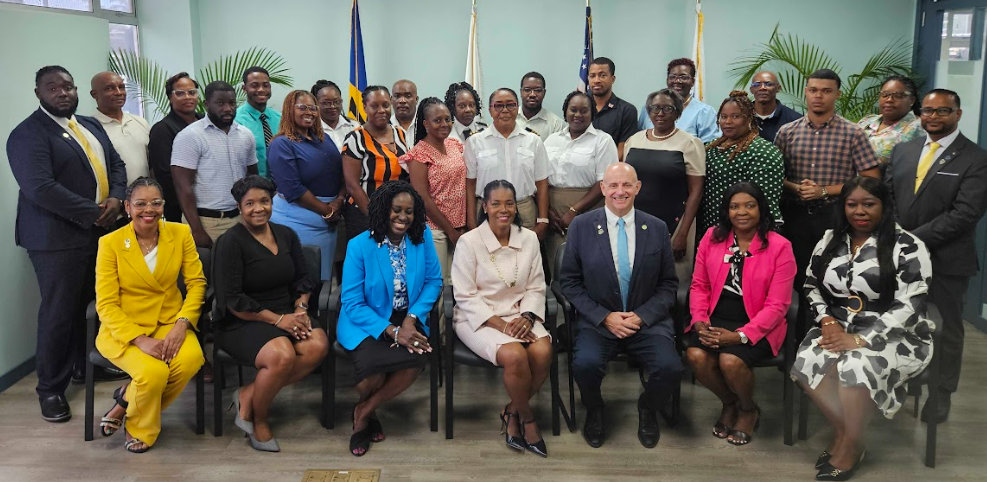
    In a decisive move to combat escalating regional arms trafficking, Barbados Customs and Excise has launched an intensive training program for 20 officers to enhance firearms detection capabilities. The five-day National Training on Small Arms Identification and Illicit Trafficking Methods, conducted in partnership with the World Customs Organization (WCO), represents a strategic escalation in border security measures amid growing concerns about transnational weapon flows.

    Acting Comptroller of Customs Cheryl-Ann Cumberbatch emphasized the program’s critical timing, stating: ‘The current surge in firearm usage demands enhanced detection and interdiction capabilities. This training directly addresses our operational needs while strengthening our frontline defense against illicit weapons trafficking.’

    The curriculum, delivered through WCO’s Project BOLT initiative, marks the first English-speaking Caribbean deployment of regionally certified trainers. Participants will undergo comprehensive theoretical and practical instruction covering international legal frameworks, concealment methodologies, risk assessment protocols, and evidence handling procedures for intercepted firearms.

    Duncan Potter, WCO Project BOLT coordinator, characterized the initiative as ‘a fundamental advancement for Barbados’ security infrastructure,’ noting the organization’s commitment to ‘delivering capacity-building measures that empower member states to protect societal safety.’

    The training aligns with the Caribbean Firearms Roadmap—a multinational strategy Barbados has endorsed to reduce regional weapons trafficking. Comptroller Cumberbatch highlighted the nexus between illegal firearms and public safety, noting: ‘This scourge has negatively impacted our borders and contributed to increased gun violence. As border enforcement agents, we play a pivotal role in intercepting these threats to national security.’

    The program leverages existing collaboration between customs authorities and the Barbados Police Service, emphasizing intelligence-sharing and coordinated enforcement actions. Project BOLT operates through a tripartite partnership between WCO, CARICOM’s Implementation Agency for Crime and Security, and the United States Bureau of International Narcotics and Law Enforcement Affairs.

  • Canadian Man Died From Fall, Police Say

    Canadian Man Died From Fall, Police Say

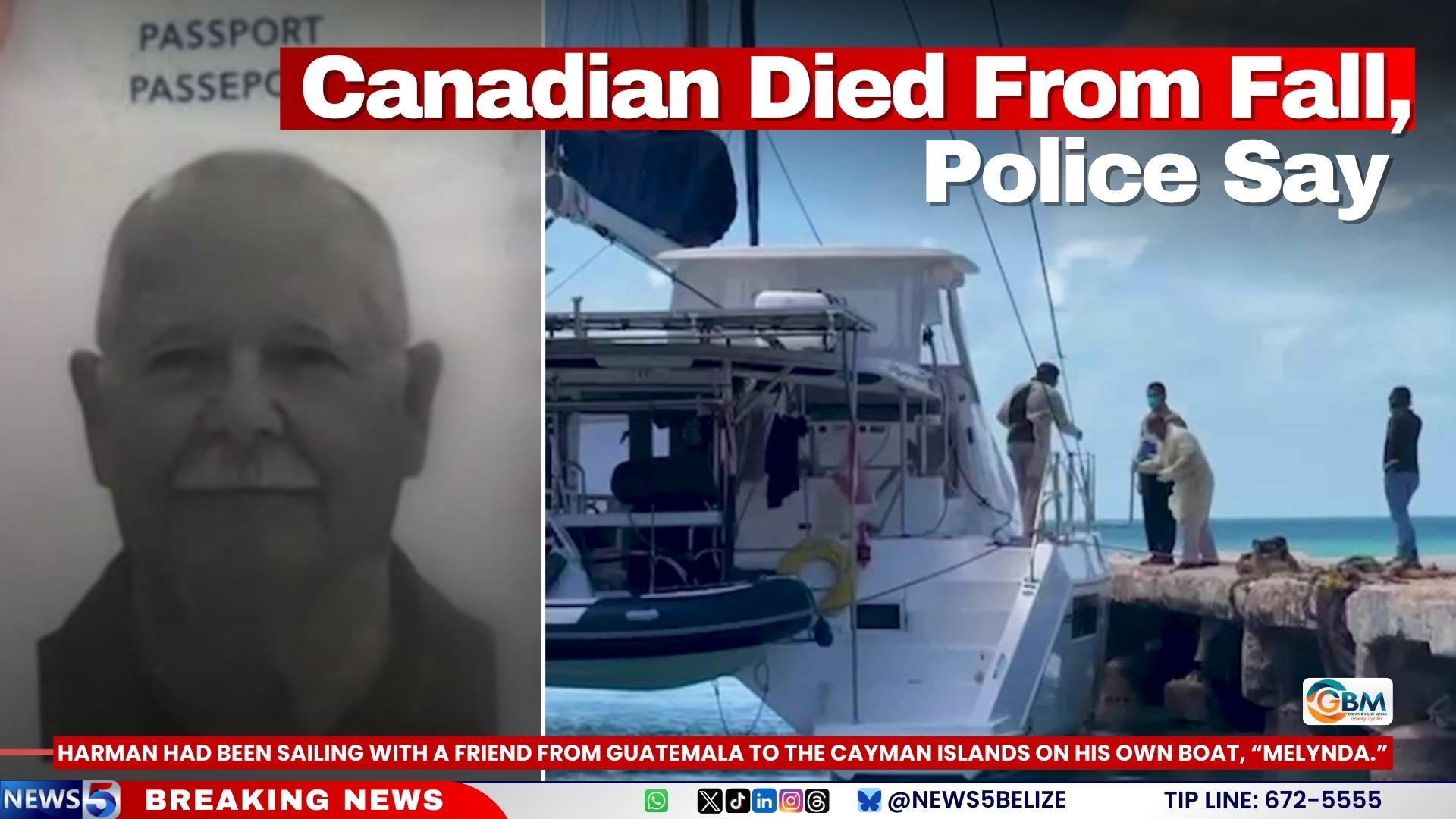
    Belizean authorities have concluded their investigation into the death of Canadian sailor Thomas David Harman, determining the 72-year-old died from injuries sustained in an accidental fall aboard his catamaran. The incident occurred during a maritime voyage from Guatemala to the Cayman Islands earlier this month.

    According to Assistant Superintendent of Police Stacy Smith, forensic pathologists established that Harman succumbed to blunt force trauma consistent with falling from height while aboard his vessel, named ‘Melynda.’ The investigation was initiated after the Canadian’s body was discovered on March 11 aboard the drifting catamaran approximately sixty miles offshore, following the rescue of Harman’s wife by a passing cruise ship.

    Initial reports had indicated the victim suffered cardiac arrest, but evidence including blood stains aboard the vessel prompted a comprehensive forensic examination. ASP Smith clarified that while Belizean authorities processed the scene and collected evidence, jurisdictional limitations prevent further action from Belizean authorities since the incident occurred in international waters.

    ‘The conclusion of the pathologist is that he fell from a height, and the circumstances are such that he was on board a boat,’ Smith stated during a press briefing. She further noted that speculation about whether others were present during the incident remained unconfirmed, stating ‘I don’t know if the assumption would be somebody would’ve been up on the sail with him because that is the suggestion that has been given.’

    All investigative materials and evidence have been prepared for transfer to Canadian authorities, who may pursue additional inquiries under their jurisdiction. The case highlights the complex jurisdictional challenges involved in international maritime incidents.

  • Straughn signals relief measures ahead of Budget presentation

    Straughn signals relief measures ahead of Budget presentation

    Barbados Finance Minister Ryan Straughn has indicated that citizens may receive economic relief measures addressing concerns raised during recent elections and global uncertainties. The announcement comes as Straughn prepares to deliver his inaugural Financial Statement and Budgetary Proposals to Parliament this afternoon.

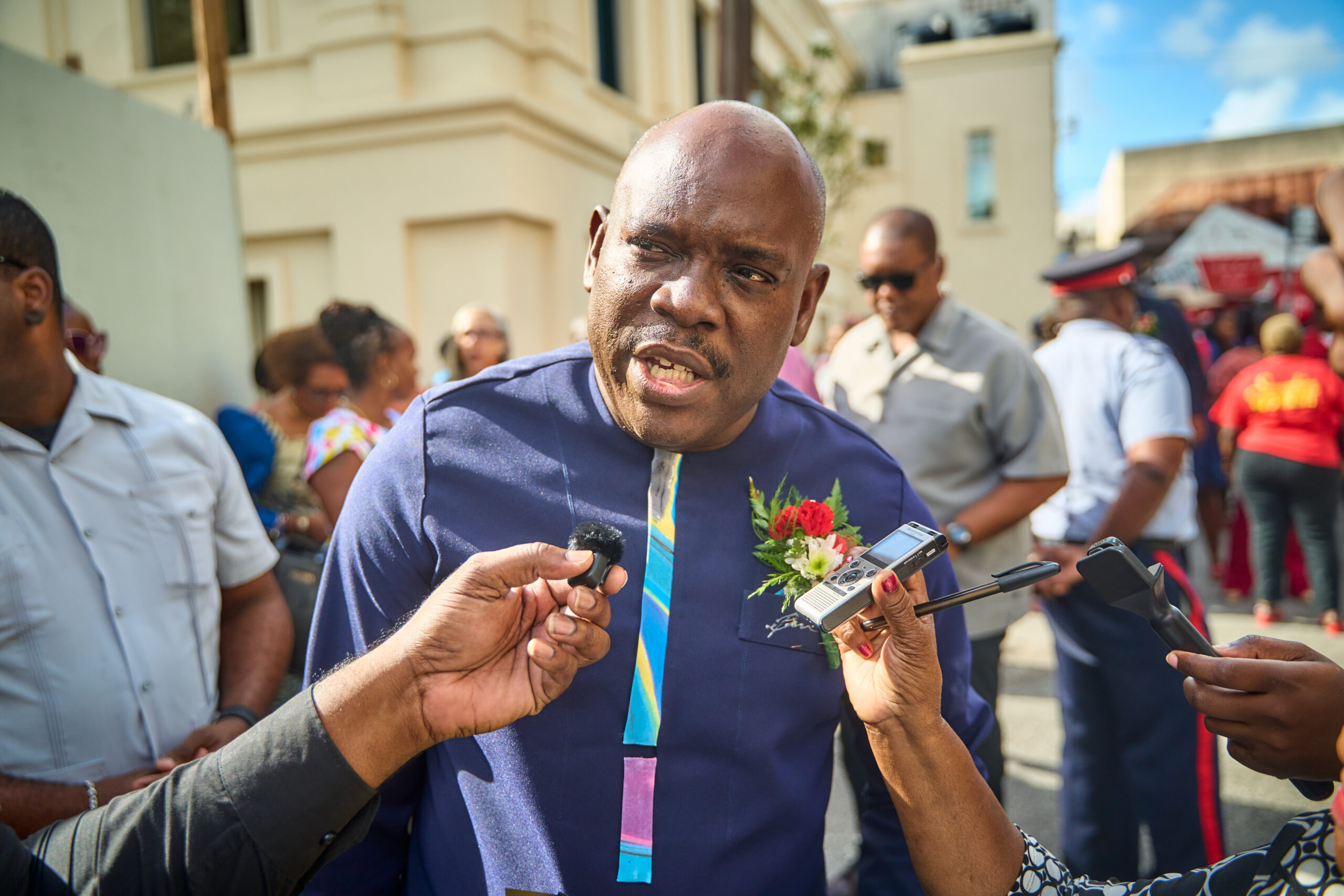
    Speaking to journalists upon arriving at Parliament Buildings, Minister Straughn revealed his administration has recalibrated fiscal policies in response to the rapidly changing geopolitical landscape and constituent feedback. “Barbadians can expect some relief from the concerns they’ve expressed, not only during the election period but particularly regarding the geopolitical challenges we currently face,” Straughn stated.

    The Finance Minister emphasized his confidence in the government’s responsive approach, noting: “Given the short notice of these global developments, we’ve successfully reformulated our strategy. I believe Barbadians will conclude this address assured that their government has demonstrated both flexibility and responsibility in addressing their pressing concerns.”

    This budget presentation marks a significant milestone in Straughn’s career, representing his first official fiscal address as substantive Minister of Finance. Reflecting on his journey, he expressed particular pride in assuming this role after eight years of extensive work on Barbados’ economic programs. “I feel profoundly honored to serve in this capacity, having previously contributed to Barbados’ economic development both nationally and within my constituency,” Straughn remarked.

    The Minister stressed that maintaining national discipline remains crucial for sustaining the country’s developmental trajectory. He called for continued collective effort, stating: “Our ability to transform Barbados into the nation we envision depends entirely on our sustained cooperation and the disciplined approach we know we can achieve together.”

    During this afternoon’s session in the House of Assembly, Straughn is expected to detail the government’s comprehensive fiscal strategy and economic priorities for the upcoming fiscal year, potentially including targeted measures to alleviate economic pressures on Barbadian households and businesses.

  • Guyana’s outdated credit union legislation flagged for modernisation

    Guyana’s outdated credit union legislation flagged for modernisation

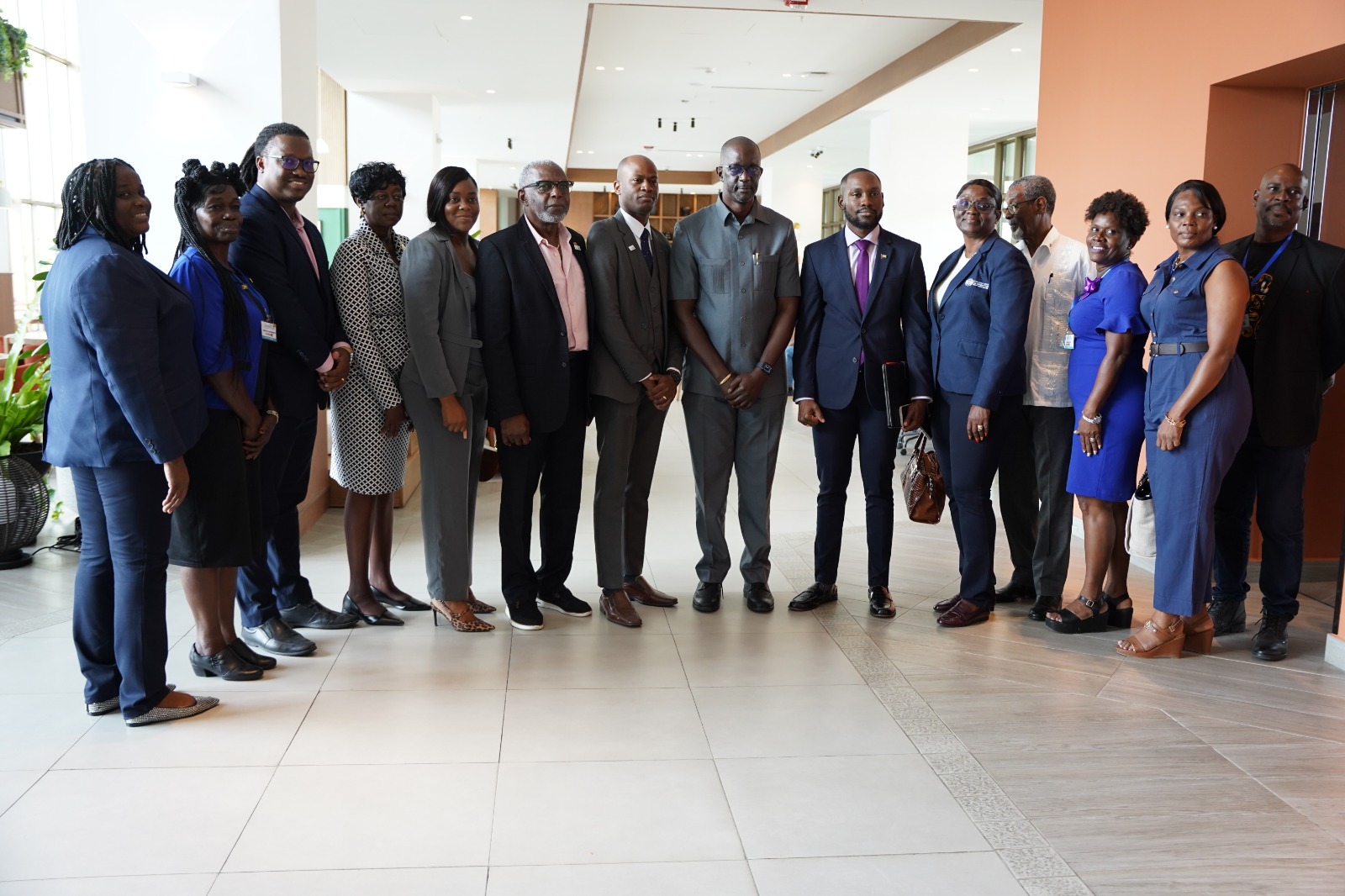
    In a landmark gathering at the Four Points by Sheraton on Heroes Highway, Caribbean credit union officials launched their premier Caribbean Development Education (CaribDe) training program in Guyana for the first time, delivering a powerful appeal for legislative modernization. The event spotlighted Guyana’s outdated 1948 Cooperative Societies Act as a regional anomaly requiring immediate reform.

    CaribDe Programme Director Melvin Edwards emphasized the critical inadequacies of the nearly 80-year-old legislation, noting its complete absence of provisions addressing contemporary financial challenges. “An almost 80-year-old piece of legislation cannot be relevant to the present day,” Edwards stated, highlighting the act’s failure to incorporate modern standards against money laundering, terrorism financing, proliferation risks, International Financial Reporting Standards (IFRS), and credit union prudential management protocols.

    Edwards formally urged Labour Minister Keoma Griffith to collaborate with local and regional credit union movements to overhaul Guyana’s cooperative framework, pointing out that most Caribbean nations have already updated their legislation. The Caribbean credit union sector represents a substantial economic force, serving 2.8 million members across the region with accumulated assets of US$3.5 billion.

    In response, Minister Griffith revealed that Guyana has been receiving technical assistance from the International Labour Organisation (ILO) to conduct an extensive review of the Cooperative Societies Act. The objectives include strengthening legal provisions, improving governance structures, and ensuring greater accountability. Griffith confirmed that Guyana is examining Jamaica’s cooperatives legislation among other models to inform their modernization efforts.

    The minister concurrently acknowledged concerning governance issues within segments of Guyana’s cooperative sector, noting that some societies “have operated in ways that have undermined public confidence and weakened the effectiveness of the movement.”

    The event also addressed internal divisions within Guyana’s credit union leadership. Edwards made a direct public appeal to Secretary of the Guyana Cooperative Credit Union League Colin Beaton and Chairman of Guyana Public Service Cooperative Credit Union Ltd Trevor Benn to resolve their differences before the Caribbean Confederation of Credit Unions’ 2026 Annual International Convention in Barbados this June. Both leaders indicated ongoing efforts to resolve what Beaton termed “little teething issues,” with Benn emphasizing his organization’s commitment to improvement and membership growth.

  • Farmers brace for uncertain sugar crop

    Farmers brace for uncertain sugar crop

    Barbados’ historic sugar industry commences its 2026 harvesting season Tuesday amid profound structural challenges and growing uncertainty about its future viability. The Portvale Sugar Factory will begin accepting cane at daybreak, launching an agricultural tradition that veteran farmers warn stands at a precarious crossroads.

    Richard Mayers, manager of Edgecumbe Plantation with 47 years of industry experience, embodies the sector’s concerning trajectory. “This crop season marks my 46th harvest,” Mayers revealed to Barbados TODAY. “The industry now faces its most critical juncture in decades.”

    The current crisis stems from the collapse of a government-backed restructuring initiative announced in January 2024. The proposed cooperative ownership model would have allocated 55% ownership to Co-op Energy, 20% to workers, and 25% retained by government for public offering. Two entities were established: Agricultural Business Company Ltd to manage farms and Barbados Energy and Sugar Company Inc to oversee milling operations.

    This transition stalled dramatically when the Memorandum of Understanding between Co-op Energy and the state-owned Barbados Agricultural Management Company (BAMC) terminated last August. Government officials cited Co-op Energy’s failure to raise $16.5 million in equity financing, while the cooperative disputed this characterization, demanding audited financial records before releasing member funds.

    The breakdown halted what was promoted as a historic shift toward worker ownership, leaving farmers represented by Barbados Sugar Industries Limited (BSIL) hoping for alternative investment. BSIL Chairman Mark Sealy cautioned that traditional growers cannot shoulder the financial burden of recapitalizing essential infrastructure.

    Mayers emphasized the industry’s broader agricultural significance: “There’s nothing to replace sugar cane across our vast acreages. As plantations abandon cane, land returns to bush. We need cane for crop rotation with non-sugar alternatives.”

    Compounding structural problems, production forecasts appear bleak. Early projections suggest yields could fall 20,000 tonnes below 2025 levels, largely due to severe drought conditions during July-September 2025. Mayers estimates the Portvale factory requires at least 100,000 tonnes annually for viability, while BSIL farmers initially anticipated only 66,000 tonnes before drought impacts.

    Despite these challenges, harvesting commenced Monday on Mayers’ St. Philip farm as part of his meticulous preparation strategy. “I start early to identify equipment issues before the busy season,” he explained, noting trailers were being filled for Tuesday’s official mill opening.

    The industry’s future now depends on critical decisions that extend beyond individual plantations. “We at Edgecumbe play our part but cannot save the industry alone,” Mayers stressed. “Everyone must step forward. I hope to reach 50 years in sugar, but survival depends on choices made within the next three years.”

  • Caribbean Development Bank collaborates with 2X Global to promote gender-focused investment in the Caribbean

    Caribbean Development Bank collaborates with 2X Global to promote gender-focused investment in the Caribbean

    The Caribbean Development Bank (CDB) has forged a strategic alliance with 2X Global Limited to revolutionize investment practices across the region through gender-focused methodologies. This groundbreaking partnership will produce a specialized Gender Lens Investing Acceleration Toolbox, specifically engineered to address the unique financial challenges faced by women entrepreneurs in Caribbean nations.

    Funded by a US$350,000 technical assistance grant from the Bank’s Special Development Fund, this initiative represents a significant advancement in the Caribbean GEMS (Gender Equality for Market Sustainability) program. The collaboration aims to dismantle systemic barriers that have historically limited financing opportunities for women-owned businesses, despite their educational and professional advancements.

    The comprehensive toolkit will incorporate practical instruments, customizable templates, and expert advisory frameworks aligned with international 2X Global standards. Beyond resource development, the project will document region-specific case studies and facilitate certification processes for five Caribbean companies or funds, creating reproducible models for gender-responsive investing.

    Scheduled for announcement coinciding with International Women’s Day observances, the initiative additionally features a cutting-edge Digital Academy and regional training platform. These digital resources will provide specialized education for investors, financial institutions, and policymakers seeking to implement gender lens investment criteria throughout Caribbean markets.

    Lisa Harding, Division Chief of CDB’s Private Sector Division, emphasized the transformative potential: “Through Caribbean GEMS, we’re positioning women entrepreneurs at the center of economic transformation, enabling enterprise scaling, innovation, and resilience building.”

    2X Global CEO Jessica Espinoza echoed this sentiment, stating: “This partnership expansion allows us to strengthen the gender lens investing ecosystem and ensure women-led enterprises access crucial growth capital.”

    The collaboration builds upon CDB’s 2023 integration into the 2X Global network, amplifying the Bank’s commitment to women’s economic empowerment through targeted investment strategies that complement existing initiatives like the SheTrades Caribbean Regional Hub.