博客

  • IMF Flags Air, Shipping Links as Key Barrier to Growth in Antigua and Barbuda

    IMF Flags Air, Shipping Links as Key Barrier to Growth in Antigua and Barbuda

    A comprehensive assessment by the International Monetary Fund (IMF) has identified inadequate air and maritime connectivity as critical impediments to Antigua and Barbuda’s economic competitiveness. The evaluation, conducted during an Article IV consultation mission to St. John’s in January, reveals that these infrastructure deficiencies severely constrain trade performance and diminish the nation’s capacity to withstand external economic disruptions.

    The IMF’s concluding statement emphasized that enhanced transportation links are fundamental to improving Caribbean trade dynamics, fostering economic resilience, and achieving sustainable growth. The report specifically categorized shipping and air transport services as ‘binding constraints’ that adversely affect both trade operations and tourism potential—a vital sector for the dual-island nation.

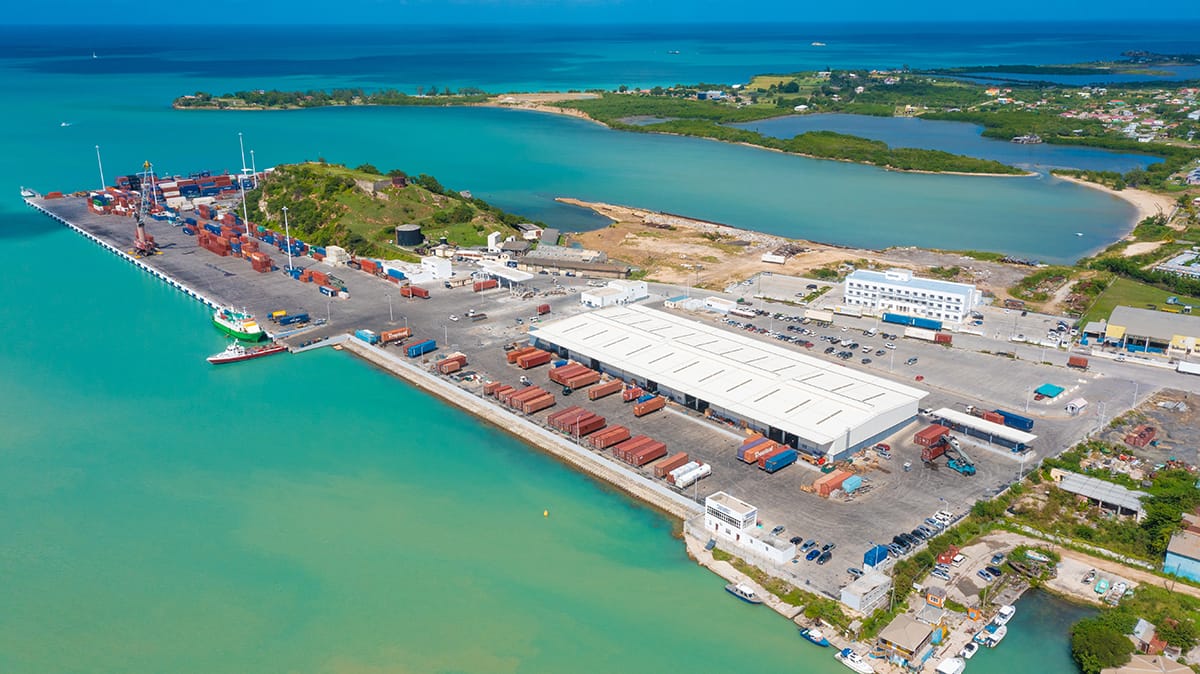
    In response to these findings, the IMF acknowledged ongoing and prospective upgrades to port and airport facilities as positive steps toward alleviating these bottlenecks. The institution recommended prioritizing the modernization of port infrastructure alongside digital transformation initiatives to create a more efficient trade ecosystem.

    Beyond physical infrastructure, the assessment highlighted significant administrative challenges within customs procedures. IMF staff advocated for substantial reductions in bureaucratic obstacles, proposing the implementation of a unified electronic window for trade facilitation. This digital solution would potentially streamline processing protocols, enhance operational transparency, and significantly reduce administrative expenditures.

    While projecting that strengthened connectivity and improved competitiveness could elevate potential economic growth and fortify resilience against external shocks, the IMF concurrently issued cautions regarding major infrastructure investments. The Fund advised that any substantial new projects should be preceded by rigorous cost-benefit analyses that thoroughly account for fiscal constraints and public debt implications.


  • Antigua and Barbuda: Staff Concluding Statement of the 2026 Article IV Mission

    Antigua and Barbuda: Staff Concluding Statement of the 2026 Article IV Mission

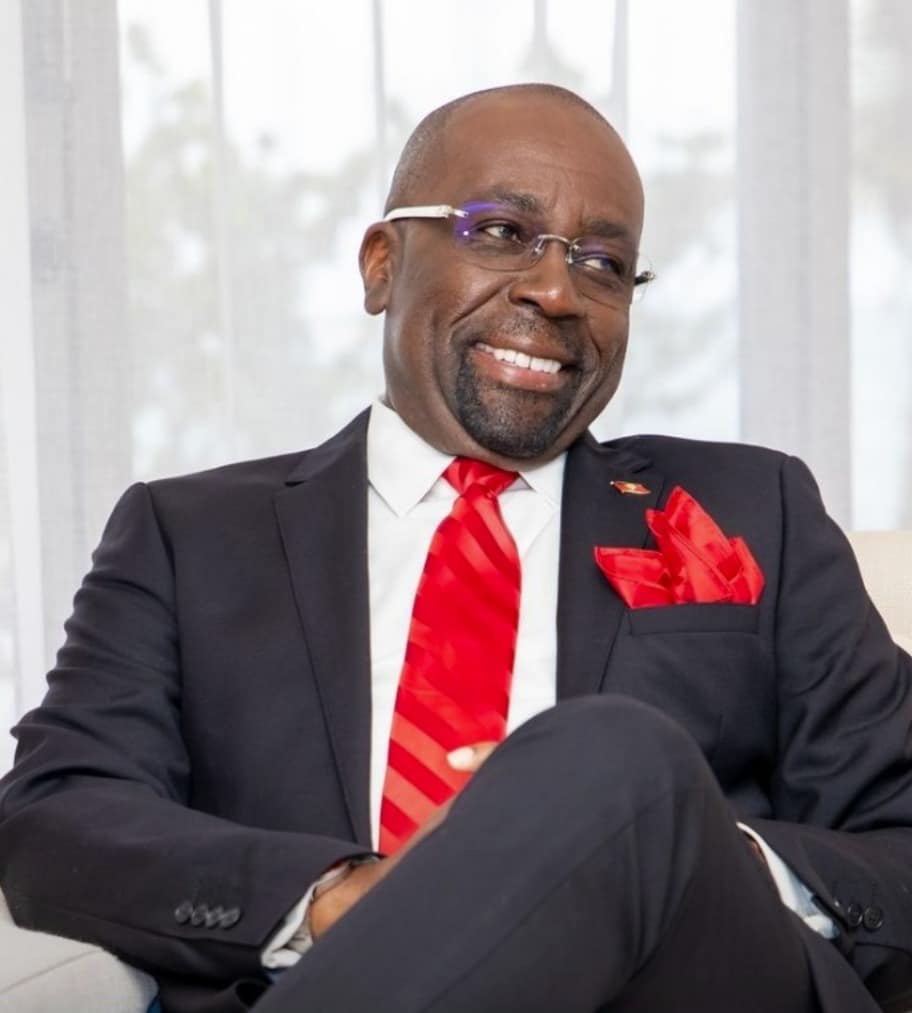
    An International Monetary Fund (IMF) delegation led by Mr. David Moore has concluded its Article IV consultation mission to Antigua and Barbuda, projecting continued economic expansion while identifying persistent fiscal vulnerabilities requiring immediate attention.

    The Caribbean nation’s economy demonstrated resilience with real GDP growth reaching 2.5% in 2024, primarily driven by robust tourism performance. For 2025, staff estimates indicate acceleration to 3% growth, fueled by rebounding construction activity despite plateauing tourist arrivals. Inflation showed remarkable improvement, declining from 6.2% in 2024 to a modest 1.2% in 2025, partly attributable to significant reductions in transportation costs.

    Fiscal indicators revealed substantial improvement with the primary balance strengthening to 4% of GDP in 2024 and nearly 5% in 2025. This enhancement stemmed from improved tax collections, increased Citizenship by Investment Program (CIP) inflows, and restrained current expenditure. Tax revenues climbed to over 18% of GDP in 2025, though this improvement partially reflected one-time collections of tax arrears.

    The public debt situation showed notable progress with the debt-to-GDP ratio declining from pandemic-era peaks of 100% to approximately 68% in 2025. However, significant challenges persist regarding substantial arrears to Paris Club and domestic creditors, alongside elevated financing requirements. The current account deficit widened to 11.5% of GDP in 2025, reversing previous improvements, mainly due to construction-related imports and stagnant tourism revenue.

    Financial sector stability remains intact with moderated credit growth and non-performing loan ratios maintaining below prudential thresholds. The recent launch of the Eastern Caribbean Currency Union regional credit bureau represents a significant step toward enhancing financial intermediation and credit access.

    Looking forward, IMF staff projects 2.8% growth for 2026, converging toward the estimated potential growth rate of 2.5% medium-term. This outlook anticipates benefits from Antigua and Barbuda’s hosting of the Commonwealth Heads of Government Meeting in November 2026, alongside expanded tourism infrastructure. Inflation is expected to stabilize around 2% by end-2026, aligning with regional peers.

    The mission emphasized that comprehensive strategies addressing arrears clearance and revenue mobilization remain critical for sustainable debt reduction. Staff encouraged maintaining fiscal discipline, enhancing tax administration efficiency, and implementing structural reforms to boost productivity and competitiveness. Particular attention was directed toward modernizing port infrastructure, streamlining customs procedures, and addressing persistent skills shortages through targeted workforce development initiatives.

    The IMF team expressed appreciation for the constructive dialogue with Antigua and Barbuda authorities and reaffirmed commitment to supporting the nation’s economic development agenda.

  • South Rivers man jailed for 8 months for stealing paint

    South Rivers man jailed for 8 months for stealing paint

    In a case of neighborhood theft before the Georgetown Magistrate’s Court, 53-year-old labourer Patrick John of South Rivers has been sentenced to eight months imprisonment for stealing paint from his neighbor. The conviction came after John pleaded guilty to stealing two five-gallon buckets of paint valued at EC$900 (approximately US$330) between January 6-8, which belonged to his neighbor identified only as Daniel.

    The incident unfolded when Daniel, 49, discovered the missing paint buckets from behind his residence on the morning of January 8 while responding to a visitor requesting a water hose. Following the discovery, Daniel promptly filed a report at the Colonarie Police Station.

    Law enforcement officials subsequently visited Daniel’s property, where they collected an empty paint container and a pair of shoes as potential evidence. During their investigation, police approached John at his residence, at which point the defendant made a surprising admission: “Officer, a man ah Pasture been check me for some paint so me tek them and carry them give he Friday. Let me carry alyo fuh dem!”

    Accompanied by police, John led authorities to the Pasture area of South Rivers where they located Aldon Chewitt. Chewitt subsequently surrendered two one-gallon buckets and three rum bottles containing the stolen paint. Following the recovery of the evidence, John was transported to the Colonarie Police Station where he was formally interviewed in the presence of witness 605 Mc Dowall.

    Magistrate Kaywanna Jacobs, presiding over the case, noted John’s previous convictions for similar offenses and his most recent imprisonment in 2023. Delivering her verdict, the magistrate stated emphatically, “Nothing has changed,” and imposed the eight-month sentence. She further admonished the defendant, stating, “You had no reason to do that,” highlighting the lack of justification for the criminal act.

  • LETTER: The ‘Spliff and Drive’ Pandemic Taking Over Antigua

    LETTER: The ‘Spliff and Drive’ Pandemic Taking Over Antigua

    A disturbing trend of cannabis-impaired driving has emerged as a critical public safety threat across Antigua and Barbuda, prompting urgent calls for intervention from authorities and community stakeholders. This concerning behavior, locally termed ‘spliff and drive,’ has transitioned from roadside activity to moving vehicles, creating hazardous conditions on the nation’s highways and urban thoroughfares.

    Eyewitness accounts describe vehicles with interiors so saturated with cannabis smoke that visibility resembles foggy conditions, with drivers frequently operating steering wheels with one hand while holding lit marijuana joints in the other. These observations are not isolated occurrences but represent a pattern documented along the Queen Elizabeth Highway, Perry Bay Main Road, and numerous other locations across the island.

    The core issue transcends debates about cannabis legalization, focusing instead on the fundamental danger of impaired operation of motor vehicles. Scientific evidence confirms that cannabis consumption significantly reduces reaction times, compromises judgment, and diminishes coordination skills—all critical competencies for safe driving. This impairment creates substantial risks not only for the drivers themselves but for all road users, including pedestrians, cyclists, and other motorists.

    This development occurs within a broader context of existing road safety challenges, where speeding, reckless operation, and distracted driving already contribute to annual fatalities. The addition of drug-impaired driving to this dangerous mix represents a potential escalation of roadway tragedies that many citizens fear is inevitable without prompt countermeasures.

    Community advocates emphasize that this situation demands a multifaceted response involving enhanced law enforcement protocols, updated public education campaigns specifically addressing drug-impaired driving, and potential policy reviews regarding cannabis regulation. The concern extends beyond mere enforcement to addressing the cultural normalization of this dangerous behavior, particularly among younger demographics.

    The ongoing situation presents policymakers with complex challenges regarding cannabis decriminalization while maintaining road safety standards. Many citizens are now questioning whether current regulations sufficiently address the public safety implications of cannabis use in operating environments, urging authorities to implement preventive measures before tragic consequences force reactive responses.

  • The third-party deportee bazaar: a tailor’s guide to hemming the truth

    The third-party deportee bazaar: a tailor’s guide to hemming the truth

    The memory of a childhood spent in a tailor’s shop near the sea provides an unexpected lens through which to examine contemporary political theater. The author’s father, a craftsman of sartorial illusions, often remarked that a suit constitutes a falsehood worn upon the body—much like the superhero costumes in comic books that conceal ordinary men beneath extraordinary facades.

    This childhood observation finds disturbing resonance in today’s geopolitical landscape, where national leaders have perfected the art of political tailoring. These modern statesmen don impeccably crafted power suits with silk ties and cufflinks worth more than average monthly salaries, yet behave like hostages reciting prepared statements. They participate in what diplomats euphemistically term ‘strategic dialogues’ but what essentially function as imperial summonses—receiving instructions before returning home to perform elaborate political theater.

    The parallel to Orwell’s Ministry of Truth becomes increasingly apparent. Much like the civil servants who systematically rewrote historical records to align with the Party’s current positions, contemporary leaders engage in verbal acrobatics regarding deportation policies. They simultaneously claim to have always accepted deportees, never accepted deportees, and magnanimously considered accepting deportees as their own humanitarian initiative.

    The current deportation theater presents a particularly stark example of this phenomenon. Nation A issues directives to Nation B’s leader without consultation or negotiation, employing the language of command rather than diplomacy. The recipient of these demands then returns home to reframe coerced compliance as voluntary participation in regional resettlement initiatives, carefully weighing options that were never truly optional.

    This constitutes the geopolitical equivalent of being dragged behind the woodshed for a beating, then limping back to claim one fell down stairs—while expecting observers to applaud the narrative. The craftsmanship would impress any tailor: perfectly constructed lies without loose threads or misplaced stitches.

    The disturbing evolution beyond traditional deception lies in leaders being fitted for political costumes they never chose, made from fabrics they would never select, in sizes that never properly fit. Unlike the tailor’s clients who actively chose their deceptions, today’s leaders parade in ill-fitting political garments while insisting they represent haute couture. The true horror emerges not from the lies themselves, but from the leaders’ apparent belief that their ill-fitting suits actually fit—a testament to the Orwellian efficiency of modern political manipulation.

  • Gonsalves criticises spending he defended in gov’t

    Gonsalves criticises spending he defended in gov’t

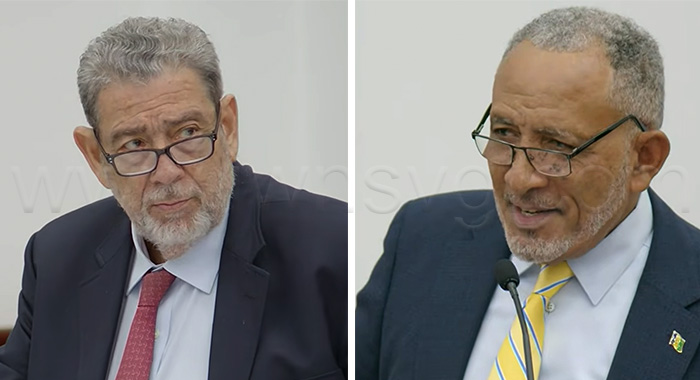
    In a striking display of political irony, Opposition Leader Ralph Gonsalves has launched scathing criticism against Prime Minister Godwin Friday’s administration for allocating EC$2.1 million for official vehicles and repairs to the Prime Minister’s residence. This condemnation comes nearly 15 years after Gonsalves himself, during his premiership, defended similar expenditures totaling EC$1.5 million for his fourth SUV and residential renovations.

    During Thursday’s parliamentary debate on the 2026 Estimates of Revenue and Expenditure, Gonsalves sarcastically referenced the allocation, comparing the potential outcome to ‘Donald Trump’ standards while recalling how his own spending was previously labeled ‘Saddam Palace.’ The opposition leader acknowledged the official residence required repairs when he vacated in November after two decades of occupancy but maintained it remained ‘liveable.’

    The current allocation includes EC$600,000 for prime ministerial vehicles—imported duty-free but valued at EC$1.3 million with duties—which Gonsalves deemed unnecessary given the ‘perfectly functioning’ vehicles from his tenure that had ‘another couple of years going for them.’

    The debate echoes strikingly similar criticisms from 2011 when then-opposition MP St. Clair Leacock—now Deputy Prime Minister—condemned Gonsalves’ expenditures, stating he was ‘getting too expensive to mind’ and operated ‘like a government within a government.’ Leacock had highlighted multiple vehicle acquisitions and substantial renovation funds totaling over EC$1 million.

    Prime Minister Friday, in his concluding remarks, revealed that upon assuming office, he discovered the residence required significantly more than ‘cosmetic changes’ and was ‘not in a state to move in.’ He explained the vehicle allocation predated his administration and reflected security protocols requiring at least two vehicles, noting he currently drives a smaller vehicle without complaint.

    The exchange highlights enduring tensions between governing and opposition parties regarding executive spending priorities, with both sides demonstrating remarkably similar arguments when their political positions reversed.

  • LETTER: Gangrene in the Opposition: The UPPs Terminal Unravelingz

    LETTER: Gangrene in the Opposition: The UPPs Terminal Unravelingz

    In the political landscape of Antigua and Barbuda, the fundamental role of an opposition party is to provide citizens with a viable governmental alternative. This duty requires substantive policy platforms, inspirational leadership, and organizational maturity. The United Progressive Party (UPP) currently fulfills none of these democratic functions. Instead, it has become an institution in its terminal phase, characterized by internal warfare between former leader Harold Lovell and current leader Jamale Pringle. This conflict represents not a healthy competition of ideas but rather the final convulsions of a moribund political entity.

    The power struggle within UPP transcends ideological differences, revealing itself as purely personal ambition devoid of policy substance. Lovell’s attempt to reclaim leadership from Pringle demonstrates not strategic revitalization but desperate maneuvering within a sinking organization. The party’s internal divisions have been exacerbated by Chairman Giselle Isaac’s divisive leadership, which has transformed the chairman’s role from impartial arbiter to partisan weapon. Under this governance, internal procedures have become public spectacles where personal vendettas override organizational integrity.

    This internal decay manifests as a critical failure in political responsibility. While Antigua and Barbuda face significant challenges including economic diversification needs, climate vulnerability, and geopolitical pressures, the opposition offers only cacophony instead of constructive solutions. The party’s discourse prioritizes titular authority over substantive governance plans, demonstrating profound disregard for national interests.

    The current state of UPP resembles medical gangrene—a necrotizing condition that has progressed from limb to core. Palliative measures cannot salvage an organization with self-destruction encoded in its institutional DNA. The only remedy is complete political amputation, allowing space for new opposition formations to emerge.

    The citizens of Antigua and Barbuda deserve an opposition focused on national development rather than personal grievances. The UPP has proven institutionally incapable of fulfilling this democratic function. Its collapse appears irreversible, with fragmentation too severe for reconciliation. Civil society must now demand and cultivate a new, development-centered political force untainted by this toxic legacy. Continuing to hope for UPP’s reformation would constitute acceptance of political gangrene as normalcy—an unacceptable betrayal of the nation’s future.

  • IMF forecasts steady growth for Antigua and Barbuda in 2026

    IMF forecasts steady growth for Antigua and Barbuda in 2026

    The International Monetary Fund (IMF) has issued an optimistic yet cautious economic forecast for Antigua and Barbuda, projecting sustained growth through 2026 while highlighting significant external and domestic vulnerabilities that could impede progress.

    According to the Fund’s concluding Article IV statement for 2026, the twin-island nation’s economic recovery gained substantial momentum in 2025, propelled by resurgent construction sectors, robust tourism performance, and moderating inflationary pressures. Economic expansion reached approximately 2.5% in 2024, accelerating to 3% in 2025, with real GDP growth anticipated between 2.5% and 2.8% for 2026.

    Several catalytic developments are expected to fuel economic activity, notably Antigua and Barbuda’s hosting of the prestigious Commonwealth Heads of Government Meeting (CHOGM) in November 2026. This high-profile event, coupled with strategically expanded hotel infrastructure and enhanced port facilities, is projected to significantly boost visitor arrivals and stimulate broader economic engagement.

    The IMF simultaneously identified multiple risk factors that could disrupt growth trajectories. Global economic uncertainty, escalating geopolitical tensions, commodity market volatility, and potential revenue reductions from the Citizenship by Investment program present substantial external challenges. Domestically, climate vulnerability to extreme weather events and capacity limitations within the construction industry require careful monitoring and mitigation strategies.

    Inflationary pressures have notably subsided from 2024 peaks, with current levels aligning closely with regional averages, primarily attributable to declining transportation costs. The current account deficit demonstrates a gradual narrowing trend, while public debt continues its downward trajectory toward the Eastern Caribbean Currency Union’s benchmark of 60% of GDP—though outstanding arrears and financing requirements remain areas of concern.

    Prime Minister Gaston Browne, who also serves as Finance Minister, welcomed the assessment as validation of his administration’s economic stewardship. The IMF’s findings culminate a comprehensive month-long evaluation mission conducted in January, with final recommendations scheduled for presentation to the Executive Board in forthcoming weeks.

  • Additional Deputy COP among 66 positions for National Security Ministry

    Additional Deputy COP among 66 positions for National Security Ministry

    The government of St. Vincent and the Grenadines has unveiled a significant expansion of its national security apparatus, creating 66 new positions within the Ministry of National Security. This strategic move comes in response to mounting public concerns over cross-border criminal activities, firearms and narcotics trafficking, and a troubling exodus of police personnel from the force.

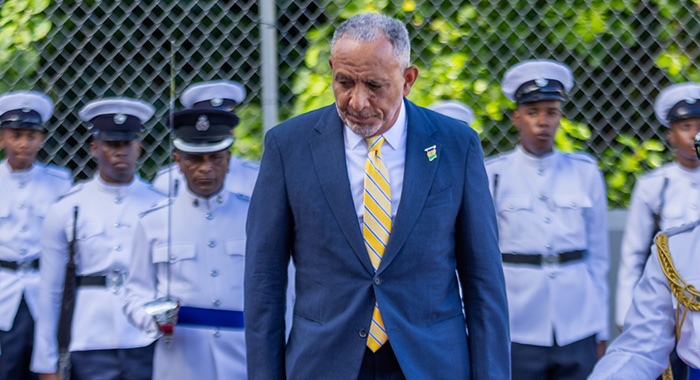
    During last week’s presentation of the Estimate of Revenue and Expenditure, Prime Minister Godwin Friday revealed that the majority of these new positions will be allocated to the police force. The expansion includes the creation of an additional Deputy Commissioner of police, bringing the total number to two and substantially reinforcing the command hierarchy that currently oversees four Assistant Commissioners.

    The comprehensive staffing enhancement encompasses various ranks throughout the law enforcement structure: one Superintendent of police, two Inspectors, three Station Sergeants, four Sergeants, six Corporals, twenty Constables, and four Traffic Wardens. Prime Minister Friday emphasized the critical need for traffic management personnel, noting the severe congestion challenges in Kingstown that often make walking more efficient than driving.

    The Coast Guard Service, operating as the maritime division of the police force, will receive substantial reinforcement through the addition of two Chief Petty Officers, three Petty Officers, two Leading Seamen, and two Able-Body Seamen.

    Immigration services will see six new officer positions created to handle increased operational demands at both the new Kingstown Port and Argyle International Airport. Additionally, the National Emergency Management Organisation (NEMO) will benefit from five new posts, including one Community Field Officer to strengthen Grenadines operations, one Facilities Officer, and three Light Equipment Operators.

    During the Estimates Debate on January 29, 2026, Deputy Prime Minister and Minister of National Security St. Clair Leacock provided candid insights into the challenges facing the constabulary. Having consulted extensively with senior officers including the Commissioner of police, his deputy, assistant commissioners, and the Police Welfare Association, Leacock revealed concerning attitudes within the ranks, including one senior officer who requested 80 days leave without formal greeting or explanation.

    The Deputy Prime Minister, drawing on his background as a former major in the SVG Cadet Force and commandant of the Auxiliary Police Force, committed to building a modern police service ‘from the ground up.’ He condemned the practice of officers being allegedly manipulated by political interests and emphasized the need to eliminate promotion barriers based on political beliefs, stating that no officer should remain a constable for 25 years due to such considerations. Leacock pledged to foster an esprit de corps that understands proper conduct in a contemporary police force.

  • Rapport: Wereldwijde conflicten drijven humanitair recht tot het uiterste

    Rapport: Wereldwijde conflicten drijven humanitair recht tot het uiterste

    A comprehensive study by the Geneva Academy of International Humanitarian Law and Human Rights reveals that international humanitarian laws established post-World War II are experiencing unprecedented strain. The research, examining 23 global conflicts from July 2024 to December 2025, documents systematic violations across multiple war zones with minimal accountability for perpetrators.

    The report titled ‘War Watch’ details how the years 2024-2025 proved devastating for civilians, with combatants showing little willingness to restrain brutality against vulnerable populations. Israel’s genocidal campaign in Gaza has resulted in over 71,000 Palestinian deaths, while Sudan’s ongoing violence since 2023 continues unchecked. Conflicts in Myanmar, Nigeria, Ukraine, Ethiopia, Haiti, and Yemen similarly demonstrate patterns of civilian targeting with apparent impunity.

    Drone strikes against civilian infrastructure have become defining features of modern warfare, particularly in Ukraine where casualty rates exceeded previous years combined. Sexual and gender-based violence reached epidemic proportions in multiple regions, with documented cases of systematic rape in Sudan’s Darfur region and the Democratic Republic of Congo. The paramilitary Rapid Support Forces in Sudan stand accused of public gang rapes and civilian massacres in El-Fasher.

    The United States’ retreat from its historical role as enforcer of humanitarian norms has significantly contributed to this deterioration. America’s unconditional support for Israel’s Gaza operations has particularly undermined principles it traditionally championed. Meanwhile, Donald Trump’s second presidential term has raised grave concerns among observers, evidenced by his administration’s disregard for international legal standards—including the abduction of Venezuelan President Nicolás Maduro and explicit statements prioritizing personal morality over established international law.

    Despite this crisis, the report suggests the core framework of international humanitarian law may yet endure. Institutions like the International Court of Justice and International Criminal Court continue playing crucial roles in civilian protection when properly respected and funded. States maintaining commitment to international legal norms can still influence ally behavior, as demonstrated by Ukraine’s relatively restrained civilian casualty rates compared to Russian forces in their ongoing conflict.

    Richard Gowan of the International Crisis Group notes the tragic proliferation of armed groups targeting civilians without fear of political or legal consequences. This erosion creates a vicious cycle where combatants increasingly resort to atrocities for tactical advantage. Ultimately, experts warn that losing international humanitarian law would represent a universal failure—costing Global Southern nations lives and blood while depriving Western powers of moral authority.