博客

  • Antigua and Barbuda, Kenya Discuss CHOGM 2026 Preparations and Cricket Match

    Antigua and Barbuda, Kenya Discuss CHOGM 2026 Preparations and Cricket Match

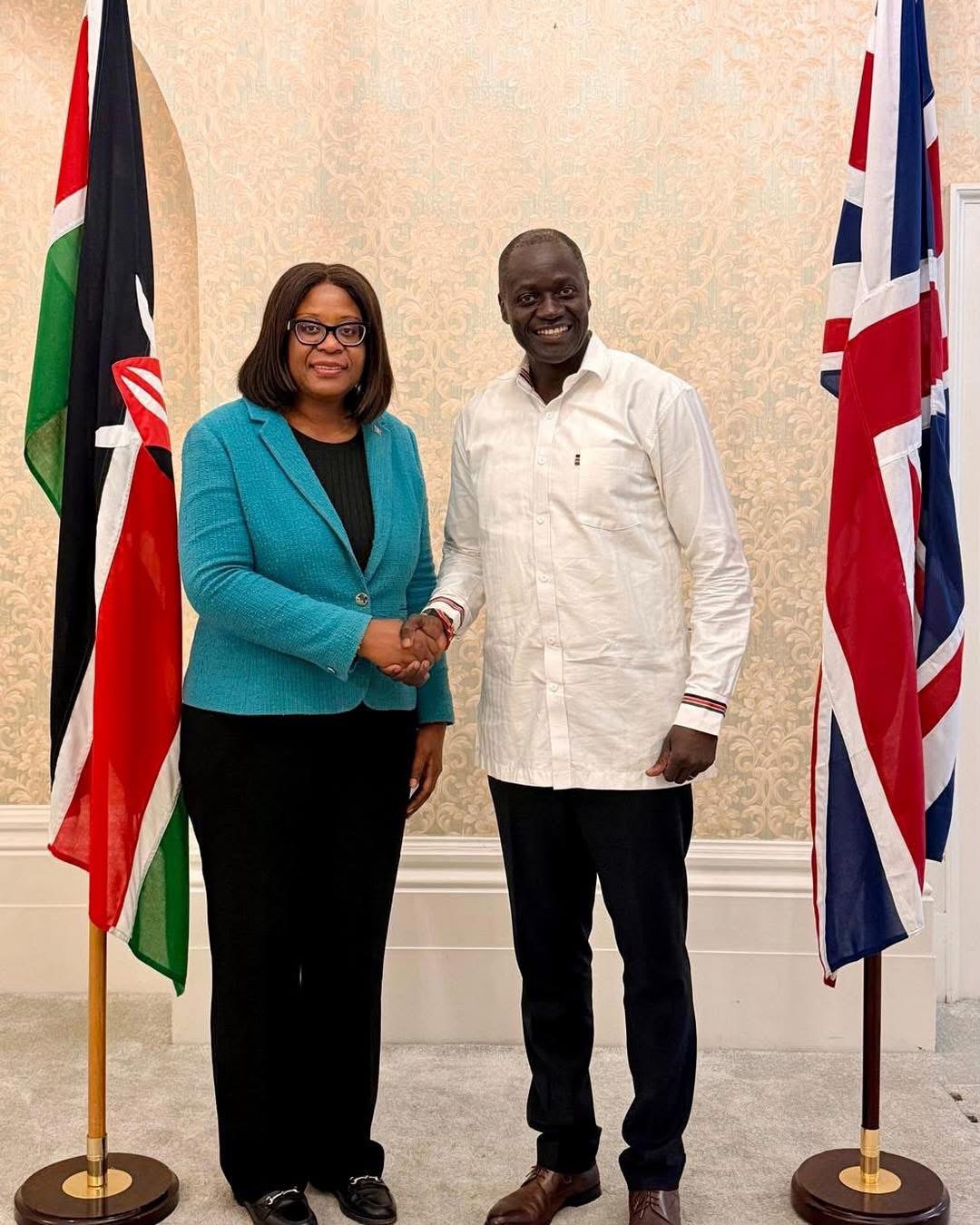
    As the Caribbean nation of Antigua and Barbuda ramps up preparations to host the 2026 Commonwealth Heads of Government Meeting (CHOGM), senior diplomatic representatives from Antigua and Barbuda and Kenya have convened in London to align on planning efforts, strengthen bilateral ties, and confirm Kenya’s engagement in pre-summit sporting events.

    Karen-Mae Hill, Antigua and Barbuda’s High Commissioner to the United Kingdom and the country’s national focal point for the 2026 CHOGM, led her delegation in a formal courtesy meeting with Maurice Makoloo, Kenya’s equivalent High Commissioner based in the UK. The gathering brought together senior stakeholders from both sides, including Charmaine Quinland-Donovan, chief executive officer of Antigua and Barbuda’s Citizenship by Investment Unit, Third Secretary Caleb Gardiner, and Dr. Len Sambili, an advisor for Sport for Development and Peace at the Commonwealth Secretariat, who also joined the discussions.

    A core focus of the talks was advancing logistical and diplomatic planning for the upcoming summit, scheduled to take place from November 1 to 4, 2026, in St. John’s, Antigua and Barbuda. The summit will gather heads of government from across the 56-member Commonwealth bloc to discuss collective priorities, policy coordination, and shared global challenges. In addition to summit planning, the two delegations explored opportunities to deepen long-term bilateral cooperation between the small Caribbean nation and the East African country, both of which are active members of the Commonwealth network.

    A key agenda item centered on sporting events tied to the summit, specifically Kenya’s participation in the exhibition cricket match scheduled to take place alongside the 2026 CHOGM. Kenya has already formally backed the “One Commonwealth, One Team” Exhibition Cricket Match Series, a new initiative organized in the lead-up to the summit that uses sport as a tool to connect member nations and advance development goals aligned with the Commonwealth’s Sport for Development and Peace agenda. Hill’s delegation updated Makoloo on plans for the match and confirmed Kenya’s role in the event, cementing the country’s commitment to the full range of CHOGM 2026 activities.

    This diplomatic engagement is just the latest in a string of preparatory meetings Hill has led as national focal point. In recent months, she has met repeatedly with senior officials from the Commonwealth Secretariat and diplomatic representatives from other member nations to coordinate logistics, align on agenda items, and ensure broad participation from across the bloc as Antigua and Barbuda puts the finishing touches on its hosting plans.

  • Eerste geval van vogelgriep vastgesteld: LVV grijpt in, voedselvoorziening niet in gevaar

    Eerste geval van vogelgriep vastgesteld: LVV grijpt in, voedselvoorziening niet in gevaar

    Suriname has recorded its first official case of highly pathogenic H5 avian influenza, marking the arrival of the regional virus outbreak that has already impacted neighboring nations across South America. The infection was first detected at a commercial broiler chicken farm located in the capital city of Paramaribo, where between 5,000 and 6,000 birds have died from the virus. In immediate response, the country’s Ministry of Agriculture, Livestock and Fisheries (LVV) activated its emergency protocol and rolled out a series of strict control measures to halt further spread of the pathogen throughout the national poultry sector.

    Addressing public and industry concerns, Agriculture Minister Mike Noersalim emphasized that the country’s national supply of chicken meat remains secure and is not under threat from the outbreak. As of the latest update, the infection has been contained to the single Paramaribo commercial farm. A small number of poultry shipments that had already been transported to the Wanica and Commewijne districts before the outbreak was detected have since been located and culled by authorities to prevent further spread. A suspected case at a small-scale duck farm in Saramacca is currently undergoing further testing to confirm whether it is linked to the Paramaribo outbreak.

    Preliminary laboratory analysis conducted jointly by the Bureau of Public Health (BOG) and the Ministry of Public Health has found no evidence of human infection. All test results from samples collected from personnel who were exposed to infected birds have returned negative.

    Edmund Rozenblad, a veterinary surgeon and senior advisor to the agriculture minister, has moved to reassure consumers about the safety of commercially available poultry. “The current challenge is limited to poultry producers, not end consumers,” Rozenblad explained. “All chicken meat available in retail outlets is safe for human consumption as long as it is cooked thoroughly.” He did, however, issue a clear warning against a common unsafe practice among some consumers: tasting raw, marinated chicken during food preparation to check seasoning.

    A coordinated national response effort is now underway, led by the LVV alongside the National Coordination Center for Disaster Management (NCCR) and international health and agriculture partners. Over the critical 24 to 72-hour window following the confirmation of the outbreak, response teams have outlined three core priorities. First, they are ramping up surveillance and contact tracing, with intensive monitoring of all high-risk poultry farms and field workers who may have been exposed to the virus. Second, authorities are scaling up biosecurity and disinfection protocols, tightening hygiene standards across all commercial poultry operations nationwide. Third, response teams are working to secure additional supplies of diagnostic testing materials and personal protective equipment (PPE) for frontline workers.

    Suriname is one of the final countries in the South American region to confirm an H5 avian influenza outbreak, after neighboring nations including Brazil previously reported widespread outbreaks among poultry and wild bird populations. Minister Noersalim noted that the country had already implemented a series of preventive measures ahead of the first confirmed case, including a ban on imports of poultry products from the European Union, the establishment of a dedicated veterinary border checkpoint at Stolkerstijver, and biosecurity training for more than 3,000 workers across the poultry sector.

    Looking ahead, the LVV will hold a meeting with representatives from the entire national poultry sector on Monday to discuss market stabilization alternatives and evaluate support for producers affected by the outbreak, including plans for financial compensation for losses incurred during culling and containment operations.

  • GranMorgu halverwege, eerste olie in 2028

    GranMorgu halverwege, eerste olie in 2028

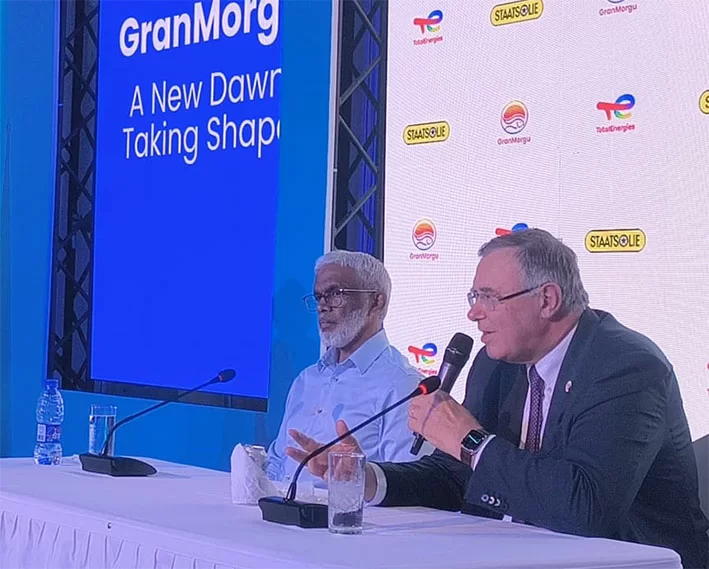
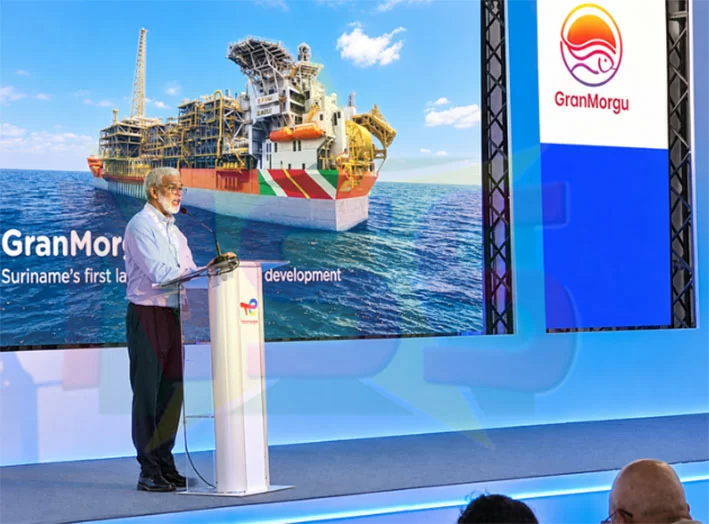
    Suriname’s landmark first large-scale offshore oil development, the GranMorgu project, has hit a key milestone, completing half of its planned work and remaining on schedule to deliver its first commercial crude oil by mid-2028, project leaders announced during a joint progress briefing hosted at the Kuldipsingh Port Facility over the weekend. The event, themed “A New Dawn Taking Shape”, brought together executives from lead developer TotalEnergies and Suriname’s national oil company Staatsolie, along with Suriname’s President Jennifer Simons, to outline both the project’s advancement and the critical preparations the South American nation must complete to capitalize on the expected new oil wealth.

    The billion-dollar GranMorgu development encompasses the Sapakara and Krabdagu oil fields, located roughly 150 kilometers off Suriname’s northern coast. As the project’s operator, TotalEnergies holds a 40% working stake in the development, alongside APA Corporation which also owns 40%, while Staatsolie retains the remaining 20% interest. To date, around half of the project’s total planned investment has been deployed. At full operational capacity, the project’s floating production, storage and offloading (FPSO) vessel will be capable of processing 220,000 barrels of crude oil per day.

    Visitors to the Kuldipsingh Port Facility can already see tangible signs of the massive technical operation taking shape: subsea equipment manufactured in Malaysia, including wellhead components, Christmas tree systems (heavy subsea installations fitted with valves, monitoring sensors and control systems to regulate and secure production from individual oil wells), and other parts of the offshore subsea pipeline network are currently staged on site ahead of their upcoming deployment to the seabed. During a pre-event tour of the facility, President Simons noted that the physical presence of this large-scale equipment makes the project’s progress tangible, confirming how far the development has advanced in recent years.

    Beyond the construction and engineering milestones, project stakeholders emphasized that the rapidly developing oil sector presents Suriname with urgent, large-scale challenges that must be addressed to ensure widespread shared economic benefit. The top priority is expanding vocational and technical training programs to build a skilled local workforce capable of supporting the new industry. The project will require trained workers for roles across construction, logistics, maintenance and offshore operations, with a focus on both technical vocational skills and academic training. TotalEnergies estimates that the GranMorgu project will generate between $1 billion and $1.5 billion in local economic activity, and support more than 6,000 direct, indirect and induced jobs across Suriname. President Simons stressed that oil development does not automatically translate to broad-based prosperity: young Surinamese will need to pursue targeted training and certification to access the new job opportunities created by the industry.

    Staatsolie CEO Anand Jagesar also warned of the macroeconomic risks that accompany a sudden influx of oil revenue. A rapid flood of foreign capital and foreign workers could drive a sharp increase in domestic demand, pushing up prices for housing, hospitality, and other consumer goods and services, potentially crowding out existing non-oil sectors. To mitigate this risk, Jagesar pointed to Suriname’s Savings and Stabilization Fund, designed to prevent all future oil revenue from flooding into the domestic economy all at once. While legislation establishing the fund was updated and enacted by the end of 2024, the International Monetary Fund confirmed in May 2025 that while Suriname has taken important legislative steps, the full operationalization of the fiscal framework for the fund is still incomplete.

    When asked to rate Suriname’s current level of preparation for the launch of offshore oil production, Jagesar gave the country a score of 6.5 out of 10. He noted that there is broad buy-in for the project across government, the private sector and civil society, but the country needs to reach a preparation level of 8.5 out of 10, with significant work still required to expand training programs, upgrade infrastructure, and deepen professionalization across supporting sectors. Even so, Jagesar observed that local Surinamese companies are already investing in upgrades and adapting to meet the strict international standards required by the offshore oil industry.

    GranMorgu may also just be the beginning of Suriname’s offshore oil sector. TotalEnergies is continuing its exploration activities in Block 58, where GranMorgu is located, with four new exploration wells scheduled to be drilled in 2026. Jagesar expressed ambition that new discoveries could support the development of a second FPSO in the block, expanding Suriname’s long-term oil production capacity.

  • Heart surgeries for 40 children begin this month-Ali

    Heart surgeries for 40 children begin this month-Ali

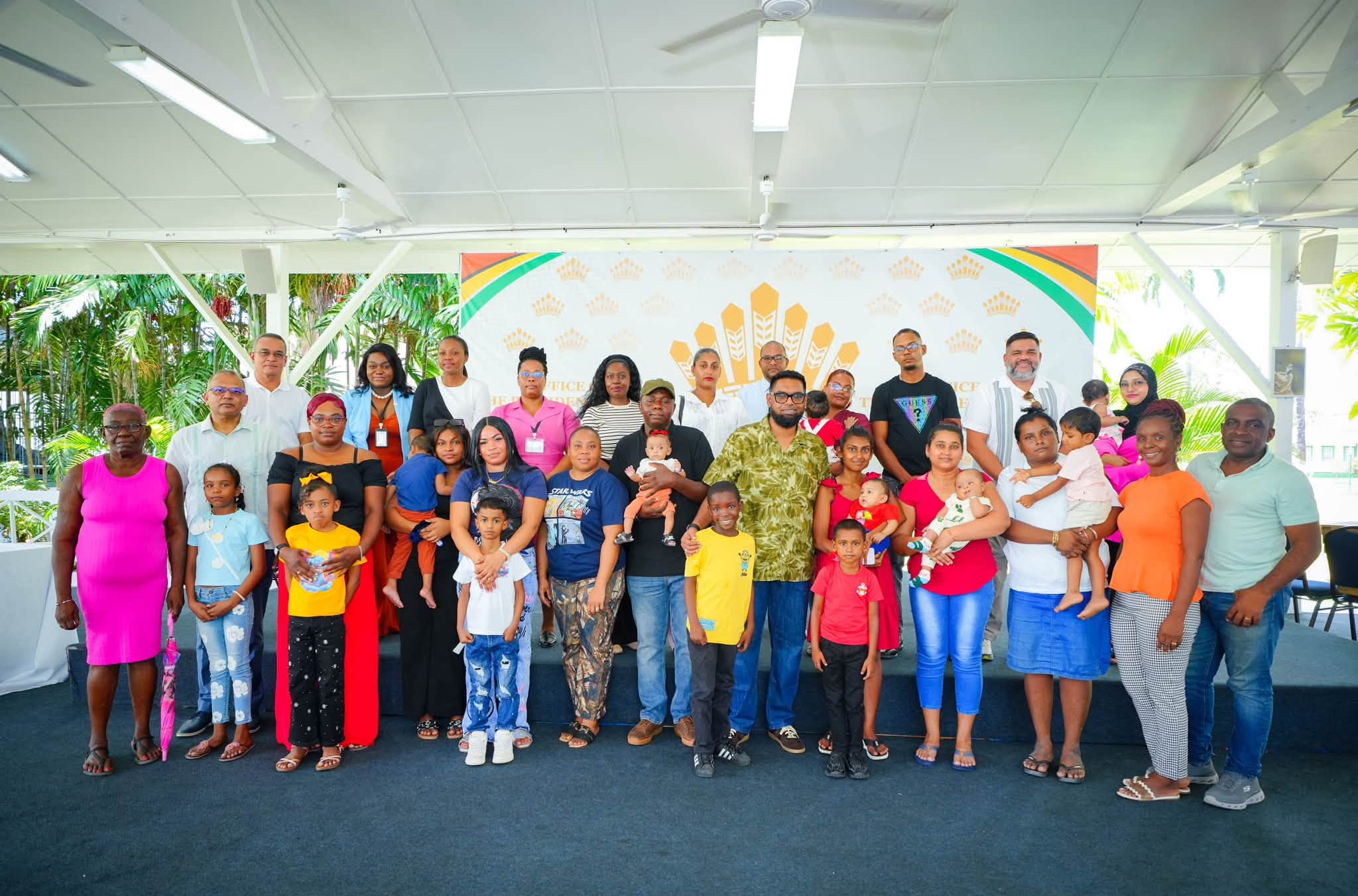
    GEORGETOWN, GUYANA – September 19, 2026 – In a significant commitment to improving pediatric healthcare access for vulnerable families across the nation, Guyana’s President Irfaan Ali announced Saturday that the first cohort of children born with congenital heart defects will receive life-saving surgical intervention later this month.

    Following a meeting with the parents of the children awaiting surgery held earlier that day, President Ali confirmed details of the medical initiative via his official Facebook page. The first phase of the program will bring a specialized medical team from India’s prominent Apollo Health Systems to Georgetown between September 28 and October 2, during which 17 children will undergo corrective heart surgery. After this five-day medical mission concludes, a second mission is scheduled for December, when an additional 10 children will receive the same life-saving treatment.

    President Ali emphasized that the Guyanese government has already put all necessary administrative and medical protocols in place to ensure every identified case will be addressed by the first quarter of 2027. To eliminate additional financial and logistical burdens for participating families, the government will also cover transportation costs for all children, and provide free accommodation for those traveling to Georgetown from other regions of the country during the mission.

    The announcement was made following a gathering that also included Chief Executive Officer of the Georgetown Public Hospital Corporation Robbie Rambarran and Guyana’s Minister of Health Dr Frank Anthony, alongside other senior government health officials, all of whom met directly with the parents of the children scheduled for surgery.

  • Amoni Afonsoewa pakt eerste prijs in ratingcategorie op internationaal damtoernooi

    Amoni Afonsoewa pakt eerste prijs in ratingcategorie op internationaal damtoernooi

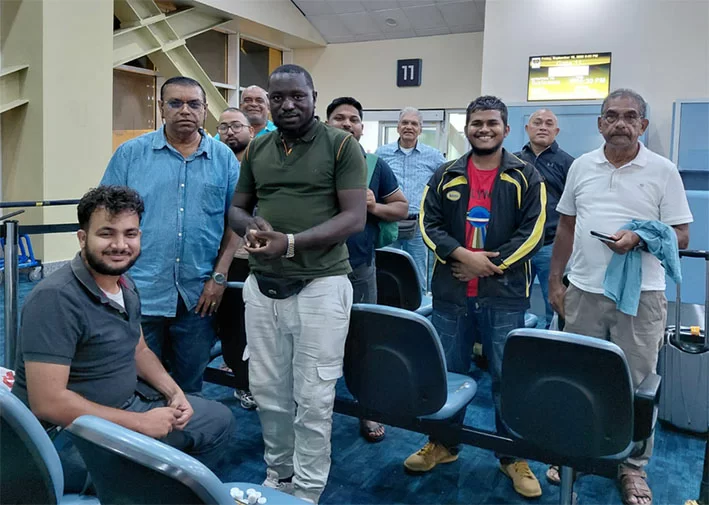
    An international draughts tournament held from September 9 to 17 in Trinidad and Tobago has delivered a historic win for Team Suriname, with Amoni Afonsoewa securing first place in the highly competitive 2000–2099 rating category.

    Hosted over nine days of intense, strategic play, the tournament drew a diverse field of top draughts competitors from across the globe. Suriname’s national delegation, led by the Suriname Draughts Federation (SDB), held its own against elite international opposition, with Afonsoewa delivering the squad’s standout individual performance. In addition to Afonsoewa’s category win, Arief Salarbaks and Niaaz Salarbaks turned in strong consistent play to finish as the highest-ranked Surinamese competitors in the tournament’s open overall standings.

    Another notable milestone from the tournament came from Suriname’s Phavan Basdewsingh, who submitted an official application during the event for the prestigious international title of Candidate Master of the FMJD (CMF). If approved, the title will mark a major career milestone for Basdewsingh, elevating his standing in international draughts. One of the tournament’s most anticipated matchups saw Basdewsingh go head-to-head against former world champion Guntis Valneris of Latvia, highlighting the high caliber of competition Surinamese players faced over the nine-day event.

    Looking back on the team’s participation, the Suriname Draughts Federation expressed deep satisfaction with the delegation’s performance. Officials emphasized that the squad represented Suriname with honor and dignity, and beyond the tangible tournament results, the invaluable high-level international competition experience gained will be transformative for the long-term growth of the country’s draughts athletes.

    “Competing at events like this gives our players the unique chance to test their skills against competitors of varying skill levels and contrasting playing styles,” SDB representatives noted. The federation underscored that the experience gained at the Trinidad and Tobago tournament will directly contribute to the ongoing development and expansion of draughts as a competitive sport across Suriname, laying stronger groundwork for future international successes.

  • PM urges Vincies abroad to move from remittances to real partnership

    PM urges Vincies abroad to move from remittances to real partnership

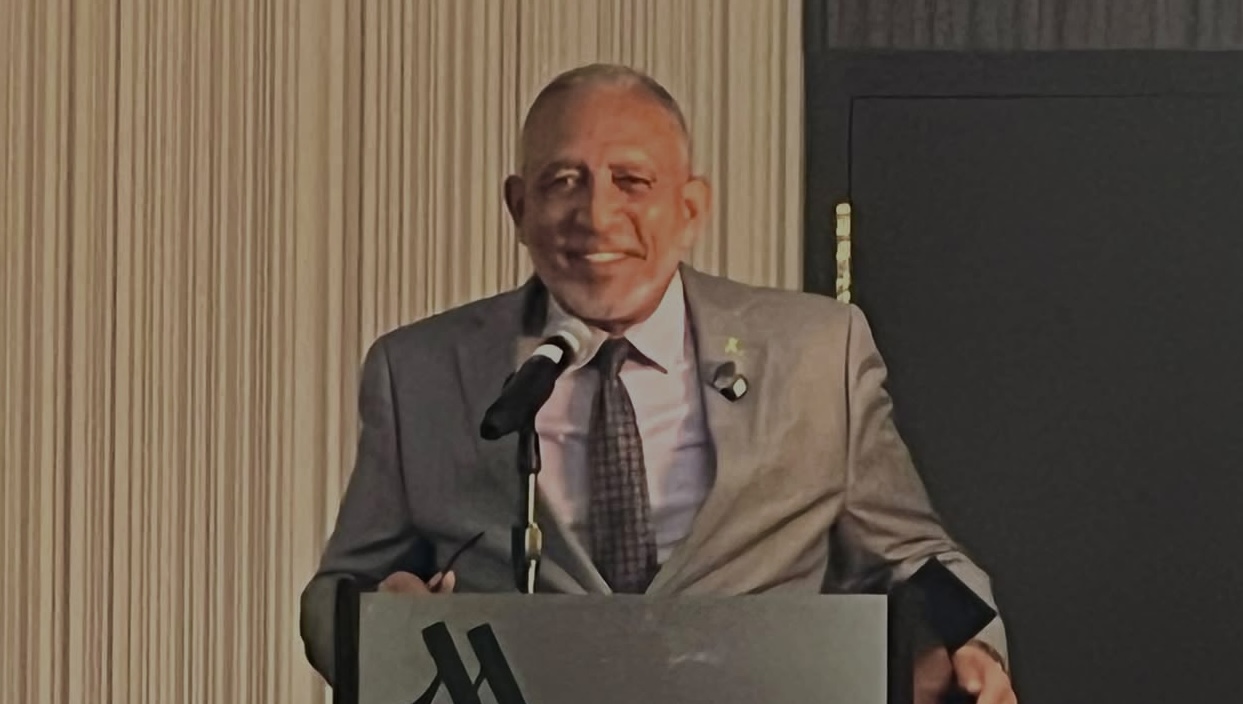
    During a diaspora investment gathering held in New York on Saturday, St. Vincent and the Grenadines (SVG) Prime Minister Godwin Friday delivered a landmark call to action, urging the tens of thousands of Vincentians living across the globe to evolve their role in national development from casual supporters to core strategic partners.

    Hosted under the theme “Reconnect, Reinvest, Rebuild: Turning Vincentian Global Success into Local Opportunity”, the event marked a turning point in how the newly elected NDP government frames diaspora engagement. Friday, who took office in November following his New Democratic Party’s decisive 14-1 election victory, emphasized that SVG has entered a critical new juncture of national development that demands deeper collaboration between citizens at home and abroad.

    For decades, Friday noted, the contribution of the SVG diaspora has largely been measured through the lens of personal remittances — funds sent home to support immediate family, cover household costs, and build local homes. He offered unreserved gratitude for this lifelong support, acknowledging that these hard-earned transfers have long been an invaluable backbone of household and community stability across SVG. But as the country pursues large-scale economic transformation, infrastructure modernization, climate resilience building, and private sector growth, Friday argued that the nation is ready to expand its partnership with the global Vincentian community.

    “This is more than a slogan. It is a call to action,” Friday told the assembled audience. “It is an invitation to see ourselves — wherever we live in the world — as one Vincentian family, bound together by a shared history, a shared identity, and a shared responsibility to shape our future.”

    Vincentians have built impressive global footprints across nearly every industry, Friday noted. From their island homeland, generations have migrated to North America, Europe, the wider Caribbean and beyond in search of education, opportunity, and improved livelihoods for their families. Today, they hold leading roles in medicine and nursing, finance, technology, hospitality, academia, law, sports, the arts, public service and community leadership. “Your success is not an accident,” he said. “It is born from the same resilience, creativity, and faith that sustain our people at home.”

    Despite these shared bonds, Friday warned of growing rifts between the homeland and its diaspora: beyond the obvious geographic separation, emotional and generational distance is expanding as younger generations of Vincentians born and raised abroad build lives far from SVG. Reconnection, he argued, cannot stop at occasional holiday visits or nostalgic cultural ties. It requires intentional, sustained engagement to rebuild bonds of trust, shared purpose, and open communication between all Vincentians, regardless of where they reside.

    Positioning himself as both head of government and a fellow citizen invested in national unity, Friday laid out a broad vision for expanded diaspora engagement that goes far beyond remittance flows. The new framework calls for Vincentians abroad to take equity stakes in local businesses and development projects, enter joint ventures with domestic entrepreneurs, share professional expertise through mentorship and training programs, open access to new global markets for SVG exporters, and participate in the country’s capital markets to channel diaspora savings into productive local investment.

    As Prime Minister and Minister of Finance and Economic Planning, Friday emphasized that sustained, inclusive growth does not occur by chance. It requires intentional policy, sound governance, and collaborative, long-term partnerships. To that end, he committed his administration to building an enabling environment that welcomes, protects, and incentivizes diaspora investment, pointing to already underway reforms to simplify business registration and operational processes, open targeted investment opportunities in high-priority sectors, and establish trusted intermediary institutions that connect diaspora investors with credible local partners. He also underlined a non-negotiable commitment to good governance, transparency, and accountability in all public-private partnership initiatives.

    Friday framed the call for diaspora investment against SVG’s long history of resilience in the face of crisis. The country has endured repeated shocks, including the devastating La Soufrière volcanic eruption, the COVID-19 pandemic, Hurricane Beryl, and the ongoing existential threat of climate change. “Our country knows what it means to rebuild,” he said. “Yet each time we are tested, Vincentians rise again.”

    True rebuilding, he argued, extends far beyond repairing damaged roads, bridges, schools, and hospitals. It requires rebuilding investor and community confidence, expanding inclusive economic opportunity, and strengthening the systems that allow all citizens to thrive. In this broader rebuilding effort, diaspora investment serves as a powerful tool to strengthen national resilience, create sustainable jobs and livelihoods, drive innovation in agriculture, fisheries, and food security, and expand authentic, community-led, environmentally responsible tourism offerings. The diaspora also holds unique potential to help SVG expand its digital technology and services ecosystem, connecting local small and medium-sized enterprises — the backbone of the SVG economy — to global markets, he added.

    A core focus of Friday’s remarks centered on young Vincentians, many of whom now study, work, and build lives overseas. He emphasized that the government’s goal is not to restrict mobility or dim young people’s global ambitions, but rather to maintain and deepen their ties to SVG’s development. “Our aim is not to limit their horizons, but to ensure that wherever they go, they remain connected to the development of Saint Vincent and the Grenadines,” he said, outlining a vision where a young Vincentian based in New York, Toronto, London, or any other global city can clearly see a pathway to contribute to their homeland — whether through returning home, making an investment, serving as a mentor, or collaborating with local partners.

    To turn this vision into action, Friday announced that his administration, through the Ministry of Foreign Affairs, Foreign Trade, Foreign Investment and Diaspora Affairs and the country’s global diplomatic network, is building structured, accessible channels for ongoing diaspora engagement, replacing the ad-hoc, occasional interactions that have defined past outreach. He identified high-impact priority sectors for partnership including sustainable and ecotourism, agriculture and agro-processing, food exports, renewable energy, climate-resilient infrastructure, information and communications technology, digital innovation hubs, education, healthcare, and the creative industries.

    Beyond economic partnership, Friday highlighted the symbolic and inspirational value of elevating diaspora achievements, stressing that the success of Vincentians abroad is an inseparable part of the national story. He committed the government to doing more to highlight these contributions, giving young Vincentians both at home and abroad visible role models that encourage them to pursue larger ambitions.

    Friday acknowledged that trust is the foundation of any productive investment partnership, noting that capital only flows to markets where investors feel confident in the rule of law and policy stability. “Investment flows where there is trust,” he said, adding that his administration is committed to strengthening that trust through open dialogue, clear, consistent policies, and responsible stewardship of the national interest. “We welcome scrutiny. We welcome collaboration. We welcome your questions, your ideas, and your expectations,” he told the audience.

    In closing, Friday returned to the event’s core theme, stressing that the work of building SVG’s future cannot be shouldered by the government alone. “When we say ‘Reconnect, Reinvest, Rebuild,’ we are really saying: let us shape the future of Saint Vincent and the Grenadines together,” he said.

    He outlined a shared vision for the nation: a country where all children born to Vincentian parents at home and abroad grow up proud of their identity; a diverse, competitive, and resilient economy that delivers rising living standards, quality education, and accessible high-quality healthcare; and a nation that preserves and amplifies its unique culture, stunning natural beauty, and long-held democratic traditions. “This is not the task of government alone,” he cautioned. “It is the task of a nation — of a global Vincentian family.”

    He closed with a personal challenge to every attendee, asking them to leave the event with three guiding questions: How can I reconnect more deeply with my homeland? In what ways can I reinvest — financially, professionally, personally — in the development of Saint Vincent and the Grenadines? How can I help rebuild and renew opportunity for the next generation?

    “If each of us leaves this event with one concrete action — one commitment to partner, to mentor, to invest, to advocate — then this gathering will have achieved its purpose,” he said. Thanking the diaspora for their enduring patriotism, perseverance, and love of country, Friday urged the community to bring the benefits of their global success back to the villages, towns, and communities that shaped them.

    “Together, let us reconnect. Together, let us reinvest. Together, let us rebuild,” he concluded. “And together, let us turn Vincentian global success into lasting local opportunity.”
  • U.S. Military Says Four Killed in Strike on Suspected Drug Boat in Caribbean

    U.S. Military Says Four Killed in Strike on Suspected Drug Boat in Caribbean

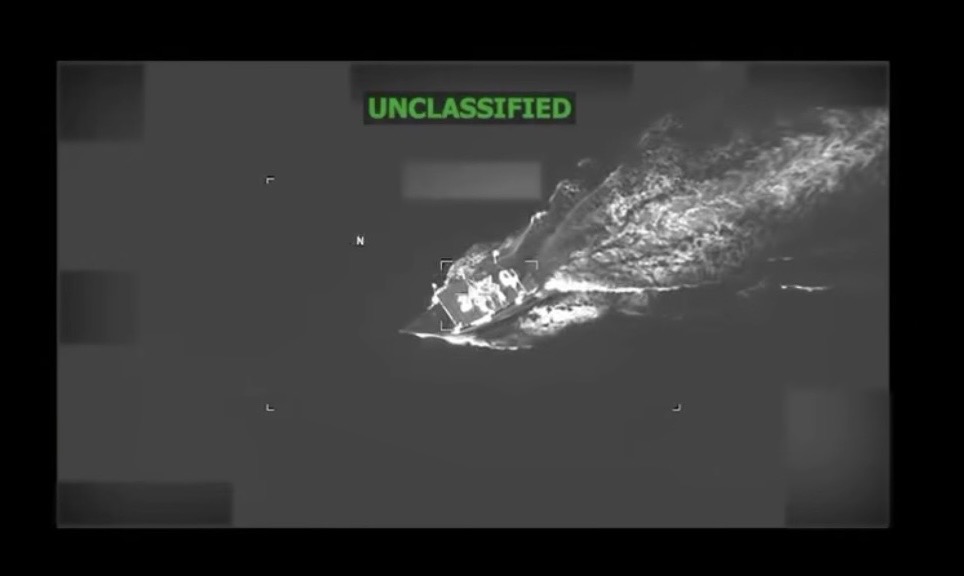
    A September 19 U.S. military strike against a suspected drug-smuggling vessel in the Caribbean Sea has left four people dead, reigniting longstanding questions about the use of deadly force in Washington’s hemispheric counter-narcotics operations.

    The operation was executed by Joint Task Force Western Hemisphere under the command of U.S. Southern Command (SOUTHCOM), the U.S. military body responsible for security operations across Latin America and the Caribbean. According to SOUTHCOM’s official statement, the target was a small, high-speed “go-fast” boat traveling along one of the region’s most well-traveled narcotics trafficking corridors. Intelligence confirmed the vessel was actively engaged in smuggling operations, SOUTHCOM claimed, and identified the four people killed as “narco-terrorists.”

    Surveillance video published by the U.S. military shows the small craft moving at high speed across open water moments before it was engaged by U.S. forces. However, key details about the incident remain undisclosed as of initial reporting: SOUTHCOM has not released the exact location of the strike, the nationalities of the deceased, nor the type and quantity of drugs the vessel was allegedly carrying. Independent verification of the military’s claim that the boat was involved in drug trafficking is also not yet available.

    This strike is the second lethal operation targeting suspected smuggling vessels in the Caribbean this month alone. On September 9, a similar strike left three people dead aboard another go-fast boat linked to narcotics trafficking, according to SOUTHCOM. The operations are part of a years-long ongoing U.S. military campaign aimed at interdicting drug shipments moving through the Caribbean and eastern Pacific Ocean en route to global markets.

    Despite the military’s framing of the campaign as a critical counter-narcotics measure, the repeated use of lethal force against suspected traffickers has drawn sharp international scrutiny. Independent human rights experts appointed by the United Nations have called for formal investigations into the strikes and demanded accountability for any potential human rights violations.

    In a noticeable shift in tactics for operations in the eastern Pacific in recent weeks, SOUTHCOM has sometimes removed crew members from suspect vessels before sinking the boats. For example, during a September 15 operation, command personnel removed all crew members from a targeted smuggling support vessel and transferred them to Ecuadorian law enforcement before destroying the craft. This contrast in approaches has prompted further questions about why lethal force was used in the two recent Caribbean strikes rather than the non-lethal interception tactics employed elsewhere.

  • Jagesar: Spin-off GranMorgu nu al merkbaar, aandacht verschuift ook naar gas

    Jagesar: Spin-off GranMorgu nu al merkbaar, aandacht verschuift ook naar gas

    Even though first commercial oil production from Suriname’s landmark GranMorgu offshore oil project is not slated to begin until 2028, the economic ripple effects of the Block 58 development are already being felt across the country, according to Anand Jagesar, chief executive officer of state-owned energy firm Staatsolie.

    During a recent site visit to the Kuldipsingh Port Facility, where key subsea infrastructure components for the $X billion project are currently being prepped for deployment, Jagesar noted that roughly 700 local Surinamese workers are already employed in onshore activities tied to the offshore project alone. The large equipment currently staged on land at the port will eventually be installed on the ocean floor, where it will remain as a core part of the project’s production system for decades to come.

    Jagesar broke down GranMorgu into three core integrated components: a floating production, storage and offloading (FPSO) vessel currently under construction in China, reservoir wells drilled beneath the seabed, and the subsea infrastructure that connects the producing wells to the FPSO. “This is the last time this equipment will be seen on land. It will operate on the ocean floor for the next 50 years, generating production and revenue for our nation,” Jagesar stated of the components staged at the port facility. Staatsolie holds a 20% stake in the GranMorgu development, and additionally fulfills regulatory and oversight responsibilities for petroleum activities across the country as a state-owned entity.

    Beyond the project’s long-term revenue potential, Jagesar emphasized that it is already driving tangible improvements to local livelihoods through job creation. With 700 direct positions already filled by Surinamese workers at the port facility alone, he calculated that approximately 3,000 household members are already benefiting from the project’s early-stage activities. Looking ahead, the company has set an ambition to grow the total number of direct local jobs tied to the development of the country’s offshore energy sector to roughly 2,000 once the project progresses toward full operation.

    Jagesar added that the economic spillover from GranMorgu extends far beyond direct project employment. Local service providers and businesses across multiple non-energy sectors are already seeing increased activity tied to the growing oil and gas industry. Hotels, restaurants, and local transport services in particular have benefited from the influx of international energy conferences, foreign corporate delegations, and expert personnel traveling to Suriname to support the project’s development.

    At the same time, Jagesar argued that national energy development conversations should not focus exclusively on oil. He pointed to recent major natural gas discoveries in Suriname’s offshore waters, saying these reserves deserve far greater attention in strategic discussions about the future of the country’s energy sector. To advance this agenda, he is considering organizing a dedicated new energy conference. Unlike previous industry gatherings, which centered heavily on offshore oil discoveries and the progress of the GranMorgu development, the next event would place a sharp focus on natural gas and its commercial development opportunities. The country’s strategic focus is gradually shifting away from solely launching its first large-scale offshore oil production toward mapping out the next steps to unlock full value from both its oil and gas reserves, Jagesar noted.

  • Family Makes Emotional Appeal for Blood Donations for Dorien Browne

    Family Makes Emotional Appeal for Blood Donations for Dorien Browne

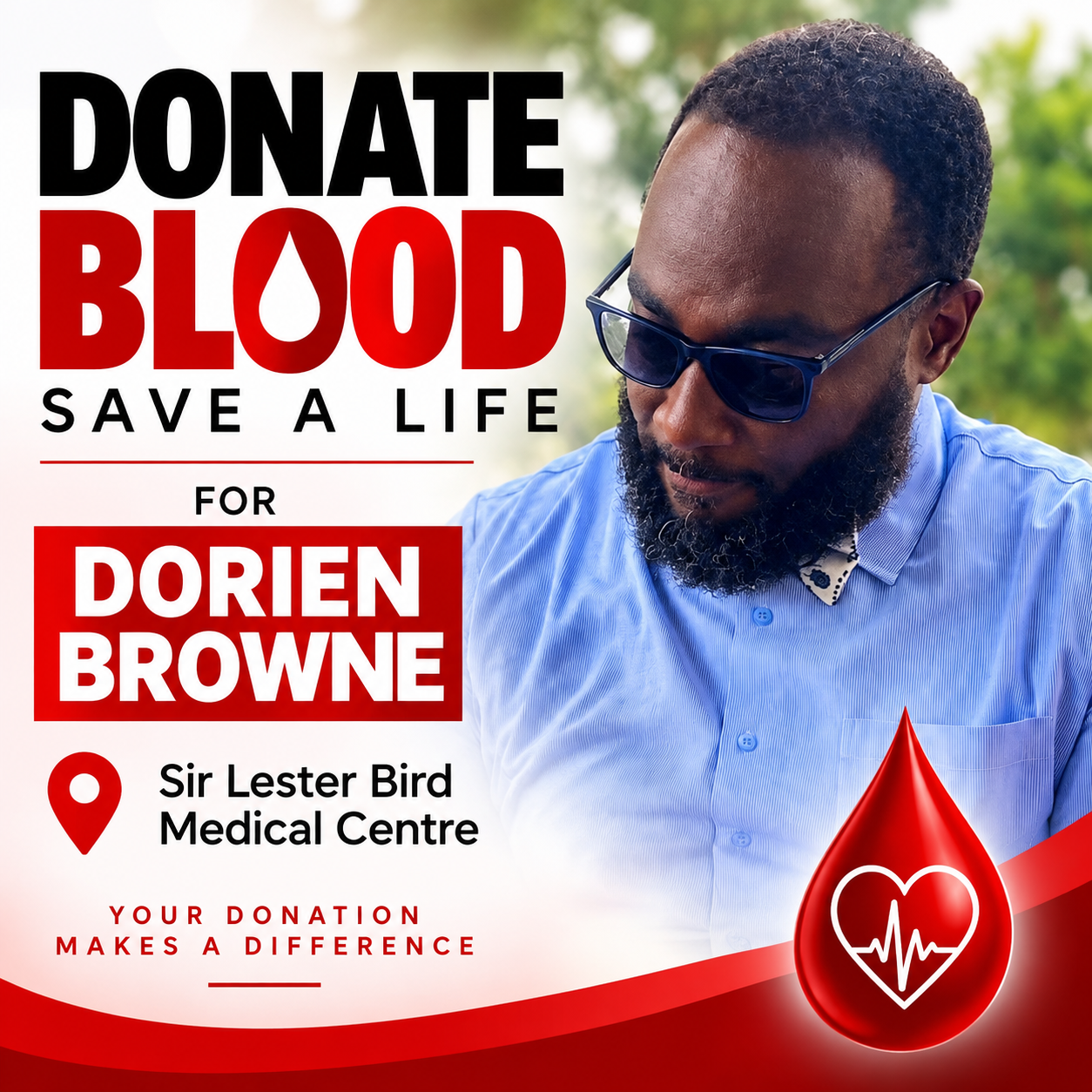
    As 29-year-old Dorien Browne continues to receive critical medical treatment at Antigua and Barbuda’s primary public care facility, Sir Lester Bird Medical Centre, his loved ones have put out an urgent, heartfelt call for community support to save his life.

    The appeal, first circulated to local communities over the weekend, lays out the immediate need for eligible donors to step forward to give blood for Browne’s ongoing care. In a moving statement shared widely across local social networks and community groups Saturday, Browne’s family opened up about the stress and uncertainty the entire household is navigating right now.

    “This is an incredibly difficult and worrying chapter for our whole family,” the statement reads. “We are clinging to prayer and holding out hope that our community will come together to carry him through this crisis.”

    Beyond calling on healthy, eligible people to donate blood directly at the Sir Lester Bird Medical Centre, the family emphasized that community members who cannot give blood themselves still have a critical role to play. They urged those unable to donate to share the appeal with their own networks of friends, family members, colleagues and other contacts who may meet the eligibility requirements to give blood.

    “Family shows up for one another when crisis hits, and right now, Dorien needs all of us,” the appeal notes.

    Every form of support, no matter how small, makes an enormous difference to the family, they added. Whether someone chooses to donate blood, share the request, reach out directly to check in, or offer prayers on Browne’s behalf, every gesture is deeply valued by the whole family.

    “Every donation, every prayer, every outreach, every effort to help means more to our family than you could ever possibly imagine,” relatives said.

    The family also asked that members of the public keep both Browne and their entire household in their thoughts and prayers, as they maintain cautious optimism about his road to recovery. “We are holding on to hope and believing that, together, we can make a difference for Dorien,” the statement concludes.

    In closing, the family expressed profound gratitude to the community for any support they can offer, saying “Thank you from the bottom of our hearts for your love and solidarity.”

  • Dementia data gap poses challenge for care

    Dementia data gap poses challenge for care

    Barbados is currently facing a critical gap in dementia care planning: there is no complete, reliable count of how many people across the island live with the neurodegenerative condition. This data deficit is a top priority for the Barbados Alzheimer’s Association, which has announced that building a comprehensive, accurate dataset of dementia patients is a core medium- and long-term organizational goal.

    Cyril Burke, the association’s Public Relations Officer, shared details of the initiative during an interview with reporters on the sidelines of the World Alzheimer’s Month Health and Wellness Fair, held Saturday at the Main Guard Building in Garrison. Burke explained that clearer, more precise data would allow both the association and partnering health and social agencies to tailor support services to meet patient needs far more effectively – a benefit that becomes especially critical during public health emergencies or sudden crisis events.

    “Right now, we do not have definitive numbers on how many Barbadians live with dementia. This creates real challenges for our work, and it is a gap we are committed to closing,” Burke noted. “Once we have an accurate count and know where affected individuals are located, we can deliver targeted support, and ensure that patients get the specialized care they need immediately if an emergency strikes. That is the core of our medium- to long-term work on this front.”

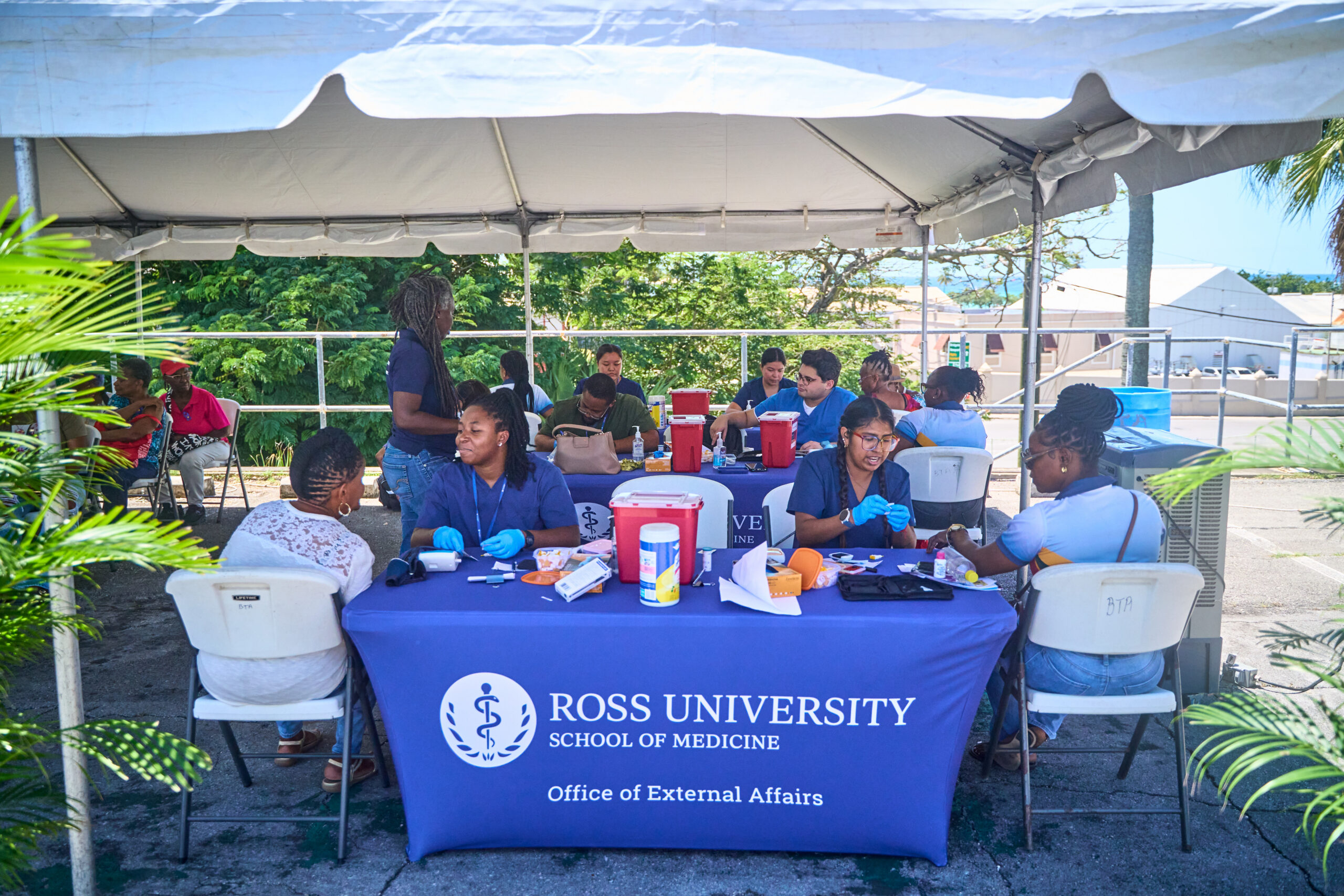
    The health fair, held as part of global World Alzheimer’s Month observances leading up to World Alzheimer’s Day on September 21, offered a wide range of free services and educational resources to local attendees. Beyond general health screenings – including blood pressure tests, blood sugar and cholesterol checks, body mass index assessments, and free prostate-specific antigen (PSA) testing – the event also provided free cognitive screenings for early dementia detection. Visitors could also access evidence-based information on dementia risk factors and prevention strategies, along with personalized medical and legal guidance for patients and their families.

    Burke reported that public engagement with World Alzheimer’s Month activities has been overwhelmingly positive so far, adding that dementia touches a far larger cross-section of the Barbadian community than many realize, affecting people across all age groups from early-onset cases through advanced-stage diagnoses.

    Beyond improving data collection, Burke also emphasized the often-overlooked burden placed on dementia caregivers, who face chronic high levels of physical and emotional stress while supporting loved ones, and called for greater public and institutional support for this group. He also used the event as an opportunity to educate the public on key early warning signs of dementia, pushing back against the common misconception that occasional minor forgetfulness – such as misplacing keys or everyday items – is a primary indicator of the condition.

    Instead, Burke explained that consistent, disruptive patterns of behavior and cognitive decline are the key red flags. “One of the most common early signs is repeated behavior: saying the exact same thing six or eight times over a short period,” he explained. “People may start forgetting how to do simple, familiar daily tasks that they’ve done their whole lives – things like brushing their teeth, buckling a belt, or making a cup of tea. In more noticeable cases, patients may forget their spouse’s name, or mix up the names of their own children.”