博客

  • Solidarity with Cuba from many quarters

    Solidarity with Cuba from many quarters

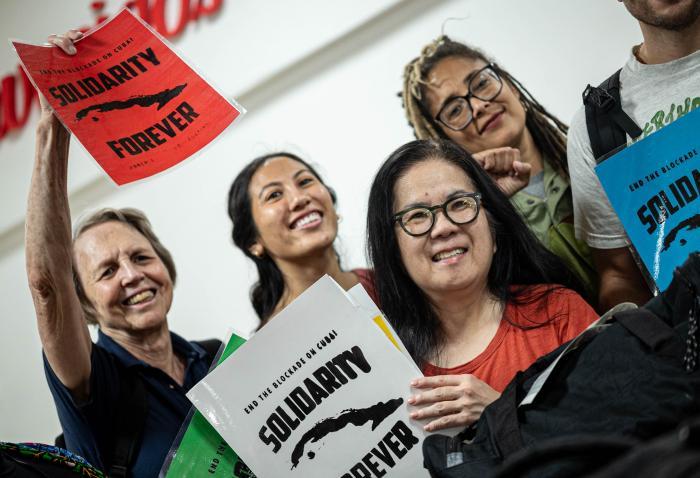
    A multinational humanitarian initiative dubbed the “Our America Convoy” has arrived in Havana with substantial material support for Cuba, representing a significant display of Pan-American solidarity against what organizers characterize as genocidal U.S. policies. The convoy, carrying essential medicines, food supplies, medical equipment, and educational materials, originated from multiple nations including Brazil, Colombia, Uruguay, Mexico, and even the United States itself.

    The initiative emerged in February 2026 as a direct response to the intensified energy blockade and economic sanctions against Cuba. David Adler, founder of the movement and participant in the Global Sumud Flotilla to Palestine, emphasized that while the physical supplies cannot fully address Cuba’s needs, the convoy serves as “a spark for a new international solidarity movement” aimed at pressuring governments to provide energy resources and break the decades-long blockade.

    Fernando Pereira, president of Uruguay’s Frente Amplio, delivered a powerful message upon arrival: “A people without a soul has little future.” He referenced Cuba’s historical humanitarian contributions, particularly Operation Miracle which restored vision to nearly 100,000 Uruguayans, stating that “parties that show gratitude when things are at their worst are the ones that should be there.”

    Brazil’s representation, led by Mónica Valente of the São Paulo Forum, announced parallel efforts to fundraise for solar panels to aid Cuba’s electricity generation. Valente condemned the escalating blockade despite annual UN resolutions calling for its end, noting that “every year, the United Nations approves by a large majority the end of that policy, and yet it intensifies.”

    The convoy notably included U.S. representatives from Pastors for Peace, continuing their decades-long support. Executive Director Claudia de La Cruz stressed that current U.S. administration policies “do not represent the sentiments of the American people” and emphasized their commitment to opposing aggression against Cuba.

    Youth representation was provided by Alexandre Pupo of the International Youth Organization for Ibero-America, representing 21 member states who view Cuba as “a beacon of hope for justice.” The convergence of multiple generations and nationalities demonstrates growing international recognition of what Adler termed the “historical debt” owed to Cuba for its struggles for national and international liberation.

  • Crisishulplijn 114 vanaf mei weer bereikbaar voor hulp bij suïcide en geweld

    Crisishulplijn 114 vanaf mei weer bereikbaar voor hulp bij suïcide en geweld

    Suriname is set to relaunch its comprehensive telephone crisis helpline service, 114, with full public availability expected by May 2026. The initiative, spearheaded by Underminister Raj Jadnanansing of the Directorate of Welfare and Labor within the Ministry of Health, Welfare, and Labor, will provide critical support for suicide prevention, domestic violence intervention, and substance abuse counseling.

    The revitalized helpline represents a collaborative effort between international and local partners, including the Pan American Health Organization (PAHO) and Suriname’s Psychiatric Center. In preparation for the May launch, specialized training programs for call counselors will commence in April, incorporating the latest advancements in telephone assistance methodologies.

    A key enhancement to the service includes the development of a structured referral system to appropriate support agencies, ensuring callers receive targeted assistance more efficiently. This systematic approach aims to streamline the connection between individuals in crisis and specialized care providers, reducing wait times and improving outcomes.

    The 114 helpline’s reactivation addresses growing concerns about mental health support accessibility in Suriname, particularly following periods of social and economic challenges that have increased demand for crisis intervention services. The government’s investment in professional counselor training reflects its commitment to evidence-based mental health support aligned with international standards.

    This infrastructure development represents a significant step in strengthening Suriname’s public health safety net, providing immediate access to professional support for vulnerable populations during critical moments.

  • Nigerian regent visits slave cemetery as ethnic links tour continues

    Nigerian regent visits slave cemetery as ethnic links tour continues

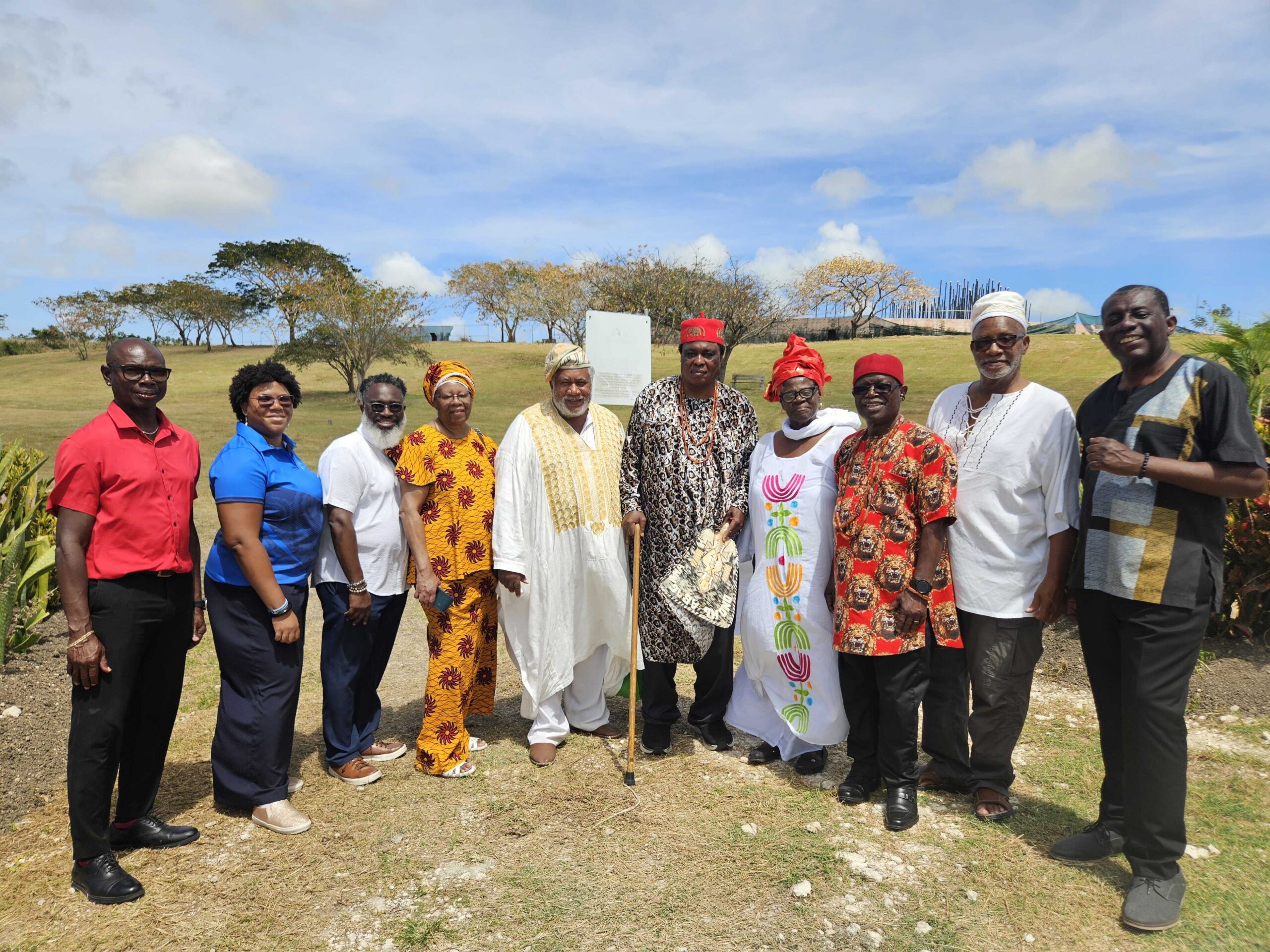
    In a profound act of cultural reconnection, Nigerian traditional leader Dr. Nwachukwu Anakwenze conducted a ceremonial visit to Barbados’ Newton Slave Burial Ground this week, bridging historical divides between West Africa and the Caribbean diaspora. The interim regent of Abagana Kingdom in Nigeria’s Igbo-speaking Anambra state embarked on a four-day diplomatic mission focused on ancestral healing and cultural preservation.

    During Thursday’s solemn observance at the Christ Church plantation site, Dr. Anakwenze joined local spiritual leaders in performing traditional Igbo rituals, including libation ceremonies honoring enslaved Africans interred at the archaeological landmark. The Newton plantation grounds represent one of Barbados’ most significant heritage sites connected to the transatlantic slave trade era.

    Representatives from the Barbados Museum and Historical Society provided extensive historical context, detailing how this burial ground serves as crucial archaeological evidence documenting the living conditions, health patterns, and burial customs of enslaved populations during the 18th and 19th centuries. Academic researchers recognize Newton as among the Caribbean’s most important sites for understanding the African diaspora experience.

    The visit underscores historical research indicating substantial Igbo ancestral connections within Barbados’ Black population. During the slave trade era, numerous captives were transported from the Bight of Biafra region—encompassing territories now within Ghana, Togo, Benin, Equatorial Guinea, Gabon, and Nigeria—predominantly inhabited by Igbo, Ibibio and Efik ethnic groups.

    Reverend Onkphra Wells, chairman of the Pan-African Coalition of Organisations, characterized the visit as part of broader initiatives celebrating African cultural traditions that endured through slavery while strengthening contemporary Africa-Caribbean relations. Dr. Anakwenze, who also chairs the Igbo World Assembly representing global Igbo communities, will participate in educational programs, historical tours, and academic discussions throughout his stay.

    The itinerary includes meetings with government officials and University of the West Indies representatives to expand collaborative efforts in cultural heritage research and diaspora engagement programs, concluding Saturday after establishing frameworks for ongoing transnational cooperation.

  • Empire leads BFA Division One after five rounds

    Empire leads BFA Division One after five rounds

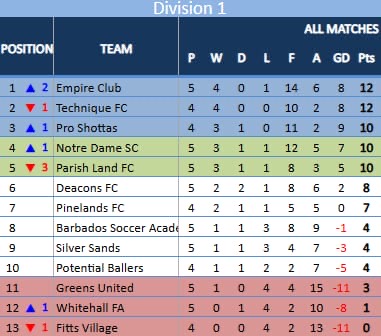
    A dramatic shift occurred at the summit of the Barbados Football Association’s Division One competition following the conclusion of the fifth round of fixtures. Empire FC catapulted to the number one position after delivering a commanding 6-1 demolition of Fitts Village at their Bank Hall home ground. This offensive masterclass proved sufficient to unseat previous leaders Technique FC, who themselves registered a victory with a 2-1 triumph over Barbados Soccer Academy. The evening also saw Pro Shottas solidify their standing within the top three by securing a 2-0 win against Greens FC. In the remaining fixture of the round, Deacons and White Hall FC concluded a tightly contested match with a 1-1 draw. The table now shows Empire and Technique locked on an identical 12 points, with Empire’s superior goal difference breaking the tie. A significant strategic advantage remains with both Technique and third-placed Pro Shottas, who have accrued 10 points, as each holds a game in hand over the new leaders, setting the stage for a compelling title race.

  • Authorities coordinate actions to strengthen road safety in Santiago

    Authorities coordinate actions to strengthen road safety in Santiago

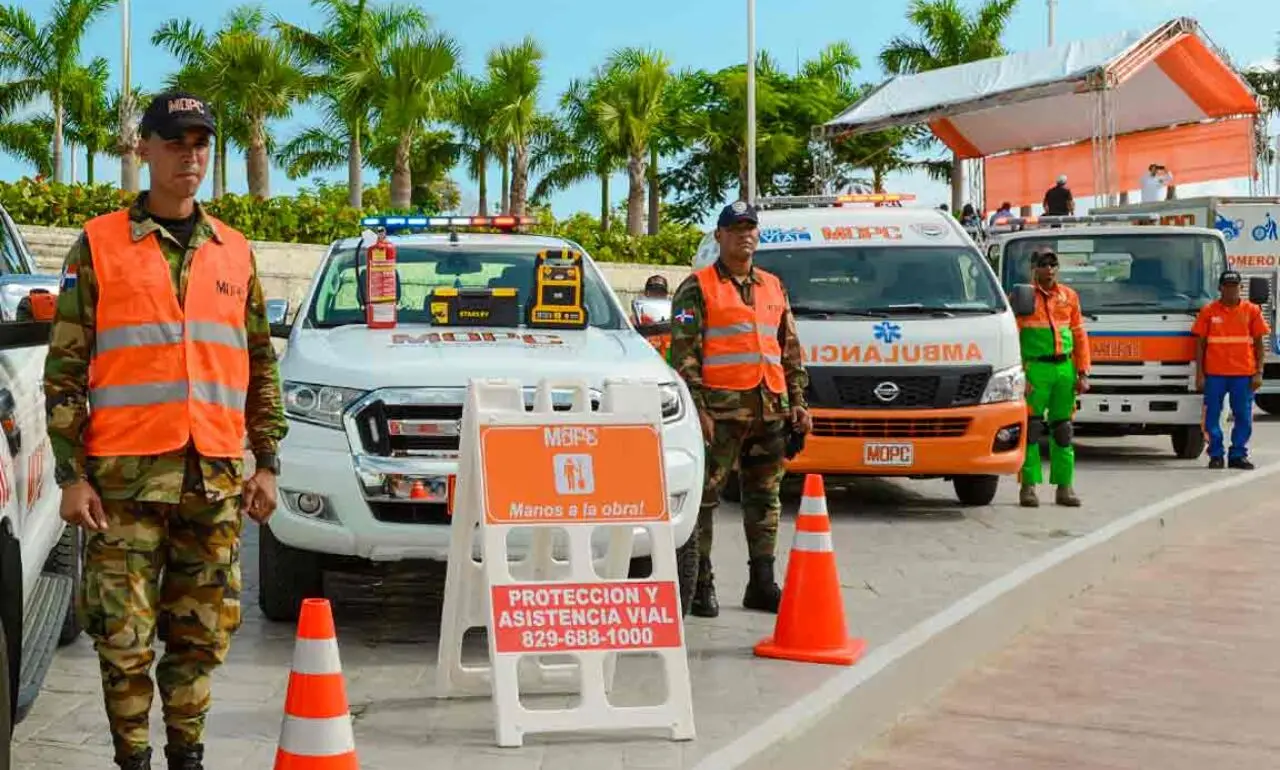
    SANTIAGO DE LOS CABALLEROS – In a significant interdepartmental collaboration, senior officials from the Dominican Republic’s Ministry of Interior and Police have convened with counterparts from the General Directorate of Traffic Safety and Land Transport (DIGESETT) and the Ministry of Public Health. This high-level coordination meeting was orchestrated to formulate and reinforce comprehensive road safety protocols for the Santiago de los Caballeros province.

    Jhonattan Erick, the Regional Coordinator, articulated that enhancing roadway security constitutes a fundamental pillar of the current administration’s agenda under the leadership of Minister Faride Raful. He detailed the establishment of specialized inter-agency task forces dedicated to mitigating traffic-related incidents and preventing fatalities through synchronized operations. In a complementary address, DIGESETT’s spokesperson, Mariela Henríquez, outlined ongoing initiatives designed to amplify preventive measures. These efforts are centered on elevating public consciousness and advocating for defensive driving techniques, in strict adherence to the strategic vision of General Pascual Méndez.

    Delegates from the Ministry of Public Health further reinforced the critical nature of this synergistic approach, revealing forthcoming programs that include instructional workshops and widespread educational outreach campaigns focused on traffic regulations. A consensus was reached among all participating authorities that such unified actions are pivotal for cultivating a pervasive culture of legal compliance and respect on the roads. The collective objective is to achieve a substantial and measurable reduction in vehicular accidents throughout the region.

  • Exclusive: Two Mile Hill fire survivor recalls bravery, loss

    Exclusive: Two Mile Hill fire survivor recalls bravery, loss

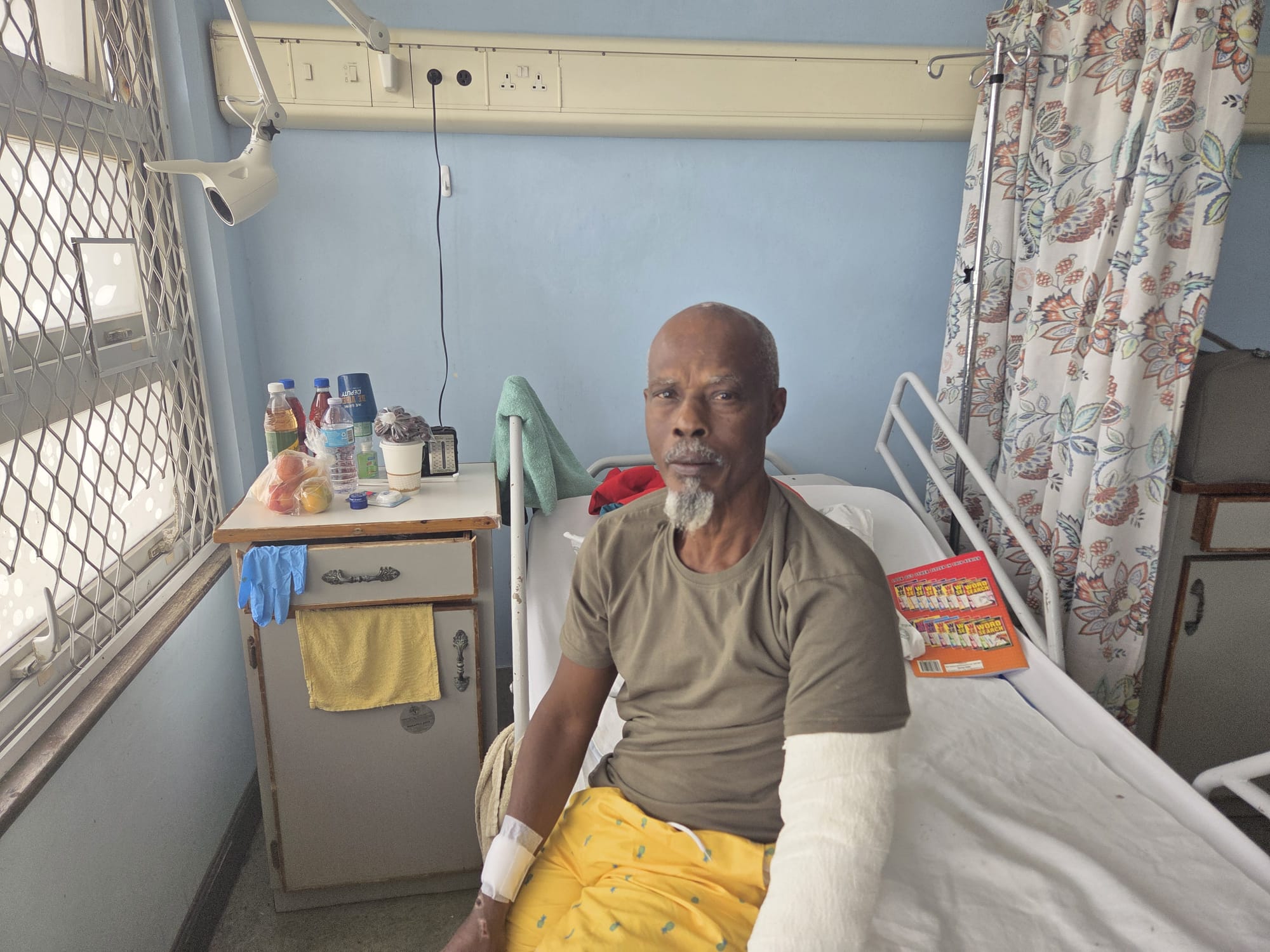
    A devastating house fire in the Bishop’s Land community of Barbados has revealed both profound tragedy and extraordinary human courage. Anderson Browne, a local artist and sculptor, risked his life in a valiant attempt to save his 98-year-old lifelong friend, Noel Marshall, from a raging blaze on Wednesday, March 4.

    The incident unfolded during a quiet afternoon while Browne was watching cricket and preparing a meal for his elderly neighbor. The tranquility shattered when his wife’s screams alerted him to the inferno consuming Marshall’s home. Despite suffering from a chronic hip condition that normally impedes his mobility, Browne rushed toward the flames barefoot, without even grabbing his keys.

    With inexplicable strength, Browne tore the entire front door from its hinges and plunged into the smoke-filled structure. Through suffocating black smoke and intense heat, he located Marshall trapped within the burning building. In a selfless act of protection, Browne used his own body as a shield against falling embers and scorching temperatures to reach his friend.

    Browne managed to drag Marshall to safety through the back door and a fence, sustaining significant burns in the process. Tragically, Marshall succumbed to his injuries days later in hospital, with burns covering over 50 percent of his body.

    In an exclusive interview with Barbados TODAY, Browne reflected on the mixed emotions of survival and loss. ‘Right now, from my heart, I feel good and bad,’ he stated. ‘Good in a way to see how the Lord still brought me through alive, and bad because the gentleman didn’t make it.’

    The two men shared a 40-year friendship, with Marshall described as a ‘genuinely nice person’ and community pillar. Browne’s motivation was simple: ‘I must get this gentleman out of here… even if it caused me to be in danger.’

    Though now hailed as a national hero, Browne carries quiet regret, wishing he could have done more. He hopes his experience will serve as a wake-up call for how Barbadian society treats its elderly population, urging greater attention and care for senior citizens.

    As Browne continues recovering from his injuries, supported by his wife Julia and his faith, his story stands as a testament to the power of human connection and the enduring bonds of friendship that not even fire can destroy.

  • Hiv-besmettingen in Caribisch gebied blijven hoog: 15.000 nieuwe gevallen per jaar

    Hiv-besmettingen in Caribisch gebied blijven hoog: 15.000 nieuwe gevallen per jaar

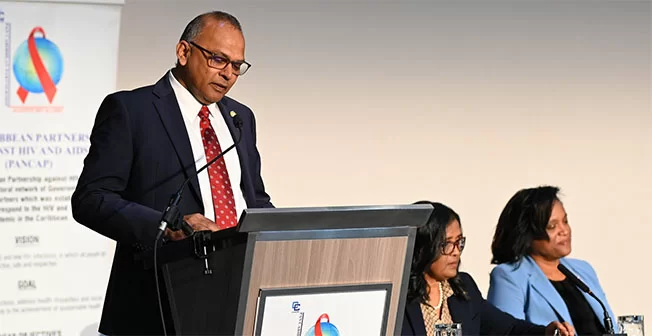
    The Caribbean region continues to face alarming HIV infection rates with approximately 15,000 new cases emerging annually, one-quarter affecting youth aged 15-24, according to Guyana’s Health Minister Dr. Frank Anthony. The warning came during Thursday’s opening of the tenth regional meeting of HIV program managers and partners in Trinidad and Tobago, where stakeholders convened to evaluate progress and develop new strategies.

    Minister Anthony emphasized the urgent need to accelerate HIV prevention initiatives and expand access to innovative treatments, particularly highlighting long-acting injectable medications like lenacapavir that may provide protection with just two annual administrations. He stressed that affordable and equitable access to such medical innovations remains essential for epidemic control.

    The health official simultaneously cautioned against diminishing international funding, which directly threatens prevention programs across the region. Anthony advocated for strengthened regional collaboration to negotiate better medication access and secure sustainable financing.

    Citing UNAIDS data, Anthony warned that significant reductions in prevention services could trigger nearly four million additional HIV infections globally within the next five years.

    Despite these challenges, the minister highlighted substantial progress: AIDS-related mortality in the Caribbean has plummeted by over 60% since 2010—the most dramatic decline recorded worldwide. This achievement stems from targeted treatment investments and collaborative efforts between governments and healthcare professionals.

    Anthony expressed profound appreciation for physicians, nurses, and health workers who have dedicated decades to combating HIV/AIDS, noting their contributions have not only saved lives but also established stronger healthcare systems throughout the region.

    The minister concluded by urging embrace of innovation, enhanced prevention measures, and centered focus on vulnerable populations. While acknowledging the Caribbean now possesses the knowledge and resources to end AIDS, he emphasized that political will and sustained commitment remain critical components for ultimate success.

  • Education : USD$13M to improve access to quality education

    Education : USD$13M to improve access to quality education

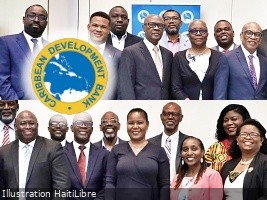
    The Caribbean Development Bank (CDB) has partnered with the Haitian government to launch a transformative educational initiative, the Quality Enhancement in Public Education II (QEPE II) Project. This $13 million grant-funded program represents a significant investment in Haiti’s future, targeting improved educational access and quality learning outcomes, particularly for children from impoverished and vulnerable communities.

    The comprehensive project builds upon the success of its predecessor with an expanded scope of interventions. Approximately 16,000 students and 700 educators will receive direct support through multiple channels including school nutrition programs, tuition waivers, gender-responsive support initiatives, and enhanced Information and Communication Technology equipment. The project will also facilitate professional development for teachers and school administrators while upgrading e-learning platforms for secondary students to ensure educational continuity during socio-political disruptions.

    Dr. Martin Baptiste, Division Chief of CDB’s Social Sector Division, emphasized the strategic importance of this investment, stating: “Education remains one of the most powerful tools for resilience, social stability, and long-term development. QEPE II represents a critical investment in Haiti’s future, ensuring children across all circumstances have access to safe, supportive, and high-quality learning environments.”

    Yves Roblin, Director General of Haiti’s Ministry of National Education and Vocational Training, welcomed the timely intervention, noting that the partnership strengthens institutional capacity and improves classroom resources nationwide. The project directly supports Haiti’s Decennial Education Sector Plan (2022-2032) and aligns with CDB’s Country Engagement Strategy, which identifies human capital development as a central pillar for sustainable growth.

    This initiative advances multiple development objectives including poverty reduction, gender equality, and inclusive development while reinforcing the Bank’s commitment to Haiti’s long-term educational transformation.

  • Government moves to curb sargassum impact on tourism at Council of Ministers

    Government moves to curb sargassum impact on tourism at Council of Ministers

    SANTO DOMINGO – In a decisive move to protect its vital tourism economy, the Dominican Republic government has unveiled a dual strategy addressing environmental challenges and workforce development. The initiatives received formal approval during the extended 56th Council of Ministers session, presided over by President Luis Abinader and Vice President Raquel Peña.

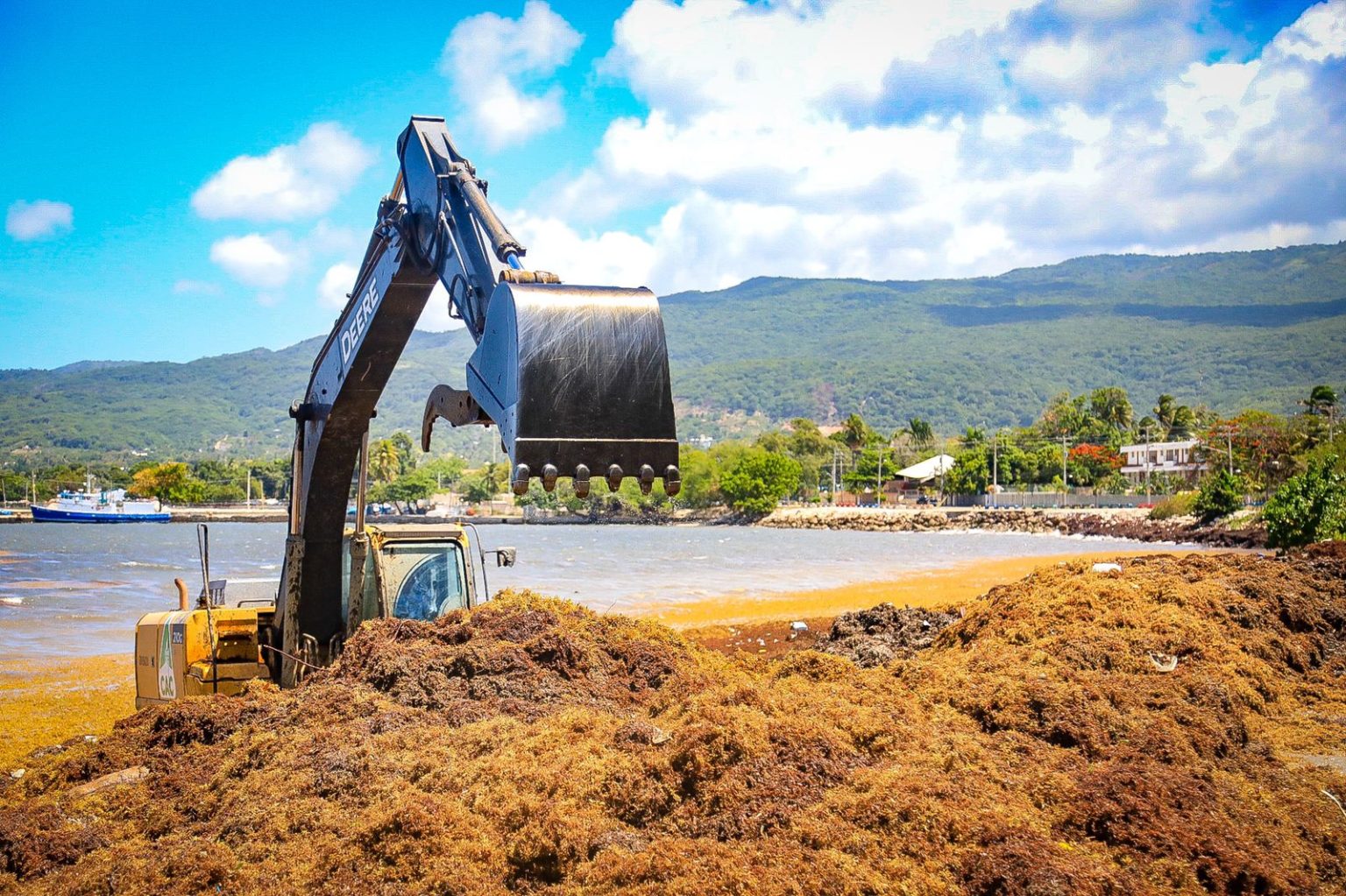
    The cornerstone environmental measure is the establishment of a new regulatory framework for sargassum management. This comprehensive policy sets forth official protocols for the collection, disposal, and potential commercial reuse of the invasive seaweed. The directive is designed to mitigate the ecological damage inflicted on coastal ecosystems and shorelines, thereby preserving the natural appeal that is fundamental to the nation’s tourism appeal. The persistent sargassum influx has long threatened beach quality and marine health, posing a significant risk to a sector that serves as a primary engine for job creation and foreign revenue.

    Concurrently, the administration is launching an ambitious workforce enhancement program tailored to the hospitality industry. This educational initiative will develop specialized technical and vocational training curricula in high-demand fields such as hotel administration, gastronomy, and tourism services. The objective is to elevate the overall caliber of service delivery, ensuring the local workforce is equipped with cutting-edge skills to enhance the country’s competitive standing in the global tourism market.

    The high-level meeting, which extended over three hours, also featured a progress assessment of the broader national development blueprint, Meta RD 2036. This strategic plan aims to fundamentally reshape the nation’s productive infrastructure and accelerate sustainable economic expansion. Collectively, these actions underscore a cohesive governmental commitment to fostering economic resilience through targeted environmental stewardship and strategic human capital investment.

  • Guatemala is Cleared to Intervene in Sapodilla Cayes Dispute

    Guatemala is Cleared to Intervene in Sapodilla Cayes Dispute

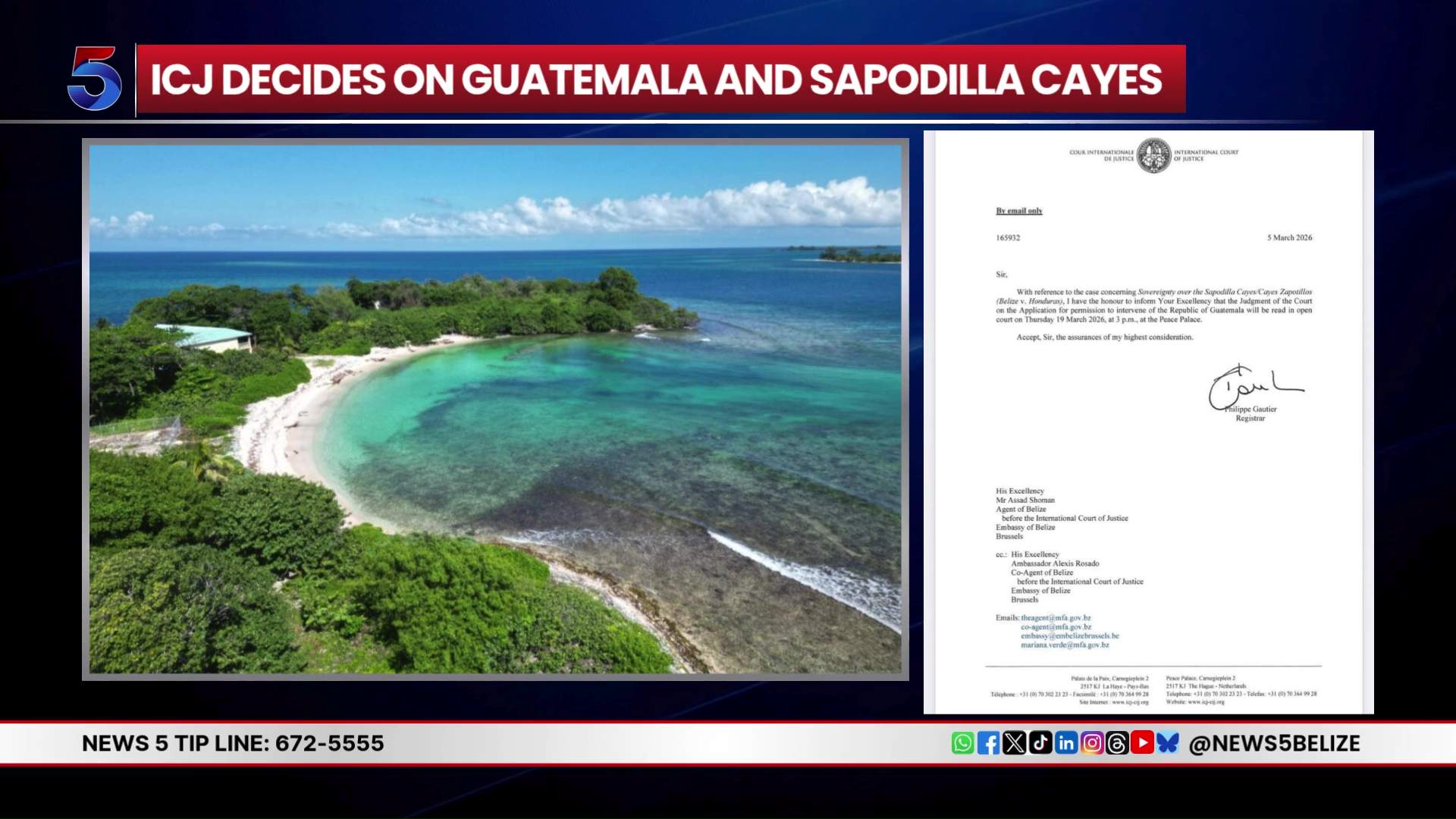
    The International Court of Justice (ICJ) has introduced a significant development in the protracted territorial dispute over the Sapodilla Cayes, authorizing Guatemala’s formal intervention in proceedings between Belize and Honduras. Delivered on March 19, 2026, the unanimous ruling establishes that Guatemala possesses a “real and concrete” legal interest in the outcome, given the islands’ overlap with claims previously submitted to the court in Guatemala’s separate 2019 case against Belize.

    Presiding Judge Iwasawa Yuji articulated the court’s position, stating Guatemala satisfied all requirements under Article 62 of the ICJ Statute. The court rejected Honduras’ objections that characterized Guatemala’s participation as an abuse of process. The intervention, however, carries defined limitations: Guatemala will participate as a non-party with speaking rights restricted exclusively to the sovereignty question over the Sapodilla Cayes (Cayos Zapotillos) and associated fishing rights in adjacent waters.

    This judicial development transforms the bilateral dispute into a triangular geopolitical confrontation involving three Central American nations. Unlike maritime boundary adjustments that can circumvent third-party interests, this case necessitates a definitive sovereignty determination over physically contested territory.

    Belize’s government responded with measured composure. Foreign Minister Francis Fonseca characterized the development as strategically advantageous, revealing Belize had raised no objections to Guatemala’s intervention. The Briceño administration perceives this as a strategic opportunity to comprehensively resolve all outstanding territorial claims simultaneously. Fonseca emphasized this approach aligns with Belize’s submissions requesting concurrent resolution of both the Honduran and Guatemalan territorial matters, ultimately serving Belize’s national interest in achieving permanent border definition.