博客

  • Border deaths Pelegrín attributes chaos to Haitian gangs

    Border deaths Pelegrín attributes chaos to Haitian gangs

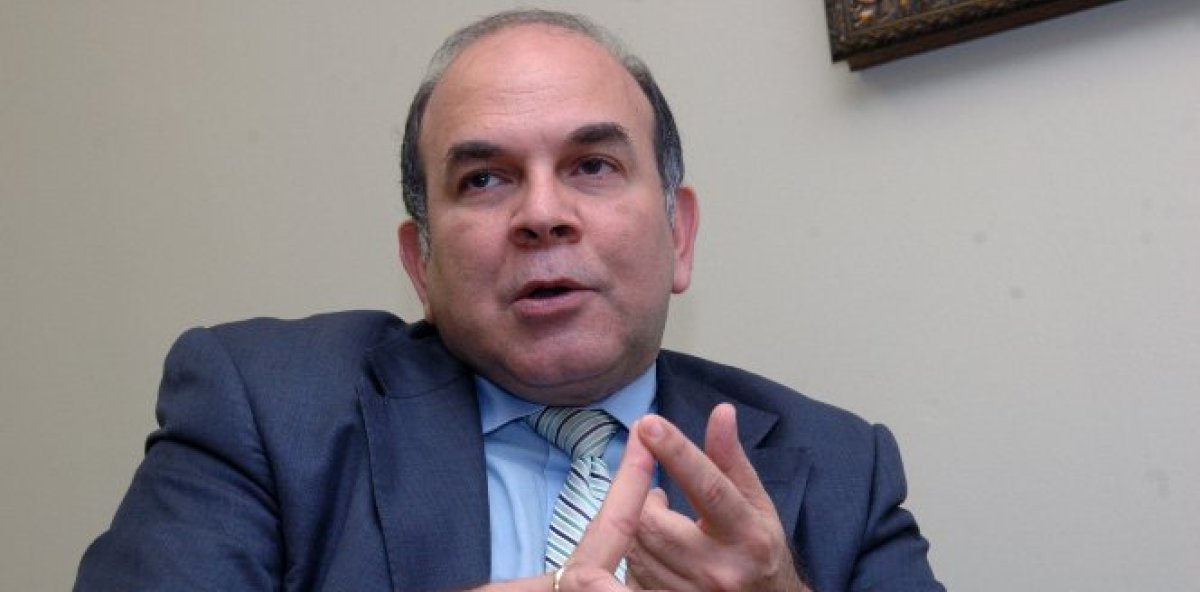
    Pelegrín Castillo, President of the National Progressive Force party, has characterized the recent discovery of decapitated female bodies in the Elías Piña province as a deliberate component of a “organized disorder” strategy engineered by Haitian criminal factions. This statement was issued yesterday in response to the grisly incident near the volatile border region.

    Castillo posits that this violent crime transcends an isolated atrocity, representing instead a calculated geopolitical maneuver. He asserts the primary objective is to fabricate a pretext for an international crime of aggression, masquerading under the narrative of a humanitarian emergency. According to his analysis, this orchestrated chaos is designed to compel the reopening of the Dominican-Haitian border, thereby establishing formal refugee camps on Dominican soil.

    “This act was perpetrated with a clear strategic aim: to reinforce the argument that deportations to Haiti cannot proceed under the premise of imminent danger,” Castillo articulated. He further elaborated that the murders serve a dual purpose: intensifying migratory pressure on the Dominican Republic while simultaneously exposing alleged human trafficking corridors. This development coincides with the United States government implementing stricter security protocols in the region.

    The political leader also contends that such incidents are leveraged to bolster claims by international organizations, including Amnesty International, advocating against the deportation of Haitians under the Temporary Protected Status (TPS) program. The underlying assertion is that these actions validate claims that returnees face life-threatening conditions.

    In light of these events, Castillo issued an urgent appeal for governmental responsibility. He advocated for decisive measures, specifically proposing the declaration of a State of Emergency for Defense. He concluded with a stark warning, stating that the nation risks profound loss if it prioritizes tourism protection above all other security and sovereignty concerns.

  • Risk of flooding Rain and low temperatures: what the cold front brings to the country and the most affected areas

    Risk of flooding Rain and low temperatures: what the cold front brings to the country and the most affected areas

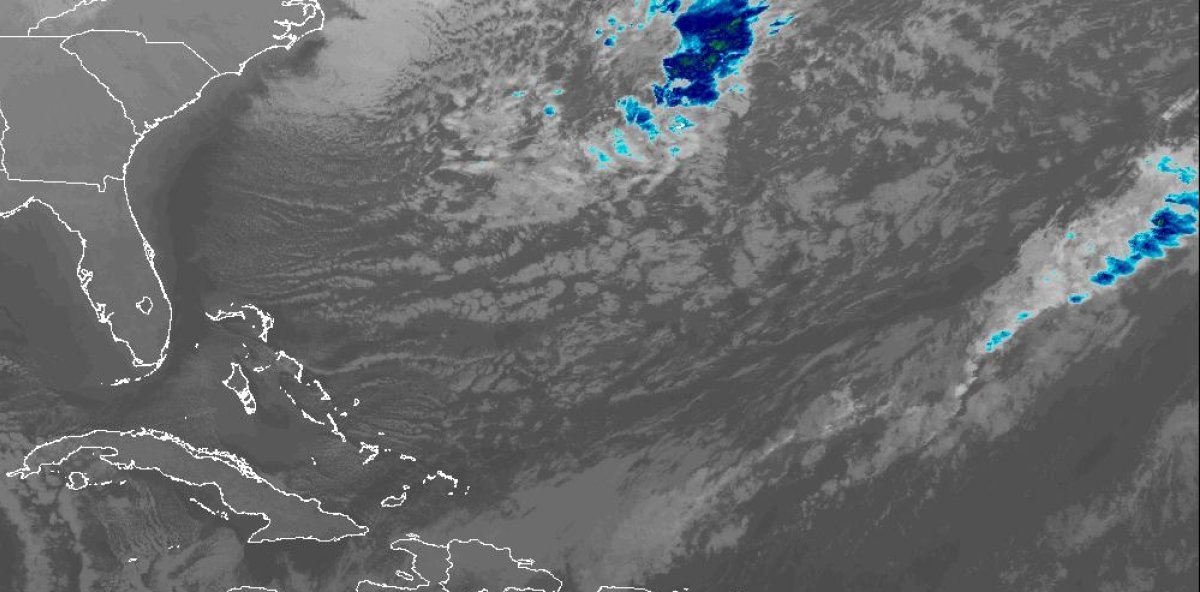
    SANTO DOMINGO, Dominican Republic – Meteorological authorities have issued weather advisories as a significant cold front continues to influence weather patterns across the Dominican Republic. The Dominican Institute of Meteorology (Indomet) confirmed Saturday that the system is producing extensive cloud coverage and intermittent rainfall across multiple regions.

    The weather phenomenon currently extends from the eastern territories to the southwestern coastal areas, progressing slowly in an east-southeast trajectory. This movement pattern is expected to generate scattered downpours throughout the day, with heightened intensity in numerous provinces including Puerto Plata, Espaillat, Hermanas Mirabal, Samaná, Hato Mayor, Monte Plata, El Seibo, San Pedro de Macorís, La Romana, La Altagracia, San Cristóbal, San José de Ocoa, Peravia, Azua, Barahona, and Pedernales. The Greater Santo Domingo area is also anticipated to experience these weather conditions.

    Indomet’s National Forecast Center has maintained meteorological alert status for several northeastern provinces, including Espaillat, María Trinidad Sánchez, Duarte, Samaná, and Hermanas Mirabal. These alerts specifically address potential urban flooding risks associated with the anticipated precipitation.

    Despite the rainfall, temperatures are expected to remain within comfortable ranges, particularly during nighttime hours. Mountainous regions and interior valleys are forecast to experience the most noticeable cooling effects. The passing front will create wind chill conditions that enhance the perceived cold throughout the weekend period.

    Maritime operations face additional challenges, with Indomet advising operators of small and fragile vessels along the Atlantic coastline to exercise extreme caution. The agency recommends maintaining proximity to shorelines and avoiding open sea navigation due to potentially hazardous wave patterns and gusty winds associated with the weather system.

    Meteorological officials urge citizens to monitor ongoing developments through official communication channels and adhere to guidance provided by civil protection agencies.

  • Regionale  veiligheid centraal bij ontmoeting president Simons en CARICOM IMPACS

    Regionale veiligheid centraal bij ontmoeting president Simons en CARICOM IMPACS

    Suriname has positioned itself at the forefront of regional security coordination following a high-level consultation between President Jennifer Simons and CARICOM IMPACS Executive Director Lieutenant Colonel Michael Jones. The meeting, held on Friday, established Suriname’s strategic role in addressing transnational security challenges during its upcoming presidency of the Council for National Security and Law Enforcement (CONSLE) in 2026.

    The discussions, attended by Carmen van Dijk, Deputy Director of Security Policy at Suriname’s Directorate of National Security, focused on developing comprehensive responses to organized crime, illegal migration, and firearms trafficking. Lieutenant Colonel Jones emphasized the necessity of collaborative approaches, stating: ‘The security challenges confronting our region demand joint solutions and efficient utilization of limited resources.’

    Technical cooperation formed a significant component of the dialogue, with commitments to enhance Suriname’s capabilities through specialized training programs and material support from CARICOM IMPACS. Particular attention was given to the Advanced Passenger Information System, which Jones identified as critical for improving border security through strengthened legislation and expanded data collection mechanisms.

    A landmark achievement discussed was the recent implementation of a digital firearms and ammunition management system, enabling comprehensive tracking from registration to destruction. This technological advancement is expected to significantly improve monitoring of illegal weapon flows throughout the Caribbean community.

    The meeting concluded with preparations for CARICOM IMPACS’ 20th anniversary celebrations, including the announcement that Suriname will host a physical convening of the CONSLE in November 2026. This gathering will assess progress on regional security initiatives and establish future priorities for collective action.

  • Health : Treated drinking water, alarming findings (report)

    Health : Treated drinking water, alarming findings (report)

    A comprehensive government investigation into Haiti’s treated drinking water supply has revealed widespread contamination and critical mineral deficiencies, posing significant public health concerns. The Ministry of Commerce and Industry conducted an extensive six-month study from August 2025 to January 2026, examining 109 samples of packaged water from various sources throughout the Port-au-Prince Metropolitan Area.

    The findings present a disturbing picture of water safety in the Caribbean nation. Bacteriological analysis detected indicators of fecal contamination in 83.5% of all samples tested, including presence of total coliforms, fecal coliforms, and fecal streptococci. Particularly alarming was the discovery of E. coli contamination in 15.6% of overall samples, with sachet water (20%) and kiosk water (19%) showing the highest contamination rates.

    Beyond biological contaminants, the study identified severe mineral deficiencies in the water supply. An astonishing 97.5% of samples demonstrated conductivity levels below 50 μS/cm—dramatically lower than the World Health Organization’s recommended threshold of 1200 μS/cm for essential mineral content.

    The research pinpointed critical failures throughout the water supply chain. Battery bags used for water packaging were deemed impossible to properly sterilize before filling, while kiosks showed deficiencies in disinfection protocols and frequently utilized non-disinfected tanker trucks. Technical shortcomings included failure to implement adequate bacteriostatic and bactericidal treatments essential for maintaining water safety.

    While health authorities indicate that detected bacteria don’t represent an imminent risk to generally healthy consumers, they specifically warn that immunocompromised individuals and children should refrain from consuming any water, particularly bagged water sold at kiosks. Consumers experiencing gastroenteritis symptoms after water consumption are encouraged to file official complaints through the Ministry’s established system.

    The Ministry has urgently called for suppliers to implement comprehensive safety measures including regular disinfection of transportation and storage equipment, improved water traceability systems, installation of advanced filtration and UV sterilization technology at kiosks, and employment of properly trained technical staff specializing in water treatment and quality control.

  • Government Hits Pause on BTL–Speednet Talks

    Government Hits Pause on BTL–Speednet Talks

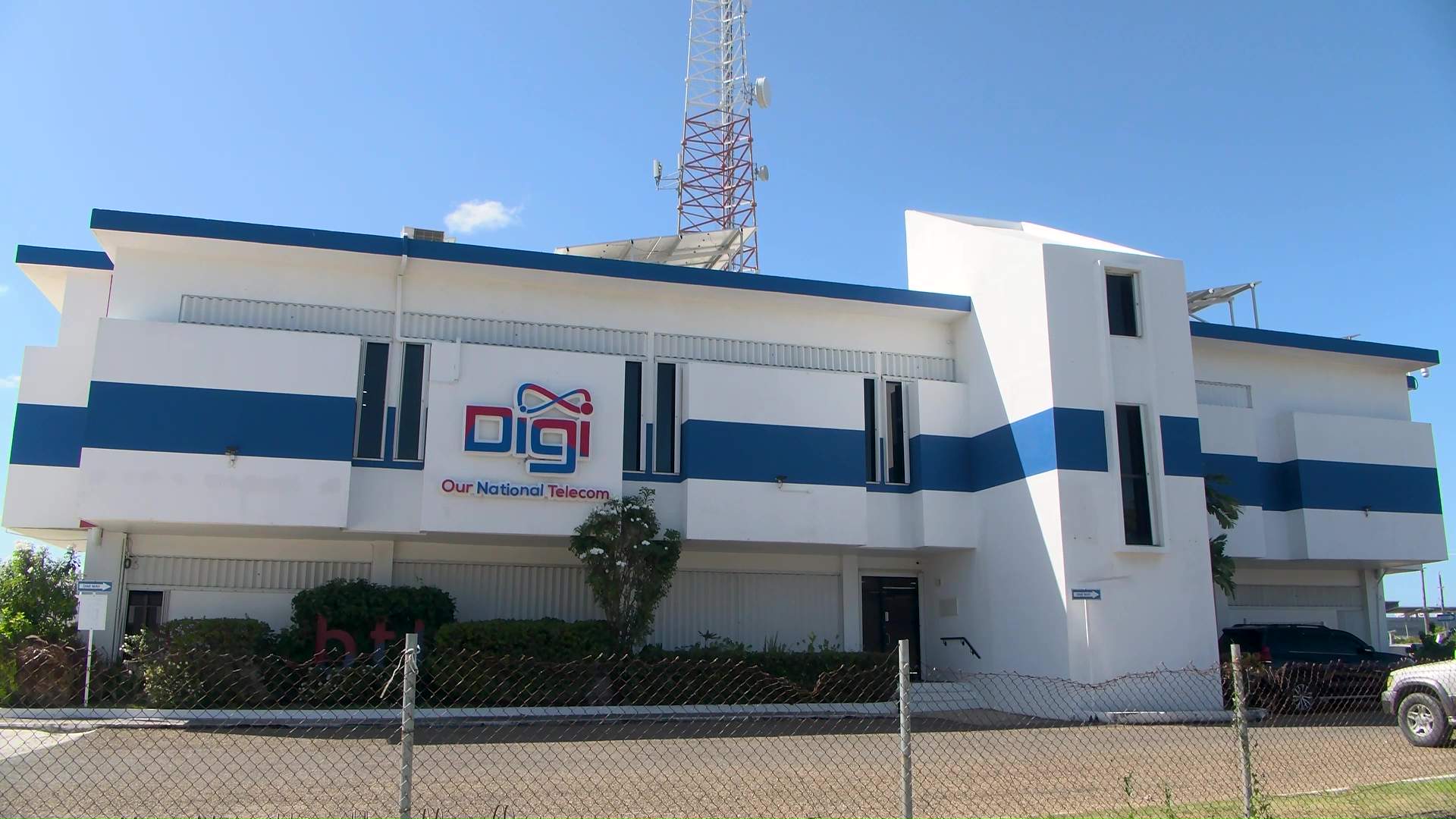
    The Belizean government has instituted a temporary suspension of negotiations concerning the proposed acquisition of telecommunications provider Speednet by Belize Telemedia Limited (BTL). Prime Minister John Briceño mandated the pause in response to mounting public scrutiny and concerns surrounding the potentially market-altering deal.

    Michel Chebat, Minister of Public Utilities, clarified that this intervention represents a strategic delay rather than an outright termination of proceedings. The government’s objective is to ensure meticulous adherence to legal protocols while expanding opportunities for civic engagement and transparent dialogue.

    Despite the formal negotiation hiatus, consultation processes will persist through both public forums and internal deliberations within BTL and the Social Security Board. Minister Chebat emphasized that any prospective acquisition must undergo rigorous evaluation by the Public Utilities Commission (PUC), the autonomous body regulating Belize’s telecommunications sector.

    The PUC has concurrently initiated an independent assessment to determine whether BTL constitutes a dominant market force, with preparations underway to implement corresponding consumer protection regulations. Critical factors including market competition, service quality, pricing structures, and long-term industry sustainability will undergo comprehensive examination throughout this regulatory review.

    Minister Chebat reaffirmed the government’s commitment to prioritizing consumer interests and national welfare, stating: ‘The people of Belize must be the ultimate beneficiaries. This process will be guided by transparency, fairness, and due process.’ The government maintains that respecting the integrity of established regulatory frameworks remains paramount throughout this temporary suspension period.

  • PM Briceño Orders Reset, Brings PUC In

    PM Briceño Orders Reset, Brings PUC In

    In a significant regulatory intervention, Belize Prime Minister John Briceño has mandated a comprehensive pause in telecommunications discussions, emphasizing the necessity for proper oversight and transparency. The decision effectively resets ongoing negotiations between telecommunications entities and brings the Public Utilities Commission (PUC) into a central regulatory role.

    Prime Minister Briceño characterized previous approaches as putting “the cart ahead of the horse,” highlighting that the PUC should have been involved from the outset to provide essential legal and regulatory scrutiny. Drawing parallels to established procedures for Belize Electricity Limited (BEL), where the PUC examines multi-million dollar equipment purchases and rate increase proposals, the Prime Minister emphasized that telecommunications require identical oversight mechanisms.

    The suspension aims to address what government officials describe as widespread misinformation from multiple stakeholders. Minister responsible for Public Utilities, Michel Chebat, initiated the halt to enable the PUC to thoroughly evaluate proposals from Belize Telemedia Limited (BTL) and determine whether they align with national interests. The commission is expected to provide recommendations for a structured way forward once its assessment is complete.

    This intervention also addresses longstanding regulatory gaps in the telecommunications sector. PM Briceño referenced previous litigation where Smart successfully argued that BTL operates as a dominant provider, a case that resulted in court recognition of market imbalance. However, the previous administration failed to implement necessary legislation or regulations to create equitable conditions between industry players, creating the current regulatory vacuum that now requires resolution.

  • BCCI Reiterates Firm Rejection of BTL Acquisition

    BCCI Reiterates Firm Rejection of BTL Acquisition

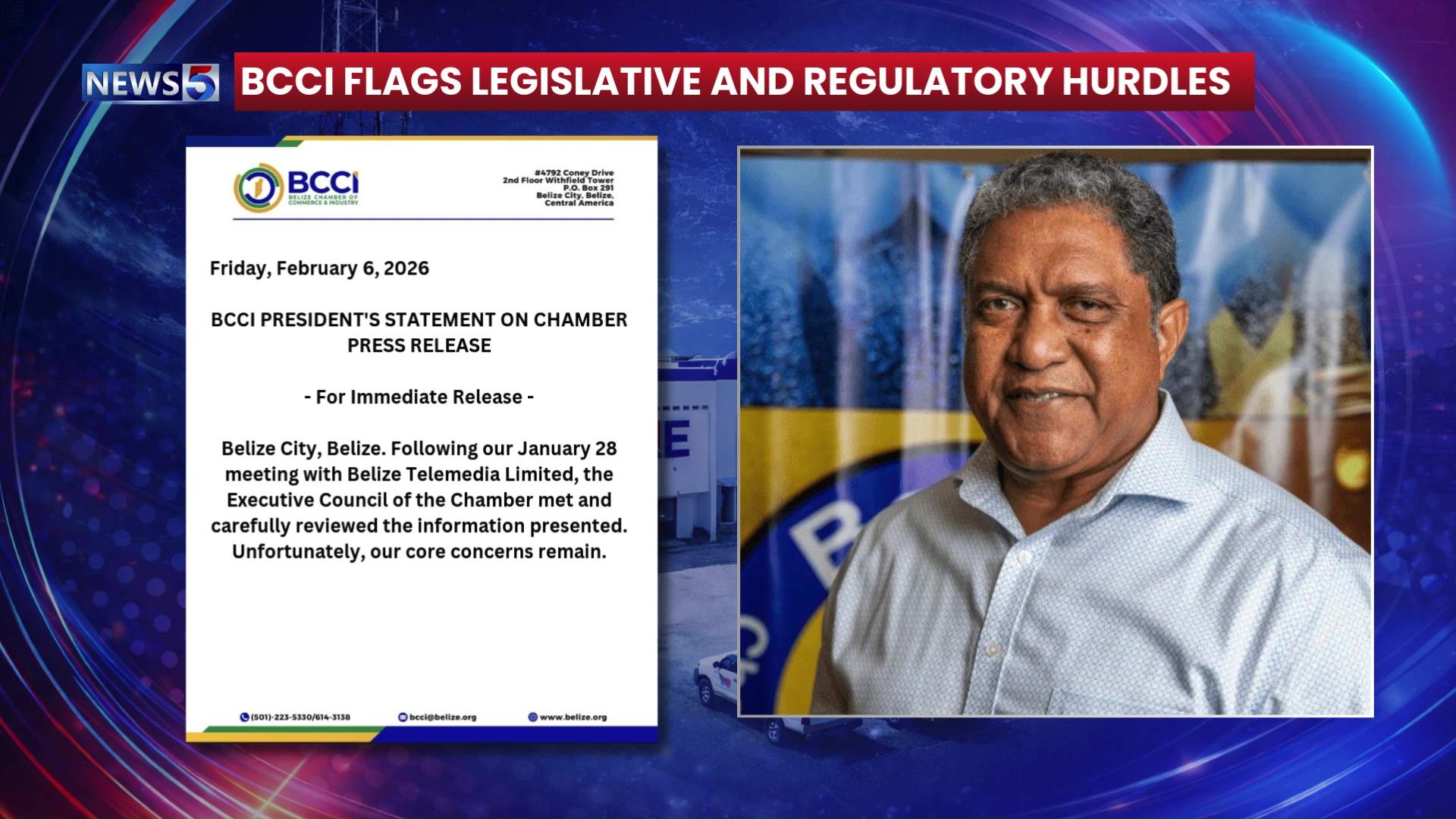
    The Belize Chamber of Commerce and Industry (BCCI) has escalated its resistance to Belize Telemedia Limited’s proposed acquisition of Speednet, declaring that fundamental concerns regarding legal, policy, and economic implications remain entirely unaddressed. Following a recent high-level meeting with BTL representatives, the chamber concluded that the transaction, as proposed, presents unacceptable risks to the nation’s economic landscape.

    In a strongly-worded statement issued on February 6, 2026, BCCI President Giacomo Sanchez articulated multiple grounds for opposition. The chamber emphasized that Belize’s current regulatory framework lacks modern competition and merger control legislation, creating significant legislative hurdles that must be resolved before any market consolidation of this magnitude can be considered.

    The valuation methodology presented for the acquisition has come under particular scrutiny, with the BCCI demanding independent verification of the figures, especially given the involvement of public funds and exposure of the Social Security Board. “Where public trust and financial security are concerned, independent validation is not merely advisable—it is absolutely essential,” Sanchez asserted.

    Beyond financial transparency, the chamber expressed deepening concerns about perceived politicization of the process and potential conflicts of interest, calling for a completely transparent procedure that is beyond reproach. The BCCI is advocating for a comprehensive national dialogue to examine the acquisition’s potential effects on market competition, service reliability, consumer pricing, and the broader business environment before any further progression of the deal.

  • PM Says BTL Acquisition Boosts Underserved Areas

    PM Says BTL Acquisition Boosts Underserved Areas

    BELIZE CITY – Prime Minister John Briceño has forcefully countered opposition from the Belize Chamber of Commerce and Industry regarding Belize Telemedia Limited’s proposed acquisition of Speednet. The escalating debate centers on the valuation methodology and strategic benefits of the telecommunications merger.

    Briceño characterized the Chamber’s position as deliberately overlooking the broader strategic picture, emphasizing that BTL’s primary interest lies in acquiring Speednet’s substantial customer cash flow rather than physical assets. The Prime Minister articulated that market saturation makes customer migration between providers virtually cost-free since both companies offer identical services.

    Technical valuation was conducted by Moore Global, an international accounting firm with headquarters in Brazil, which determined the acquisition represents sound financial logic. Briceño highlighted significant infrastructure advantages, particularly the transfer of Speednet’s tower network that would enable BTL to rapidly expand telecommunications coverage into currently underserved regions like Toledo District.

    The Prime Minister addressed concerns regarding Social Security Board investments, noting the institution currently receives merely two percent returns on its BTL investments – a rate insufficient to recoup initial capital. Briceño briefly acknowledged his family’s involvement in the matter before redirecting focus to the national development benefits, including accelerated telecom deployment in rural communities where service provision was previously economically unfeasible.

  • PM Responds After Northern Caucus Backs Deal

    PM Responds After Northern Caucus Backs Deal

    Prime Minister John Briceño of Belize finds himself at the intersection of political leadership and governmental authority as internal party dynamics complicate the controversial BTL-Speednet acquisition proposal. While his administration maintains an official stance of procedural caution, the ruling People’s United Party’s Northern Caucus has independently endorsed the telecommunications merger, creating a visible rift between party politics and executive governance.

    The political landscape intensified this week when PUP’s northern faction publicly declared support for the acquisition, directly contrasting with the Cabinet’s more reserved position of allowing regulatory processes to unfold. This divergence prompted journalists to question Briceño about his seemingly contradictory roles as both party leader and head of government.

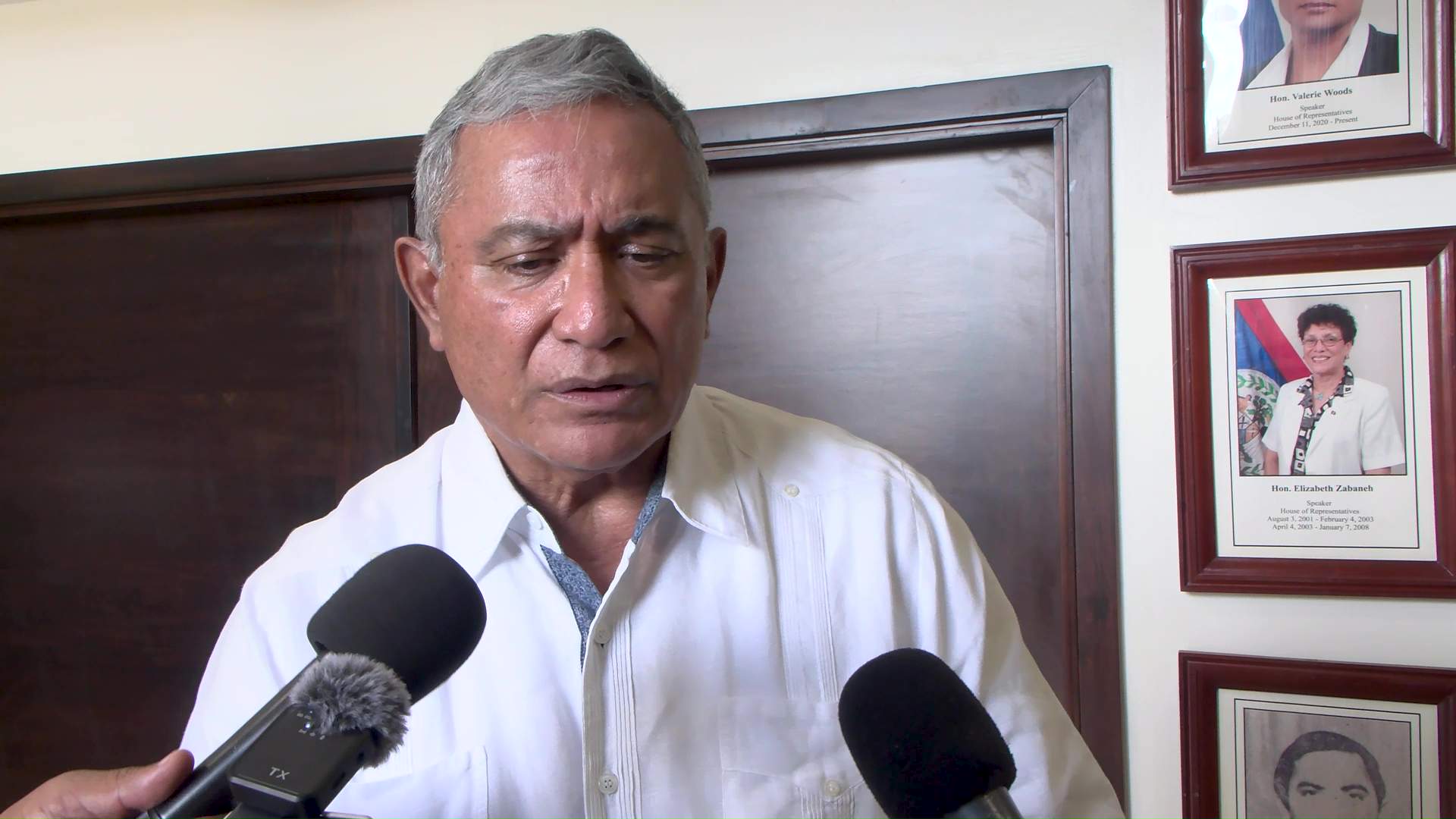
    In response to media inquiries, Briceño articulated a clear distinction between his governmental and political capacities. “There are two things, one is the Cabinet and one is the party,” he stated, explaining that while the Cabinet seeks thorough consultation processes, the party’s executive felt compelled to respond to political pressure from opposition groups. The Prime Minister emphasized that the Northern Caucus’s endorsement represents a political position separate from the government’s official procedural approach.

    The situation highlights the complex balance required of democratic leaders who must simultaneously navigate party politics and national governance. Briceño’s response suggests an attempt to maintain both his party’s cohesion and his government’s regulatory integrity amid growing public and business community scrutiny of the proposed telecommunications merger.

  • UDP Parliamentarians Boycott House Sitting in Protest

    UDP Parliamentarians Boycott House Sitting in Protest

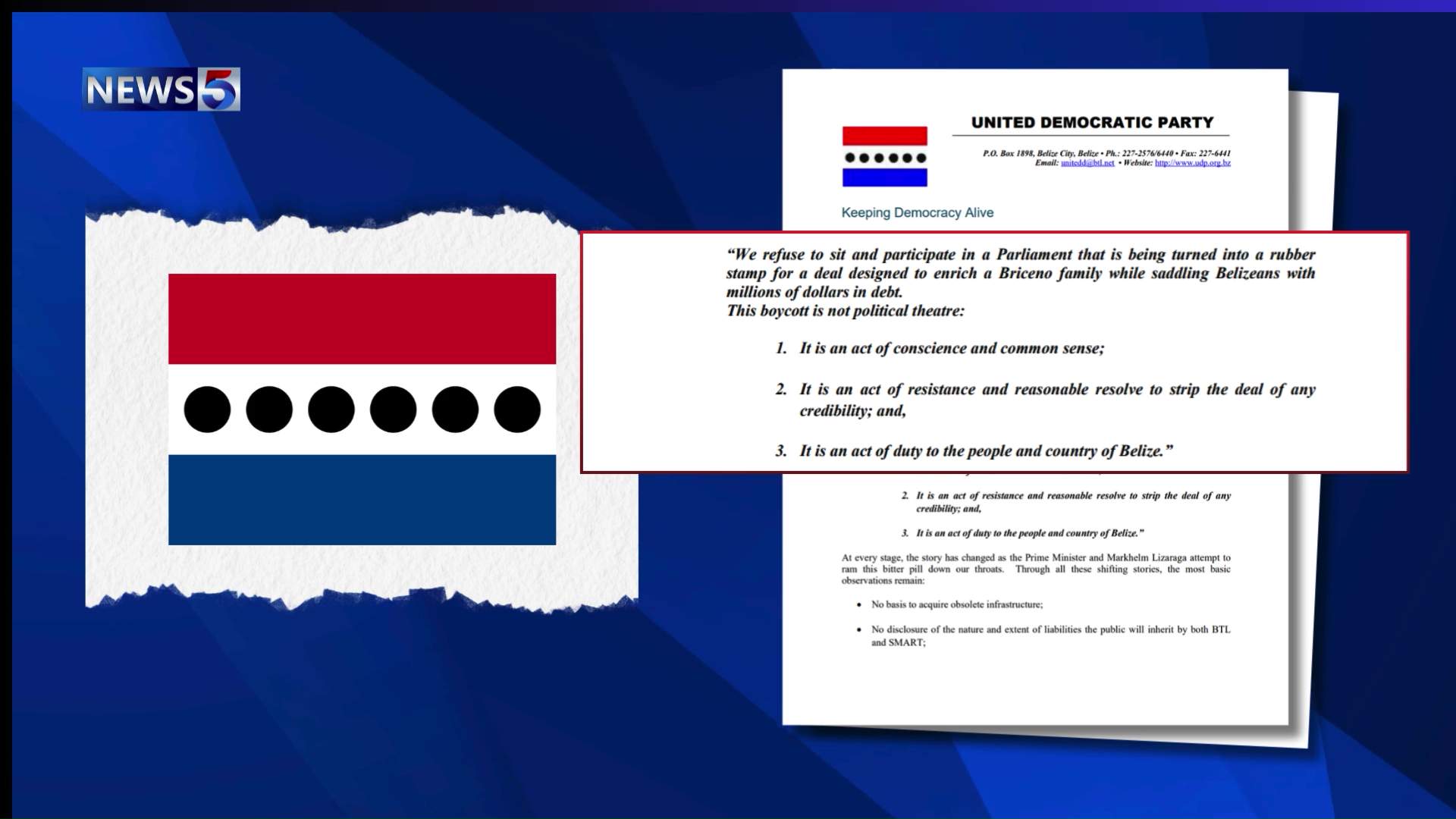
    In a dramatic display of political dissent, opposition parliamentarians from the United Democratic Party (UDP) staged a coordinated walkout during Friday’s parliamentary session, intensifying their protest against the government’s controversial acquisition of BTL-SMART assets. This marks the third such boycott initiated by the UDP, representing an escalating confrontation between governing and opposition forces.

    The UDP leadership has characterized the acquisition arrangement as financially reckless and potentially corrupt, asserting that the administration has effectively transformed the legislative body into a mere rubber stamp for a transaction that could burden Belizean citizens with tens of millions in public debt. Opposition spokespersons emphasize that their protest stems from fundamental principles of fiscal responsibility rather than partisan politics.

    Several critical concerns remain unaddressed according to the UDP, including the absence of an independent valuation assessment, unavailable audited financial statements, undefined liability structures, and inadequate protections for workers facing potential employment termination. The party contends that these substantive issues warrant thorough parliamentary scrutiny before any approval.

    Beyond the political arena, the opposition notes growing societal resistance to the acquisition, referencing demonstrations organized by labor unions, business associations, and civil society organizations. The UDP argues that when dissenting perspectives are systematically excluded from legislative debate, Parliament forfeits its essential function of governmental accountability.

    The opposition party has pledged to sustain its resistance campaign, framing the confrontation as a crucial defense of public funds and Belize’s long-term economic stability. Political analysts suggest the ongoing boycott strategy reflects deepening institutional tensions between executive and legislative branches regarding oversight of major financial decisions.