博客

  • Wisynco reaps gains from expansion as earnings jump

    Wisynco reaps gains from expansion as earnings jump

    Jamaican manufacturing giant Wisynco Group Limited has demonstrated remarkable operational resilience, turning a major hurricane disruption into a showcase for its strengthened production capabilities and diversified distribution network. The company’s substantial $5 billion strategic investment over three years proved its worth when Hurricane Melissa struck western Jamaica in late October, testing the infrastructure of the entire region.

    Despite severe damage to tourism infrastructure and utility networks that forced closures at major resorts including Hyatt and Royalton properties, Wisynco emerged from the crisis with impressive financial results. The company’s October-to-December quarter performance revealed a 14% revenue surge to $16.19 billion, driven by enhanced production capacity and successful distribution channel management.

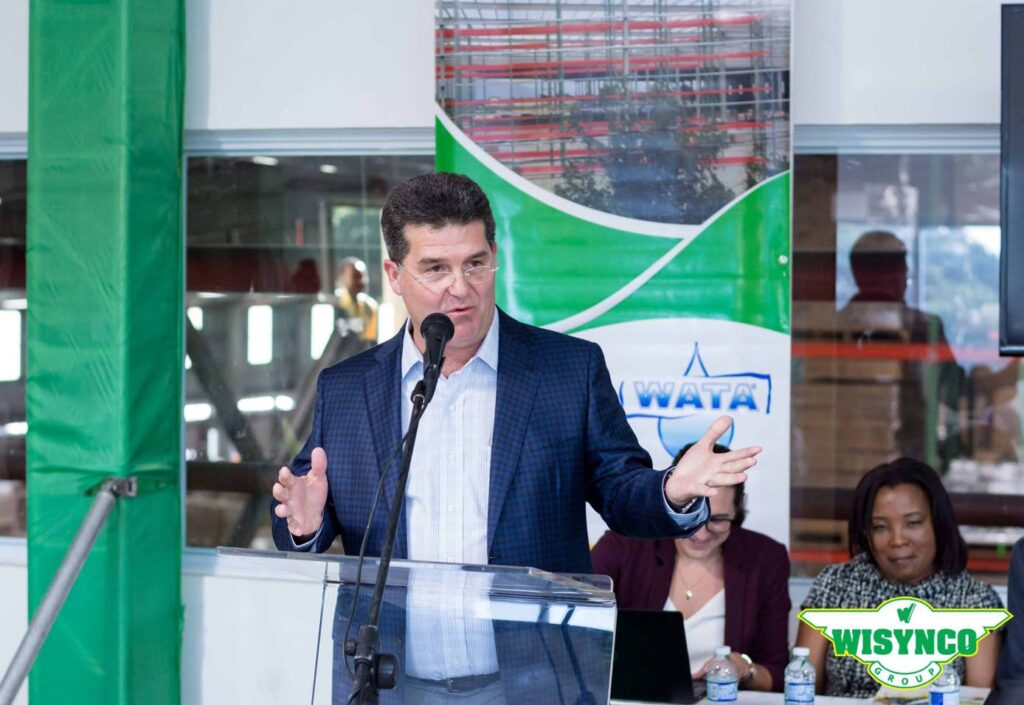
    The hurricane’s impact on food service and hotel channels was effectively offset by stronger performance across other distribution networks. Chairman William Mahfood noted that the company’s expanded manufacturing capabilities, developed over the past 18 months, have begun yielding significant dividends. “We’re getting greater production, greater demand and meeting the demand out there,” Mahfood stated in an interview with Jamaica Observer.

    Wisynco’s scale advantages became increasingly evident as higher output volumes allowed for more efficient absorption of fixed costs. This operational leverage propelled gross profit upward by 27% to $5.92 billion, while operating profit skyrocketed 54% to $1.85 billion. Net profit reached $1.48 billion, representing nearly 50% growth compared to the same period last year.

    The company’s strategic moves extended beyond organic growth, with Wisynco revealing its acquisition of a 30% stake in Ringtail Holdings Limited for $2.45 billion. This transaction implicitly values the alcoholic beverage group at approximately $8.16 billion. Additionally, Wisynco acquired Ringtail Bottlers Limited for $161.29 million, further strengthening its position in brewed and alcoholic beverages.

    Market confidence in Wisynco’s trajectory is evident in its stock performance, with shares climbing 22% year-to-date to close at $22.74. This performance elevates the company into the top 10 listings on the Jamaica Stock Exchange by market capitalization, now standing at $86.48 billion. The declaration of a $0.23 dividend payable in March further underscores management’s belief in the sustainability of current earnings growth.

    Looking forward, Mahfood expressed optimism about reconstruction-driven demand through 2026, particularly noting continued momentum from the company’s alcohol-based products. The company’s export business also grew by 14%, though it remains a modest portion of overall sales at just 2%.

    Wisynco’s leadership acknowledged the hurricane’s severe impact on western parishes while commending the resilience demonstrated by Jamaicans and relief organizations during the recovery efforts.

  • NEW TAXES AHEAD

    NEW TAXES AHEAD

    Jamaica stands at a critical fiscal crossroads as it prepares to implement its first new tax measures in almost ten years, marking a significant departure from its sustained policy of fiscal discipline. This strategic shift comes in direct response to the catastrophic impact of Hurricane Melissa, which inflicted an estimated US$8.8 billion in damages—equivalent to 41% of the nation’s GDP—when it struck on October 28th.

    According to prominent economist Dr. Damien King, the sheer scale of destruction has fundamentally reshaped Jamaica’s economic landscape, making previous commitments to balanced budgets and a ‘no new taxes’ pledge untenable. The hurricane’s aftermath has created dual pressures: sharply reduced revenue streams, particularly from the hard-hit western regions where tourism, agriculture, and retail sectors suffered severe disruptions, and simultaneously surging expenditure demands for reconstruction.

    The government’s fiscal response will likely involve a multi-pronged approach combining additional borrowing, a temporary pause in debt reduction targets, and new revenue-generating measures. Since the disaster, the administration has already presented four supplementary estimates to Parliament, increasing total expenditure from approximately $1.26 trillion to $1.39 trillion to address immediate recovery needs.

    Despite these short-term challenges, King emphasizes that Jamaica’s hard-won fiscal credibility remains intact, thanks to over a decade of disciplined reform that has transformed the nation from being the world’s third most indebted country to possessing what he describes as ‘world-class improvements’ in fiscal management. This foundation has allowed Jamaica to absorb the shock without alarming international lenders or credit rating agencies.

    The upcoming 2026/27 Estimates of Expenditure, to be tabled by Finance Minister Fayval Williams, will represent what King terms a ‘hurricane budget,’ acknowledging that reconstruction costs cannot be absorbed within existing revenue frameworks. The Independent Fiscal Commission projects tax collections will fall $80 billion below original estimates this fiscal year, further limiting options for funding recovery without new revenue measures.

    While the path forward may delay Jamaica’s target of reducing debt-to-GDP to 60% by several years, economists maintain confidence that the benchmark will eventually be achieved, demonstrating the nation’s resilient fiscal framework even in the face of unprecedented natural disaster.

  • Medical ganja has been mishandled, not misunderstood

    Medical ganja has been mishandled, not misunderstood

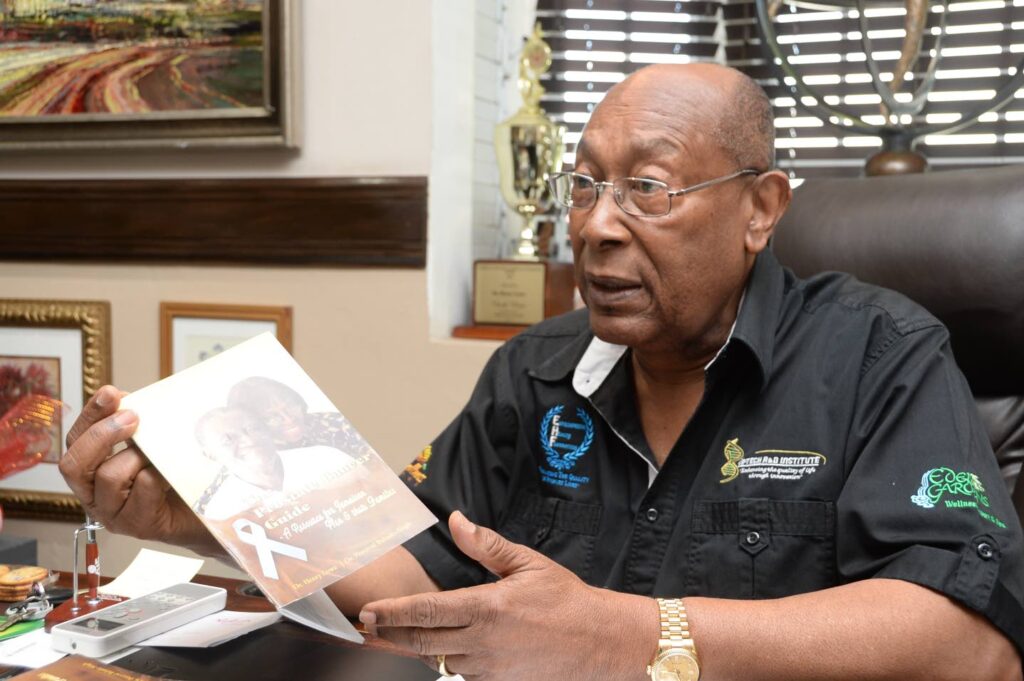
    Jamaica faces the imminent collapse of its legal cannabis industry due to systemic governance failures and lack of political commitment, according to Dr. Henry Lowe, a foundational figure in medical cannabis research. The renowned scientist, who co-developed one of the world’s first cannabis-derived glaucoma treatments, asserts that institutional timidity and regulatory confusion have squandered the nation’s pioneering advantage.

    Dr. Lowe’s critique highlights how Jamaica’s early breakthrough in cannabis medicine—including the revolutionary glaucoma eye drops he developed with colleagues—failed to translate into commercial leadership. While global markets expanded, foreign entities capitalized on Jamaican research and genetic resources without adequate local benefit. “What was developed here was commercialized elsewhere,” Lowe noted, emphasizing that decisive action could have prevented this intellectual drainage.

    The researcher sharply distinguishes between medical and recreational use, advocating for regulated medical applications while expressing concern about uncontrolled consumption. “Cannabis is a drug requiring proper dosage and purpose,” he stressed, underscoring the necessity of medical frameworks for safety and efficacy.

    Lowe attributes the industry’s underperformance to successive administrations from both major political parties (PNP and JLP) that offered rhetorical support but failed to implement effective policies. He particularly criticized the Cannabis Licensing Authority’s conflicting dual role as both regulator and promoter, arguing that this fundamental design flaw inhibits progress. Additional coordination gaps between the Ministry of Health and other agencies have further stalled development.

    Unless immediate corrective measures are implemented, Lowe warns of total industry collapse. “I only see the negative aspects highlighted in media,” he observed, noting that without urgent structural reforms, Jamaica’s medical cannabis sector faces irreversible decline.

  • Jamaica decriminalised ganja — but the industry that was promised never took root

    Jamaica decriminalised ganja — but the industry that was promised never took root

    A decade following Jamaica’s landmark decision to decriminalize cannabis and establish a regulated industry, the envisioned export-driven, cultivation-centric market has failed to materialize. Instead of flourishing, licensed operators are confronting severe structural constraints that have forced a strategic pivot away from traditional farming models.

    Jacana Wellness, a vertically integrated cannabis company established in 2017-2018, exemplifies this industry struggle. Operating cultivation and processing facilities in St. Ann alongside four retail apothecaries across Jamaica, the company has been compelled to close underperforming outlets while navigating what executives describe as fundamental flaws in the nation’s regulatory framework.

    “The boom is gone,” stated Nicholas Deane, Jacana’s farm operations manager. “What remains is whether the industry can actually survive under its current structure.”

    The financial burden of compliance presents perhaps the most significant challenge. Licensed cultivators face mandatory security requirements including fencing, surveillance systems, and armed protection, coupled with substantial annual licensing fees exceeding $3,500 per acre before operational costs. These regulatory expenses create prohibitive entry barriers for small farmers and strain established operations.

    Stephen-John Brown, Jacana’s quality and compliance manager, detailed the cumulative impact: “When you start adding it up—cultivation licence, processing approvals, transport permits, police records for staff, environmental permits—it becomes a very expensive business to run.”

    Compounding these challenges, limited access to conventional banking services has forced operators to rely heavily on cash transactions, restricting growth potential and resilience against economic shocks. This financial bottleneck has accelerated industry consolidation, favoring vertically integrated companies that can control multiple supply chain segments.

    The export market, initially touted as Jamaica’s primary opportunity, has proven particularly difficult to penetrate. International buyers typically demand pharmaceutical-grade specifications designed for indoor cultivation, creating standards nearly impossible to meet through Jamaica’s traditional outdoor farming methods. Meeting these requirements often necessitates costly post-harvest treatments that compromise product quality and potency.

    Consequently, Jacana and other survivors have shifted focus toward wellness products and CBD formulations, which face fewer regulatory hurdles and enjoy growing consumer demand. The company now derives approximately 70% of domestic sales and 30% of exports from its CBD and wellness lines, which include tinctures, topical balms, and botanical formulations supplied to hospitality venues and international markets.

    This strategic adaptation highlights the fundamental contradiction within Jamaica’s cannabis framework: while cultivation was intended as the industry’s foundation, the regulatory environment has ultimately rewarded businesses that minimize agricultural risk. Nearly ten years after legalization, the critical question facing policymakers is whether the existing structure can be realigned to support the inclusive, export-driven vision originally promised.

  • Costs and disruption shape LASCO affiliates’ Q3 results

    Costs and disruption shape LASCO affiliates’ Q3 results

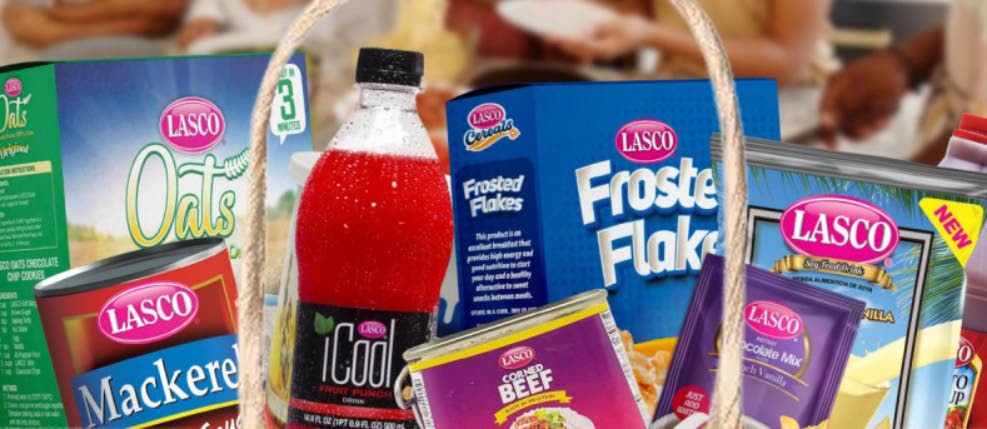
    Two sister companies under the LASCO umbrella presented contrasting financial outcomes for the third quarter, with LASCO Distributors experiencing robust sales growth undermined by rising costs, while LASCO Manufacturing contended with operational disruptions caused by Hurricane Melissa.

    LASCO Distributors announced an 8.1% revenue increase during the December quarter, driven by consistent demand across its primary product categories and ongoing market development. Despite this top-line expansion, the company’s profitability faced compression due to escalating operational and financial expenditures. Managing Director John De Silva identified increased staff-related expenses, amplified marketing investments, and heightened security costs as primary contributors to the margin squeeze. Additionally, rising financing expenses further impacted the bottom line.

    De Silva emphasized that the company’s fundamental business operations remain strong, noting that growth acceleration validates the effectiveness of current demand-generation initiatives. Significant infrastructure investments nearing completion are expected to become operational in the final quarter, potentially enhancing future performance. The company has been actively expanding its distribution network, intensifying marketing efforts, and developing logistics and warehouse capabilities. These strategic moves have begun yielding results, with export operations and pharmaceutical ventures now constituting approximately 20% of total revenue.

    Conversely, LASCO Manufacturing faced distinct challenges during the quarter. Managing Director James Rawle reported that Hurricane Melissa forced a week-long suspension of manufacturing operations, resulting in production delays and diminished sales volume. Consequently, the company recorded decreased revenue and compressed gross margins for the December quarter. Despite these setbacks, LASCO Manufacturing achieved a slight improvement in net profit compared to the same period last year. Over the nine-month timeframe, operating profit and earnings demonstrated gradual stabilization despite revenue trailing behind previous year levels.

    Both companies expressed optimism regarding their future trajectories. LASCO Distributors anticipates that ongoing demand-building initiatives and infrastructure enhancements will bolster performance, with exports and pharmaceutical products expected to drive growth. LASCO Manufacturing remains focused on achieving annual targets, expressing confidence in operational stabilization following hurricane-related interruptions. Rawle reaffirmed the company’s commitment to delivering sustained value growth for all stakeholders.

  • RA Williams expands into clinical skincare

    RA Williams expands into clinical skincare

    In a strategic pivot toward wellness-oriented distribution, Jamaican pharmaceutical distributor RA Williams has announced a significant partnership with dermatologist Dr. Romario Thomas and his clinically formulated skincare brand, Absolut Skin. This collaboration signifies a deliberate expansion beyond traditional pharmaceuticals into the burgeoning preventive care and self-care market, reflecting evolving consumer preferences for scientifically validated wellness solutions.

    CEO Audley Reid emphasized that the move represents more than a mere product line extension, characterizing it as a strategic alignment with values-driven brands that reinforce the company’s long-term vision. “We build partnerships with people and brands that share our standards and our vision for health and wellness,” Reid stated, noting the skincare category’s emergence as a natural evolution for the business.

    The expansion occurs amid RA Williams’ ongoing growth phase following its Junior Market listing. While recent quarterly revenue grew 7.6% to $417 million, driven partly by new portfolio additions, the company reported a modest net loss due to increased operational costs associated with expansion efforts. Despite short-term profitability pressures, management continues to signal confidence in long-term demand for health-adjacent categories.

    Kimroy Williamson, General Sales Manager, positioned skincare within the company’s health care framework rather than traditional cosmetics: “Skincare has become a core part of everyday health care conversations. Consumers are asking informed questions about ingredients, results, and credibility.”

    Absolut Skin, founded by Dr. Thomas, features medical-grade formulations specifically designed for melanin-rich skin, addressing concerns through four targeted treatment lines: brightening, sensitive skin, anti-ageing, and anti-acne. The products incorporate clinically active ingredients including kojic acid, niacinamide, and azelaic acid while excluding parabens, hydroquinone, and harmful bleaching agents.

    Beyond physical products, the brand incorporates digital health technology through an AI-powered mobile platform that provides skin analysis, personalized recommendations, and access to dermatological consultations, emphasizing education and consistent routines.

    Dr. Thomas noted the partnership would dramatically expand his brand’s reach: “This allows us to bring dermatologist-guided products and education to far more people than we could alone.”

    The rollout will leverage RA Williams’ established pharmacy and healthcare distribution network, potentially granting the locally developed brand national penetration while further establishing the distributor within Jamaica’s evolving wellness economy.

  • Legacy lives on!

    Legacy lives on!

    Kingston’s Emancipation Park transformed into a sacred musical sanctuary Friday evening as artists from across generations and continents gathered for a profound tribute commemorating what would have been Bob Marley’s 81st birthday. Under the Jamaican night sky, the atmosphere carried what Marley himself termed a “natural mystic”—a spiritual reverence that transcended mere performance, creating a multi-generational dialogue through rhythm and resonance.

    The evening commenced with a characteristically Marley-esque confrontation: a sound system clash dubbed the Marley Tribute Challenge between selectors Rasarella and DJ Oliver of Metro Media. This musical duel established the night’s central theme—honoring legacy through dynamic exchange rather than passive observance. Rasarella opened with “Zion Train,” emphasizing Marley’s Rastafarian spirituality, while Oliver countered with the revolutionary urgency of “War,” setting the tone for a clash of philosophical interpretations within Marley’s vast repertoire.

    Audience engagement became an integral component as the selectors traded classic tracks including “Bad Card,” “Who The Cap Fit,” and “Buffalo Soldier.” The clash turned playful when Oliver selected “Crazy Baldhead”—a cheeky reference to Rasarella’s non-bald status—prompting her strategic response with “Time Will Tell” to reclaim narrative control. The competition ultimately evolved into collaboration as Oliver invited Jamaicans to join “One Love” while Rasarella answered with “Get Up, Stand Up,” completing the journey from rivalry to unity.

    The tribute dramatically illustrated Marley’s global impact as Mexican bands Sangre Maíz and Out of Control Army delivered Latin-infused reggae interpretations. The latter group elevated energy levels with a surprise appearance by Richie Stephens, injecting ska rhythms that shifted the evening into dance-driven territory. From across the Atlantic, Ghanaian rising star Khapun expressed honor at performing on Jamaican soil, highlighting Marley’s enduring influence throughout Africa and reggae’s power as a cultural bridge connecting shared histories.

    Local talent demonstrated the genre’s continuing evolution as Abi-D and NAJ (Nikki, Adena and Janeel) presented performances affirming reggae’s vibrant future. The concert’s final segment belonged to veteran artists whose voices carried decades of musical testimony. Warrior King commanded overwhelming crowd support with “Never Go Where Pagans Go” and “Virtuous Woman,” anchoring the night in roots reggae authenticity.

    Reggae Month Ambassador Etana maintained powerful momentum with renditions of “Jah Jah Blessings” and “I Am Not Afraid,” paying direct homage through “I Wanna Love You” before welcoming Queen Ifrica to the stage. Jemere Morgan bridged musical generations with Marley’s “Redemption Song,” Morgan Heritage’s “Down by the River,” and original compositions affirming his position as inheritor of a legendary musical lineage.

    Rare-appearing St Thomas native Bushman received waves of applause for performances of “Fire Bun A Weak Heart” and “Downtown,” acknowledging that Marley’s influence had transcended legacy to become a full-fledged dynasty. The evening reached its ceremonial peak with the arrival of Stephen Marley, who opened with ancestral keteh drums before delivering his father’s timeless classics including “Hit Me With Music” and “Take It Easy.” His declaration—”Inside me, your legacy lives on”—culminated in a stirring rendition of “Don’t Worry” alongside brother Julian Marley.

    The stage then transformed into a living testament of musical inheritance as Spragga Benz, Ghost, Beenie Man, Richie Spice, Capleton, King Kong, and Junior Reid appeared in rapid succession—each artist contributing to a cascade of reverence that celebrated influence, lineage, and unconditional love through the enduring power of Marley’s music and message.

  • ON THE BRINK!

    ON THE BRINK!

    Jamaica’s Under-17 national football team stands one step away from securing their third FIFA U-17 World Cup appearance as they prepare for their crucial final qualifying match against Canada in Alajuela, Costa Rica. The young Reggae Boyz need only a draw in Thursday’s 3:00 PM (Jamaica time) encounter to book their ticket to Qatar later this year, though victory would eliminate any mathematical uncertainty and cap their impressive group stage campaign.

    The Jamaican squad has demonstrated formidable form with consecutive dominant performances, beginning with a 3-0 victory over Aruba followed by an emphatic 12-0 triumph against the Cayman Islands. These results have established Jamaica’s superior goal difference and positioned them atop Group G ahead of Canada, who recorded a 3-0 win against Cayman and 5-1 victory over Aruba.

    Several Jamaican players have emerged as standout performers during the qualifiers. Striker Kelvin Brown has proven particularly lethal in attack, following his goal against Aruba with four strikes against the Cayman Islands. Jahmarie Nolan has also impressed with his clinical finishing, adding a brace in the second match after scoring against Aruba. The team’s tactical balance has been enhanced by full backs Javan Foster and Duwayne Burgher, while winger Jamone Lyle has consistently provided attacking width and creativity.

    Despite trailing on goal difference, Canada presents a significant challenge with their own offensive threats. Striker Van Parker has netted three times during the tournament, scoring twice against Aruba and once against Cayman. Defender Stefan Kapor has demonstrated defensive solidity, with midfielders Silas Schoppitsch, Liam Torres and Nico Wood expected to play pivotal roles in Canada’s must-win strategy.

    Head Coach Wendell Downswell, who previously guided Jamaica to U-17 World Cup qualifications in 1999 and 2011, expressed confidence in his squad while emphasizing the importance of maintaining focus. “The players are really upbeat, quite excited, and we’re looking forward to this,” Downswell told the Jamaica Observer. “We’re very confident based on our preparation and performance thus far. We have worked on them mentally to prevent complacency.”

    Downswell acknowledged Canada as “formidable opposition” but expressed belief in his team’s tactical preparedness and ammunition to secure victory. The experienced coach, who also guided Jamaica’s U-20 team to World Cup qualification in 2001, described the potential achievement as providing “impetus and courage” given his previous accomplishments at this level.

    Beyond immediate qualification implications, success against Canada would represent a significant milestone for Jamaican football development. A positive result would not only secure Jamaica’s place among the eight Concacaf representatives at the 48-team tournament in November, but also demonstrate the Jamaica Football Federation’s capacity to develop youth talent following the senior team’s failure to secure automatic World Cup qualification last November. The outcome could provide momentum ahead of the senior squad’s next qualifying opportunity next month.

  • Pothole relief

    Pothole relief

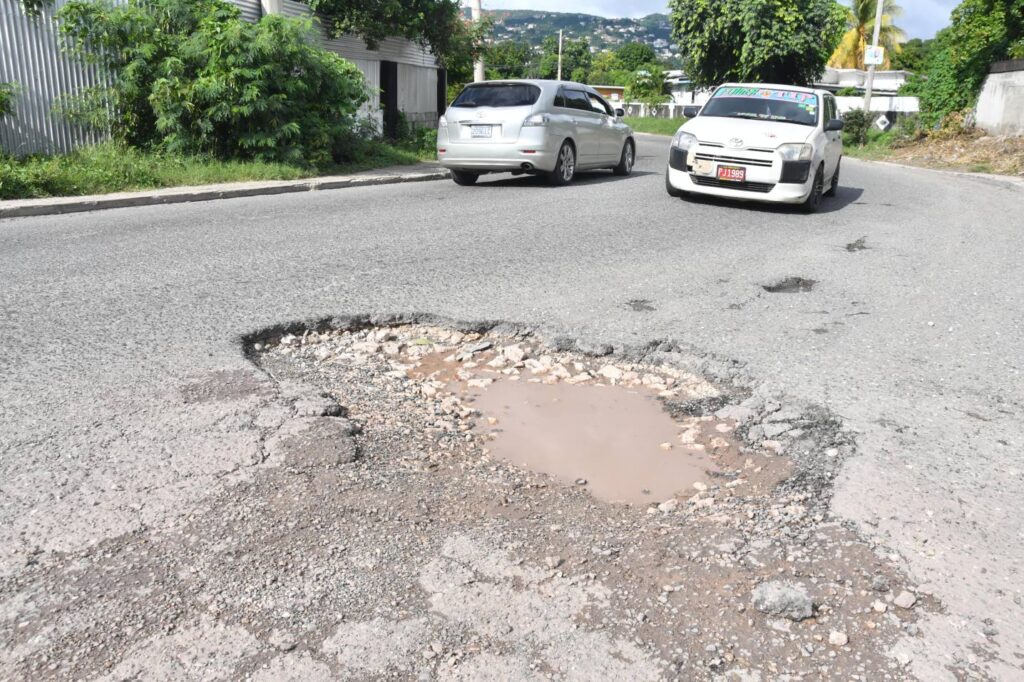
    The Kingston and St Andrew Municipal Corporation (KSAMC) has announced a major infrastructure initiative, dedicating $220 million from the Parochial Revenue Fund to address the critical state of roadways across all 40 divisions of the municipality. Mayor Andrew Swaby confirmed the allocation during the monthly KSAMC meeting, framing it as a direct response to persistent complaints from residents and commuters regarding potholes and deteriorating road surfaces.

    The comprehensive rehabilitation program will encompass a variety of techniques, including patching, resurfacing, and targeted repairs to the most damaged sections. Mayor Swaby emphasized that the funds are being channeled through the Divisional Allocation Fund to ensure community-specific needs are met. However, he simultaneously expressed significant concern over the financial constraints facing the corporation, stating that the allocated sum is insufficient to fully address the extensive repairs required across the entire road network under its jurisdiction.

    Mayor Swaby contextualized the current funding challenge within a broader, ongoing struggle for adequate financial support from the central government. He revealed that the KSAMC receives approximately $75 million per month for road maintenance, a figure he described as a ‘drop in the bucket’ compared to the scale of the task. He contrasted this with the separate budgetary allocations available to the National Works Agency (NWA), which does not have to compete for funding between road maintenance and other critical activities like drain cleaning.

    Despite these constraints, Mayor Swaby assured councillors that the KSAMC remains committed to maximizing the impact of the available funds. The corporation will adhere to strict procurement guidelines to ensure compliance and secure the best possible value for every dollar spent. While this injection of $220 million will provide tangible relief in the coming weeks, the mayor reiterated that a sustainable, long-term solution is dependent on a significantly increased and dedicated budget from central government sources.

  • Kingston clean-up

    Kingston clean-up

    Kingston Mayor Andrew Swaby has declared an immediate escalation in the removal of derelict and illegally parked vehicles throughout the Corporate Area, citing critical public health and safety concerns. The urgent appeal was made during Tuesday’s monthly assembly of the Kingston and St Andrew Municipal Corporation (KSAMC), where Mayor Swaby highlighted the severe strain on municipal resources and storage capacity.

    Emphasizing the gravity of the situation, Swaby revealed that January alone witnessed nearly 200 official notices issued for improper usage of sidewalks and roadways. This enforcement surge aligns with the broader Cleaner Kingston Initiative—a collaborative campaign between KSAMC and the National Solid Waste Management Authority (NSWMA) designed to revitalize urban areas through enhanced sanitation, waste management, and public space maintenance.

    Detailed operational data shows proactive measures by the City Inspector’s Department, including 170 encroachment notices last month. These targeted 62 derelict properties, 6 illegal structures, 14 street-side garages, and 88 abandoned vehicles, culminating in the removal of 25 cars from public thoroughfares. The mayor specifically identified neighborhoods such as Stony Hill, Cross Roads Market, and Olympic Way as priority zones for the ongoing operation.

    Historical context underscores the persistence of this issue, with KSAMC having issued over 1,000 public health and road nuisance notices related to abandoned vehicles and properties in 2024. The current drive will also focus on high-density areas including Lemington Avenue, Hagley Park Road, and Padmore Drive, alongside illegal garages in Lyndhurst Close and Standpipe Lane.

    Complementing the vehicle removal efforts, authorities have cleared 605 unauthorized event and party signs since January to uphold public order. Mayor Swaby concluded with a renewed call to action for all residents, businesses, and stakeholders to contribute collectively to preserving Kingston’s cleanliness, accessibility, and aesthetic appeal.