博客

  • DEA Supervisor in the Dominican Republic, Melitón Cordero, arrested in visa fraud investigation

    DEA Supervisor in the Dominican Republic, Melitón Cordero, arrested in visa fraud investigation

    In a significant development highlighting internal misconduct within U.S. federal agencies, Melitón Cordero, the supervisor of the Drug Enforcement Administration (DEA) office in the Dominican Republic, has been arrested. This action is part of an extensive federal investigation into the alleged exploitation of a specialized visa program intended for confidential informants. The probe, spearheaded by the U.S. Department of Homeland Security, has triggered the immediate and indefinite closure of the DEA’s operational headquarters in Santo Domingo.

    The arrest follows a public announcement from the U.S. Embassy, which condemned the incident as a ‘disgusting and shameful breach of public trust.’ According to sources familiar with the ongoing investigation—including one current and one former U.S. official who requested anonymity—Cordero’s alleged abuses are at the center of the scandal. In his former role, Cordero was responsible for overseeing criminal investigations, facilitating intelligence sharing, and managing collaborative initiatives with Dominican law enforcement bodies. His duties also included coordination with other U.S. agencies like the Federal Bureau of Investigation (FBI), particularly in programs involving the recruitment of foreign informants under special immigration provisions.

    U.S. Ambassador to the Dominican Republic, Leah Francis Campos, confirmed the office’s closure, vowing a zero-tolerance stance toward corruption and emphasizing that operations would remain suspended until a thorough review is completed. The case raises serious questions about the oversight mechanisms within international visa programs designed for national security purposes.

  • Dgcine and ACU partner to strengthen Dominican documentary cinema

    Dgcine and ACU partner to strengthen Dominican documentary cinema

    SANTO DOMINGO – In a significant move to bolster the nation’s cinematic landscape, the General Directorate of Cinema (Dgcine) has entered into a formal partnership with the Dominican Association of Documentary Filmmakers (ACU). This collaborative agreement is strategically designed to enhance the visibility and distribution of indigenous non-fiction films while cultivating a more profound engagement with domestic audiences.

    The pact, formally executed at the Dgcine headquarters, represents a pivotal institutional effort to champion the expansion of the documentary genre. It focuses on creating robust platforms for exhibition and broadening the reach of Dominican narratives.

    A cornerstone of this initiative is the establishment of a dedicated monthly documentary forum at the Dominican Cinematheque. Each curated event will feature a film screening succeeded by an interactive dialogue session with attendees, fostering a dynamic environment for critical discourse. ACU and the Cinematheque will co-manage the programming to ensure a high-caliber and coherent lineup.

    Further provisions within the agreement facilitate ACU’s inclusion in a wider array of film cycles, exhibitions, and festivals orchestrated by Dgcine. The directorate will also extend technical and logistical resources for screenings. Moreover, the alliance paves the way for future cooperative ventures with international embassies and cultural bodies to stimulate cross-border professional dialogue and cultural interchange.

    Marianna Vargas Gurilieva, General Director of Dgcine, articulated that forging enduring audience relationships remains a primary hurdle for documentary filmmaking. She stressed that this initiative is a direct response, aiming for sustained audience development through consistent public events.

    Echoing this sentiment, ACU President Ingrid Cruz Espinal endorsed the creation of a permanent exhibition venue as a crucial step. She emphasized that such a space will not only solidify the bond between filmmakers and their viewers but also ensure the continued evolution and maturation of the documentary form within the country.

    Collectively, this endeavor seeks to democratize access to documentary content and encourage synergistic interactions among creators, institutional frameworks, and the public. This is envisioned to underpin the cultural sustainability of the Dominican documentary tradition and cement its integral role within the national cinema ecosystem.

  • Tourism Ministry reports progress on Santo Domingo Convention Center Project

    Tourism Ministry reports progress on Santo Domingo Convention Center Project

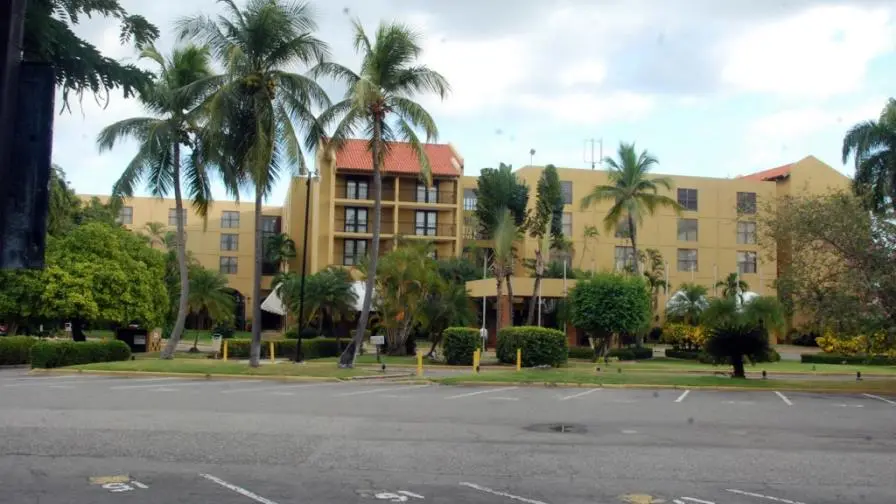
    The Dominican government has initiated significant progress on its ambitious Santo Domingo Convention Center project, marking a strategic move to position the capital as a premier destination for meetings and conventions tourism. This development follows the 2025 acquisition of prime real estate spanning approximately 34,000 square meters from the former Hotel Santo Domingo site, which ceased operations in 2013.

    Tourism Minister David Collado has confirmed substantial advancements in the technical and administrative processes required for the project’s development. The government has secured a crucial advisory agreement with Banco de Reservas, complemented by technical expertise from IFEMA Madrid, an internationally recognized leader in exhibition and convention management renowned for organizing the prestigious FITUR tourism fair.

    The architectural team, already approved by the financial institution, is currently finalizing structural designs and engineering specifications. This collaboration brings together international best practices and local expertise to create a world-class facility that will substantially enhance the city’s infrastructure for hosting major international events, conferences, and exhibitions.

    Authorities anticipate the convention center will dramatically strengthen the country’s MICE (Meetings, Incentives, Conferences, and Exhibitions) tourism sector, generating significant economic benefits through increased visitor spending, job creation, and enhanced international visibility. The strategic location adjacent to the former Hotel Santo Domingo property provides optimal accessibility while contributing to urban revitalization efforts in the capital city.

  • Bangladesh kiest in cruciale verkiezingen na Gen Z-revolutie

    Bangladesh kiest in cruciale verkiezingen na Gen Z-revolutie

    Bangladesh embarked on a landmark electoral process on Thursday, conducting what analysts describe as the most significant democratic exercise in its recent history. This election represents a crucial turning point for the nation of 175 million people, following the dramatic ouster of long-serving Prime Minister Sheikh Hasina in August 2024 through a youth-led uprising.

    The political transformation, spearheaded primarily by Generation Z activists (those born roughly between 1997 and 2012), has reshaped Bangladesh’s political landscape. The protests that precipitated Hasina’s downfall, characterized by widespread civil unrest and occasional violence, severely disrupted vital economic sectors including the nation’s garment industry—the world’s second-largest exporter of clothing merchandise.

    This electoral event marks the world’s first national election following a successful youth-driven revolution, a development that political observers believe could influence similar movements globally, with Nepal scheduled to undergo its own political transition next month.

    The electoral contest features an unprecedented diversity of participation with over 2,000 candidates competing for 300 parliamentary seats, including numerous independent contenders. A record-breaking 50 political parties are participating in the democratic process, a stark contrast to previous elections marred by boycotts and intimidation tactics.

    At the center of the political battle are two major coalitions: the Bangladesh Nationalist Party (BNP) and an Islamic alliance led by Jamaat-e-Islami, with recent polls indicating a slight advantage for the BNP. The formerly dominant Awami League of ex-Prime Minister Hasina has been officially banned from participation, while Hasina herself currently resides in exile in India. This political vacuum has potentially opened doors for increased Chinese influence amid deteriorating relations with India.

    Concurrent with the parliamentary elections, citizens are participating in a constitutional referendum addressing substantial governance reforms. Proposed amendments include establishing a neutral interim government during election periods, creating a bicameral parliamentary system, enhancing female political representation, strengthening judicial independence, and implementing a two-term limit for prime ministers.

    Nobel Peace Prize laureate Muhammad Yunus, who headed the interim government following Hasina’s removal, characterized this election as the constitutional manifestation of public awakening against prolonged inequality and systemic injustice.

    The electoral process has been notably peaceful during the campaign period, with only isolated incidents reported. International observers have emphasized that the credibility and impartiality of the voting process, coupled with universal acceptance of the final results, remain paramount for Bangladesh’s democratic consolidation.

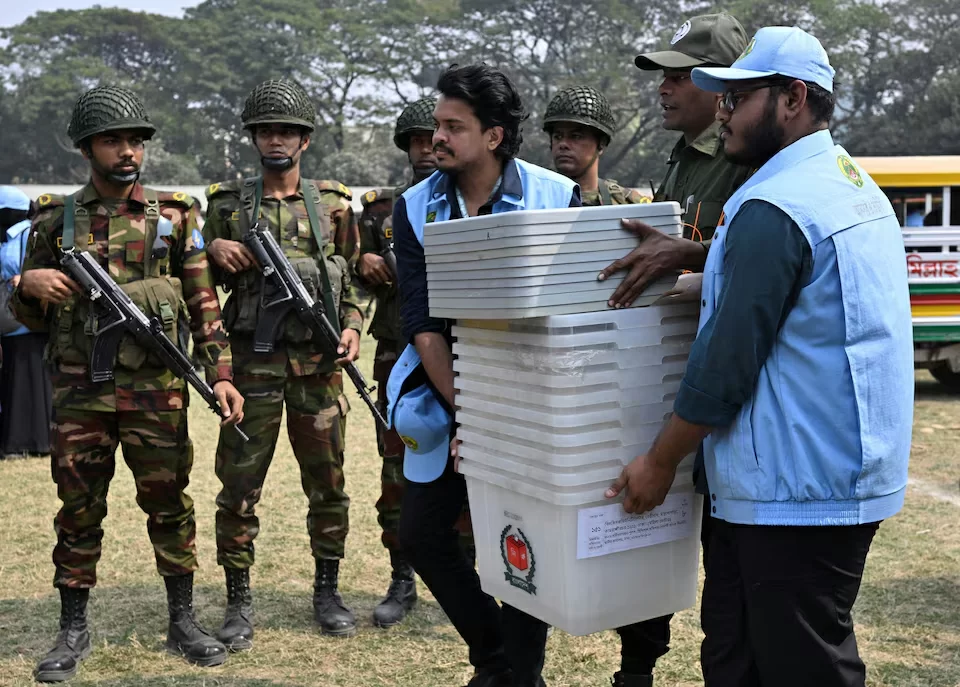
    Security measures have been extensively implemented with more than 100,000 military personnel and nearly 200,000 police officers deployed nationwide to maintain order. Voting commenced at 7:30 AM local time and concluded at 4:30 PM, with preliminary results anticipated around midnight.

    Among the nearly 128 million registered voters, 49% are women, though female representation among candidates remains disproportionately low with only 83 women competing for office. Voter concerns predominantly center on corruption and inflation, according to pre-election surveys.

    While some voters expressed hesitation about participation due to practical constraints or disappointment over the exclusion of Hasina’s party, others demonstrated determined commitment to cast their ballots, recognizing this election’s unique significance following years of political suppression.

    This electoral event represents a critical milestone in Bangladesh’s democratic renewal, conducted under intense scrutiny from domestic stakeholders and international monitors. The outcome will fundamentally shape the nation’s trajectory following a period of remarkable political transformation.


  • Saint Kitts and Nevis Records Zero Maternal Deaths in 2026 Thus Far

    Saint Kitts and Nevis Records Zero Maternal Deaths in 2026 Thus Far

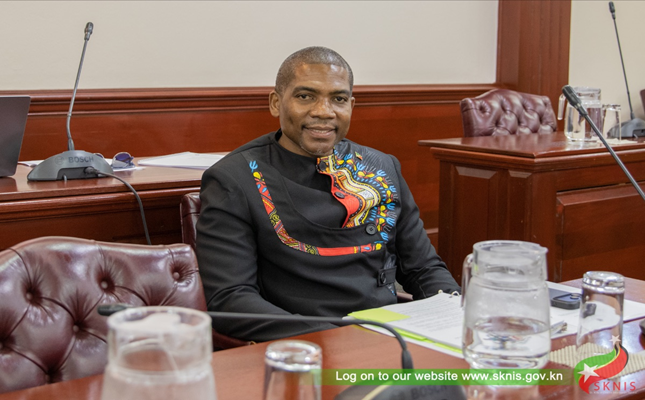
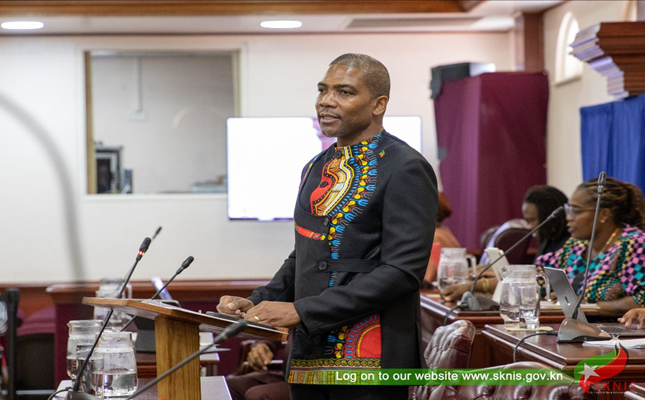
    The Federation of Saint Kitts and Nevis has achieved a remarkable public health milestone with zero maternal deaths recorded throughout the first six weeks of 2026. Prime Minister Hon. Dr. Terrance Drew, who also serves as Health Minister, announced this significant achievement on February 12th, characterizing it as a definitive indicator of the nation’s robust and responsive healthcare infrastructure.

    During his official address, Prime Minister Drew emphasized the profound significance of this accomplishment: ‘Not one pregnant woman who carried life within her has died.’ He elaborated that maternal mortality rates are universally recognized by global health organizations as a critical metric for evaluating the effectiveness of a nation’s healthcare system.

    The Prime Minister attributed this success to the exceptional dedication of medical professionals including physicians, nursing staff, midwives, and allied health workers. He further highlighted strategic governmental investments in enhanced maternal care services, comprehensive prevention initiatives, and substantial strengthening of public health systems as key contributing factors.

    Beyond celebrating this achievement, Dr. Drew urged citizens to embrace healthier lifestyle choices, noting that a healthcare system capable of protecting its most vulnerable populations—pregnant women—demonstrates exceptional strength and resilience.

    The current administration’s deliberate health strategy encompasses multiple components including declining overall mortality trends, expanded pediatric support through the Children’s Medical Fund, and significant infrastructure investments in healthcare facilities. The Prime Minister unequivocally stated that this progress results from intentional policy-making, strategic resource allocation, and the unwavering commitment of healthcare professionals rather than accidental circumstances.

  • Government secures full State ownership of key Frigate Bay assets in landmark agreement

    Government secures full State ownership of key Frigate Bay assets in landmark agreement

    In a historic move that reshapes national asset ownership, the Federation of Saint Kitts and Nevis has achieved complete state control over strategic Frigate Bay properties through an innovative compensation mechanism. Prime Minister Hon. Dr. Terrance Drew announced the successful conclusion of negotiations during Parliament’s first 2026 session on February 12th.

    The comprehensive agreement transfers to the state full ownership of the Frigate Bay Golf Course lands, complete shares of Frigate Bay Golf Limited, and an additional 77.23 acres of premium real estate. The acquired portfolio includes three distinct parcels: 16.10 acres encompassing the golf course’s northern section adjacent to Koi Resort, 13.16 acres of undeveloped land with panoramic Half Moon Bay views, and 47.97 acres situated between Frigate Bay Road, Earles Mornes, Bird Rock and elevated Frigate Bay areas.

    This acquisition realizes the longstanding vision of the St. Kitts-Nevis Labour Party Administration to empower citizens through strategic asset control and sustainable development. The government emphasized the historical significance of Frigate Bay, noting previous national efforts to secure this vital area for public benefit.

    Under the new ownership structure, the Ministry of Tourism and Frigate Bay Development Corporation will manage daily operations and strategic development aligned with national tourism objectives. Development plans include transforming the 13.16-acre parcel into luxury villa infrastructure and potentially a high-end hotel leveraging its premium golf course and ocean views.

    The substantial 47.97-acre tract will be subdivided into residential and commercial lots, with particular emphasis on enabling young citizens to access land ownership and build generational wealth. The government plans to collaborate with local financial institutions to ensure accessible financing options for prospective landowners.

    Notably, the agreement required no direct financial expenditure from government coffers. Compensation to the Royal St. Kitts Group of Companies was structured through 725 Public Benefit Units issued under the Citizenship by Investment Programme.

    In related financial developments, a US$10 million loan extended in 2023 to support St. Kitts Marriott Resort operations is scheduled for full repayment by Q2 2026, with approximately US$3.1 million already recovered. This arrangement is projected to generate at least US$2.5 million in application fee revenue through the Public Benefit Unit mechanism.

    Prime Minister Drew characterized the agreement as a transformative step toward strengthening national sovereignty over tourism assets, expanding economic opportunities, and advancing the Federation’s Sustainable Island State vision. The government reaffirmed its commitment to long-term development strategies designed to benefit both current and future generations.

  • Authorities return 12 Caribbean flamingos to natural habitat in Baní

    Authorities return 12 Caribbean flamingos to natural habitat in Baní

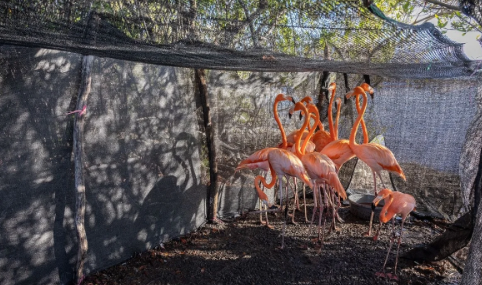
    In a significant wildlife conservation achievement, Dominican environmental authorities have successfully returned twelve Caribbean flamingos (Phoenicopterus ruber) to their natural habitat in the protected Baní Salt Flats ecosystem. The birds, all victims of illegal captivity, underwent comprehensive rehabilitation before their carefully monitored release on February 10.

    The collaborative effort brought together the National Zoological Park (Zoodom), the Ministry of Environment and Natural Resources, ecological action group Grupo Acción Ecológica, and conservationist photographer Eladio Fernández. The Zoological Park’s veterinary clinic provided critical medical care and rehabilitation services to ensure the flamingos’ successful recovery and preparedness for wild reintegration.

    Prior to release, conservation teams conducted extensive monitoring of the birds’ adaptation capabilities and behavioral patterns within the salt flat environment, which already sustains an established flamingo population and offers optimal conditions with abundant food resources.

    Environmental officials simultaneously intensified their appeal to tourism establishments and hotels to voluntarily surrender any illegally kept flamingos, emphasizing that captivity violations contravene Law 64-00 on environmental protection. The ministry highlighted how private possession of these birds fuels poaching activities and disrupts fragile ecosystems.

    The public has been urged to report sightings of flamingos outside their natural range through the Ministry’s Green Emergency Line, reinforcing that species conservation represents a shared societal responsibility.

  • Column: De onderste steen moet boven komen

    Column: De onderste steen moet boven komen

    Suriname’s football community has been plunged into disarray following the sudden withdrawal of its national U-17 team from World Cup qualifiers in Honduras. The Surinamese Football Federation (SVB) announced the devastating decision mere days before the tournament, citing registration failures with CONCACAF as the primary reason for the collapse.

    The team’s preparation had been extensive, with numerous players specifically recruited from Dutch academies to strengthen the squad. Despite initial registration of sixty players with the regional governing body, critical omissions occurred that rendered nine players—seven from Netherlands-based programs and two domestic trainees—technically ineligible for competition.

    Multiple procedural failures have emerged throughout this debacle. Investigative reporting reveals that while the federation maintained an extensive registration list, they failed to properly include all overseas-based players. Furthermore, questions abound regarding why domestically-based players weren’t registered earlier and why no final selection was made from the properly registered players to avoid automatic disqualification.

    The financial and human cost has been substantial. Players traveled internationally only to be deemed ‘insufficiently qualified’ upon arrival—a wasteful expenditure of resources that has drawn sharp criticism. The selection process itself appears fundamentally flawed, with national team coach Marvin Brunings admitting to players that he couldn’t explain selection decisions as he himself hadn’t finalized the roster.

    This administrative catastrophe represents a significant failure for SVB leadership, with transparency demands growing from both the sporting community and general public. The federation’s explanation has generated more questions than answers, leaving Surinamese football facing serious questions about its organizational competence ahead of future international competitions.

  • Large fire destroys plastic manufacturing plant in Haina

    Large fire destroys plastic manufacturing plant in Haina

    A significant industrial fire engulfed the facilities of Katae Group, a prominent plastic container and product manufacturer, during the early hours of Thursday in Haina, San Cristóbal province. The blaze, which ignited between 1:00 and 5:00 a.m., produced intense flames and a massive plume of black smoke that dominated the skyline of the industrial zone, with dramatic footage circulating across social media platforms showcasing the fire’s rapid advancement through the industrial park.

    Initial assessments indicate the conflagration spread with exceptional speed due to the substantial quantities of highly combustible materials present on-site, including various plastics and synthetic resins. These materials significantly hampered initial fire suppression attempts. Fortunately, despite employees being present during the onset of the incident, all personnel were successfully evacuated without report of injuries or casualties.

    Emergency response teams mounted a substantial operation, deploying nine specialized fire units alongside the 9-1-1 drone team that conducted critical aerial surveillance and damage assessment. Firefighting brigades from Haina were reinforced by additional units from Nigua, San Cristóbal, and surrounding municipalities, coordinating efforts to contain the flames and prevent dangerous spread to adjacent industrial facilities.

    Authorities have established a comprehensive security perimeter as operations transition between active firefighting, structural cooling, and preliminary damage evaluation. The precise origin and cause of the fire remain undetermined, with official investigations currently underway to establish the factors that led to this substantial industrial incident.

  • President Abinader to inaugurate La Gaviota Amphitheater in Ciudad Juan Bosch

    President Abinader to inaugurate La Gaviota Amphitheater in Ciudad Juan Bosch

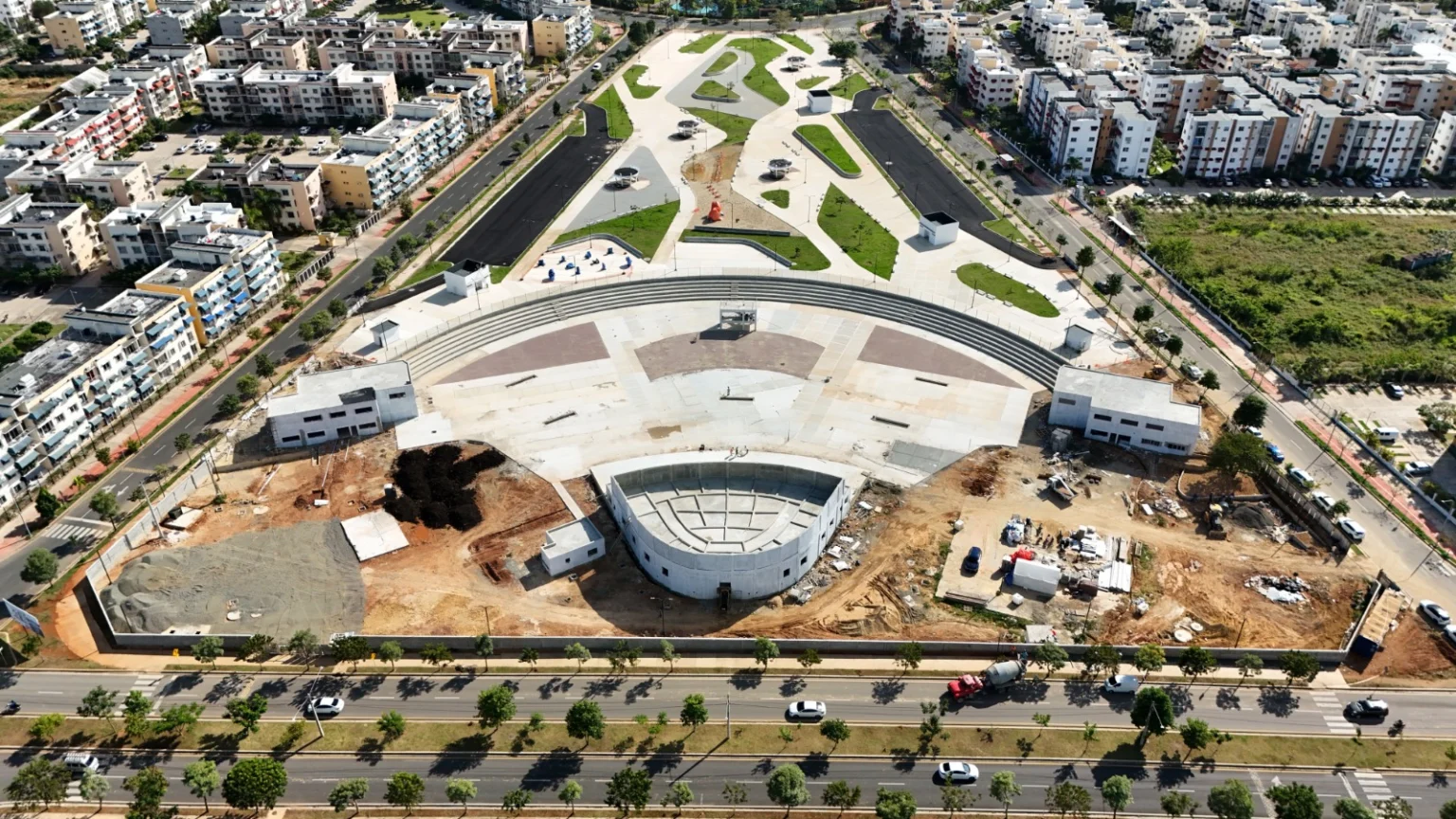
    Santo Domingo, Dominican Republic – President Luis Abinader is set to officially open the newly constructed La Gaviota Amphitheater this Thursday in Ciudad Juan Bosch, marking a significant milestone in the nation’s urban development initiatives. The state-of-the-art cultural facility represents an investment of RD$407.1 million and forms part of an extensive urban transformation project exceeding RD$2.38 billion in total investment.

    Developed through a collaborative effort between the Trust for the Construction of Low-Cost Housing of the Dominican Republic (VBC-RD) and Movexco Constructora, the amphitheater embodies an innovative urban planning approach that integrates cultural infrastructure with residential development, sports facilities, and essential community services.

    This inauguration solidifies Ciudad Juan Bosch’s status as a pioneering model for comprehensive urban planning, demonstrating the government’s commitment to fostering culturally enriched, sustainable communities with enhanced public spaces. The development strategy emphasizes accessibility to cultural amenities while promoting social cohesion through thoughtfully designed infrastructure.

    The broader urban transformation encompasses substantial investments across multiple sectors, including a RD$478 million multi-disciplinary sports complex and the initial phase of an Ecological Park designed for family recreation, representing an investment surpassing RD$412 million. Critical infrastructure improvements include the construction of Vitrified Regulating Reservoir No. 3 (RD$389 million) and the operationalization of two wastewater treatment facilities (PETAR East and PETAR II) with combined investments exceeding RD$322 million.

    Complementary community infrastructure features the Plaza Urbana 20 de Diciembre Norte, developed through two construction phases at RD$657 million, alongside a newly constructed funeral home valued at over RD$64 million.

    The amphitheater’s inauguration will be celebrated with an extensive cultural program from February 12-15, organized in coordination with the Ministry of Culture. The festivities will include symphonic concerts, dance performances, choral presentations, traditional folk shows, and innovative musical experiences featuring the nation’s premier artistic ensembles.