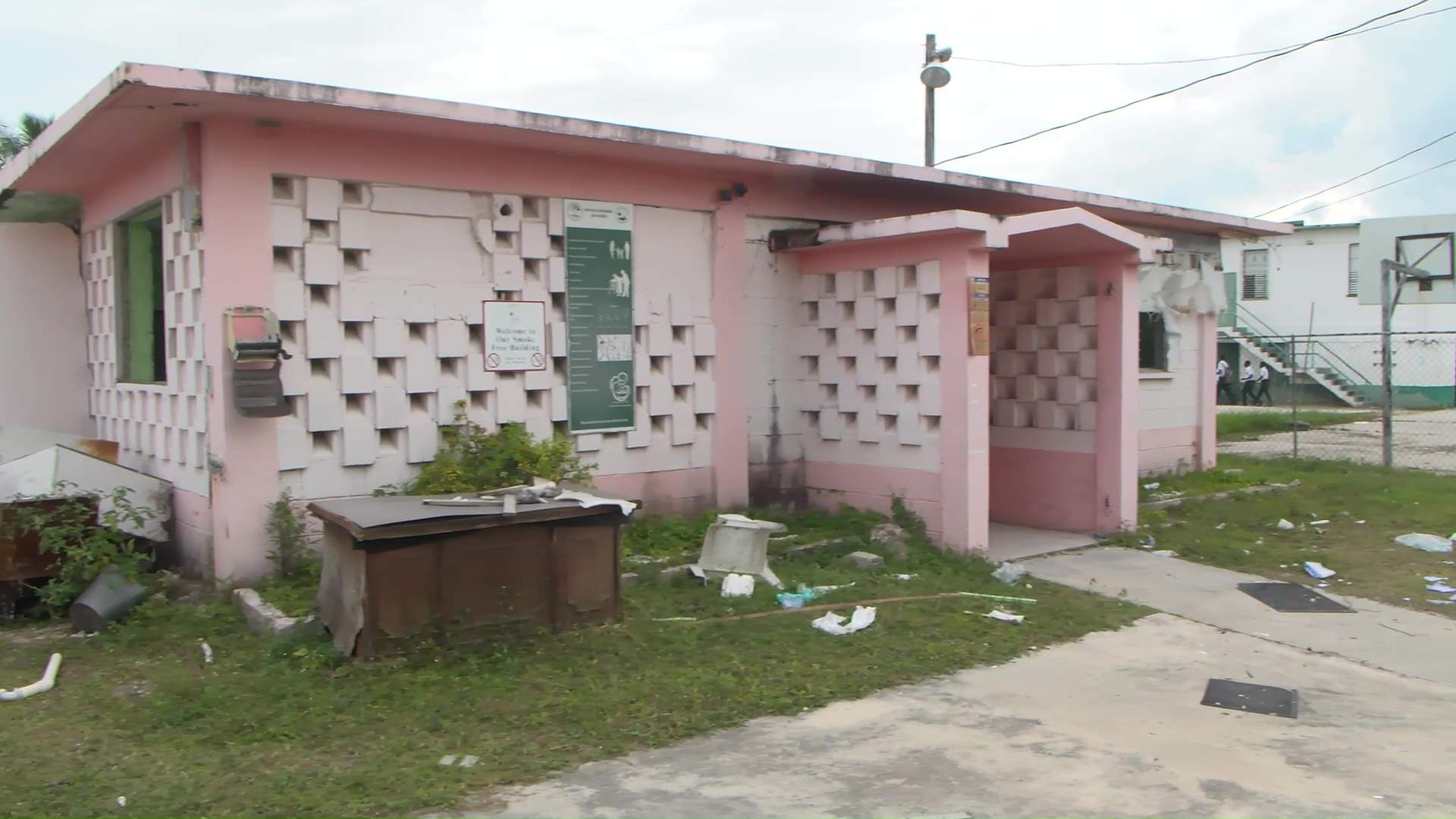
PORT LOYOLA – February 17, 2026 – A critical healthcare crisis is unfolding in southside Port Loyola, where the community’s primary polyclinic now stands as a hollowed-out shell. The facility, which previously served thousands of local families, has been completely stripped of its doors, windows, and even bathroom fixtures. While initial appearances suggested rampant looting, official sources confirm to News Five that the dismantling operation is being conducted under a legally authorized demolition order. This action was triggered after the clinic was officially condemned last year due to a severe and hazardous mold infestation. Government authorities acknowledge that reconstruction efforts face significant delays, citing constrained budgetary allocations and the substantial scope of the required rebuild. In the interim, residents who once relied on this clinic for immediate medical needs are now compelled to undertake lengthy journeys across the city for basic healthcare services, amplifying calls for a clear and expedited timeline on the restoration of these essential community services.
博客
-
Prematurity Drives Alarming Child Mortality in Belize
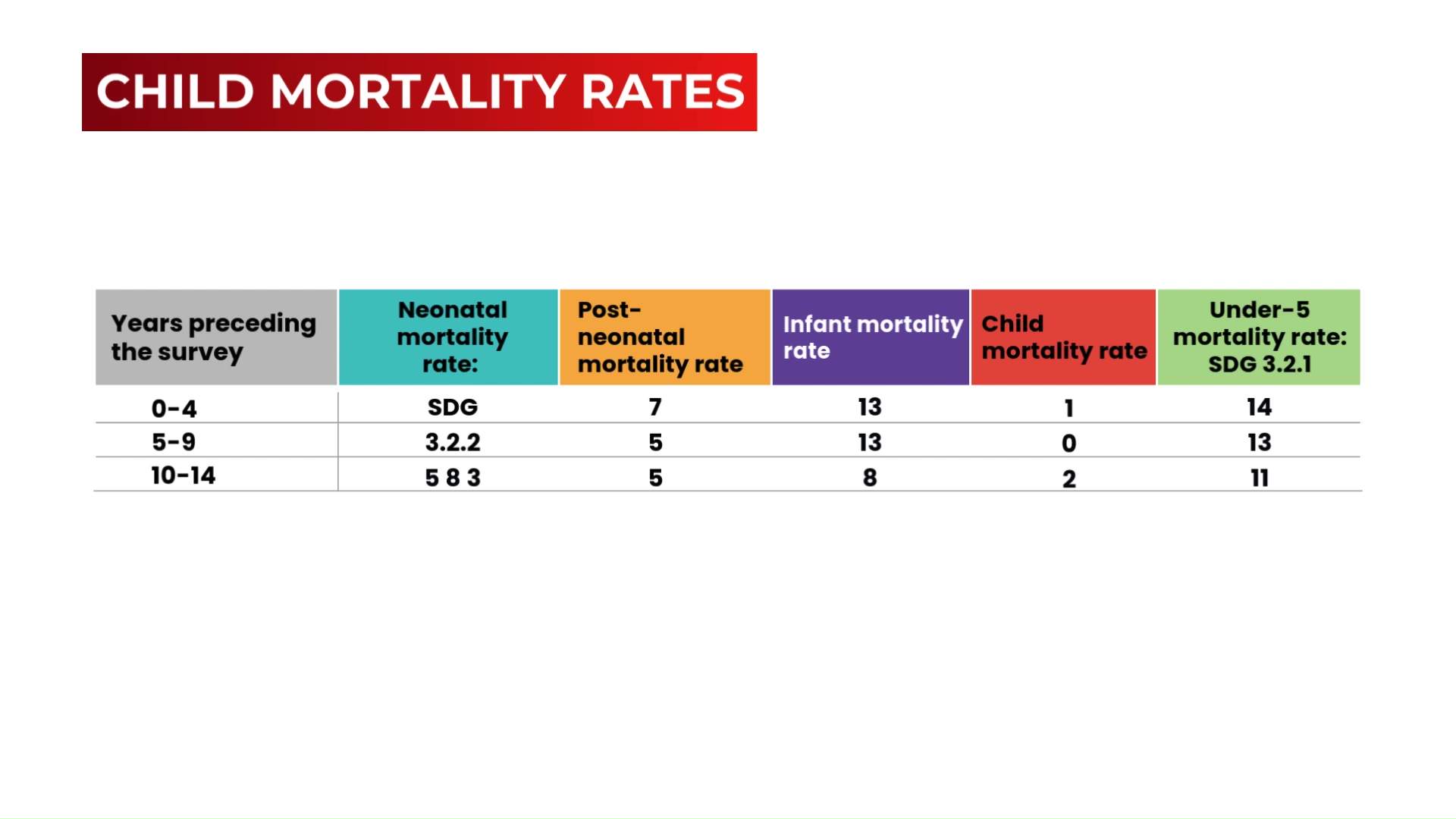
Belize confronts a severe pediatric health emergency as new data reveals prematurity constitutes the predominant factor in child mortality rates nationwide. Current statistics indicate that approximately 14 out of every 1,000 Belizean children succumb before reaching their fifth birthday, with premature births accounting for a staggering 60% of these tragic fatalities.
Dr. Natalia Beer, Maternal & Child Health Technical Advisor at the Ministry of Health and Wellness, provides critical insight into this pressing health crisis. “Globally, prematurity remains the leading cause of child mortality, and Belize reflects this troubling pattern with 8-9% of all live births occurring before 37 weeks of gestation,” explains Dr. Beer.
The medical complexities associated with premature birth create multifaceted vulnerabilities for newborns. Underdeveloped organs—particularly lungs, brain, and liver—significantly elevate risks for respiratory distress syndrome, severe infections, and neurological complications. Low birth weight, frequently accompanying prematurity but also occurring in full-term infants, further compounds these health challenges.
Dr. Beer emphasizes the direct correlation between gestational age and survival outcomes: “The earlier the child is born, the higher the risk of mortality. This biological reality underscores the urgent need for enhanced prenatal care and specialized neonatal support services throughout Belize’s healthcare system.”
These findings emerge from comprehensive health surveys that paint a concerning portrait of pediatric healthcare challenges in Belize, highlighting critical gaps in maternal health services and neonatal care infrastructure that require immediate policy intervention and resource allocation.
-
Two Imported Cases of Malaria Confirmed in Belize
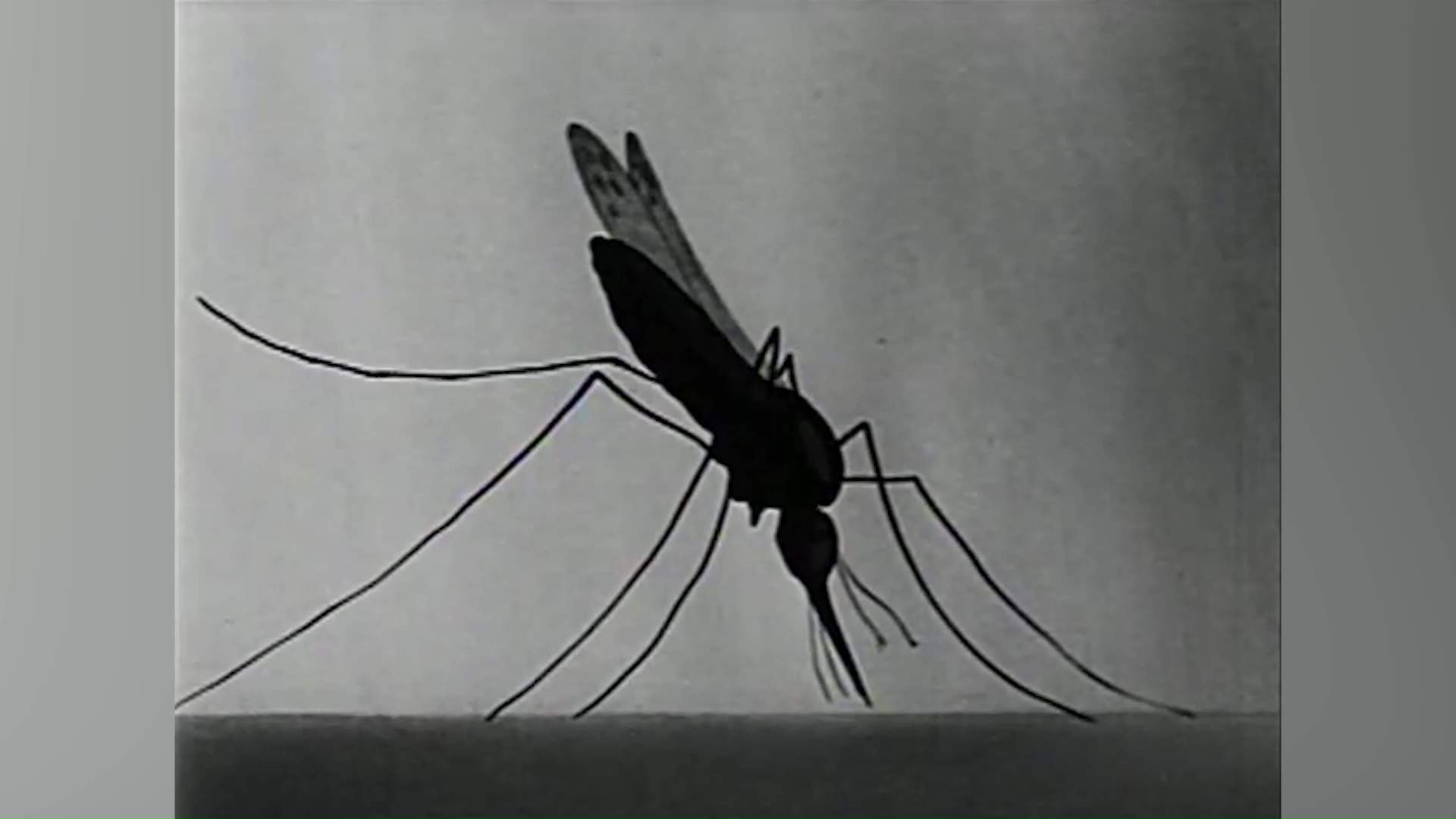
Health authorities in Belize have confirmed two imported malaria cases in Crique Sarco Village, Toledo District, while emphasizing the nation’s hard-earned malaria-free certification remains intact. The Ministry of Health and Wellness reported both infections originated from foreign travel to endemic regions, highlighting persistent transmission risks through international mobility.
Chief Vector Control Officer Kim Bautista clarified that imported cases don’t constitute local reestablishment of the disease, explaining that WHO revocation requirements involve three consecutive years of domestic transmission. “These cases demonstrate patterns of travelers returning from endemic areas positive,” Bautista stated, “which creates risks for malaria reestablishment in vulnerable communities.”
The ministry has intensified surveillance measures and public awareness campaigns, offering free testing and treatment services. Health officials specifically warned travelers visiting rural, forested, or border communities to implement enhanced mosquito bite prevention measures. Bautista emphasized that prompt detection and reporting remain crucial, particularly since local populations might lack familiarity with malaria symptoms after years without domestic cases.
The World Health Organization officially certified Belize as malaria-free in 2023, marking a significant public health achievement for the Central American nation. Current protocols require continuous monitoring and rapid response systems to maintain this status amid global travel patterns that frequently introduce disease vectors across borders.
-

GOB Rolls Out Protection Policy Amid PSU Concerns
The Government of Belize has initiated a comprehensive Anti-Sexual Harassment Policy designed to establish safer public workplaces and provide enhanced protections for employees. Announced on February 17, 2026, this policy framework explicitly defines prohibited behaviors, outlines formal reporting mechanisms, and specifies disciplinary consequences for violations.
Despite widespread acknowledgment of the policy’s necessity, the Public Service Union (PSU) has raised significant concerns regarding its development process. Anissa Perdomo, First Vice President of the PSU, emphasized the union’s full support for the policy’s objectives while criticizing the government’s failure to engage the recognized bargaining agent during its formulation.
Perdomo referenced constitutional provisions and the Trade Unions Act, which mandate consultation with worker representatives on matters affecting employment conditions and disciplinary procedures. The union contends that without meaningful participation from those representing government workers, the policy’s effectiveness remains questionable.
Key concerns highlighted by the PSU include the policy’s enforcement mechanisms, alignment with international standards, and responsiveness to contemporary women’s rights movements. The union maintains that genuine worker protection requires inclusive decision-making processes that incorporate frontline perspectives through their elected representatives.
The development underscores the ongoing tension between policy implementation and stakeholder engagement in public sector reforms, with the PSU advocating for revised consultation protocols before full implementation.
-
Year of the Horse Celebrated with Belizean Flair
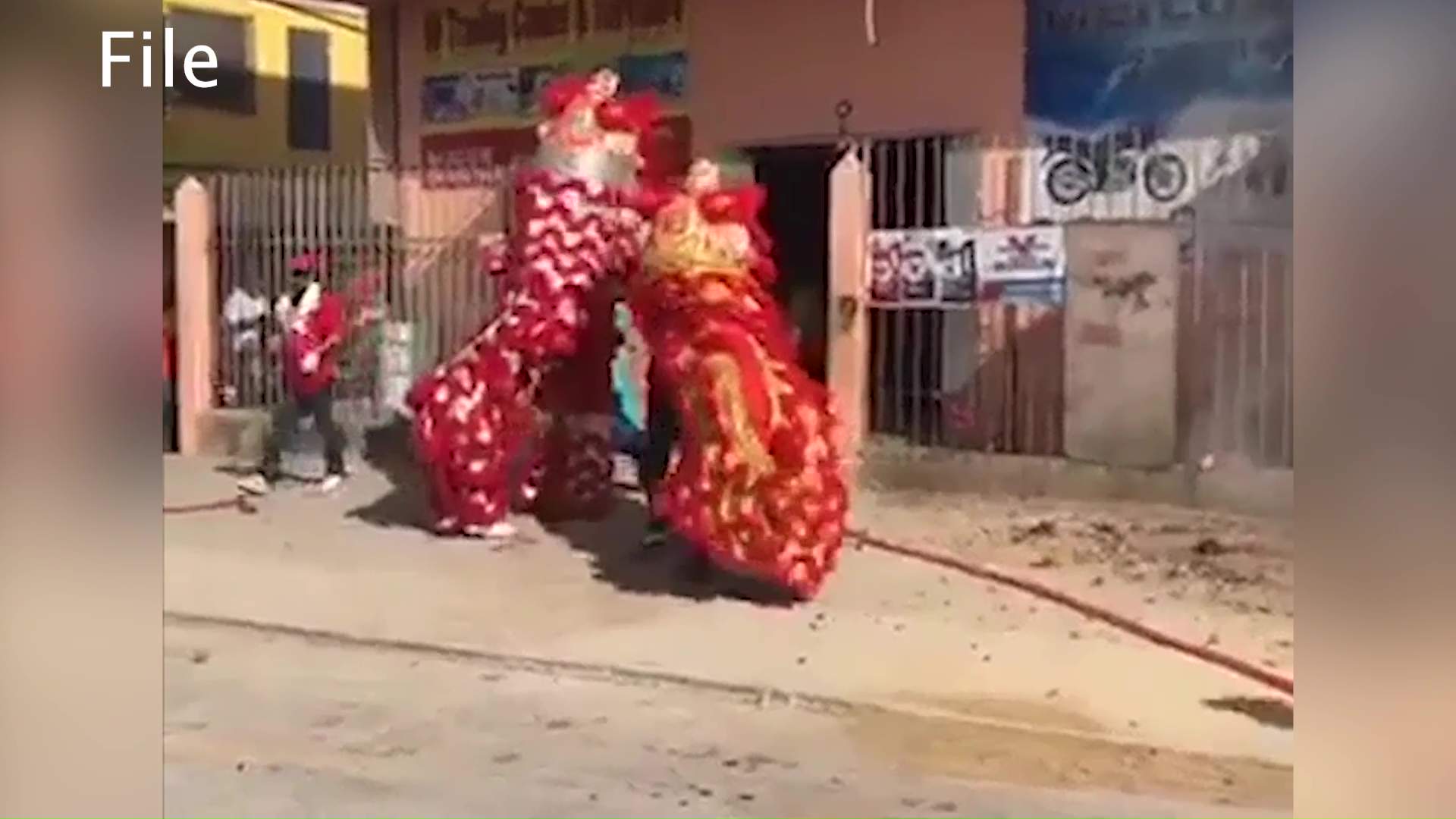
BELIZE CITY – While Chinese New Year celebrations typically bring to mind images of East Asia, the vibrant festivities have found a distinctive Caribbean expression in Belize. The commencement of the Year of the Horse has transformed local communities through explosive firecracker displays, vivid crimson decorations, and culturally infused celebrations that merge ancient Chinese customs with Belizean warmth.
The Lunar New Year, a fifteen-day period emphasizing familial bonds, culinary traditions, and prosperity rituals, is being personally commemorated by Belizeans of Chinese heritage. Prominent local entrepreneur Lee Mark Chang, proprietor of the renowned Chon San Palace, provided exclusive insight into this cultural synthesis.
“I experience dual annual celebrations—the conventional January first New Year and the Chinese Lunar New Year,” Chang remarked. “More festivities are always welcome, though operational demands require my presence at the restaurant to serve loyal patrons seeking their customary Chon San experience.”
Chang detailed his holiday itinerary which balances business commitments with family traditions: “Today involves a multi-generational dinner with my parents, son, and daughter. The Chinese Association has orchestrated significant weekend events, including a grand Sunday function for which we’re providing catering services. The menu will feature an elaborate nine-course buffet banquet.”
When questioned about cultural dissemination, Chang reflected on Belize’s multicultural fabric: “Cultural diversity expands horizons—more knowledge, broader perspectives, and certainly more culinary exploration. Our nation’s melting pot identity continues to evolve through these shared experiences.”
The celebrations represent more than ceremonial observance—they signify the ongoing integration of Chinese heritage into Belize’s national identity, creating unique traditions that honor ancestral customs while embracing Caribbean inclusivity.
-

Politic : ANESRS to Take Control of Higher Education in the Country
Haiti’s educational landscape is undergoing a significant transformation as the newly created National Agency for Higher Education and Scientific Research (ANESRS) assumes comprehensive control over the nation’s tertiary education system. The Ministry of National Education and Vocational Training has officially announced that all matters pertaining to higher education and scientific research now fall under ANESRS’s jurisdiction.
Established through a presidential decree in December 2025 and formally inaugurated on January 14, 2026, by the Presidential Transitional Council, ANESRS represents a monumental shift in Haiti’s educational governance. The agency will be responsible for standardizing academic programs, establishing faculty competency benchmarks, allocating research funding, and validating degrees and curricula across all public and private higher education institutions.
According to Delima Pierre, Director General of the National Office for Partnership in Education, the agency’s primary mission is to regulate, harmonize, and elevate the quality of higher education and research throughout Haiti. This initiative aims to modernize academic governance and stimulate scientific innovation within the country’s educational framework.
The Ministry of National Education will continue processing existing cases until February 27, 2026, after which all administrative, academic, and informational inquiries must be directed to ANESRS’s General Secretariat at their temporary headquarters in Delmas 83 or via email at desrs@menfp.gouv.ht.
However, this restructuring has faced opposition from the Council of the State University of Haiti (CUEH), which has publicly denounced and contested the new entity. The seven-member ANESRS council includes representatives appointed by the executive branch, university leadership, educational ministry, scientific associations, and employer organizations, with Dr. Hérold Toussaint serving as president.
-

What are Therians and why are they trending in the Dominican Republic?
SANTO DOMINGO – A previously obscure internet subculture has ignited widespread public discourse in the Dominican Republic after plans for the nation’s first therian gathering surfaced online. The phenomenon, centered around individuals who identify spiritually or psychologically as animals, has rapidly transitioned from digital niches into mainstream national conversation.
The debate was catalyzed by a viral video featuring a young Dominican man announcing a ‘therian meetup’ while visibly wearing a tail. This clip generated a spectrum of reactions across social media platforms, ranging from genuine curiosity and humor to deeper philosophical discussions about identity and generational shifts in self-expression. Accompanying the video, digital invitations for a potential in-person meeting began circulating, signaling the community’s first attempt at physical organization.
While the actual event remains unconfirmed, its announcement alone has propelled therianthropy into the forefront of public awareness. This development underscores how digital-born trends can rapidly influence offline societal discourse when they bridge the online-offline divide. The therian movement, with roots in 1990s online forums deriving its name from the Greek word ‘thērion’ (beast), has gained international traction through platforms like TikTok and Instagram, where adherents share content mimicking animal behaviors or explaining their deep connections to specific species.
Therians consistently emphasize that their identity transcends costume or performance, representing instead a profound internal alignment with animals such as wolves, foxes, or felines. Within the Dominican context, societal reactions have revealed significant cultural divisions. Some commentators perceive the trend as a legitimate new form of youth expression and community formation, while others dismiss it as a transient viral phenomenon or view it with open skepticism. This national conversation has effectively transformed therians from an foreign digital curiosity into a subject of local relevance, marking a significant moment in the country’s engagement with global internet subcultures.
-
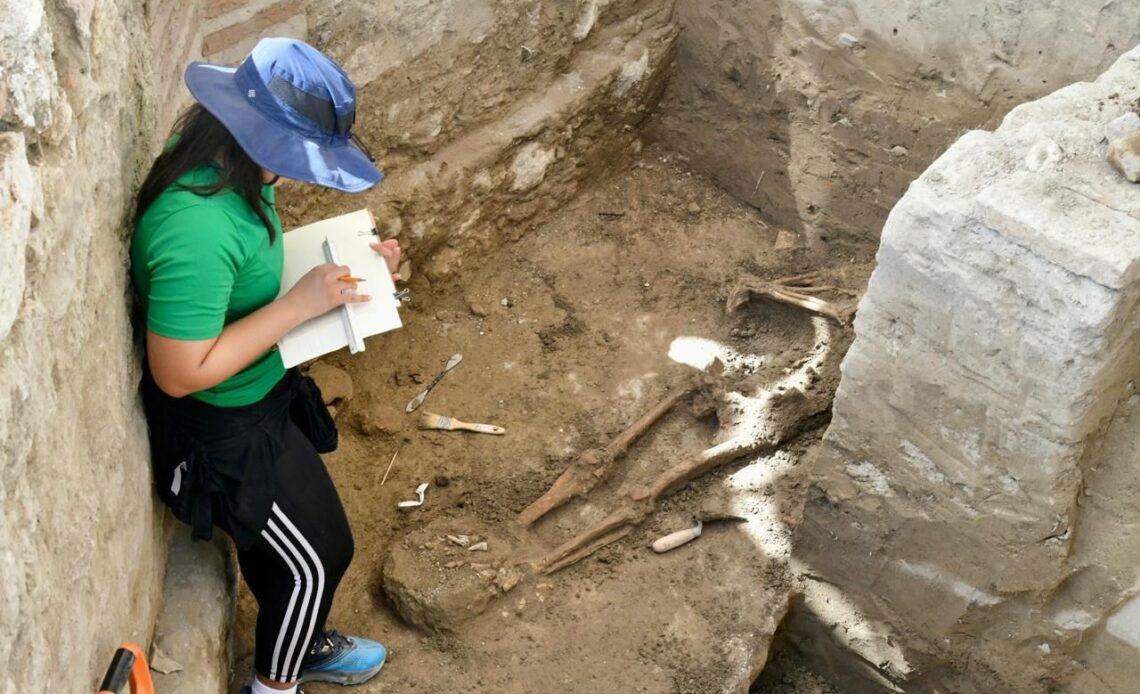
Archaeologists discover 13 human skeletons at Pueblo Viejo in search for cacique Enriquillo
A significant archaeological breakthrough has emerged from the Dominican Republic, where researchers have unearthed 13 complete human skeletons at the Pueblo Viejo archaeological site. The discovery forms part of the scientific initiative “Following the Remains of cacique Enriquillo,” which builds upon over a decade of multidisciplinary investigation combining historical documentation and archaeological fieldwork.
Under the technical coordination of Dominican archaeologist Kathleen Martínez, the project has implemented rigorous international standards previously absent at Pueblo Viejo. The excavation process involved technically complex stratigraphic recording and comprehensive documentation of ruins, significantly advancing the scientific understanding of the site.
While definitive conclusions remain premature, the research team has initiated sophisticated analysis protocols. Spanish forensic specialist Víctor Barrera Alarcón is leading anthropological examinations to determine sex, age, and physical characteristics of the unearthed individuals. The investigation will employ ancient mitochondrial DNA analysis through laboratories in the Dominican Republic and potentially Costa Rica to establish lineage and ancestry patterns. Carbon-14 dating methodologies may supplement stratigraphic findings where necessary.
The project represents a collaborative effort supported by the Macarrulla Foundation and the General Directorate of Strategic and Special Projects of the Presidency (PROPEEP), highlighting its national scientific importance. Beyond the specific objective of locating remains associated with cacique Enriquillo, the initiative aims to preserve and enhance the entire Pueblo Viejo archaeological site while facilitating knowledge transfer to Dominican professionals through internationally recognized methodologies.
Local community engagement has been instrumental in the project’s advancement, with academic results expected to contribute to both domestic and international scholarly discourse regarding the region’s historical and cultural heritage.
-

Economy : All the details on the digitized Professional Identity Card (CIP)
In a significant move to formalize its predominantly informal economy, Haiti has launched a digitized Professional Identity Card (CIP) system through the Ministry of Commerce and Industry. This initiative, supported by the Inter-American Development Bank, represents a pragmatic approach to addressing administrative challenges that have long hampered economic development.
The digital CIP platform (guichet.mci.ht/cip) specifically targets individual entrepreneurs and sole proprietorships—the backbone of Haiti’s economy where over 80% of employment remains informal according to UNDP 2021 data. These micro-entrepreneurs, who regularly buy, sell, and provide services, now have a streamlined process for obtaining professional certification.
The application process involves five key steps: creating an online account, uploading required documents (including national ID and tax number), digital payment via mobile money services MonCash or NatCash, online tracking with QR code verification, and final physical card collection from ministry offices.
While currently excluding corporate entities, the system delivers tangible benefits including reduced processing times, decreased physical travel to government offices, enhanced payment traceability, and improved accessibility for unbanked entrepreneurs. These advantages are particularly valuable in a context where mobility constraints and administrative delays have traditionally discouraged formalization.
However, the reform faces structural challenges including limited scope for complex business structures, underdeveloped data protection frameworks, restricted payment options, and need for better integration with other registration systems. The initiative also highlights the important distinction between the CIP (economic formalization tool) and Haiti’s National Identification Card (civil and political identity document).
This digital transformation represents a gradual but meaningful step toward bringing Haiti’s significant informal sector—estimated to constitute over 50% of GDP—into the formal economy while adapting to local realities and constraints.
-
Football : Know all about the 2026 CONCACAF U-20 Championship
The road to the 2026 CONCACAF U-20 Championship officially commences with an intensive qualifying tournament that will determine which nations advance to the main event. Thirty-two member associations ranked 7th through 41st within the Confederation of North, Central American and Caribbean Association Football will compete for six coveted spots in the championship tournament.
The qualification matches are scheduled to unfold across three host nations—Costa Rica, Curaçao, and Nicaragua—from February 23 through March 4, 2026. The competitive format will see the winner of each group secure automatic qualification to join the six pre-seeded nations: United States, Mexico, Honduras, Panama, Cuba, and Guatemala.
Haiti’s U-20 national team, known as the Grenadiers, has been placed in Group D alongside Curaçao, Guyana, Saint Vincent and the Grenadines, and Anguilla. All of Haiti’s group stage matches will be held at the Rinaldo Jean Francisca Stadium in Willemstad, Curaçao. Their campaign begins on February 26 against Anguilla, followed by fixtures against Saint Vincent and the Grenadines (February 28), Guyana (March 2), and concludes with a decisive match against group hosts Curaçao on March 4.
The culminating 12-team CONCACAF U-20 Championship is scheduled for summer 2026, running from July 25 to August 9. This tournament carries significant stakes as it will serve as the qualifying pathway to both the 2027 FIFA U-20 World Cup and the 2028 Summer Olympic Games. The championship format will feature three groups of four teams, with the top two from each group plus two best third-place finishers advancing to knockout rounds.
CONCACAF has announced that further details regarding the host country for the final championship and the official draw will be disclosed at a later date.