
The 2026 CARIFTA Games have delivered another standout performance from a rising Grenadian throwing talent, as 17-year-old prospect Kazim Telesford claimed two silver medals in the men’s Under-17 shot put and discus throw events, cementing Grenada’s decades-long legacy of excellence in throwing competitions.\n\nTelesford, a student at St David Catholic Secondary School, carries impressive local credentials into the regional championships: he is the reigning InterCol Junior champion in both throwing disciplines, and already holds the InterCol Junior discus record, setting a 53.77-meter mark earlier this 2026 season. Ahead of CARIFTA, he proved his elite form by winning gold in the 5kg shot put at the 2026 InterCol Games with a 15.72-meter throw, then took the national Under-17 shot put title at the ARIZA National Championships with an even stronger 15.80-meter effort. He trains under the guidance of head throws coach Paul Phillip at the St David Track Blazers Track Club — the same program that produced two-time world champion Anderson Peters, giving Telesford access to world-class coaching and development.\n\nIn the Under-17 shot put competition, Telesford got off to a blistering start, opening with a 14.76-meter throw that put him atop the leaderboard after the first two rounds. However, strong third-round throws from Trinidad and Tobago’s Jafari Shaw and Barbados’ Kamal Armstrong pushed him down to third place entering the final round of throws, which only the top eight competitors advanced to. Telesford responded to the pressure with a clutch 15.67-meter throw on his first final-round attempt, catapulting him into second place. He could not improve on that mark across his remaining attempts, and ultimately held on to win silver, with Armstrong taking gold after a final-attempt 15.96-meter throw.\n\nThis result carried historic meaning for Grenada: Telesford is the seventh Grenadian athlete ever to earn a medal in CARIFTA shot put, and the first Under-17 athlete from the country to medal in the 5kg shot put event in 12 years.\n\nTelesford didn’t stop there, adding a second silver medal in the Under-17 discus throw. This finish ended a 10-year medal drought for Grenada in the Under-17 discus event at CARIFTA, and makes Telesford just the eighth Grenadian athlete to claim a medal in the discipline at the regional games. Following his double medal performance, Grenada’s all-time CARIFTA medal count across Under-17 shot put and discus now stands at two gold, four silver, and three bronze.\n\nTelesford is one of only two Grenadian athletes to win multiple individual medals at the 2026 CARIFTA Games, joining compatriot Annalisa Brown in the rare achievement. His double silver finish confirms his standing as one of the Caribbean’s most promising young throwing talents, and signals that Grenada’s storied tradition of producing elite throwers remains on strong footing for the next generation.
博客
-

No Arrest Made Yet in Police Seizure of Over 1,000 Pounds of Marijuana
On a Wednesday operation coordinated across multiple specialized law enforcement units in Belize District, authorities uncovered a major narcotics cache alongside a loaded semi-automatic weapon, marking one of the larger drug seizures reported in the area in recent months. As investigations remain in their early active phase, no suspects have been taken into custody as of the April 8, 2026 official briefing.
The joint enforcement action was carried out by teams from the Gang Intelligence Investigation and Interaction Unit (GI3), the national Anti-Narcotics Unit, and the K-9 detection division, which targeted an apartment complex located in Lords Bank Village. According to Assistant Superintendent Stacy Smith, the lead official on the case, law enforcement found 29 large sealed bags containing marijuana stashed inside an unoccupied room on the property. In addition to the drugs weighing more than 1,000 pounds total, officers recovered a loaded 9mm handgun with 12 live rounds of ammunition stored at the same location.
When tactical teams arrived to execute the raid, the property was empty, leaving no immediate suspects to detain at the scene. Smith confirmed investigators have identified a person of interest connected to the property and the cache, noting that the individual already has a documented history with local law enforcement and has faced prior drug trafficking charges. Despite the absence of an immediate arrest, the lead investigator expressed confidence that the case will move forward to prosecution.
“We are optimistic that we will secure an arrest in the near term,” Smith stated in the official briefing. “While the current circumstances of the investigation are not ideal, our team is working diligently to compile all necessary evidence to build a complete case file, bring the responsible party before the court, and ultimately secure a conviction.”
Smith attributed the successful seizure to shifting operational priorities within the Belize police force, which has recently expanded investments in advanced surveillance technology and adopted an intelligence-driven policing model that targets high-risk narcotics operations proactively. When asked to share an estimate of the street value of the seized marijuana, Smith declined to provide a figure, explaining that officers were still in the process of verifying the total weight of the full consignment at the time of the briefing, and any accurate value assessment would require testing to confirm the drug’s purity and quality. She also declined to release the identity of the property owner, citing the ongoing active investigation and the need to protect the integrity of ongoing investigative steps.
-

Belize’s First World Aquatics Competitor Visits Belize During School Break
Seventeen-year-old swimming trailblazer Davia Richardson, who made history as the first athlete from Belize to compete at the World Aquatics Championships held in Singapore, has returned to her home country for a short visit during her school break. The young athlete is using her time back in Belize to mentor up-and-coming local swimmers through community programming, while also making space to honor a deeply personal connection to her late father.
Currently based in New York for training and schooling, Richardson touched down in Belize on April 8, 2026, alongside her mother, long-time swimming coach and sports psychologist. She shared that she has been looking forward to reconnecting with Belize’s tight-knit swimming community during her brief break from her busy training and competition schedule.
Her first stop after arriving was the YWCA swimming pool in Belize City, where a group of young swimmers from the HUB Resource Centre gathered to meet their country’s pioneering aquatic athlete. Speaking to local outlet News Five, Richardson expressed her joy at being back in her home country: “It is good to be back. It is really cold in New York, so I love the weather here. I love seeing all the swimmers here, and it makes me want to get in right now.”
Richardson’s journey in competitive swimming stretches back 12 years, a path that has taken her across continents to compete at the highest international level. Reflecting on her historic achievement, she shared advice for young Belizean athletes hoping to follow in her footsteps: “You can get really far with a lot of hard work and determination and a really good support system.”
Her homecoming visit is a collaborative effort between her team and the Belize Aquatics Federation, which is led by president Giovanni Alamilla. Alamilla confirmed that the trip was Richardson’s own idea: she specifically asked to spend her school break in Belize in order to give back to the swimming community that launched her career. Over the two days of her visit, she will lead a free youth swimming camp, passing on her experience and expertise to the next generation of Belizean swimmers.
Beyond her community work, Richardson has one personal priority for her trip: visiting the grave of her father at Lord Ridge Cemetery. Her father passed away when she was 12 years old, and he remains a core source of motivation for the young athlete. “Knowing I am representing him and his country to the best of my ability helps me get through hardship and challenges,” she shared.
-

President Simons: Onderwijs moet direct bijdragen aan productie en economische groei
PARAMARIBO, Suriname – April 8, 2026 – Suriname is set to realign its entire education system around national production and inclusive economic growth, President Jennifer Simons announced Wednesday during the opening ceremony of the two-day 2026 Education Congress, hosted at the Royal Ballroom of Hotel Torarica. The event, carried out in partnership with the Inter-American Development Bank under the theme “Investing Today, Transforming Tomorrow”, brings together cross-sector stakeholders to map a new long-term direction for education tied to the country’s broader development goals.
Simons anchored her reform proposal in the administration’s 2025 governing agreement, which prioritizes strengthening Suriname’s productive economic sectors. She emphasized that accelerated expansion of primary, secondary, and tertiary vocational education is critical to building a more resilient national economy, noting that production-focused training will extend far beyond the country’s booming oil and gas sector to support growth across all major industries.
“National production is the foundation of food and economic self-sufficiency, and it is the bedrock of rising living standards, broad-based prosperity, and growing export volumes,” Simons told attendees. While framing education as a core driver of human well-being and economic progress, she also highlighted the indispensable role of advanced scientific education in tackling the country’s most pressing social and economic challenges. The president did not shy away from acknowledging the serious systemic challenges that currently hinder Suriname’s education sector, opening the door for candid discussion at the congress.
This 2026 kickoff event marks the first step toward a larger national education congress scheduled for later this year. The immediate goal of the opening gathering is to collect expert insights from across sectors, which will then be used to co-develop detailed policy frameworks alongside key stakeholders.
Looking ahead to the 2026-2027 academic year, Simons laid out two urgent priorities: resolving persistent bottlenecks that have disrupted learning across the country, and creating new pathways for young people who have dropped out of the formal education system to re-engage and build skills. Beyond immediate fixes, the government will also develop a comprehensive 5 to 15-year long-term vision to guide sustained reform.
The president laid out clear expectations for tangible outcomes from the congress process. Final deliverables will include an actionable action plan for addressing urgent systemic issues, a broadly supported national education vision, a clarified definition of the professional role and responsibilities of teachers, a formal framework for updated education legislation, and a sustainable long-term funding model for the sector.
A key focal point of the president’s address was the need to elevate the status of the teaching profession. Simons called for long-term reforms to ensure teachers receive compensation and professional recognition on par with other highly educated professionals. “The younger a child is, the more critical the quality and dedication of their educator is to their long-term success,” she noted.
Education Minister Dirk Currie echoed the president’s remarks, noting that the reform process draws on global best practices to build an education system tailored specifically to Suriname’s unique national development needs.
-
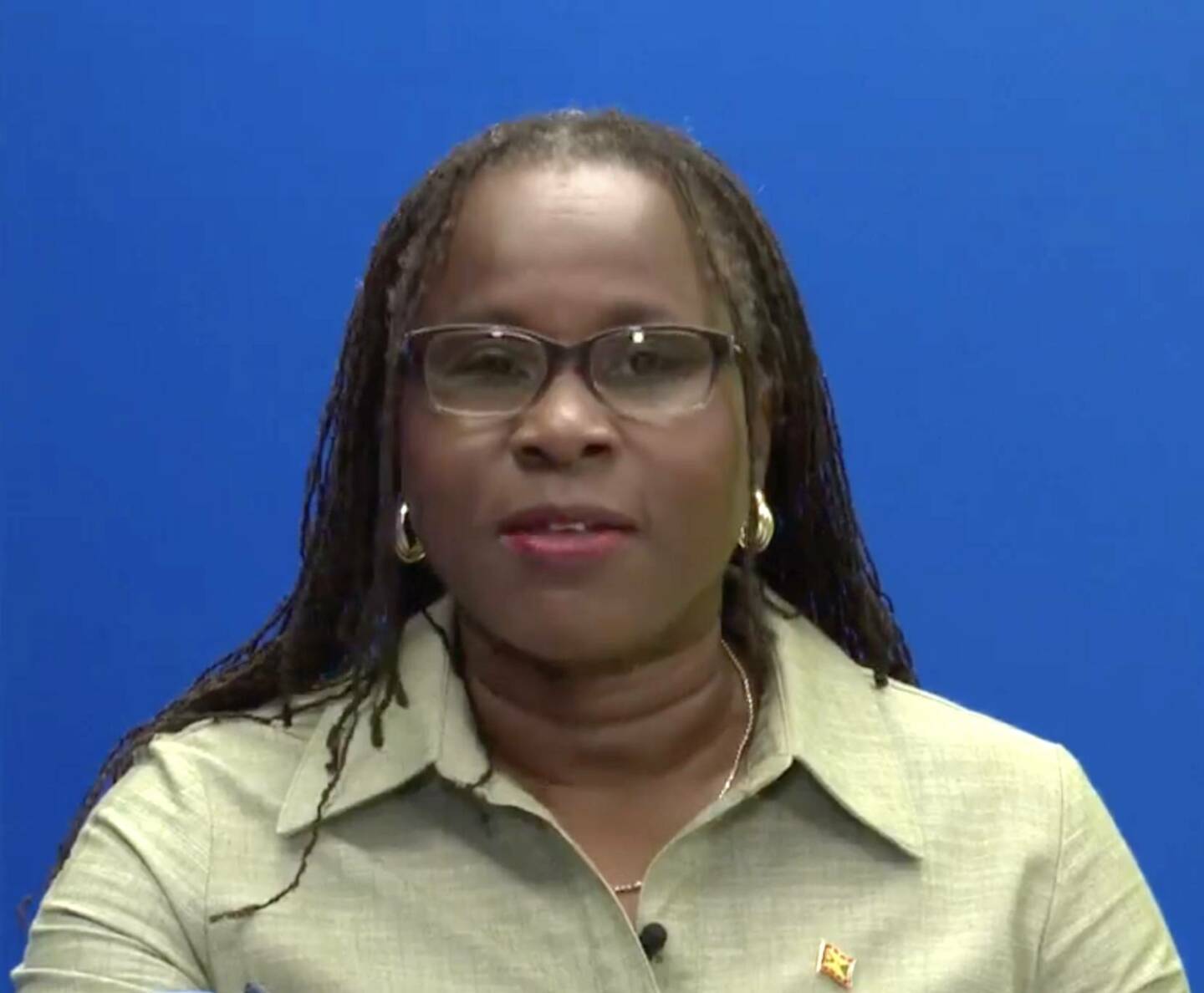
Government advances Intellectual Property Framework
Grenada’s Ministry of Legal Affairs, Labour and Consumer Affairs has tabled the landmark Trademarks (Amendment) Bill 2026, a pivotal legislative move designed to modernize the country’s intellectual property regulatory framework and boost its standing in the global competitive landscape.
This legislative update comes directly in response to Grenada’s formal accession to the Madrid Protocol on December 15, 2025. Administered by the World Intellectual Property Organization (WIPO), the Madrid Protocol is a key international agreement that simplifies global trademark protection by allowing applicants to secure intellectual property rights across dozens of member jurisdictions through a single, unified application process.
Prior to this amendment, Grenada’s domestic trademark laws did not include the formal legal structures required to fully implement the terms of the protocol. The new bill fills this regulatory gap, creating a clear domestic legal foundation to bring the country’s IP regime into compliance with its international commitments under the treaty.
For trademark holders based in Grenada, the reform delivers tangible, practical benefits. Moving forward, local brand owners will be able to secure trademark protection in multiple international markets far more efficiently and at a substantially lower cost than the previous fragmented process of applying for protection in each jurisdiction individually.
The amendment outlines a series of core advantages that are expected to drive economic activity: First, it establishes a centralized streamlined system for international trademark registration, cutting through layers of complex cross-border bureaucracy. Second, it directly reduces both financial costs and administrative workload for domestic businesses looking to protect their brands in overseas markets. Third, it delivers targeted support to small and medium-sized enterprises (SMEs), independent creatives, and national exporters that are working to expand their footprint in global markets, groups that previously faced disproportionate barriers to international IP protection. Fourth, it aligns Grenada’s intellectual property governance standards with widely accepted international best practices, bringing the country’s regulatory system in line with global norms.
Additionally, the bill enshrines equal legal treatment for international and domestic trademark registrations: any international trademark registration that designates Grenada as a target jurisdiction will receive the same level of legal protection as trademarks registered directly through domestic channels, while still adhering to existing domestic legal safeguards including formal opposition and invalidation procedures to protect against improper registration.
Senator the Honourable Claudette Joseph, Minister for Legal Affairs, Labour and Consumer Affairs, emphasized that this trademark reform is a core component of the government’s broader economic strategy. The update is intended to foster a culture of innovation, draw greater foreign direct investment to Grenada, and support sustainable growth of the country’s private sector. It also aligns fully with Grenada’s National Strategic Development Plan and the country’s long-term vision for broad-based economic diversification away from overreliance on any single sector.
In closing, the ministry reaffirmed its ongoing commitment to building a modern, efficient, and globally competitive legal ecosystem that empowers local businesses to compete internationally and strengthens Grenada’s position in the global trading system.
-

PHOTO: Alfred Rolle Wins Flow’s Final Riddim and Rewards Grand Prize, Takes Home $1,000 Cash
The final installment of Flow’s popular Riddim and Rewards talent competition has wrapped up, and the spotlight now shines on Alfred Rolle, the standout competitor who walked away with the grand prize. After weeks of intense performances that showcased a diverse range of musical and rhythmic talent from across the region, Rolle outshone all other participants to claim the $1,000 cash top award.
The Riddim and Rewards series, launched by telecommunications provider Flow, was designed to celebrate and uplift local emerging creative talent, particularly those rooted in Caribbean rhythmic and musical traditions. The competition drew dozens of entries across preliminary rounds, with fans and a panel of industry judges narrowing the field down to a handful of finalists for the concluding event. From skillful lyrical delivery to innovative rhythm composition, each finalist brought their unique artistic flair to the stage, but Rolle’s standout performance resonated most strongly with both the judging panel and the audience in attendance.
Industry observers note that competitions like Riddim and Rewards play a key role in nurturing the next generation of Caribbean creatives, providing not just financial support but also much-needed exposure for artists who may otherwise lack access to mainstream opportunities. Flow has long positioned its community-focused entertainment initiatives as a way to invest in the cultural fabric of the regions it serves, and the conclusion of this year’s series marks another milestone in that ongoing commitment. For Rolle, the $1,000 cash prize is more than just a reward—it is a validation of his artistic work and a stepping stone for future projects in his creative career.
-
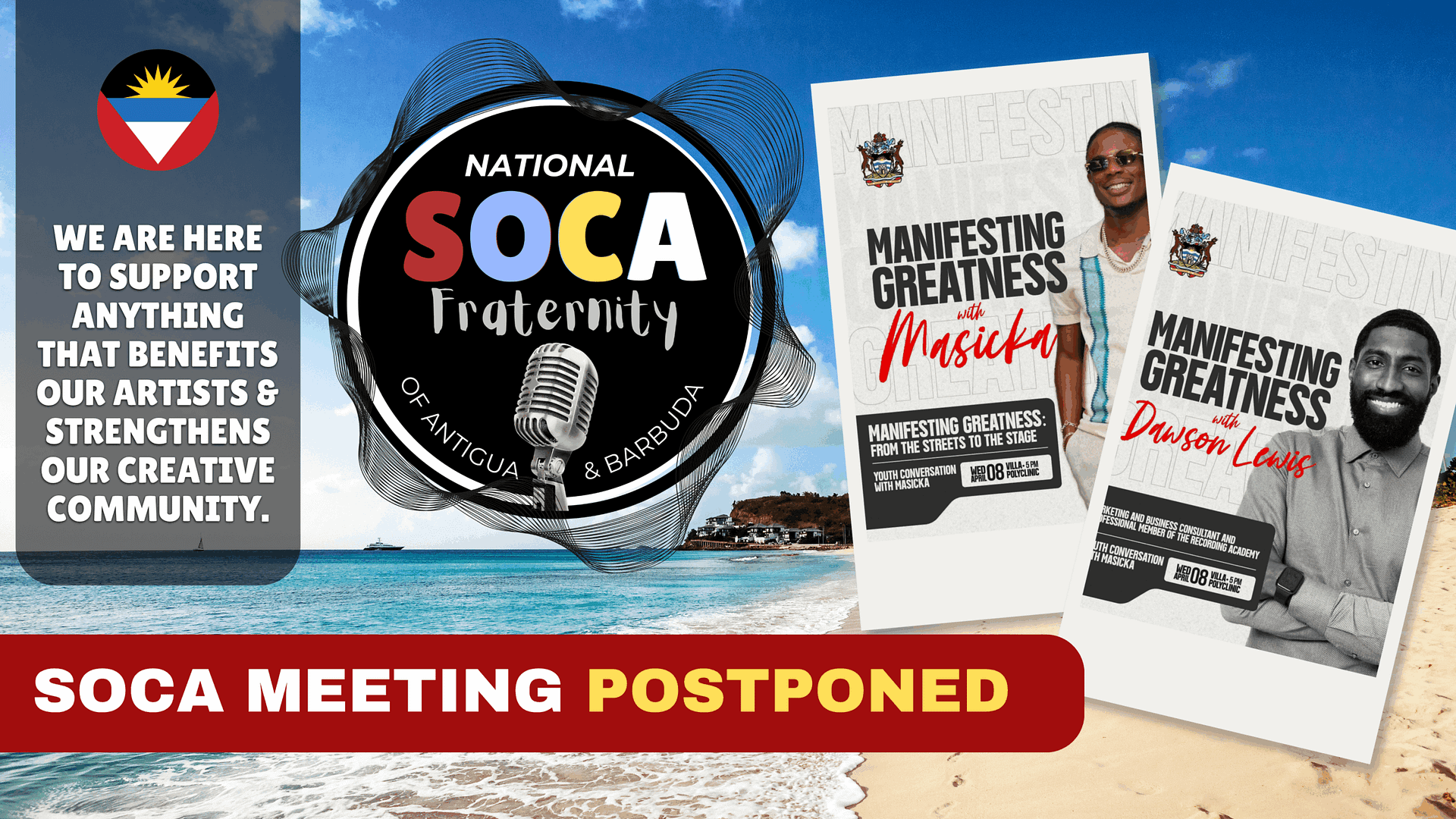
Soca Meeting Postponed To Support “Manifesting Greatness” Event With Masicka And Dawson Lewis
In a show of commitment to nurturing the next generation of creative talent in the soca industry, the National Soca Fraternity (NSF) has formally announced the postponement of its general meeting originally planned for the current date. The decision was made to clear the way for full participation and backing of the high-profile “Manifesting Greatness” youth and artiste engagement initiative.
The organization has issued a public call urging all young creatives and working artistes across the region to seize the professional and personal growth opportunities presented by the “Manifesting Greatness” event. NSF leadership emphasized that targeted engagement programs like this play an irreplaceable role in advancing both individual careers and the collective evolution of the wider soca and creative entertainment industry. By stepping back to accommodate the youth-focused gathering, the fraternity underlines its priority of investing in long-term industry health over routine organizational business.
Following the postponement, the NSF has confirmed a new rescheduled date and venue for its general meeting: attendees will now gather at 3:00 p.m. on Saturday, April 11 at Dele’s Restaurant and Bar. The organization extends an open invitation to all soca artistes, industry stakeholders, and interested community members to join the rescheduled session for discussions on ongoing initiatives, future planning, and collaborative projects.
In closing, the NSF Executive Board offered sincere apologies to all members and guests who had adjusted their schedules to attend the original meeting, acknowledging that the last-minute change may have created unplanned inconveniences. The board reaffirmed its enduring institutional commitment to centering programs and policies that lift up working artistes, foster connectedness across the creative community, and build a more sustainable and inclusive soca industry for all participants.
-
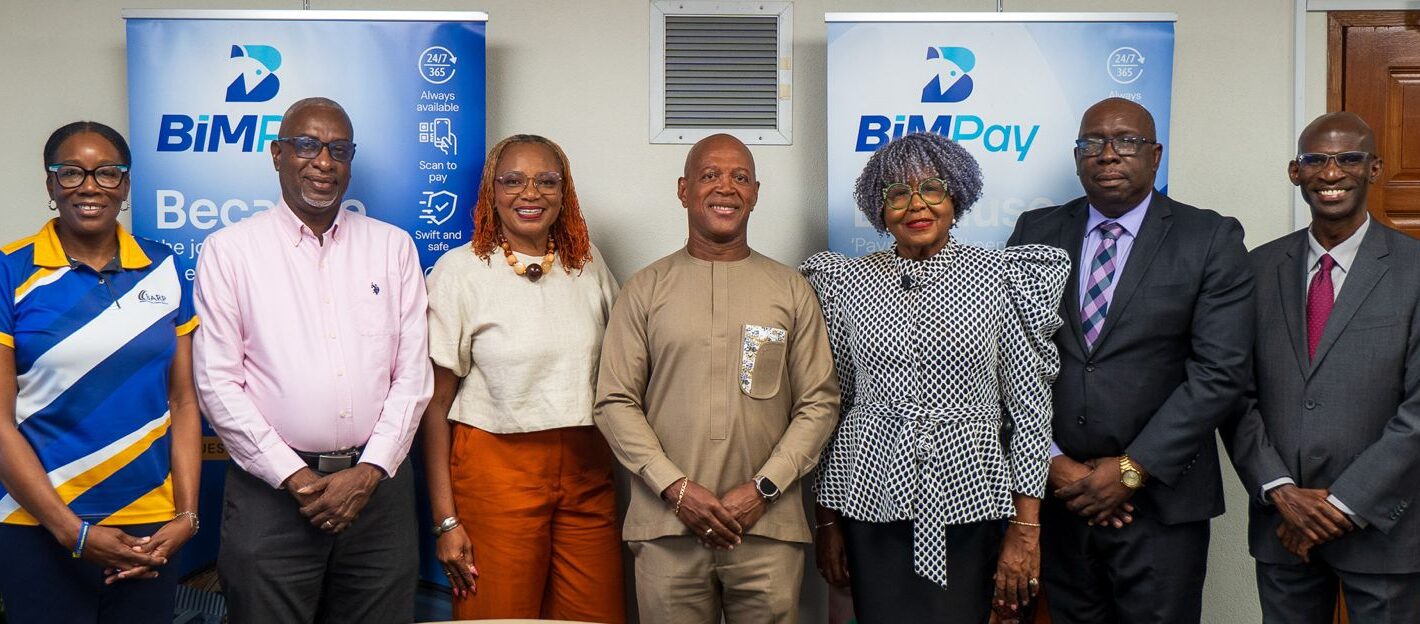
Central Bank, BARP partner to advance digital literacy for seniors
Barbados is taking a major step toward inclusive digital financial transformation, as the Central Bank of Barbados and the Barbados Association of Retired Persons (BARP) have formalized a new collaborative partnership focused on empowering the island nation’s senior population. The newly signed Memorandum of Understanding, finalized this week, paves the way for a targeted digital literacy initiative designed to give older adults the practical skills they need to engage confidently with modern digital financial systems.
At the core of the training program is preparation for BiMPay, Barbados’ upcoming national instant payment system scheduled to launch to the public on June 12. Beyond instruction on using this new platform, the program will also cover fundamental skills for navigating a range of essential digital financial tools that are increasingly central to daily commerce and personal finance management. The multi-pronged initiative has four key goals: to enable seniors to complete routine financial transactions independently via BiMPay, to deliver immersive, hands-on training using dedicated digital devices, to narrow the intergenerational digital divide, and to expand meaningful financial inclusion for older Barbadians. The partnership also reinforces institutional collaboration between the Central Bank and BARP, advancing national digital modernization targets while driving early awareness and adoption of the new BiMPay system.
Dr. Kevin Greenidge, Governor of the Central Bank of Barbados, emphasized that inclusive growth is a non-negotiable foundation of the country’s digital transition. “Digital transformation must work for everyone. As we introduce systems like BiMPay, we must ensure that our seniors are not left behind, but are instead equipped with the knowledge and confidence to benefit fully from these advancements,” Greenidge stated. “This partnership with BARP allows us to take a practical, hands-on approach to bridging that gap and strengthening financial inclusion.”
Under the terms of the agreement, the Central Bank will take the lead on program implementation. The institution will sponsor and supply tablets to enable hands-on practice for participants, develop a comprehensive, age-adjusted BiMPay training curriculum customized to meet the needs of older learners, and deploy experienced technical staff and dedicated BiMPay specialists to lead interactive training sessions across the program.
-

Greene Explains What ‘Renaissance’ Means to Him as ABLP Unveils People-Centred Agenda
As the island nation of Antigua and Barbuda enters an election cycle, the incumbent Antigua and Barbuda Labour Party (ABLP) has launched its re-election campaign with a bold, forward-looking national development framework branded as the “Renaissance” agenda. Speaking at the official campaign kickoff event, ABLP chairman E.P. Chet Greene broke down the core values and practical goals of the new initiative, framing it as far more than a political slogan, but a foundational shift in how the party will govern if returned to office.\n\nGreene explained that the concept of Renaissance represents a deliberate transition to a new era of governance rooted in national renewal and strengthened, collaborative engagement between the government and the public. “Renaissance is a period that we’re now entering into — that period of renewal, refreshing, of advancing the development thrust of Antigua and Barbuda,” he told attendees.\n\nCentral to the framework is its explicit people-centric design, Greene emphasized, rejecting any characterization of the agenda as empty political rhetoric. Instead, he positioned the Renaissance as a actionable guiding principle that will shape every policy decision the party makes, prioritizing tangible improvements to the daily lives of all Antigua and Barbuda citizens. “It’s not just an abstract. It’s not a phrase. It’s the real touchstone of our local community,” Greene said.\n\nBuilding on the policy progress the current ABLP administration has already delivered, the Renaissance agenda will direct continued targeted investment and expansion across four of the nation’s most critical sectors: public healthcare, accessible education, affordable housing, and the key economic pillar of tourism. Greene noted that while the incumbent government has racked up measurable achievements over its term, there is still critical work to be done to move the nation forward. “We have achieved and accomplished much, but the work continues — and a new burst of energy, a new commitment, a new building of a relationship with the people… is what this Renaissance is all about,” he said.\n\nTo illustrate the party’s ongoing progress in the education space, Greene highlighted the expansion of the University of the West Indies’ local footprint in Antigua and Barbuda, an initiative designed to expand access to higher education for domestic students and build a stronger, more skilled national workforce aligned with the nation’s long-term economic goals. This kind of progress embodies the core of the Renaissance vision, he added: a fundamental renewal of governance and thinking that puts public good first. “We’re looking at that kind of rebirth — a newness of thinking, a newness of doing things — all for the benefit of Antigua and Barbuda,” Greene said.\n\nThe Renaissance theme has been positioned as the centerpiece of ABLP’s re-election platform, with Greene closing by urging all eligible citizens to see themselves as active stakeholders in the nation’s next chapter of growth. Repeating the core value that underpins the entire agenda, he emphasized: “The most important thing in this Renaissance is this people-centric approach.”
-

Health Ministry Warns of Growing Measles Outbreak in the Americas
A public health emergency is unfolding across the Americas, with Belize’s Ministry of Health and Wellness (MoHW) sounding the alarm over a rapidly accelerating measles outbreak that has already surpassed three-quarters of 2025’s total case count in just the first three months of 2026. As of early April 2026, the vast majority of confirmed infections and 11 recorded fatalities linked to the outbreak are concentrated in neighboring Guatemala and Mexico, regional public health authorities confirmed. Officials warn that case numbers are projected to rise steadily in the coming weeks, putting unvaccinated populations across the broader region at heightened risk.
Measles, a highly contagious viral infection, poses severe risks of long-term health complications for those who contract it. The virus spreads through respiratory droplets, and infected individuals can transmit the pathogen as early as four days before a defining rash develops, and for four days after the rash appears. Initial symptoms, which emerge between one and three weeks after exposure, include high fever, runny nose, and inflamed red eyes, before a characteristic rash spreads from the hairline across the chest, back, limbs and entire body.
Despite the alarming spread of the outbreak, public health officials emphasize that measles is entirely preventable through proven, safe vaccination. The combined measles-mumps-rubella (MMR) vaccine offers robust protection against all three diseases, with two doses conferring lifelong immunity for most recipients. In Belize, 2025 data shows 87.9% coverage for the first dose of the MMR vaccine, but even this coverage level leaves a meaningful share of the population vulnerable. Health authorities warn that 90% of unvaccinated people who come into contact with the measles virus will develop an infection, underscoring the urgent need to close vaccination gaps to stop the outbreak’s spread.