博客

  • Jamaican, St Kitts-Nevis leaders call for CARICOM humanitarian relief to Cuba, say region can be interlocutor between Havana, Washington

    Jamaican, St Kitts-Nevis leaders call for CARICOM humanitarian relief to Cuba, say region can be interlocutor between Havana, Washington

    Caribbean Community (CARICOM) leaders have positioned the regional bloc as a potential diplomatic bridge between the United States and Cuba while urgently calling for humanitarian assistance to alleviate the island’s escalating crisis. The appeals were made during the opening session of the CARICOM mid-term summit in St. Kitts on January 24, 2026.

    Jamaican Prime Minister Andrew Holness, former CARICOM chairman, emphasized the critical need for “responsible statecraft rather than rhetoric” in addressing Cuba’s severe economic hardships, energy shortages, and growing humanitarian strain. While acknowledging Jamaica’s status as a moderate U.S. ally, Holness asserted that “space exists, perhaps more than in years past, for pragmatic engagement that protects the Cuban people from further deterioration.”

    Current CARICOM Chairman Dr. Terrance Drew, Prime Minister of St. Kitts and Nevis, echoed these sentiments, highlighting the community’s potential role as “a conduit to ensure communication and dialogue between the forces that be.” Drawing from his personal experience as a former student in Cuba, Drew expressed profound concern about the distressing messages he receives from Cuban contacts describing food shortages, electricity outages, and garbage accumulation.

    Both leaders issued stark warnings about regional implications, with Holness cautioning that “a prolonged crisis in Cuba will not remain confined to Cuba” but would inevitably affect “migration, security, and economic stability across the Caribbean basin.” Drew reinforced this assessment, noting that a destabilized Cuba with its 9-12 million population would inevitably impact CARICOM nations whose combined population remains under 10 million.

    The humanitarian advocacy emerged against a complex geopolitical backdrop. Several CARICOM members, including Guyana, have recently terminated decades-old Cuban Medical Brigade agreements under U.S. pressure regarding forced labor concerns. Meanwhile, the U.S. has further tightened its 64-year economic embargo following Venezuela’s political changes.

    Not all CARICOM voices aligned with this approach. Trinidad and Tobago’s Prime Minister Kamla Persad-Bissessar, a self-declared U.S. ally, criticized fellow members for what she characterized as diplomatic hypocrisy. “We cannot advocate for others to live under communism and dictatorship while we want to live under democracy and capitalism,” she asserted, maintaining her government’s refusal to support “dictatorships in Cuba or anywhere else.”


  • Gun court on horizon as Lashley pushes reform

    Gun court on horizon as Lashley pushes reform

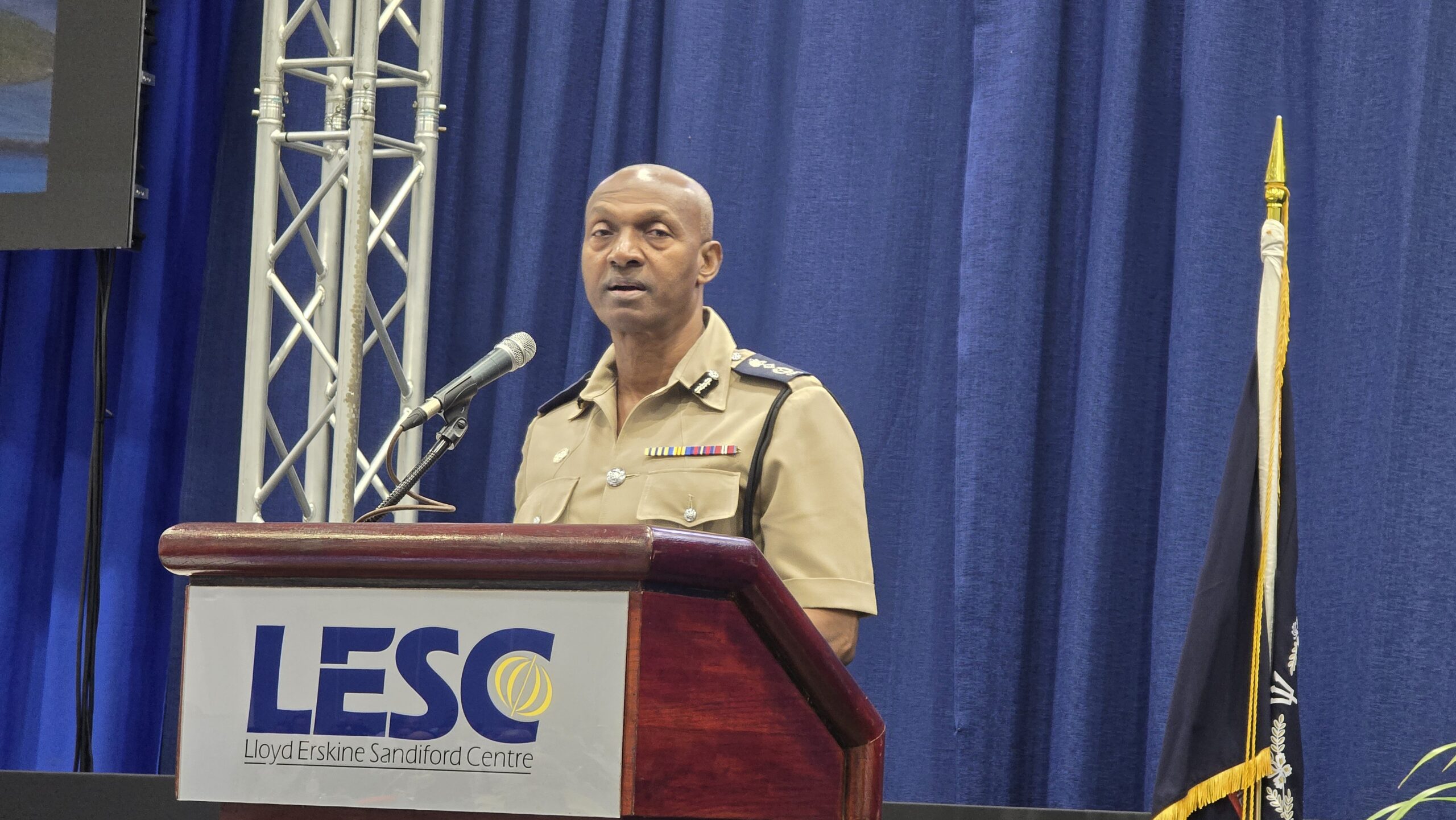
    Barbados is moving decisively toward establishing a specialized judicial body to address firearm-related offenses, as announced by newly appointed Minister of Legal Affairs and Criminal Justice Michael Lashley. The veteran criminal defense attorney presented his comprehensive framework for the proposed gun court during the Barbados Police Service Annual Grand Conference at the Lloyd Erskine Sandiford Centre.

    Minister Lashley confirmed collaborative efforts with Attorney General Wilfred Abrahams to operationalize the court, emphasizing its potential to significantly impact the criminal justice landscape. “I am mandated to establish the gun court, which is a critical component in the criminal justice system,” Lashley stated, outlining four essential requirements for successful implementation: meticulous record-keeping, ballistic expert verification of firearms compliance with Barbadian law, involvement of chief investigators, and proper handling of accused statements.

    The minister highlighted systemic challenges within current judicial processes, noting that excessive adjournments often cause cases to become lost within the system. He stressed that timely preparation, completion, and presentation of case files to the Director of Public Prosecutions and courts are fundamental to achieving expedited trials and maintaining public confidence in justice administration.

    Lashley drew from his recent experience as a defense attorney, acknowledging marked improvements in file submissions for serious crimes, with disclosure materials now arriving within four to five months instead of the previous year-long waits. However, he emphasized the need for further enhancements in time management, evidence compilation, forensic evidence handling, and disclosure standards.

    The minister advocated for adopting international best practices from leading police forces, particularly in case management systems, leadership development, forensic capabilities, intelligence-led policing, and community safety strategies. “No police service can operate in isolation,” Lashley remarked, emphasizing the importance of cross-border policing innovations.

    Complementing these judicial reforms, the minister revealed ongoing improvements to police infrastructure across jurisdictions, with plans to construct new stations this year. He committed to drastically improving working conditions for law enforcement personnel, recognizing their crucial role in public safety and justice administration.

  • Archer, Brooks star as England seal semi-final spot

    Archer, Brooks star as England seal semi-final spot

    England secured their place in the ICC Men’s T20 World Cup semifinals following a nail-biting two-wicket triumph over Pakistan at Pallekele International Cricket Stadium on Tuesday. The victory was largely orchestrated by a spectacular batting performance from captain Harry Brooks, who delivered a match-winning century under intense pressure.

    Pakistan posted a competitive total of 164-9 in their allotted 20 overs, with opener Sahibzada Farhan anchoring the innings with a solid 63 from 45 deliveries, featuring seven boundaries and two maximums. Captain Babar Azam and Fakhar Zaman contributed 25 runs each to the Pakistani effort. England’s bowling attack demonstrated collective strength, with Liam Dawson emerging as the most effective bowler with figures of 3-24. Barbados-born speedster Jofra Archer made crucial breakthroughs, claiming the wickets of opener Saim Ayub and tailender Shaheen Afridi to finish with 2-32, while Jamie Overton provided additional support with 2-26.

    England’s run chase encountered early turbulence as they stumbled to 58-4, creating mounting tension within the camp. However, skipper Harry Brooks transformed the game with a magnificent 100 from just 51 balls, single-handedly steering his team toward victory. His explosive innings included ten fours and four sixes, showcasing remarkable composure and power-hitting prowess. Brooks forged two vital partnerships—first adding 45 runs with Sam Curran (16) and then combining with Will Jacks for a decisive 52-run stand that brought England within striking distance at 155-5 after 17 overs.

    Despite a late fightback from Pakistan’s bowlers, with Shaheen Afridi claiming 4-30 and Mohammad Nawaz (2-26) and Usman Tariq (2-31) taking two wickets each, England reached their target of 166-8 with five deliveries remaining. This victory marks England’s second win in the Super Eights stage, guaranteeing their progression to the semifinals with one group match still to play against New Zealand.

  • Exclusive: Regulator links uninsured vehicle surge to affordability, not enforcement failure

    Exclusive: Regulator links uninsured vehicle surge to affordability, not enforcement failure

    Barbados faces a mounting societal crisis as a staggering number of motorists operate vehicles without insurance, exposing accident victims to severe financial peril. Exclusive insights from Financial Services Commission CEO Warrick Ward reveal this trend is driven less by regulatory apathy and more by prohibitively expensive premiums and structural flaws within the island’s insurance market.

    Current data paints a dire picture: with approximately 180,000 vehicles on Barbadian roads, nearly 50,000 are uninsured or untaxed, indicating that one in four vehicles may be operating illegally. This situation unfolds against a backdrop of escalating road accidents, averaging 15 daily incidents. Industry leaders warn that current loss rates are becoming unsustainable for insurers.

    Anton Lovell, Chief Executive of Co-operators General Insurance Company, provided alarming context: his firm alone processes seven to eight accident claims daily, with island-wide estimates reaching 15 collisions. The average repair cost per incident stands at approximately $10,000, doubling when injuries occur—creating cascading pressures on insurers, foreign exchange reserves for imported parts, and public healthcare facilities like the Queen Elizabeth Hospital.

    Despite Lovell’s assertion that premiums remain “extremely reasonable” given accident frequency and costs, Ward identified affordability as the core issue. He questioned whether coverage has been priced beyond the reach of ordinary citizens, forcing risky decisions to forego insurance. This dilemma highlights broader challenges including low insurance penetration rates and reinsurance complexities affecting the entire Caribbean region.

    Ward emphasized that while the uninsured vehicle problem is significant, the FSC’s regulatory mandate focuses on macro-level industry oversight rather than operational enforcement or policing uninsured vehicles. The commission would only intervene directly if systemic issues emerged through increased consumer complaints or claims processing failures—neither of which have yet materialized significantly.

    Addressing this multifaceted crisis requires coordinated solutions across financial inclusion initiatives, innovative product design, reinsurance reform, and enhanced road safety measures. Ward concluded that striking a balance between insurer viability and policyholder affordability remains the fundamental challenge for Barbados’s transportation ecosystem.

  • Taylor concedes top order struggles after Windies women’s series defeat

    Taylor concedes top order struggles after Windies women’s series defeat

    Veteran cricketer Stafanie Taylor has openly criticized the West Indies Women’s team for their subpar batting performance during the ongoing One-Day International series against Sri Lanka Women. Despite securing two consecutive narrow victories and clinching the series with an unassailable 2-0 lead, Taylor highlighted significant concerns within the squad’s top-order batting lineup.

    Speaking after Tuesday’s final training session ahead of Wednesday’s concluding match at National Stadium, Taylor—who alongside Jannillea Glasgow has emerged as one of the team’s most consistent batters—conceded that the batting unit had failed to meet expectations. The statistics support her assessment: in the opening encounter, West Indies were dismissed for 230 while chasing Sri Lanka’s 240/6, while in the subsequent game they managed only 194 in pursuit of a 209-run target.

    “Our batters have shown promising starts but consistently failed to convert them into match-winning performances,” Taylor stated. “Coach emphasizes repeatedly that the top five batters must capitalize on their foundations and see the game through to completion. Personally, I recognize my own shortcomings—in the first match, a misjudged run-out cut my innings short when continuity was crucial.”

    Taylor particularly praised Glasgow’s valiant effort in the second match, noting she “displayed exceptional determination but ultimately exhausted her partner support.” The early dismissals of openers created additional pressure on the middle order, requiring Taylor, Shemaine Campbelle, and Chinelle Henry to stabilize the innings.

    Looking toward Wednesday’s dead rubber finale, Taylor confirmed the team’s commitment to ending the series strongly. “Tonight we’re conducting a comprehensive team meeting to analyze our errors and identify areas for improvement,” she revealed. “While our bowlers delivered an impressive performance by restricting Sri Lanka to a modest total last game, we require a unified effort across all three disciplines—bowling, fielding, and especially batting—to achieve a conclusive victory.”

    Despite the series win, Taylor’s comments underscore a period of introspection for West Indies Women’s cricket as they seek to address batting inconsistencies before future international engagements.

  • Police credit planning, intel for slight drop in crime

    Police credit planning, intel for slight drop in crime

    The Barbados Police Service (BPS) has achieved a measurable reduction in criminal activity, reporting an overall four percent decline in crime rates alongside a significant increase in firearm seizures. Commissioner of Police Richard Boyce presented these findings at the force’s Annual Grand Conference, crediting the progress to a sophisticated intelligence-driven policing model implemented throughout 2025.

    Statistical analysis reveals notable improvements across multiple crime categories: murders decreased by two percent, residential burglaries dropped seven percent, thefts from motor vehicles plunged 26 percent, and motor vehicle thefts declined three percent. This collective improvement resulted in total reported offences falling from 6,301 in 2024 to 6,063 in 2025.

    The most striking achievement emerged in firearm interdiction efforts, with police seizing 84 illegal firearms and 3,339 rounds of ammunition—a substantial increase from the 71 firearms and 857 rounds confiscated the previous year. Commissioner Boyce emphasized that these results demonstrate “strengthened enforcement capabilities, improved intelligence coordination and sustained operational focus on disrupting illegal firearms trade.”

    This law enforcement transformation stems from a comprehensive six-point policing strategy designed to combat rising crime while modernizing operational capacity. The commissioner noted that expanding firearm-related violence necessitated “sustained, coordinated and intelligence-driven intervention” to maintain public safety and preserve Barbados’s reputation as a secure society.

    Technological advancement has been central to this evolution. The BPS has expanded deployment of body-worn cameras, dashboard cameras, and enhanced CCTV coverage to strengthen transparency and accountability. Additionally, the service is leveraging speech-to-text digital note-taking and advanced intelligence analysis to more effectively identify and target high-risk areas.

    The continued development of the Police Records Management Information System (PRMIS) represents another critical component. By digitizing records and streamlining information access, PRMIS supports real-time decision-making at every operational level, from strategic command to frontline response.

    Despite these gains, Commissioner Boyce acknowledged persistent challenges. Certain parishes—including St. Michael, Christ Church and St. Philip—continue to record comparatively higher crime levels. Robberies increased during the reporting period, influenced partly by youth involvement and ongoing firearm-related offences. While major crimes constitute a smaller proportion of overall reports, minor offences dominate statistics, with assaults and woundings representing 17 percent of reported crimes.

    Youth intervention remains central to the service’s prevention strategy, with targeted initiatives focusing on at-risk youth aged 11 to 16. Programs like the King’s Trust International Programme provide life skills, mentorship and constructive alternatives, forming what Commissioner Boyce described as “central to our long-term crime prevention strategy.”

    Road safety metrics showed improvement, with 17 road fatalities in 2025 compared to 4,472 crashes in 2024—a reduction attributed to implementing a non-attendance policy for minor non-injury collisions. This policy adjustment has enabled more efficient resource deployment toward serious road safety concerns.

    The service continues to face staffing challenges, operating approximately 250 officers below full complement. Recruitment remains a priority to maintain effective frontline presence, with the BPS seeking individuals who “embody integrity, courage, discipline and respect for human rights.” In 2025, the service welcomed 47 new officers and 28 special constables, designated 271 senior constables to strengthen supervisory capacity, and transitioned 26 Special Constabulary members to police constables.

    Commissioner Boyce also highlighted institutional progress through the historic appointment of Acting Deputy Commissioner Sonia Boyce as the first female to hold that office in the 191-year-old constabulary.

    The commissioner concluded with a sobering assessment of global criminal threats, noting that as a small island developing state, Barbados remains exposed to “cyber-enabled offences, firearm and narcotics trafficking, human trafficking and gang activity.” This reality necessitates “deliberate and strategic” approaches combining strong enforcement with intelligence-led operations and strengthened community engagement.

  • REMINDER : «J-2» UNESCO Participation Programme 2026–2027, call for proposals

    REMINDER : «J-2» UNESCO Participation Programme 2026–2027, call for proposals

    With the submission deadline rapidly approaching, UNESCO has issued a critical reminder for its 2026-2027 Participation Programme funding cycle. The international organization is calling for project proposals from Member States and officially partnered NGOs across its core competency areas: education, science, culture, communication, and information.

    The funding programme establishes clear financial ceilings based on project scope: national initiatives may receive up to $26,000, sub-regional or inter-regional projects qualify for $28,000, while regional projects can secure up to $38,000. A dedicated emergency assistance mechanism provides up to $50,000 for Member States confronting major disasters within UNESCO’s mandate.

    Each Member State may submit a maximum of seven applications, prioritized according to strategic importance. Notably, at least one of the top three priority projects must demonstrate substantive contributions to gender equality. Regional projects require endorsement from at least three Member States within the same geographical region.

    NGOs maintaining official partnership status with UNESCO are eligible to submit two applications for projects with sub-regional, regional, or inter-regional impact, provided they include formal letters of support from concerned nations.

    Eligible expenditures encompass expertise and consultant services, scholarships, publications and translations, equipment acquisition, and conference, seminar, or training organization. All applications must be channeled exclusively through National Commissions for UNESCO and submitted via online portals before the February 27, 2026 deadline.

  • Community in Evaristo Morales seeks government mediation amid threat of eviction

    Community in Evaristo Morales seeks government mediation amid threat of eviction

    In Santo Domingo’s Evaristo Morales sector, a protracted land ownership conflict has escalated as local residents urgently seek presidential intervention. The neighborhood association has formally requested President Luis Abinader to mediate a dispute that jeopardizes the homes of more than sixty families who have resided on the property for periods ranging from thirty to sixty years.

    Community representative Auristelia Batista emphasized the devastating humanitarian consequences of potential evictions, warning that dozens of families face homelessness without governmental assistance. Residents vigorously contest the ownership claims advanced by Víctor Livio Cedeño Jr., maintaining that the land has historically been state property rather than privately held.

    Batista revealed that this conflict spans more than three decades, noting that the claimant’s father previously attempted to reclaim the land without success. The recent resurgence of these ownership claims has alarmed the established community.

    Residents assert that their homes were constructed through gradual, self-funded improvements over many years. They characterize the current legal proceedings as irregular and have petitioned authorities to conduct thorough scrutiny of the documentation presented by the claimant.

    Agripina Polanco, another long-term resident, provided historical context, explaining that families originally settled in the area when it remained undeveloped. The dispute has intensified substantially as the property’s commercial value has appreciated in recent years. Polanco called for rigorous due process protections to prevent what residents perceive as an imminent injustice against economically vulnerable households.

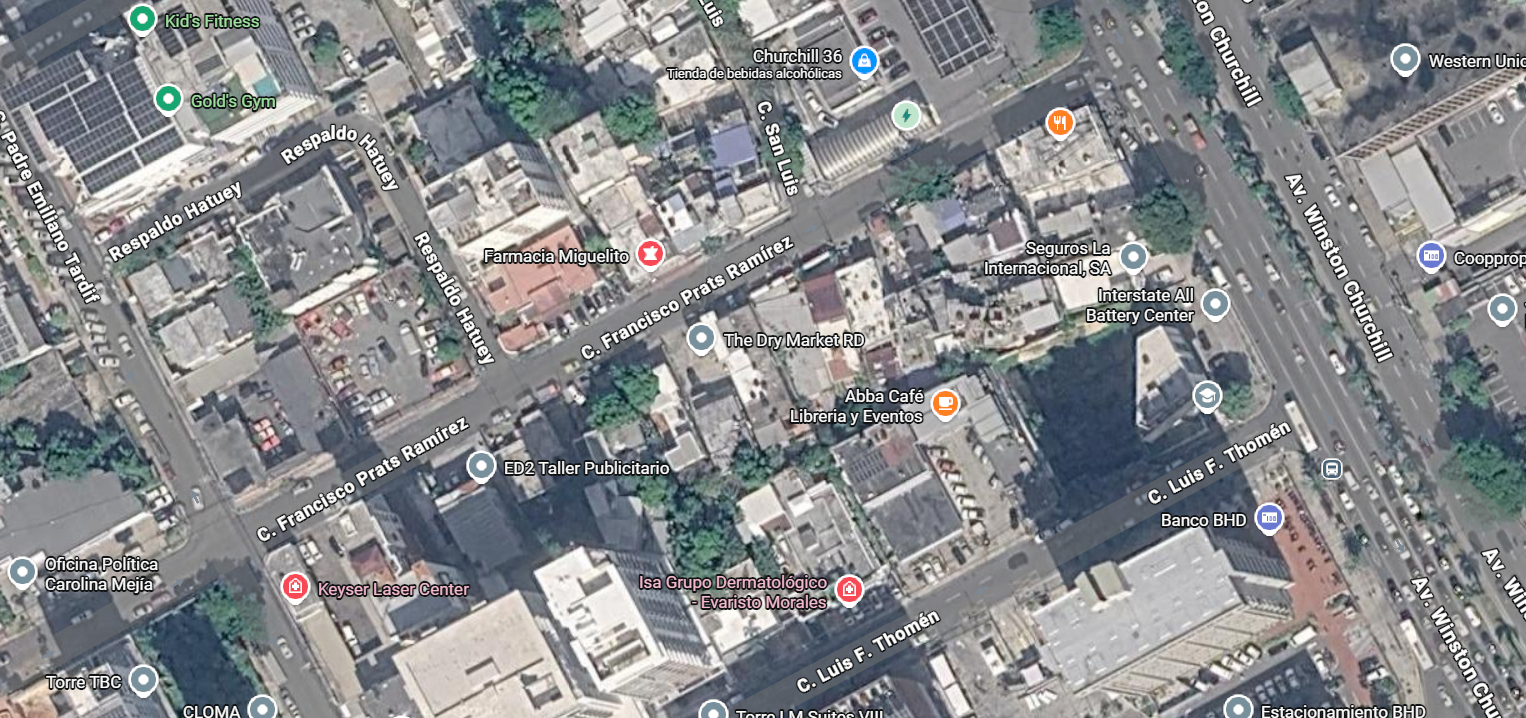
    The contested property is situated between 7th Street, Luis F. Thomen and Francisco Pratts Ramírez streets, and Winston Churchill Avenue in the Evaristo Morales neighborhood.

    Neither governmental authorities nor the claimant have issued official statements addressing the residents’ allegations at this time, leaving the community in a state of uncertainty regarding their housing security.

  • Punta Cana Airport recognized among world’s best in 2025 ASQ Customer Experience Awards

    Punta Cana Airport recognized among world’s best in 2025 ASQ Customer Experience Awards

    Punta Cana International Airport (PUJ) has once again secured its position among the world’s elite aviation hubs by winning the prestigious 2025 ASQ Customer Experience Award from Airports Council International (ACI) World. This remarkable achievement represents the ninth time the Dominican Republic airport has received this distinguished honor, having previously maintained an eight-year winning streak that now resumes.

    The airport earned top honors in the ‘Best Airports at Departures’ category for Latin America and Caribbean airports handling 5 to 15 million passengers annually. This recognition specifically acknowledges excellence in service quality as evaluated directly by travelers, making it one of the most authentic measures of passenger satisfaction in the aviation industry.

    The ASQ program stands as the global benchmark for airport customer experience measurement, utilizing real-time surveys conducted with passengers within airport facilities. The methodology ensures statistically significant data collection through randomized sampling across various locations and times, capturing genuine passenger experiences throughout their journey.

    During the 2025 evaluation period, the program gathered feedback from approximately 707,000 travelers worldwide, representing more than half of global air passenger traffic. The comprehensive data revealed increasing satisfaction levels across multiple touchpoints, including enhanced cleanliness, more pleasant terminal environments, welcoming atmospheres, superior customer service, and significant improvements in immigration and border control efficiency.

    Among only 100 airports worldwide to receive ASQ recognition this year, Punta Cana’s achievement becomes particularly notable given its sustained operational performance during a period of high passenger volumes. The airport has consistently maintained strong traffic numbers throughout the award period, even achieving weekly passenger records, demonstrating that operational excellence and customer satisfaction can coexist at scale.

  • FLASH : Cap

    FLASH : Cap

    The historic northern port city of Cap-Haïtien, Haiti, faced catastrophic flooding on Tuesday, February 24, 2026, after being pummeled by relentless torrential rains. The severe weather, triggered by an active cold front positioned to the southwest and northwest of the nation, began in the early morning hours and rapidly overwhelmed the city’s infrastructure.

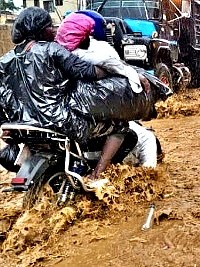
    Within hours, major thoroughfares were transformed into violent, muddy rivers, bringing urban life to a standstill. National Highways #1 and #6 were rendered impassable, paralyzing all traffic. In response to the crisis, local authorities mandated the closure of schools and businesses across the city. The extensive flooding was severely exacerbated by drainage canals, which were found to be clogged with debris and sediment washed down from the surrounding hills.

    The most severely impacted districts included downtown areas and their surroundings. Neighborhoods such as Sainte-Philomène, Champin, and Cité du Peuple were among the hardest hit. Specific locations like Rue de la Lettre A, Lafossette, Carrefour Samarie, and Cité Lesko were completely submerged. The flooding also extended to eastern and northern zones, including the overflowing Zétrier Canal, and the areas of Petite-Anse and Fort Saint-Michel.

    Emergency services, including firefighters and specialized rescue teams, were immediately deployed across the city to respond to potential emergencies. With meteorological forecasts indicating that the unstable conditions could persist for another 24 hours, authorities are actively preparing to open temporary shelters for displaced residents if the rains continue.

    Jean Henry Petit, the North Departmental Technical Coordinator for Civil Protection, provided an initial assessment, noting that while significant material damage is evident in Cap-Haïtien, other municipalities within the Northern Department have thus far been less affected. He emphasized the urgent necessity for canal dredging to prevent future disasters. Fortunately, no loss of life has been reported in the immediate aftermath of the flooding.

    Officials have issued critical safety recommendations for the public, advising against attempting to cross flooded areas either on foot or by vehicle due to deceptively strong currents. Residents are urged to secure important personal documents in elevated, waterproof containers and to remain vigilant by continuously monitoring updates from local weather agencies.