博客

  • US eases ban on Venezuelan oil to Cuba as crisis alarms Caribbean

    US eases ban on Venezuelan oil to Cuba as crisis alarms Caribbean

    BASSETERRE, St Kitts and Nevis – In a significant policy shift, the United States Treasury Department announced Wednesday the partial lifting of restrictions on Venezuelan oil exports to Cuba. This decision comes as Caribbean leaders express growing concerns about potential regional instability triggered by Cuba’s severe economic crisis.

    The amended regulations permit “transactions that support the Cuban people” involving Venezuelan petroleum for both commercial and humanitarian purposes. However, a crucial stipulation requires these exports to be channeled exclusively through private business entities rather than government or military-controlled organizations within the communist state.

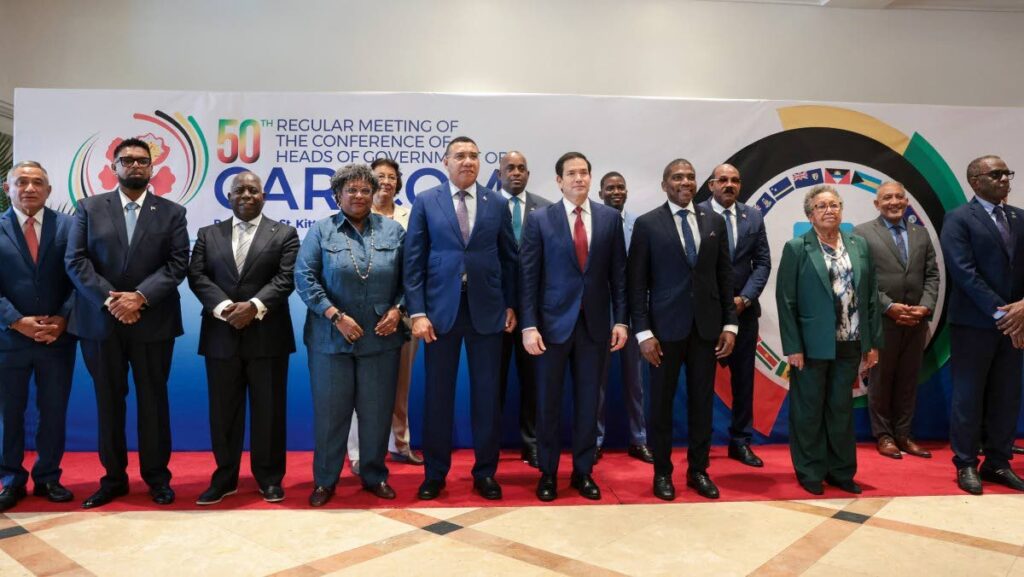
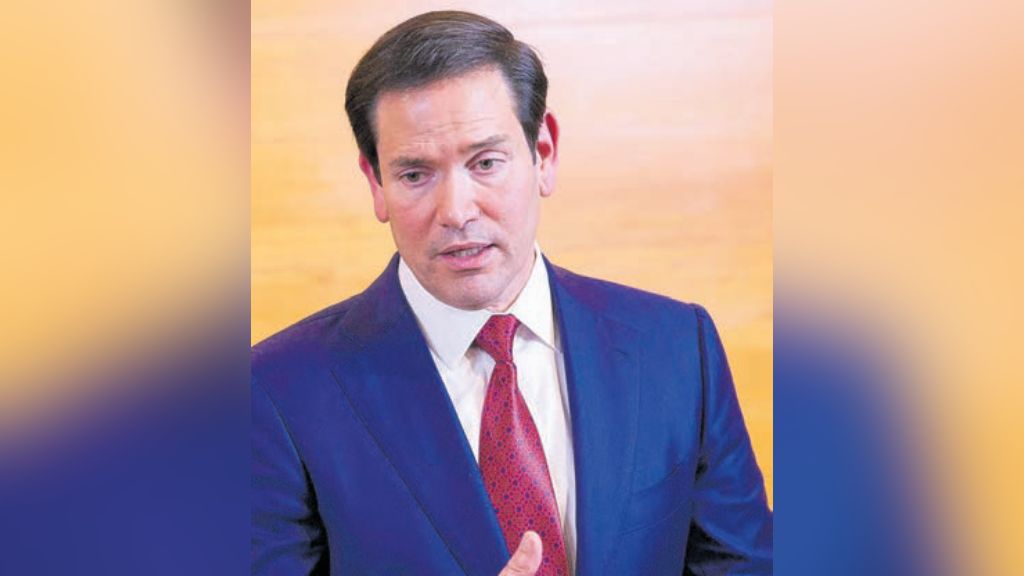
    This policy announcement coincided with the Caricom summit attended by U.S. Secretary of State Marco Rubio. The Cuban-American diplomat, who has historically advocated for regime change in Havana, simultaneously reaffirmed Washington’s commitment to the January 3rd intervention that ousted Venezuela’s leftist leader Nicolas Maduro.

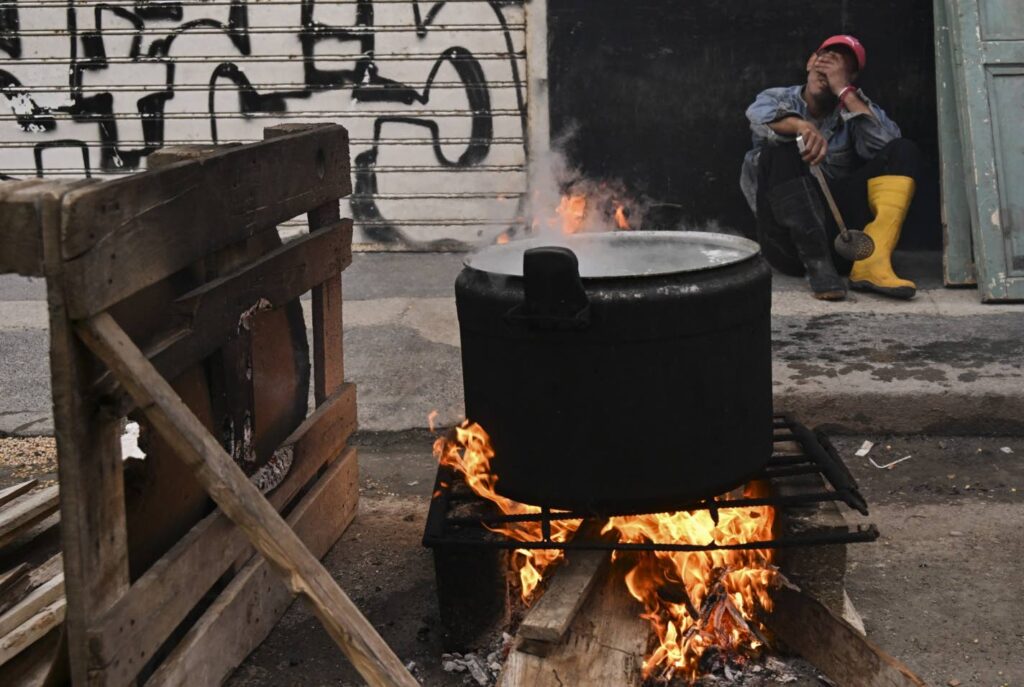
    Cuba’s economic collapse accelerated dramatically after U.S. actions against Maduro disrupted Venezuelan oil shipments, which had supplied approximately half of the island’s fuel requirements. The current easing of restrictions represents a calibrated approach to humanitarian concerns while maintaining pressure on governmental structures.

    Secretary Rubio issued a stern warning during his press briefing in St Kitts and Nevis, emphasizing that any violation of the agreement’s “spirit” would result in immediate reinstatement of sanctions. He specifically cautioned against diversion of oil resources to regime or military-controlled entities through Cuba’s emerging private sector, stating that such violations would trigger license cancellations.
  • As Washington softens oil embargo, Cuba coast guard kills 4 on Florida-registered boat

    As Washington softens oil embargo, Cuba coast guard kills 4 on Florida-registered boat

    A maritime confrontation near Cuban territorial waters has ignited fresh diplomatic friction between Havana and Washington. Cuban authorities reported that their coast guard personnel engaged in a lethal exchange of gunfire with a U.S.-registered speedboat on Wednesday, resulting in four fatalities and six injuries.

    The incident occurred approximately one nautical mile from Cayo Falcones Island, situated off Cuba’s northern coastline. According to an official statement from Cuba’s Interior Ministry, the coast guard vessel encountered what it described as an ‘illegal’ American boat bearing Florida registration number FL7726SH. The ministry asserted that occupants of the speedboat initiated fire first, wounding the Cuban vessel’s commander, which prompted return fire from Cuban forces.

    Cuban officials confirmed that the injured individuals received medical evacuation and treatment, though Havana declined to disclose the nationalities of the casualties or the purpose of the vessel’s approach to the communist-ruled island nation, which remains under stringent U.S. economic sanctions.

    The incident has triggered coordinated responses from multiple U.S. officials. Secretary of State Marco Rubio, speaking during diplomatic travels in St. Kitts and Nevis, emphasized that Washington would conduct its own investigation rather than relying on Cuba’s version of events. ‘We’re not going to base our conclusions on what they’ve told us,’ Rubio stated, adding that the administration would ‘respond accordingly’ once all facts are established.

    In Washington, Vice President JD Vance acknowledged the White House was actively monitoring developments while expressing cautious optimism that the situation might be ‘not as bad as we fear it could be.’ Simultaneously, Florida’s Attorney General has launched an independent investigation into the killings, reflecting the state’s particular interest given its geographical proximity—just 100 miles across the Florida Straits—and substantial Cuban-American population.

    This maritime clash occurs against a backdrop of evolving U.S. policy toward Cuba. The Biden administration recently eased certain energy restrictions imposed during the Trump presidency, which had effectively created a virtual oil siege against the island nation following the U.S. ouster of Venezuela’s Nicolás Maduro.

  • Caribbean Flavours Take Centre Stage at Jamaica Food and Drink Festival 2026

    Caribbean Flavours Take Centre Stage at Jamaica Food and Drink Festival 2026

    Kingston prepares to transform into a dynamic culinary epicenter as the Jamaica Food & Drink Festival (JFDF) returns from March 5-8, 2026. This year’s edition moves beyond mere celebration to present a sophisticated dialogue on Caribbean cuisine’s evolution, featuring internationally acclaimed chefs who are redefining traditional flavors through technical precision and global influences.

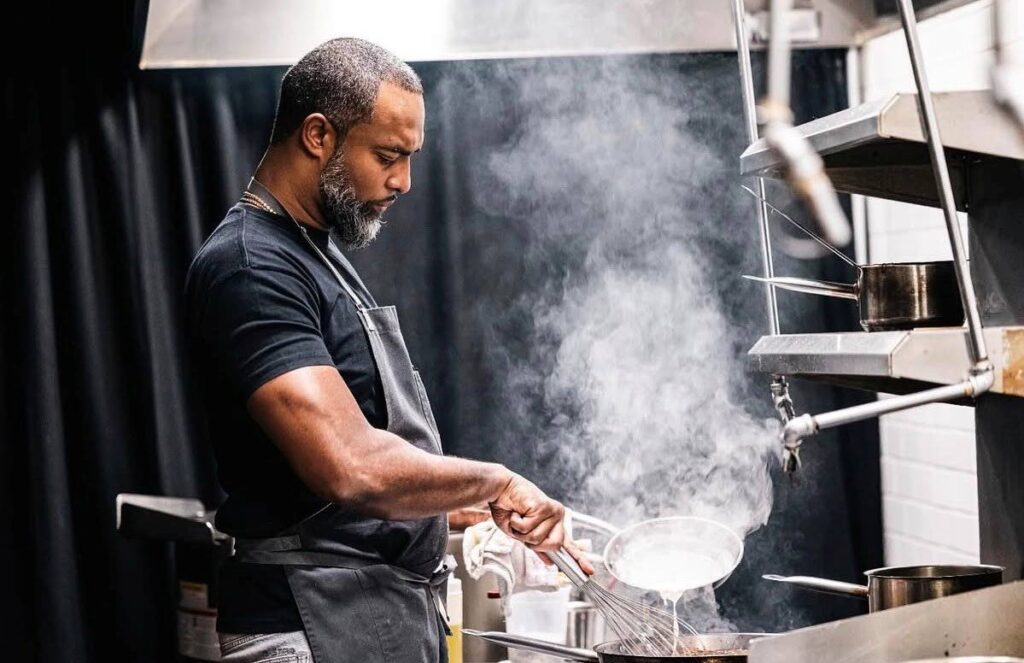
    The festival’s dual culinary showcases—KUYAH and DECADE 2.0—offer distinct approaches to culinary innovation. KUYAH, hosted at the waterfront Festival Marketplace, challenges chefs to reinterpret familiar Jamaican ingredients with heightened technical execution and deliberate presentation. Joining this year’s lineup is Chef Scotley Innis, the Jamaican-born culinary master behind Continent Atlanta and Continent Brooklyn, known for his appearances on Hell’s Kitchen and Food Network. Sponsored by Scotnabank, Innis brings his signature approach of refining Caribbean flavors through restraint and precision—techniques evident in his meticulously balanced jerk preparations and thoughtfully composed oxtail dishes.

    DECADE 2.0 takes a more expansive approach on Friday night at Sabina Park, creating an all-inclusive culinary showcase that traces Caribbean cuisine’s evolution over the past decade. Sponsored by Visa, this event features Trinbagonian Chef Brigette Joseph, whose background in diplomatic dining and large-scale culinary productions informs her sophisticated layering of Caribbean ingredients with global techniques. Also returning is Patrick Simpson of The Simpson Brooklyn, continuing his collaboration with Walkerswood to demonstrate how local flavors travel, absorb international influences, and return home transformed yet recognizable.

    Festival Director Alicia Bogues emphasizes the intentional inclusion of international talent: ‘We invite global chefs not due to any shortage of local expertise—Jamaica possesses exceptional culinary artistry—but to foster meaningful exchange. This creates dialogue that allows Jamaicans to experience diverse techniques while visiting chefs engage with the depth of our food culture.’

    The festival continues to feature Jamaica’s most respected culinary voices, including Michelle and Suzanne Rousseau, Alexa Von Strolley, Oji Jaja, and Brian Lumley, whose pioneering work has shaped modern Jamaican cuisine and created space for experimental new talent.

    For four days in March, Kingston becomes a destination where Jamaican food simultaneously comforts and surprises—a tension that maintains culinary relevance and excitement in the ever-evolving global food landscape.

  • Regional leaders encouraged by engagement with Rubio

    Regional leaders encouraged by engagement with Rubio

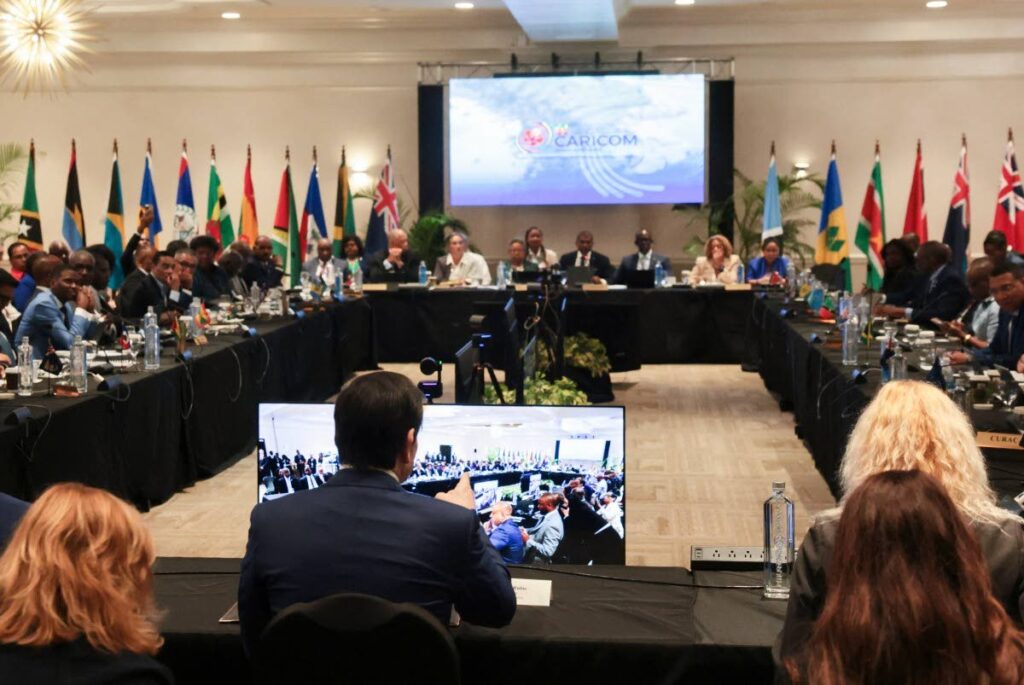
    BASSETERRE, St Kitts and Nevis – Caribbean Community (CARICOM) leaders expressed significant optimism following an address by United States Secretary of State Marco Rubio at their 50th regular summit on Wednesday. The brief ten-minute engagement was widely interpreted as a promising signal for revitalized US-Caribbean relations.

    Regional heads of government highlighted the conciliatory and cooperative tone of the Secretary’s remarks. Antigua and Barbuda Prime Minister Gaston Browne conveyed initial apprehensions were alleviated by the Secretary’s ‘very positive message.’ Browne emphasized the US recognition of shared geographical and cultural ties, stating, ‘I sense that the statement he made, though brief, would have signalled a level of commitment to enhance the relationship between the United States and CARICOM.’

    Echoing this sentiment, Dominica’s Prime Minister Roosevelt Skerrit described the encounter as ‘encouraging’ and stressed the importance of sustained dialogue on pressing regional issues. He interpreted Rubio’s physical presence as a ‘clear intention on the part of the United States to engage, to listen, and to hear our views and concerns.’

    Haitian Prime Minister Alix Didier Fils Aime also reported positive deliberations, noting the US commitment to reinforcing long-standing partnerships. He concluded that the strengthened relationship would seek ‘the mutual benefit of CARICOM nations and the United States.’ The collective response from Caribbean leadership suggests a pivotal step towards deeper diplomatic collaboration with the Biden administration.

  • Bills rising, but taps still dry

    Bills rising, but taps still dry

    Jamaican legislators confronted the National Water Commission (NWC) during a parliamentary session this Wednesday, demanding transparent explanations for persistent billing issues affecting communities still grappling with water shortages months after Hurricane Melissa’s devastation.

    The Public Administration and Appropriations Committee (PAAC) meeting revealed widespread frustration as Members of Parliament detailed constituents receiving escalating bills despite prolonged service interruptions. The hurricane, which made landfall on October 28, 2025, caused significant infrastructure damage that continues to impact water delivery systems across the island.

    Clarendon Northern MP Wavell Hinds reported being inundated with complaints from residents facing regular bills without reliable water access. ‘Customers are receiving consistent bills while being unable to consistently access services,’ Hinds emphasized, noting the particular hardship of paying for sewage services without functioning water supply.

    NWC representatives outlined a dual approach to addressing billing discrepancies. Corporate Public Relations Manager Delano Williams explained that meter readings would reconcile estimated charges applied during periods when field teams couldn’t access properties. The commission has also committed to examining accounts where properties sustained damage causing water wastage, promising discretionary adjustments.

    The complexity of the billing adjustment process emerged as a central concern. Williams acknowledged that while systematic, the review requires manual verification that may delay visible corrections on subsequent bills. This explanation did little to satisfy parliamentarians, with St James Central MP Heroy Clarke revealing his own difficulties understanding charges.

    ‘Sometimes it is mind-boggling,’ Clarke admitted. ‘We just pay the bill to avoid disruption.’ He described the particular confusion of receiving increasing bills during November, December, and January despite water shortages, noting that promised rebates remained invisible to consumers.

    The NWC clarified that active accounts continue generating bills based on estimated consumption averages when meters become inaccessible or damaged. This ‘flat rate’ billing uses historical consumption data from previous cycles, which may explain continued charges during service interruptions.

    Acting Vice-President of Operations Herman Fagan conceded the need for improved communication, acknowledging public frustration and pledging to enhance how the agency explains bills that arrive before adjustments are processed. ‘We’re not hiding from this,’ Fagan stated, committing to review communication strategies with regional billing teams.

  • ICE COOLING

    ICE COOLING

    BASSETERRE, St Kitts and Nevis – In a significant diplomatic shift, the United States has relaxed its stringent oil embargo against Cuba during high-level talks with Caribbean leaders. The policy adjustment came as US Secretary of State met with regional counterparts at the 50th Regular Meeting of the Conference of Heads of Government in Saint Kitts and Nevis on Wednesday.

    The Trump administration had imposed a virtual oil siege on Cuba in January following the US-led ouster of Venezuelan leader Nicolas Maduro, a key Cuban ally. This sanctions regime had severed Cuba’s access to Venezuelan petroleum, which previously accounted for approximately half of the island nation’s fuel requirements.

    The month-long blockade pushed Cuba’s already fragile economy toward the brink of collapse, prompting serious concerns among Caribbean Community (CARICOM) members about regional stability and humanitarian consequences.

    Facing mounting diplomatic pressure, Washington announced it would permit shipments of Venezuelan oil for limited “commercial and humanitarian use” under specific conditions. The US Treasury Department clarified that such oil exports must be channeled through private business entities rather than Cuban government or military-controlled organizations, which dominate the country’s economic infrastructure.

    The policy modification represents a nuanced approach to Caribbean relations while maintaining pressure on the Cuban government apparatus. The development underscores the complex interplay between US foreign policy objectives and regional diplomatic dynamics in the Western Hemisphere.

  • Joyful pulse

    Joyful pulse

    In an industry often dominated by high-energy tracks and urgent beats, Jamaican producers Slyda di Wizard and Romeich Major have taken a deliberate step back to craft something rooted in warmth and connection. Their latest collaborative project, the Love Echoes rhythm, marks their second joint venture in two years and represents a conscious effort to reintroduce balance and positivity into the music scene.

    Speaking with the Jamaica Observer, Slyda di Wizard revealed that the rhythm was conceived as an emotional antidote to contemporary musical trends. Rather than pursuing commercial urgency or excess, the duo focused on creating a work that evokes genuine feeling and upliftment. The project stems from their shared conviction that music retains the power to establish mood—specifically one grounded in connection, optimism, and timeless resonance.

    “Reggae music plays a very integral role in who we are as a people, yet it is produced less each year,” Slyda noted. “Romeich and I felt it would be great to bring back that feel-good vibe and hear some of those melodies from artistes we’ve come to love based on their vocal abilities.”

    The rhythm features an impressive lineup of artists including Dexta Daps, Ce’Cile, Chris Martin, Richie Spice, Jah Elise, Rally Banks, Lavisch, Denyque, Blakkman, Tanzie, and Konshens. Early reception has been highly encouraging, with fans actively reposting content, tagging their favorite artists, and sharing videos of their preferred tracks.

    Romeich Major emphasized reggae’s unique capacity to transcend generations and outlast other regional genres. “Reggae promotes good vibes, love, awareness, positivity, and engagement with current affairs,” he stated. “Nothing beats a solid reggae beat that brings all of that together.” He expressed hope that the project would inspire more producers to invest intentionally in reggae-centered productions this year.

    Looking forward, both producers are optimistic about the international potential of Love Echoes. Slyda di Wizard aspires for the rhythm to achieve global reach, securing placements on reggae charts worldwide. Such recognition would not only validate their artistic intent but also reaffirm reggae’s enduring relevance on the international stage.

  • BALL OUT!

    BALL OUT!

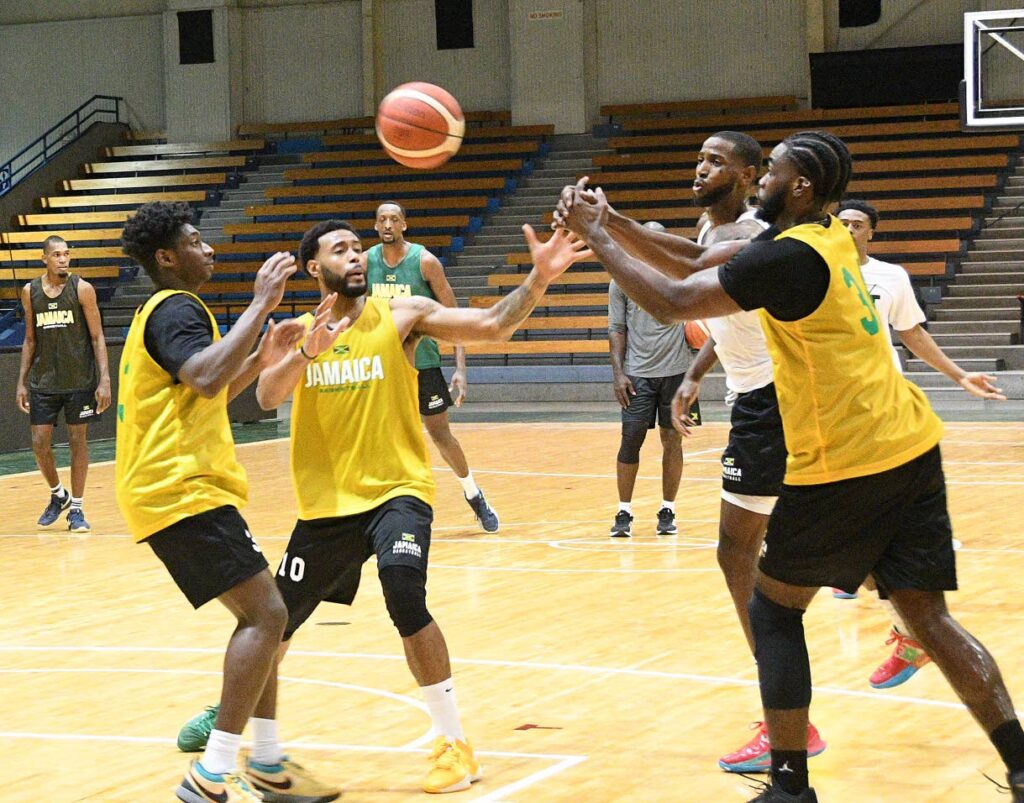
    Jamaica’s national basketball team stands on the precipice of history as they prepare to face the Bahamas in a crucial FIBA World Cup Qualifier tonight at Kingston’s National Indoor Sports Centre. With tip-off scheduled for 6:10 PM local time, the Reggae Boyz seek to capitalize on home court advantage following their remarkable back-to-back victories against regional powerhouse Puerto Rico last November.

    Head Coach Rick Turner has maintained continuity by retaining the identical roster that secured those impressive wins (92-90 on November 28 and 97-92 on December 1). The squad features captain Kentan Facey, dominant center Kofi Cockburn, and guard Chase Audige, who averaged 15 points during the Puerto Rico series. Turner expressed confidence in his team’s physical preparedness, noting that most players arrive in optimal condition after several months with their club teams.

    This match marks Jamaica’s inaugural official home game in the qualifying campaign after previously being unable to host matches in November. Turner anticipates the home crowd will provide an energizing boost rather than create performance pressure. “We want to pack the building, we want to get people out here loud and proud and make it really difficult on our opponent,” the coach stated, emphasizing the dual significance of competitive advancement and basketball’s revitalization in Jamaica.

    Despite the Bahamas ranking eight positions above Jamaica in FIBA Americas standings and entering as statistical favorites despite two initial losses to Canada, Turner recognizes their formidable challenge. He drew parallels between the Bahamas and Puerto Rico, noting both teams excel in transition offense and feature exceptional athletic guards, though he expects more defensive variability from the Bahamian squad.

    The stakes couldn’t be higher: a Jamaican victory would elevate them to six points in Group B, virtually guaranteeing advancement to the final qualifying round where the top three teams progress. Turner emphasized the transformational implications of success, stating qualification would maintain Jamaica’s pathway toward both the World Cup and Olympic aspirations while delivering additional home games throughout 2026 and 2027.

    The complete Jamaican roster includes: Joel Bailey, Andrew Thelwell, Marcus McDonald, Omari Johnson, Jordan Kellier, Kentan Facey, Romaine Thomas, Chase Audige, Kofi Cockburn, Tyran De Lattibeaudiere, Giovanni Fraser, and Romaro Gill.

  • Alphonse finishes third in Martinique on Independence Day

    Alphonse finishes third in Martinique on Independence Day

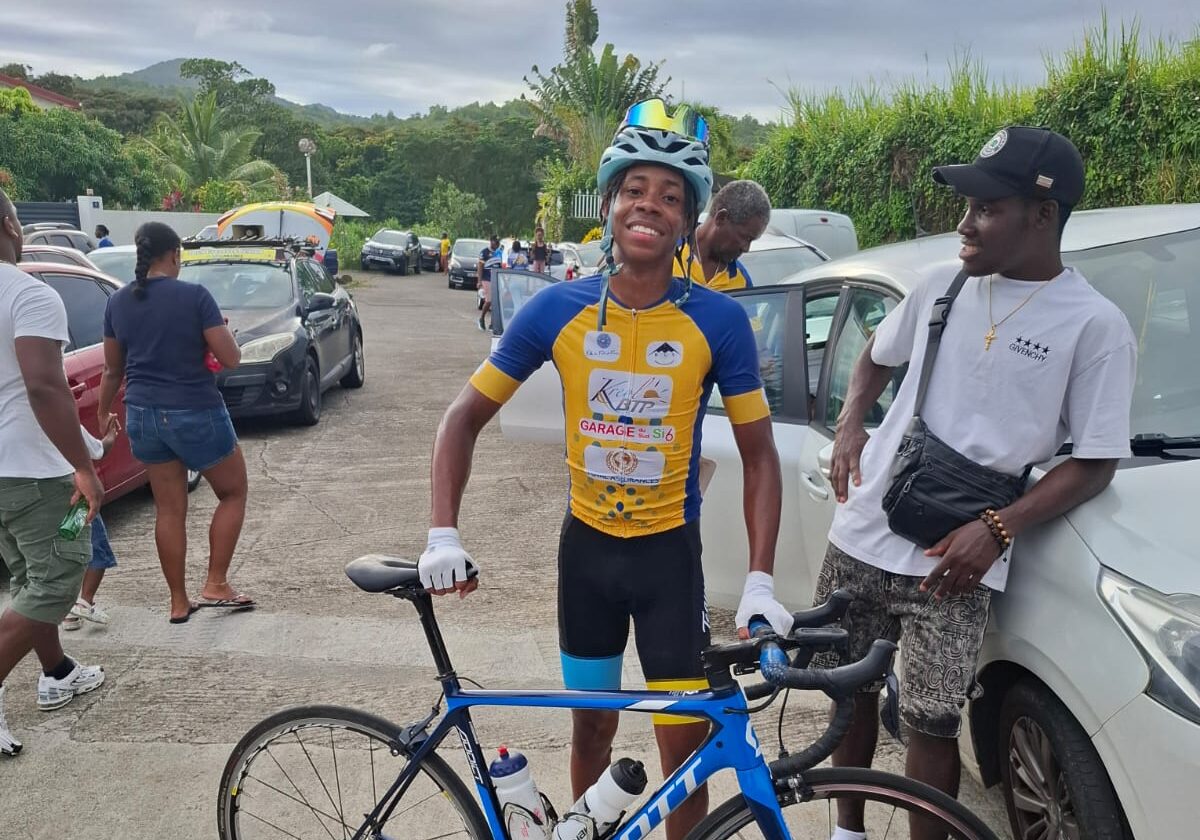
    In a landmark achievement for Saint Lucian cycling, 18-year-old prodigy Denver Alphonse Jr. secured a bronze medal in the Under-23 category at the prestigious Grand Prix Mill€co.Shop held in Le Robert, Martinique, on February 21-22. Hailing from La Caye, Dennery, Alphonse demonstrated significant progress after his fifth-place finish in the Under-19 division just a year prior.

    Competing for the ASC Karaïbes Culture Sports team—marking his second appearance in Martinique this season—Alphonse navigated a challenging two-stage course spanning 138.6 kilometers. The event, organized by Jeunesse Cycliste 231 under the sanction of the French Cycling Federation, featured 39 elite riders across multiple age categories. Alphonse finished an impressive 16th overall and clinched third place in the Under-23 group.

    His performance was consistent across disciplines: he placed 15th in the six-kilometer time trial and 16th in the demanding road race. The route traversed several municipalities including Le François, Le Lamentin, and Le Robert, concluding at Place Christian Marajo in front of an enthusiastic crowd.

    While Edwin Nubul of VC François won the final stage, overall victory went to Jules Chatelon of Madinina Bikers, who succeeded defending champion Stefan Bennett.

    In a parallel honor, Alphonse’s national championship jersey was inducted into KOERS, the Museum of Cycle Racing in Roeselare, Belgium—a region renowned for cycling excellence. This recognition marks Alphonse as the first Saint Lucian cyclist to be featured in the esteemed institution.

  • STATEMENT: Rotary Club of Dominica on this year’s successful Original Souse and Punch

    STATEMENT: Rotary Club of Dominica on this year’s successful Original Souse and Punch

    The Rotary Club of Dominica has formally acknowledged and expressed profound gratitude to the numerous sponsors, partners, and patrons whose contributions ensured the outstanding success of its ‘Original Souse and Punch’ event. Held on Carnival Sunday, February 15, 2026, the celebration has been hailed as a memorable cultural and community gathering.

    The Club’s Board of Directors emphasized that the presence and generous support from all participants significantly enhanced the festive atmosphere of this culturally important day. Special recognition was extended to telecommunications provider FLOW, which served as the event’s Platinum Sponsor. The Club also publicly acknowledged a substantial list of supporting organizations that included Argos Dominica, Fine Foods Dominica, National Bank of Dominica, Q95 Radio, Kairi FM, and the National Cooperative Credit Union, among numerous others.

    Crucially, the event served as a major fundraising initiative. All generated proceeds are designated for community projects and service programs that directly benefit individuals and families throughout Dominica. This financial support enables the Rotary Club to expand its humanitarian efforts and uphold its foundational principle of ‘Service Above Self.’

    The statement concluded with expressions of appreciation for both the loyal patrons who participated in the celebrations and the corporate sponsors who invested in the community development mission. The Rotary Club of Dominica affirmed its anticipation of continued partnerships and support for future initiatives aimed at creating positive social impact.