博客

  • 104 people, 59 firms linked to LifeSport under probe

    104 people, 59 firms linked to LifeSport under probe

    In a significant development to one of Trinidad and Tobago’s most notorious corruption cases, the Trinidad and Tobago Police Service (TTPS) has obtained a High Court production order to investigate financial records connected to the defunct LifeSport program. The order, secured in early December 2025, targets 59 companies linked to 104 individuals allegedly involved in the misappropriation of $440 million between 2010 and 2015.

    The investigation gained renewed momentum following a three-part investigative series by Express and CCN TV6 last November titled “LifeSport Secrets Revealed.” The breakthrough came largely through the sworn testimony of Ruth Marchan, a former Ministry of Sport insider who participated in the witness protection program. Marchan provided detailed accounts of how government officials, contractors, and criminal elements systematically drained public funds through phantom companies and illicit financial channels.

    High Court Justice Mandisa S. Mohammed issued the order under Section 32 of the Proceeds of Crime Act, compelling the Ministry of Sport and Youth Affairs to produce comprehensive documentation including contracts, payment files, procurement records, cheque registers, and vote books from the specified period. The ministry has requested an extension to comply with the court’s directive, which initially required production within 14 days.

    Corporate registry checks revealed that only 18 of the 59 companies under investigation remain active, with 14 struck off the register, two dissolved, and 25 either defunct or untraceable. The companies were connected to various prominent figures including sports personalities, business leaders, journalists, and former ministry employees.

    The LifeSport scandal, which erupted in 2014 under the People’s Partnership government, led to the resignation of then-Sports Minister Anil Roberts. A subsequent audit by the Ministry of Finance’s Central Audit Committee uncovered widespread irregularities including procurement violations, overpayments, deviations from cabinet mandates, and possible criminal involvement in program supervision. Despite these findings, the file remains with the TTPS and has not yet been forwarded to the Director of Public Prosecutions for formal charges.

  • Iran zet olieshock in om Amerikaanse militaire macht te neutraliseren

    Iran zet olieshock in om Amerikaanse militaire macht te neutraliseren

    Amid escalating tensions with the United States and Israel, Iran has strategically weaponized the world’s most critical oil transit route—the Strait of Hormuz—transforming it into a powerful deterrent against military superiority, according to three regional sources familiar with Tehran’s strategy. This maneuver effectively leverages the Gulf’s primary economic artery to neutralize adversaries’ advantages while triggering global energy market disruptions.

    Historical Precedents and Enhanced Capabilities
    Iran’s current tactics echo its playbook during the 1980–1988 Iran-Iraq Tanker War, when it targeted vessels to destabilize maritime security. However, modern advancements have drastically amplified its reach: Tehran now possesses extensive stockpiles of low-cost missiles and drones capable of threatening shipping across a broader region. Notably, recent attacks demonstrate Iran’s ability to disrupt traffic without mining waters, showcasing evolved asymmetric warfare techniques.

    International Reactions and Warnings
    U.S. President Donald Trump has issued stern warnings to Iran, emphasizing that Washington “completely destroyed military targets” and threatening further strikes on Iranian oil infrastructure, including the strategic Kharg Island. He asserted that any obstruction of free navigation through the Strait of Hormuz would prompt immediate reconsideration of U.S. actions. Meanwhile, Gulf states like the UAE and Saudi Arabia expressed deep concern over regional escalation, urging civilians to avoid ports and military sites while collaborating with international partners to safeguard maritime security.

    Strategic Doctrine and Economic Warfare
    At the core of Iran’s strategy lies the recognition of its military limitations against superior forces. Instead of direct confrontation, Tehran aims to exert economic pressure—both domestically and globally—to undermine support for the war in the U.S. and compel negotiations. This approach aligns with the Islamic Revolutionary Guard Corps’ (IRGC) decentralized “Mosaic” doctrine, designed to withstand decapitation strikes by dispersing command structures.

    Expert Insights and Future Projections
    Ali Vaez, Director of the International Crisis Group’s Iran Project, noted that the U.S. entered the conflict unprepared, driven by “wishful thinking and poorly conceived strategies.” He argued that while Washington could significantly weaken Iran, total defeat would require a ground invasion with potentially one million soldiers—a scenario the U.S. has “no appetite for.” Iran’s immediate goal is survival, coupled with demonstrating to Washington that coercive tactics—military, economic, or diplomatic—are ineffective. By leveraging the Hormuz chokepoint and expanding the battlefield beyond its borders, Tehran bets on outlasting a far stronger adversary.

  • Today’s weather: Isolated showers and pleasant temperatures in the Dominican Republic

    Today’s weather: Isolated showers and pleasant temperatures in the Dominican Republic

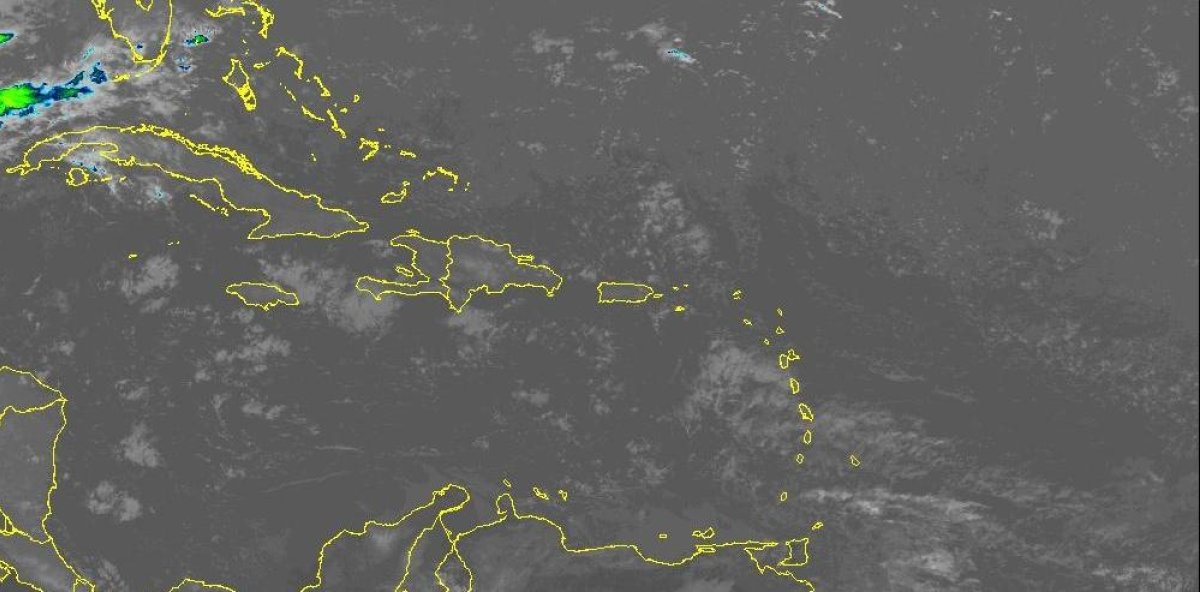
    Meteorological authorities in the Dominican Republic have issued a comprehensive weather outlook for Sunday, forecasting a day of intermittent cloud cover and isolated precipitation across multiple regions. According to the Dominican Institute of Meteorology (Indomet), the prevailing easterly wind patterns will transport moisture-laden cloud systems, creating conditions for scattered rainfall throughout the national territory.

    The morning hours are expected to witness occasional cloud formations accompanied by isolated showers, primarily affecting the northeastern and northern provinces including La Altagracia, El Seibo, Hato Mayor, Samaná, María Trinidad Sánchez, Duarte, Sánchez Ramírez, and Hermanas Mirabal. This pattern will shift westward during the afternoon, bringing similar meteorological conditions to Monte Plata, La Vega, Monseñor Nouel, Santiago, San Juan, and Elías Piña.

    As evening approaches, meteorological modeling indicates the approach of a weak trough system that will reactivate precipitation patterns. This atmospheric disturbance is anticipated to generate scattered rainfall across coastal and interior regions including La Altagracia, La Romana, El Seibo, Hato Mayor, Samaná, María Trinidad Sánchez, Duarte, Sánchez Ramírez, and Barahona.

    Temperature profiles remain consistently pleasant, with nighttime and early morning readings particularly comfortable in elevated terrain and interior valleys. Minimum temperatures are forecast to range between 20°C and 22°C, while daytime highs will reach between 28°C and 30°C, creating generally agreeable conditions across the island nation.

    The national meteorological service has advised citizens to maintain vigilance regarding weather developments through official communication channels. Indomet emphasizes the importance of monitoring real-time updates via their institutional website and verified social media platforms for any changes in atmospheric conditions.

  • Toename aangeboren syfilis baart zorgen; Soroptimisten starten bewustwordingscampagne

    Toename aangeboren syfilis baart zorgen; Soroptimisten starten bewustwordingscampagne

    Health authorities in Suriname are sounding the alarm over a dramatic resurgence of congenital syphilis, a potentially fatal sexually transmitted infection that poses grave risks to pregnant women and their unborn children. According to Soroptimist International Club Paramaribo (SICP), this dangerous form of the disease has shown a significant increase over the past five years, following three decades of sporadic occurrence.

    The bacterial infection, which primarily affects mucosal membranes of the genitals and anus, presents particular dangers during pregnancy. Many infected individuals remain asymptomatic, unknowingly transmitting the disease through unsafe sexual practices or even kissing when oral lesions are present.

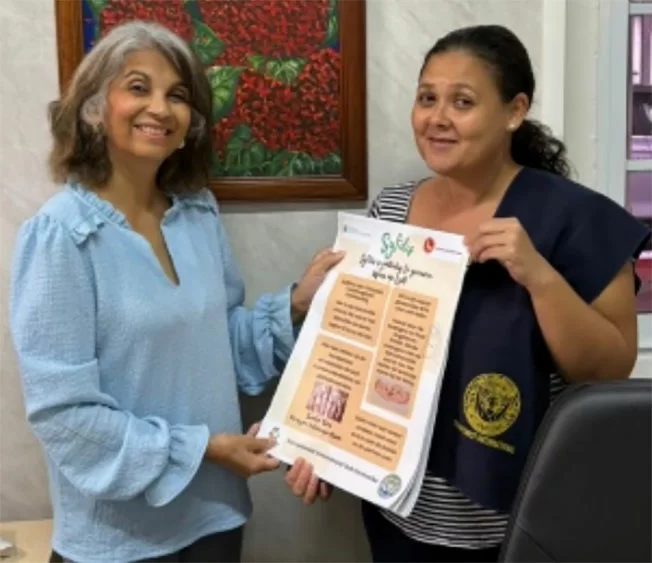
    In response to this public health crisis, SICP—an organization of professional women dedicated to improving conditions for women and children—has launched a comprehensive awareness initiative. The campaign features an educational video produced in both Dutch and Sranantongo, developed in collaboration with ‘s Lands Hospitaal, the Dermatological Service, and Foundation Lobi. An informative poster has also been created to support the effort.

    The medical consequences of untreated syphilis during pregnancy are severe: potential stillbirth, neonatal death, premature delivery, or serious congenital abnormalities. Pregnant women may develop characteristic palm and sole lesions that progress to painless ulcers.

    Health experts emphasize that these tragic outcomes are preventable with timely penicillin treatment following diagnosis during prenatal care. They recommend that sexually active individuals, particularly youth, undergo regular STI screening, and that both partners be tested when planning pregnancy or upon conception.

    The campaign has gained traction through media partnerships, with various channels agreeing to broadcast the educational videos. Social media sharing is considered particularly effective for reaching younger audiences. Posters have been distributed to medical facilities including the Medical Mission and Regional Health Service Suriname, with videos scheduled for display during clinical consultations.

    SICP advocates for school-based education programs as crucial for optimal youth engagement, emphasizing the need for expansion beyond Paramaribo into district areas. Interactive sessions and multilingual video productions for interior regions are planned to maximize population coverage.

    Through this coordinated effort, SICP and its partner organizations aim to dramatically reduce syphilis infections, especially among young people, embracing the preventive medicine principle that ‘prevention is better than cure’—or as expressed in local terms: ‘Safe seks – Freyri nanga koni.’

  • VES komt met voorstellen voor productiebeleid na overleg met president Simons

    VES komt met voorstellen voor productiebeleid na overleg met president Simons

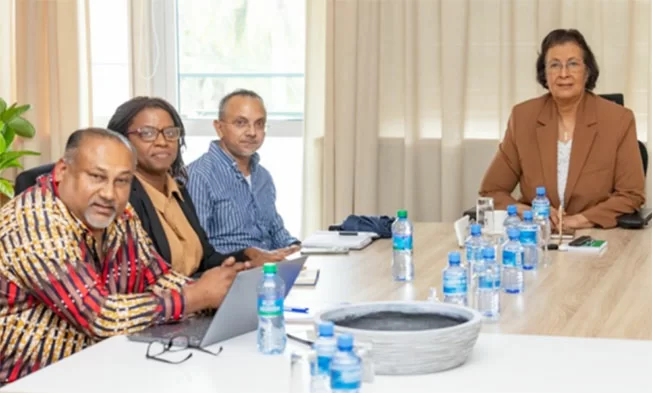
    The Association of Economists in Suriname (VES) is preparing to deliver a comprehensive set of policy recommendations to President Jennifer Simons aimed at strengthening national production capabilities and economic resilience. This development follows a substantive dialogue between VES leadership and the head of state, addressing critical economic challenges facing the nation.

    Central to the discussions were the escalating international fuel prices and their potential ripple effects throughout Suriname’s economy. The economists noted that while fuel typically constitutes a minor component in overall production costs, market actors frequently implement disproportionate price increases across goods and services. The VES explicitly opposed blanket fuel subsidies, instead advocating for targeted support mechanisms for vulnerable households and economically disadvantaged groups. This approach necessitates updated and refined database systems within the Social Affairs Ministry to ensure precise intervention delivery.

    Simultaneously, the rising global oil prices present a fiscal opportunity through increased revenue transfers from Staatsolie to government coffers. The economists emphasized that these additional funds should be strategically deployed to mitigate inflation impacts on susceptible populations, with absolute transparency regarding allocation methodologies and implementation frameworks.

    The dialogue also encompassed debt management strategies, with VES questioning how the administration plans to address both national and international debt obligations medium-term, noting that repayments have been deferred similarly to previous governments. Regarding state-owned enterprises, the government acknowledged ongoing development of a policy framework for rationalization and potential privatization, though specific timelines and candidate enterprises remain undefined.

    Agricultural production and food security emerged as paramount concerns, particularly in light of geopolitical tensions in the Middle East and lessons from the COVID-19 pandemic. The government revealed reserved resources for youth training programs within production sectors and upcoming agricultural initiatives. VES stressed the strategic imperative of maintaining operational integrity at the Fish Inspection Institute, crucial for sustaining international export standards, and addressing cassava disease impacts to prevent regional food shortages.

    The association further highlighted the critical need for anti-corruption measures and transparent appointments within government and state enterprises, particularly during periods requiring public sacrifice. Both parties characterized the exchange as openly critical yet constructive, fostering mutual understanding of Suriname’s economic priorities.

  • Politic : The Minister of Education engages in dialogue with unions

    Politic : The Minister of Education engages in dialogue with unions

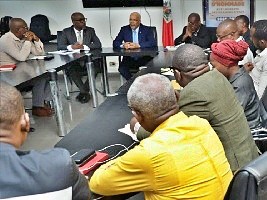
    In a significant move toward educational reform, Haiti’s newly appointed Minister of National Education, Vijonet Dénéro, has initiated substantive dialogues with teacher unions, marking a pivotal shift in governmental approach toward educator concerns. The inaugural meeting convened on March 13, 2026, brought together over fifty representatives from various teachers’ and administrative staff unions, focusing primarily on the critical issue of salary parity between primary and secondary educators.

    Minister Dénéro emphasized the necessity of collaborative engagement, stating, ‘We cannot satisfy teachers if we do not listen to them. The same applies to all other employees of the Ministry.’ This philosophy underscores the administration’s commitment to addressing longstanding grievances through structured dialogue rather than bureaucratic imposition.

    The discussions centered on implementing the January 2025 ‘Commitment Protocol’—a previously signed but partially executed agreement covering teacher status regularization, OFATMA insurance coverage, debit card disbursement systems, school canteen operations, and reactivation of the Joint Commission on Social Dialogue. Notably, the Minister established a special committee comprising officials from Human Resources, Administrative Affairs, Departmental Directorates Coordination, and ministerial office staff. This task force is mandated to resolve urgent personnel issues within 15-22 days, including:
    – Teachers appointed but never deployed
    – Actively working teachers lacking official appointments
    – Appointed educators experiencing payroll delays

    The initiative aligns with the government’s broader roadmap while acknowledging budgetary constraints, aiming to progressively address demands through sustained partnership with union platforms.

  • Landbouwsessie versterkt boeren met praktische kennis en teeltadvies

    Landbouwsessie versterkt boeren met praktische kennis en teeltadvies

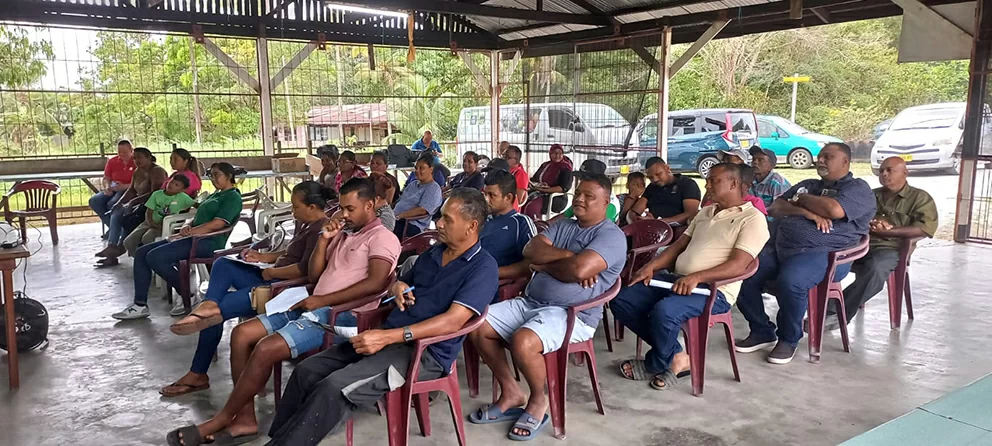
    Approximately thirty farmers recently participated in an intensive agricultural workshop at Commissaris Weythingweg, near Libalonweg, demonstrating strong interest in acquiring practical farming knowledge and cultivation techniques. The session provided a crucial platform for agricultural producers to exchange experiences and address persistent challenges in vegetable cultivation.

    Farmers highlighted significant field challenges, particularly concerning pest infestations and unpredictable weather patterns that consistently impact crop production. Participants primarily cultivate export-oriented crops including yardlong beans, okra, and sim peppers, making effective pest management essential for market success. Recent field visits confirmed widespread difficulties with crop diseases and climatic variability, reinforcing the need for targeted agricultural guidance.

    The collaborative event was organized through partnership between Frits Fresh Impex, RamBhai Impex, HJ-Agro N.V., and the WUSC-Caribbean Sustainable Agriculture in the Caribbean (SAC) Project. Market stakeholders emphasized that knowledge enhancement benefits not only individual farmers but strengthens entire agricultural value chains.

    Workshop content focused on practical solutions including pest identification and control, safe application of agricultural chemicals, improved cultivation methodologies, and climate-resilient farming practices. Live demonstrations of effective spraying techniques and responsible pesticide usage provided tangible strategies for production optimization and loss reduction.

    The session facilitated open dialogue between farmers and industry experts, creating valuable knowledge exchange where agricultural practitioners shared field experiences while technical specialists contributed scientific insights. This interactive format received unanimous appreciation from all participants.

    The initiative followed the Inclusive Market Systems (IMS) approach, emphasizing collaboration among farmers, businesses, and market participants. The SAC project serves as a facilitation body, connecting stakeholders, promoting knowledge sharing, and supporting initiatives that enhance agricultural sector resilience.

    Organizers stressed the importance of high-quality agricultural products for both domestic consumption and export markets. Through continued knowledge transfer and cooperative efforts, Suriname’s agricultural competitiveness shows significant potential for growth.

    Due to overwhelming participation and positive feedback, organizers plan to conduct follow-up sessions with more advanced coverage of practical cultivation guidance and market-oriented production techniques.

    The WUSC Caribbean organization has implemented the SAC project in Suriname since April 2022, focusing on climate-resilient agricultural production. Previous consultations and field visits revealed substantial demand for practical knowledge regarding climate change adaptation, pest management, and disease control among export-market producers. This informational session was specifically organized in response to farmer requests.

    Participating farmers operate as outgrowers for export companies Frits Fresh Impex and Ram Bhai Impex, who facilitated attendance through their communication networks. WUSC Caribbean plays a coordinating role while collaborating with agricultural input supplier HJ Agro N.V. and export partners. Future sessions aim to incorporate additional relevant stakeholders to provide comprehensive support for agricultural development.

  • Politic : All you need to know about Minister Mario Andrésol (Bio)

    Politic : All you need to know about Minister Mario Andrésol (Bio)

    Haiti’s newly appointed Defense Minister Mario Andrésol brings decades of distinguished security expertise to his role following his official swearing-in ceremony on March 4, 2026. The 65-year-old Port-au-Prince native assumes leadership of Haiti’s defense establishment at a critical juncture in the nation’s development.

    Minister Andrésol’s educational foundation began at the Brothers of the Sacred Heart (John XXIII) institution before advancing to Collège Saint Pierre for secondary education. His academic journey continued at the State University of Haiti’s Faculty of Humanities from 1980-1982, after which he pivoted toward military service by enrolling in the Haitian Military Academy as a cadet officer.

    The newly installed defense chief possesses exceptional international training credentials. After graduating from the Military Academy’s 1982-1984 class, he immediately traveled to Fort Benning, Georgia, where he completed specialized Infantry Officer training at the U.S. Army facility in 1985. His educational advancement continued with police theory and practice specialization at France’s prestigious Gendarmerie Officer Training School in Melun during 1986.

    Andrésol’s professional development demonstrates remarkable intellectual versatility. Following his French internship, he pursued International Relations studies at Haiti’s National Institute of Management and Advanced International Studies (INAGHEI) from 1986-1989 while simultaneously maintaining military duties. During his New York exile from 2001-2005, he earned dual paralegal specialties degrees from the New York Para-Legal School.

    His service career commenced in 1986 with assignment to the 39th Company of Haiti’s Armed Forces (FAd’H) Traffic Division as a Second Lieutenant. Subsequent postings included the Anti-Gang Unit (40th Company) where he gained crucial experience combating organized crime from 1989-1990. His promotion to First Lieutenant brought executive responsibility for security at Port-au-Prince International Airport through 1994, followed by district military command positions in Jacmel and Arcahaie.

    Following the formal separation of military and police functions in 1995, Andrésol transitioned seamlessly into senior police leadership roles. His distinguished police career included service as Municipal Commissioner of Pétion-ville (1995-1997), Chief Commissioner of Port-au-Prince District (1997-1998), and Director of the Judicial Police Central Directorate (1998-2001). He ultimately ascended to Commander-in-Chief of the Haitian National Police, serving from July 2005 through August 2012.

    Throughout his extensive career, Minister Andrésol has demonstrated exceptional integrity, discipline, and administrative rigor. He successfully navigated political transitions under three different administrations—Boniface Alexandre/Latortue (2004-2006), René Préval (2006-2011), and Michel Martelly (2011-2012)—while maintaining institutional independence from political interference. His leadership achievements include significant personnel expansion, organizational restructuring with international support, and establishing professional integrity standards within the police force.

    Notably, Andrésol resisted pressure to reconstitute the Haitian Army during the 2012 remobilization of former FAd’H personnel, demonstrating principled commitment to democratic civilian oversight of security forces. His departure from police leadership occurred without scandal, concluding a exemplary service chapter that now continues with his defense ministerial appointment.

  • Health : Drinking water distribution, Ministry requirements

    Health : Drinking water distribution, Ministry requirements

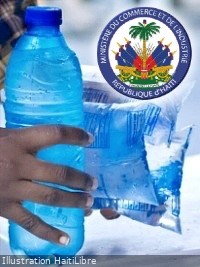
    The Haitian Ministry of Commerce and Industry (MCI), under Minister James Monazard, has issued a decisive regulatory mandate to all drinking water treatment and distribution companies. This action follows a circular published on March 2, 2026, which formally outlines the stringent requirements for operators in this critical sector. A firm deadline of March 22, 2026, has been established for full compliance, marking a significant governmental effort to confront a longstanding public health crisis linked to contaminated water.

    The regulatory framework is anchored in Articles 5 and 6 of a March 11, 2020 decree governing food production and trade. The comprehensive compliance checklist mandates that every entity, from large-scale producers to local water kiosks, must be formally registered with the MCI and possess a valid Professional Identification Card (CIP). Operations must adhere to strict Good Hygiene Practices (GHP), requiring fully enclosed transportation vehicles to shield packaged water, particularly sachets, from environmental contaminants and sunlight.

    Material safety is paramount, with regulations specifying that all containers, especially sachets, must be constructed from inert, non-toxic, and officially approved food-contact materials that offer optimal heat resistance. Mandatory labeling must conform to consumer protection statutes detailed in Article 10 of the 2020 decree.

    From a microbiological standpoint, the policy adopts a zero-tolerance stance against pathogenic germs, including Escherichia coli and various coliforms. Companies are obligated to conduct monthly bacteriological analyses through accredited laboratories and present these valid certificates during official health inspections.

    Further provisions require suppliers to guarantee the rigorous disinfection of their tanker trucks and their customers’ storage tanks prior to any delivery. A robust traceability system must be implemented, complete with defined expiration dates for products sold at kiosks, which must also retain valid transaction receipts. Kiosks are additionally required to install advanced purification devices, such as UV lamps or ozonators, to neutralize any bacterial presence. Finally, companies must employ qualified technical staff specialized in water treatment and quality control to monitor operations and implement corrective measures.

    The MCI has announced it will deploy inspectors to verify the quality of distributed water and the sanitary conditions of all concerned operations. The Directorate has called for full cooperation from all stakeholders to ensure public health protection and adherence to the newly enforced national standards.

  • Huge quantities of sargassum are flooding the coasts of the Riviera Maya

    Huge quantities of sargassum are flooding the coasts of the Riviera Maya

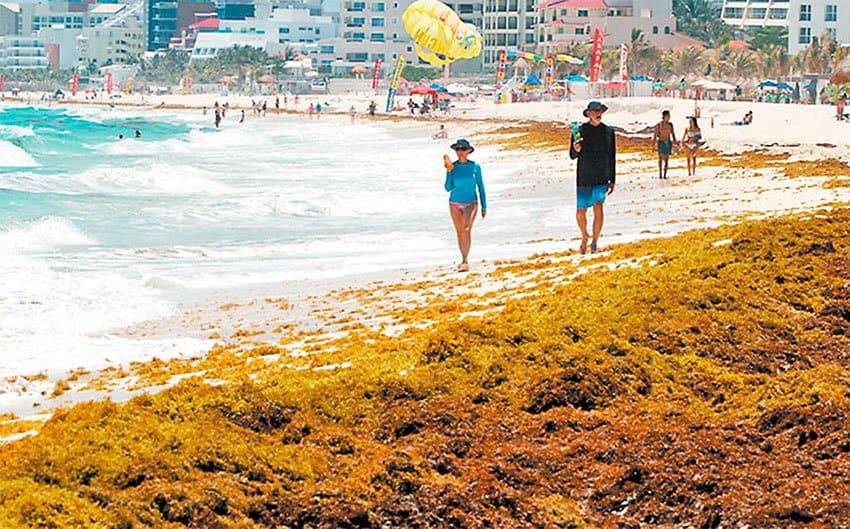
    The Caribbean coastline is confronting an unprecedented environmental challenge as massive sargassum seaweed inundations overwhelm Mexico’s iconic Riviera Maya region. Recent drone surveillance reveals extensive stretches of formerly pristine beaches now blanketed under dense layers of brown algae, transforming the area’s celebrated turquoise waters into extensive mats of vegetation.

    Scientific projections from the University of South Florida’s Optical Oceanography Laboratory indicate this represents merely the initial phase of a escalating crisis. Their January 2026 bulletin documented a alarming surge in sargassum biomass across the Caribbean basin, with volumes skyrocketing from 0.45 million metric tons in December 2025 to 1.7 million metric tons within a single month. Researchers anticipate further acceleration through February, potentially establishing new regional records.

    While Mexican authorities, including Rear Admiral Topiltzin Flores Jaramillo overseeing cleanup operations, express confidence in existing mitigation strategies, frontline tourism workers report increasingly overwhelmed response capabilities. Ángela Robles, a seasonal hospitality worker between Los Cabos and Riviera Maya, confirms substantial visitor disappointment despite maintained arrival numbers, noting particular challenges in areas with limited maintenance resources.

    The ecological phenomenon generates tangible economic repercussions as tourists encounter substantially altered beach conditions. Visitor testimonials, including that of Tatiana from Puerto Rico, reveal widespread disappointment upon discovering extensive seaweed coverage along previously immaculate shorelines. Local enterprises face operational challenges as continuous cleanup operations struggle against the relentless algal advance.