博客

  • SVJ benadrukt: zelfregulering moet persvrijheid beschermen

    SVJ benadrukt: zelfregulering moet persvrijheid beschermen

    The Suriname Association of Journalists (SVJ) has initiated a comprehensive accreditation program aimed at organizing and professionalizing the country’s media landscape. This move comes in response to what the association describes as “wild growth” within the journalistic profession and confusion about legitimate news sources.

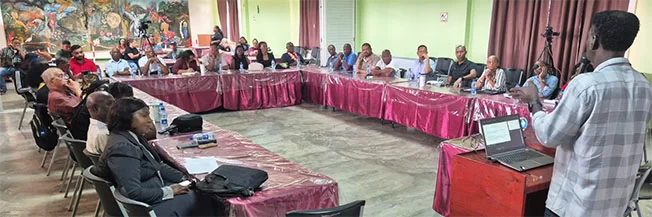
    During an information session held Saturday at the Asewa Otono building, SVJ leadership emphasized that the accreditation system represents a form of self-regulation rather than government-imposed control. The association explicitly stated that the program will not compromise journalistic freedom or facilitate government restrictions on press liberties.

    SVJ President Naomi Hoever clarified that the accreditation badge system, introduced on February 9 during the association’s 35th anniversary celebrations, requires journalists to commit to established professional ethics. The program applies to both SVJ members and non-members alike.

    “Accreditation is not designed to exclude individuals but rather to promote clarity, recognition, and quality within the journalistic profession,” Hoever stated during the well-attended session that drew significant interest from media professionals across Suriname.

    The association presented multiple arguments demonstrating why professional organization has become essential. Current challenges include uncertainty about what constitutes legitimate news, confusion about which media companies qualify as recognized news organizations, and questions about who practices journalism responsibly according to professional codes.

    Self-regulation through accreditation is presented as an internationally proven model that provides guarantees to both government and society that journalism is being practiced responsibly. The SVJ maintains that journalistic regulation cannot be entrusted solely to the central government, as press freedom doesn’t lend itself to purely legal ordering through legislation.

    The initiative aims to protect the journalistic profession, promote responsibility, counter uncontrolled growth in media, and advance professionalization standards that align with existing national and international benchmarks.
  • Grading the NDP

    Grading the NDP

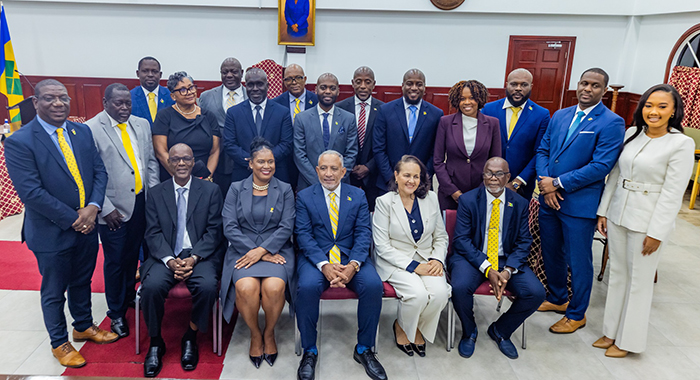
    A wave of voter disillusionment is sweeping through the constituency as the newly elected New Democratic Party (NDP) administration faces mounting criticism for its perceived inability to deliver on campaign promises. Many citizens who had eagerly anticipated a change in government now find themselves resonating with Bob Marley’s “Waiting in Vain,” reflecting widespread sentiment that the administration lacks the decisive leadership necessary for meaningful transformation.

    Prime Minister Friday has received a mediocre grade of C from constituents. While acknowledging positive measures such as VAT-free shopping initiatives, vaccine mandate relief, increased poor relief allocations, Bequia airport resurfacing, and bonus distributions, voters criticize his persistent indecisiveness and delayed responses to urgent matters. Reports indicate that despite multiple audiences with the Prime Minister seeking redress for issues ignored by other ministers, constituents remain without resolution.

    Several cabinet members are facing particularly harsh evaluations. Minister Bramble earns a D- grade due to controversial appointment decisions that have alienated his core supporters. Voters strongly oppose the reappointment of individuals associated with the previous administration’s 25-year tenure, accusing Bramble of political misdirection.

    Terrance Ollivierre similarly receives a D- rating for his inadequate attention to the community college portfolio. Allegations of ongoing corruption, maintained ULP-established board control, and disproportionate salary increases for favored staff members have prompted college employees to escalate concerns to higher government officials. The apparent absence of the Accreditation Board further compounds these issues.

    Minister Phillip Jackson earns a D grade for his failure to maintain communication and address ministerial friction that has created a challenging work environment. His perceived inability to manage multiple responsibilities simultaneously has disappointed those who expected innovative leadership.

    Other ministers including Conroy Huggins (Grade C), Kishore Shallow (Grade C-), and Shevern John (Grade C) are criticized for similar patterns of unreturned communications and indecisiveness, suggesting a broader administrative disconnect from public needs.

    The administration faces additional scrutiny over the apparent continuation of ULP-era figures in decision-making positions and the emergence of an elitist clique. Questions regarding campaign donation influences on board appointments further erode public trust. Political analysts suggest that were it not for the ULP’s current weakness, the NDP would already face significant reelection challenges.

  • Ashoresoca warns of risks to tourism due to conflicts in Cabarete; supports improved beach access

    Ashoresoca warns of risks to tourism due to conflicts in Cabarete; supports improved beach access

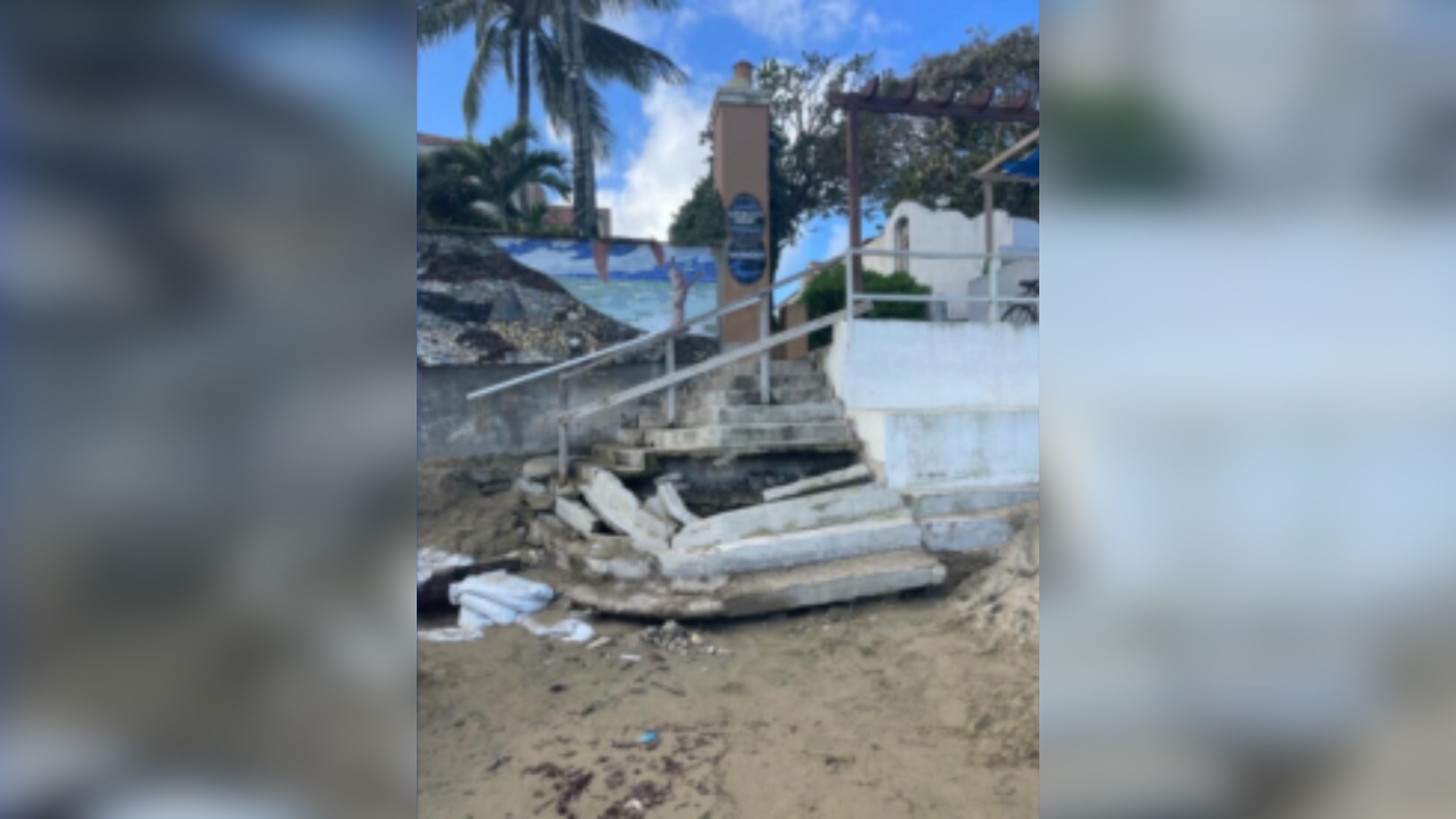
    The Hotel and Restaurant Association of Sosua and Cabarete (Ashoresoca) has issued a stark warning that escalating tensions between government authorities could severely damage the tourism prospects of Cabarete, a vital coastal destination in Puerto Plata province. This alert follows a highly visible verbal confrontation between personnel from the Dominican Navy and district director Freddy Cruz regarding beach access protocols during ongoing infrastructure improvements.

    Antonio Cárdenas, President of Ashoresoca, emphasized that such public disputes create detrimental perceptions among both current visitors and potential investors. This development arrives at a particularly sensitive juncture as the region intensifies efforts to enhance its tourism infrastructure and market competitiveness.

    While the association explicitly supports the coastal intervention project—recognizing its critical importance for enhancing organizational efficiency, visitor safety, and overall market positioning—it has urgently called for immediate diplomatic resolution to inter-agency conflicts. Industry leaders stress that any delays in completing these vital developments could generate substantial negative economic repercussions for the local tourism-dependent economy.

    The association advocates for structured dialogue between all stakeholders to ensure project continuity, maintaining that coordinated execution of improvement works is essential for safeguarding Cabarete’s reputation as a premier Caribbean destination.

  • Social Protection : OFATMA strengthens its partnership with the MSPP

    Social Protection : OFATMA strengthens its partnership with the MSPP

    In a significant move to reform Haiti’s healthcare infrastructure, the Ministry of Public Health (MSPP) and the Office of Occupational Accident, Illness, and Maternity Insurance (OFATMA) have launched a comprehensive three-day strategic retreat from March 22-24, 2026. This collaborative initiative marks a pivotal moment in Haiti’s ongoing efforts to enhance social protection systems and healthcare delivery mechanisms.

    The retreat represents a profound political commitment to transforming health coverage frameworks, with both institutions working in unison to establish more equitable, efficient, and sustainable healthcare access for insured citizens. Key agenda items include thorough analysis of current insured population statistics, systematic examination of claims processing challenges, and detailed review of the draft Memorandum of Understanding (MoU) order.

    Participants are engaged in intensive technical and strategic dialogues focused on developing concrete solutions for healthcare access, coverage parameters, and payment systems. The collaborative environment emphasizes co-creation principles, operational transparency, and distributed accountability among all stakeholders.

    The culmination of this strategic gathering will be the formal signing of a structural protocol agreement designed to reinforce health governance frameworks and strengthen social protection systems. This protocol will institutionalize OFATMA’s renewed commitment to prioritizing insured individuals’ needs while creating sustainable mechanisms for improved healthcare service delivery across Haiti’s social protection network.

  • Sunrise Airways : Historic direct connection between Cap-Haïtien and Boston

    Sunrise Airways : Historic direct connection between Cap-Haïtien and Boston

    In a landmark development for Caribbean aviation, Haiti’s Sunrise Airways has inaugurated a pioneering direct air route connecting Cap-Haïtien (CAP) and Boston (BOS). This service establishes the first-ever direct flight connection between northern Haiti and the United States, representing a transformative moment for both aviation infrastructure and diaspora connectivity.

    The newly launched route serves as a strategic corridor linking one of Haiti’s key cultural centers with the substantial Haitian community residing in the Northeastern United States. Greater Boston and surrounding regions are home to hundreds of thousands of Haitian Americans who have historically faced limited direct access to their northern homeland.

    According to Gary Stone, Chief Executive Officer of Sunrise Airways, this initiative transcends conventional airline routing. “This inaugural flight represents more than just a new route—it constitutes a vital bridge. A bridge connecting Cap-Haïtien with the diaspora community that has sustained Haiti’s spirit abroad. Our airline takes immense pride in facilitating this meaningful connection,” Stone stated.

    The operational structure will feature weekly flights utilizing a 180-seat Airbus A320 aircraft. Outbound journeys from Cap-Haïtien to Boston will operate on Tuesdays, with return flights scheduled for Wednesdays. This schedule eliminates previous necessity for time-consuming connections through Port-au-Prince or other intermediary hubs.

    This aviation milestone forms part of Sunrise Airways’ broader expansion strategy to enhance connectivity between Haiti and its international diaspora communities across North America. The airline continues to develop its network connecting Haiti to strategic markets including Miami, Fort Lauderdale, Newark, and multiple Caribbean destinations.

    The route inauguration signals significant potential for economic development in northern Haiti while providing unprecedented convenience for diaspora travelers seeking direct access to Haiti’s cultural heartland beyond the capital region.

  • UEH : A Year of Governance, Executive Council Review

    UEH : A Year of Governance, Executive Council Review

    In a striking demonstration of institutional resilience, Haiti’s State University (UEH) has navigated a year of profound challenges under the leadership of Rector Dieuseul Prédélus. Despite operating in one of the world’s most severe security crises that caused significant material damage and operational disruptions, UEH’s Executive Council has successfully maintained educational continuity through innovative measures.

    The university implemented comprehensive digital solutions including distributing SIM cards with 30GB monthly data and tablets to students, while equipping full-time professors with Starlink internet kits. Administrative offices were temporarily relocated to preserve university services, and a groundbreaking health insurance protocol was established for students through partnership with OFATMA.

    Administrative modernization became a cornerstone achievement with the launch of a fully online admissions platform, digitization of archives, creation of a digital library, and deployment of a new website with centralized academic database.

    Internationally, under Vice-Rector Predner Duvivier’s guidance, UEH forged strategic partnerships across four continents, including collaborations with York University, Laval University, and Elms College focused on joint degrees and international mobility. The institution also introduced a new Master’s program in Public Policy Analysis at FDSE while streamlining diploma processing.

    The university’s ambitious 2025-2029 Strategic Plan outlines five transformative pillars: enhanced Research & Innovation through increased funding and an AI Research Center; improved Student Life with expanded services and facilities; Governance reform through new organic laws and transparency; Decentralization via campus development; and Human Capital investment through salary increases and better benefits.

    Student representative Ms. Marc-Lyse Cantave noted that UEH has transitioned from crisis management to fundamental reform, while staff member Bertil Victorin described the changes as a ‘glimmer of hope.’ This foundational year positions knowledge as the ultimate lever of Haiti’s sovereignty despite ongoing national instability.

  • DNL: Cassavecrisis, overheid laat hoofdvoedsel binnenland instorten

    DNL: Cassavecrisis, overheid laat hoofdvoedsel binnenland instorten

    Suriname is confronting a severe agricultural emergency as an aggressive cassava disease continues to devastate crops across the nation after nearly two years of uncontrolled spread. The viral infection, identified as cassava mosaic disease, has reached epidemic proportions, destroying vast agricultural fields and threatening food security for thousands of families.

    The pathogen, which causes severe leaf discoloration, growth stagnation, and drastic yield reduction, spreads rapidly through contaminated plant material and insect vectors such as whiteflies. What began as an agricultural concern has now escalated into a full-blown national crisis, with once-fertile fields transformed into barren landscapes without harvestable produce.

    Cassava serves as the staple food for interior communities and remains a cherished crop nationwide for producing traditional foods including bojo and chips. The escalating disease now directly endangers the nutritional security of these populations, creating acute food shortages in remote regions.

    Despite repeated warnings from agricultural experts and clear recommendations to declare a phytosanitary emergency—mirroring responses implemented in neighboring Brazil and French Guiana—the Ministry of Agriculture, Livestock, and Fisheries has largely limited its response to media statements. The absence of coordinated action has facilitated mass disease propagation across agricultural regions.

    The Scientific Bureau of DNL, through chairman Rakesh Jhagroe, has issued an urgent call for immediate government intervention. Their comprehensive demands include: immediate destruction of infected fields; halting cassava cutting imports; producing disease-free planting material through CELOS; providing direct support to interior farmers; establishing cross-border collaboration with Brazil and French Guiana; creating a national emergency command for coordination; and implementing intensive awareness campaigns for village communities and agricultural workers.

    Without immediate national mobilization, Suriname stands on the brink of complete cassava production collapse, potentially eliminating the primary food source for thousands of households. Delayed action could precipitate a humanitarian disaster with far-reaching consequences for the nation’s food sovereignty and rural livelihoods.

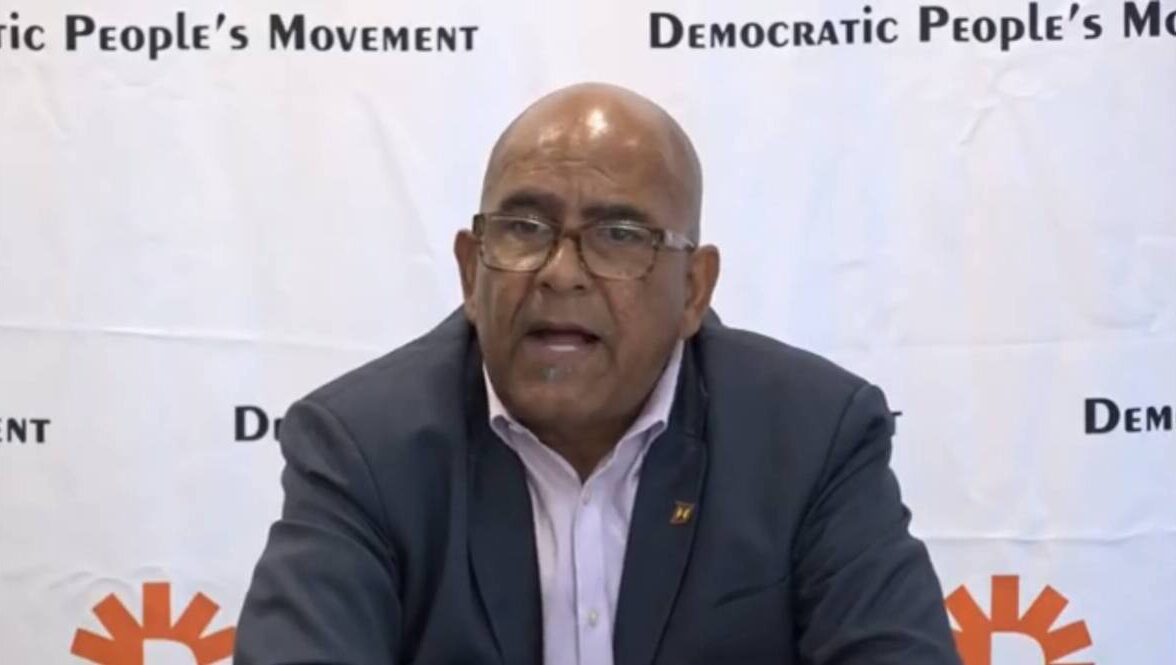
  • Democratic People’s Movement to hold its first congress

    Democratic People’s Movement to hold its first congress

    The Democratic People’s Movement (DPM) is poised to mark a significant milestone in Grenada’s political landscape with its inaugural congress scheduled for Sunday, 22 March at the Grenada Trade Centre. This foundational gathering will assemble delegates from all 15 constituencies to establish the party’s national executive leadership, formally ratify its constitution, and introduce its initial cohort of electoral candidates.

    The timing of DPM’s organizational launch occurs amidst increasing political competition, with the opposition New National Party (NNP) having already declared a complete slate of 15 candidates. The ruling National Democratic Congress (NDC) is similarly expected to contest all constituencies. Further complicating the political field, the newly established People’s National Party (PNP) under former senator and minister Jonathan La Crette has entered the arena, though it has not yet revealed its candidate roster.

    Interim Chairman Alister Bain confirmed that while the party will not immediately disclose its full candidate lineup, the DPM intends to compete comprehensively across all constituencies. “We are prepared to contest every constituency and to assume national governance,” Bain stated, emphasizing the party’s commitment to inclusive leadership that prominently features youth and women in decision-making roles.

    The movement has developed its policy platform through extensive community consultations, employing what it describes as a “bottom-up process” to identify candidates and prioritize practical outcomes. Core policy focuses include sustainable employment opportunities, food security initiatives, and accessible healthcare systems.

    With the next general election constitutionally mandated by 2027 but subject to earlier calling, Grenada’s political environment continues to intensify as multiple parties position themselves for electoral contention.

  • Dominican Republic will host international meeting on sea turtle conservation

    Dominican Republic will host international meeting on sea turtle conservation

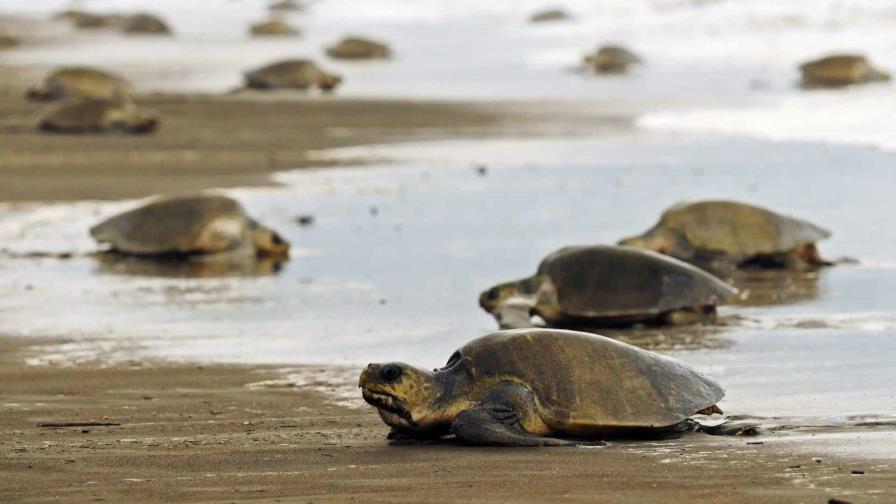
    Santo Domingo will transform into the epicenter of marine conservation efforts as the Dominican Republic prepares to host the prestigious Annual Meeting of the Wider Caribbean Sea Turtle Conservation Network (Widecast) from March 26-29, 2026. This pivotal gathering will unite scientific experts and conservationists from across the Caribbean basin to address critical challenges facing endangered sea turtle populations.

    The Ministry of Environment’s Vice Ministry of Coastal and Marine Resources confirmed the four-day symposium will facilitate unprecedented regional collaboration. Widecast represents a formidable coalition of conservation professionals spanning more than 40 nations and territories, collectively working to reverse population declines through scientifically-grounded management strategies.

    Central to the event’s mission is advancing technical exchange and scientific cooperation throughout the Wider Caribbean region. The network’s coordinated approach emphasizes capacity building and knowledge sharing to enhance conservation outcomes for multiple threatened sea turtle species.

    A dedicated session on March 27 will spotlight the Dominican Republic’s conservation initiatives, featuring comprehensive presentations from national institutions. These will showcase monitoring methodologies, community engagement programs, and educational campaigns implemented throughout the country’s coastal regions. Discussion will focus on identifying both persistent challenges and emerging opportunities in species protection.

    The urgency of these efforts is underscored by recent conservation data. During 2025, environmental authorities monitored 237 leatherback and hawksbill sea turtle nests across Dominican beaches. Conservationists implemented strategic interventions including the careful relocation of 71 vulnerable nests for protected incubation, while 166 nests remained in their natural habitats. These efforts culminated in the successful emergence of 635 hatchlings, demonstrating tangible progress in regional preservation initiatives.

  • Fundación Movido brings together traffic leaders to transform the road culture of motorcyclists in the DR

    Fundación Movido brings together traffic leaders to transform the road culture of motorcyclists in the DR

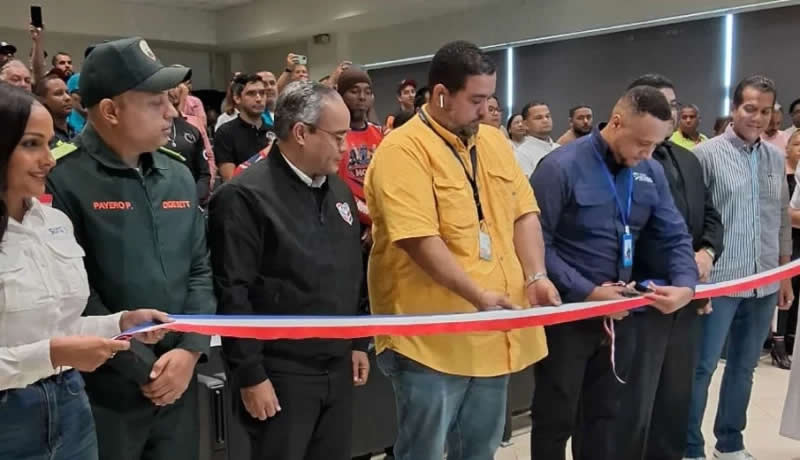
    The Dominican Republic has initiated a comprehensive national effort to combat its escalating road safety crisis through the First Road Safety Congress for Motorcyclists, titled “Safe Course.” Organized by the Dominican Road Mobility Foundation (Movido), the landmark event convened at the High Technology building of the Autonomous University of Santo Domingo’s Faculty of Engineering and Architecture, bringing together the nation’s foremost transportation authorities and safety experts.

    The congress centered on the critical premise that “investing in road safety is not an expense, but an investment in human lives, productivity and social welfare.” This foundational concept guided discussions among key participants including Engineer Omar Segura, Dean of UASD’s Faculty of Engineering and Architecture; Joel Gneco, Director of Transit at the National Institute of Transit and Land Transport (Intrant); and Franklin Glass, Executive President of the Dominican Chamber of Insurers and Reinsurers (Cadoar).

    Engineer Segura delivered a technical analysis highlighting how street design directly impacts accident rates, noting that “the motorcycle is highly sensitive to the environment of life.” He explained that common road conditions like potholes or inadequate drainage significantly reduce grip, creating potentially fatal hazards for motorcyclists. Segura proposed five strategic solutions: implementing inclusive road design standards, ensuring continuous pavement maintenance, adapting protective metal railings specifically for motorcycle safety, applying effective technological controls, and strengthening specialized education programs.

    Complementing the engineering perspective, psychologist Ofelia Mera addressed the human factors in road safety, emphasizing that on-the-road behavior reflects drivers’ personality traits and cognitive abilities. She defined risk perception as a “cognitive-emotional process through which traffic users interpret, assess the probability of suffering the accident, and the magnitude and consequences.”

    Franklin Glass presented startling comparative data, revealing that while the COVID-19 pandemic prompted nationwide lockdowns after causing 4,200 deaths over eighteen months, the country records approximately 3,400 annual traffic fatalities without comparable economic disruption. Glass highlighted that only 38% of motorcyclists carry insurance and proposed developing accessible, tailored policies covering health, life, accident, and theft protection.

    The congress concluded with a practical emergency response drill conducted by Civil Defense personnel, while recognizing contributions from transportation advocates Maribel Bellapart, Miguel Franjul, and Yindhira Taveras.