博客

  • From local acts to Ada Ehi and Tye Tribbett, Kingdom Night delivered

    From local acts to Ada Ehi and Tye Tribbett, Kingdom Night delivered

    Against the backdrop of the iconic Saint Lucia Jazz and Arts Festival, a one-of-a-kind worship-focused experience is solidifying its unique standing as a fan-favorite staple: Kingdom Night. Unlike the festival’s mainstage spectacle at Pigeon Island, where audiences typically leave their seats behind as darkness falls, the 2026 iteration of Kingdom Night offered something entirely different — a quiet, intentional space for reflection and connection amid the island’s busy celebration of art and sound.

    From the opening chords to the final encore, many attendees chose to remain seated throughout the entire experience. In most large festival concerts, this static crowd dynamic might signal a disconnect between performers and their audience. But at Kingdom Night, it carried the opposite meaning: a deep, engaged absorption in every lyric, every message, and every note. As artists wove together musical performances and spoken preaching, audience members hummed along, softly echoed refrains back to the stage, lifted their hands in devotion, and tilted or bowed their heads in quiet reflection. What unfolded was not a raucous mainstage party, but an intimate, deeply personal concert experience that resonated with everyone in attendance.

    The evening opened with a stacked lineup of local and emerging Christian artists, including the James Sisters, Dr. Selma St. Prix, ShirleyAnn Cyril-Mayers, Nigela St. Clair-Daniel, Steffi-Ann St Clair, and Dwayne Brown, backed by a team of talented supporting vocalists. Their sets leaned into the rich, chorus-centered worship music familiar to Christian communities across the globe, and the uplifting melodies reverberated across the open park. The performance drew a warm, enthusiastic reception from a cross-generational crowd that included men, women, and children of all backgrounds.

    One of the night’s most energetic standout moments came from Arnold AJ Jules, who brought an infectious, electrifying spark to the stage with his signature fiery style of gospel rap. His high-octane set whipped the crowd into engaged excitement, turning the energy of the venue up several notches ahead of the night’s headliners.

    When celebrated gospel star Ada Ehi stepped into the spotlight, the atmosphere of the venue shifted once again. Drawing from her deep catalogue of beloved praise and worship hits, Ehi crafted a fully immersive experience that pulled even the most reserved attendees to their feet. Fans danced, jumped, and sang along to every word, bridging the gap between stage and audience in a shared celebration of faith and music.

    Closing out the night in dynamic, commanding fashion was headliner Tye Tribbett. Bursting with unbridled energy from his first entrance, Tribbett’s set masterfully blended rapid dance movement, exuberant worship, and heartfelt preaching. Like every performer before him that evening, he moved seamlessly across varying musical moods, catering to the wide range of preferences among the diverse crowd. From fast, high-energy praise anthems to the moving, reverent classic “Yeshua” — which hush the entire venue into a soft, unified singalong that hung in the night air — Tribbett delivered a performance that gave Kingdom Night 2026 a truly unforgettable closing.


  • Politiebond spreekt van ernstige verstoring overleg met korpsleiding

    Politiebond spreekt van ernstige verstoring overleg met korpsleiding

    A major rift has emerged between Suriname’s national police leadership and the Suriname Police Union, after the union launched a forceful protest over the sudden termination of a high-stakes negotiating session between the two parties last Wednesday.

    The breakdown of talks, held on May 6, centered on a disagreement over the participation of one union board member who has been temporarily suspended from active police duty pending an ongoing internal investigation. Police leadership took the firm position that the suspended member was not eligible to join the consultation as a representative of the union. When no compromise could be reached on the issue, senior police leaders exited the meeting room early, bringing the entire session to an unplanned close.

    In an official protest letter addressed to National Police Chief Melvin Pinas, union chairman Revelino Eijk has labeled the incident a “serious incident” that inflicts lasting damage on the institutional relationship between police command and the country’s police labor organization. Eijk emphasized that the abrupt end to talks has put the entire framework of social negotiation between the two sides under severe strain, leaving a slate of critical issues related to the welfare of rank-and-file officers and organizational development completely unaddressed.

    The union has pushed back firmly against police leadership’s stance, noting that the suspended board member attended the meeting in their capacity as a democratically elected representative of the labor union, not as an active duty police officer. The union maintains that the authority to decide the composition of its own negotiating delegation rests exclusively with the union itself, not with police management.

    To back its position, the organization cites Article 4 of Suriname’s 2016 Law on Trade Union Freedom, adopted on December 15 that year. The legislation explicitly prohibits employers from implementing discriminatory measures against trade union board members or representatives. The union argues that police leadership’s actions create the clear impression that the board member is being treated unequally and subjected to restricted treatment solely because of their role in the union.

    Eijk stressed that walking away from the table does nothing to foster a mature, constructive working relationship between the two sides. Differences of opinion could have been worked through through open dialogue, the union says, without shutting down the entire consultation process entirely. The incident represents a serious disruption to social dialogue that undermines healthy labor relations, mutual institutional respect, and productive collaborative work, the union added.

    This is not the first time the union has raised concerns about the dynamic between the two organizations: Eijk noted that the union has previously reminded police leadership of the critical importance of mutual respect, open communication, and respectful institutional engagement in the partnership between the two groups. The union is now calling for future negotiating sessions to be held in an environment rooted in professionalism, mutual respect, and open, constructive dialogue. A copy of the protest letter has also been sent to Harish Monorath, Suriname’s Minister of Justice and Police, for further review.

  • SSB Reviews Plan That Could Change Your Pay Cheque Deductions

    SSB Reviews Plan That Could Change Your Pay Cheque Deductions

    Scheduled for implementation discussion by 2026, a fundamental restructuring of Belize’s social security contribution system is moving forward, with the Social Security Board (SSB) currently refining a landmark proposal that would reshape how workers’ payroll deductions are calculated. The reform effort comes after months of extensive nationwide outreach that gathered input from government representatives, labor unions, business owners, and working people across the country, representing more than 1,000 individual stakeholders.

    For decades, Belize has relied on a rigid wage-band framework that divides workers into 13 distinct contribution tiers based on their earnings brackets. This long-standing system is now targeted for replacement under the SSB’s proposal, which would shift to a proportional income-based calculation structure. Board officials argue that the update would streamline administrative processes, create a more transparent deduction system, and boost overall operational efficiency for both the agency and contributing employers.

    One of the most consequential proposed updates addresses the contribution floor — the minimum earnings base used to calculate Social Security deductions. This figure has not been adjusted since 2001, remaining stuck at $55, and the proposal would raise it to $130 to align with decades of wage growth and economic change in Belize.

    According to SSB Chief Executive Officer Jerome Palma, early public feedback has already shaped the trajectory of the reform, leading the board to walk back an initial plan for a universal one-size-fits-all flat contribution model. During consultations, lower-income workers and advocacy groups raised consistent concerns that a single flat rate would disproportionately increase payroll deductions for the lowest earning cohorts, leaving them with a higher proportional burden than they face under the current system.

    After compiling and analyzing feedback from the first round of engagement, the board confirmed that there is broad public support for a multi-tiered proportional system that would apply different rules to lower, middle, and higher income groups to ensure fairness across earnings levels. The SSB will now revise the draft proposal to incorporate this input, with plans to launch a second round of public consultations later this year to gather additional feedback before finalizing any changes.

  • SSB Reveals Record $130 Million Investment

    SSB Reveals Record $130 Million Investment

    In a landmark announcement for Belize’s social security system, the Social Security Board (SSB) has disclosed that it has deployed a record-breaking $130 million in new investments since the start of 2026 – the largest single-year capital allocation in the institution’s history.

    Every employed Belizean contributes regularly to the national Social Security program, which provides critical social safety net benefits including retirement pensions, disability support, and medical assistance to eligible citizens. This latest investment update answers long-standing public interest about how the program’s accumulated funds are managed and deployed to generate long-term returns.

    According to SSB officials, the majority of this year’s new investment has been allocated to shares and bonds issued by Hydro Belize, the national energy provider that supplies 100 percent of the power generated for Belize Electricity Limited (BEL), the country’s main electricity distributor.

    Leo Vasquez, SSB’s General Manager of Finance and Investment, broke down the tangible benefits of this strategic allocation for the program. Vasquez noted that the equity portion of the Hydro Belize holdings alone is projected to deliver approximately $4 million in annual dividend income to the Social Security fund. This consistent passive income will strengthen the program’s financial position and support its ability to pay out future benefits to contributors.

    With this latest round of investments, the total value of SSB’s holdings in domestic Belizean markets now reaches $654 million. Looking ahead, institution leaders have identified expansion into international markets as the next strategic priority to diversify the fund’s portfolio and reduce exposure to domestic market volatility.

    More in-depth reporting on this historic investment, including additional details about portfolio allocation and long-term strategic plans, will be broadcast during News 5 Live’s 6 o’clock prime time segment this evening.

  • Belize, UN Map Out Country’s Development Future

    Belize, UN Map Out Country’s Development Future

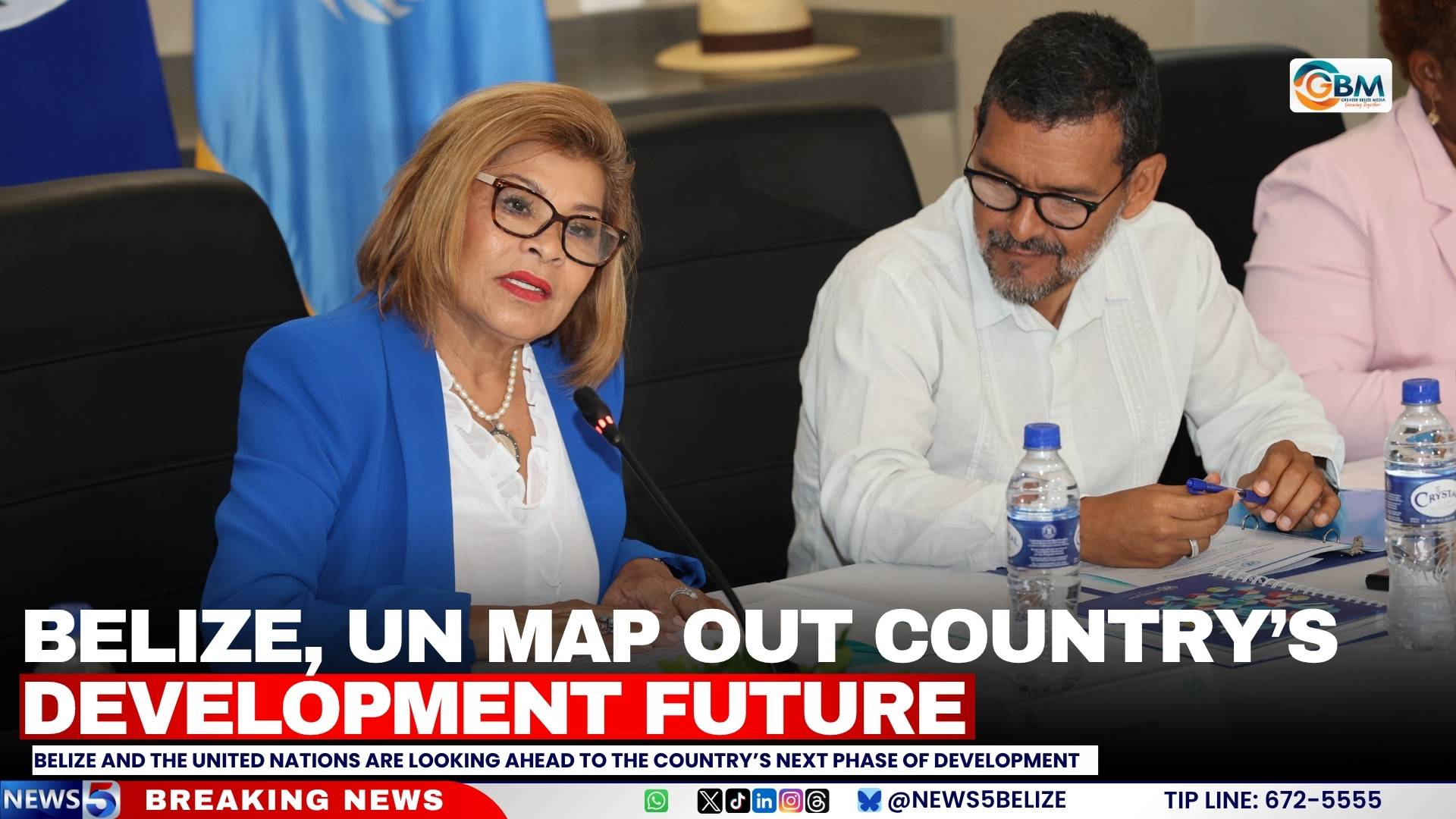
    On May 7, 2026, senior representatives from the Government of Belize and the United Nations Country Team convened in Belmopan, the nation’s capital, for the 7th Joint National Steering Committee Meeting to lay the groundwork for Belize’s long-term development trajectory.

    The high-level gathering brought together chief executive officers, top-ranking government officials, and leaders of UN agency operations in the region to carry out two core tasks: first, a comprehensive review of progress delivered under the existing UN-Belize cooperation framework, and second, early collaborative planning for the next five-year development cycle spanning 2027 to 2031.

    Central to the day’s deliberations was Plan Belize 2.0, the Belizean government’s medium-term national development blueprint that sets strategic priorities through 2030. Attendees also explored ways to refine UN support structures to better align with Belize’s national objectives across key priority areas, including inclusive sustainable growth, cross-sector coordination, and broad-based economic advancement.

    Amalia Mai, Chief Executive Officer of Belize’s Ministry of Foreign Affairs and Foreign Trade, emphasized the enduring value of the bilateral partnership. She noted that the UN has long played an indispensable role in Belize’s development journey, providing critical technical expertise, facilitating constructive policy dialogue, and supporting the mobilization of financial and human resources to advance the country’s development agenda.

    Raul Salazar, the United Nations Resident Coordinator for Belize, echoed Mai’s remarks while underscoring a key priority for the next cooperation cycle. He stressed that all UN-backed initiatives must continue to deliver tangible, measurable outcomes that directly improve quality of life for ordinary Belizean citizens.

    As the meeting concluded, both sides issued a joint reaffirmation of their shared commitment to continued collaborative action. The partnership will focus not only on advancing Belize’s nationally defined development goals but also on progressing the global Sustainable Development Goals that frame international development cooperation for all member states.

  • IMF Calls for Better Connectivity, Financial Sector Reforms and Skills Development in Antigua and Barbuda

    IMF Calls for Better Connectivity, Financial Sector Reforms and Skills Development in Antigua and Barbuda

    Against a backdrop of mounting global economic volatility and escalating climate-related risks, the International Monetary Fund (IMF) has laid out a comprehensive roadmap of targeted long-term reforms designed to lift Antigua and Barbuda’s global competitiveness, reinforce financial governance, and harden the small island nation against future economic shocks.

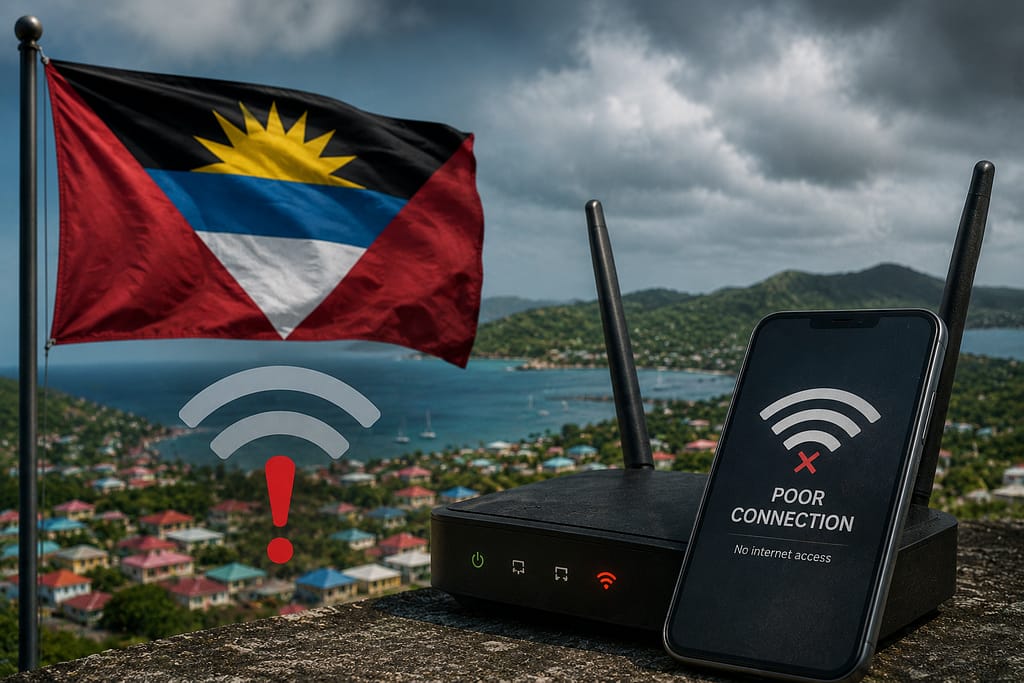
    The recommendations are outlined in the IMF’s latest Article IV consultation, a regular statutory assessment of member states’ economic health and policy frameworks. In the document, fund directors emphasize that upgrading domestic connectivity is a critical foundational step to unlock growth in trade, tourism—Antigua and Barbuda’s historic economic backbone—and boost the country’s overall competitive standing in the Caribbean region. To complement infrastructure improvements, the IMF urges the Antiguan government to streamline inefficient port and customs clearance procedures, while adopting a rigorous approach to prioritizing public infrastructure projects to avoid wasteful spending and unsustainable debt burdens.

    One pressing bottleneck highlighted by the consultation is the country’s persistent skills gap. IMF directors warn that without targeted intervention to address workforce shortages, the constraint will drag on medium and long-term economic expansion, limiting the country’s ability to capitalize on growth opportunities in key sectors.

    Beyond competitiveness and labor market adjustments, the IMF places significant emphasis on strengthening regulation of the domestic financial sector, with a particular focus on the credit union segment. The fund recommends a fundamental shift away from traditional compliance-focused supervision toward a modern risk-based oversight model, alongside targeted actions to improve loan loss provisioning practices and shore up capital buffers across the sector to mitigate systemic risk.

    Two additional policy priorities identified in the report are strengthening the country’s anti-money laundering (AML) and counter-terrorism financing (CTF) regulatory frameworks, and enhancing oversight of Antigua and Barbuda’s high-profile Citizenship by Investment Programme (CIP), a key source of foreign revenue for the island nation. The IMF also stresses that upgrading national data collection and management systems is an overlooked but critical reform, noting that robust, high-quality economic data is a prerequisite for crafting effective, evidence-based public policy that drives sustainable growth.

    The release of the recommendations comes as Antigua and Barbuda maintains a steady trajectory of economic expansion. The IMF projects the country will record real gross domestic product growth of 3 percent in 2025, with growth largely fueled by ongoing construction activity, even as the key tourism sector faces softer demand than in previous post-pandemic recovery years.

  • ‘There Are Some Things a Machine Just Cannot Replace’

    ‘There Are Some Things a Machine Just Cannot Replace’

    As Belize City steadily advances its transition toward a fully digital, modernized public bus system, city officials have made a clear commitment to preserving one core on-board feature that technology cannot replicate: human conductors. For daily commuters across the capital, the most beloved part of traveling on the city’s new fleet of electric buses is not the on-board WiFi connectivity or convenient device charging ports that come with the upgraded service. What riders value most, many say, is the warm, familiar greeting and welcoming smile that meets them when they step onto the bus.

    In an interview outlining the city’s public transit strategy, Erin Garnett, Director of Communications for the Belize City Council, explained that the human role on buses fills critical gaps that even the most advanced automated fare and boarding systems cannot match. Conductors fulfill a range of hands-on, compassionate duties that go far beyond collecting payments: they assist elderly commuters with boarding safely, offer one-on-one support to passengers with disabilities, help manage crowd control and maintain order during peak rush hour travel, and accept cash fares for the large share of riders who have not yet adapted to cashless payment systems.

    “There Are Some Things a Machine Just Cannot Replace,” Garnett emphasized, noting that automated systems cannot offer the gentle physical assistance a disabled passenger needs to get settled, or check in on a rider who may be having a difficult day. These small, human acts of care add immeasurable value to the public transit experience, especially for vulnerable populations that rely on buses for daily travel.

    While the Belize City Council does have a long-term goal of reaching a fully digital bus system, leaders stress that the shift will be gradual, paced to match the needs of the city’s diverse ridership. Many commuters, particularly older residents, still prefer to pay with cash and feel more comfortable having a human staff member on board to address any concerns that arise during their trip. To meet these needs, conductors will remain a fixture on Belize City’s buses for the foreseeable future.

    Local media outlet News 5 has announced that it will air an in-depth interview tonight on its 6 o’clock *News 5 Live* broadcast featuring Bernalita Lewis, one of Belize City’s most well-known conductors who has become a reassuring, familiar face for thousands of daily riders. The segment will explore Lewis’s personal story and the impact of her work that keeps commuters returning to the city’s buses with confidence.

  • Hantavirus risk remains low amid cruise ship cluster, officials say

    Hantavirus risk remains low amid cruise ship cluster, officials say

    A small cluster of hantavirus infections linked to a Central Atlantic cruise ship has triggered monitoring efforts from regional and global health bodies, who are working to ease public panic while reinforcing border surveillance protocols.

    Local medical leaders in Barbados, a key Caribbean cruise hub, have moved quickly to reassure residents and visitors that the situation remains contained. Dr. Lynda Williams, president of the Barbados Association of Medical Practitioners, told local outlet Barbados TODAY that there is no current justification for widespread alarm. “We are watching it, we’re observing and we’re listening to the updates,” Williams said, noting that the World Health Organization has not issued elevated warnings at this stage.

    Williams explained that while hantavirus is not typically transmissible between humans, the variant identified in the current cluster—the Andes strain—is the only documented subtype capable of limited person-to-person spread. She confirmed the affected cruise vessel has been placed under full quarantine, and the outbreak is currently under control. Hantavirus is extremely rare in Barbados, Williams added, with local cases almost always tied to direct rodent exposure, and she has only treated three to four cases across her entire decades-long career. Far more common bacterial infections like leptospirosis pose a far greater regular public health risk on the island, she noted. “It is nothing to worry about as yet. There’s nothing that has indicated to us that this is being spread in a widespread manner that is even an epidemic, furthermore, pandemic. There’s no need to panic,” Williams said.

    The global public health community was first notified of the cluster last Saturday, when the United Kingdom’s International Health Regulations focal point alerted WHO to a group of respiratory illnesses among passengers and crew aboard the Central Atlantic cruise ship. Laboratory testing has already confirmed hantavirus in one critically ill patient. As of Thursday, WHO Director-General Tedros Adhanom Ghebreyesus reported a total of eight identified cases: five confirmed infections and three suspected cases, all linked to the rare Andes strain.

    The Caribbean Public Health Agency (CARPHA), the regional body coordinating public health across Caribbean nations, has also joined efforts to calm growing public anxiety, confirming Wednesday that the overall regional risk remains low. “At this time, the risk to the Caribbean region is considered low,” said CARPHA Executive Director Dr. Lisa Indar. She explained that in the Americas, hantaviruses are most often carried by wild field rodents rather than common urban rat populations, a trait that makes sustained community transmission far less likely.

    Even with the low current risk, CARPHA is urging member states to maintain active vigilance and strengthen public health surveillance at major ports of entry, given the Caribbean’s outsized role in the global cruise industry. The region accounts for roughly 44% of global cruise traffic, and welcomed an estimated 16.3 million cruise passengers in 2025 alone. Indar noted that CARPHA’s existing Tourism and Health Information System and Caribbean Vessel Surveillance System are already active as key early warning tools to detect and respond to public health threats linked to tourism and maritime travel.

    Global WHO officials have further clarified the risks of the current outbreak, drawing a clear line between this hantavirus cluster and the emergence of COVID-19 in 2020 that triggered a global pandemic. “At this stage, the overall public health risk remains low,” Tedros confirmed. “This is not SARS-CoV-2. This is not the start of a COVID pandemic,” added Maria Van Kerkhove, WHO’s acting director for epidemic and pandemic management.

    For context, hantaviruses are a family of viruses naturally hosted by rodent populations that can cause severe, life-threatening illness in humans. Most human infections occur after direct contact with infected rodents, or exposure to their urine, droppings, or saliva. In the Americas, including South America where the Andes strain originates, infection causes hantavirus cardiopulmonary syndrome (HCPS), a severe respiratory condition with a case fatality rate as high as 50%. The Andes strain is the only hantavirus subtype with confirmed limited human-to-human transmission, which only occurs after close, prolonged contact between people—most commonly among household members, intimate partners, or healthcare workers treating infected patients. In Europe and Asia, different hantavirus subtypes cause hemorrhagic fever with renal syndrome (HFRS), marked by high fever, kidney damage or failure, and internal bleeding.

  • Cuba condemns new U.S. sanctions as Washington intensifies pressure campaign

    Cuba condemns new U.S. sanctions as Washington intensifies pressure campaign

    A fresh round of U.S. sanctions targeting Cuba has deepened a months-long pressure campaign against the Caribbean island nation, announced just hours after United Nations experts slammed Washington’s restrictions on Cuban fuel supplies as a campaign of “energy starvation” that threatens humanitarian catastrophe.

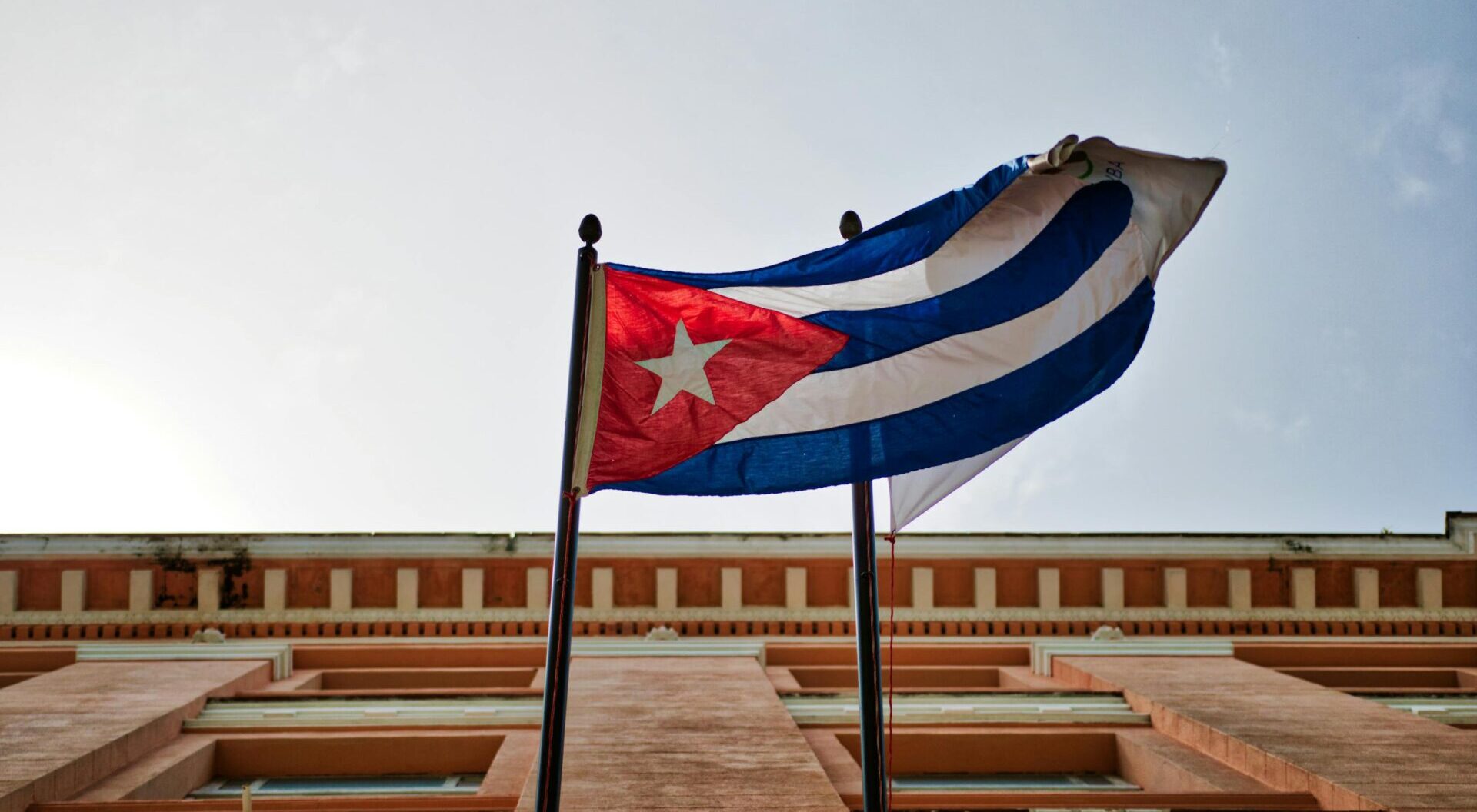
    The new measures, revealed by the U.S. Department of the Treasury on May 7, 2026, mark the first enforcement action stemming from a White House executive order signed on May 1 that escalates Washington’s decades-long economic, financial, and commercial blockade of Cuba to unprecedented levels, according to Cuba’s Ministry of Foreign Affairs. In an official statement released via the Cuban embassy, Havana issued a fierce rejection of both the executive order and the latest sanctions, which add two major Cuban entities — the group Gaesa and mining firm MoaNickel S.A. — to the U.S. Specially Designated Nationals List.

    Cuban officials characterize the move as a brutal act of economic aggression designed to expand the blockade’s impact far beyond U.S. borders, opening the door to secondary sanctions against foreign companies, banks, and third-party entities even when their operations have no legitimate connection to U.S. commercial activity. This extraterritorial overreach, the statement argues, directly violates core principles of international law and the foundational norms of global free trade, while infringing on the sovereign right of all nations to maintain independent economic and diplomatic relations with Cuba.

    The Cuban government links the latest sanctions escalation to restrictive energy measures imposed by the Trump administration in January 2026, which severely disrupted the country’s fuel imports. Together, the combined measures are pushing Cuba’s already fragile economy to the breaking point, exacerbating existing shortages of basic goods and amplifying the risk of a full-scale humanitarian crisis. U.S. diplomatic and financial pressure designed to discourage global engagement with Cuba is a deliberate tactic to cut the island off from global markets, Cuban officials say, part of a broader strategy to weaken the national economy and inflict widespread hardship on the Cuban people in an attempt to force political change.

    Worsening conditions, the ministry warns, could be leveraged by Washington as a pretext for further escalatory actions against the country. Cuba rejects any claim that external pressure justifies interference in its domestic political and economic systems, and stresses that it will continue to defend its sovereignty through diplomatic channels in international forums.

    “We denounce the criminal nature of these aggressive measures aimed at forcing the entire Cuban population to surrender through hunger and desperation and at attempting to create a social, economic, and political catastrophe on a national scale,” the statement reads. “We also reject the U.S. government’s intention to create a humanitarian crisis in order to justify more dangerous actions, including military aggression against Cuba.”

    U.S. restrictions on Cuba have a decades-long history: the original trade embargo was first imposed in 1962, and it remained in place until President Barack Obama normalized relations and lifted most sanctions during his tenure. The Trump administration reimposed sweeping restrictions in January 2026, launching a targeted energy blockade that has been expanded further through the May 1 executive order and this week’s new sanctions designations. The UN experts’ recent warning that U.S. policy has already created a crisis of “energy starvation” adds international condemnation to the escalating standoff, as Cuba calls on the global community to reject Washington’s unilateral measures and defend the principle of national sovereignty.

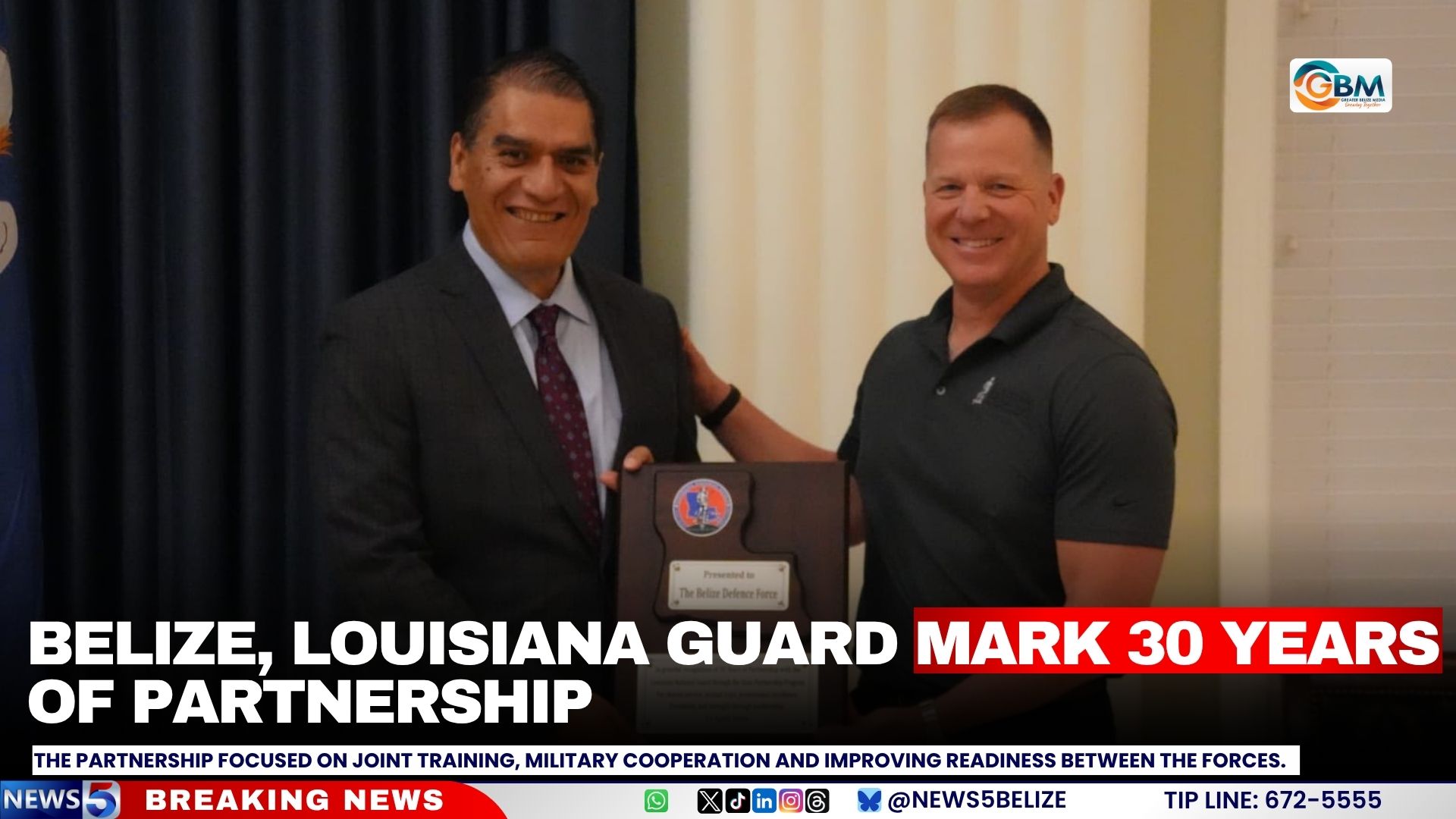
  • Belize, Louisiana Guard Mark 30 Years of Partnership

    Belize, Louisiana Guard Mark 30 Years of Partnership

    Three decades of collaborative security work between Belize’s national defense bodies and the U.S. Louisiana National Guard has hit a landmark milestone, with leaders from both sides gathering last month in New Orleans to honor 30 years of shared strategic cooperation. In April 2026, senior government and military delegates from Belize traveled to Louisiana to mark the anniversary of a partnership first established in 1996 through the U.S. National Guard’s State Partnership Program.

    The anniversary gathering brought together top leadership from both Belize and the United States, creating space to reflect on 30 years of joint progress and outline plans for future collaboration. From its launch, the core mission of the partnership has centered on coordinated tactical training, cross-force military cooperation, and enhancing operational readiness for both Belize’s Defence Force and Coast Guard. Over the 30-year timeline, the scope of the collaboration has expanded far beyond its initial military training focus, growing to encompass joint work in homeland security coordination, cross-border humanitarian aid deployment, and standardized disaster response preparedness.

    During their visit to New Orleans, Belizean delegates took part in a packed schedule of official strategic meetings, professional knowledge exchanges, and guided tours of key regional operational sites. One of the most anticipated stops on the itinerary was a visit to the National WWII Museum, where delegates explored the history of global collective security efforts. The centerpiece of the anniversary celebration was the official commemoration ceremony held at Jackson Barracks, the historic headquarters of the Louisiana National Guard. At the ceremony, leaders from both sides shared reflections on three decades of mutual trust, aligned security priorities, and people-to-people connections forged through joint training and field operations.

    Officials from both nations have emphasized the outsized impact of this 30-year partnership on regional stability in Central America and the Caribbean. Both Belizean and U.S. leadership reiterated that the ongoing collaboration remains a core pillar of bilateral security relations, creating tangible benefits for citizens of both countries and contributing to a more secure regional environment. Looking ahead, leaders have confirmed plans to deepen collaboration in emerging security areas, including climate-driven disaster response and transnational threat mitigation, building on the strong foundation laid over the past three decades.