博客

  • Iberostar consolidates operations in Cuba

    Iberostar consolidates operations in Cuba

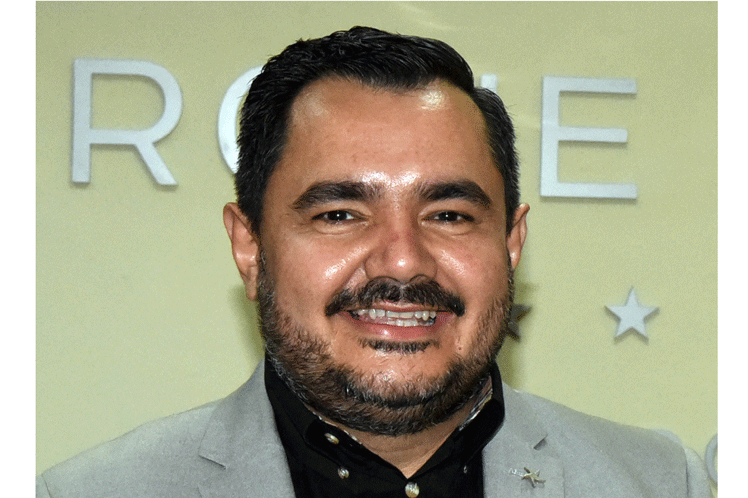
    In a strategic move to enhance the Caribbean tourism sector’s competitive edge, Iberostar Group has unveiled a comprehensive vertical integration strategy. Marketing Director Alexeis Torres disclosed to Prensa Latina that the hospitality giant established Caribbean Hotel Logistics, a specialized supplying company operating within Cuba’s Special Development Zone (ZEDM) two years ago.

    This supply chain venture, while functioning as an independent entity, serves as a critical component in Iberostar’s value chain by providing diverse food, beverage, and raw material provisions not only to Iberostar properties but also to other hotel operators throughout the Caribbean region.

    Torres emphasized that this logistical infrastructure represents a significant value-added enhancement that completes the tourism service ecosystem. The integration strategy extends beyond supply chain management with Wednesday’s scheduled inauguration of Worldtofly airline’s inaugural flight in Cuba. As another Iberostar-owned subsidiary, the aviation venture will further strengthen the group’s comprehensive service offering.

    Addressing pandemic recovery challenges, Torres noted that the COVID-19 crisis had previously forced a global tourism pause, making reactivation a gradual process. He identified improved air connectivity as a crucial factor in facilitating the Caribbean tourism industry’s recovery, with Worldtofly positioned to contribute significantly to this revitalization effort.
  • Cuban vaccine Abdala highly effective in severe Covid-19 cases

    Cuban vaccine Abdala highly effective in severe Covid-19 cases

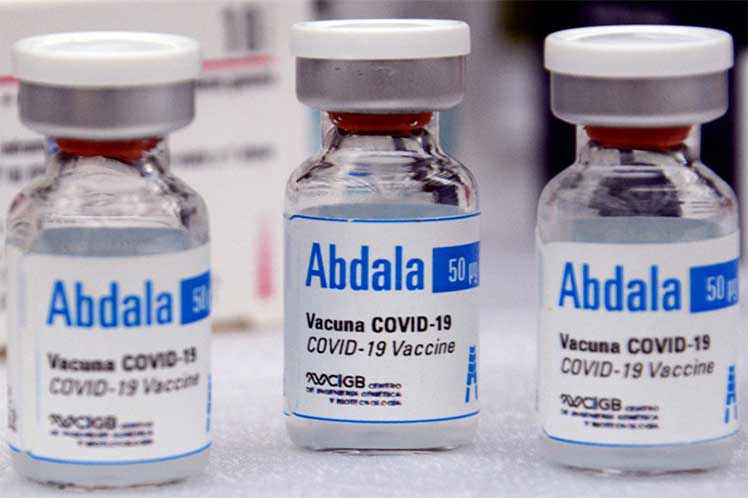
    Cuba’s leading scientific institutions have achieved a significant breakthrough in COVID-19 vaccine development, with the Abdala immunogen demonstrating remarkable efficacy against the virus. According to official reports from Granma newspaper, the vaccine received emergency use authorization in July following rigorous clinical trials that established a 92.28% efficacy rate in disease prevention.

    The vaccine’s effectiveness was confirmed during a critical period of Delta variant propagation across global populations, providing crucial data on its performance against this highly contagious strain. Dr. Marta Ayala, General Director of the Center for Genetic Engineering and Biotechnology (CIGB), provided important scientific clarification regarding the terminology: ‘Efficacy should not be confused with effectiveness, as the former is determined within the controlled environment of clinical studies under ideal research conditions, while effectiveness is analyzed in real-world circumstances.’

    Cuban researchers from both CIGB and the Finlay Vaccine Institute have recently presented their comprehensive scientific findings to the World Health Organization. The submission includes complete documentation of the research methodology, formulation processes, production standards, testing protocols, and application results. This presentation marks a significant step toward obtaining international validation and WHO emergency use listing, which would facilitate global distribution and recognition of Cuba’s sovereign vaccine development capabilities.

  • Cuban FM meets with counterparts from Qatar and S. Africa at UN

    Cuban FM meets with counterparts from Qatar and S. Africa at UN

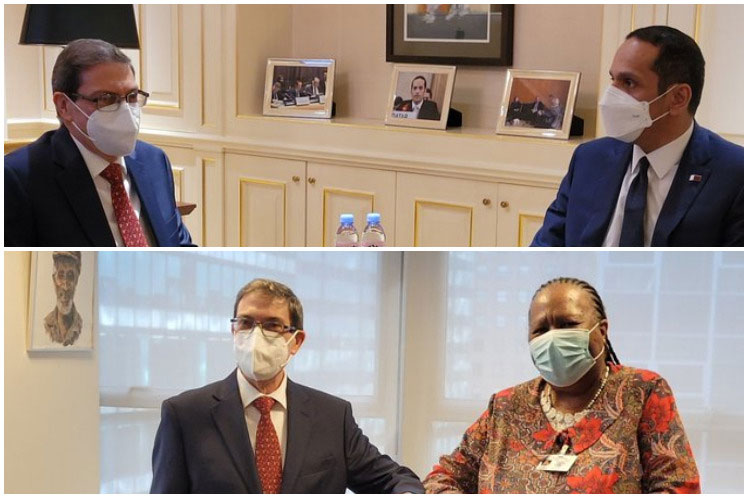
    Cuban Foreign Minister Bruno Rodríguez has conducted a series of high-level diplomatic meetings during the 76th session of the United Nations General Assembly in New York. The senior diplomat engaged with prominent international counterparts, including Qatar’s Deputy Prime Minister and Foreign Minister Sheikh Mohammed bin Abdulrahman Al-Thani, and South Africa’s Minister of International Relations and Cooperation, Naledi Pandor.

    Through his official Twitter account, Minister Rodríguez expressed considerable satisfaction with the current state of Cuba’s political relationships with both nations. The discussions, held within the framework of the UNGA’s high-level segment running through September 27th, focused on strengthening international cooperation and bilateral partnerships.

    Regarding the meeting with Qatari officials, Rodríguez emphasized the positive development of political relations between Havana and Doha. In his separate engagement with South African representatives, the Foreign Minister highlighted the excellent condition of bilateral relations, noting the historical friendship and solidarity between the two nations that has been notably strengthened throughout the challenges presented by the global pandemic.

    These diplomatic exchanges form part of Cuba’s ongoing efforts to maintain and enhance its international relationships through multilateral forums like the United Nations, where matters of global significance are addressed through diplomatic dialogue and cooperation.

  • Cuba and Syria confirm positive political relations at the UN

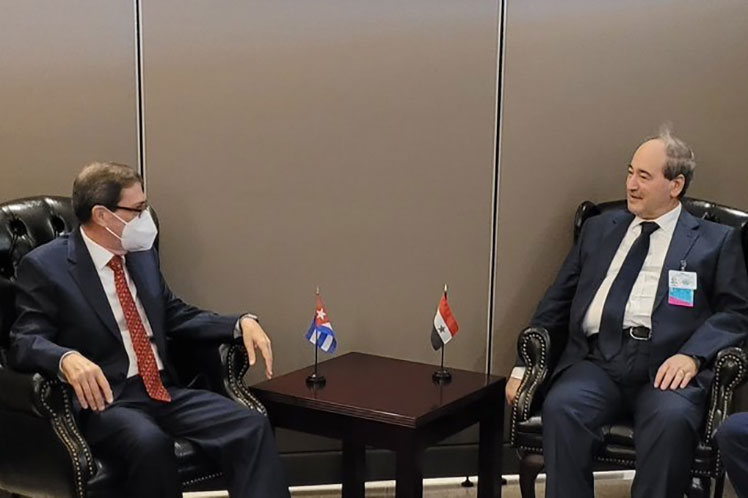
    Cuba and Syria confirm positive political relations at the UN

    Cuban Foreign Minister Bruno Rodríguez has utilized his official Twitter platform to announce a concerted diplomatic push to deepen economic and cooperative relationships with partner nations. The declaration comes as the minister participates in the high-level segment of the 76th United Nations General Assembly (UNGA) in New York, a premier gathering for global diplomacy set to conclude on September 27th.

    Minister Rodríguez is actively engaging in a series of bilateral meetings with his counterparts from various nations on the sidelines of the assembly. This practice is a standard feature of the annual UN event, providing a critical forum for high-ranking dignitaries and diplomatic envoys to conduct in-person negotiations and strengthen multilateral ties.

    The broader context of these diplomatic exchanges is the UNGA’s high-level general debate, where the international community’s focus is sharply trained on two paramount global challenges: the ongoing COVID-19 pandemic and the escalating climate crisis. These overarching themes are shaping discussions and fostering alliances aimed at crafting coordinated international responses.

  • Cuba welcomes new donation of syringes from Germany

    Cuba welcomes new donation of syringes from Germany

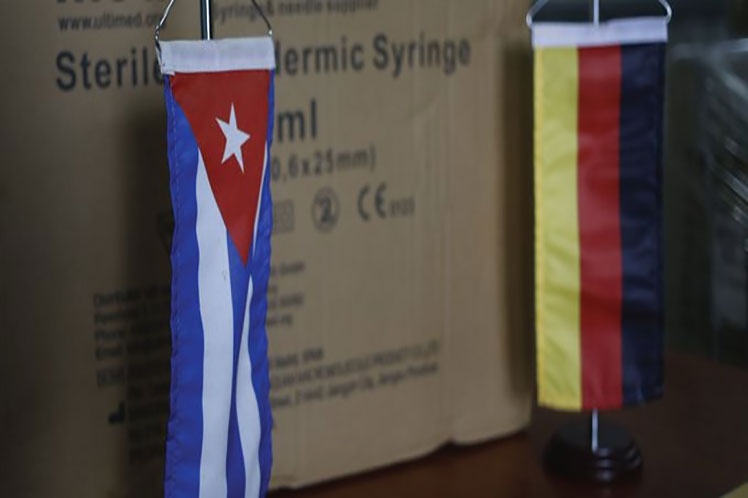
    In a significant display of international solidarity, German travel agency AvenTOURa GmbH has delivered humanitarian assistance to support Cuba’s ongoing battle against the COVID-19 pandemic. The donation arrives as the Caribbean nation continues its immunization campaign amid challenging economic circumstances.

    Aldo Grandal Sosa, Head of Medical Collaboration at Cuba’s Ministry of Public Health (MINSAP), confirmed that the medical supplies would be promptly distributed across vaccination centers nationwide. He emphasized the critical timing of this support, noting Cuba’s ongoing efforts to maintain adequate resource coverage against SARS-CoV-2 despite external pressures.

    The official specifically referenced what Cuban authorities describe as ‘the genocidal and criminal economic, commercial and financial blockade’ imposed by the United States government, which they assert has been intensified throughout the pandemic period. This context, according to Sosa, magnifies the importance of international humanitarian cooperation.

    Christoph Blaha, legal representative of AvenTOURa GmbH in Cuba, articulated the company’s philosophical approach to international relations. ‘Our mission centers on building bridges rather than walls, bringing cultures closer instead of separating them, and fostering mutual understanding,’ Blaha stated. The aid package specifically aims to enhance Cuba’s capacity to combat COVID-19 effectively.

    Established in 1995, AvenTOURa GmbH specializes in organizing small-group and individual tourism experiences. The company has included Cuba as a destination since 1997, developing substantial ties with the country over nearly a quarter-century of operation. This donation represents an extension of their long-standing relationship with the Cuban people, transcending typical commercial interests to address urgent public health needs.

  • Cuba defends application of data science at PAHO

    Cuba defends application of data science at PAHO

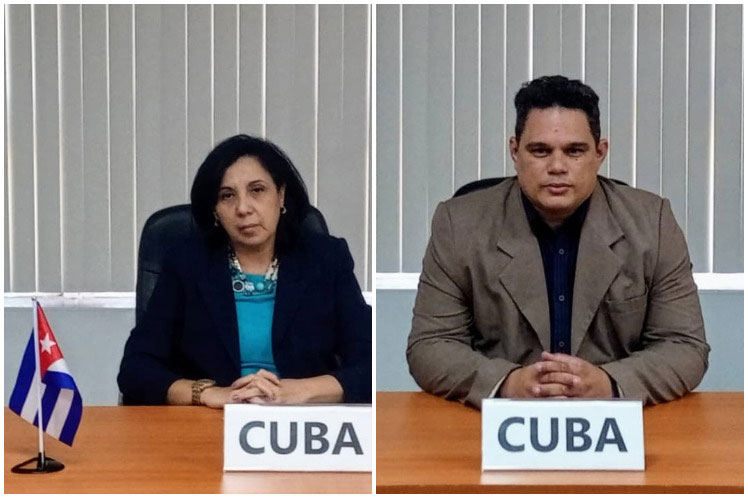
    Cuban health officials presented the nation’s advanced digital health strategy during the 59th Executive Council meeting of the Pan-American Health Organization (PAHO), highlighting how technological innovation has strengthened pandemic response capabilities. Dr. Ileana Morales, Director of Science and Technological Innovation at Cuba’s Ministry of Public Health (MINSAP), detailed how digital tools have enabled real-time data processing for more effective epidemiological management throughout the COVID-19 crisis.

    Dr. Morales emphasized Cuba’s comprehensive approach to health information systems development, which centers on specialized training for professionals in technology and university programs. The country has made significant advancements in cutting-edge medical fields including medical robotics, precision medicine, nanoscience, and neuroscience—all disciplines that demand sophisticated data processing capabilities for large-volume information assimilation.

    Karel Barthelemy, MINSAP’s Director of Information Technology and Communications, addressed the substantial challenges of digital transformation in healthcare, stressing the necessity for tailored designs that accommodate each nation’s unique characteristics. He outlined several operational computer solutions currently deployed in Cuba, including research platforms, laboratory results monitoring systems, hospital bed availability trackers, clinical laboratory information management, and vaccinated population databases.

    A critical component of Cuba’s strategy involves employing Big Data analytics and mathematical modeling to predict viral behavior patterns within populations. These predictive tools enable health authorities to refine national response plans and continuously update patient care protocols based on empirical evidence.

    Both officials emphasized the importance of regional cooperation, noting that successful implementation of digital transformation roadmaps across the Americas requires strengthened collaboration between PAHO and member states. Such partnerships would facilitate knowledge exchange and accelerate progress toward developing shared technological platforms that benefit the entire region.

  • Central Report to the Eighth Congress of the Communist Party of Cuba

    Central Report to the Eighth Congress of the Communist Party of Cuba

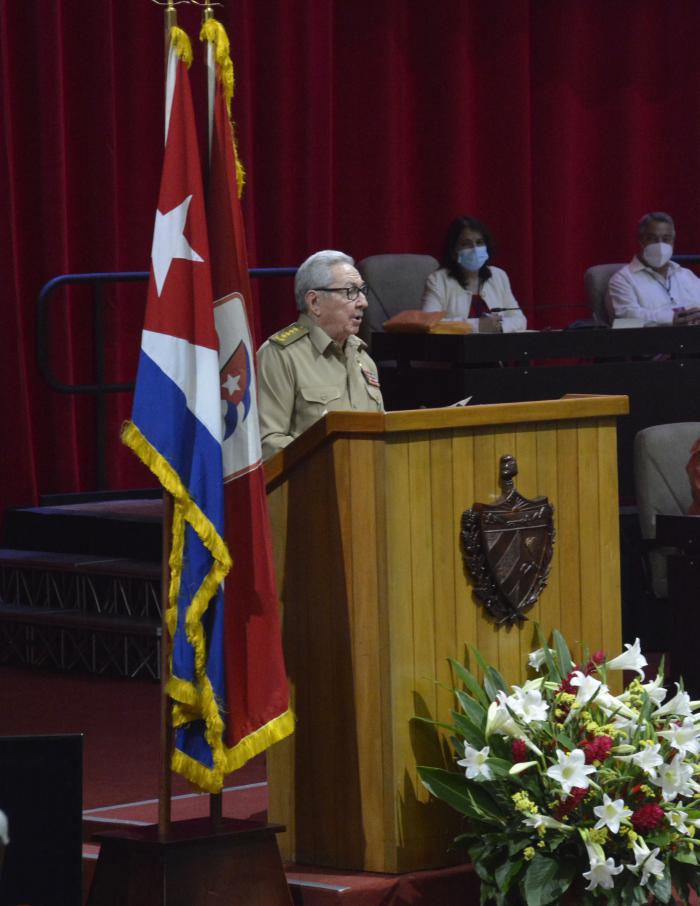
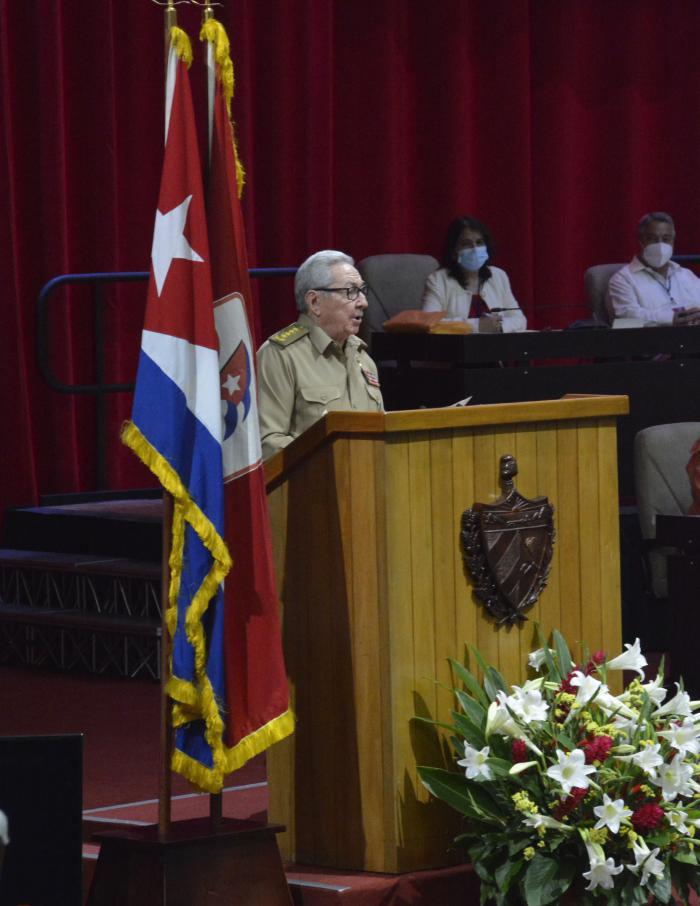
    On April 16, 2021, Army General Raúl Castro Ruz delivered a pivotal address at the opening of the Eighth Congress of the Communist Party of Cuba, marking the 60th anniversary of the proclamation of the socialist character of the Cuban Revolution. The event coincided with the commemoration of the 1961 victory at Playa Girón, a defining moment in Cuba’s resistance against U.S.-backed aggression. Castro’s speech highlighted the historical significance of the Revolution, its enduring principles, and the challenges facing Cuba today. He emphasized the importance of unity, ideological firmness, and the need to adapt to contemporary global realities while preserving socialist values. Castro also addressed Cuba’s response to the COVID-19 pandemic, the country’s economic reforms, and the ongoing U.S. economic blockade, which he described as the most comprehensive and prolonged economic war ever waged against a nation. He underscored the resilience of the Cuban people and the necessity of strengthening the Party’s role in guiding the nation’s development. The Congress concluded with a reaffirmation of Cuba’s commitment to socialism, sovereignty, and international solidarity, particularly with Latin America and the Caribbean. Castro’s address served as both a reflection on Cuba’s revolutionary legacy and a roadmap for its future, emphasizing the importance of generational leadership transitions and the continued defense of socialist principles.

  • Central Report to the Eighth Congress of the Communist Party of Cuba

    Central Report to the Eighth Congress of the Communist Party of Cuba

    On April 16, 2021, Army General Raúl Castro Ruz delivered a pivotal address at the opening of the Eighth Congress of the Communist Party of Cuba, marking the 60th anniversary of the proclamation of the socialist character of the Cuban Revolution. The event, held under extraordinary circumstances due to the COVID-19 pandemic, underscored Cuba’s resilience and commitment to socialism amidst ongoing challenges, including the U.S. economic blockade and internal economic reforms. Castro highlighted the historical significance of the Revolution, emphasizing its enduring principles and the need for continued unity and ideological firmness. He also addressed the Party’s role in guiding Cuba’s development, the importance of youth engagement, and the ongoing efforts to update the country’s economic and social model. The Congress concluded on April 19, coinciding with the 60th anniversary of Cuba’s victory at Playa Girón, a symbol of the nation’s resistance to external aggression. Castro’s speech reaffirmed Cuba’s commitment to socialism, its defense of sovereignty, and its determination to overcome current challenges through collective effort and innovation.