博客

  • Afonsoewa: Waarheid over mijn rechtszaak en de misleiding door ex-minister Ramadhin

    Afonsoewa: Waarheid over mijn rechtszaak en de misleiding door ex-minister Ramadhin

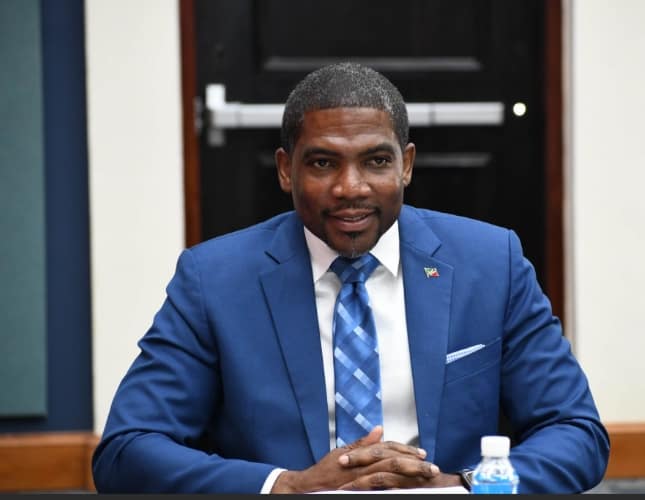
    In a striking political confrontation, National Assembly Member Silvana Afonsoewa has publicly challenged former Minister Amar Ramadhin over what she describes as deliberate misrepresentation of facts regarding their ongoing legal battle. Afonsoewa asserts that Ramadhin consistently distorts reality when his ministerial decisions face critical scrutiny.

    The dispute centers around Afonsoewa’s legal case against the Ministry of Health, where both current and former directors attended all court proceedings. The civil service court explicitly ruled that Afonsoewa must be provided with a workplace and compensated for work performed, with parties instructed to establish a timeline for practical implementation – a process that was subsequently expedited.

    Afonsoewa reveals that Ramadhin’s attempted dismissal of her was deemed legally invalid, and even the President had provided written negative advice regarding Ramadhin’s intention. She ultimately resumed her duties with confirmed legal status, working until June 2025.

    The assembly member clarifies that the judgment selectively referenced by Ramadhin pertains only to a preliminary injunction, while her main civil service case remains ongoing without final decision from the High Court. She characterizes Ramadhin’s portrayal as misleading and intended to create false closure.

    Afonsoewa raises pointed questions about selective enforcement, asking why a deputy director who failed to report for work but represented the ministry abroad was maintained, and why parliamentarians from Ramadhin’s party continue receiving civil service salaries without performing duties year after year.

    Emphasizing her integrity, Afonsoewa notes her five-year Assembly service without additional government positions. She announces her attorney will formally request the ministry director who attended all hearings to officially confirm the facts, specifically noting that the referenced judgment is not the one requiring implementation.

  • MISSING: 14-year-old Chamalla Frater

    MISSING: 14-year-old Chamalla Frater

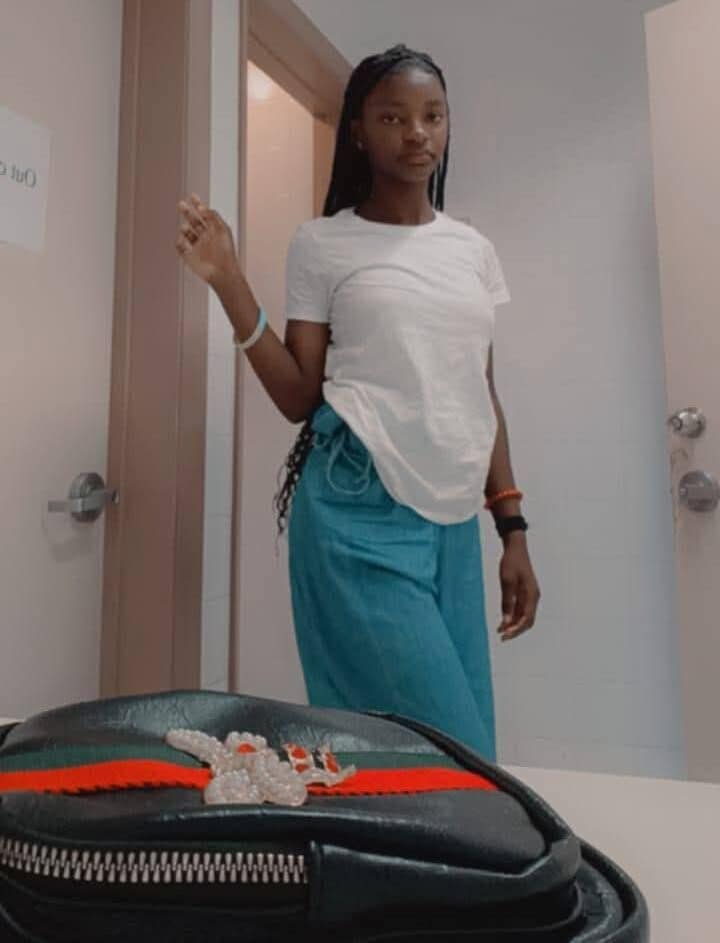
    Authorities in Antigua have launched an urgent search operation for Chamalla Frater, a 14-year-old Jamaican national who vanished from the Grays Farm area on the evening of February 28th. The disappearance has raised significant safety concerns as investigators confirmed the teenager possesses limited familiarity with the local terrain and community.

    With no verified description of her attire at the time of disappearance, the search faces additional challenges. Law enforcement officials are appealing to the public for immediate assistance in locating the vulnerable minor. The case has mobilized community efforts across the island as residents join official search parties.

    Investigators have established a dedicated hotline for information dissemination. Authorities are urging anyone with potential sightings or relevant information regarding Chamalla’s whereabouts to immediately contact emergency services at 775-6877. The investigation remains active with multiple agencies coordinating search efforts across possible locations where the teenager might be found.

  • “How to Make a Commonwealth Quilt” Launch Invites Commonwealth-Wide Participation Ahead of People’s Forum 2026

    “How to Make a Commonwealth Quilt” Launch Invites Commonwealth-Wide Participation Ahead of People’s Forum 2026

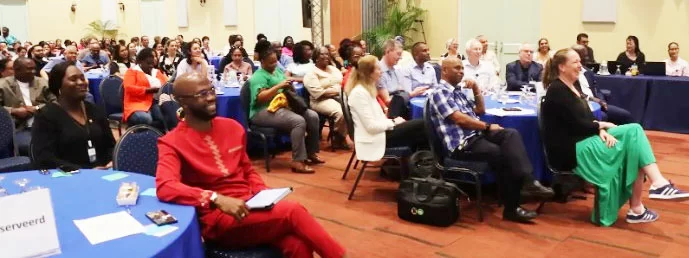
    The Commonwealth Foundation has unveiled a groundbreaking participatory project titled “How to Make a Commonwealth Quilt” in partnership with Antigua and Barbuda’s People’s Forum Task Force. The initiative was formally launched on March 3 at the John E. St. Luce Conference Centre, marking a significant preparatory phase for the upcoming Commonwealth People’s Forum 2026.

    This innovative program extends an open invitation to all Commonwealth citizens—regardless of artistic background—to contribute their unique perspectives and experiences. The project metaphorically represents the Commonwealth as a quilt strengthened by diverse individual pieces stitched together, symbolizing unity through diversity.

    Participants are encouraged to submit creative, narrative, or experiential contributions that reflect shared values, cultural identities, and collective aspirations. Key thematic areas include inclusion, sustainability, justice, and social progress, with the goal of ensuring the 2026 Forum genuinely represents people-driven perspectives.

    Samantha Marshall, Lead of the Antigua and Barbuda CHOGM 2026 People’s Forum, emphasized that the initiative captures the Commonwealth’s unique resilience and diversity. “It demonstrates how our varied voices and experiences converge to create something truly meaningful and inclusive,” she stated.

    Clarence Pilgrim, Permanent Secretary in the Ministry of Foreign Affairs and Chair of the CHOGM 2026 Task Force, highlighted the initiative’s people-centered approach. “This reflects the spirit of partnership that defines our preparations. By inviting contributions from across the Commonwealth, we ensure that community voices, particularly from Antigua and Barbuda, help shape critical conversations,” Pilgrim noted.

    The Commonwealth People’s Forum 2026 will serve as the official civil society platform during the Commonwealth Heads of Government Meeting, facilitating dialogue and collaborative solutions to global challenges through inclusive participation.

  • Airfield upgrade project at VC Bird International enters crucial third phase

    Airfield upgrade project at VC Bird International enters crucial third phase

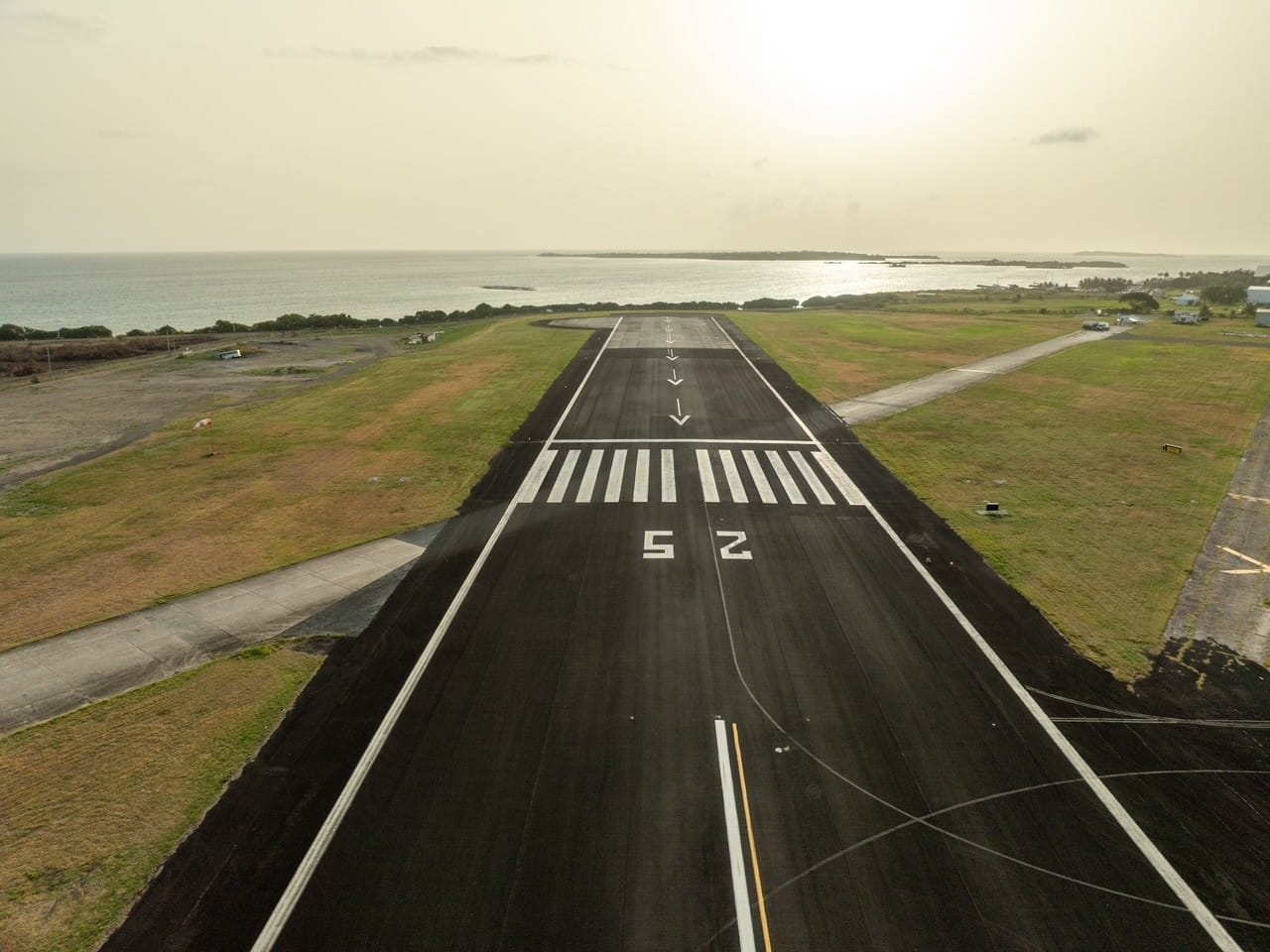
    Antigua’s VC Bird International Airport has advanced into the pivotal third stage of its multimillion-dollar airfield modernization initiative. This latest development marks a significant milestone in the comprehensive effort to align the aviation hub with contemporary global standards.

    The current phase, operational from March through April 15th, will exclusively conduct construction activities during nighttime hours. Work schedules are set from 8:00 PM to 8:00 AM, Monday through Saturday, minimizing disruptions to daily flight operations while maintaining project momentum.

    Technical crews are executing two primary enhancements: complete reconstruction of the asphalt surface on displaced Runway 07 and installation of a new Runway End Safety Area (RESA). The RESA constitutes an essential safety feature designed to mitigate risks associated with aircraft overruns or runway excursions.

    Concurrently, teams are deploying state-of-the-art lighting systems including new approach lights, runway edge lights, and turnpad edge lights. These installations will substantially improve visibility conditions and boost operational efficiency during critical takeoff and landing procedures.

    Airport Operations Manager Rex Daly expressed satisfaction with the project’s trajectory, stating: ‘The progression of work continues to meet our expectations. Upon completion, VC Bird International will possess a thoroughly modernized airfield that reinforces its standing as a Caribbean aviation leader.’

    The airport administration has established dedicated communication channels for project-related inquiries, directing the public to contact the Operations Department at 484-2300.

  • National Bus Company says Routes Remain the Same

    National Bus Company says Routes Remain the Same

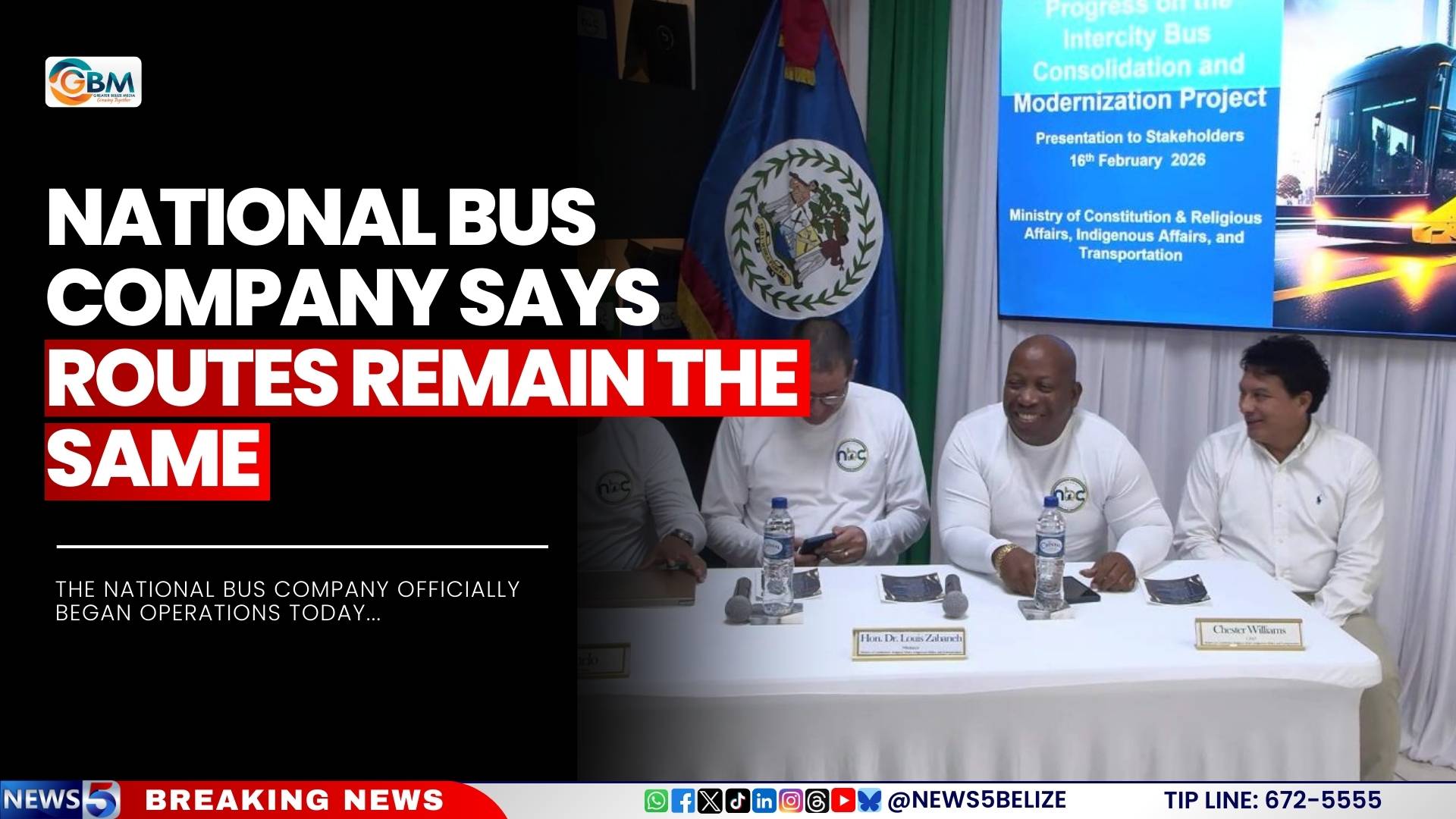
    The newly established National Bus Company commenced operations on March 1, 2026, marking a significant milestone in the government’s Transport Modernisation Initiative. Transportation authorities have confirmed that existing bus routes, schedules, and service frequencies will remain predominantly unchanged, with minor adjustments only applied to eliminate duplicate routes and closely timed departures.

    The Ministry of Transportation emphasized that the transition aims to enhance operational reliability and efficiency without disrupting current services. Officials pledged transparent communication regarding any future modifications to the bus network, ensuring passengers receive timely updates about service improvements.

    Despite governmental assurances, the launch has generated substantial skepticism among commuters. Social media platforms have become arenas for public criticism, with many questioning the tangible benefits of the rebranding initiative. One commentator noted, ‘Merely changing the names on buses hardly constitutes improved services,’ while another criticized the persistence of ‘old outdated buses’ within the new system.

    Commuters have specifically challenged whether the organizational restructuring will address fundamental concerns regarding vehicle standards, safety protocols, and punctuality—issues that remain under the management of existing operators. While transportation officials promote the initiative as progress, the traveling public maintains cautious expectations, awaiting evidence of substantive improvements rather than superficial changes.

  • Prosecutors mull options as student dies 16 months after being stabbed

    Prosecutors mull options as student dies 16 months after being stabbed

    The Caribbean nation of St. Vincent and the Grenadines is grappling with profound legal and social questions following the tragic death of 17-year-old student athlete Alia Mc Dowall on Sunday. Mc Dowall succumbed to complications from a severe throat stabbing that occurred outside her Central Leeward Secondary School on November 28, 2024, allegedly perpetrated by a student from Campden Park Secondary School.

    Her passing came precisely as her school community was conducting its annual athletic meet—an event where Mc Dowall would have showcased her running talents. The Central Leeward Secondary School memorialized her on social media, stating: “Today, we express our deepest condolences on the loss of our student-athlete. On a day such as this, you would have been prepared to showcase your talent through running. Rest in peace, young one.”

    The case has ignited serious scrutiny of the nation’s justice system. Prosecutors had instructed investigators just three days before Mc Dowall’s death to charge the alleged assailant with ‘wounding with intent.’ However, investigators have expressed frustration over procedural delays within the prosecution service.

    Complicating the legal proceedings is the unoperationalized Child Justice Act of 2019, which restricts investigators from charging minors without explicit instructions from the National Prosecution Service. Additionally, Section 169 of the Criminal Code presents a significant barrier, stating that a person cannot be deemed to have killed another if death occurs more than ‘a year and a day’ after the alleged act.

    Legal experts suggest prosecutors may now pursue charges of grievous bodily harm (GBH), which carries a maximum penalty of life imprisonment—the same as murder in a jurisdiction where capital punishment has been abolished. The case continues to develop as prosecutors weigh their options amid growing public concern about youth violence and judicial efficiency.

  • RvC EBS: Leo Brunswijk moet schriftelijk reageren na escalatie binnen directie

    RvC EBS: Leo Brunswijk moet schriftelijk reageren na escalatie binnen directie

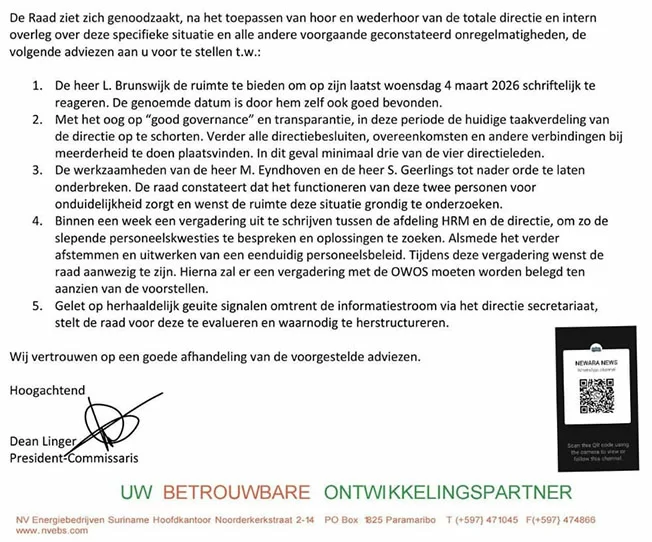
    The Supervisory Board of NV Energiebedrijven Suriname (EBS) has issued an ultimatum to director Leo Brunswijk, demanding a written response by Wednesday, March 4, 2026, addressing the escalating leadership crisis within the state-owned energy company. This development follows a February 27, 2026 letter obtained by DTV Express, revealing a complete breakdown in executive communications.

    The supervisory body described the situation as ‘untenable,’ citing a critical escalation on February 16 that has paralyzed management operations and halted all executive meetings. The current intervention comes after a previous warning letter dated February 24, 2026, titled ‘Conditional Participation in Executive Meetings,’ specifically addressed to Brunswijk.

    Following thorough internal consultations and examination of earlier irregularities, the Board has proposed radical governance reforms. In the interest of transparency and good governance, the current executive division of responsibilities would be temporarily suspended. All future management decisions, contracts, and commitments would require majority approval from at least three of the four executive members.

    In a significant move, the Board recommended the immediate suspension of M. Eyndhoven and S. Geerlings pending further investigation. Their continued involvement has allegedly created operational ambiguity requiring urgent resolution.

    The proposed measures include convening emergency meetings within one week between HRM departments and executive leadership to address persistent personnel issues and establish consistent employment policies. The Supervisory Board intends to observe these sessions directly. Subsequent discussions with the OWOS (likely a workers’ organization) will address the implemented measures.

    Additionally, the Board highlighted recurring concerns regarding information flow bottlenecks through the executive secretariat, proposing comprehensive evaluation and potential restructuring. Signed by President-Commissioner Dean Linger, the letter expresses confidence that these recommendations will be meticulously implemented to restore organizational stability.

  • COMMENTARY: Bats – Flying pest controllers for some! A delicacy for others!

    COMMENTARY: Bats – Flying pest controllers for some! A delicacy for others!

    The Caribbean island of Dominica, known as the Nature Isle, harbors an extraordinary biological treasure: twelve distinct species of bats that represent the island’s only indigenous mammals. While many residents assume only one or two species exist, scientific documentation reveals a diverse chiropteran population that surpasses larger neighboring islands in biodiversity significance.

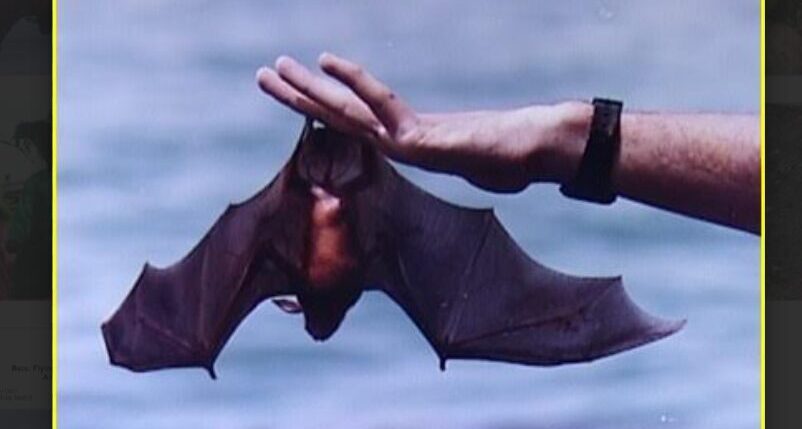
    Unlike introduced species such as agouti, wild pigs, and opossums, bats have inhabited Dominica for millennia. The island’s bat community includes six insectivorous species that perform aerial acrobatics under streetlights, three frugivorous species that feed on fruits like mangoes and soursop, two nectarvorous species that pollinate night-blooming flowers, and the impressive piscivorous greater bulldog bat that uses specialized talons to catch fish.

    Notably, Dominica hosts several endemic species found nowhere else on Earth. The Dominican Myotis (Noctilio leporinus mastivus) shares exclusive island status with the Sisserou parrot and other endemic wildlife. Additionally, the Antillean Tree Bat (Ardops nichollsi nichollsi) and Yellow-shouldered Bat (Sturnira lilium angeli) exist as Dominica-specific subspecies.

    These flying mammals provide crucial ecosystem services. Insectivorous bats consume between 1,000-8,000 insects nightly, offering natural pest control and mosquito management. Frugivorous bats assist in seed dispersal by carrying fruits to feeding perches, while nectarvorous species contribute to plant pollination. Their guano (known locally as ‘kaka chouchòt’) serves as valuable natural fertilizer.

    Bats are deeply woven into Dominica’s cultural heritage. Kalinago pottery historically featured bat designs, while traditional Carnival costumes include the ‘souswèl souwi’ bat-inspired outfits. Culinary traditions in villages like Dublanc maintain bat stew (‘chouchòt épi donmbwé’) as a Christmas delicacy, though recent bat poaching incidents have prompted forestry officials to issue conservation warnings.

    The island’s geological features support numerous bat habitats, including coastal caves like Anba Chouchòt at Massacre and the remarkable Stinking Hole (Tou Santi)—a collapsed lava tube near Middleham Falls that hosts approximately 65,000 bats of three species. Local nomenclature reflects cultural connections, with Kwéyòl names like ‘souswèl souwi,’ ‘djenbo,’ and ‘wat volan’ varying by community.

    Globally, bats demonstrate remarkable biological adaptations. With over 1,400 species worldwide, they represent 20% of all mammal species. They give birth upside down, produce typically single offspring called pups, and can live over 30 years. Contrary to the ‘blind as a bat’ myth, they possess excellent low-light vision alongside sophisticated echolocation capabilities.

    Dominica’s bat conservation story represents a microcosm of broader biodiversity protection challenges, balancing ecological significance with cultural traditions while ensuring the survival of these unique mammalian aviators.

  • CARICOM backs plan to replace UWI Royal Charter with regional treaty

    CARICOM backs plan to replace UWI Royal Charter with regional treaty

    In a landmark decision signaling a decisive break from colonial legacy, Caribbean Community (CARICOM) leaders have unanimously endorsed a proposal to supersede the University of the West Indies’ British Royal Charter with a regionally ratified treaty. The pivotal agreement was formalized during the 50th Regular Meeting of the Conference of Heads of Government, convened in Saint Kitts and Nevis.

    Chairing the conference, Prime Minister Terrance Drew of Saint Kitts and Nevis announced the move, characterizing it as a monumental stride toward indigenizing the premier academic institution. “This action propels us a step closer to fully indigenize that institution,” Dr. Drew stated, underscoring the achievement’s significance for regional sovereignty.

    Established under a Royal Charter granted by the British Crown, the University of the West Indies (UWI) has historically operated under this imperial framework, which defined its operational protocols and authority to confer degrees. The newly ratified proposal will supplant this colonial-era instrument with a binding treaty integrated into CARICOM’s legal architecture. This transition is meticulously designed to uphold the university’s established autonomy, existing governance model, and cherished academic freedoms.

    The strategic shift has garnered longstanding advocacy from UWI Vice-Chancellor Hilary Beckles, who views it as integral to comprehensive regional reform. Professor Beckles had previously cautioned that rescinding the Royal Charter without a robust alternative legal foundation could jeopardize the institution’s very continuity, highlighting the critical nature of this structured transition.

    This week’s endorsement effectively moves the proposition from theoretical policy deliberation to concrete, collective action, marking a new chapter of self-determination for Caribbean academia.

  • Misiekaba:Investeren in preventie mentale problemen is nationale prioriteit

    Misiekaba:Investeren in preventie mentale problemen is nationale prioriteit

    Suriname’s Health Minister André Misiekaba has issued a compelling call to make mental healthcare a fundamental component of the nation’s preventive health strategy. The minister delivered this message during his opening address at a two-day symposium on mental health held Saturday at Hotel Torarica’s Ballroom.

    The conference, organized to commemorate the 130th anniversary of Suriname’s Psychiatric Center (PCS), convened under the theme “Mental Health: Developments, Challenges & Future Perspectives.” Minister Misiekaba expressed profound appreciation for healthcare professionals working with mental health patients while emphasizing the contemporary relevance and societal importance of the symposium’s focus.

    Minister Misiekaba advocated for a paradigm shift from treatment-centered approaches toward preventive strategies. “We must prevent people from developing mental health problems. And if they do develop them, we must ensure they receive appropriate care timely. This is why investing in prevention, early detection, and treatment is crucial,” the minister stressed.

    He further highlighted the critical importance of expanding ambulatory care services, enabling patients to receive support and treatment within their familiar environments while maintaining daily routines and activities.

    Addressing systemic challenges, Minister Misiekaba pointed to significant staffing shortages within the mental healthcare sector. He urged targeted investments in specialized education, training programs, and capacity-building initiatives to address personnel deficits and enhance both service quality and accessibility.

    The minister concluded by thanking organizers and participants for their dedication in facilitating the symposium, expressing hope that the proceedings would generate productive discussions and actionable recommendations.

    The gathering brought together healthcare professionals, subject matter experts, and policy makers to exchange knowledge and experiences, contributing to the development of a structured, forward-looking mental health policy framework for Suriname.