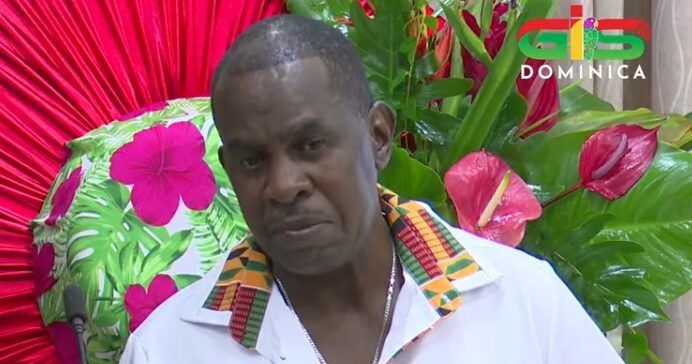
During the annual Roosevelt ‘Rosie’ Douglas Memorial Lecture held at the State House Conference Centre on Thursday, Matthias “Matt” Peltier Jr., a renowned talk show host and radio personality, made a compelling appeal to the Dominica Labour Party (DLP). Peltier urged the government to establish a scholarship program for local media workers in memory of the late Prime Minister Roosevelt ‘Rosie’ Douglas. He proposed that the scholarship be awarded every three years to support young media professionals. Additionally, Peltier called for the enactment of a Freedom of Information Bill to enhance transparency and accessibility to information in Dominica. He emphasized the necessity of these measures, stating, ‘I think that is very, very necessary.’ Peltier highlighted Douglas’s unique relationship with the media, noting that during his 30-year career, he had never encountered a prime minister as accessible and open to the press as Douglas. ‘You had access to him 24-7. Doesn’t matter what time you call, he might be in the bathroom, he would tell you to hold on then he will return your call,’ Peltier reminisced. Rosie Douglas, who passed away on October 1, 2000, served as Prime Minister for just eight months following his election on January 31 of that year.
博客
-
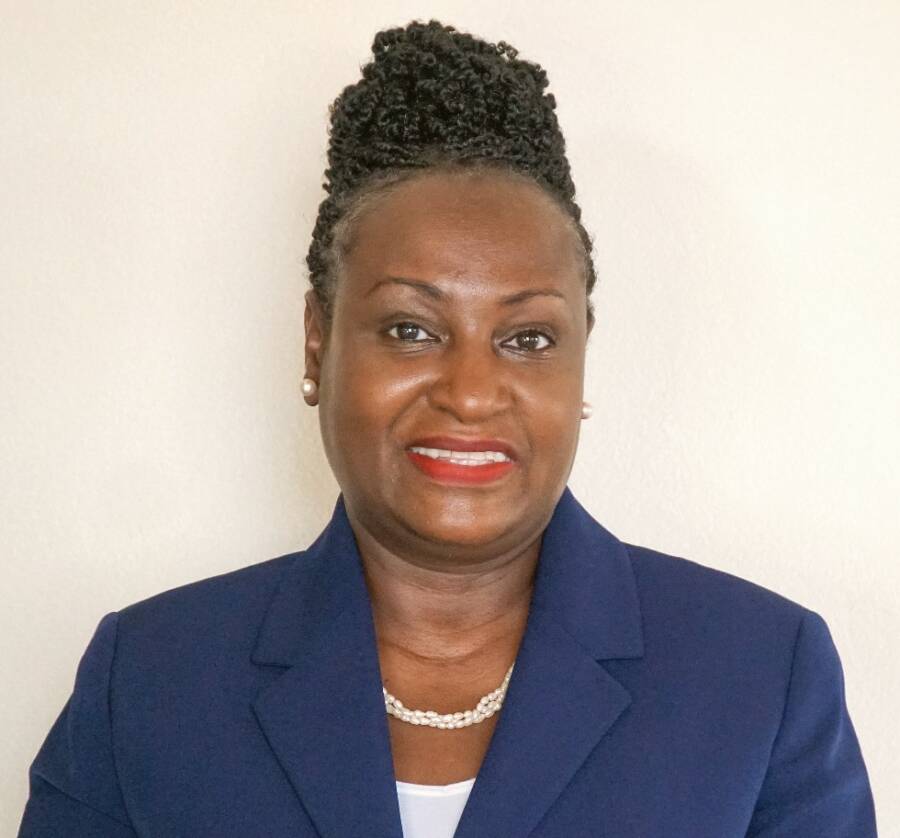
Small states foreign policy: Drawing on past lessons for the present
Grenada, a small island nation in the Caribbean, is grappling with one of its most complex foreign policy challenges since the tumultuous events of October 1983. As the nation reflects on its history, the lessons from the Cold War era remain strikingly relevant in today’s unpredictable global landscape. Dr. Wendy C. Grenade, a seasoned political scientist, offers a profound analysis of how Grenada can navigate its foreign policy dilemmas by drawing from its past experiences and adapting to contemporary realities.
October 1983 marked a pivotal moment in Grenada’s history, leaving deep scars on its society. While the Grenada Revolution brought significant social and economic advancements, its alignment with the Soviet Union and Cuba during the Cold War exposed the nation to foreign policy missteps. These historical events underscore the importance of neutrality and non-alignment for small states, which must avoid becoming proxies for larger powers to preserve their sovereignty and peace.
In the current multipolar world, Grenada faces new paradoxes. Balancing sovereignty amid economic dependency, maintaining neutrality without compromising security, and asserting its identity in a world of unequal power relations are critical challenges. Dr. Grenade emphasizes that strategic diplomacy—defined as the art of achieving equilibrium in an imbalanced global system—must be a cornerstone of Grenada’s foreign policy. This approach requires regional cooperation, technical expertise, and democratic participation.
Security regionalism, as exemplified by the Revised Treaty of Chaguaramas and the Revised Treaty of Basseterre, provides a framework for collective resilience among Caribbean nations. The Regional Security System (RSS) further strengthens this collective defense, ensuring that Grenada’s security interests are safeguarded alongside its neighbors. Additionally, technical competency and research capabilities within foreign ministries are essential to navigate the complexities of 21st-century diplomacy.
Democracy also plays a vital role in shaping foreign policy. Public opinion and inclusive governance ensure that citizens’ voices are heard, fostering accountability and sustainability. As Grenada moves forward, the lessons of the past—particularly the dangers of militarization and the imperative of promoting peace—must guide its strategic decisions. Ultimately, Grenada’s foreign policy must serve as a tool to advance its collective well-being and uphold its sovereignty in an increasingly chaotic world.
-
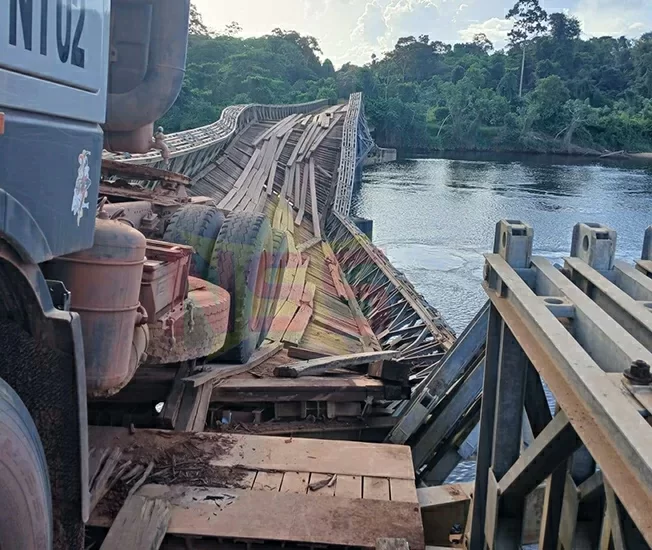
Dorpshoofden vragen om noodmaatregelen na instorting brug Witagron
In a pressing open letter to President Jennifer Simons, the village leaders of Apoera, Washabo, and Section have called for urgent measures following the partial collapse of the bridge over the Coppenamerivier near Witagron. The leaders emphasized the need for emergency provisions and long-term structural solutions to restore accessibility to West Suriname. They highlighted that despite repeated warnings, heavily loaded trucks, particularly from the timber industry, have continued to use the bridge, disregarding safety regulations. This negligence has left local businesses and workers without income once again. The letter also demanded clarity on potential compensation for affected entrepreneurs and criticized the unfair burden placed on communities that already benefit little from timber concessions. The leaders proposed two immediate solutions: deploying a pontoon at Witagron for safe transport of people and goods, and expediting the restoration of the road connection between Apoera and Nickerie, including the construction of a bridge over the Kaboerie Creek. They warned that without swift action, the region risks economic isolation, severely impacting supply chains and daily life. The letter concluded with a plea for the president’s prompt attention to ensure the region remains safe, accessible, and economically viable.
-

Venezuelan opposition leader María Corina Machado wins Nobel Peace Prize
María Corina Machado, a prominent Venezuelan opposition leader, has been honored with the 2023 Nobel Peace Prize for her unwavering commitment to advancing democratic rights. The Nobel Committee lauded the 58-year-old activist as a beacon of hope in challenging times, describing her as a figure who “keeps the flame of democracy alive amidst growing darkness.” Machado’s relentless efforts to facilitate a peaceful transition from dictatorship to democracy were particularly highlighted. Despite being forced into hiding and barred from the recent presidential election by the Nicolás Maduro regime, Machado remained in Venezuela, mobilizing widespread public support for the opposition. Her resilience in the face of potential arrest has cemented her status as a powerful symbol of resistance. Notably, the committee emphasized that their decision was rooted solely in the principles established by Alfred Nobel, dismissing other high-profile campaigns, including that of former U.S. President Donald Trump.
-
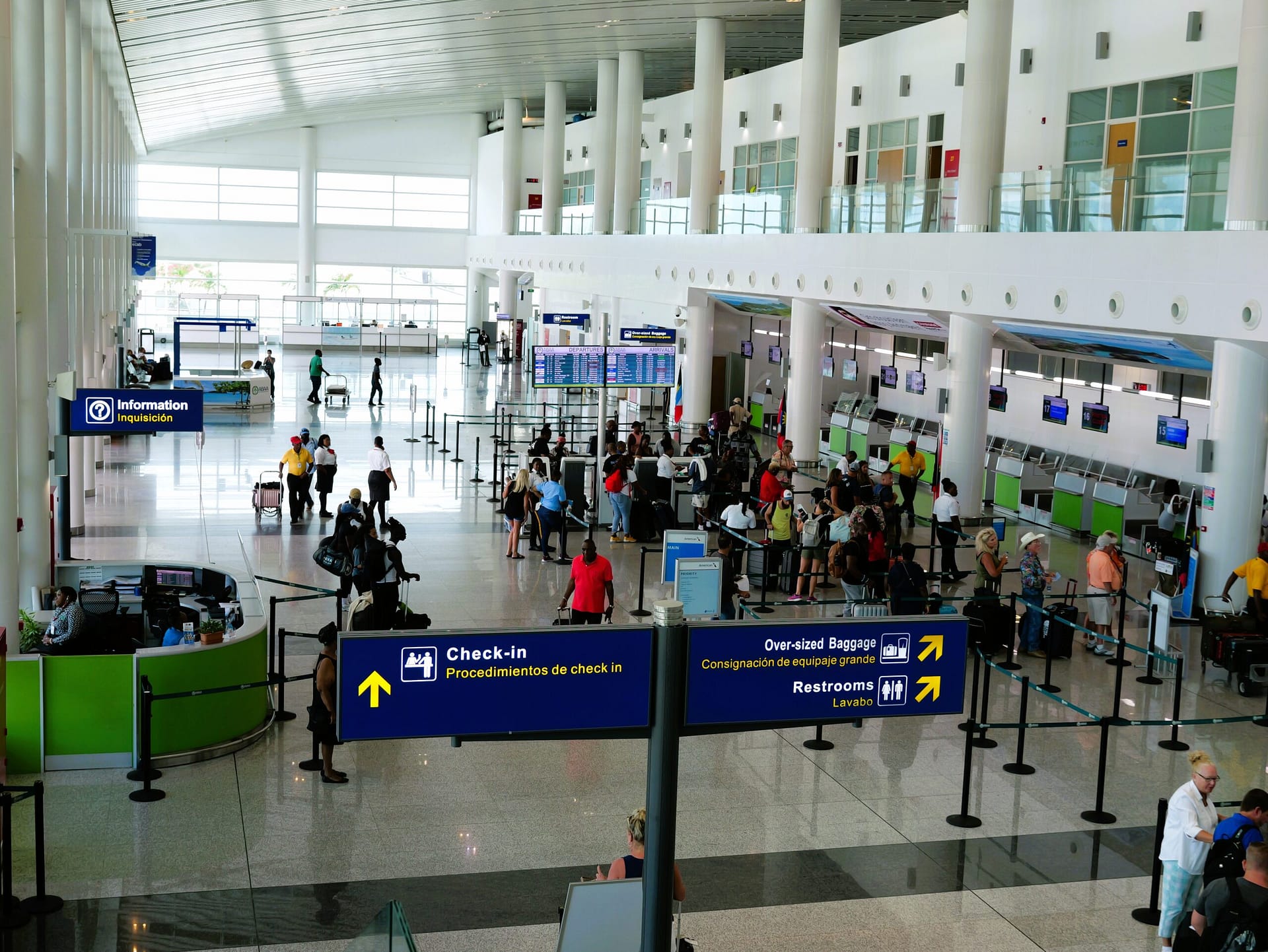
Antigua and Barbuda Airport Authority Reports Quick Operations Recovery in Wake of TS Jerry
In the aftermath of Tropical Storm Jerry, which brought torrential rain and high winds to Antigua and Barbuda on October 10, 2025, the Antigua and Barbuda Airport Authority (ABAA) has successfully restored operations at both the V.C. Bird International Airport (VCBIA) and the Barbuda International Airport (BIA). Despite the storm’s intensity, both airports resumed services by midday on the same day. A post-storm assessment revealed that BIA experienced significant flooding on its roadways and runways, with water levels reaching up to 12 inches. However, the floodwaters receded quickly, allowing for a prompt return to normal operations. VCBIA, with its modern infrastructure, emerged unscathed, showcasing the resilience of its design. In contrast, the decommissioned 40-year-old terminal at VCBIA suffered water damage due to clogged drainage systems, a result of decades of accumulated debris and recent roof repairs. ABAA has since pressure-flushed the drains and is implementing additional measures to prevent future issues. While the storm caused some flight disruptions, including the cancellation of one North American flight and several regional flights, passengers reported positive experiences, praising the airport staff for their efforts during the delay. The swift recovery of both airports highlights the effectiveness of the ABAA’s emergency response and infrastructure management.
-
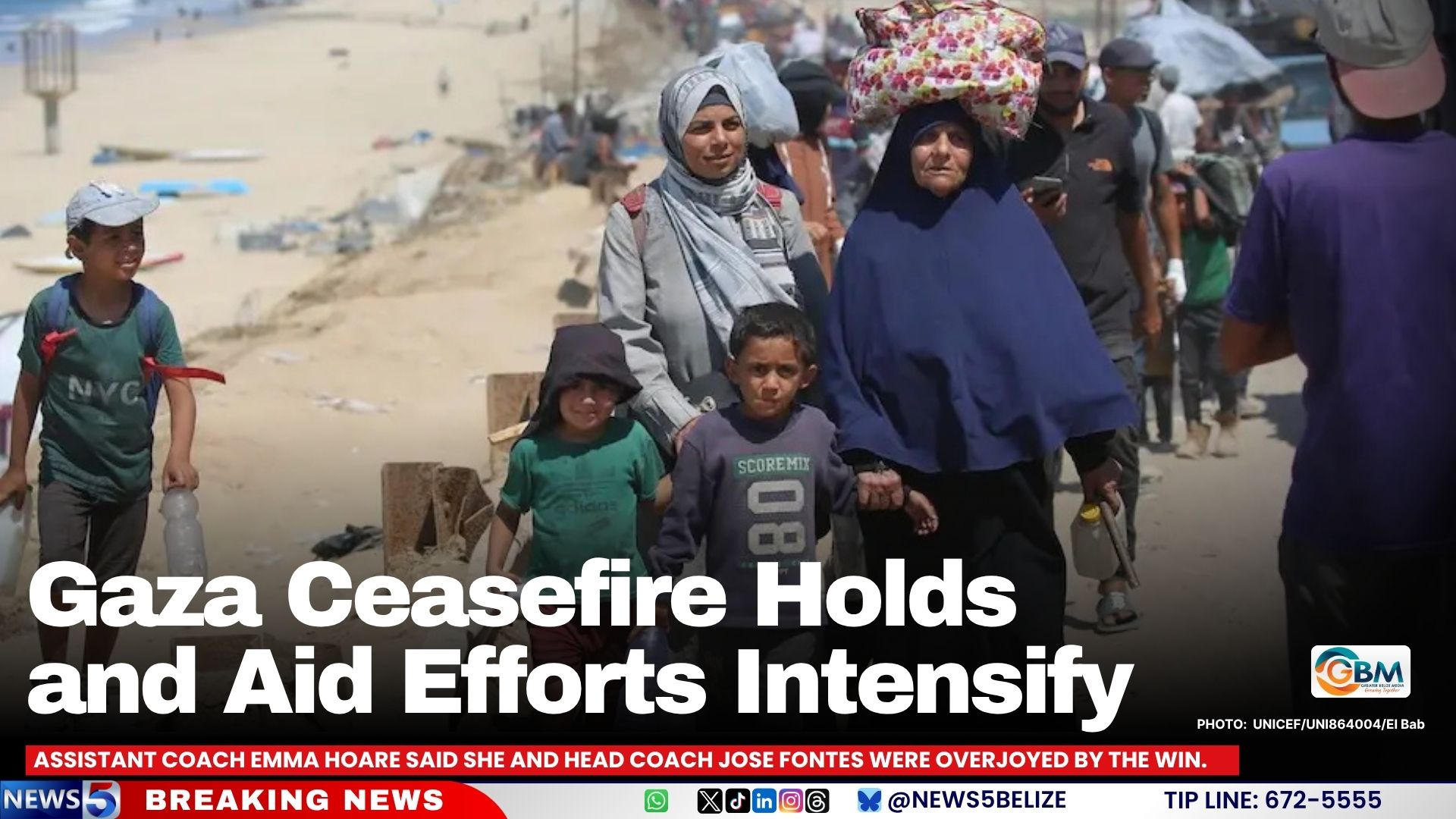
Gaza Ceasefire Holds and Aid Efforts Intensify
A fragile ceasefire in Gaza continues to hold, offering a glimmer of hope for thousands of displaced Palestinians who are now returning to the remnants of their homes. The truce, which follows two years of devastating conflict, has enabled bulldozers to begin clearing the extensive debris in Gaza City, where entire neighborhoods lie in ruins.
UNICEF has emphasized that the ceasefire provides a critical, albeit brief, opportunity to save lives amidst an ongoing humanitarian crisis. The agency revealed that, over the past two years, a child has been killed in Gaza every hour. UNICEF is urgently advocating for unrestricted humanitarian access to deliver essential supplies such as food, medicine, and shelter to those in need.
In a significant development, the United States has deployed 200 troops to Israel to assist in monitoring the ceasefire and facilitating the coordination of aid. Meanwhile, Israel has approved the expansion of food and supply deliveries and is preparing to release prisoners as part of the agreement.
UNICEF has reported that over 1,300 aid trucks, loaded with tents, blankets, and nutritional supplies, are poised to move into the region. Catherine Russell, UNICEF’s Executive Director, stressed the importance of a sustained and respected ceasefire, stating, ‘A genuine ceasefire must be more than words; it must be sustained and respected.’
As the international community watches closely, the focus remains on ensuring the ceasefire’s longevity and addressing the dire humanitarian needs of Gaza’s population.
-
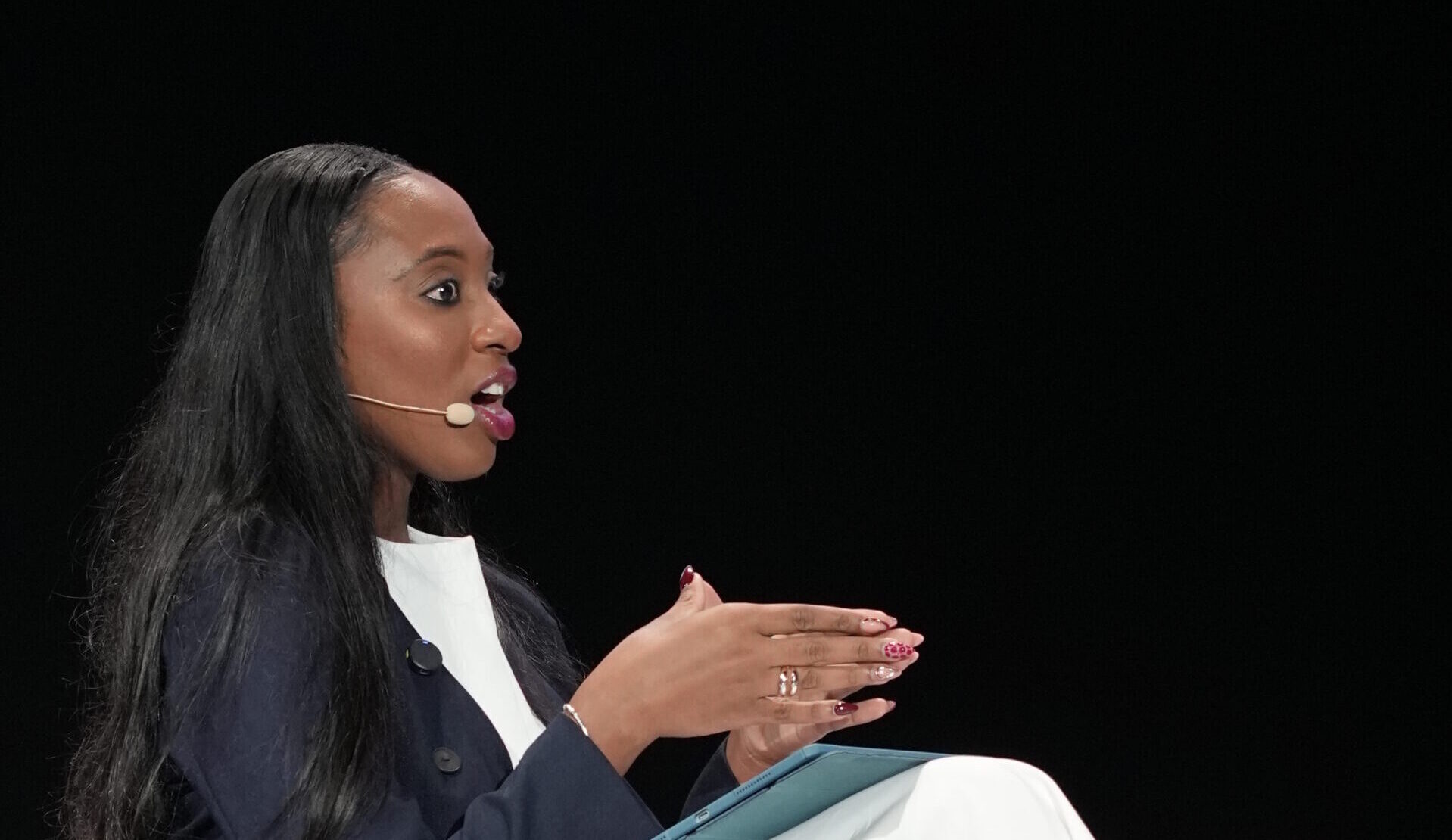
UN youth advisor from Barbados represents Caribbean at Conservation Congress in Abu Dhabi
Ashley Lashley, a prominent youth advocate from Barbados, recently made her international debut as one of the United Nations Secretary-General’s Youth Advisors on Climate Change at the prestigious International Union for Conservation of Nature (IUCN) World Conservation Congress 2025 in Abu Dhabi. The event, held every four years, serves as a global platform for setting conservation and sustainable development priorities. This year’s congress attracted over 1,400 participants, including government officials, civil society organizations, Indigenous representatives, and corporate leaders. Lashley’s participation was hailed as a significant milestone, as she actively contributed to high-level discussions aimed at accelerating global climate action and conservation efforts. She was a key speaker in the Special Session titled “Nature’s Promise for Climate & People — A Call and Commitment from the Conservation Community to Belém and Beyond,” which focused on enhancing nature preservation, climate resilience, and human well-being. Additionally, Lashley participated in the session “Alliances Fit for the Post-2030 Era – Driving the Next Wave of Multilateralism,” exploring innovative partnerships to sustain environmental initiatives beyond 2030. Drawing from her experience as a former recipient of the Global Environment Facility Small Grants Programme (GEF SGP), Lashley emphasized the critical role of youth-led organizations in developing scalable environmental solutions. She also highlighted the interconnectedness of human health, biodiversity, and ecosystems in the high-level session “One Health: The Only Healthy Future for People, Animals, and Ecosystems.” Lashley candidly addressed the tension between capitalism and environmental sustainability, advocating for economic models that support sustainable communities and healthy ecosystems. Her participation underscored the importance of youth voices in shaping global climate and conservation policies, particularly from the Caribbean region.
-
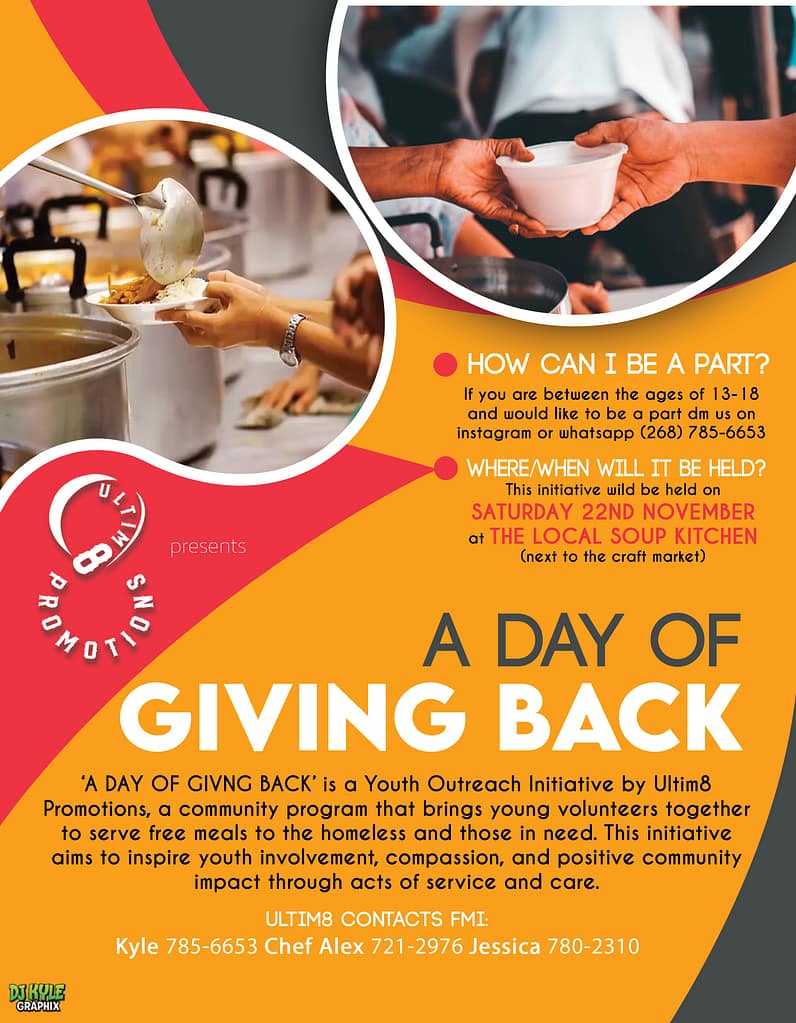
Teen Promotion Group Launches “A Day of Giving Back” Community Initiative
Ultim8 Promotions, a youth-founded organization, has unveiled a groundbreaking community initiative titled ‘A Day of Giving Back.’ Scheduled for November 22nd at a local soup kitchen, this event marks the launch of a broader youth-driven outreach program focused on service and leadership. The initiative seeks to engage young people in meaningful community work, starting with volunteering to serve meals to the homeless and those in need. Organizers emphasize that the project is designed to support vulnerable members of society while instilling values of responsibility, empathy, and civic engagement in youth.
What distinguishes this initiative is its youth-led approach. Unlike many community programs, ‘A Day of Giving Back’ is entirely planned and coordinated by young individuals, giving them a direct voice in decision-making and event organization. Ultim8 Promotions has a proven track record of successful youth engagement through events like ‘End of Term Jam’ and ‘UnderRated: The Ultim8 Teen Event.’ Now, the group is expanding its efforts beyond entertainment into impactful community service.
As part of the launch, Ultim8 Promotions is calling on more young people to get involved. Teens aged 13–18 are encouraged to volunteer and participate in future outreach activities. Interested individuals can sign up by contacting the group via Instagram (@Ultim8_promotions) or WhatsApp (785-6653). Organizers believe this initiative will not only benefit the community but also nurture the next generation of leaders in Antigua. Community members are also invited to support the initiative by contributing supplies or resources, as donations of any kind are welcomed and will directly aid those in need.
-
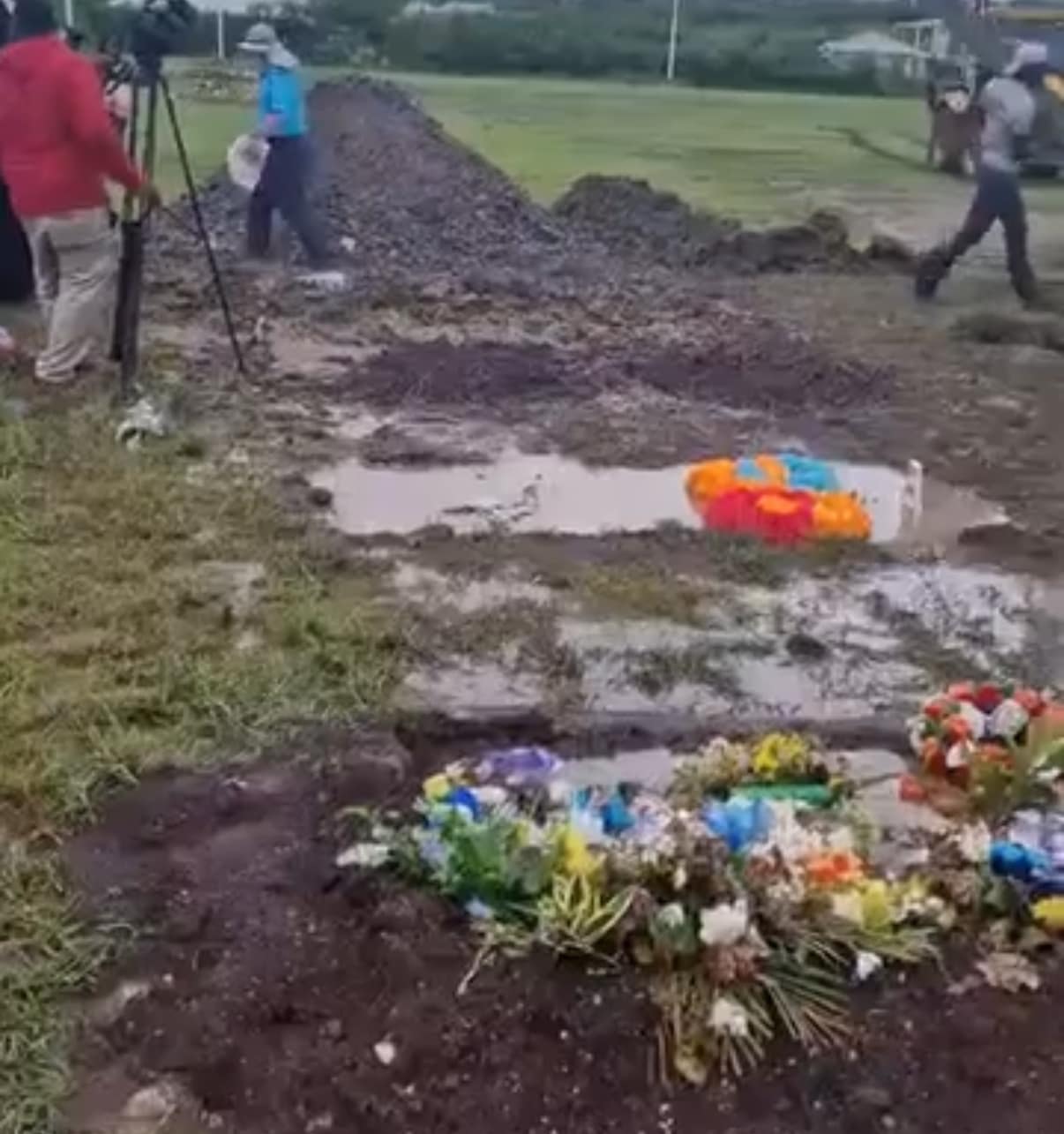
VIDEO: Flooded Graves at Tranquility Park Cemetery
Antigua’s most visited news website is now offering fully customizable and flexible digital marketing packages to businesses looking to enhance their online presence. With a proven track record of high traffic and engagement, the platform provides advertisers with unique opportunities to reach a broad audience effectively. The marketing solutions are designed to be adaptable, catering to the specific needs and goals of each client. Interested parties are encouraged to contact the team at [email protected] to explore tailored advertising strategies. This initiative aims to support local and international businesses in maximizing their digital outreach through innovative and targeted campaigns.
-
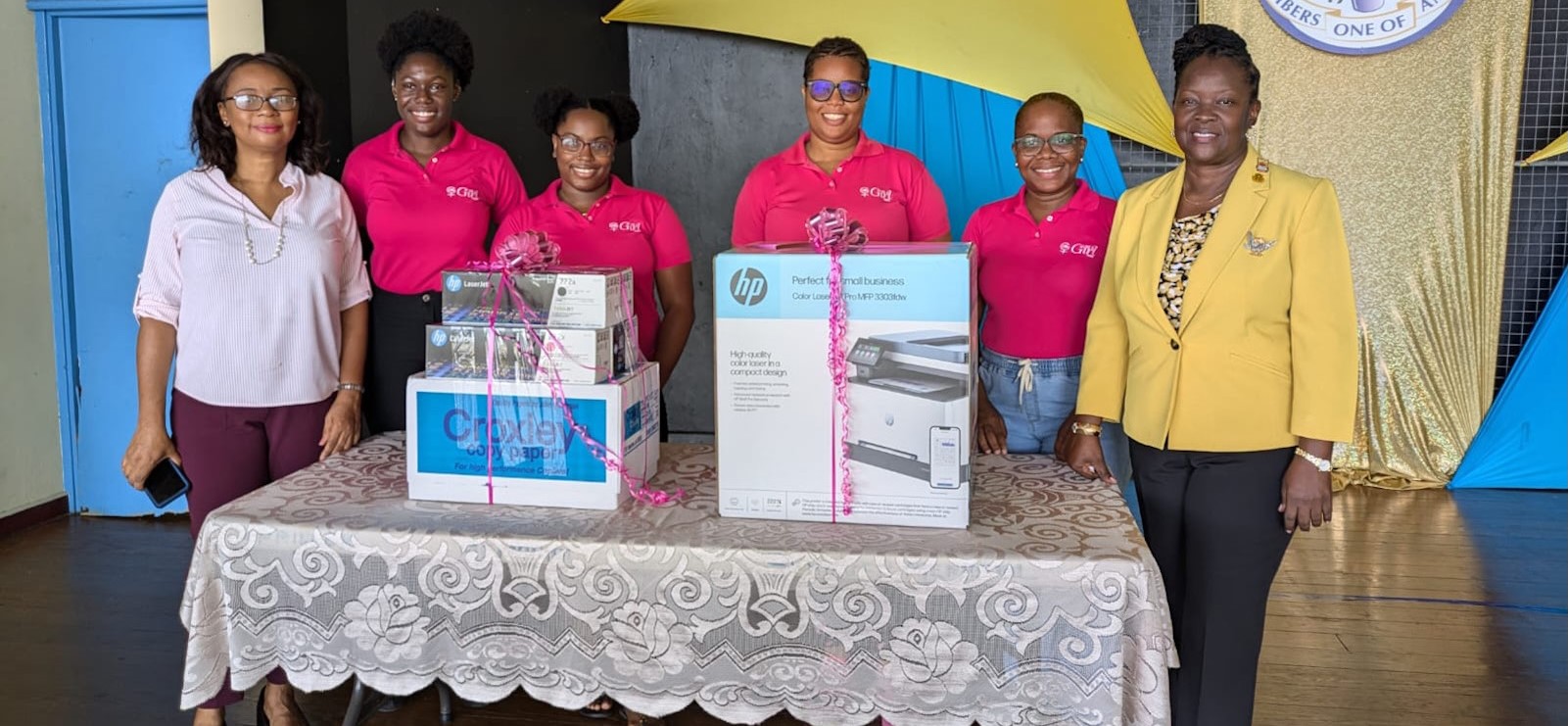
I Am A Girl donates $5 000 in supplies to Springer Memorial
In a significant move to bolster educational resources, the non-profit organization I Am A Girl has contributed $5,000 worth of essential equipment to Springer Memorial School. The donation, which includes a printer, ink, and 20 boxes of paper, aims to enhance the school’s printing and learning capabilities. The handover ceremony occurred during the school’s morning assembly on Friday, where Samsha Payne, the Community Engagement and Programming Assistant at I Am A Girl, addressed the students. Payne highlighted the organization’s mission to empower young women through education and leadership development. She emphasized the significance of the week, which coincided with World Mental Health Day, the International Day of the Girl Child, and the organization’s 11th anniversary. ‘It felt right to give back to the school that has nurtured some of our DisruptHer mentees,’ Payne remarked. The DisruptHer Programme, a flagship initiative of I Am A Girl, recently concluded at Springer Memorial. This program is designed to cultivate leadership, confidence, and community among young women across the Caribbean. In an interview, Raeann Flatts, the communications and engagement coordinator, and Joy Drayton, the DisruptHer facilitator, shared insights into the program’s impact. Over the past three years, DisruptHer has reached schools in Barbados, Trinidad, Dominica, and Saint Lucia. ‘DisruptHer teaches girls to become positive disruptors, to use their voices, lead with purpose, and influence change,’ Flatts explained. ‘Many of our mentees go on to mentor others, perpetuating the cycle of empowerment.’ Springer Memorial Principal Sonja Goodridge expressed profound gratitude for the donation, noting that the new equipment will significantly benefit students, especially as they prepare for school-based assessments.