
When men receive a breast cancer diagnosis, their initial reaction is often disbelief, followed by questions about survival, sexuality, and masculinity. Dr. Nazreen Bhim, a clinical oncologist, highlights that breast cancer in men is frequently misunderstood as a ‘woman’s disease,’ leading to denial, delayed treatment, and heightened stigma. This misconception exacerbates the emotional burden men face, compounding the physical challenges of cancer treatment. Many men struggle with embarrassment, particularly when discussing issues like surgery scars, sexual dysfunction, or body-image changes. Dr. Bhim emphasizes the importance of normalizing language around breast cancer to reduce shame and encourage open dialogue. She advocates for pre-operative counseling, which includes discussing scar patterns, reconstruction options, and tattoo alternatives to help men prepare emotionally and physically. Masculinity and self-image play a significant role in how men process their diagnosis and recovery. Reframing treatment as an active, courageous choice rather than a loss of control can help align care with their sense of self. However, men often underutilize counseling and peer support due to societal conditioning around male strength and emotional restraint. Dr. Bhim recommends gentle but assertive encouragement to increase uptake of these resources. Early psycho-oncology referrals, male-inclusive support groups, and practical checklists for surgery or chemotherapy days can significantly improve coping and recovery. Dr. Bhim also calls for greater visibility and inclusion of men in breast cancer campaigns, urging the medical community and society to feature male survivors in media and expand genetic services to include entire families. Emotional healing, she stresses, is as vital as physical recovery, and men should be encouraged to seek help early through counseling, peer support, or faith-based guidance.
博客
-

Breast reconstruction:‘It’s about confidence, not cosmetics’
Breast reconstruction is more than a medical procedure; it is a transformative journey toward restoring normalcy and self-assurance for women who have undergone breast cancer surgery. Dr. Rajen Rampaul, a leading breast oncologist and reconstructive surgeon in Trinidad and Tobago (TT), has been at the forefront of oncoplastic surgery, a specialized field that integrates cancer treatment with reconstructive techniques. This approach not only helps women survive breast cancer but also reclaim their sense of identity and confidence.
Breast reconstruction encompasses a wide range of surgical interventions aimed at restoring the breast’s natural form or appearance. While it is commonly associated with women who have had part or all of a breast removed due to cancer, it also benefits individuals with congenital abnormalities or underdeveloped breasts. Dr. Rampaul emphasized that reconstructive surgery differs fundamentally from cosmetic surgery, as the former focuses on restoring normalcy after injury, disease, or abnormal development, rather than altering what is already normal.
In TT, over 95% of breast reconstruction cases are linked to breast cancer, with the remaining 5% addressing congenital issues. Dr. Rampaul has pioneered various techniques, including oncoplastic surgery, autologous fat grafting, and free flap deep inferior epigastric perforator (DIEP) breast reconstruction. These methods allow for a combined approach that restores both form and function, tailored to the patient’s specific needs.
The timing of reconstruction—whether immediate, delayed, or immediate-delayed—depends on factors such as cancer type, stage, and the need for radiation therapy. Dr. Rampaul highlighted that physical activity levels also influence the choice of reconstruction method. For instance, highly active women may not be ideal candidates for latissimus dorsi flap reconstruction due to potential loss of back strength. Similarly, gym enthusiasts may experience “animation” of implants during chest exercises, prompting surgeons to opt for subcutaneous implant reconstruction using autologous fat grafting.
Recovery times vary, with implant-based reconstruction offering the shortest recovery period and free flap reconstruction requiring the longest. Dr. Rampaul cautioned that while reconstruction can restore physical appearance, it does not restore sensation, and patients must be thoroughly counseled about its limitations.
Beyond the physical, breast reconstruction has profound emotional and psychological benefits. Studies show it significantly aids in recovering from the emotional trauma of breast cancer surgery. However, Dr. Rampaul noted that some patients may still experience regret, underscoring the importance of pre-surgery counseling. Intimacy and self-confidence are critical areas often overlooked in breast cancer literature, with many patients struggling with body image and sexual health post-surgery. Breast reconstruction has been shown to improve these aspects, though breastfeeding may be affected depending on the surgery type.
Dr. Rampaul also addressed the evolving awareness of breast reconstruction in TT. A decade ago, it was often misunderstood as a cosmetic procedure, but today, it is increasingly recognized as an essential part of rehabilitation. Despite cost challenges, the value it adds to a patient’s recovery—both physically and emotionally—is immeasurable. He advised young women considering reconstruction to educate themselves thoroughly, consult qualified surgeons, and understand both the benefits and limitations of the procedure.
Ultimately, breast reconstruction is not about recreating what was lost but about empowering women to regain their confidence and re-enter the world with a renewed sense of normalcy.
-
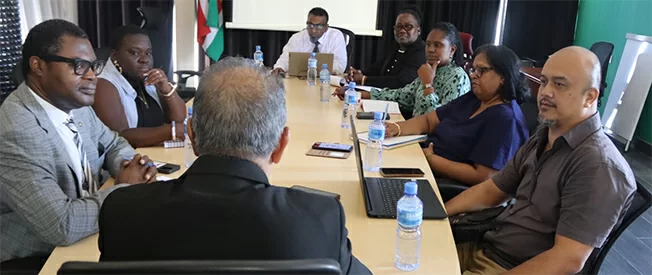
VWA en PAHO versterken samenwerking rond welzijn en arbeid
In a significant meeting on October 12, Suriname’s Deputy Minister of Health, Welfare, and Labor (VWA), Raj Jadnanansing, engaged in discussions with Yafflo Ouattara, the Pan American Health Organization (PAHO) representative in Suriname, to enhance cooperation in the fields of welfare and occupational health. The talks centered on aligning PAHO’s new five-year strategy with Suriname’s national welfare policy, currently under development by the ministry. Both parties emphasized the need for closer collaboration to promote safe and healthy working conditions, particularly in high-risk sectors such as mining and oil and gas. PAHO expressed its readiness to provide technical assistance in training labor inspectors, developing guidelines for safe working environments, and reducing exposure to harmful substances. The discussion also addressed mental health, focusing on suicide prevention and tackling domestic violence. A key outcome was the agreement to organize a multi-stakeholder meeting in the near future to draft a joint roadmap for collaboration. Concluding the meeting, Deputy Minister Jadnanansing presented PAHO’s representative with a copy of ‘The System of Labour Administration in Suriname,’ symbolizing the commitment to shared goals in improving worker health and well-being.
-
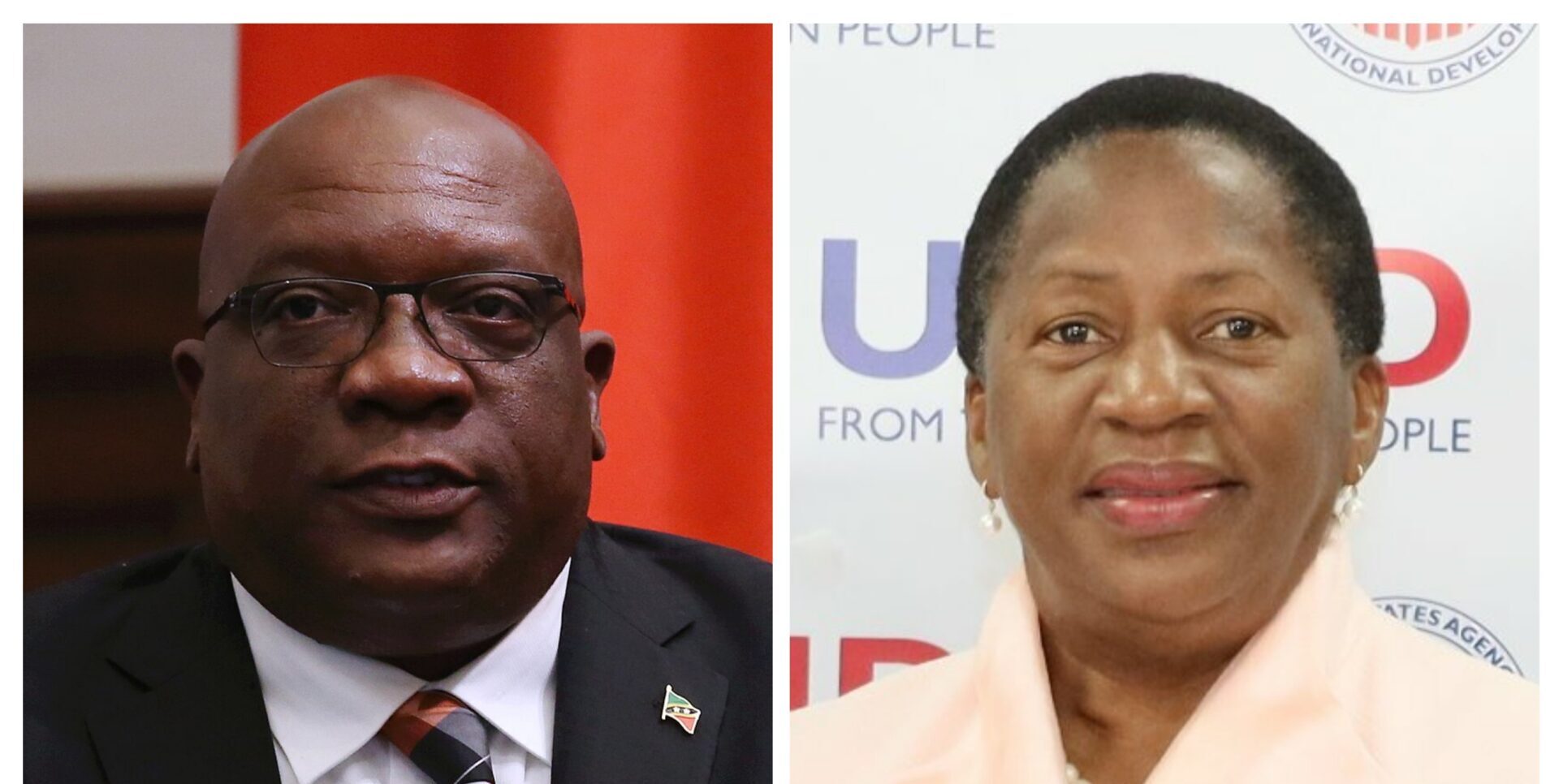
Two separate Parliament walkouts in the Caribbean within one week; status quo under scrutiny
Recent parliamentary walkouts in Trinidad and Tobago and St. Kitts and Nevis have raised serious concerns about the impartiality of parliamentary Speakers and the state of democratic accountability in the Caribbean. These incidents, as reported by Times Caribbean, underscore a growing crisis in regional governance. In Trinidad and Tobago, members of the opposition Peoples National Movement (PNM) staged a walkout on Friday evening, accusing the Speaker of bias and selective application of parliamentary rules. The opposition claimed their attempts to ask urgent questions and address the Prime Minister were consistently blocked, while government MPs engaged in disruptive behavior without consequences. The opposition criticized the Speaker’s failure to uphold constitutional standards, describing the situation as ‘untenable’ and emphasizing that Parliament belongs to the people, not any political party or individual. Political analysts in Port of Spain noted that this incident reflects a broader erosion of confidence in Caribbean parliamentary traditions, which are modeled after British procedures but now face accusations of bias and procedural manipulation. Meanwhile, in St. Kitts, former Prime Minister Dr. Timothy Harris staged a solitary walkout, protesting the Assembly’s failure to approve parliamentary minutes for over three years. Harris condemned the Speaker’s attempt to approve all outstanding minutes in a single sitting as a ‘flagrant breach of the Constitution and parliamentary tradition,’ arguing that minutes should be reviewed individually to ensure accuracy and transparency. Experts called this the first known instance in modern democratic history where a parliament had gone three years without confirming its minutes, dubbing it ‘A Parliamentary Scandal Without Precedent in the World.’ The controversy has sparked public outrage and calls for the Speaker’s resignation. Analysts view these incidents as indicative of a troubling regional trend, with Westminster-style parliamentary systems in the Caribbean facing challenges from rising partisanship and weakened institutional checks and balances. As one political analyst noted, ‘The Caribbean’s parliaments are on trial — not by the Opposition, but by history itself.’
-
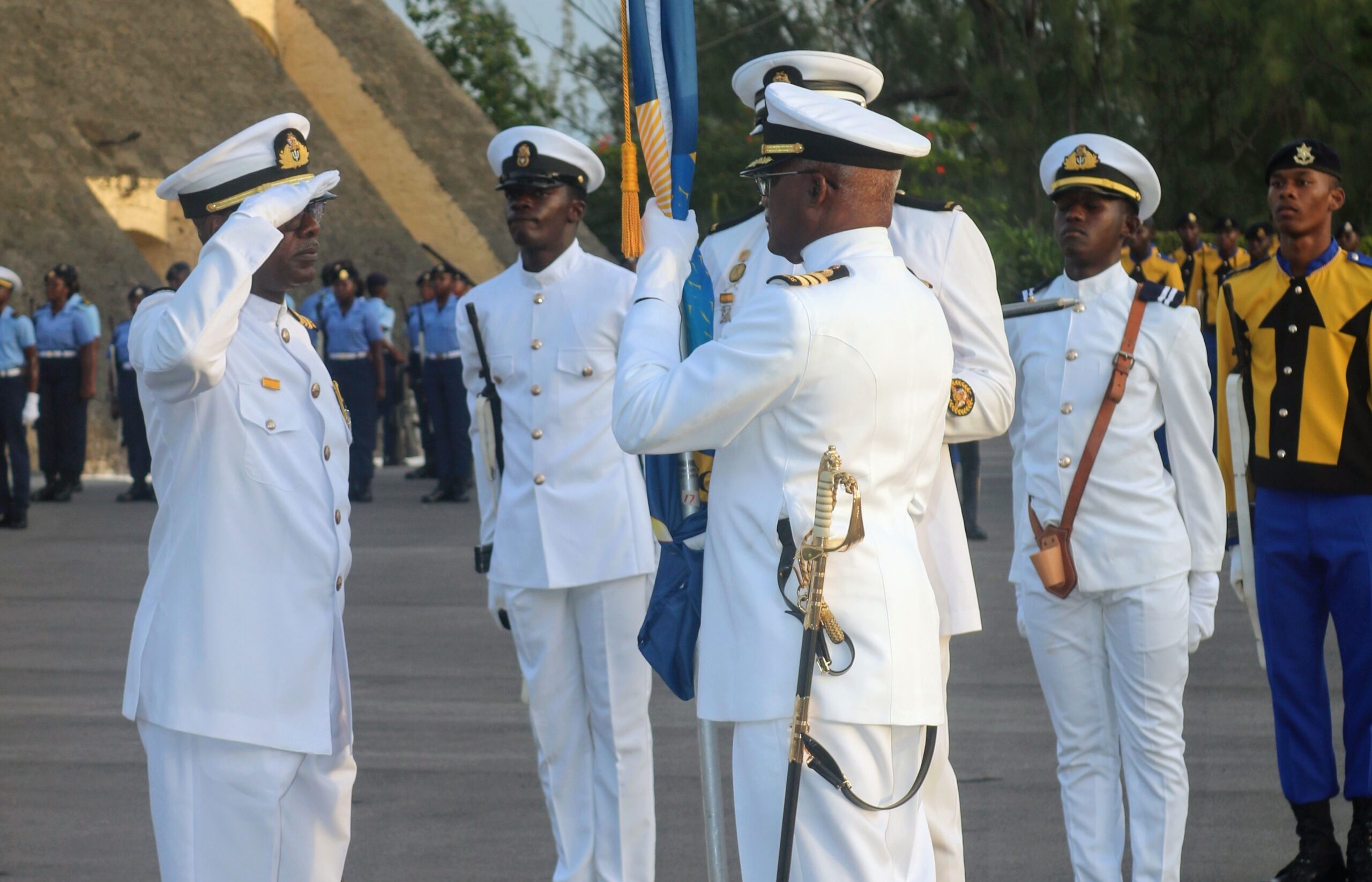
Change of command marks new chapter for Barbados Cadet Corps
The Barbados Cadet Corps marked a significant milestone in its history with a Change of Command and Sunset Ceremony held at the Barbados Defence Force Headquarters, St Ann’s Fort, The Garrison, St Michael, on Saturday. The event celebrated the formal transition of leadership from Lieutenant Colonel David Dowridge to Lieutenant Colonel Carl Farley, who was inaugurated as the ninth Commandant of the Corps. Cadets took center stage, managing key roles, including musical direction, a move praised by outgoing Commandant Dowridge. In his farewell address, Lieutenant Colonel Dowridge, a veteran of 52 years in military service, reflected on his tenure and emphasized the importance of the Cadet Corps as a premier youth development program in Barbados and the Caribbean. He urged stakeholders to ensure the program’s integration into school curricula. Lieutenant Colonel Farley, with 40 years of service and 11 years as Deputy Commandant, expressed gratitude for the opportunity to lead. He pledged to uphold the Corps’ legacy, emphasizing integrity, transparency, and collaboration. Farley outlined plans to expand membership, particularly among sea cadets, and called for qualified individuals to join as adult leaders to support youth development.
-

Woman Robbed at Gunpoint; Vehicle, Cash and Cards Stolen
In a distressing incident that unfolded in the early hours of Sunday, a resident was robbed at gunpoint on Pope Head Street, near Pita Pocket. The assailant made off with a white 2011 Honda Fit RS, bearing license plate A71654, along with the victim’s personal belongings, including identification cards, bank cards, and cash. The victim, who remains unnamed, has since appealed to the public for assistance in recovering the stolen vehicle and identifying the perpetrator. Several bystanders were present during the robbery, including two women and a male who had parked across the street. Shockingly, the male was reportedly seen making remarks and laughing with friends, raising concerns about the community’s response to such incidents. Authorities are urging anyone with information to come forward and assist in the investigation. This alarming event has sparked discussions about public safety and the need for community vigilance in the area.
-

Saint Lucia receives automated passport control kiosks from OECS Commission
The soaring costs of regional travel within the Caribbean continue to burden commuters, with high taxes on airline tickets being a primary culprit. These taxes, often exceeding the base airfare, have made intra-Caribbean flights significantly more expensive compared to regions like Europe and Southeast Asia, where lower aviation taxes and government support have fostered the growth of budget airlines. This disparity has created a challenging environment for Caribbean travelers and the tourism industry alike. Locals are increasingly priced out of flying between islands, while tourists face unexpectedly high costs, dampening demand for regional travel. The financial strain is also felt by local airlines, which struggle to compete with subsidized foreign carriers. Among these is LIAT Air, a new entrant in 2024, which faces the dual challenge of distancing itself from its failed predecessor, LIAT 1974, and navigating the heavy tax burden. LIAT Air CEO Hafsah Abdulsalam highlighted these issues during her address at the State of the Tourism Industry Conference (SOTIC) 2025, emphasizing the need for efficiency and government collaboration to reduce costs. Abdulsalam also revealed LIAT’s ambitious plans to expand connectivity to South America and Africa, underscoring the potential benefits of increased travel volume for local airlines, airports, and tourism-dependent businesses. However, achieving this vision requires a concerted effort from regional governments to address the tax issue and foster a more supportive environment for aviation. Whether the discussions at SOTIC 2025 will lead to actionable steps remains uncertain, but the stakes are high for the Caribbean’s most vital industry.
-
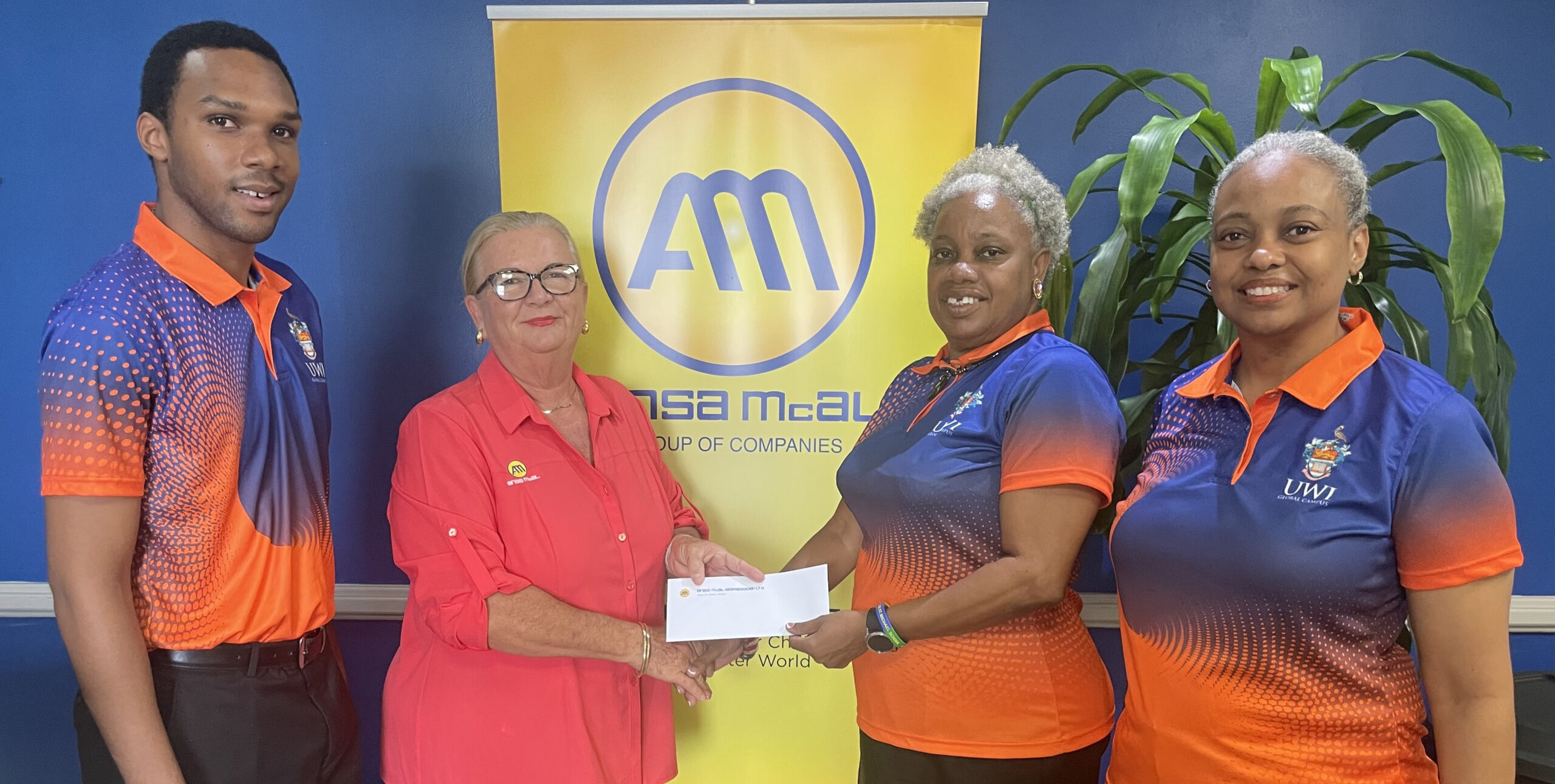
ANSA McAL Barbados backs UWI Global Campus Endowment Fund
ANSA McAL Barbados has stepped forward to support the University of the West Indies (UWI) Global Campus Endowment Fund, a visionary initiative aimed at assisting academically gifted students who face significant financial hurdles. The fund, conceptualized by Sandra Griffith-Carrington, the campus officer of Alumni Relations in 2022, seeks to ensure that financial constraints do not impede the educational aspirations of deserving students. Many of these students have already triumphed over substantial life challenges, and the fund is designed to eliminate yet another obstacle on their path to success. The official launch of the fund was marked by a live Social Mediathon event, graced by the presence of Sir Rodney Williams, Governor General of Antigua and Barbuda, and the Most Honourable Dame Sandra Mason, President of Barbados. The event successfully raised US$30,000 to initiate the fund. ANSA McAL Barbados expressed its pride in contributing to this noble cause, emphasizing that the donation underscores the company’s steadfast dedication to education, community development, and youth empowerment across the Caribbean. Rachel Pilgrim, Head of Marketing at ANSA McAL Barbados, remarked, ‘Our youth are our future, and by investing in their education today, we are laying the foundation for a stronger, more resilient Caribbean tomorrow.’ Sandra Griffith-Carrington extended her gratitude to ANSA McAL, stating, ‘No gift is too small as we collectively strive to enhance the capacity of our region’s nations.’
-
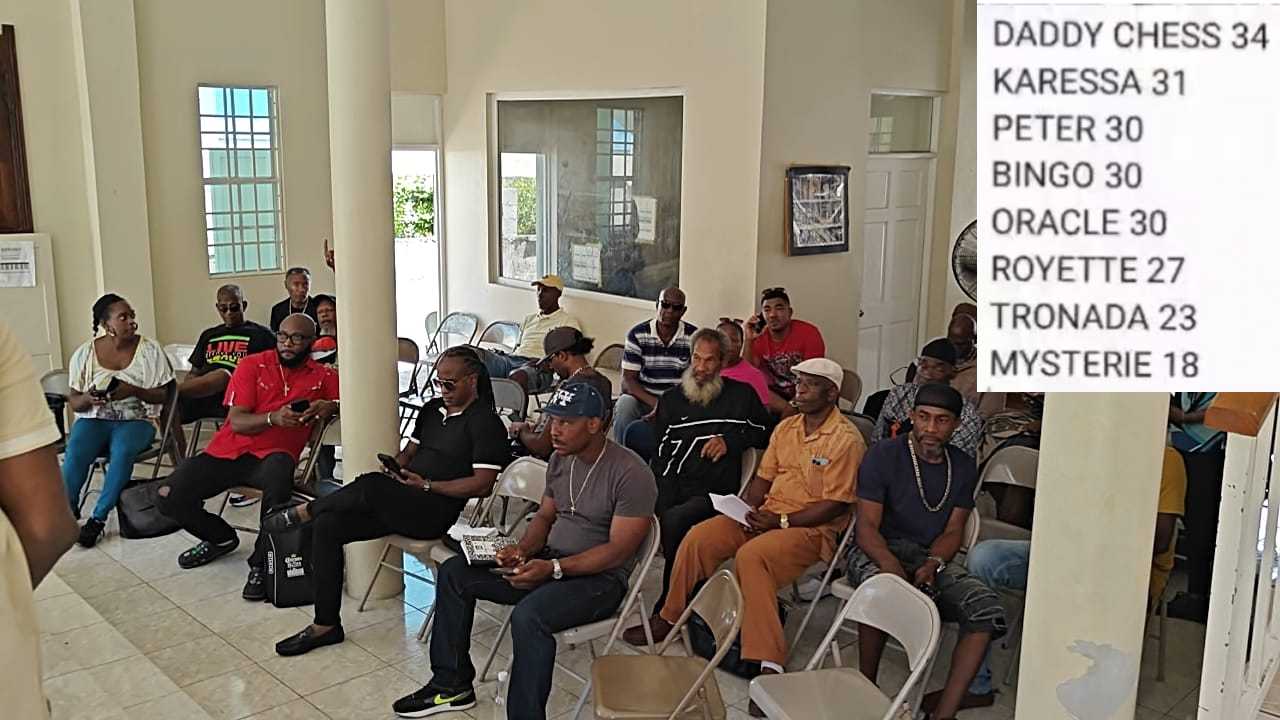
New executive elected to lead Dominica Calypso Association ahead of 2026 Season
The Dominica Calypso Association (DCA) has successfully navigated a period of constitutional controversy and leadership uncertainty by electing a new nine-member executive team. The elections, held on October 11 at the Dominica Calypso House, saw approximately 40 Calypsonians casting their votes to select eight new executive members. These individuals will join Joey Lloyd, who was previously elected as the caretaker executive member following the resignation of the former leadership amid constitutional disputes. The newly elected members include Daddy Chess, who received the highest number of votes with 34, followed by Karessa with 31. Peter Letang, Bingo, and Oracle each secured 30 votes, while Royette garnered 27, Tronada received 23, and Mystery rounded out the list with 18 votes. The executive comprises seven men and two women, forming a leadership team tasked with revitalizing the DCA and preparing for the upcoming Calypso season, which begins in less than three months with the elimination round. Narrin Murphy, former Treasurer of the DCA, shared the results and extended his support to the incoming executive. ‘We take the opportunity to wish the current executive the very, very best as they prepare for the 2026 season,’ Murphy stated. ‘It’s not really easy, but we will give the full support we can when requested.’ The elections mark a turning point for the DCA, which has recently faced internal challenges. Former president Ian Jackson confirmed that several members of the outgoing executive had exceeded constitutional term limits, prompting a petition from some members and calls for reform. The petitioners claim that the October 11 elections were held to restore constitutional integrity and public confidence in the association’s governance. With the 2026 Calypso season rapidly approaching, the newly elected executive is expected to promptly begin preparations for DCA-organized events, provide robust support to artists, and strengthen the cultural significance of Calypso in Dominica.
-

Saint Lucian filmmaker Elijah Anatole premieres new short film
Elijah Anatole, a rising filmmaker from Saint Lucia, is poised to unveil his latest short film, *Omyra*, on October 27, marking a significant achievement in his burgeoning career. This 25-minute suspense thriller delves into themes of love, betrayal, and revenge, serving as a precursor to his next major feature film, scheduled for production in 2025. Anatole conceived *Omyra* during a period of creative restlessness while awaiting investor commitments for his upcoming project. ‘I just wanted to keep busy because I hate being idle,’ he shared with *St. Lucia Times*. The film, completed in just a few days on a modest budget, features a dedicated local crew, including young creatives eager to hone their craft. Anatole juggled multiple roles, from cinematography to directing, ensuring the project’s success. The film draws inspiration from biblical parables, designed to keep audiences engaged with its unpredictable twists. Supported by the Ministry of Tourism and local businesses like PorshLyfe, FASHIONBLOC, Rambally’s Funeral Parlour, and Cayman Villas, *Omyra* benefited from donated wardrobe, props, and filming locations. Many cast and crew members volunteered their time, driven by their passion for filmmaking. The premiere at Caribbean Cinemas will be a one-time event, adhering to international film festival regulations. Following the screening, *Omyra* will embark on a global festival circuit, with submissions planned for the United States, the United Kingdom, Canada, and Africa. If not selected for feature expansion, the film will eventually be released on YouTube. Anatole envisions a stronger local film industry through his initiative to connect emerging Saint Lucian creatives with seasoned Hollywood professionals. ‘These experts have worked on major blockbusters, including films by Denzel Washington and Spike Lee,’ he explained. He emphasized the importance of hands-on experience for local talent, aiming to elevate Saint Lucia’s film industry to compete globally. Despite challenges like tight schedules and limited budgets, Anatole praised the dedication of his team. His next project, a six-episode limited series inspired by local folklore, is already in development, with hopes of pitching it to Netflix. ‘We have what it takes to produce top-quality films that can compete with Hollywood,’ he asserted. Tickets for *Omyra*’s premiere are priced at $20, with proceeds supporting film festival entry fees. Anatole hopes the film will inspire a new generation of Saint Lucian filmmakers, declaring, ‘It’s just your mindset that limits you, not your location.’