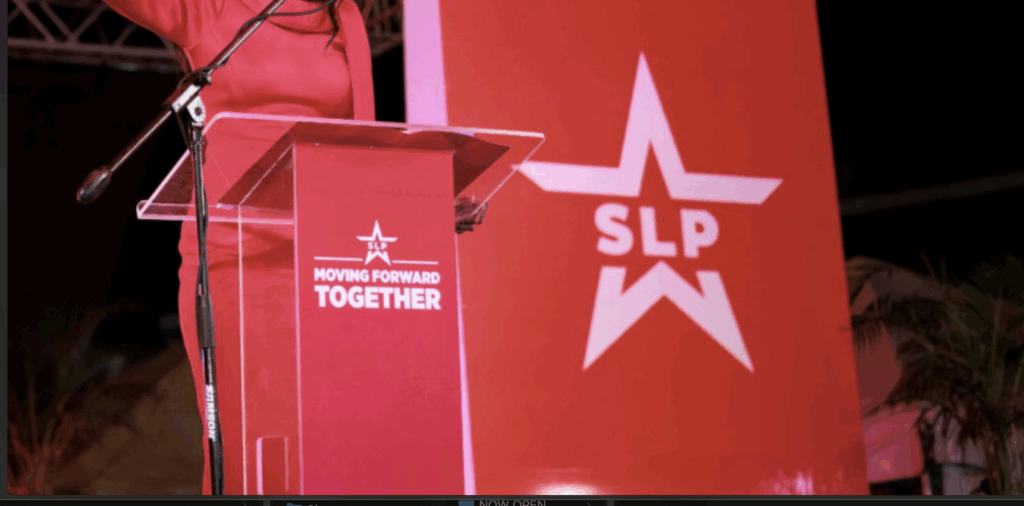
Over the past 28 years, the Saint Lucia Labour Party (SLP) has held power for 18 years, yet the nation’s progress remains stunted. Critical sectors such as infrastructure, agriculture, tourism, healthcare, and national security have languished under SLP’s governance. The southern region, in particular, has been systematically neglected, perpetuating poverty and dependency. SLP’s reliance on short-term handouts, exemplified by the failed Youth Economy initiative, has left the youth disillusioned and without sustainable opportunities. In contrast, the United Workers Party (UWP) governed for only ten years, a period marked by unprecedented challenges. From Hurricane Dean in 2007 to the COVID-19 pandemic in 2020, UWP navigated multiple crises while maintaining economic stability, paying salaries, and ensuring the continuity of essential services. Under UWP’s leadership, significant infrastructure projects, including the development of road networks, were realized, fostering commerce and tourism. UWP’s 20/20 Vision Plan emphasized systemic empowerment across agriculture, education, and infrastructure, contrasting sharply with SLP’s focus on temporary fixes. The record is clear: SLP’s prolonged governance has yielded minimal progress and growing insecurity, while UWP’s tenure, despite adversity, delivered tangible development and hope for Saint Lucia’s future.
博客
-
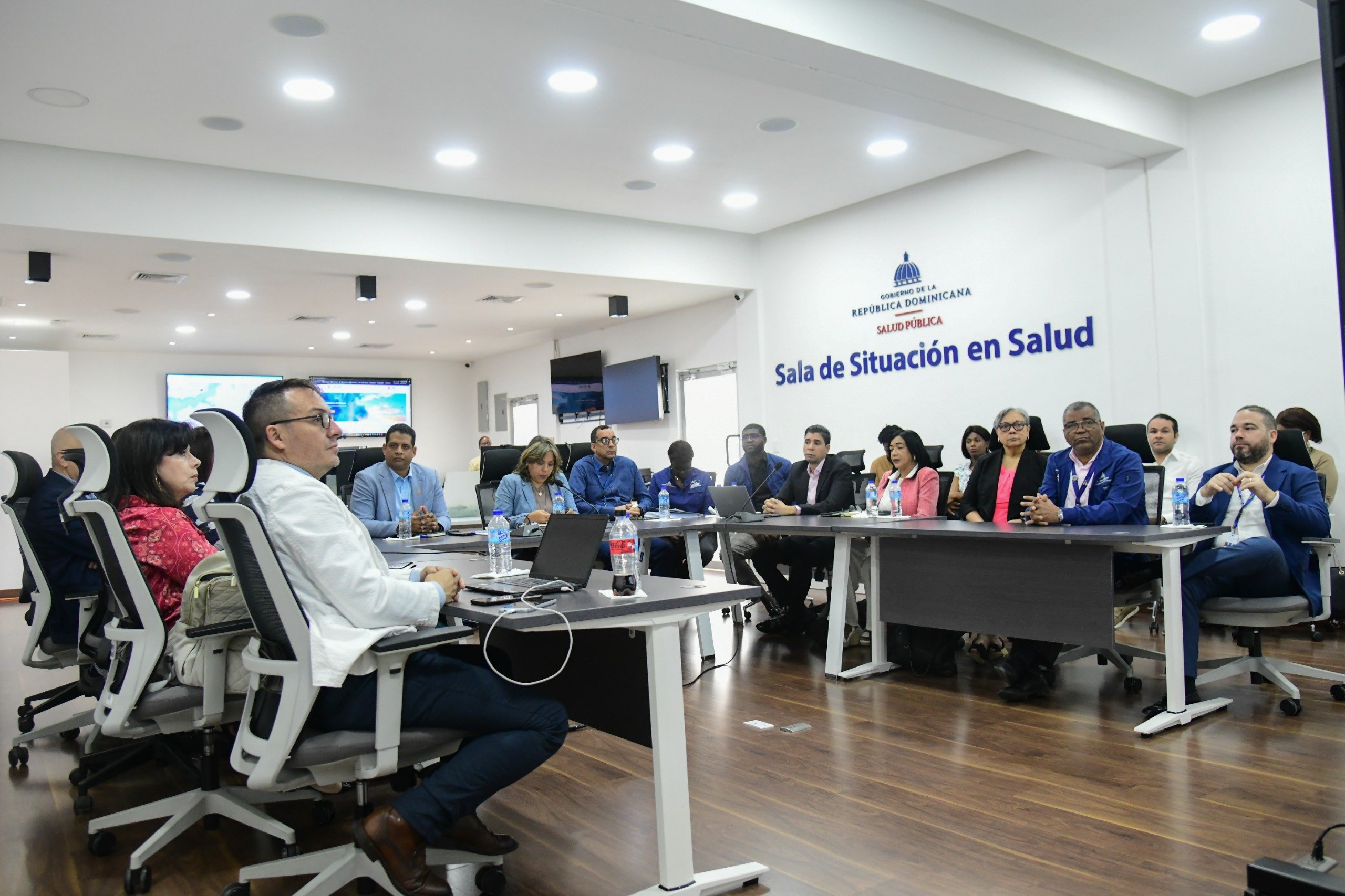
Las Américas Airport advances toward designation as official health entry point
The Dominican Republic’s Ministry of Public Health, in partnership with national and international entities, is making significant strides to designate Las Américas International Airport (AILA–Dr. José Francisco Peña Gómez) as an official Health Point of Entry under the International Health Regulations (IHR-2005). This initiative aims to equip the airport with essential protocols, advanced equipment, and trained personnel to effectively address public health emergencies, including disease outbreaks and other health threats affecting travelers and local residents.
-
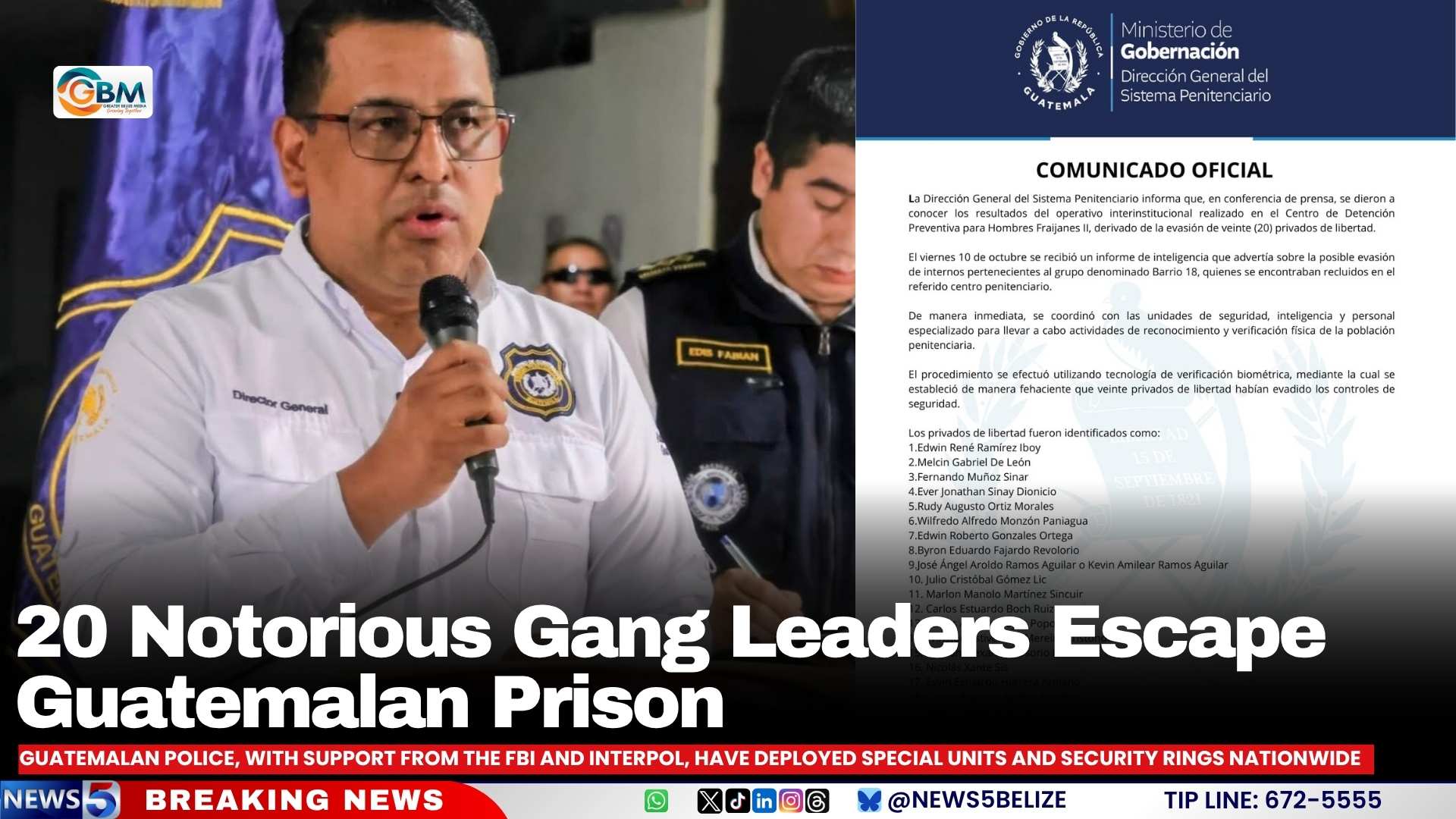
20 Notorious Gang Leaders Escape Guatemalan Prison
In a shocking turn of events, twenty high-ranking members of the notorious Barrio 18 gang orchestrated a daring escape from Guatemala’s Fraijanes II maximum-security prison in the early hours of Saturday, October 11, 2025. The facility, located in the municipality of Fraijanes, is specifically designed to incarcerate the country’s most dangerous criminals, making this incident particularly alarming.
-
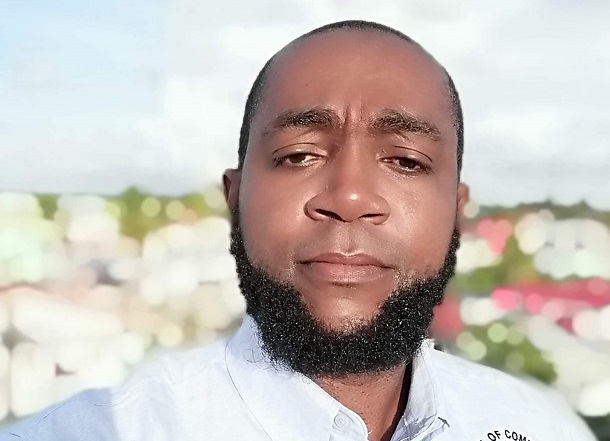
WIN threatens legal action if no more Region 10 voting rounds in 48 hours
The We Invest In Nationhood (WIN) councillors in Region 10 (Upper Demerara-Upper Berbice) have issued a stern warning of legal action if additional voting rounds for the positions of chairman and vice chairman are not conducted within 48 hours. Represented by Attorney-at-Law Siand Dhurjon, the councillors argue that the current impasse violates legal procedures. Dhurjon emphasized that the law permits up to three more voting rounds, with a final resort involving a public lottery conducted by the Clerk of Council to determine the chairman. The legal notice was directed at Clerk of Council Dwight John, who had prematurely suspended the election process after a single tied vote on October 10 and referred the matter to Minister of Local Government and Regional Development Priya Manickchand. Dhurjon criticized this move as illegal and urged the Minister to avoid involvement in any unlawful actions. The lawyer also highlighted that the Minister no longer holds unilateral authority to decide chairmanship appointments. Instead, Dhurjon insisted on adhering to the Local Democratic Organs Act, which outlines a structured process for resolving ties through multiple voting stages and, if necessary, a public lottery. The WIN councillors, including Mark Giring, Denzel Chapman, and others, are determined to ensure the election process is conducted lawfully and transparently.
-

Over 3,500 Dominicans deported from the U.S. in 2025
In 2025, the United States has deported a total of 3,581 Dominican citizens, as reported by the General Directorate of Migration (DGM). Among these deportees, 2,452 individuals (68.47%) were expelled for illegal migration, while the remaining 1,129 faced deportation due to various criminal offenses. The DGM provided a detailed breakdown of the crimes associated with the deportees: 553 were linked to drug-related offenses, 126 to assault, 101 to acts of violence, 67 to illegal possession of weapons, 42 to sexual offenses, 35 to homicide, 22 to fraud, and 17 to the use of false documents. Additionally, cases involving money laundering, smuggling, and human trafficking were mentioned, though specific figures were not provided. This surge in deportations aligns with the stricter immigration policies implemented by former U.S. President Donald Trump, which target individuals considered security or economic risks. Upon their return to the Dominican Republic, deportees are processed at the airport and transferred to the Haina detention center for identity verification. Those without pending legal issues are released to their families, while others are referred to the Attorney General’s Office for further legal action.
-
EDITORIAL: Of free movement, and stalled promise
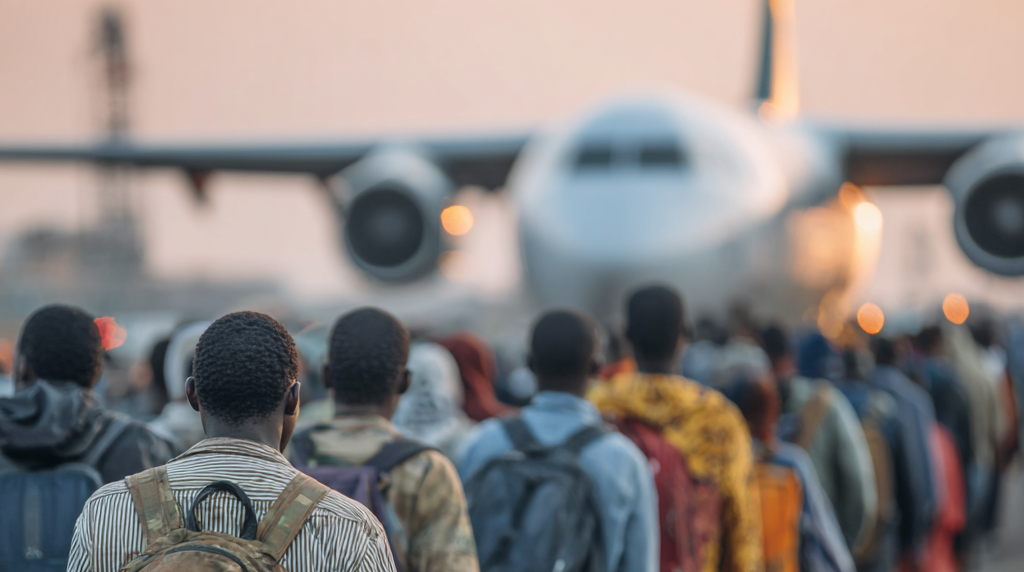
The ongoing discourse on free movement within the Caribbean has intensified, with Barbados and three other nations spearheading efforts toward full implementation. However, this ambitious initiative raises critical questions about whether the process aligns with its lofty promises. The journey toward regional integration began in 1965 with the establishment of the Caribbean Free Trade Association (CARIFTA), aimed at fostering economic ties by reducing trade barriers. This evolved into the Caribbean Community (CARICOM) in 1973, formalized by the Treaty of Chaguaramas, which sought deeper integration across labor, services, capital, and policy coordination. The CARICOM Single Market and Economy (CSME), introduced in 2001, further advanced these goals by enabling the free movement of skilled workers and businesses across member states. Despite these strides, the CSME’s implementation, now 24 years old, remains fraught with inefficiencies. While CSME travelers can enter partner countries without work permits, their passports are stamped to prohibit employment, forcing many to navigate lengthy regularization processes. One applicant reported spending over four weeks securing necessary documentation, during which they were unable to earn income or contribute to the host country’s economy. These delays not only burden travelers but also deprive recipient countries of immediate economic benefits. Challenges extend beyond employment, with difficulties in transferring funds and accessing essential services further complicating regional integration. To address these issues, experts suggest conducting surveys of early travelers to identify pain points and inform policy adjustments. Additionally, establishing a centralized communication system between countries could enhance transparency and coordination. Streamlining subsidiary processes, such as bank account creation and insurance registration, would also alleviate the hardships of inter-island travel. With thoughtful planning and execution, the free movement initiative can achieve its potential, fostering greater regional unity and prosperity.
-
340 jaar Beraha VeSalom Synagoge: 12-10-1685 – 12-10-2025
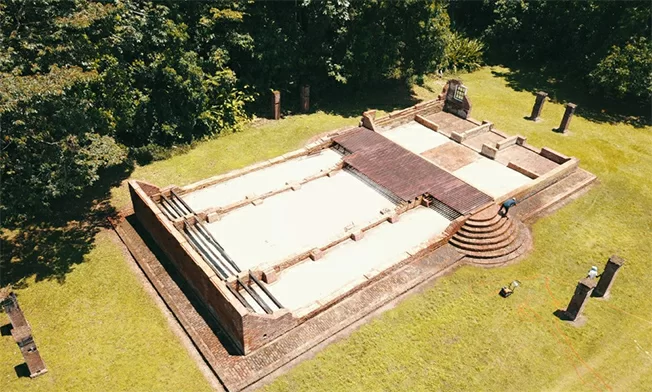
On October 12, 1685, the Beraha VeSalom (BVS) Synagogue, a monumental structure in Jodensavanne, Suriname, was officially inaugurated. This synagogue, whose name translates to ‘Blessing and Peace,’ stood as the heart of the Jewish village and left a lasting impression on visitors due to its grandeur and architectural significance. It was the first synagogue of architectural importance in the Western Hemisphere. Over the centuries, BVS has been extensively documented in writings, paintings, and prints, often depicted from a distance. Approximately 240 years ago, its centennial was celebrated with great pomp in the presence of Governor Wichers, members of the Council of Police and Justice, and numerous dignitaries from Paramaribo. Beyond its religious function, BVS served as a courthouse for minor legal cases, an archive, and a meeting space for the church board. It also acted as a fortress against attacks by maroons, with armed Jewish men preparing for potential assaults during significant religious observances like Yom Kippur. Historical records reveal that on September 30, 1790, Jodensavanne was thrown into turmoil due to a rumored maroon attack, prompting the local militia to guard the synagogue. The construction and maintenance of this once-imposing building were carried out by enslaved individuals, whose contributions are now being honored by the Jodensavanne Foundation as part of the 340th-anniversary commemoration. The foundation has planned several activities to mark this milestone, including the publication of articles, exhibitions, and volunteer programs, all aimed at celebrating the legacy of the Beraha VeSalom Synagogue.
-

Junior Ministers Assigned New Portfolios
In a strategic move to enhance governance and broaden leadership experience, the Government of Antigua and Barbuda has announced the reassignment of two prominent senators to new ministerial roles. Effective Monday, 12 October, Senator Shenella Govia, previously serving as Minister of State in the Ministry of Education, Sport and Creative Industries, will now take on the role of Minister of State in the Ministry of Housing and Works. Concurrently, Senator Clement Antonio, who formerly held the position in the Ministry of Housing and Works, has been reassigned as Minister of State in the Ministry of Education, Sport and Creative Industries, with additional responsibilities overseeing the Antigua and Barbuda Festivals Commission. Prime Minister Gaston Browne emphasized that these reassignments are part of the government’s rotation policy, designed to provide young leaders with diverse experiences and strengthen the overall governance framework. The appointments were made under Section 69 (4) of the Constitution of Antigua and Barbuda, which grants the Prime Minister the authority to assign ministerial offices, with the Governor-General formalizing the appointments. Both senators are among the youngest in the current administration, reflecting the government’s commitment to nurturing emerging talent and ensuring dynamic leadership.
-
Diplomacy over firepower: Saint Lucia and CARICOM weigh in on a divided region
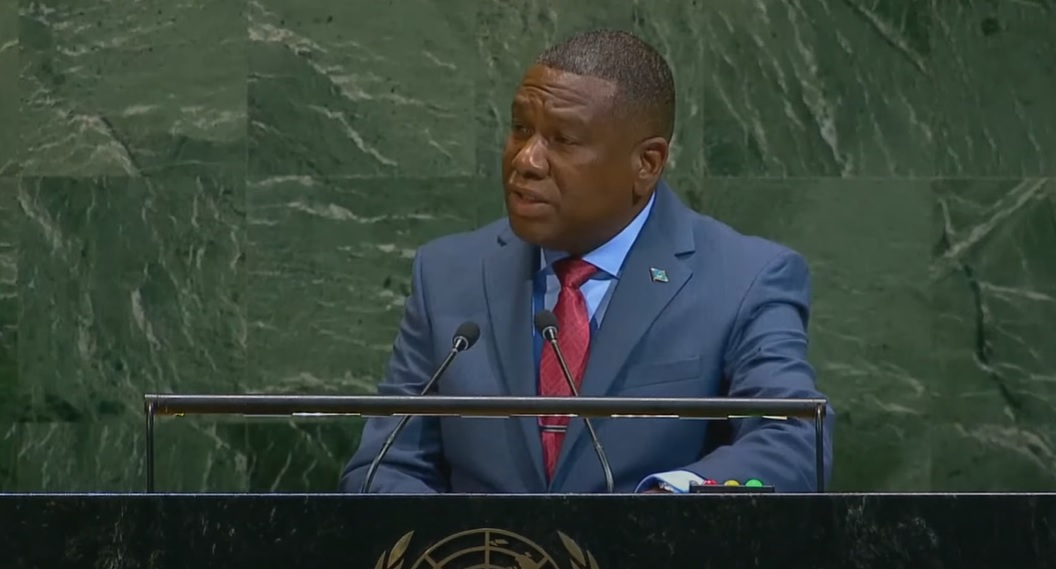
As geopolitical tensions between the United States and Venezuela intensify, Caribbean nations, led by Saint Lucia, are rallying for dialogue and reaffirming the region’s status as a ‘Zone of Peace.’ During his address at the United Nations General Assembly, Saint Lucia’s External Affairs Minister, Alva Baptiste, emphasized the importance of diplomacy and peaceful resolution of conflicts, particularly referencing the 2014 declaration by Latin American and Caribbean leaders that established the region as a peace zone under the principles of the UN Charter. Baptiste expressed concern over the escalating tensions between Venezuela and the US, urging both nations to avoid violence. He also highlighted the need for a peaceful resolution to the Venezuela-Guyana border dispute and called for an end to the US embargo on Cuba. Additionally, Baptiste underscored the role of small nations in advocating for non-violent diplomacy and addressing regional crises, such as the ongoing turmoil in Haiti. CARICOM leaders, including Barbados’ Prime Minister Mia Mottley and St. Vincent and the Grenadines’ Prime Minister Ralph Gonsalves, echoed these sentiments, warning against unilateral militarization and stressing the importance of regional stability. Meanwhile, Trinidad and Tobago’s Prime Minister Kamla Persad-Bissessar offered conditional support for US military operations in the Caribbean, citing a reduction in crime as a positive outcome. Back in Saint Lucia, Police Commissioner Verne Garde emphasized the importance of strengthening border security to combat illegal trafficking, while maintaining regional collaboration with neighboring nations. The collective call for peace comes amid recent confrontations between the US and Venezuela, including accusations of illegal incursions and military strikes in the Caribbean Sea.
-
Cameroon’s 92-year-old president poised for eighth term
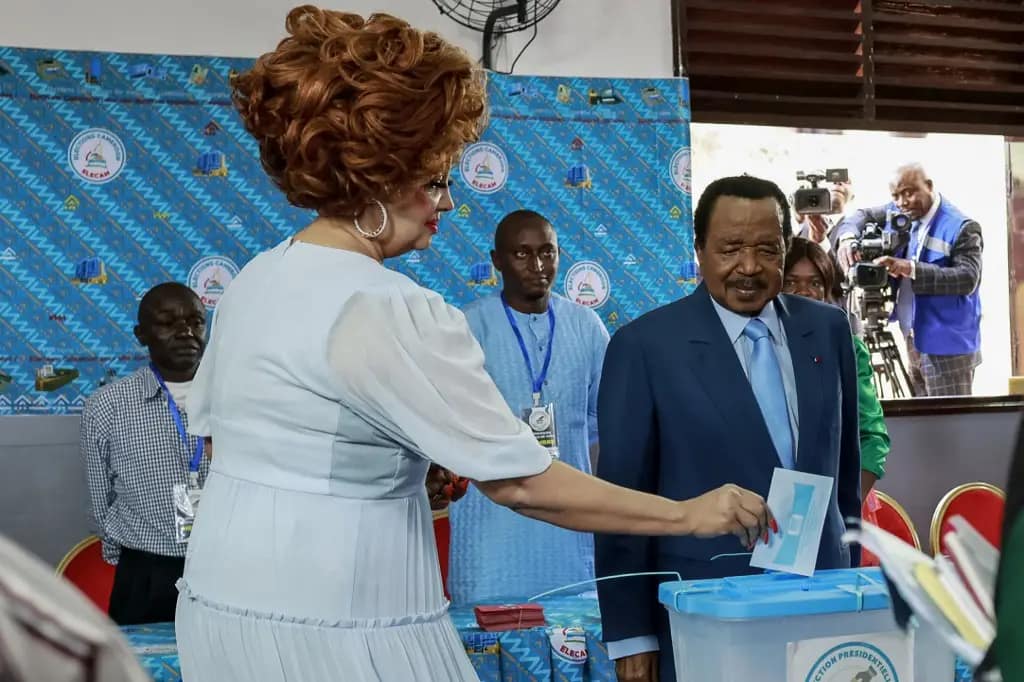
Cameroonians headed to the polls on Sunday in a pivotal election that could see 92-year-old Paul Biya, the world’s oldest serving head of state, extend his 43-year reign. The election, marked by a mix of calm and unexpected enthusiasm, unfolded across the central African nation, where half the population is under 20 years old. Biya, who has been in power since 1982, faced 11 challengers, including former employment minister Issa Tchiroma Bakary, 79, who garnered significant attention despite the incumbent’s dominance. Over eight million eligible voters participated in the one-round election, many of whom have only known Biya as their leader. AFP journalists observed voters crowding polling stations in the capital Yaounde, which closed in the early evening. Jean-Alain Andzongo, an official from the national electoral authority, described the voting process as “calm.” Despite the apparent tranquility, political scientist Stephane Akoa cautioned against naivety, noting the ruling system’s ability to influence outcomes. However, he acknowledged that the campaign had been unusually lively, suggesting the possibility of surprises. Biya, after casting his ballot in the Bastos neighborhood near the presidential palace, remained cautious, stating, “Nothing is certain. Let’s wait until we know the name of the elected official.” The election results will determine whether Cameroon continues under Biya’s long-standing rule or embarks on a new political chapter.