博客

  • Samuda calls for greater support for SIDS at Island States Ocean Summit

    Samuda calls for greater support for SIDS at Island States Ocean Summit

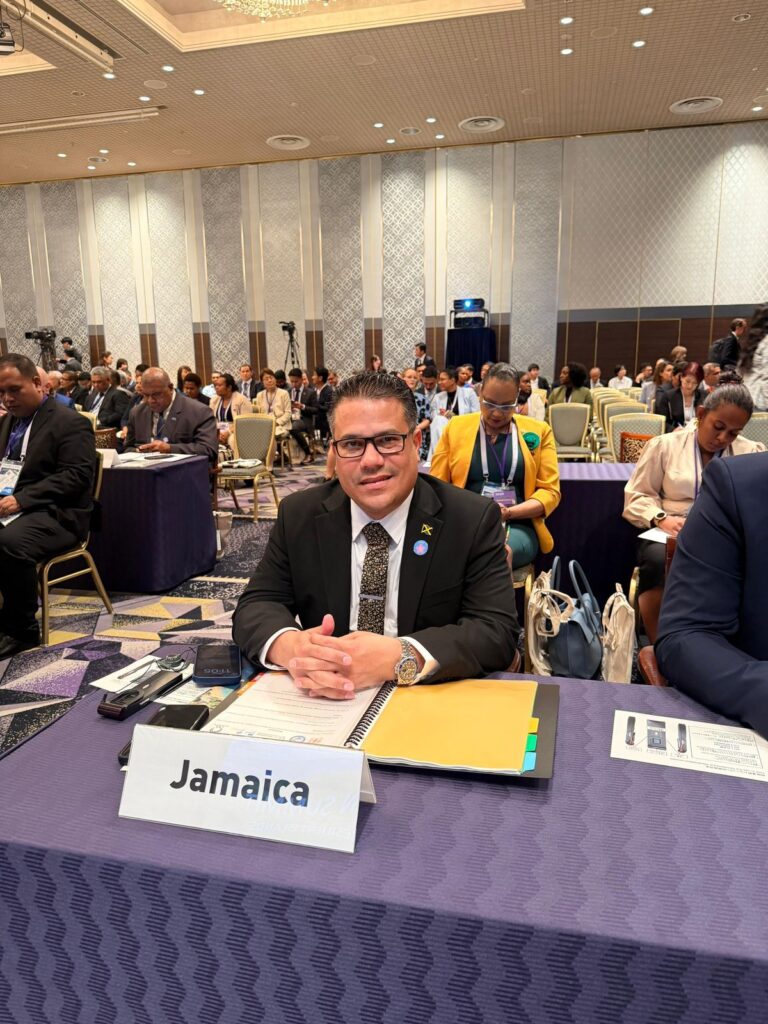
    KINGSTON, Jamaica — At the two-day Island States Ocean Summit, held June 3–4, Jamaica’s Minister of Water, Environment and Climate Change Matthew Samuda has issued a urgent global appeal for scaled-up financing, cross-border technology transfer, targeted capacity building, and specialized technical support to empower small island developing states (SIDS) to upgrade ocean governance frameworks and advance inclusive sustainable development of the blue economy.

    For Caribbean island nations like Jamaica, Samuda emphasized, national prosperity is inextricably linked to the long-term health and sustainable stewardship of marine and coastal ecosystems. Blue economy industries already form a foundational pillar of the country’s economic output: the tourism sector alone generates roughly 20% of Jamaica’s gross domestic product and sustains more than 500,000 jobs, accounting for nearly 37% of the nation’s total labor force.

    To lay the groundwork for responsible ocean development, Samuda outlined a series of concrete policy and governance actions Jamaica has already rolled out. A key milestone is the country’s 2025 ratification of the BBNJ Agreement — the UNCLOS-brokered pact focused on conserving and sustainably managing marine biodiversity in areas beyond national jurisdiction.

    The government is also moving forward with institutional reforms: it plans to reconvene the National Council on Ocean and Coastal Zone Management (NCOCZM), a cross-sector, multi-stakeholder cabinet-level committee, which will be backed by a dedicated Blue Economy Working Group to improve inter-agency coordination and integrated decision-making across all ocean-reliant sectors.

    Additionally, Jamaica has completed its Overarching Policy for the Protected Areas System and made substantial progress on a national Cays Management Policy. These policy frameworks are designed to advance implementation of the Kunming-Montreal Global Biodiversity Framework and align with Jamaica’s own domestic biodiversity conservation targets.

    “Over the past several years, Jamaica has expanded marine conservation action by legally designating new fish sanctuaries and protected marine areas,” Samuda noted. These expansions are intended to boost biodiversity protection, underpin sustainable fishing practices, drive ecosystem restoration, and strengthen the nation’s overall climate resilience. To date, 15.4% of Jamaica’s archipelagic waters hold official protected area status.

    “Sustainable ocean planning and management is a non-negotiable tool for Jamaica to balance environmental protection with long-term economic growth and equitable social development,” Samuda said. “It creates a governance framework that ensures marine resources deliver shared benefits to both current and future generations.” Moving forward, the country has set clear timelines: it will finalize its national Sustainable Ocean Plan in 2027, followed by a comprehensive Blue Economy Strategy in 2028.

    Even with this progress, Samuda warned that climate change remains an existential threat to the island nation. More than 80% of Jamaica’s population lives along the coastline or within five kilometers of the shore, leaving communities, critical infrastructure, livelihoods, and ecosystems acutely exposed to sea-level rise and intensifying extreme weather events. The 2025 Hurricane Melissa served as a devastating reminder of these vulnerabilities: the Category 5 storm caused an estimated US$12.2 billion in damage, equal to 56.7% of Jamaica’s 2024 total GDP. In response, the Jamaican government established the National Reconstruction and Resilience Authority to boost the country’s disaster preparedness and post-event recovery capacity.

    In his address, Samuda also highlighted the under-tapped potential of blue carbon markets for SIDS. Participation in global carbon trading systems, he argued, can unlock new streams of economic revenue for small island nations while directly contributing to global greenhouse gas emissions reduction goals.

    Reiterating his call to the global community, Samuda pressed for expanded international support to help SIDS strengthen ocean governance and advance sustainable blue economy projects. “Through stronger global partnerships and coordinated collective action, we can protect our vital ocean resources while building resilient, inclusive, and sustainable economies for all SIDS,” he said.

  • Moyann releases Miss Toxic EP

    Moyann releases Miss Toxic EP

    Jamaican dancehall and singjay talent Moyann has delivered a long-awaited treat for her global fanbase, dropping her five-track extended play (EP) *Miss Toxic* across all major digital streaming platforms starting Friday, May 29, 2026.

    The Montego Bay-born artist, who first broke into the mainstream dancehall scene in 2019 with her viral breakout hit *Netflixxx N Chill*, describes the new project as the most polished, meaningful work of her professional career so far. In a statement shared ahead of the EP’s launch, she opened up about the creative energy poured into the release, noting that the collection blends a diverse range of sonic influences that showcase her artistic evolution.

    “I poured every part of my creative energy into every track on this project, and it brings together so many different sounds that inspire me,” Moyann explained. “I’m incredibly proud of what we’ve built here, and I truly believe it’s a project that stands the test of time – it’s a collector’s item for every music lover who supports authentic dancehall. I’m asking my fans to give this project their full attention, and I promise no one will walk away disappointed.”

    *Miss Toxic* features production work from two of the industry’s most acclaimed dancehall producers, Anju Blaxx and Shakespeare, who have helped shape the project’s distinct, contemporary sound. Even before the EP’s full release, the title track *Miss Toxic* has already started climbing regional and international airplay charts, earning growing engagement and shares across social media platforms from dancehall fans worldwide.

    Since her breakout seven years ago, Moyann has built an extensive, well-received discography that includes fan-favorite solo releases such as *A Nuh My Style* and *Meech Out*. She has also cemented her status as one of dancehall’s most in-demand collaborators, sharing studio time and releasing tracks with some of the genre’s biggest names, including Shenseea, Popcaan, Jahvillani, Jahshii, and Tommy Lee Sparta.

    Right now, the artist is fully focused on promoting the new EP across domestic and international markets, while continuing to develop new original music alongside frequent collaborators Anju Blaxx and Shakespeare. In a additional milestone that underscores her growing global momentum, Moyann recently closed a new management deal with Protocol Entertainment, a Los Angeles-based international record label and entertainment firm that will support her upcoming career moves.

  • Dominican government delivers equipment to combat sargassum on Boca Chica beaches

    Dominican government delivers equipment to combat sargassum on Boca Chica beaches

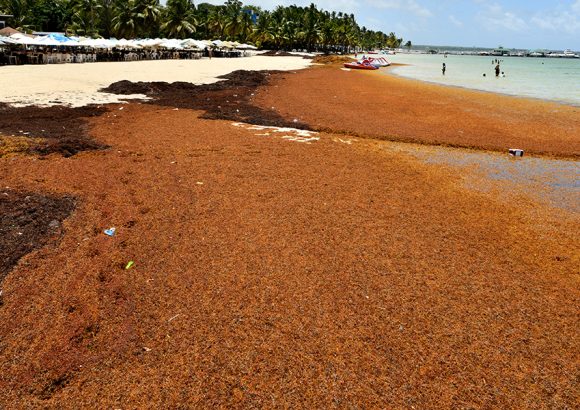
    BOCA CHICA — As seasonal sargassum blooms continue to threaten one of the Dominican Republic’s most beloved coastal destinations, the national Ministry of Tourism has handed over a fleet of 42 heavy-duty machinery units to local authorities to scale up cleanup operations against the persistent invasive algae. The new resource package, tailored to boost the region’s long-standing battle against annual sargassum surges, includes 30 cargo trucks, six heavy tractors, and six specialized beach sweepers, all designed to streamline maintenance and debris removal across Boca Chica’s popular shoreline.

    At the official handover event held this week, Tourism Minister David Collado underscored a key guiding principle behind the resource allocation: the distribution was conducted entirely outside of partisan political lines. Collado confirmed that mayors representing a range of political affiliations, including members of opposition parties, were included as beneficiaries of the new equipment. He went on to emphasize that public support for local municipal governments must center on community-wide needs rather than narrow partisan advantage, framing the sargassum response as a shared public interest that transcends political divides.

    For years, massive seasonal influxes of sargassum have stood as one of the most pressing environmental and economic threats to Boca Chica. The brown algae piles up along the territory’s beaches, ruining the scenic coastal environment that draws millions of visitors each year, crippling tourism activity, and eroding the livelihoods of hundreds of local families whose incomes are directly tied to the area’s visitor economy. With the arrival of the new heavy equipment, national authorities project that local municipal teams will see a marked improvement in their ability to respond to sargassum surges, keeping shorelines clean, accessible, and attractive for both local residents and the international tourists that power the local economy.

  • Caribbean Cement reports improved supply following weather-related disruptions

    Caribbean Cement reports improved supply following weather-related disruptions

    KINGSTON, Jamaica — Just weeks after severe April rainfall upended manufacturing operations at one of Jamaica’s leading construction materials suppliers, Caribbean Cement Company Limited (CCCL) has announced a sharp rebound in product availability, with overall supply volumes jumping more than 20% to meet persistent local market demand.

    In an official statement released Wednesday, CCCL Managing Director Jorge Martinez outlined the aggressive corrective measures the firm rolled out to restore operational stability after the weather-related disruption, noting that production and distribution have now surged to unprecedented levels. Between April and May 2026, the company boosted domestic production by more than 50% compared to its post-disruption low, while customer dispatches rose over 23%. This growth pushed total sales to a new record of roughly 110,757 metric tonnes, surpassing the previous high of 108,500 metric tonnes set back in March 2021 amid the COVID-19 pandemic.

    To further shore up domestic inventories and meet unmet demand, CCCL tapped into its parent network Cemex’ global supply chain to import 23,852 metric tonnes of cement by the end of May. Martinez confirmed that additional cargo shipments are already en route to reinforce stock levels and keep market conditions steady for contractors and retail buyers across the island.

    Beyond short-term emergency measures to restock supply, CCCL has rolled out a suite of long-term strategic initiatives designed to boost operational efficiency and elevate customer experience. Key upgrades include expanding warehouse storage capacity at multiple locations across Jamaica, implementing stricter quality control protocols to guarantee finished product reliability, and bringing new production equipment online to raise baseline output capacity.

    In a collaborative move to align supply with upcoming project demand, CCCL has also entered a partnership with the Incorporated Master Builders’ Association of Jamaica. The two groups are developing a centralized database of active and planned construction projects across the country, a tool that will allow CCCL to improve forward planning and more effectively allocate supplies to where they are needed most. The firm is also upgrading its customer communication infrastructure to deliver more frequent, timely updates on product availability and delivery timelines.

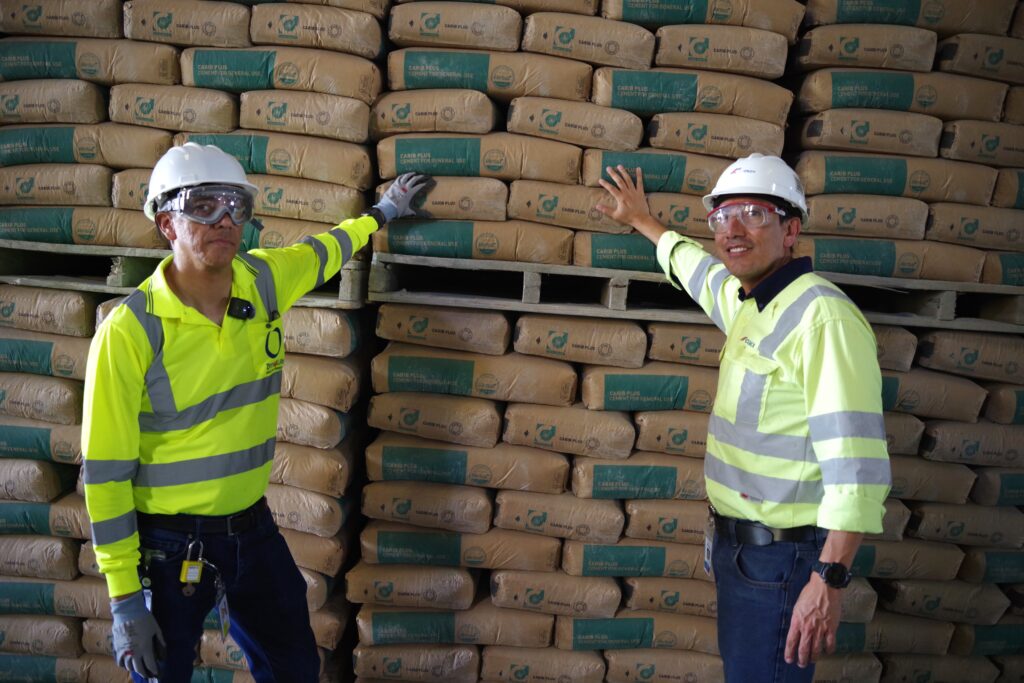
    On June 2, Martinez led an on-site inspection of CCCL’s Rockfort, Kingston packing plant alongside Supply Chain and Ports Officer Akayla Roberts and Supply Chain Manager Diego Buitrago, where the team examined finished cement bags ahead of distribution to customers islandwide.

    Looking ahead, CCCL reaffirmed its ongoing commitment to maintaining a consistent, sustainable supply of cement to underpin Jamaica’s ongoing infrastructure development and long-term economic expansion.

  • Butch Stewart’s family differences resolved

    Butch Stewart’s family differences resolved

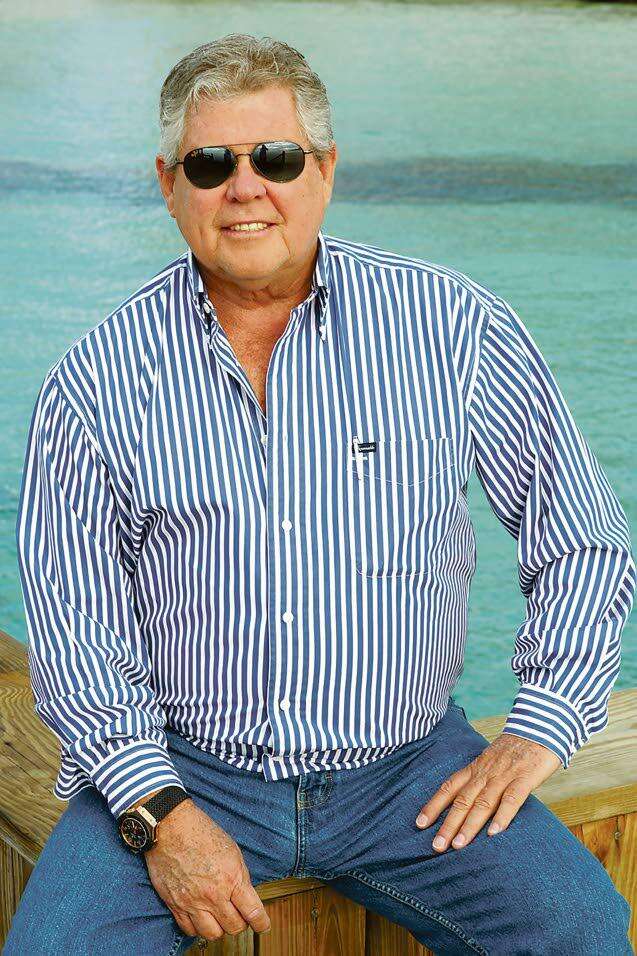
    More than two years after the passing of iconic Jamaican tourism and business titan Gordon “Butch” Stewart, his family has announced a resolution to the internal disagreements that emerged following his death in January 2021. The settlement was made public in an official joint statement distributed through Bahamas-based law firm LennoxPaton. Stewart, a decorated industry leader who held the Order of Jamaica distinction, built the globally recognized Sandals & Beaches Group from the ground up, turning the Caribbean resort brand into a cornerstone of the region’s tourism economy and a household name for luxury leisure travelers worldwide. In the statement, the Stewart family confirmed that all outstanding rifts between parties have been amicably resolved. The family expressed that they are now eager to shift focus toward upholding Stewart’s decades-long work and advancing the ongoing growth of the Sandals & Beaches Group, the core enterprise that forms the foundation of his enduring business legacy. This resolution clears a period of uncertainty surrounding the future of the resort conglomerate, reassuring stakeholders, employees, and travelers that the brand will continue its expansion trajectory as its founder originally envisioned.

  • Sabalenka crumbles to French Open quarter-final defeat by Shnaider

    Sabalenka crumbles to French Open quarter-final defeat by Shnaider

    On a windy Wednesday at the Roland Garros complex in Paris, the 2026 French Open delivered one of the most shocking upsets in recent Grand Slam history, as top-ranked Aryna Sabalenka’s chase for her first Parisian title ended in a dramatic, collapse-fueled defeat to Russian 25th seed Diana Shnaider.

    Sabalenka, who entered the quarter-final clash as the overwhelming favorite and the only remaining Grand Slam singles champion in either the men’s or women’s draw, looked on course to cruise into the semi-finals early on. She claimed the opening set 6-3 after racing to a 5-1 lead, and extended her dominance by grabbing a double-break to go 4-1 up in the second set. But what followed was an unravelling no pundit saw coming, mirroring the collapse that cost her the 2025 French Open final against Coco Gauff a year prior.

    Blustery conditions on Court Philippe Chatrier proved a fatal test of Sabalenka’s consistency, as the 28-year-old Belarusian began spraying unforced errors across the clay at an alarming rate. After gifting Shnaider break points to level the second set at 4-4, she struggled to regain her composure despite a brief mid-set reset. A string of misjudged shots allowed Shnaider to level the set at 5-5, and two consecutive wayward forehands from Sabalenka handed the 22-year-old Russian the second set, forcing a decisive third set.

    The collapse only accelerated in the decider. Sabalenka committed eight unforced errors in just two opening games, dropping her serve to fall 2-0 behind. From there, Shnaider grew in confidence, wrapping up a dominant 6-0 third set to seal a 3-6, 7-5, 6-0 victory. Sabalenka ended the match with a staggering 57 unforced errors, and won only 14 total points in the deciding set, with a routine backhand into the net on Shnaider’s third match point confirming her early exit.

    For Shnaider, this run marks a career-defining breakthrough. Wednesday’s win was just the second time she has defeated a top-10 opponent in her professional career, and this is her first appearance in a Grand Slam quarter-final – now, she has advanced straight to the final four. She will face Polish left-handed qualifier Maja Chwalinska, ranked 114th in the world, in the semi-finals on Thursday. The winner of that match will go on to compete for the French Open title in Sunday’s final against either Marta Kostyuk or Mirra Andreeva.

    In a post-match interview, the stunned Russian said she was left speechless by her own victory. “First time playing Aryna so definitely a lot of nerves and I feel the first set was trying to adjust to her game,” she explained, noting that the blustery wind made for challenging playing conditions. “Definitely super happy I managed to finish on a good note rather than start on a good note. Definitely a special tournament for me here. It’s going be a lefty battle so I’m looking forward (to the semi-final).”

    For Sabalenka, the defeat carries extra disappointment. She was already aiming to become the first woman to reach seven consecutive Grand Slam semi-finals since Serena Williams, extending her ongoing 14th straight run of major quarter-final appearances. But her collapse leaves her still chasing her first French Open crown, after falling at the final hurdle 12 months prior.

  • Kenya health minister says US Ebola quarantine centre will proceed

    Kenya health minister says US Ebola quarantine centre will proceed

    Nearly a week after violent demonstrations over a planned American-funded Ebola quarantine installation in central Kenya left two people dead, the country’s top health official has reaffirmed that the controversial project will move forward, addressing widespread public backlash over its purpose and origins.

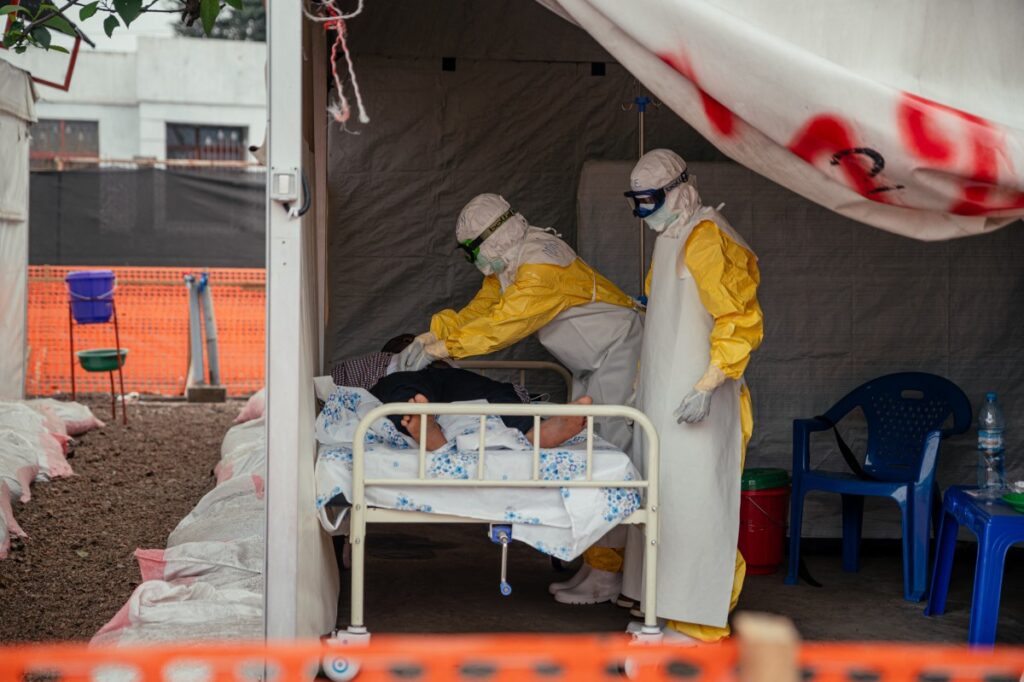
    The 50-bed isolation facility, constructed on Laikipia Air Base roughly 200 kilometers outside Nairobi, was originally scheduled to welcome its first patients last week. U.S. officials initially framed the site as a dedicated quarantine space for U.S. citizens entering Kenya from the Democratic Republic of Congo, where a severe Ebola outbreak is currently unfolding. The project operates under a 2015 bilateral agreement between Kenya and the U.S. as part of Washington’s global Biological Threat Reduction Program, which targets high-risk biological hazards across the continent.

    Shortly before its planned opening, however, the facility was hit with a temporary court injunction that halted its launch, and public frustration boiled over into large-scale protests on Monday. According to local human rights organizations, the clashes that broke out during the demonstrations left two protesters dead, intensifying the already tense debate over the project.

    Many Kenyan members of the public have raised two core objections to the facility. First, critics argue that allowing a foreign power to construct and staff a medical installation on Kenyan soil carries troubling undertones of colonial-era foreign overreach. Second, widespread public anxiety has centered on fears that housing individuals potentially exposed to Ebola at the site could increase the risk of the virus spreading into the general Kenyan population, a concern that has taken hold even though Kenya has not recorded any confirmed Ebola cases to date despite rigorous testing of incoming travelers. Neighboring Uganda has already confirmed 15 Ebola cases, including one fatality, amplifying regional worry about the outbreak’s spread.

    Addressing questions from members of Kenya’s Parliament on Wednesday, Health Minister Aden Duale pushed back against public criticism, seeking to correct widespread misinformation about who will be eligible to use the facility. Duale emphasized that the site will not be an exclusive facility restricted only to U.S. citizens, noting it is part of the Kenyan government’s broader network of 23 new quarantine and isolation centers under construction across the country. “Quarantine is not only for Americans. Even Kenyans will be isolated at the facility,” Duale told lawmakers. “Laikipia airbase is one of the 23 quarantine isolation centres we are building. And we will not stop it.”

    The minister also defended the government’s decision not to hold public consultations on the project, arguing that the urgent public health threat of Ebola leaves no time for extended community engagement. “This epidemic does not require any consultation… We are dealing with a very abnormal situation,” Duale said, reaffirming that the facility will open as planned once the temporary court order is resolved.

  • Respected British musicologist Steve Barrow dies at 80

    Respected British musicologist Steve Barrow dies at 80

    Steve Barrow, the highly regarded British musicologist whose decades-long work cemented his reputation as one of the leading authorities on Jamaican music, passed away in the United Kingdom on May 30 at the age of 80.

    Barrow’s death has drawn widespread coverage across British media, with journalists and peers uniformly honoring the extraordinary breadth and depth of his written work documenting the development and cultural impact of Jamaican music from its early roots to global prominence. Beyond his academic and journalistic contributions, Barrow built a long career in music promotion, holding roles with iconic record labels including Trojan Records, Island Records, and Blood And Fire Records.

    In 1993, Barrow co-founded Blood And Fire Records alongside Mick Hucknall, the frontman of the globally successful pop group Simply Red. That same year, Island Records released the landmark box set *Tougher Than Tough: The Story Of Jamaican Music*, the project that would become one of Barrow’s most celebrated works. Barrow’s sprawling, meticulously researched liner notes for the collection earned widespread acclaim from reggae enthusiasts and scholars around the world. Spanning four compact discs, the box set is still widely recognized as one of the definitive compilations tracing the evolutionary arc of Jamaican music.

    For many years, Barrow also contributed regular coverage of the United Kingdom’s domestic reggae scene to Black Echoes, a leading British music publication focused on Black music genres. In 2012, Barrow teamed up with Stuart Baker to publish *Reggae Soundsystem: Original Reggae Album Cover Art*, a massive 500-page volume that features more than 1,000 full-color reproductions of 45 rpm single label designs and full album jackets from classic reggae releases.

    The Independent, one of the United Kingdom’s major national newspapers, published an in-depth feature on the book upon its release, praising it as “a compelling history of a young nation and its people” that captured the visual and cultural identity of Jamaica’s music scene. Barrow’s other published works include influential titles such as *The Rough Guide to Reggae*, *The Rough Guide Reggae: 100 Essential CDs*, and *King Jammy’s*, which he co-wrote with Beth Lesser. His decades of work have left an enduring legacy, shaping how audiences and scholars understand the global impact of Jamaican and reggae music.

    Reporting by Howard Campbell

  • WHO warns Ebola had ‘big head-start’ but response ‘catching up’

    WHO warns Ebola had ‘big head-start’ but response ‘catching up’

    GENEVA, Switzerland – World Health Organization (WHO) Director-General Tedros Adhanom Ghebreyesus issued a pressing alert Wednesday, emphasizing that the ongoing Ebola outbreak in central Africa, which has already claimed 61 lives, gained significant unregulated traction before detection, leaving response teams scrambling to catch up. The outbreak was officially declared in northeastern Democratic Republic of the Congo (DRC) on May 15, but senior health officials confirmed the virus had circulated undetected for weeks or even months prior to the announcement.

  • FOIA Commissioners term ends amid budget worries

    FOIA Commissioners term ends amid budget worries

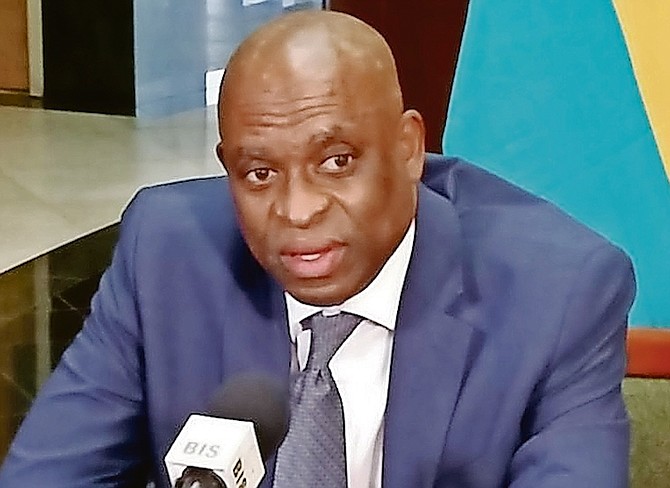
    The landmark push for greater government transparency in the Bahamas has hit a fresh roadblock, following the expiration of the leadership terms of the nation’s first Freedom of Information (FOI) commissioner and deputy commissioner last month. Retired Supreme Court Justice Keith Thompson, who made history as the inaugural holder of the commissioner role, saw his appointment officially conclude in May, alongside deputy commissioner Shane Miller whose contract ended the same month, local newspaper The Tribune has confirmed.

    First appointed to launch the FOI framework back in May 2021 under the former Minnis administration, the two leaders spent three years grappling with systemic barriers that slowed their work from the start. Chronic underfunding and a persistent lack of operational resources have plagued the office since its inception, forcing repeated missed deadlines and preventing meaningful progress on rolling out the transparency law. Year after year, the office’s total budget allocation has held steady at just $140,000 – a figure that office leaders have long warned falls drastically short of the $1 million estimated to fully implement the national freedom of information legislation. As recently as this year, Thompson emphasized in comments to The Tribune that the current budget was far too small to allow the office to deliver on its core mandate.

    In comments to The Tribune this week, Attorney General Wayne Munroe confirmed that an assistant FOIA commissioner remains on staff and will deliver an official briefing on ongoing efforts to fully operationalize the independent office. However, Munroe offered no clear timeline for when the top two leadership posts will be filled, leaving uncertainty hanging over the body’s day-to-day work and long-term direction.

    Good governance advocates have raised sharp concerns about the leadership vacuum and continued lack of resourcing, at a time when the current administration has repeated promises to prioritize transparency and accountability reform. Matt Aubry, executive director of the Organisation for Responsible Governance (ORG), noted that filling both the commissioner and deputy commissioner posts is non-negotiable to advancing the office’s statutory work, and the lack of clarity around replacements has fueled serious questions about the government’s commitment to the reform.

    Aubry pointed out that the FOI legislation explicitly requires the office to be led by an independent commissioner appointed under specific statutory criteria, who can only be removed under limited circumstances. The sudden leadership vacancy, he said, leaves multiple critical questions unanswered: What priorities will the government set for the office moving forward? When will new appointments be confirmed? Does the current $140,000 annual allocation even cover the salary of a new commissioner, let alone operational costs for the entire unit?

    “That’s not a lot of money to achieve what is a very significant policy objective, so I think it would be important to understand and have better clarity across the board,” Aubry said.

    The push for fully implemented freedom of information legislation has been a years-long process marked by repeated unfulfilled promises from successive Bahamian administrations. Anti-corruption and good governance advocates have long warned that prolonged delays in enacting this reform amount to a deliberate choice to avoid public oversight of government activity. Ahead of the 2021 general election, the Progressive Liberal Party (PLP) included a pledge to fully enact FOI reform in its official Blueprint for Change campaign platform, but the party failed to deliver on that promise during its first term in office. Now, in its second administration, the PLP has once again promised to fully implement the freedom of information law.

    Aubry is calling on the current government to follow through on its repeated pledges, noting that clear timelines, adequate funding, and transparent planning are essential to building public trust in government reform efforts. “If you’re going to make a promise, it’s really important that we want to establish public trust and understanding how that will come to fruition, what the timeline is, what the clear budget is,” he said. “But if you see in our budget book that the next two years are allocated as $140,000, unless the money is somewhere else that’s not specified, it doesn’t look as feasible for what needs to happen to bring the act into full force.”