
On a Sunday afternoon, authorities made a grim discovery in a sparsely populated, isolated region of Arouca: heavily burnt skeletal human remains, local law enforcement confirmed. The incident unfolded shortly after 3:30 p.m., when members of the Arouca Police District received an urgent request for support from Captain Vallance Rambharat, a lead official with the Hunters Search and Rescue team. Rambharat’s team, which specializes in searching hard-to-reach terrain, guided responding police officers to an unpaved access track branching off Zircon Circular in the Bon Air West neighborhood. The site sits roughly a quarter of a mile away from the area’s main paved road, tucked away from frequent public access. Upon arriving at the marked location, first responders located the partial remains in an open natural drainage channel that runs parallel to the remote track. Initial on-site examinations conducted by law enforcement have confirmed that multiple key body parts are missing from the remains. The absent sections include all limbs below the elbows, all lower leg segments below the knees, and the full skull. As of the latest updates, police have not released any information on the potential identity of the deceased, nor have they shared details on possible causes of death or timelines for when the remains may have been deposited at the site. Investigations into the discovery are still ongoing, with law enforcement expected to conduct further forensic testing to shed light on the case.
博客
-
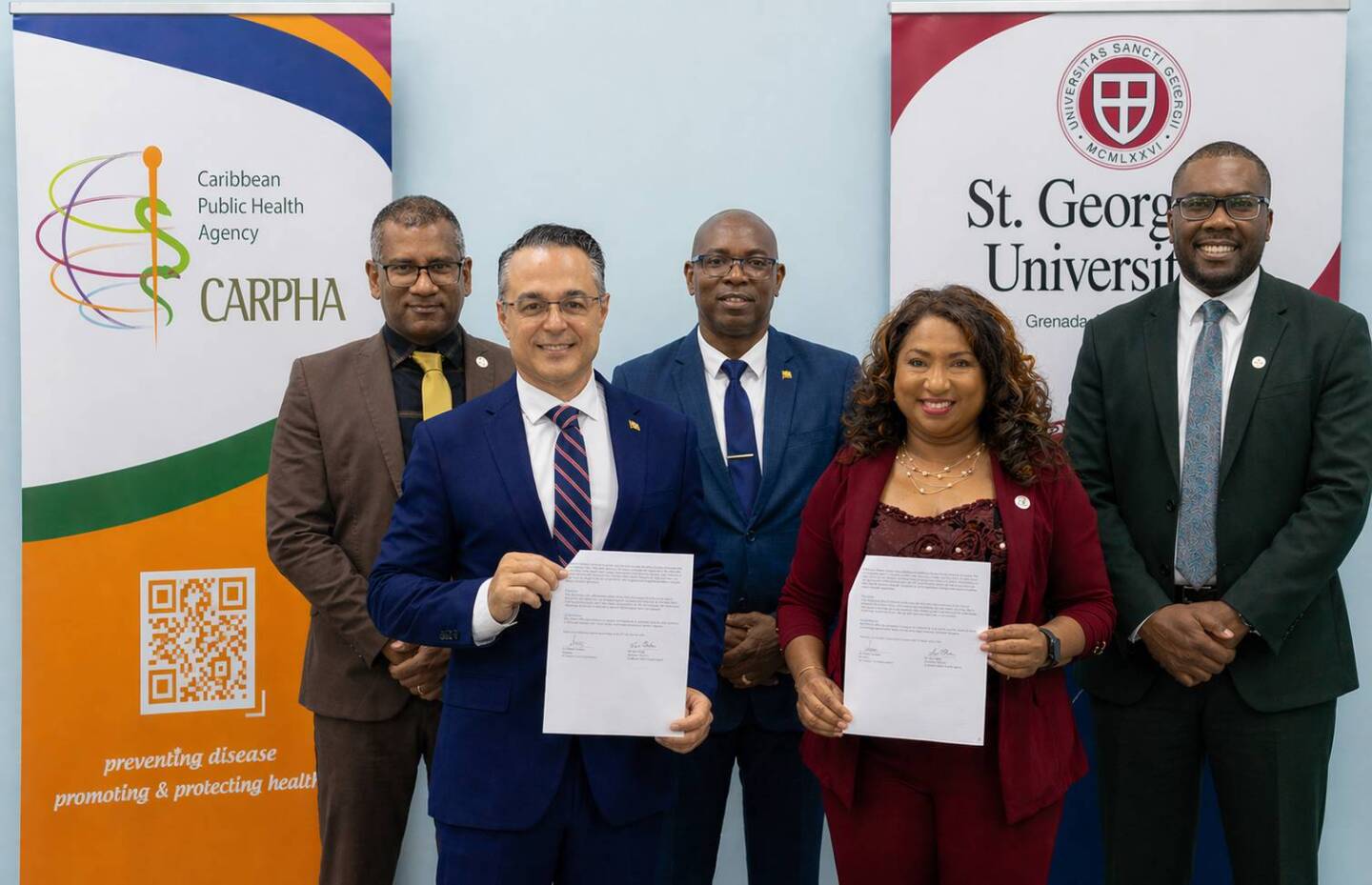
CARPHA and St George’s University sign landmark 5-year agreement
On April 21, 2026, two leading Caribbean health and academic institutions — the Caribbean Public Health Agency (CARPHA) and St George’s University (SGU) — formalized a transformative five-year strategic partnership via a signed Memorandum of Understanding (MoU), designed to strengthen regional public health systems across the Caribbean bloc through integrated research, specialized training, and data-backed policy development.
This new agreement builds on decades of informal collaboration between the two organizations to create a structured framework for addressing the Caribbean’s most pressing public health priorities. Key focus areas of the partnership range from tackling rising rates of communicable and noncommunicable diseases (NCDs) to mitigating the public health impacts of environmental change, with targeted work planned across seven core domains. These include co-developing public health research and generating actionable evidence, expanding hands-on student training and public health workforce development, building specialized capacity in epidemiology, public health practice and data analytics, advancing digital innovation to strengthen regional health infrastructure, facilitating standardized data analysis and cross-institutional knowledge sharing, advancing integrated One Health initiatives including laboratory and technical cooperation, and jointly executing the 71st Annual Health Research Conference.
At the official signing ceremony, Dr. Lisa Indar, Executive Director of CARPHA, emphasized that the new MoU codifies a long-standing, productive working relationship between the two institutions. “This agreement solidifies what we have already built over years of collaboration, and it will position both CARPHA and SGU as central regional leaders in public health research and practice across the Caribbean,” Indar explained. She added that the partnership will streamline the process of translating groundbreaking research findings into evidence-based policy recommendations for CARPHA’s member states, and serves as a model for innovative collaborative approaches to addressing shared regional public health challenges.
Speaking on behalf of SGU, Professor Marios Loukas, President and Dean of the university’s School of Medicine, framed the partnership as a defining milestone for Caribbean public health. By combining SGU’s robust academic and research capabilities with CARPHA’s established regional public health leadership, the institutions will build a unified, cross-sector platform to accelerate innovation, expand regional research capacity, and speed the conversion of research evidence into tangible policy and on-the-ground practice. “This collaboration paves the way for a more resilient, equitable, and healthier Caribbean, and positions the region as a global leader in innovative public health action,” Loukas noted.
The formal partnership is the outcome of more than a decade of incremental collaboration between the two organizations. For years, SGU has placed its students in internship placements at CARPHA, giving emerging public health professionals hands-on experience working on regional initiatives while contributing valuable support to CARPHA’s work across the bloc. SGU faculty have also partnered with CARPHA researchers on joint studies and represented the region in key stakeholder networks. One of the most high-profile past collaborations came in 2015, when SGU hosted CARPHA’s Annual Health Research Conference on its Grenada campus, demonstrating the university’s long-standing commitment to advancing regional health research agendas.
-

Many four-year-olds not developmentally ready for formal education, says Crawford
Jamaica’s early childhood education system is facing systemic, widespread shortcomings that leave tens of thousands of young children unprepared for formal primary schooling, according to the country’s opposition education spokesperson Damion Crawford. Crawford laid out the details of these gaps during his scheduled contribution to the annual Sectoral Debate held in Jamaica’s House of Representatives on Tuesday.
Drawing from 2024 developmental assessment data, Crawford broke down troubling statistics that highlight the scale of the crisis. Out of the nearly 29,729 four-year-olds that officials did manage to assess this year, just 54.4 percent successfully hit all age-appropriate developmental milestones. Even more alarmingly, 19 percent of four-year-olds already enrolled in early childhood programs received no developmental screening at all. When the data is adjusted to account for the total population of four-year-olds across the country, that share drops to just 37 percent of all children in the age cohort that meet all expected developmental benchmarks.
Crawford emphasized that these gaps do not reflect inherent biological differences among children, but rather stem from systemic and environmental failures that have left the early childhood sector chronically underresourced. The end result, he argued, is that the system is failing young Jamaican children before they ever step foot into a formal primary school classroom.
Access to affordable, quality early childhood programming is particularly scarce for children under the age of four, Crawford explained. Most early childhood services are currently run by private providers or community groups, meaning access to consistent, structured care is directly tied to a family’s ability to pay tuition and related fees. This creates significant barriers for low-income households that are already most likely to face systemic disadvantages.
Beyond access gaps, the sector struggles with low regulatory compliance and chronically insufficient government funding. Only around 15 percent of all early childhood institutions across Jamaica hold full operating certification from national regulators. Government investment in the sector currently sits at just 0.24 percent of the country’s gross domestic product, a figure that falls far short of the international recommended benchmark of 1 percent of GDP. Compounding these challenges is a widespread gap in educator qualification: fewer than 19 percent of early childhood teachers in Jamaica hold a minimum of a bachelor’s degree in the field, a standard that is required to deliver high-quality developmentally appropriate care.
-
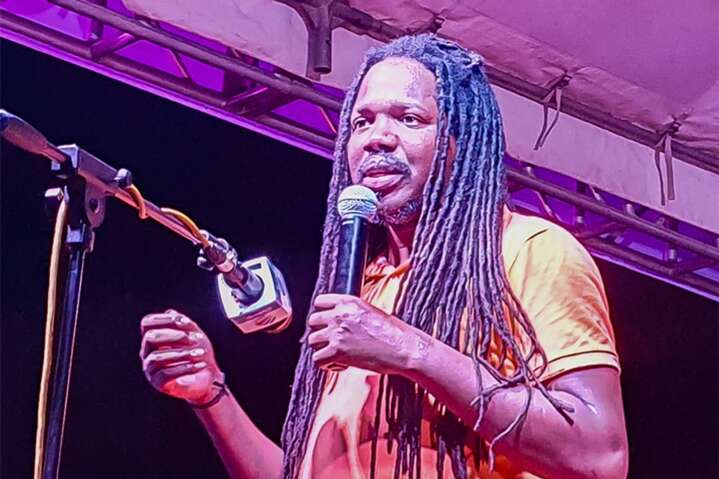
Raise age of consent to 18 to combat teenage pregnancies, says Crawford
A senior Jamaican opposition lawmaker has reignited debate over the nation’s age of consent, calling for a two-year increase from 16 to 18 to address the country’s long-standing crisis of teen pregnancy that pushes thousands of adolescent girls out of school annually.
Damion Crawford, the opposition’s spokesperson on education, made the formal proposal during his scheduled address to the House of Representatives’ Sectoral Debate on Tuesday. The call comes amid stagnant high rates of unintended pregnancy among teenage students, a public health and social issue that has plagued Jamaican education systems for decades.
Crawford told parliamentary colleagues that on average, 6,000 school-aged girls become pregnant each year across Jamaica. For the vast majority of these adolescents, an unplanned pregnancy leads to an early exit from formal education, derailing long-term academic and career trajectories and deepening cycles of socioeconomic disadvantage.
“This is a major problem that we have to consider. Teen pregnancy has become an intractable problem in this country,” Crawford told the chamber.
Linking the policy shift to ongoing changes to Jamaica’s secondary education structure, Crawford added: “We therefore are asking for a reconsideration once again of the age of consent, and I once again believe that this Parliament should consider the movement from 16 to 18 as we move from a five-year secondary institution to a seven-year secondary experience going forward.”
The proposal is the latest effort by political leaders to tackle teen pregnancy in Jamaica, where the issue remains one of the highest barriers to educational equity for girls. It is expected to spark broader public and parliamentary discussion around youth protection, sexual health policy, and education reform in the coming months.
-
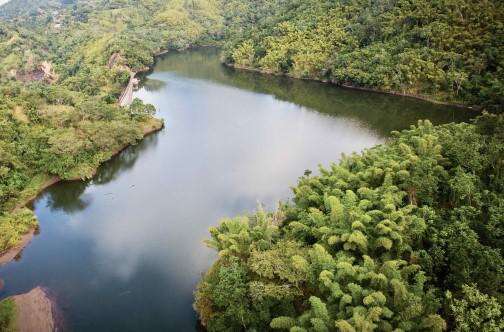
Hermitage Dam to be upgraded at a cost of US$250 million, says Samuda
Jamaica’s national government has given the green light to a landmark $250 million upgrade project for the Hermitage Dam, located in Stony Hill, St Andrew, marking one of the largest investments in the country’s water infrastructure in decades.
Water, Environment and Climate Change Minister Matthew Samuda outlined the full scope of the initiative during his Tuesday address to the Sectoral Debate at Gordon House, confirming that the project will be led by the National Water Commission (NWC). The public utility will center its investment on two core goals: expanding the country’s total water storage capacity and boosting the overall resilience of Jamaica’s water distribution network in the face of changing climate patterns.
At the heart of the major upgrade work is a multi-phase overhaul of the Hermitage Dam. The project will kick off with a rigorous full technical evaluation of the dam’s current structural integrity, current sediment accumulation levels, and the practical potential for expanding its overall storage capacity. To complement the dam upgrade, officials also plan to conduct a full diagnostic review of the nearby Mona Reservoir, which will assess both the feasibility of expanding its storage footprint and what critical rehabilitation work is urgently needed.
Samuda emphasized to the legislative body that most of Jamaica’s active water storage infrastructure was designed and constructed nearly a generation ago, to serve a far smaller population. “That infrastructure has served Jamaicans well over the decades, but shifting demographics and changing climate conditions have left it outdated,” he explained. “Our population has grown significantly, weather patterns have become far less predictable, and the capacity that met our needs 30 or 40 years ago simply cannot keep up with modern demand today.”
Beyond the major upgrades to large-scale storage infrastructure, the government is rolling out community-level resilience measures as well. A $7 million program focused on installing distributed community storage tanks will boost local water capacity and cut response times when service disruptions occur, ranging from pipe breaks to extended dry periods.
The minister also highlighted incremental upgrades the NWC has already implemented to strengthen emergency response. The commission has added portable water treatment units to its emergency toolkit and forged new strategic partnerships with private water suppliers, creating a backup system to maintain adequate water access during droughts or unplanned network outages.
To expand overall treatment capacity across the national network, the government is advancing two new public-private partnership projects to build brand-new water treatment plants at Roaring River and Rio Bueno. Once completed, these facilities will add 40 million gallons of clean treated water to the national network every day. Additional upgrade projects at existing treatment facilities in White River, Martha Brae, and Great River will contribute a further 30 million gallons per day of new capacity to the system, combined.
-

Jamaican mom turns to herbal remedies for autistic child, launches book on nutritional therapy
For Sushana Guthrie, raising two children on the autism spectrum was a years-long journey marked by frustration and uncertainty. After cycling through conventional therapies and medications that delivered only glacial, inconsistent progress, leaving her family caught in a constant cycle of emotional highs and crushing lows, Guthrie turned to a cultural heritage she had long overlooked: the traditional natural wellness knowledge of her Jamaican roots.
What began as a personal experiment to improve her children’s well-being quickly turned into transformative change. Guthrie restructured her children’s diets entirely, cutting out all processed foods and eliminating hidden environmental toxins from their home. She replaced these with whole, nutrient-dense foods, and introduced a daily routine centered on natural herbal remedies and fresh-pressed juices, with a serving of green juice as a non-negotiable daily staple.
The results far exceeded Guthrie’s expectations. Within time, her children showed profound, measurable improvements in cognitive, social, and behavioral functioning. Today, that personal journey has grown into a global mission: a new self-help book that blends generations-old Jamaican cultural wellness wisdom with Guthrie’s firsthand lived experience, offering a much-needed alternative resource for families who have not found relief through standard autism care pathways.
In an interview with Observer Online, Guthrie explained what drove her to share her story publicly. “I’ve gone through my struggles. I’ve gone through my pain. I’ve gone through my heartache and I’ve done a lot of research. Whenever I implemented all of these changes, I saw my children’s behavior start improving,” she said. “That’s how I got involved with writing the book.”
Titled *Holistic Nutritional Therapy for Autism ADHD, Epilepsy & Seizures: 20 Helpful Tips That May Improve Or Reverse Autism*, the book launched April 1 to coincide with Autism Awareness Month. Guthrie outlines eight key transformative changes she has witnessed in her autistic daughter since adopting the holistic routine outlined in the book: her daughter can now read and fully participate in a mainstream classroom setting; she consistently responds to her name, makes eye contact, and initiates social interactions; she now follows instructions after only one prompt, compared to the 20 prompts she required before the dietary changes; she no longer elopes from safe spaces and has developed a stable sense of personal security; disruptive outbursts of screaming and loud vocalizations have stopped; she no longer engages in self-harm or aggressive behavior toward others; her speech has become functional, and she can now clearly express her needs and feelings; and overall, her neurological function has become balanced and aligned.
For Guthrie herself, the most life-changing benefit has been the end of constant stress and social stigma. Her home is now a space of peace, and public outings no longer bring the rude stares and discrimination she once faced from people who do not understand the complex challenges of autism and ADHD.
Having experienced such profound, life-altering improvements for her family, Guthrie knew she could not keep this framework to herself. “I am happy that I wrote the book because it brought me a lot of peace, and I’m excited to share it with the world because I know that it’s going to be a very helpful source to a lot of parents who are going through so much,” she said.
The book is currently available for purchase globally on Amazon in three formats: e-book, hardcover, and paperback, with an audiobook version currently in production. Guthrie announced that the title has already earned Amazon’s Top New Release distinction in its category, a milestone she calls a point of great pride as a Jamaican author.
“As a Jamaican author, I feel good. I consider this to be a great accomplishment to be a number one new release book author in my category,” she said. “So it’s a big deal. I’m very, very excited about the prospect and how it’s going to impact others positively.”
-

Bus conductor in video assaulting schoolgirls in police custody
KINGSTON, Jamaica — A public transit bus conductor, whose violent confrontation with two female high school students spread widely across social media in recent days, has been placed into official police custody following a multi-day investigation. The Jamaica Constabulary Force (JCF) confirmed that the suspect was processed at the Kingston Central Police Station on Tuesday, April 28, 2026, after being formally transferred to the investigative team assigned to the assault case.
Investigative sources report that the conductor voluntarily turned himself in at the Half Way Tree Police Station after being contacted directly by law enforcement officials. Preliminary forensic and witness analysis has already confirmed that the man in custody matches the individual seen in the viral footage, which depicts a physical altercation between the conductor and the two underage students aboard a moving public passenger bus.
The clip has circulated rapidly across local and international social platforms since it was first posted, sparking widespread public outcry over the treatment of young people in public transit and the prevalence of violence involving minors in Jamaica. As investigators continue to interview witnesses and collect evidence to build their case, the JCF has issued a public appeal for any member of the community who holds additional details about the incident to step forward and assist with the probe.
In an official statement, the JCF emphasized that the agency views all violent incidents, especially those involving minor students, as an urgent priority requiring the full attention of law enforcement. The agency also urged the general public to prioritize legal, non-violent methods for resolving interpersonal conflicts, and asked for continued community cooperation as the investigation moves forward.
-

Caricom reiterates support for Guyana in border dispute with Venezuela
GEORGETOWN, Guyana – As the International Court of Justice (ICJ) prepares to open oral arguments on the decades-long border dispute between Guyana and Venezuela, the 15-nation Caribbean Community (Caricom) has issued an official statement addressing recent diplomatic controversy that has heightened tensions in the region.
The dispute centers on Venezuela’s long-dormant claim to the 159,000-square-kilometer Essequibo region, which is currently recognized as part of Guyana’s sovereign territory under international law. The latest friction emerged earlier this month, when Venezuela’s Acting President Delcy Rodriguez wore a brooch displaying a map of Venezuela that incorporates the entire Essequibo region during two official diplomatic meetings with Caricom heads of government: Prime Minister Dickon Mitchell of Grenada on April 9, and Prime Minister Mia Mottley of Barbados earlier this week. Rodriguez characterized her visits as an effort to strengthen bilateral ties between the South American nation and Caribbean regional states.
Guyana’s President Dr. Irfaan Ali publicly raised “grave concern” over the incident, and followed up with an April 28 letter to Caricom Chairman Prime Minister Dr. Terrance Drew (who also serves as leader of St. Kitts and Nevis) outlining his government’s formal position. In the correspondence, Ali emphasized that Guyana fully upholds the right of all Caricom member states to conduct independent bilateral diplomatic relations with any external partner, including Venezuela. However, he stressed that displaying symbols advancing a territorial claim against a fellow Caricom member during official engagements within the community is deeply regrettable.
Ali warned that using Caricom-associated diplomatic meetings to promote a territorial claim against one of its members could be misinterpreted as community acquiescence or tolerance of the claim. “No action, whether deliberate or inadvertent, should create the impression that the community’s platforms may be used to advance claims now before the International Court of Justice,” he wrote. The Guyanese president added that the incident is more than a symbolic gesture: it represents a calculated, provocative assertion of a claim that Guyana has repeatedly and lawfully rejected, and that is currently awaiting final binding adjudication from the ICJ.
In its official response released Tuesday, Caricom reaffirmed its longstanding position that every member state retains full sovereign authority to manage its own bilateral relations with external partners, a foundational principle widely respected across the bloc. The regional grouping noted that all such diplomatic activity must align with the shared obligations and collective commitments outlined in the Revised Treaty of Chaguaramas, the binding legal framework that establishes Caricom, its core goals, and expected standards of conduct for all member states.
Under the terms of the treaty, Caricom members are committed to upholding the integrity and cohesion of the community in all external engagements. The grouping emphasized that while exercising their sovereign rights, member states must remain accountable to their collective treaty obligations, which require adherence to international law, respect for ongoing judicial processes, and the maintenance of good neighborly relations.
Consistent with these obligations, Caricom underscored that community diplomatic platforms and official engagements should not be used, either directly or indirectly, to advance or legitimize territorial claims that are currently the subject of active judicial proceedings before the ICJ. The bloc also reiterated that its unwavering, longstanding support for Guyana’s sovereignty and territorial integrity, and for the peaceful resolution of the dispute through the ICJ process, remains firm and unchanged.
Oral hearings on the merits of the dispute are scheduled to open at the ICJ on May 4, and are currently set to run through May 8, with a possible extension into the following week according to Guyana’s Attorney General and Minister of Legal Affairs Mohabir Anil Nandlall. The legal process dates back to 2018, when Guyana brought the case before the ICJ seeking formal confirmation of the legal validity of the 1899 Arbitral Award, which established the current border between the two countries. That border agreement was accepted by both parties for more than six decades, before Venezuela declared it null and void in 1962 and renewed its claim to the Essequibo territory.
The dispute has been handled in accordance with the 1966 Geneva Agreement, which lays out formal mechanisms for a peaceful negotiated settlement. After decades of unsuccessful bilateral talks, the United Nations Secretary-General referred the dispute to the ICJ for a final ruling. The court has already issued a preliminary ruling confirming it has jurisdiction to hear the case, clearing the way for the upcoming substantive hearings where both Guyana and Venezuela will present their full legal arguments to the bench.
-
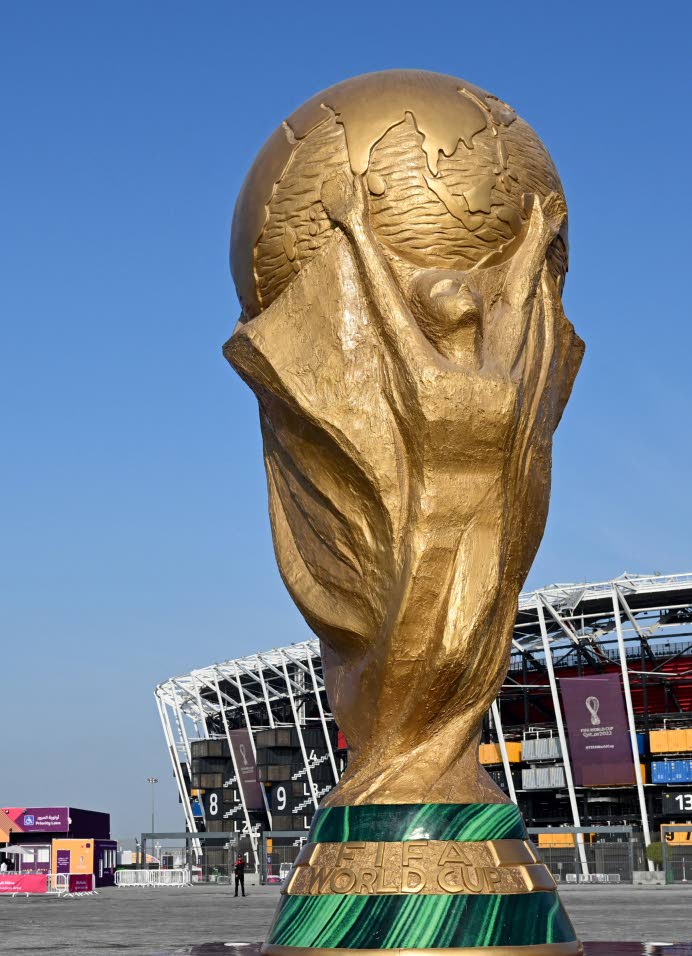
FIFA boosts cash payments for World Cup
VANCOUVER, Canada – On the eve of FIFA’s annual Congress in Vancouver, global soccer’s governing body announced a landmark increase in total financial distributions for the 2026 FIFA World Cup, raising the total payout pot to nearly $900 million US dollars to address growing worries over ballooning participation costs for competing national teams. The adjustment, revealed Tuesday following a meeting of FIFA’s ruling council, pushes the total allocated funds from the initial $727 million announced last December to $871 million, marking one of the largest single revisions to World Cup participation payouts in the tournament’s modern history.
The substantial boost to the distribution pool comes after multiple FIFA member associations raised red flags over soaring operational expenses tied to the 2026 tournament, which is the first World Cup in history to be co-hosted by three North American nations: Mexico, Canada, and the United States. With matches spread across 16 cities spanning three countries, teams face far higher costs for cross-region travel, logistics, and on-the-ground operations compared to previous editions of the tournament, leading many associations to warn they could end up losing money even after receiving original participation payouts.
To directly ease these financial pressures, FIFA has adjusted multiple components of its distribution package. For all 48 qualified teams – a jump from 32 teams in prior tournaments that also expanded participation costs – preparation funding has been increased from $1.5 million to $2.5 million per side. The base payout for simply qualifying for the tournament has also been raised, from $9 million to $10 million per team. Beyond these direct cash adjustments, FIFA is also allocating additional funds to cover team delegation expenses and expanding the number of complimentary tickets allocated to each competing squad.
FIFA President Gianni Infantino framed the adjustment as a reflection of the organization’s unprecedented financial stability, noting in an official statement: “FIFA is proud to be in its most solid financial position ever, enabling us to help all our member associations in an unprecedented way. This is one more example of how FIFA’s resources are reinvested back into the game.”
The 2026 World Cup concludes FIFA’s current four-year competition cycle, which is projected to generate roughly $13 billion in total revenue for the governing body – a record high for any quadrennial cycle in soccer history. Last year, FIFA already announced that total prize money for the 2026 tournament would represent a 50% increase over the payouts distributed at the 2022 Qatar World Cup. The existing prize structure remains unchanged under the new announcement: the tournament champion will take home $50 million, the runner-up will receive $33 million, third place will earn $29 million, and fourth place will get $27 million.
-
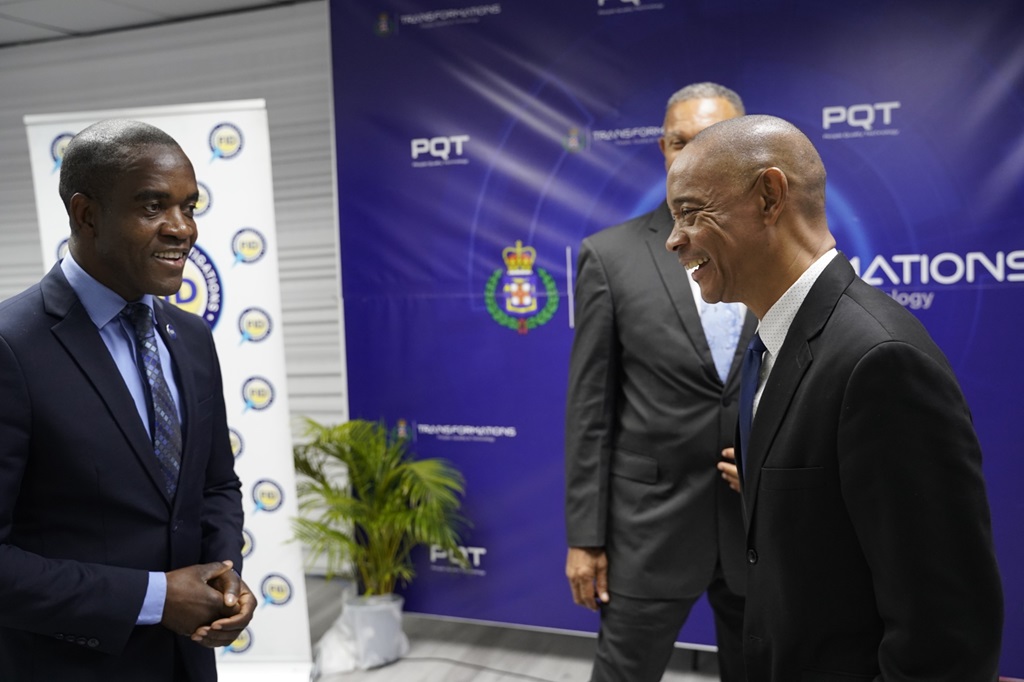
FID and JCF ink MOU to repurpose recovered assets
In a landmark step to modernize anti-crime strategy in Jamaica, the Financial Investigations Division (FID) and the Jamaica Constabulary Force (JCF) have formalized a groundbreaking partnership that repurposes lawfully seized criminal assets to boost national law enforcement operations.
The memorandum of understanding, signed during an official ceremony on Wednesday, April 22, 2026, grants the JCF controlled access to seized assets valued at approximately 174 million Jamaican dollars, earmarked to cover operational costs and specialized training programs for officers, the two agencies confirmed in an official joint press release.
This new arrangement is not an ad-hoc arrangement, but a core component of a deliberate national policy designed to change how Jamaica handles illicit proceeds. Instead of just removing criminally derived assets from illegal circulation, the framework actively redirects these resources to reinforce the state’s ability to deliver public security and uphold justice for all citizens.
The initiative forms the centerpiece of a broader national asset recovery strategy led by the FID, developed in close coordination with local government bodies and international law enforcement partners. The overarching goal of this effort is to disrupt and dismantle the financial foundations that allow transnational and local organized criminal networks to operate. By systematically identifying, freezing, and repurposing illicit wealth, the Jamaican government is sending an unambiguous message: illegal activity will never deliver long-term profit for perpetrators.
Speaking at the official signing ceremony, Dennis Chung, Chief Technical Director of the FID, framed the agreement as a model for 21st-century law enforcement collaboration. “This is what modern crime-fighting collaboration looks like: focused, coordinated, and outcome-driven,” Chung explained. “Our work does not end when we wrap up a criminal investigation. We go a step further to ensure that proceeds of crime are fully recovered and put to work for the public good. When these assets are used productively, Jamaicans can see clear, measurable benefits of our work, and it reinforces the core principle that crime does not pay.”
JCF Commissioner Dr. Kevin Blake echoed this sentiment, emphasizing that the agreement delivers tangible, visible results for the Jamaican public. “It is important that Jamaicans can recognise the tangible outcomes of supporting law enforcement,” Blake said. “This arrangement strengthens our operational capacity while demonstrating that resources once tied to criminality are now being used in service of the public. It reflects a broader commitment to building safer communities and improving the overall quality of life for our people.”
Observers and government officials have highlighted the pact as a leading example of strengthened inter-agency cooperation, where frontline enforcement, intelligence gathering, and financial investigation work in tandem to deliver long-term, sustained improvements to public safety. The agreement also reinforces the Jamaican government’s broader strategic focus on dismantling criminal networks: rather than relying solely on traditional enforcement action, the state is now systematically stripping away the economic incentives that allow organized crime to persist and grow.