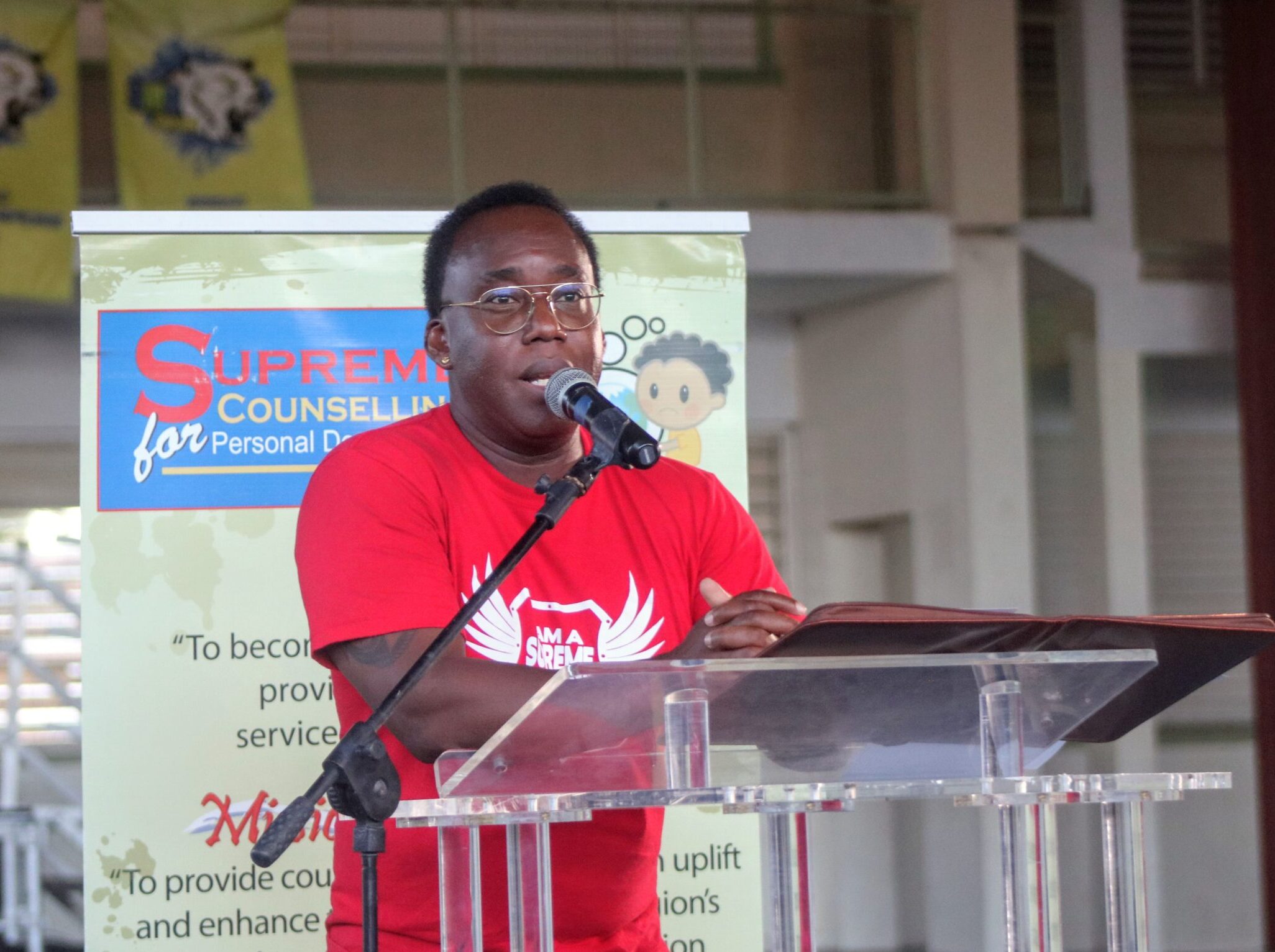
A leading youth welfare professional is echoing the calls of Barbados’ top legal affairs official, urging policymakers to position targeted early intervention as the foundational pillar of the country’s national crime reduction strategy. Shawn Clarke, chief executive officer of Supreme Counselling for Personal Development, a long-running organization focused on youth support across Barbados, has publicly backed recent remarks from Minister of Legal Affairs and Criminal Justice Michael Lashley, who emphasized that addressing root social causes of youth crime requires proactive, early action. Clarke notes that Lashley’s assessment aligns with more than a decade of on-the-ground observations from youth-focused professionals across the island.
Clarke argues that the framework for effective crime prevention does not activate only after a young person has already entered the nation’s criminal justice system. Instead, he says, the work begins far earlier, when the first subtle and overt signs of distress emerge — from persistent behavioural struggles and emotional dysregulation to social disconnection and academic difficulty. “If we are serious about cutting crime rates across Barbados, we must match that commitment with equal urgency to spot and address these warning indicators before they escalate into more serious harm,” Clarke explained.
He went on to outline that the vast majority of young people who ultimately run afoul of the law display recognizable red flags years before their first interaction with law enforcement. These common early markers include chronic behavioural challenges, patterns of aggression, poor emotional management, underage substance use, disengagement from school, unresolved childhood trauma, unstable family environments, and repeated exposure to community or domestic violence. Too many of these at-risk youth slip through gaps in existing support systems, Clarke stressed, meaning that by the time they appear before a court, critical opportunities to redirect their lives toward positive outcomes have already been lost.
Rather than framing early intervention as a discretionary social service, Clarke says the country should view it as a high-yield national investment. Beyond cutting crime rates, evidence-based early intervention drives a range of broader social benefits: it boosts school attendance, improves long-term academic performance, reduces rates of student suspension and expulsion, delivers better mental health outcomes for vulnerable youth, strengthens family functioning, and increases the chance that young people grow into productive, contributing members of Barbadian society.
While Clarke acknowledges that updated, strong legislation remains a critical component of public safety, he insists that long-term success in cutting youth violence and reducing gang involvement depends on balancing punitive measures with equal investment in prevention. “Strong, clear laws are necessary to maintain public order, but the greatest return on public investment will always come from stopping young people from entering the criminal justice system in the first place,” he said. “Every child we successfully redirect away from harmful pathways is one future victim we prevent, one future offender we avoid, and one step closer to a stronger Barbados.”
Clarke added that effective early intervention is not solely focused on correcting negative or disruptive behaviour. It should also center on nurturing young people’s potential and building the strengths they need to thrive long-term. “Early intervention isn’t just about finding problems — it’s about uncovering potential,” he noted. “It’s about helping young people recognize their strengths, build lasting resilience, develop healthy coping skills for life’s challenges, and create positive, sustainable pathways for their futures.”
Supreme Counselling for Personal Development, Clarke’s organization, has been a leading advocate for and provider of early intervention services in schools and communities across Barbados for more than 15 years. He shared that the organization’s recently updated program framework continues to prioritize prevention, emotional skill development, targeted behavioural support, professional counselling, youth mentoring, and bullying prevention as core components of its community work.
“The national conversation Minister Lashley has started is a critical one for our country,” Clarke said. “Barbados now has a historic opportunity to solidify early intervention as a central pillar of our national crime prevention strategy. The benefits will stretch far beyond crime reduction: we will see stronger families, safer school environments, healthier communities, and a more secure future for our entire nation. Preventing one young person from entering the criminal justice system is meaningful work, but building systemic support that helps hundreds of at-risk youth avoid that path entirely is transformative change for Barbados.”