博客

  • YouTube star draws crowds, global online audience

    YouTube star draws crowds, global online audience

    On Monday, the world-famous American streaming creator Darren Watkins Jr., universally known by his online alias IShowSpeed, transformed an impromptu tour of Barbados into an unprecedented cross-platform global cultural event, drawing tens of thousands of local fans onto the island’s streets while amassing millions of concurrent online viewers.

    Famous for his unfiltered, high-octane livestreams that have earned him a massive global youth following, IShowSpeed stuck to a packed, carefully curated itinerary designed to immerse him in every corner of authentic Bajan life. Within a single day, he traveled across the island, stopping at secondary schools, sun-soaked public beaches, iconic local food spots and landmark historic sites. Excited crowds made up of schoolchildren, parents and long-time fans gathered at every stop along his route, from Christ Church Foundation School and the fishing village of Oistins to Dover Beach, Golden Square Freedom Park and central Bridgetown’s Heroes Square, with many fans trailing his movement across the island all day to catch a glimpse of the creator.

    The full day of activities included an interactive visit with Christ Church Foundation students, a walking tour of the Oistins fishing jetty, a casual domino match with locals, one-on-one conversations with street vendors, a ride on a classic Bajan public bus where he learned popular local slang, a stop at beloved island fast-food chain Chefette, visits to the Garrison Savannah historic site and Savvy on the Bay retail complex, and a closing cultural showcase with the Barbados Landship Association. The tour wrapped with a traditional sticklicking demonstration, a mock Crop Over celebration (Barbados’ famous annual harvest festival), and a visit to Rihanna Drive, the childhood street of global music icon Rihanna, where IShowSpeed ended his stream with a signature green apple send-off gifted by Rihanna herself.

    Caleb Brathwaite, President of the Barbados Youth Development Council, shared that the livestream captured the authentic warmth and vibrant energy of Barbadian culture in real time for a global audience. “I was glued to the stream from the moment he got on the bus with school kids and asked them why they weren’t in class, all the way through to the end when he got that green apple from Rihanna at her childhood home,” Brathwaite explained. “In just a few hours, IShowSpeed was able to show millions of people around the world the full beauty and culture we have right here in Barbados.”

    As of Monday evening, the archived livestream had already crossed 2.6 million views, with numbers continuing to climb. Brathwaite noted that the creator’s combined social media reach extends to tens of millions of followers worldwide, making this level of organic global exposure an extraordinary opportunity for the island nation. “This kind of international attention is exactly what Barbados needs — it proves to the whole world that we are one of the most incredible destinations on the planet,” he said.

    Beyond tourism benefits, Brathwaite highlighted the meaningful social impact of the event for local communities. At a time when local media has focused heavily on negative narratives surrounding segments of Barbados’ youth population, Brathwaite said it was refreshing to see young people across the island coming together peacefully to have fun. “It was so good to just see young people being young people, kids being kids, all enjoying themselves,” he said.

    The Barbados stop is part of IShowSpeed’s ongoing multi-nation Caribbean tour, which has already brought the creator to Trinidad and Tobago and Grenada. On each stop, he has partnered with local creators, sampled regional cuisine, and highlighted unique local cultural traditions.

    Brathwaite emphasized that the outpouring of local enthusiasm for IShowSpeed’s visit reflected a deep shared national pride across all generations of Bajans. “I honestly think IShowSpeed brought the entire country together,” he said. “Everyone was watching the stream, everyone was talking about it — your mom, your dad, your aunt, your uncle, your grandma, everybody. It just goes to show how much pride we all have in our country, and that our national motto of ‘pride and industry’ beats in all of our hearts.”

  • Bestuurslid ASRA: Wij willen juist een verhoging commissie KLM

    Bestuurslid ASRA: Wij willen juist een verhoging commissie KLM

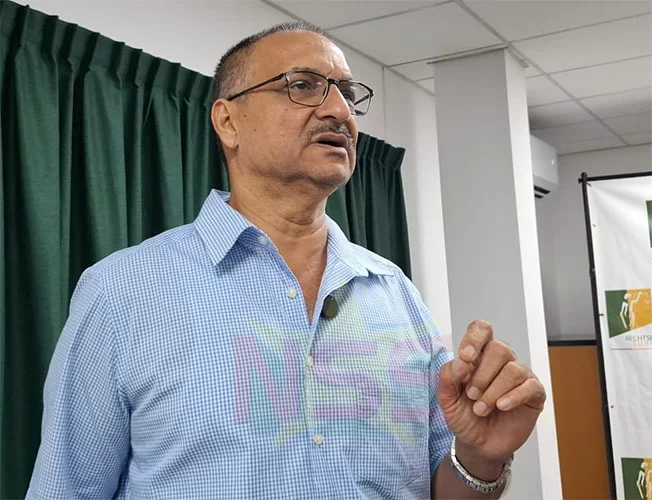
    A long-simmering dispute between Suriname’s travel agent community and Dutch airline giant KLM has entered a critical new phase, after a Surinamese court handed down a binding timeline for negotiations over long-disputed agent commission rates. The dispute centers on demands from the Association of Surinamese Travel Agents (ASRA), which represents 17 industry members, for a meaningful increase to the commission KLM pays to agents for ticket sales. Currently set at a base 6%, ASRA board member Bhagwan Gangaram Panday told local outlet Starnieuws that this rate is no longer sufficient to cover agents’ rising operational costs. Worse, he added, in many cases actual payouts fall far lower, landing between just 2% and 3% of a given ticket’s total price.

    The conflict moved into the legal system after KLM filed a summary proceedings lawsuit against the State of Suriname over the commission issue. On Monday, canton judge Suzanne Chu issued her ruling on the case, partially rejecting KLM’s claims and ordering all involved parties including ASRA to complete a full evaluation of the current commission policy within a 14-day window. Should the parties fail to meet this deadline, a daily fine of 50,000 Surinamese dollars will be imposed, capped at a total maximum of 2 million Surinamese dollars.

    Gangaram Panday has made clear that ASRA intends to stand firm in its demands, and called on the Surinamese government to do the same, arguing that the state itself stands to gain directly from a stronger travel agent sector. “We will not back down on this demand, and we believe the government should stand with us,” he stated. “The State of Suriname collects tax revenue from travel industry operators and already provides regulatory and infrastructure support to the sector. The harder travel agents work to promote travel packages and draw international tourists to Suriname, the more revenue both the private sector and the state will earn.”

    Gangaram Panday further emphasized that a viable, fairly compensated travel agent sector ripples benefits across the entire Surinamese tourism ecosystem. Every link of the tourism supply chain, from baggage handlers and taxi drivers to owners of rental apartments, eco-lodges and local restaurants, generates income from the tourist arrivals that travel agents help bring in. For this reason, he said, adjusting the commission rate upward to match current economic realities is not just a win for agents—it is a critical investment in the stability and growth of Suriname’s entire tourism industry.

  • Early-Morning Road Shutdown Ends with Subsidies and Fare Increase

    Early-Morning Road Shutdown Ends with Subsidies and Fare Increase

    On the morning of April 27, 2026, a coordinated shutdown of major highways and key roadways across northern Belize brought regional travel and daily commerce to a near-total standstill, after bus operators organized the industrial action to push for relief amid rising operating costs. The disruption forced immediate high-level intervention from the national government, with Prime Minister John Briceño convening an emergency negotiating session in the capital city of Belmopan by early afternoon.

    For close to three hours behind closed doors, leadership of the Belize Bus Association (BBA) held direct talks with Transport Minister Dr. Louis Zabaneh and his technical team, alongside representatives from the Prime Minister’s Office, to resolve the tense standoff. Speaking to reporters immediately after discussions concluded, Zabaneh outlined the core framework of the preliminary agreement, which centered on two key concessions to address operators’ financial pressures.

    “Our meeting covered two central priorities,” Zabaneh explained. “First, the government will provide a subsidy of $3 per gallon of diesel for eligible bus operators. Second, we have agreed to move forward with a fare increase, as proposed by the BBA. We have reached a foundational agreement, but much work remains to finalize the details tomorrow.”

    Zabaneh clarified that administrative work is still ongoing to verify all licensed operators—covering highway, rural village, and urban city routes—to ensure every eligible provider can access the subsidy. For the proposed fare adjustments, the tentative plan sets a 50-cent increase for short routes and a $1 increase for long-distance hauls, with teams set to map adjustments to every registered stop along all bus lines tomorrow, matching the outline agreed between BBA leadership and the Prime Minister. When asked if the changes would apply only to private operators, Zabaneh confirmed the new fare structure will be implemented across the board, affecting all public bus services nationwide.

    BBA President Philip Jones expressed that the association regretted the widespread inconvenience the road blockade caused for daily commuters and residents, but noted that the protest was a necessary last resort to secure government action. Jones emphasized that the agreed fare increase is deliberately modest, framed to balance the financial needs of operators with the burden on the public. “This decision was made with the best interests of regular commuters in mind,” Jones said. “Fares will only rise 25 cents on some shorter routes, 50 cents on most medium trips, and cap out at $1 for the longest routes. The $3 per gallon subsidy will be in place for a three-month period, which will give operators enough breathing room to operate sustainably while we work on longer-term solutions.”

    Jones added that both sides upheld their commitments to a peaceful resolution, confirming that no injuries were reported during the industrial action, and that nearly all bus services have already resumed normal operations. “I’m relieved this was resolved quickly and without violence,” Jones said. “No one wanted this disruption, but we were left with no other option to get the attention our industry needed.”

    Negotiating teams from the government and BBA are scheduled to reconvene tomorrow to iron out the remaining administrative details, formalize the full agreement, and release a joint public statement. The new subsidized regime and adjusted fare structure are on track to go into effect nationwide this Wednesday.

  • CXC® Calls on Caribbean to Rally Behind May-June 2026 Examination Candidates as Historic Exam Season Opens

    CXC® Calls on Caribbean to Rally Behind May-June 2026 Examination Candidates as Historic Exam Season Opens

    As one of the Caribbean’s most influential long-standing education institutions opens the doors to its 2026 May-June examination season, the Caribbean Examinations Council (CXC®) has issued a heartfelt, region-wide call for collective support for thousands of assessment candidates, while marking a major milestone in Caribbean education with the launch of its first pilot micro-credential program.

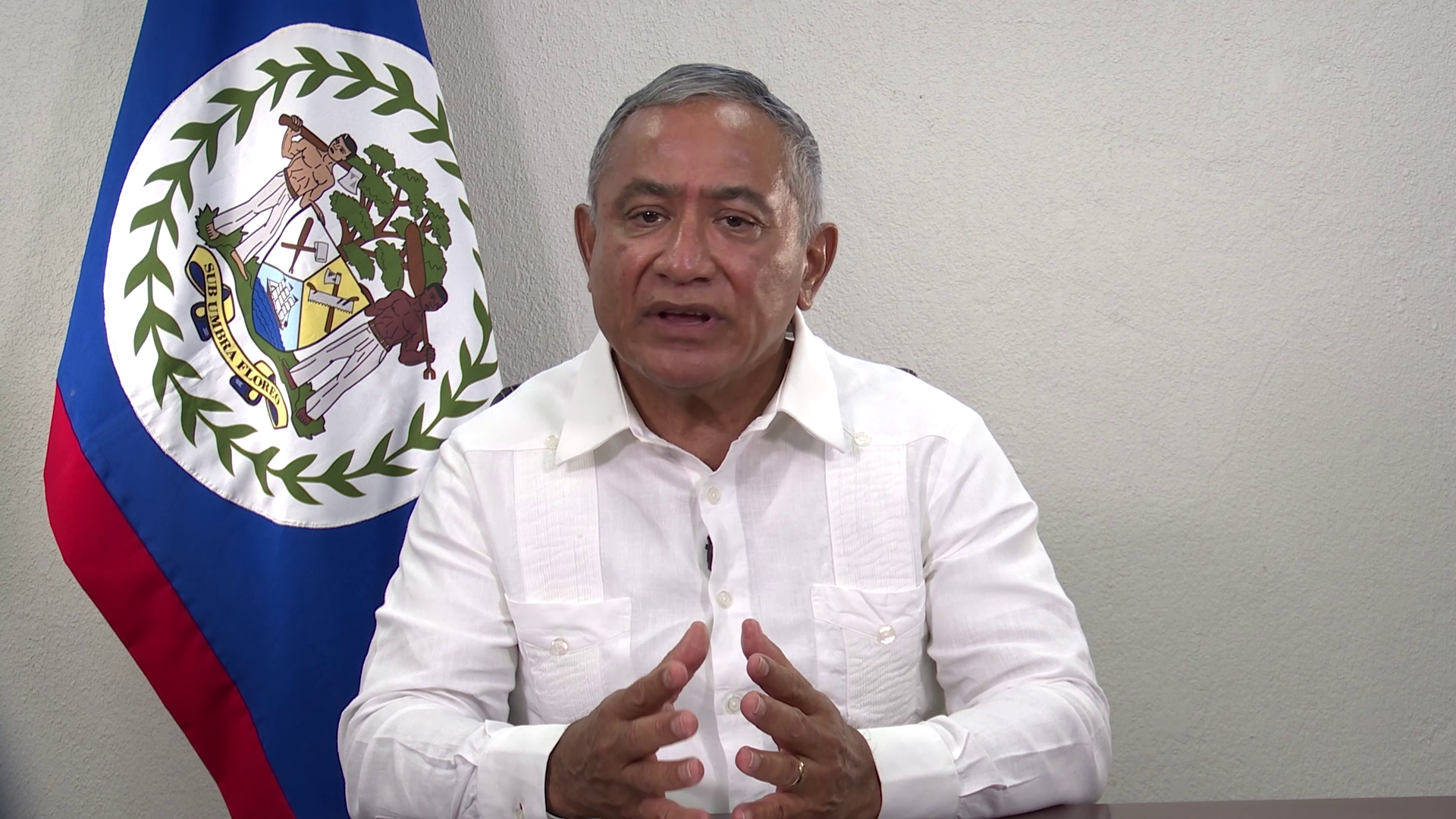
    In a public video address shared April 27 from CXC® headquarters in Bridgetown, Barbados, Registrar and CEO Dr. Wayne Wesley extended a personal message of encouragement to candidates, their families, teachers and education stakeholders across the Caribbean, as the region’s largest annual assessment cycle gets underway. This year’s exam session carries unique historic weight for the 54-year-old institution, which was founded in 1972 to build an indigenous, Caribbean-centered assessment system that aligns with the region’s cultural realities, collective aspirations and sovereign identity.

    Dr. Wesley emphasized that despite nearly five decades of evolution since CXC® administered its first full set of exams in 1979, the organization’s core commitments have never wavered. “While much has changed over time, there are some things which have stood the test of time — the cultural relevance of our syllabuses, the global recognition of our qualifications, the diligence of our staff, and our absolute commitment to the success of every single candidate who sits a CXC-administered examination,” he stated.

    This year’s session includes the full range of CXC® qualifications, spanning the Caribbean Advanced Proficiency Examination® (CAPE®), Caribbean Secondary Education Certificate® (CSEC®), Caribbean Vocational Qualification (CVQ), Caribbean Certificate of Secondary Level Competence® (CCSLC®) and Caribbean Primary Exit Assessment™ (CPEA™). But the most anticipated new development of the 2026 cycle is the pilot launch of the Caribbean Targeted Education Certificate (CTEC) Mathematics Module 1, an innovative micro-credential initiative designed to expand flexible learning pathways for Caribbean students. More than 2,400 registered candidates across 13 CXC member states will participate in the pilot, earning stackable CTEC credits that count toward full CSEC® certification — a groundbreaking shift for regional assessment frameworks.

    The CTEC program emerged from planning and discussions held at CXC®’s inaugural Regional Education Conference and Ministerial Forum, co-hosted with Jamaica’s Ministry of Education, Skills, Youth and Information in Kingston this past March. Widely described by education observers as a watershed moment for Caribbean learning, the four-day summit brought together more than 400 education leaders, policymakers and practitioners from 27 countries to address ongoing challenges in teaching, learning and assessment for the digital age. At the conference, Dr. Wesley argued that regional assessment systems must adapt to how today’s digital-native learners process and engage with knowledge, noting that educational equity is not a tradeoff for academic excellence, but rather its core foundation.

    “This is the future of Caribbean education, taking shape right now,” Dr. Wesley declared of the CTEC pilot and CXC®’s evolving mission. In closing his message to 2026 exam candidates, he offered practical, personal guidance for final preparation: “As you make your final preparations — use your study time wisely. Look after yourself and your mental wellbeing. Eat well. And rest when you need to. Be confident. Show up for all of your examinations. You’ve got this!”

  • Guyana’s aviation sector protests Venezuelan President’s ‘Essequibo’ brooch in meetings with CARICOM leaders

    Guyana’s aviation sector protests Venezuelan President’s ‘Essequibo’ brooch in meetings with CARICOM leaders

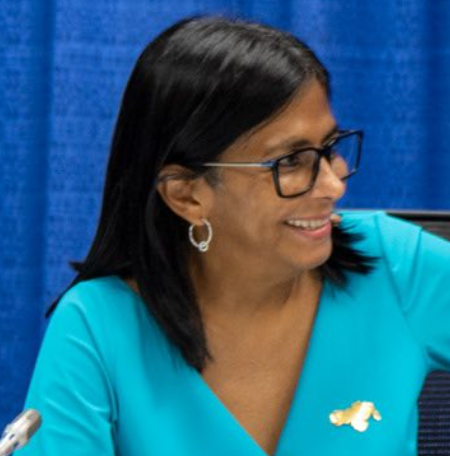
    A diplomatic dispute over the contested Essequibo Region has flared up again after Venezuelan President Delcy Rodriguez wore a controversial map brooch during back-to-back official visits to Caribbean Community (CARICOM) member states, drawing sharp condemnation from a leading Guyanese industry group.

    The incident unfolded on April 27, 2026, during Rodriguez’s second visit to a CARICOM nation in less than three months. Meeting with Barbadian Prime Minister Mia Mottley in Bridgetown, the Venezuelan leader was spotted wearing a lapel brooch that re-draws Venezuela’s map to incorporate the 159,000-square-kilometer Essequibo Region – a territory long recognized by international law as part of Guyana. This was not an isolated choice: Rodriguez wore the exact same brooch during an April visit to Grenada for talks with Prime Minister Dickon Mitchell, photographs of the encounter confirm.

    Within hours of the Barbados meeting, the Aviation Operators Association of Guyana (AOAG), a trade body representing the country’s privately-owned domestic aviation carriers, issued a strongly worded statement condemning the gesture as deliberate, provocative aggression. The group labeled the brooch an “offensive emblem” and framed Rodriguez’s repeated use of the symbol during high-level diplomatic engagements as “continued provocative conduct” that undermines regional norms of peaceful dispute resolution.

    “This calculated act is not diplomacy. It is theatrical aggression, wrapped in symbolism and intended to offend, intimidate, and destabilize,” the AOAG statement read. “It is especially insulting when displayed before the leaders and peoples of CARICOM, a community founded on mutual respect, sovereignty, and the peaceful settlement of disputes.”

    The association called on all CARICOM member states to stand in solidarity with Guyana, urging regional governments to remain vigilant and reject any attempt – whether symbolic or practical – to legitimize what it calls Venezuela’s unlawful territorial claim. “The Caribbean must never provide a stage for territorial adventurism,” the statement added.

    The long-running territorial dispute over Essequibo is currently working its way through the International Court of Justice (ICJ), the United Nations’ highest court for state-to-state disputes. Next month, the court will open multiple days of public hearings to hear arguments from both sides on the merits of the case, which centers on the legal validity of the 1899 Arbitral Tribunal Award that established the current border between Venezuela and what was then British Guiana. The ICJ is expected to issue a binding ruling on the dispute in the first quarter of 2027.

    The AOAG emphasized that for more than 125 years, Guyana has maintained uninterrupted, peaceful, and internationally recognized sovereign administration over the entire Essequibo Region. The group argued that Rodriguez’s reliance on symbolic cartographic claims does not alter established international law, nor does it weaken Guyana’s commitment to defending its territorial integrity.

    “Indeed, such conduct diminishes Venezuela far more than it threatens Guyana,” the statement continued. “It reflects a government more interested in manufacturing external disputes than addressing internal crises. A badge does not confer sovereignty. A lapel pin cannot erase treaties, arbitral awards, or the will of a free people.”

    The AOAG reaffirmed the group’s unwavering position that the Essequibo Region has always been, and will forever remain, an inseparable part of Guyana’s sovereign territory.

    Regional dynamics add a layer of complexity to the dispute: while all CARICOM member states have formally backed Guyana’s territorial claim, many small Caribbean island nations have maintained close fraternal ties with successive Venezuelan governments, dating back to the Hugo Chavez administration. In exchange for these warm relations, Venezuela has long provided the bloc with concessionary oil prices and other forms of development assistance, creating divisions in regional responses to Caracas’ ongoing claims.

  • Barbados urged to deepen platform economy, trade readiness

    Barbados urged to deepen platform economy, trade readiness

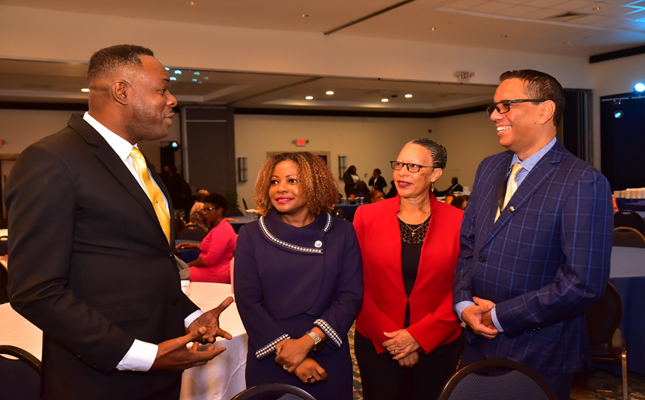
    At a closing ceremony for the European Union’s landmark Economic Partnership Agreement (EPA) held at Bridgetown’s Courtyard by Marriott on Monday, a senior Barbadian trade official delivered a stark warning: small island developing economies like Barbados will fail to convert preferential market access into tangible economic growth without immediate action to address deep structural weaknesses and upgrade competitiveness to meet rising global trade standards.

    Paula Byer, Director of Foreign Trade at Barbados’ Ministry of Foreign Affairs and Foreign Trade, emphasized that while regional and international trade pacts — including the CARIFORUM-EU EPA and the Caribbean Single Market and Economy (CSME) — open new commercial doors, access alone does not guarantee shared prosperity. For small, trade-reliant Caribbean nations, the ability to capitalize on these opportunities hinges entirely on three core pillars: expanded productive capacity, robust institutional preparedness, and sustained improvements to global competitiveness, she argued.

    The 11th European Development Fund (EDF) EPA Programme, an EU-funded regional initiative launched to help CARIFORUM states — a bloc comprising the EU’s former Caribbean colonies — implement and benefit from the CARIFORUM-EU trade deal, concluded its core funding cycle this week, though supporting activities will continue through the mid-2020s. Originally launched under the 2014–2020 EDF cycle, the program replaced decades-old Lome and Cotonou trade and aid agreements between the EU and African, Caribbean and Pacific nations, with a core mission to boost trade competitiveness across the Caribbean. It has focused on advancing customs and border management reform, upgrading quality testing and certification infrastructure, strengthening regional value chains for agriculture and agro-processing, and supporting micro, small and medium-sized enterprises (MSMEs) that form the economic backbone of most Caribbean economies.

    Byer highlighted that international development partnerships are not a discretionary bonus for small vulnerable economies like Barbados — they are a fundamental necessity for survival and growth. She outlined the persistent structural barriers that hold Caribbean MSMEs back from global trade: limited production scales that prevent businesses from competing on price, exorbitant logistics costs for island nations that rely almost entirely on maritime shipping, small domestic markets that limit growth potential, gaps in export readiness training and infrastructure, and cutthroat competition from large multinational firms and low-cost imported goods.

    Beyond these long-standing challenges, Byer noted that global trade is rapidly evolving, with increasingly strict requirements for product testing, certification, and accreditation becoming non-negotiable for access to premium export markets. “Without meeting those requirements, our products simply cannot compete,” she stressed. She added that even for compliant producers, many small Caribbean firms lack the resources to invest in product development, attractive packaging, brand building, and export marketing — key differentiators that help products stand out in crowded global markets.

    Port efficiency, Byer argued, is another make-or-break issue for island economies. Even minor delays and operational inefficiencies at port facilities directly raise business costs and erode competitiveness, making it harder for local producers to get their goods to market on time and at competitive price points. She noted that the 11th EDF EPA Programme was specifically designed to tackle many of these systemic barriers. It has delivered funding and technical support for modern border management systems, trade facilitation regulatory reforms, and digital trade solutions that cut operational costs and speed up processing times.

    In Barbados, Byer highlighted one tangible early win: the rollout of a new port community system that has already improved inter-stakeholder coordination, boosted operational transparency, and cut cargo processing times — a critical upgrade that will directly strengthen the country’s overall trade performance. Across the wider Caribbean, the program has also upgraded regional quality infrastructure, supported small agricultural and agro-processing producers by improving certification access, strengthened regional value chains, and expanded export readiness training for small producers.

    “These efforts recognise a fundamental truth — our MSMEs are the backbone of Caribbean economies, yet they face the greatest barriers in international trade,” Byer said. Tying the regional program to Barbados’ long-term national development goals, she reiterated that deeper regional integration is non-negotiable for unlocking growth. A more integrated regional economic platform allows Caribbean nations to pool limited resources, expand cross-border production networks, and compete far more effectively on the global stage, while strategic external partnerships like the CARIFORUM-EU EPA remain critical to driving export diversification and inclusive, sustainable growth, she explained.

    As global trade continues to shift, driven by digital transformation, stricter sustainability standards, and rapidly changing consumer preferences, Byer concluded that Barbados must maintain consistent investment in modern trade infrastructure, strong, adaptive regulatory frameworks, and private sector innovation to keep pace and secure long-term economic gains from international trade.

  • PM Briceño Addresses Fuel Shock as Prices Rise

    PM Briceño Addresses Fuel Shock as Prices Rise

    As skyrocketing global crude oil prices send pump costs soaring and squeeze household budgets across Belize, Prime Minister John Briceño has delivered a nationally televised video address outlining his administration’s full response to what he calls an unprecedented external economic shock, just hours before local evening news broadcasts on April 27, 2026.

    Briceño opened his address by contextualizing the crisis: over the past two months, international benchmark oil prices have jumped 76%, climbing from roughly $60 per barrel to $105 per barrel. Despite the volatile global market, the prime minister moved quickly to reassure the public that there is no immediate threat to Belize’s domestic fuel supply, noting that the country’s current monthly fuel import volume, valued at approximately $5 million, remains fully secured. He did acknowledge, however, that further retail price adjustments at the pump, as well as corresponding cost increases for fuel-linked goods and services across the economy, are unavoidable as global acquisition costs rise.

    To offset the burden for consumers, Briceño highlighted that Belize’s fuel excise tax is structured as a fixed per-unit levy, not an ad valorem tax that would increase alongside acquisition costs. Already since the onset of the price crisis, his administration has cut excise taxes sharply: 68 cents per gallon for regular gasoline, and $1.55 per gallon for diesel. Combined, these tax cuts will cost the national budget an estimated $4.7 million per month, totaling $60 million for the full 2026 fiscal year. Briceño confirmed that if crude prices continue their upward trajectory, the Cabinet stands ready to approve additional tax adjustments to soften the blow for motorists and households.

    Turning to the domestic transportation sector, which has been hit particularly hard by rising fuel costs, Briceño addressed ongoing tense negotiations with the Belize Bus Association. The newly formed National Bus Company will freeze current fares for the immediate future, the prime minister confirmed. For private bus operators that have pushed for fare hikes to offset fuel expenses, the government has approved a targeted three-month subsidy that will cover 100% of the incremental fuel cost increases. Private operators will receive a $3 per gallon fuel subsidy over the next quarter, a measure designed to prevent any sudden large fare increases for commuters traveling across districts.

    Beyond fuel-specific relief, Briceño announced sweeping government austerity measures to free up budget space for consumer relief and protect core social safety net spending, emphasizing that the government must bear its fair share of sacrifice amid the economic strain. The three-pronged austerity plan includes a $30 million deferral of planned capital expenditure projects scheduled for the current budget year, a $25 million cut to goods and services spending across all government ministries and departments, and sharp reductions in international travel, with all non-essential international meetings shifted to virtual formats to cut down on fuel, transportation and accommodation costs. The government will also cut its own internal fuel bill by restricting non-essential use of government vehicles.

    Briceño stressed that despite these tough cost-saving adjustments, all spending on Belize’s social safety net programs will remain fully intact and uninterrupted. He added that the Cabinet will conduct a full review of the government’s fiscal position and the effectiveness of current measures at the end of the first quarter of 2026, to determine whether additional policy adjustments are needed to support the Belizean public if economic pressures persist. If global oil prices continue to climb, Briceño noted that the government may need to implement even more substantial cost-saving measures to maintain fiscal stability while protecting households.

  • Honourable Spencer Brand Minister of Labour in the Nevis Island Administration World Day for Safety and Health at Work 2026 Address

    Honourable Spencer Brand Minister of Labour in the Nevis Island Administration World Day for Safety and Health at Work 2026 Address

    On April 28, 2026, marking the annual World Day for Safety and Health at Work, Honourable Spencer Brand, Minister of Labour within the Nevis Island Administration, delivered a keynote address centering on the urgent need to prioritize psychosocial wellbeing in workplaces across the island, framing the issue as a foundational driver of economic prosperity and social resilience.

    This year’s global observance carries the official theme “Good Psychosocial Working Environment: A Pathway to Thriving and Strong Organization”, a framing that Brand leveraged to reaffirm a core governing priority: that Nevis’ workers are the territory’s most valuable asset. He emphasized that their mental and emotional wellness is not a secondary concern, but a non-negotiable requirement for a high-functioning public sector, growing private industry, and connected, resilient communities.

    While the Nevis Island Administration has a long-standing track record of upholding basic workplace safety standards and expanding fair employment opportunities, Brand acknowledged that shifting global and local realities have created new demands that go far beyond minimum regulatory compliance. Rapid digital transformation, steadily growing workloads for many workers, and persistent global economic uncertainty have elevated psychosocial risks, requiring a proactive, people-centered approach to build workspaces where every employee feels valued, heard, and emotionally and physically secure.

    Research and on-the-ground experience confirm that workplaces defined by respectful culture, manageable workloads, accessible peer and managerial support, and inclusive leadership deliver measurable benefits: better overall worker health, higher sustained productivity, more cohesive cross-team collaboration, and greater workforce confidence, Brand noted.

    To advance this goal across Nevis’ public and private sectors, Brand laid out three interconnected guiding pillars that will shape the administration’s policy and outreach efforts moving forward.

    The first pillar is people-first leadership. Brand stressed that organizational leaders set the cultural tone for entire workplaces: when leaders prioritize empathy and open communication, workers feel safe to raise concerns about burnout, workload imbalance, or other stressors without fear of retaliation. To embed this approach, he announced the administration’s commitment to expanding targeted training for leaders at all levels, equipping them to identify early signs of worker burnout, distribute workloads more sustainably, and support staff through compassionate, confidential care.

    The second pillar is expanded, stigma-free access to robust mental health support. Brand noted that universal access to professional counseling, employee assistance programs, and specialized workplace health services is critical to addressing psychosocial risks. The administration will prioritize ongoing efforts to reduce cultural stigma around seeking mental health support in workplaces, expand access to evidence-based wellbeing initiatives including stress management training and peer support networks, and ensure no worker is left without resources to care for their mental health.

    The third pillar is cultivating an inclusive, collaborative workplace culture. Sustainable psychosocial health relies on foundational trust, mutual respect, and open lines of communication between leadership and staff, Brand explained. The administration will encourage all employers across Nevis to facilitate ongoing structured dialogue between teams and management, implement fair workload distribution, expand flexible work arrangements where feasible, and embed inclusive decision-making processes that center the diverse perspectives of all workers.

    As the governing body, Brand reaffirmed the Nevis Island Administration’s ongoing commitment to strengthening regulatory policies that protect worker psychosocial health, expanding access to resources for small and large businesses alike, and raising public awareness of overlooked psychosocial workplace risks. He noted that the government will continue to partner with businesses of all sizes to embed a culture that prioritizes mental health and empathetic, people-centered leadership.

    Yet Brand emphasized that building healthy workplaces is not a responsibility that falls to government alone. Employers, workers, industry organizations, and local communities all have a critical role to play in creating safer, more supportive work environments across the island. The collective benefits of this work are impossible to ignore: when workers feel consistently supported in their wellbeing, they deliver stronger performance, collaborate more effectively, and help build more resilient organizations and communities across Nevis.

    Brand added that the public sector will lead by example, demonstrating that investing in worker wellbeing and boosting productivity are not competing goals, but mutually reinforcing priorities. By walking this path publicly, the government can set a benchmark for private sector employers and strengthen public services, local business performance, and the overall long-term resilience of Nevis as a territory.

    In closing, Brand called on all residents, employers, and workers across Nevis to join the collective effort to improve workplace psychosocial health. He stressed that a positive, supportive work environment is not a one-time policy achievement, but an ongoing commitment that requires consistent attention and collaboration. As the world marks this annual observance, Brand urged all stakeholders to pledge to protect the wellbeing of Nevis’ workforce and build workplaces where every person can grow and thrive. He closed by wishing all observers a meaningful World Day for Safety and Health at Work 2026, and extended a blessing for the continued prosperity of Nevis.

  • Bus Operators Shut Down Highway in Fuel Cost Showdown

    Bus Operators Shut Down Highway in Fuel Cost Showdown

    On April 27, 2026, a long-simmering dispute between Belizean bus operators and the national government over cripplingly high fuel prices erupted into direct action, when hundreds of operators shut down the country’s critical Phillip Goldson Highway for four hours, stranding thousands of daily commuters and forcing last-minute negotiations that delivered a preliminary policy concession.

    The standoff followed two weeks of unproductive talks between government representatives and the Belize Bus Association (BBA), the industry’s leading trade group. Frustrated by stalled negotiations, operators launched their protest before dawn, parking buses across the highway at multiple choke points: starting at the Tower Hill Bridge just after 4:30 a.m., with additional blockades set up near Guinea Grass Village, Ladyville, and the Boom–Hattieville junction. The demonstration quickly halted all north-south traffic along the key transportation corridor, leaving students, healthcare workers, educators, and hourly workers trapped for hours with little advance warning.

    As tensions rose, police detained BBA member Charles Swift at the Boom–Hattieville junction on charges of obstructing traffic, a move that did little to shift operators’ resolve. A second detention was also reported at a smaller secondary blockade in San Jose Succotz Village, according to on-site reporting from News Five correspondent Paul Lopez.

    Many stranded commuters expressed sympathy for the operators’ cause, even as they navigated major disruptions to their own daily routines. Johan Alonso, a medical laboratory technologist caught in the gridlock, noted that his ability to care for patients at his workplace was compromised, but added that the disruptive action was necessary to force the government to acknowledge the severity of the industry’s crisis. “It is good that they are doing the blockade so the government can see how serious the people are, and how fed up we are,” Alonso explained. “They need to take everyone into consideration and talk to everyone before making decisions on their own.”

    Other commuters voiced frustration over the lack of advance notice. Dianne Martinez, a teacher who woke early to travel to her job on San Pedro Island, told reporters she had only learned service was canceled after arriving at her departure terminal. “What is disappointing to me is that nobody told me this was going to happen, and a lot of people stay stranded on the road,” she said. Other hourly workers shared their anxiety over lost wages, with one noting he had already budgeted for his daily earnings and could not afford unexpected extra costs like alternate private transport.

    Despite mounting disruption, bus operators stood firm in their demands, arguing that skyrocketing fuel prices had made it impossible to cover operating costs and support their families. “Fuel prices are a crisis right now,” operator Edward Bull told reporters. “How will we sustain our family if we have more than one child at home? At the end of the day if you watch your pocket, how much you spend on fuel going and coming, and you have bills to pay, owe the bank, how will you make two ends meet?”

    Michael Frazer, BBA Vice President, confirmed that the protest was a pre-notified action: operators had warned the Deputy Prime Minister two days prior that they would escalate to a highway blockade if their demands for fuel cost relief were not met. The warning was quickly heeded at the highest levels of government, with Prime Minister John Briceño entering direct talks with Frazer as the blockade stretched into its third hour.

    Within four hours of the protest’s start, government representative Chester Williams, Chief Executive Officer of the Ministry of Transport, arrived on site to announce that a preliminary agreement had been reached. The terms of the deal include a $3 discount per gallon of fuel for bus operators, with formal follow-up negotiations scheduled in the capital city of Belmopan to work out final regulatory adjustments. Frazer also noted that operators had requested a representative from the Prime Minister’s office attend the follow-up talks, citing a lack of trust in existing negotiations led by local transport official Zabaneh.

    Shortly after the agreement was announced, operators pulled their buses off the highway and traffic began moving again, ending the gridlock that had stranded thousands. As of April 27, both sides have confirmed they will move forward to finalize the details of the fuel concession in the coming days.

  • Who Truly Owns and Runs the National Bus Company?

    Who Truly Owns and Runs the National Bus Company?

    A sharp public controversy over the ownership and governance of Belize’s National Bus Company (NBC) is intensifying, as industry stakeholders, government officials, and law enforcement navigate competing claims, disrupted traffic, and conflicting narratives around fare pricing.

    The conflict moved to a new level last week when the Belize Bus Association (BBA) leveled formal conflict of interest allegations against Belize’s Minister of Transport, Dr. Louis Zabaneh, tying his leadership of the transport sector to undisclosed influence over the state-linked bus operator. As the claims gained public traction, reporters pressed the minister for clarity during a Saturday press conference, asking pointedly: who ultimately owns and operates the National Bus Company?

    Dr. Zabaneh offered a clear breakdown of the venture’s structure, framing it as an ongoing public-private partnership designed to expand reliable public transit across the country. He confirmed that as of current operations, the Government of Belize holds a 60% majority stake in NBC, while existing bus operators hold the remaining 40% equity, with potential future participation from institutional investors still pending. As the government’s representative on the project, the Minister of Transport appoints all government-nominated board members, a roster he outlined to confirm transparency: government seats are held by board chair Louge, Genelle Neal, former Senator Elena Smith, and prominent trade unionist Miriam Paz. Operator representatives include Sergio Chuc (owner of Westline), Jamie Williams (owner of James Bus Line), and a Codd, who represents the collective interests of small operators holding a 10% combined stake. The company’s chief executive officer is Vanzie, a former co-owner of Floria Bus Line.

    The controversy extends far beyond ownership, however, spilling over into a bitter dispute over fare pricing that has divided the BBA and the Ministry of Transport. The BBA has pushed for widespread fare increases, arguing it must match the per-mile rates charged by NBC, which the association claims reach as high as 19 cents per mile. Dr. Zabaneh rejected that claim outright, pushing back on the BBA’s narrative and noting that any move by NBC to raise fares to the maximum allowed rate would directly contradict the government’s public commitment to shielding consumers from rising living costs.

    “It would have been bordering on hypocrisy if the NBC had gone and increased their prices right up to the maximum when I as minister had been saying we do not want to increase prices,” he explained. “We want to ensure we mitigate the impact of higher prices on our people.” The minister confirmed that NBC’s highest actual fare is just 16 cents per mile, applied only on the western route. He also added a key clarification to address circulating rumors: the NBC receives no operating subsidies from the government, with all expenses covered by the company’s own revenue as a public-private operating entity. “It is just like if government was to send a check with any private business out there, something would be very wrong with that. It would be corruption,” he noted.

    With negotiations over broad fare hikes stalled, the conversation around Belize’s public transit sector has now shifted to the longstanding demand for government fuel subsidies. Frustrated by the deadlock, bus operators blocked the busy Phillip Goldson Highway on the morning of the protest, bringing traffic to a complete standstill and forcing law enforcement to manage a tense public standoff.

    Acting Superintendent Stacy Smith, a police staff officer, explained that law enforcement planners had monitored the planned protest for days and deployed a de-escalation focused strategy to balance the right to peaceful protest with the public’s right to free movement. “We recognize the issue that was raised affects all Belizeans and we want to afford persons who are disgruntled the ability to protest,” Smith said. “We have recognized the need to maintain law and order to ensure citizens are able to move and get to their respective location at their liberty.”

    The police approach focused on avoiding violent confrontation, with uniformed officers deployed along the highway to maintain order and prevent clashes between protesters and other community members. According to Smith, the strategy succeeded: the protest concluded without major incidents, with only three people detained and issued minor violation tickets before being released. No injuries or significant property damage were reported.

    This report is adapted from a transcript of a televised evening news broadcast, with all statements preserved for accuracy and context.