博客

  • Grenada advances Canadian tourism market strategy

    Grenada advances Canadian tourism market strategy

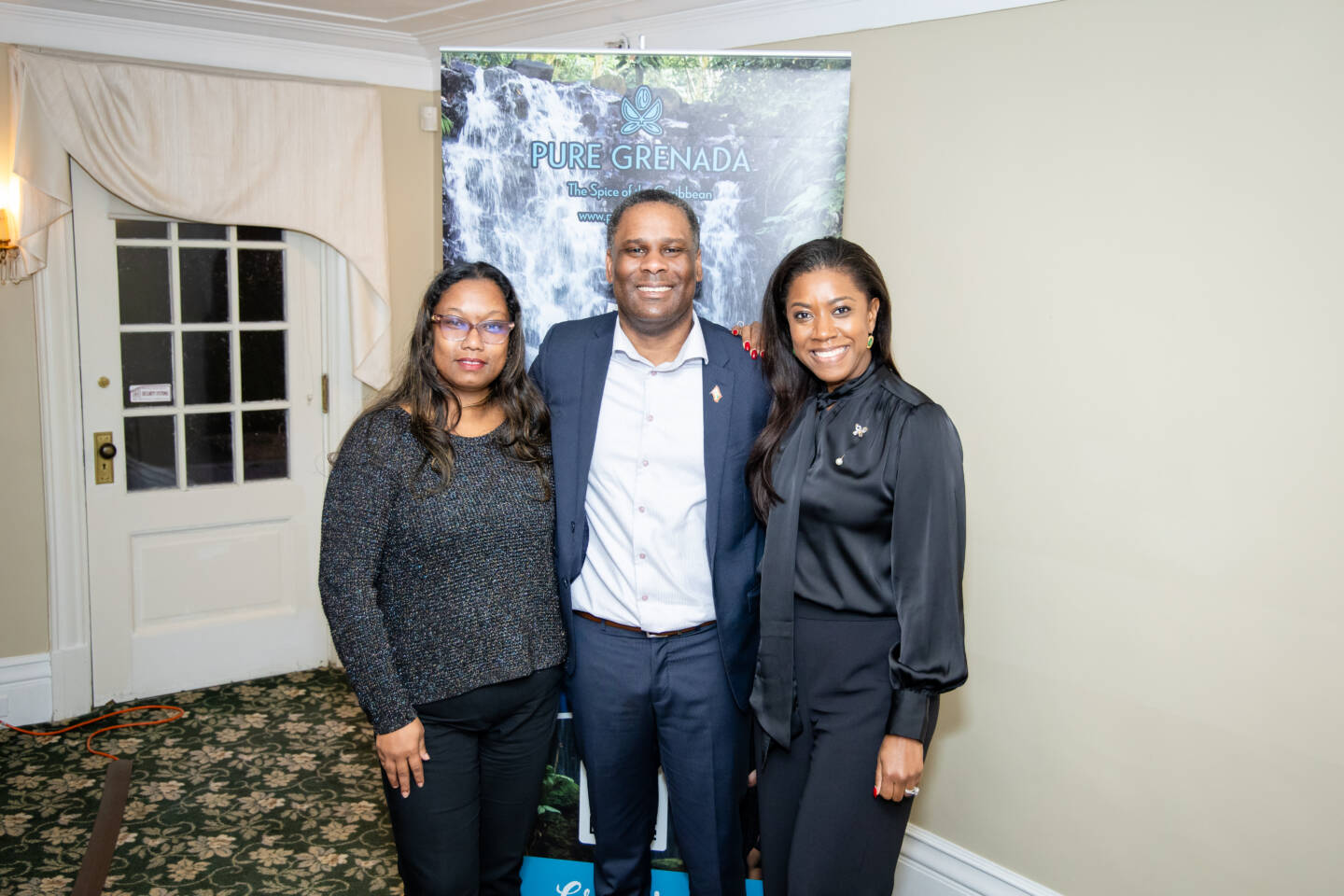
    The Grenada Tourism Authority (GTA) has recently closed out a strategically focused marketing mission in the Canadian city of Toronto, a trip designed to solidify the Caribbean destination’s standing in one of its most valuable international source markets through tailored engagements with travel industry stakeholders, media outlets, and airline partners.

    Headed by GTA Chief Executive Officer Stacey Liburd, the delegation included Director of Sales for Canada Sekou Stroude and Marketing Executive Melinda Telesford. Throughout the mission, the team centered its work on three core priorities: deepening existing strategic partnerships across the Canadian travel ecosystem, unlocking new opportunities to expand airlift access, and sharpening Grenada’s brand positioning as a top-tier luxury and leisure travel destination for Canadian holidaymakers.

    One of the most notable outcomes of the mission was productive strategic discussions with Canadian carrier WestJet. The two sides explored expanding Grenada’s existing seasonal direct flight service, which currently runs from December through April, to an extended window spanning November through May. A longer operating schedule would significantly improve travel convenience for Canadians looking to visit the Caribbean island. The GTA also held collaborative talks with WestJet Vacations to grow the company’s range of pre-packaged Grenada travel offerings, a move expected to boost both market visibility and booking conversion rates for the destination.

    “Our work in Toronto is part of a deliberate, targeted strategy to strengthen Grenada’s foothold in the Canadian travel market,” Liburd explained during the mission. “By opening strategic dialogues with airlines, engaging closely with travel trade partners, and connecting with key media outlets, we are not just raising awareness of Grenada—we are building clear pathways to drive higher visitation and deliver long-term, sustainable growth for our tourism sector.”

    Grenada’s luxury travel brand received additional high-profile exposure through the GTA’s participation in Virtuoso On Tour Toronto 2026, a leading industry event for luxury travel professionals. At the event, the delegation met with more than 80 elite travel advisors from across Canada, who specialize in curating high-end holiday experiences for discerning clients. To amplify destination awareness, the GTA hosted a sponsored dinner for event attendees, which featured a dedicated presentation on Grenada’s travel offerings, remarks from Liburd, curated immersive experiences highlighting the island’s culture and hospitality, and a prize giveaway supported by three of Grenada’s top luxury resorts: Calabash Grenada, Six Senses La Sagesse and Silversands Grenada.

    Beyond trade engagements, the GTA carried out a targeted media outreach campaign, connecting the delegation with 20 top Canadian travel journalists and social media influencers. The outreach has already generated immediate press coverage, including a featured story in leading industry publication Travelweek, with additional national exposure planned for coming months. Liburd also made a live television appearance on CHCH Morning Live, bringing information about Grenada’s travel offerings directly to a mass consumer audience across Ontario.

    Stakeholder engagement extended beyond major events to include a private dinner for leading travel agencies, including top Canadian brands Flight Centre, U Travel and Maritime Travel. The delegation also held strategic partnership talks with Sandals Resorts to coordinate upcoming joint marketing and promotional activations across Canada. The mission also included a check-in with the GTA’s in-market representation partner VOX International, where both sides confirmed that ongoing collaborative marketing campaigns have already delivered strong results, with high audience engagement and solid conversion metrics across all active initiatives.

    To cap off the mission, the GTA delegation held a diplomatic engagement at the Grenada Consulate in Toronto, aligning tourism promotion efforts with the country’s diplomatic outreach to support Grenada’s ongoing expansion of its global presence. According to Stroude, the response from all partner groups has underscored just how strong existing demand for Grenada already is among Canadian travelers. “The relationships we strengthened during this mission put us in a great position to drive immediate booking growth and advance long-term market expansion, especially in our key luxury and experience-driven travel segments,” Stroude noted.


  • He Claimed Police Broke Him, The Video Told A Different Story

    He Claimed Police Broke Him, The Video Told A Different Story

    In a landmark pre-trial ruling delivered on April 28, 2026, a High Court judge has cleared the way for murder suspect Bevan Alford’s trial to move forward, upholding the admissibility of key self-incriminating statements and messages collected by law enforcement. The decision rejects a full-throated defense challenge that claimed the evidence was obtained through improper, coercive police tactics that violated Alford’s legal rights.

    Alford stands accused of the 2023 murder of Freddy Chicas, and has formally entered a not guilty plea to the charge. His legal team launched a multi-pronged attack to suppress all prosecution evidence centered on two collections of admissions: first, a combined written and video-recorded police interview where Alford acknowledged he had told third parties he killed Chicas, while still maintaining he only moved the victim’s body and did not commit the killing; and second, a series of private electronic messages recovered from Alford’s personal phone that allegedly contain a direct confession to the murder.

    Before the substantive murder trial could get underway, the court was required to hold a voir dire, a specialized evidentiary hearing, to evaluate the defense’s challenges to the admissibility of the materials. Over the course of several weeks of hearings, Alford’s legal team laid out a series of serious allegations against the investigating officers. Under oath, Alford testified that officers approached him at his workplace before the interview, where Corporal Alphonso Chuc allegedly promised he would be allowed to leave if he disclosed all details of the incident. He further claimed a second unnamed officer from the gang intelligence unit, referred to only as “Dennis,” repeated the promise of release in exchange for cooperation. Alford added that he had consumed cocaine, alcohol, and marijuana the night before the interview, arrived at the police station in an impaired, unwell state, and was denied access to food and water during questioning. Finally, he cited his long-documented history of severe mental illness, including substance-induced psychosis, past suicide attempts, and repeated self-harm, arguing his vulnerability made the interview inherently unreliable.

    Presiding Justice Nigel Pilgrim rejected every single one of the defense’s arguments, grounding his final decision in the unedited video recording of the entire interview that told a far different story than the one Alford presented. In his written ruling, Justice Pilgrim noted the footage clearly showed investigating officers treated Alford’s rights with scrupulous care, with no visible evidence of coercion or improper pressure. The video captured Alford leaning back in his interview chair with his hands clasped behind his head, a posture the judge described as consistent with casual, relaxed conversation rather than a pressured interrogation. Alford shared a laugh with the investigating officer at one point, refused to provide his mother’s name when asked — a clear demonstration he understood he had the right to decline to answer questions — caught and corrected a typographical error about his age in the interview notes, and explicitly nodded to confirm he understood the Miranda caution that any statement he made could be used against him in court. “The body language between the defendant and the investigator demonstrated no fear,” Justice Pilgrim wrote. “The strength of the evidence [from the video recording], by itself, would cause the Court to reject the defendant’s evidence on this issue.”

    The judge dismissed Alford’s claim about the unnamed officer “Dennis” entirely, noting testimony from a senior police official confirmed no staff member by that name is assigned to the department’s gang intelligence unit. He also found Alford provided contradictory accounts of where the alleged encounter with “Dennis” took place, and when confronted with the inconsistency, refused to acknowledge the discrepancy — a finding Alford was untruthful on this point.

    On the allegations of intoxication and denial of food, Justice Pilgrim highlighted compelling contradictory evidence: Alford had ridden his bicycle for an hour and a half to reach his workplace on the morning of the interview, and his supervisor had cleared him to work, both facts that are inconsistent with a claim of severe impairment. The video and officer testimony also confirmed that a full welfare check was completed before the interview began, Alford voluntarily stated he was fit to be questioned, and when he later requested a break, officers immediately provided him with food and water.

    The most legally impactful portion of the ruling addressed Alford’s mental health history. Under existing Commissioner of Police Rules, if a detainee appears to be experiencing active symptoms of mental illness, officers must arrange for an “appropriate adult” — a family member, mental health professional, or trained specialist — to be present during any questioning. No appropriate adult was present during Alford’s interview, a point the defense argued required automatic suppression of all evidence. However, Justice Pilgrim ruled the critical legal question was not whether Alford had a documented history of mental illness, but whether he displayed observable signs of active impairment to officers at the time of the interview. He accepted the prosecution’s evidence that no such signs were visible to the investigating team, clearing the way for the evidence to be admitted.

    With this pre-trial issue resolved, Alford’s murder trial will proceed as scheduled, with the contested statements and messages now part of the Crown prosecution’s formal case against the defendant.

  • ‘It Was a Warning Bite’: Expert Says Croc Was Not Trying to Kill

    ‘It Was a Warning Bite’: Expert Says Croc Was Not Trying to Kill

    A late-night swimming incident left an American woman injured in a crocodile attack off the coast of Caye Caulker earlier this week, and a leading reptile expert is now breaking down why the encounter unfolded, pushing back against common assumptions about unprovoked crocodile aggression.

    Marisa Tellez, executive director of the Crocodile Research Coalition and a seasoned crocodile behavior specialist, says the Monday attack was not an attempt by the animal to kill or consume the swimmer. Instead, she categorizes the incident as what she calls a “warning bite” — a defensive reaction triggered by overlapping environmental and biological factors, not unprovoked malicious behavior from the reptile.

    Local law enforcement confirmed the attack took place shortly after 3:30 a.m., when the victim entered the water for an unplanned late-night swim. Tellez emphasizes that this timing was far from coincidental. “This is crocodile feeding time,” she explained. “This is when they are naturally more active, and when they hear splashing from a person in the water, they may initially mistake the movement for prey. The bite is an investigative reaction, not a killing strike.”

    Beyond feeding time, a second seasonal factor amplified the risk of an encounter, Tellez notes. The attack occurred during peak nesting season for local crocodiles, a period when female crocodiles become highly defensive of their nesting sites. Tellez’s own long-term research in the Caye Caulker area confirms that the exact spot where the woman was swimming is a well-established common nesting ground for female crocodiles protecting their eggs and upcoming hatchlings.

    In the wake of the incident, Tellez is calling on tourists and local residents alike to avoid casting the crocodile as an aggressive villain, pointing out that most crocodile attacks can be traced back to human behavior, lack of awareness, or widespread misinformation about crocodile biology rather than inherent violence from the animals.

    She also issued a key public safety warning: feeding wild crocodiles in the area is an extremely dangerous practice that conditions the reptiles to associate human activity with feeding opportunities, which drastically increases the risk of future negative encounters between people and crocodiles. Tellez’s comments come as local community leaders prepare to update public safety signage around popular swimming areas to highlight the risks of swimming during peak crocodile activity periods.

  • Croc Expert: ‘Be More Afraid of People Than Crocs’

    Croc Expert: ‘Be More Afraid of People Than Crocs’

    In the coastal nation of Belize, reports of crocodile attacks on humans have stirred widespread anxiety among locals and visitors alike, but a leading reptile researcher is pushing back against common misconceptions, arguing that the public should be far more wary of dangerous human activity than encounters with these ancient aquatic predators.

    Marisa Tellez, a leading figure with the Crocodile Research Coalition, explains that while crocodile attacks are not unheard of in Belize’s coastal and lagoon ecosystems, such incidents are far rarer than popular perception would suggest. Even so, every reported encounter leaves a ripple of fear across coastal communities popular with both locals and tourists. Tellez notes that this instinctive fear is completely understandable, but says that education about crocodile behavior is the most effective tool for staying safe during an unexpected face-to-face meeting with one of the reptiles.

    Contrary to many people’s automatic reaction to a crocodile sighting, Tellez says that panic is the most dangerous response a person can have when sharing the water with a crocodile. She points out that crocodiles are naturally stealthy ambush predators; if an animal intends to attack, it will not reveal its presence ahead of time. Her safety advice may sound counterintuitive to many: the best action is to swim slowly and calmly away from the area. Splashing wildly, a common reaction when people panic, actually draws crocodiles closer, because the chaotic movement signals that the splashing creature could be injured — an easy target for a hungry predator.

    To put the risk of crocodile encounters in broader perspective, Tellez cites local incident data: the last recorded fatal or harmful crocodile encounter on the popular tourist island of Caye Caulker occurred more than three years ago. She then poses a provocative question to challenge public priorities: when was the last reported stabbing or murder in Belize? What should rational observers actually fear more: a human perpetrator of violence on the street, or the remote possibility of a crocodile attack in the water?

    In blunt terms that cut through widespread public anxiety, Tellez summarizes her statistical argument: “Statistically, you should be more afraid of the two-legged crocodile on the street than the four-legged one in the lagoon.” Her remarks come as Belize’s coastal communities balance growing tourism, native wildlife conservation, and public safety, aiming to help residents and visitors make rational, informed risk assessments rather than giving in to unfounded fear.

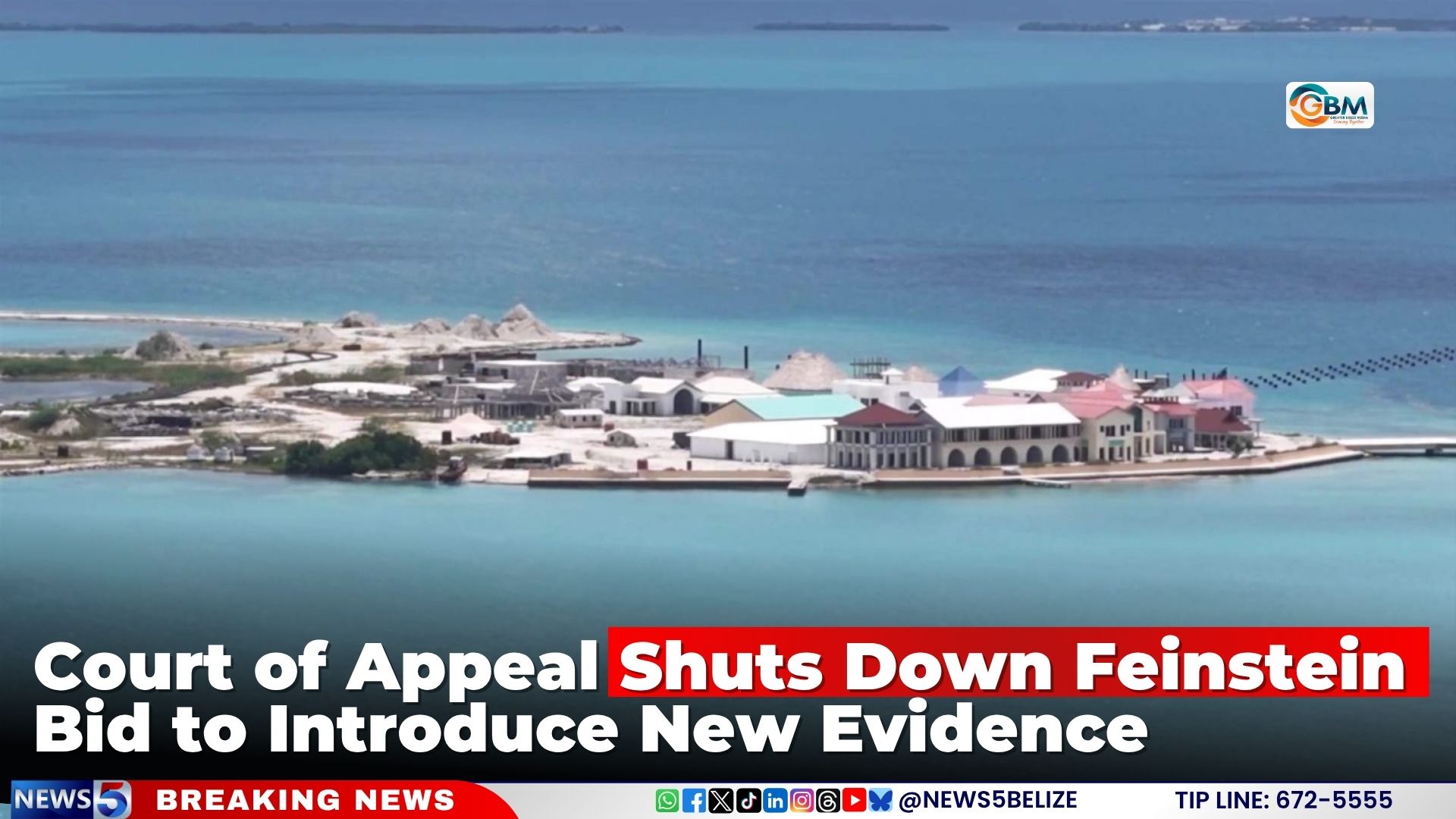
  • Court of Appeal Shuts Down Feinstein Bid to Introduce New Evidence

    Court of Appeal Shuts Down Feinstein Bid to Introduce New Evidence

    A key legal battle over the compulsory acquisition of private land for a major Caribbean cruise port development hit a major procedural hurdle this week, as an appellate court has turned away landowner Michael Feinstein’s bid to include a critical previously undisclosed government report in his ongoing appeal. The ruling marks a significant setback for Feinstein, who has challenged the government’s seizure of his 23.4-acre plot adjacent to Belize’s Stake Bank Island, but it does not bring the broader constitutional challenge to an end.

    At the heart of the rejected application was a 2024 consulting report commissioned by Belize’s Ministry of Tourism, completed just two months before the government formally announced its intent to seize Feinstein’s land for the Stake Bank cruise port project. Prepared by independent consultants Osric Forrest and Orlando Hewitt, the report compared the Stake Bank site against two competing potential locations: the Port of Magical Belize and the existing Port of Belize. In its assessment, the consultants labeled the Stake Bank development itself as “defunct”, a finding Feinstein argues undermines the entire legal basis for the land seizure.

    Feinstein, whose legal team is led by London-based King’s Counsel Richard Salter, argues the report exposes a fatal flaw in the government’s justification for the acquisition. The government has maintained seizing the land is a legitimate public interest project to grow Belize’s tourism economy through a new cruise port. But Feinstein contends that if the government’s own consultants were already calling the Stake Bank project nonviable and recommending alternative sites months before the seizure declaration, the government’s public interest claim is built on false pretenses. He further alleges the seizure is not actually for public benefit at all, but rather is a move to resolve a tangled private ownership dispute in favor of connected commercial investors.

    Alongside seeking to admit the 2024 consulting report, Feinstein also asked the Court of Appeal to compel the government to release six categories of internal documents, including full Cabinet records and all communications between the Ministry of Tourism and Ministry of Natural Resources in the months leading up to the acquisition declaration.

    The three-judge appellate panel, led by Chief Justice Blenman, issued a unanimous ruling rejecting both of Feinstein’s applications. Blenman based the decision on the long-established Ladd v Marshall legal standard, which sets three strict conditions for any party seeking to introduce new evidence during an appeal: first, the evidence could not have been obtained through reasonable diligence before the original trial concluded; second, the evidence would likely have had a material impact on the original trial’s outcome; and third, the evidence is clearly credible.

    Addressing the first condition, Chief Justice Blenman was unambiguous in the court’s finding: Feinstein already had full knowledge that alternative cruise port sites were under government consideration when the original trial was underway. Feinstein’s own trial affidavit explicitly referenced the competing proposals, his own witnesses raised the issue during proceedings, and Prime Minister John Briceño had even made public comments about the alternative port plans. Given this existing information, the court ruled, Feinstein could have requested disclosure of the 2024 report and related internal documents during the original trial, but he chose not to do so.

    “This was a clear litigation choice by Mr. Feinstein to frame his case in the way he did,” Chief Justice Blenman wrote in the ruling. The court emphasized that the Ladd v Marshall standard is not designed to give parties that have already argued their case “a second bite at the proverbial cherry” by introducing new evidence they chose not to pursue earlier in the proceedings.

    The court also rejected Feinstein’s argument that the report would have changed the original trial’s outcome. Even if the report had been included in the original analysis, judges noted, the core finding of the lower court would still stand: at the time of the acquisition, the Stake Bank project was the only proposal with all required regulatory approvals in place, construction equipment already on site, and full financing secured. The Port of Magical Belize, while it had completed an environmental assessment and secured a preliminary agreement with cruise line Royal Caribbean, remained only a conceptual project with no formal approvals. The court further ruled that the consultants’ use of the word “defunct” to describe the Stake Bank project could not be taken as an official statement of the government’s own position on the development.

    Having failed to meet two of the three required conditions under the Ladd v Marshall standard, Feinstein’s application for new evidence was dismissed in full. The broader substantive appeal, which will ultimately rule on whether the government’s compulsory acquisition of Feinstein’s land violates constitutional protections for private property, is still scheduled to be heard at a future date.

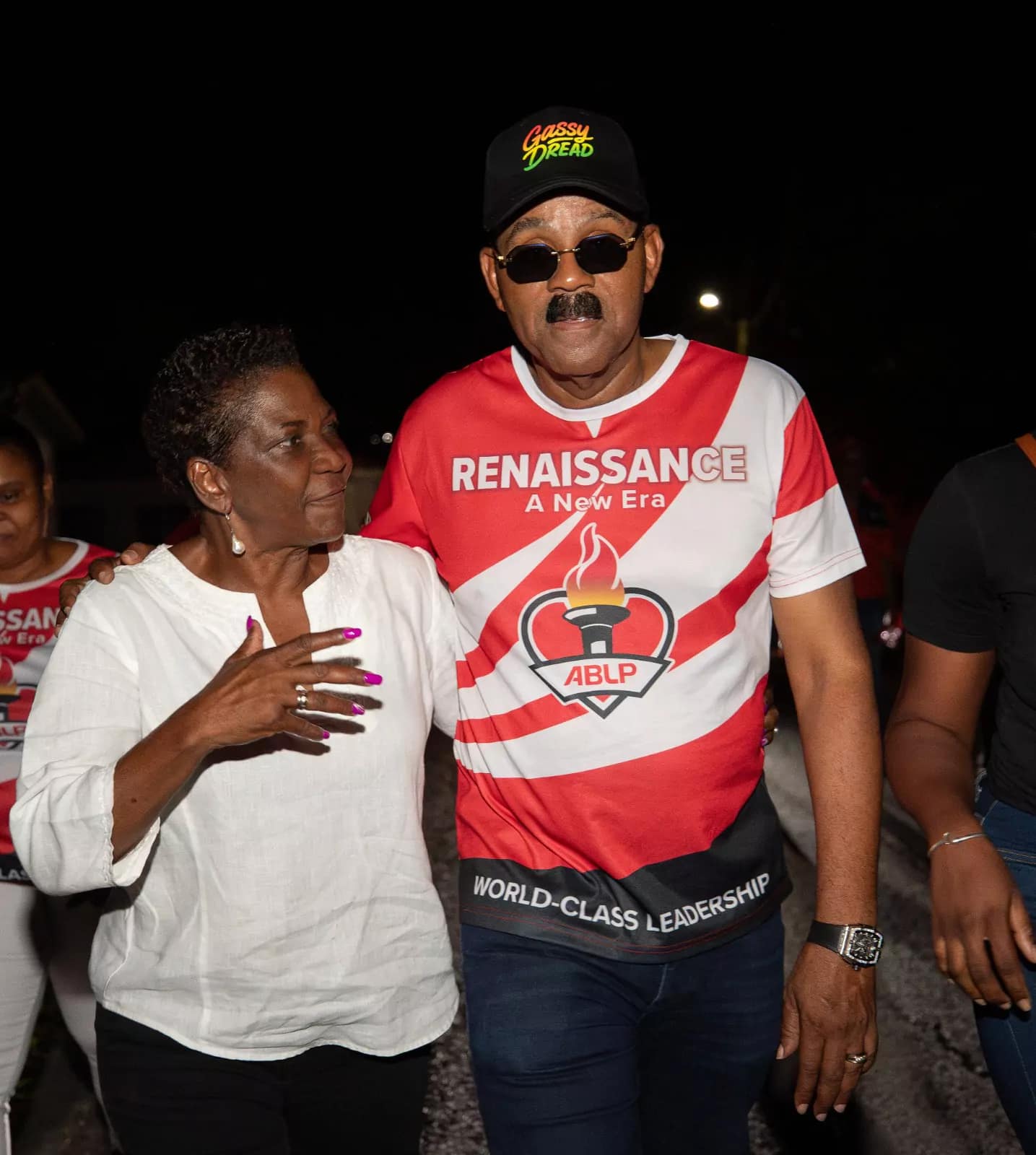
  • Massiah Backs ABLP’s Newton in All Saints East and St Luke Race

    Massiah Backs ABLP’s Newton in All Saints East and St Luke Race

    In a political shift that has caught many observers off guard, Joanne Massiah, the founding leader of Antigua and Barbuda’s Democratic National Alliance (DNA), has publicly pledged her full support to Lamin Newton, the candidate for the Antigua and Barbuda Labour Party (ABLP), ahead of the country’s upcoming general election. Massiah made her unprecedented endorsement official during a public meet-and-greet event with constituents held on Monday night, where she explicitly urged local voters to cast their ballots in Newton’s favor.

    This cross-party backing marks a dramatic departure from Massiah’s long-held political stance. Since splitting from the United Progressive Party (UPP) and launching the DNA in 2017, the third-party movement has positioned itself as a distinct progressive alternative to both the ABLP and the UPP, the nation’s two dominant established political forces. For years, Massiah has been one of the most vocal critics of ABLP policy and leadership, making her public endorsement of an ABLP candidate all the more unexpected.

    According to multiple eyewitnesses present at the event, Massiah directed her appeal specifically to voters in the All Saints East and St Luke constituency, where Newton is standing for election. This electoral district is already projected to be one of the most closely contested and highly watched races in the upcoming general election, turning Massiah’s surprise endorsement into a major talking point for political analysts and voters across the country in the lead-up to polling day.

  • NTRC welcomes Grenada’s appointment as 2nd Vice-Chair of CTO Executive Committee

    NTRC welcomes Grenada’s appointment as 2nd Vice-Chair of CTO Executive Committee

    During the 64th Council Meeting and Commonwealth Digital Roadshow hosted in Maseru, Lesotho, from April 20 to 24, 2026, the Caribbean island nation of Grenada earned a prominent leadership position on the Executive Committee of the Commonwealth Telecommunications Organisation (CTO), clinching the role of Second Vice-Chair. The appointment was officially announced by Grenada’s National Telecommunications Regulatory Commission (NTRC), marking a notable step up for the country, which previously held a non-leadership ordinary member seat on the committee.

    The newly constituted 2026-2027 CTO Executive Committee brings together a geographically diverse group of Commonwealth nations. Mauritius takes the top position as Chairperson, Uganda serves as First Vice-Chair, with Grenada filling the Second Vice-Chair role. Samoa joins as Immediate Past Chair and an Ex-Officio Committee Member, while Cameroon, Lesotho, and Mozambique complete the lineup as additional Exco-Members.

    This year’s gathering convened under the overarching theme “The Digital Future: Cultivating Opportunities, Safety and Sustainable Growth.” Per the CTO’s official mandate, the new Executive Committee will steer the organization’s long-term strategic direction, deepen cross-country collaboration across the 54-nation Commonwealth bloc, and advance targeted initiatives to speed up digital innovation, widespread digital transformation, and inclusive connectivity for underserved communities. The body is also tasked with fostering public-private and cross-national partnerships to expand resilient digital infrastructure, and leverage technology as a catalyst for equitable socio-economic growth across all member states.

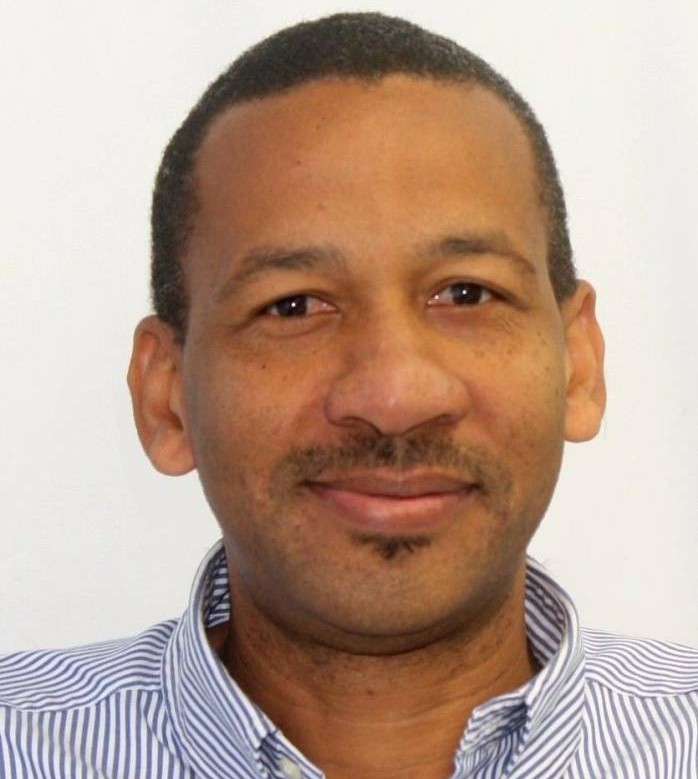
    Grenada’s delegation at the high-level meeting was led by NTRC Commissioner Andrew Millet, who has been widely praised for his work securing the leadership appointment. The NTRC released a statement congratulating Millet, noting that his consistent professionalism, demonstrated commitment to the sector, and sharp strategic leadership throughout the gathering brought significant recognition to both Grenada and the national regulatory commission, and was instrumental to the successful outcome.

    The Government of Grenada has echoed this praise, framing the appointment as a landmark win for the country’s international profile. In an official communication to the NTRC, Cabinet Secretary Carvel Lett described Grenada’s elevation to a leadership role as “a noteworthy achievement” that “reflects the growing confidence placed in our country’s leadership and contribution at the regional and international levels, particularly in the areas of ICT, telecommunications, and digital transformation.”

    Looking ahead, the NTRC has reaffirmed its long-standing commitment to advancing Grenada’s national digital development agenda, and to expanding the country’s constructive influence in regional and global telecommunications policy discussions. The appointment positions Grenada to shape the future of digital transformation across the Commonwealth, bringing a small island developing state perspective to global digital policy conversations.

  • ‘Fake Cops’ Charged After Armed Vape Shop Robbery

    ‘Fake Cops’ Charged After Armed Vape Shop Robbery

    In a bold, pre-planned crime that unfolded in broad daylight in Belize City, two men who impersonated law enforcement officers to rob a local vape shop have been taken into custody, facing multiple criminal charges after a high-speed pursuit that ended with a full recovery of stolen goods and illegal weapons.

    The incident occurred just after 6 p.m. on Monday, April 27, at a retail vape shop located on Daly Street in central Belize City. According to official police accounts, the two suspects planned the heist to exploit the shop’s controlled entry protocol, arriving at the location on a single motorcycle with full-face helmets that concealed their identities. Dressed in camouflage uniforms designed to mimic standard police tactical gear, the pair did not raise any initial red flags for staff. The 28-year-old on-duty shop attendant, Dylan Vasquez, allowed the men entry after they approached the door, unaware of the violent crime about to unfold.

    Within moments of entering, the attackers revealed their weapons. One suspect held a loaded 9mm pistol to Vasquez’s neck to intimidate him and prevent any resistance, while the second suspect moved behind the sales counter to steal assets. Investigators confirmed the robbers made off with more than $20,000 in cash that had just been counted and prepared for deposit following a large recent vehicle sale, along with dozens of disposable vaping products.

    Eyewitnesses working at adjacent businesses reported that the pair fled the shop immediately after the robbery, speeding away on their motorcycle. But officers from the Belize City Police Department, who had been dispatched within minutes of the silent alarm being triggered, were already positioned nearby and launched a rapid pursuit. During the chase through city streets, one of the suspects allegedly fired multiple shots at pursuing officers in an attempt to escape capture.

    Police ultimately cornered and arrested both suspects, identifying them as 27-year-old Kenroy Amani Daly and 26-year-old Ahkeem Rashawn Danderson. Along with recovering all of the stolen cash and stolen vape products, law enforcement seized two unregistered 9mm pistols and loaded magazines holding a total of 19 live rounds of ammunition.

    Formal charges have already been filed against both men: each faces counts of robbery and falsely impersonating a police officer. Daly, the suspect accused of firing on police and holding the gun to the attendant’s neck, faces an additional charge of aggravated assault for the threats against the employee and the pursuing officers. Both are currently held in police custody awaiting an upcoming court hearing to answer for the alleged offenses.

  • Nieuw vredesvoorstel Iran botst op Amerikaanse scepsis

    Nieuw vredesvoorstel Iran botst op Amerikaanse scepsis

    In the aftermath of a fragile ceasefire that paused a deadly regional conflict between long-time adversaries Iran and the US-backed Israeli bloc, Tehran has put forward a new peace proposal that is already facing deep skepticism from the Trump White House. The plan, which seeks incremental de-escalation before tackling the most divisive issue in bilateral relations – Iran’s nuclear program – currently appears unlikely to win Washington’s approval, threatening to delay any path to a permanent end to hostilities that have killed thousands and roiled global energy markets.

    Breaking down the details of Iran’s new initiative, the proposal frames the reopening of the strategic Strait of Hormuz as its core confidence-building measure – a step that would reverse Tehran’s recent closure of the vital waterway that has sent energy prices soaring and disrupted global supply chains. In exchange for reopening the strait, Iran is demanding that the Trump administration lift its recent naval blockade of Iranian ports, which cut off the country’s key oil export revenue and a major source of state income, and agree to end the ongoing conflict outright. Crucially, however, Iran has demanded that any negotiations over its nuclear program be delayed until after a ceasefire and blockade withdrawal are fully implemented – a condition that runs directly counter to longstanding US demands that nuclear constraints be part of any immediate de-escalation deal.

    The proposal was transmitted to Washington through Pakistan, which has been serving as a neutral intermediary between the two hostile governments. Iranian state media outlet Fars News Agency has confirmed that the initiative aligns with Tehran’s long-stated red lines on both the Strait of Hormuz and its nuclear program, noting that Foreign Minister Abbas Araghchi has operated fully within the framework of Iran’s diplomatic mandates. The outlet emphasized that the plan should be understood as a de-escalatory initiative to clarify regional positioning, not a formal negotiating package at this stage.

    Iranian analysts frame the proposal as a strategic shift away from the country’s previous negotiating model, which centered on offering nuclear concessions in exchange for relief from economic sanctions. Abas Aslani, a senior researcher at the Centre for Middle East Strategic Studies, told Al Jazeera that Tehran has concluded that older approach is no longer a viable path to a mutually acceptable agreement. “Iran sees this also as a measure to build confidence and bridge the existing trust deficit,” Aslani added. In comments to the UN earlier this week, Iran’s ambassador to the global body Amir Saeid Iravani reinforced Tehran’s position, noting that lasting stability and security in the Gulf region can only be achieved through a permanent end to all hostile aggression against Iran.

    The White House has confirmed that President Donald Trump reviewed the Iranian proposal alongside his top national security advisors on Monday, but early signals from the administration point to a firm rejection of the plan in its current form. An anonymous US official told Reuters that Trump is dissatisfied with the proposal, specifically because it fails to include binding provisions to address Iran’s nuclear program immediately. “He does not really value the proposal as it stands,” the official said. Two anonymous sources familiar with internal deliberations told CNN that Trump is almost certain to reject the plan, arguing that lifting the port blockade before resolving the nuclear issue would remove one of Washington’s most powerful negotiating leverage points.

    Not all administration comments have been uniformly negative, however. Secretary of State Marco Rubio told Fox News Monday that the proposal was “better than we had expected,” but added that he retains deep doubts about Tehran’s underlying intentions. “They are very good negotiators,” Rubio said. “We have to make sure that any agreement is one that permanently prevents them from ever developing a nuclear weapon.” Al Jazeera’s Washington correspondent Mike Hanna noted that extraordinary secrecy has surrounded the White House deliberations, with no readouts or details released about who even attended Monday’s meeting, an unusual departure from standard protocols for high-level national security discussions.

    Beyond the US and Iran, international allies are growing increasingly impatient with the prolonged standoff, according to regional analysts. Mohamed Elmasry, an analyst at the Doha Institute of Graduate Studies, told Al Jazeera that while both Washington and Tehran appear to believe time is on their side, prolonged delay only makes a deal harder to reach. “I really don’t think time works for anyone. The Europeans are clearly losing their patience,” Elmasry said. He noted that recent comments from German Chancellor Merz – who publicly remarked this week that “the Iranians are very skilled negotiators” – reflects growing allied pressure on Trump, who allies hold responsible for creating the current regional crisis and failing to resolve it. “Trump will not be happy about that, and the chancellor hit him where it hurts,” Elmasry added.

    The Strait of Hormuz remains one of the world’s most critical energy chokepoints even in peacetime: roughly one-fifth of all global oil and liquefied natural gas trade passes through the narrow waterway, connecting major Gulf oil producers to global markets. Tehran’s closure of the strait after the outbreak of conflict created immediate inflationary pressure on energy markets worldwide, making a resolution to the standoff a pressing priority for global economies already grappling with post-conflict volatility.

  • Calls for greater autism awareness in public spaces

    Calls for greater autism awareness in public spaces

    A rising tide of complaints from families of autistic children across Barbados, centered on rigid policies in high-traffic public spaces such as supermarkets, has reignited advocacy for greater flexibility, public awareness, and empathy from local business operators. Chantal Fields, Events and Coordination Chairman of the Autism Association of Barbados, outlined the ongoing everyday challenges faced by autistic people and their caregivers during an interview with Barbados TODAY, held on the sidelines of the organization’s annual Autism Awareness Walk earlier this week.

    Fields emphasized that while public understanding of autism has grown incrementally in recent years, many families still encounter unnecessary barriers during routine outings. A core point of frustration is supermarket policies that ban children from riding inside shopping baskets, a safety measure many caregivers rely on to manage autistic children who are prone to elopement, or unexpected wandering.

    “Many parents have reached out to me about this issue,” Fields explained. “A little bit of grace goes a long way, because not everyone can navigate a supermarket trip the same way. For autistic children prone to wandering, a trip to pick up groceries turns into a constant effort to keep them safe. Restricting the use of shopping carts as a safety space directly undermines that effort.”

    Fields proposed a common-sense compromise that balances business concerns with family safety: “Businesses don’t have to drop their rules entirely. Even allowing the practice for caregivers who can show verification of their child’s autism would be a huge step forward. Everyone on the autism spectrum functions differently, and a small accommodation can drastically cut the burden on families.”

    Despite these ongoing public access challenges, Fields highlighted incremental progress in other areas of daily life. In the workplace, a growing number of Barbadian employers have adopted more flexible policies to support parents of autistic children, allowing adjusted shift times to accommodate therapy appointments and excused leave for care-related needs. “Many parents have told me their workplaces have been really supportive,” she noted. “That flexibility makes a world of difference for families balancing care and work.”

    In the education sector, however, systemic change remains in its early stages. Fields said the Ministry of Education has begun rolling out pilot programs for more inclusive schooling, but widespread implementation is still years away, meaning current families will not see the full benefits of these reforms. “The ministry is putting in the work, but it’s still at the pilot stage,” she said. “It won’t help many of the families currently navigating the system, but it will create better outcomes for the next generation.”

    Looking toward long-term improvement, the Autism Association of Barbados has partnered with the Samuel Jackman Prescod Institute of Technology (SJPIT) to launch new skills-based training programs for autistic adults, focused on employable trades such as cooking and carpentry. The initiative aims to expand employment opportunities and increase economic independence for autistic people across the island. Fields noted that public receptiveness to these efforts has grown, with slowly opening opportunities for autistic people to participate fully in Barbadian society.

    Fields’ comments came as more than 300 community supporters gathered before dawn on Tuesday for the annual Autism Awareness Walk. Participants started at the Social Empowerment Agency, traversed a marked route through Lower Collymore Rock, Culloden Road, Beckles Road, Dalkeith Road, circled the historic Garrison district, continued along Highway 7, and returned to the starting point. The event concluded with a community cool-down session, reinforcing the association’s core mission: building widespread public acceptance, practical support, and understanding for autistic people and their families across Barbados.