博客

  • Long‑Awaited Lottery Funds Hit the Sports Ministry

    Long‑Awaited Lottery Funds Hit the Sports Ministry

    In a landmark development for Belizean athletics, the nation’s Sports Ministry has officially received the first major financial allocation from nationalized lottery revenues. This initial $1 million disbursement, delivered on Thursday, represents the first half of a $2 million commitment from Belize Government Lotteries Limited (BGLL) profits, marking the tangible realization of a political promise years in the making.

    The nationalization of the Boledo and lottery system was originally championed by the opposition P.U.P. party before they formed the current administration. Their central argument contended that previous private operator Brads Gaming had disproportionately benefited a ‘small clique’ while providing minimal support to national sports development. Upon assuming power, the government established BGLL with the explicit mandate to redirect lottery earnings toward public goods, primarily National Health Insurance (NHI) and athletic programs.

    For the past two years, the substantial majority of these revenues have been channeled into expanding NHI services. The sporting community, while supportive of healthcare initiatives, maintained persistent inquiry regarding their promised share. This week’s transaction directly addresses those inquiries, converting political rhetoric into actionable funding.

    Sports Minister Anthony Mahler characterized the allocation as ‘a tremendous help’ that will accelerate ongoing development programs, facility upgrades, and strategic partnerships with national sports federations. The second $1 million installment is scheduled for distribution in March.

    Beyond the immediate financial impact, the transfer carries significant symbolic weight for athletic leadership nationwide. Jacob Leslie, President of the Belize Basketball Federation, described the moment as ‘exciting times’ for Belizean sports, highlighting the government’s purposeful effort to generate alternative revenue streams specifically for athlete development.

    The disbursement represents the culmination of a policy journey from opposition criticism to governmental execution. Attention now shifts to implementation, with stakeholders observing how this new funding mechanism will transform Belize’s sporting landscape and deliver the community benefits that justified the lottery’s nationalization.

  • Participants showcase skill and modernity in the parade on the boardwalk

    Participants showcase skill and modernity in the parade on the boardwalk

    The Dominican Republic commemorated its 182nd National Independence anniversary with an impressive display of military precision and national pride during Thursday’s traditional parade along George Washington Avenue. President Luis Abinader and Vice President Raquel Peña presided over the ceremony that showcased the nation’s defense capabilities under the Caribbean sun.

    Approximately 16,000 personnel from police and military divisions alongside 42 aircraft demonstrated operational readiness across land, air, and sea domains. Specialized units including the Amphibious Special Forces (Sharks, Cimarrones, Macheteros), Presidential Reaction Forces, Hunters, and Paleros marched in coordinated precision, their unified cry of “we are all one” echoing throughout the ceremony.

    The parade featured battalions from the Army, Navy, and Air Force alongside National Police units exhibiting modernized equipment designed to protect national sovereignty. Specialized security bodies demonstrated their capabilities including Land Border Security (Cesfront), Metro and Cable Car Security (Cesmet), Fuel Control and Merchandise Trade (Ceccom), and Airport Security and Civil Aviation (Cesac).

    Notable displays included the Furia armored vehicles manufactured by the Dominican Military Industry, while cadets from the “Battle of Las Carreras” Military Academy executed a precise Weapons Manual in Silence before the presidential podium. The international dimension of the event featured military delegations from El Salvador and France, highlighting global fraternity among armed forces.

    The presidential delegation included First Lady Raquel Arbaje, multiple government ministers, and National Police Director General Andrés Modesto Cruz Cruz, underscoring the whole-of-government approach to national security celebrations.

  • Elderly Pomona Resident Claims Harassment in Escalating Land Dispute

    Elderly Pomona Resident Claims Harassment in Escalating Land Dispute

    A longstanding land conflict in Pomona Village has reached a critical juncture, with allegations of intimidation and harassment emerging from both parties involved. The family of 74-year-old Miguel Angel Trejo claims the elderly resident now fears for his personal safety, directly accusing Stann Creek West Area Representative Rodwell Ferguson of orchestrating threats against him.

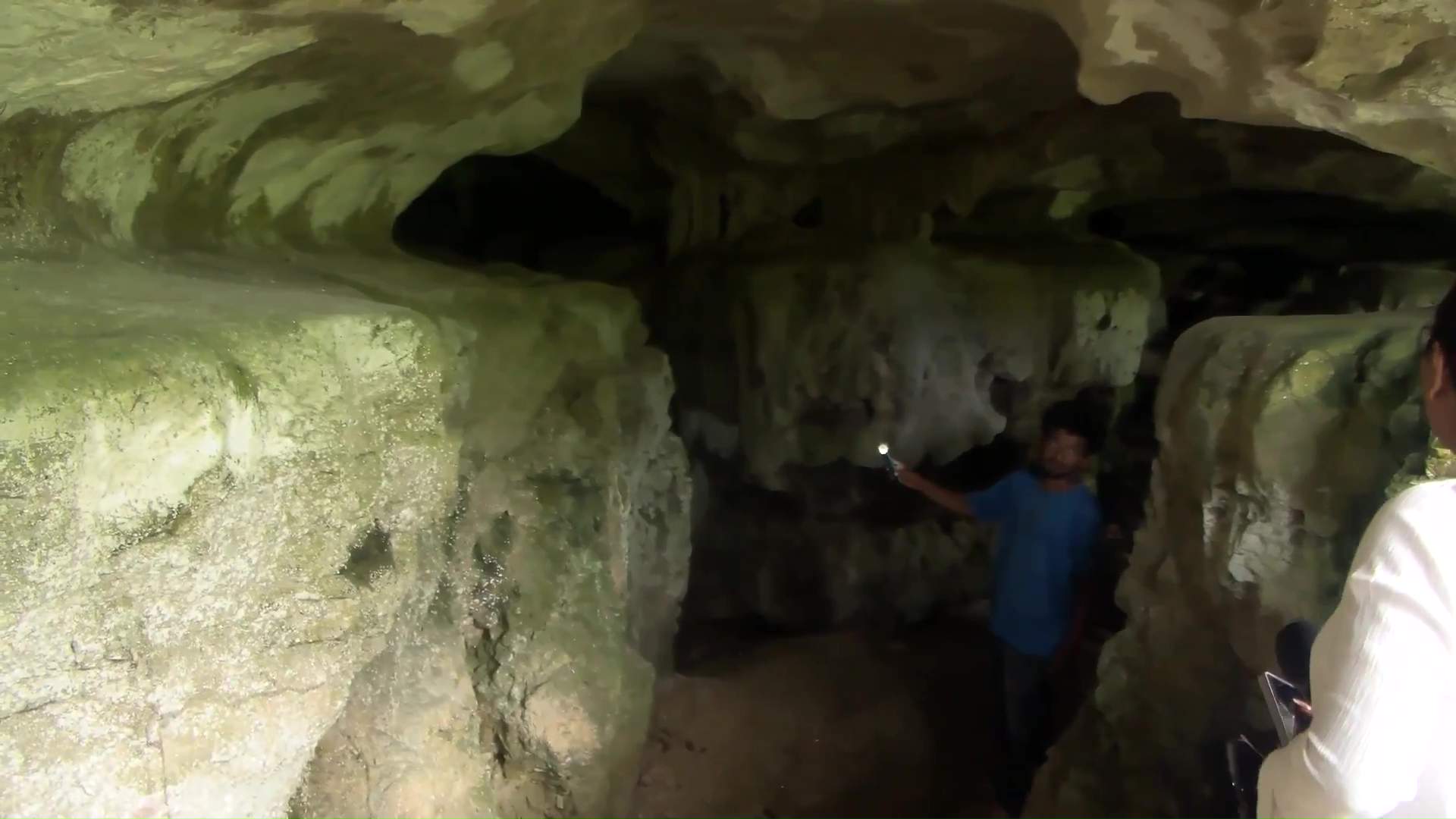
    The controversy centers on a contested property that includes a cave system, which government officials believe should fall under the jurisdiction of the National Institute of Culture and History (NICH). According to Alfredo Trejo, the son of the elderly resident, Ferguson has repeatedly dispatched workers to threaten his father and demand their relocation from land the family has cultivated for decades.

    “My father is genuinely terrified now,” Alfredo Trejo stated during a phone interview. “He has nobody there for protection except my younger brother. It’s incredibly frustrating to see videos of Minister Ferguson, who should be helping us, acting against our interests.”

    The Trejo family maintains they have invested thousands of dollars developing the land over multiple generations, establishing plantations and various tree crops since Alfredo’s childhood. They question the sudden governmental interest in the cave, suggesting Ferguson’s motivations may be personally motivated rather than for public benefit.

    However, Area Representative Ferguson presents a markedly different narrative. He describes a years-long effort to legally relocate the family from what he identifies as government property. Ferguson claims Samuel Trejo, Miguel’s son, previously agreed to relocation terms that included receiving a new titled property in exchange for vacating the contested land.

    “There are two sides to this story,” Ferguson countered. “Samuel Trejo signed an agreement little over three weeks ago, and we personally moved his house to the new location. He is very happy because he now owns something legally.”

    Ferguson asserts that after the successful relocation, the elder Trejo returned to the original property and began constructing new structures, complicating the resolution process. The area representative emphasized that NICH officials, including Dr. Badillo, have recognized the cave’s significant tourism potential and will conduct further assessments.

    The government proposes establishing a cooperative management model where local residents would operate the cave tourism site in partnership with NICH, potentially creating economic opportunities for the community.

    With both parties entrenched in their positions, the Trejo family prepares for potential further confrontations while awaiting NICH’s formal assessment that will ultimately determine the property’s fate.

  • Ten‑Year Deal Boosts Chiquibul Conservation Efforts

    Ten‑Year Deal Boosts Chiquibul Conservation Efforts

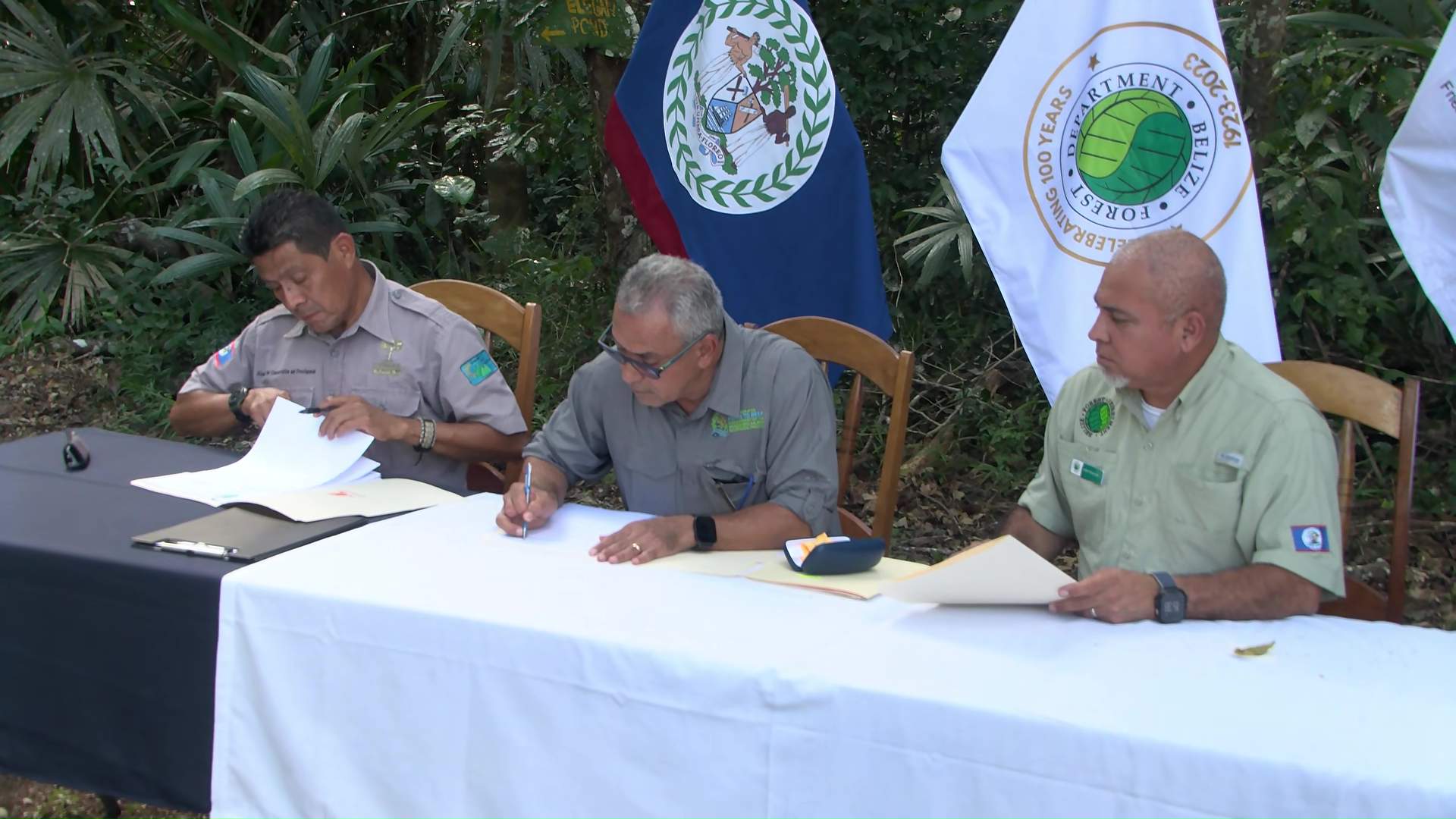
    In a significant move for environmental preservation, Belize’s Forest Department and the nonprofit organization Friends for Conservation and Development (FCD) have formalized a comprehensive ten-year partnership agreement. The signing ceremony occurred on February 27, 2026, at the Las Cuevas Research Station within the ecologically critical Chiquibul Forest Reserve.

    The renewed memorandum of understanding establishes a framework for sustained collaboration in scientific research, wildlife protection, and ecosystem management. Alongside the primary agreement, two supplementary operational pacts were signed addressing agricultural activities within reserve boundaries and enhanced management of a strategic outpost near Bald Hills to regulate access to protected territories.

    Minister of Sustainable Development Orlando Habet emphasized the agreement’s importance in continuing a conservation partnership that originated in 1992. “This memorandum enables continued collaboration on conservation and scientific research,” Habet stated. “FCD will share valuable data collected throughout the agreement period, contributing significantly to our understanding of this unique ecosystem.”

    The Chiquibul region serves as a vital sanctuary for endangered scarlet macaws, with the research station functioning as a rehabilitation center for young birds that fall from nests or face survival challenges. The facility provides care until the birds develop flight capability and self-sufficiency, followed by controlled release programs.

    Beyond avian conservation, the partnership facilitates comprehensive study of the region’s diverse flora and fauna. The research station regularly hosts international scientists from European and American universities who conduct field studies and share findings with both FCD and government agencies, creating a valuable knowledge exchange network.

    This long-term commitment provides conservation teams with unprecedented stability in protecting Central America’s largest forest reserve and safeguarding the vibrant scarlet macaw populations that symbolize the region’s biological richness.

  • Belize Rallies to Eliminate Cervical Cancer

    Belize Rallies to Eliminate Cervical Cancer

    In a landmark gathering at Saint Catherine Academy’s auditorium on February 27, 2026, Belize launched an ambitious national initiative to eliminate cervical cancer entirely. The collaborative forum, uniting the Belize Cancer Society, Pan American Health Organization/World Health Organization (PAHO/WHO), and the Belize Ministry of Health, marked a pivotal moment in the country’s public health agenda.

    Under the leadership of Kim Simplis Barrow, President of the Belize Cancer Society, the event brought together clinicians, healthcare partners, and community advocates to champion a unified message: cervical cancer is both preventable and beatable. The society’s threefold mandate—to advocate, educate, and inspire—formed the foundation of the initiative, emphasizing that no more lives need be lost to the disease.

    Dr. Karen Lewis-Bell, PAHO/WHO Representative, highlighted that cervical cancer elimination stands as a priority within the organization’s disease elimination agenda. This strategic alignment provides Belize with technical expertise and international support to implement comprehensive prevention and early detection programs.

    Health experts presented compelling evidence that Belize possesses all necessary tools to achieve elimination, positioning the country to potentially lead the region in this critical public health achievement. The consensus among stakeholders emphasized that immediate action could transform outcomes for generations of women, making cervical cancer elimination an attainable reality rather than a distant aspiration.

  • Students flock to Agrofest as exhibition highlights innovation, enterprise

    Students flock to Agrofest as exhibition highlights innovation, enterprise

    Queen’s Park transformed into a vibrant agricultural hub on Friday as Agrofest 2026 opened its gates, attracting thousands of visitors with its compelling showcase of innovation, regional cooperation, and educational opportunities. Unlike previous years hampered by school break timing conflicts, this year’s event witnessed extraordinary student engagement across all age groups.

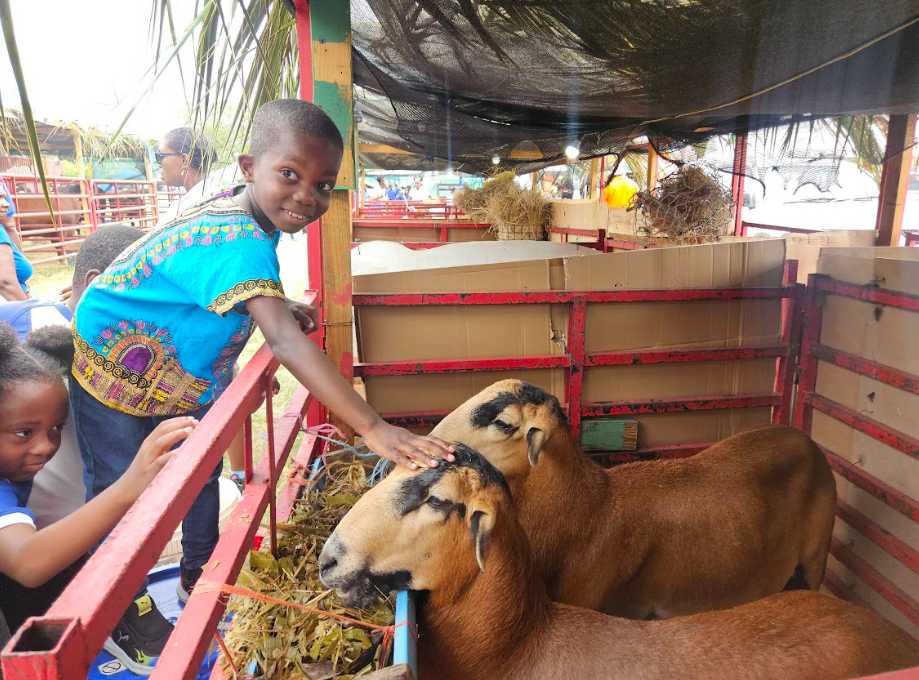
    The three-day exhibition, operating under the theme ‘Innovation Driving Profitable, Sustainable Agriculture,’ presented a diverse array of attractions. Livestock exhibits featuring pigs, goats, sheep, cows, and chickens drew substantial crowds, while agricultural displays highlighted herbs, dwarf fruit trees, and short-week crops alongside abundant local vegetables.

    International participation significantly enhanced the event’s scope, with Venezuela, Guyana, and Saint Lucia maintaining prominent booths. These exhibits emphasized agro-processing advancements, export product development, and collaborative regional strategies to reduce the Caribbean’s substantial food import expenditures. Artisanal contributions added a creative dimension, featuring handmade soaps, jewelry, and crafts that merged agricultural themes with entrepreneurial spirit.

    The Barbados Agricultural Society’s cook-off competition emerged as a central attraction, where student teams from eight schools transformed home-grown ingredients into innovative culinary creations. Dr. Sonia St Hill highlighted the deliberate emphasis on creatively incorporating ground provisions to address public health concerns related to non-communicable diseases while fostering appreciation for local produce.

    Educational benefits extended beyond culinary activities. Students from George Lamming Primary School engaged in animal feeding activities, while Blackman and Gollop Primary School pupils reported valuable learning experiences with livestock interactions and greenhouse technology demonstrations. Springer Memorial School’s contingent, including agriculture-focused fourth-former Tianna Cumberbatch, gained practical insights into modern farming techniques and potential career pathways.

    The event also spotlighted youth entrepreneurship, exemplified by 17-year-old Kamaria Boyce of Katories Treats. Her display of innovative baked goods—including specialty sugar cakes and award-winning passion fruit biscuits—demonstrated how agricultural upbringing through 4H programs can evolve into viable business ventures.

  • Injured Baby Howler Exposes Ongoing Wildlife Threat

    Injured Baby Howler Exposes Ongoing Wildlife Threat

    A critically injured infant howler monkey discovered in southern Belize has reignited concerns about persistent illegal wildlife activities threatening the nation’s primate populations. The weeks-old primate, rescued with both physical trauma and detectable lead concentrations in its system, is currently receiving specialized care at the Belize Wildlife and Referral Clinic.

    Wildlife conservationists emphasize this incident represents yet another alarming manifestation of the ongoing threats facing Belize’s non-human primates. The case underscores the urgent need for enhanced public vigilance and intervention to protect vulnerable species from illegal trafficking and habitat disruption.

    Giann Vasquez, Wildlife Hotline Coordinator at BWRC, provided detailed context regarding the rescue operation. “We received an emergency call last Saturday concerning this infant monkey, with initial reports suggesting it had fallen from a tree. Given the high risk of unauthorized pet trade, our team immediately deployed to retrieve the animal from the southern region,” Vasquez explained.

    Upon initial examination, the primate appeared superficially stable despite a dislocated digit. Subsequent radiographic imaging revealed more sinister findings—trace amounts of lead contamination within its system. This discovery suggests violent extraction methods, as wildlife traffickers typically shoot mother primates with lead ammunition to capture their offspring.

    Following stabilization and preliminary care, the infant monkey has been transferred to Wildtracks rehabilitation facility in Sartaneja, which specializes in primate rehabilitation. The complete rehabilitation process, including rearing through all developmental stages and eventual integration into a new social troop, is projected to require approximately seven years of dedicated professional care.

  • Anti-defection bill: Senator warns against silencing MPs

    Anti-defection bill: Senator warns against silencing MPs

    Barbados opposition Senator Karina Goodridge issued a stark warning during Friday’s parliamentary session, asserting that proposed constitutional amendments preventing MPs from switching political parties risk undermining fundamental democratic freedoms. The legislation, designed to trigger automatic by-elections for defecting representatives, faced rigorous scrutiny as the senator articulated concerns about its potential to suppress internal dissent and empower party leaders to silence critics.

    Drawing upon Shakespearean wisdom, Senator Goodridge—leader of the Friends of Democracy party—contended that perception shapes reality, emphasizing that the amendment must be evaluated against Barbados’ existing constitutional safeguards. She meticulously referenced Chapter 3, Section 11 of the Bill of Rights, which guarantees every citizen’s entitlement to fundamental rights and freedoms regardless of political opinions.

    The senator specifically highlighted subsection (d), protecting freedom of conscience, expression, assembly, and association, arguing that parliamentarians should enjoy these rights without restriction. She further cited Section 21, which explicitly prohibits hindering individuals’ rights to associate with political parties or form associations for interest protection.

    Senator Goodridge questioned the legislation’s urgency, asking whether Barbados truly suffers from significant political instability or merely reacts to isolated instances of floor-crossing. She characterized the move as seemingly rushed and lacking proper justification, despite government assertions that the bill ensures political stability and democratic integrity.

    The opposition leader expressed particular concern about potential abuse mechanisms, warning that expelled members could face weaponization of the legislation by their former parties. While acknowledging the need for political accountability, she maintained that the bill requires substantial refinement to avoid vagueness, conflicts, and ambiguities that might infringe upon constitutional rights.

  • All the changes in the National Police and the Armed Forces ordered by Luis Abinader

    All the changes in the National Police and the Armed Forces ordered by Luis Abinader

    President Luis Abinader of the Dominican Republic has enacted sweeping structural reforms within the nation’s security apparatus through two significant executive actions. Decrees 133-26 and 135-26 mandate comprehensive personnel changes across both the National Police and Armed Forces, signaling a substantial reorganization of the country’s defense and law enforcement leadership.

    The National Police undergoes transformative leadership shifts with General Esteban Figuereo García appointed as the new Deputy Director General, replacing General Juan Hilario Guzmán Badía whose previous appointment under Decree 582-23 has been formally revoked. Simultaneously, General Ernesto Rafael Rodríguez García assumes the critical role of Inspector General, charged with oversight and accountability functions.

    A notable restructuring occurs within internal affairs, where General Werner Manuel Núñez Quezada has been relieved from his position as Director of Internal Affairs. Colonel Francisco Amparo Gómez Polanco receives promotion to general rank and immediate appointment to fill this vital internal oversight role.

    Further promotions elevate six colonels to general rank: Jorge Miguel Perdomo Sena, Antonio del Carmen de los Santos, César G. Ares Montás, Ángel M. García Jaime, Gabriel Ant. de los Santos García, and Edgar Ramón Arnoud Vólquez. Concurrently, several senior officers including Generals Julio C. Betances Hernández, Rufino Ant. Contreras Ruiz, Pedro E. Cordero Ubri, Latif M. Mahfoud Rodríguez, and Francisco J. Torres Dotel transition to honorable retirement with full state pensions as mandated by Police Organic Law 590-16.

    The Armed Forces experience parallel transformations under Decree 135-26, which authorizes promotions and retirements in accordance with constitutional provisions and Law 139-13, the Organic Law of the Armed Forces. Six colonels ascend to Brigadier General within the Dominican Army: Guillermo Jiménez Arciniega, Oscar L. Ares Gómez, Gustavo Reyes Morales, Jhojany Ramón de Jesús Suriel Otañez, Ignacio Arquímedes Morel Brito, and Manuel José Matos y Matos.

    Specialized promotions include Colonel Tomás Rafael Brache Ovalles to Medical General, Pilot Colonel Richard V. Sierra Rodríguez to Pilot General, and Naval Captain Aramis Alexandro Céspedes Aybar to Rear Admiral.

    Eleven high-ranking officers enter honorable retirement: Major General Julio César A. Hernández Olivero; Brigadier Generals José Martín Muñoz Jiménez, Catalino Acosta Piantini, Rodolfo Reynoso Green, Germán Alejandro Rosario Pérez, Vicente Mota Medina, and Rafael Eugenio Reyes Castillo; Vice Admiral Samuel Ogaris Jiménez Lorenzo; Rear Admiral Julio Ángel Morales; along with Brigadier Generals (Pilot) Fernando Rafael Hernández Calcaño and (Paratrooper) Juan Manuel Puig Hernández.

    These executive actions represent a strategic overhaul of Dominican Republic’s security infrastructure, introducing fresh leadership, recognizing distinguished service through promotions, and implementing planned retirements in strict adherence to established legal frameworks.

  • Senator warns against ‘self‑serving’ constitutional changes

    Senator warns against ‘self‑serving’ constitutional changes

    In a scathing parliamentary address, Opposition Senator Ryan Walters has launched a vehement critique against Prime Minister Mia Mottley’s administration, accusing the government of exploiting its legislative majority to enact constitutional changes that serve partisan interests rather than public good. The condemnation follows the House of Assembly’s passage of a bill restricting parliamentarians’ ability to cross the floor, a move Walters characterized as fundamentally undemocratic.

    Speaking during Friday’s Senate session, Walters articulated what he described as growing discontent among both intellectual circles and ordinary citizens regarding the government’s legislative trajectory. He asserted that the administration’s priorities have systematically shifted from addressing citizen needs toward consolidating political power through constitutional manipulation.

    Walters identified a concerning pattern of constitutional amendments following each of the administration’s electoral landslides, tracing this trend to 2018 when qualification requirements were modified to accommodate two additional party members in the Senate. The senator employed a tennis metaphor—’30-love’—to emphasize the government’s three consecutive sweeps of all House seats in 2018, 2022, and 2026, expressing astonishment that constitutional alteration consistently became the first order of business after each victory.

    The current amendment before the Senate, which limits MPs’ ability to change party affiliation, represents the latest iteration of this pattern. Walters noted that a similar attempt failed in 2022 following that year’s election victory, only to be reintroduced in the current legislative session.

    Adding significant weight to Walters’ criticisms, the Barbados Bar Association issued a formal rebuke highlighting its exclusion from the legislative process. The Association’s Friday press release described the bill’s introduction without legal consultation as ‘a troubling disregard for established democratic norms and expert legal guidance.’ Walters emphasized that these concerns transcend partisan politics, reflecting a genuine erosion of democratic safeguards and growing alienation between the government and vital national institutions.