博客

  • Senator Isalean Phillip tables Saint Kitts and Nevis’ first-ever National Disability Policy

    Senator Isalean Phillip tables Saint Kitts and Nevis’ first-ever National Disability Policy

    Basseterre, Saint Kitts — In a landmark step toward building a more equitable, inclusive nation, the Government of Saint Kitts and Nevis has introduced its first ever national framework to advance the rights and quality of life for people living with disabilities across the federation.

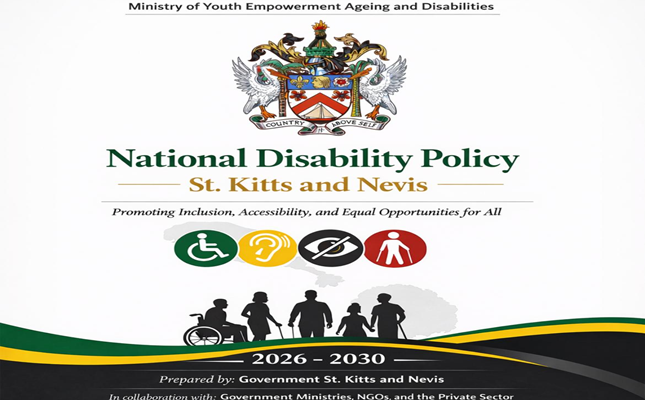
    On April 30, 2026, Senator the Honourable Isalean Phillip, Minister of State with oversight for ageing and disability affairs, formally tabled the 2026–2030 National Disability Policy in the country’s Federal Parliament. The policy is a core component of the nation’s broader Sustainable Island State Agenda and aligns directly with priorities outlined in the National Development Planning Framework, rolling out a structured blueprint of guiding principles and actionable strategies to embed full inclusion for disabled people into every sector of national life.

    The new policy is anchored in 10 key imperatives that address longstanding gaps and systemic barriers facing disabled residents:
    1. **Removal of Environmental Barriers**: Mandates equal access to public spaces, transportation systems, information resources, and necessary assistive devices for all disabled people.
    2. **Education, Training and Lifelong Learning**: Guarantees equal access to educational opportunities and certification pathways for disabled students and adult learners.
    3. **Economic Inclusion and Financial Security**: Upholds the fundamental right of disabled people to secure employment, earn a living wage, and build long-term financial stability.
    4. **Public Awareness and the Attitudinal Barrier**: Integrates disability rights education into national school curricula and paves the way for a nationwide public awareness campaign to shift harmful societal attitudes.
    5. **Health and Wellness**: Builds a disability-inclusive health sector, ensuring equitable access to high-quality physical and mental healthcare services.
    6. **Inclusive Housing and Liveable Communities**: Establishes quotas for accessible public housing, introduces a home retrofit grant program, and requires accessibility upgrades for shared public spaces including emergency shelters, sports facilities, and community centers.
    7. **Social, Cultural and Public Participation**: Protects the right of disabled people to participate in cultural life, sports, civic processes including voting, and decision-making that impacts their communities and families.
    8. **Legal Capacity, Protection and Access to Justice**: Mandates a review of existing legislation and procedures to eliminate intentional and unintentional discrimination against disabled people, and creates a formal Disability Commission to receive and investigate reports of rights violations.
    9. **Disability Data and Research for Planning**: Implements structured collection and analysis of disaggregated disability data to enable ongoing monitoring and evaluation of policy outcomes.
    10. **Accountability Implementation and Governance**: Establishes a fully staffed National Disability Council with a dedicated secretariat to coordinate cross-sector policy rollout and enforce accountability for outcomes.

    In remarks following the tabling, Senator Phillip emphasized that the policy represents a clear, tangible demonstration of the federal government’s commitment to building a society that values every member, regardless of ability, and works actively to include all residents in national progress. For years, disability rights advocates in Saint Kitts and Nevis have pushed for a formal national strategy to address systemic exclusion, making this policy a long-awaited victory for inclusive governance in the small island nation.

  • PM Browne urges end to ‘vitriolic rhetoric’ after election victory

    PM Browne urges end to ‘vitriolic rhetoric’ after election victory

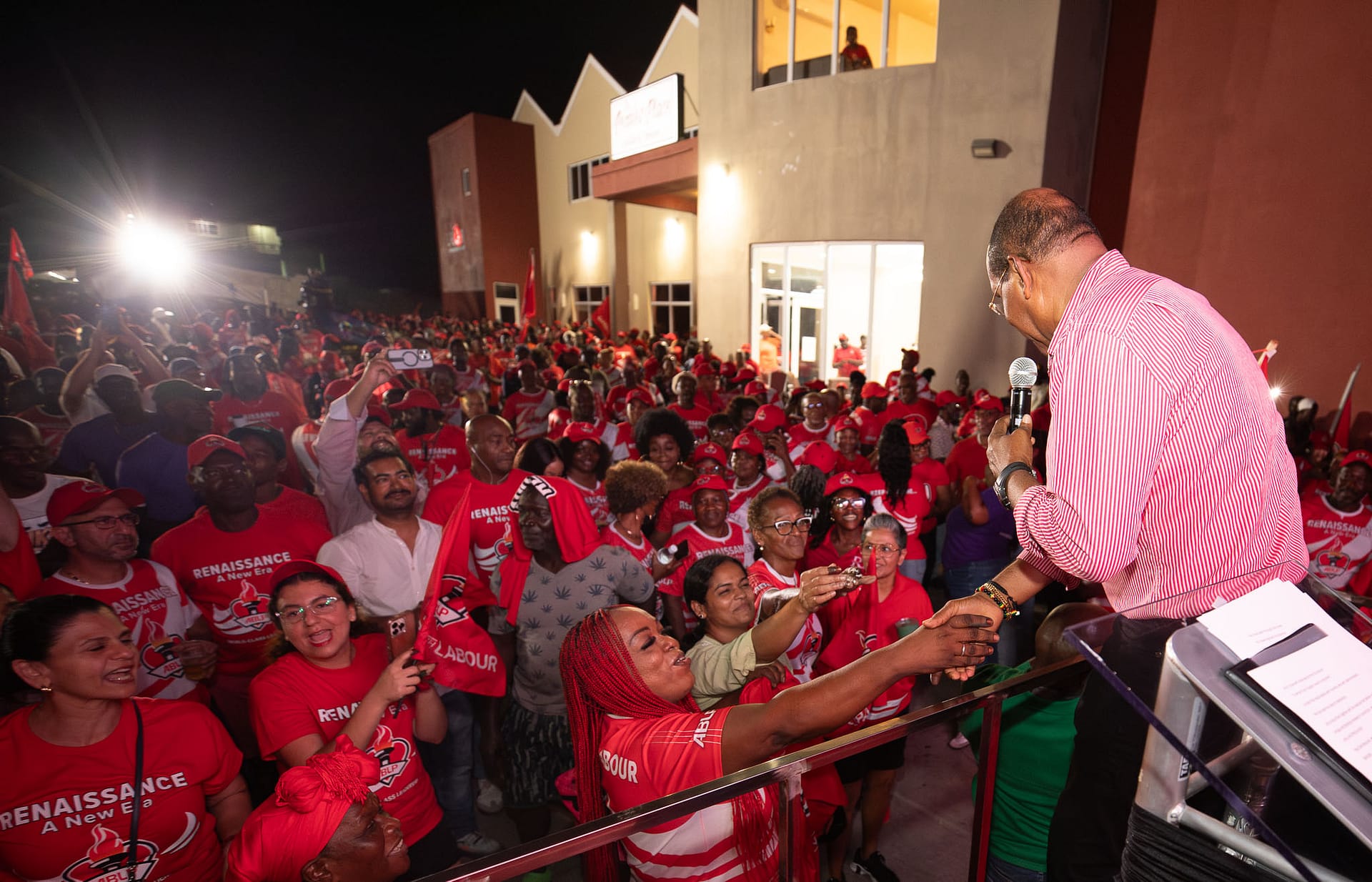
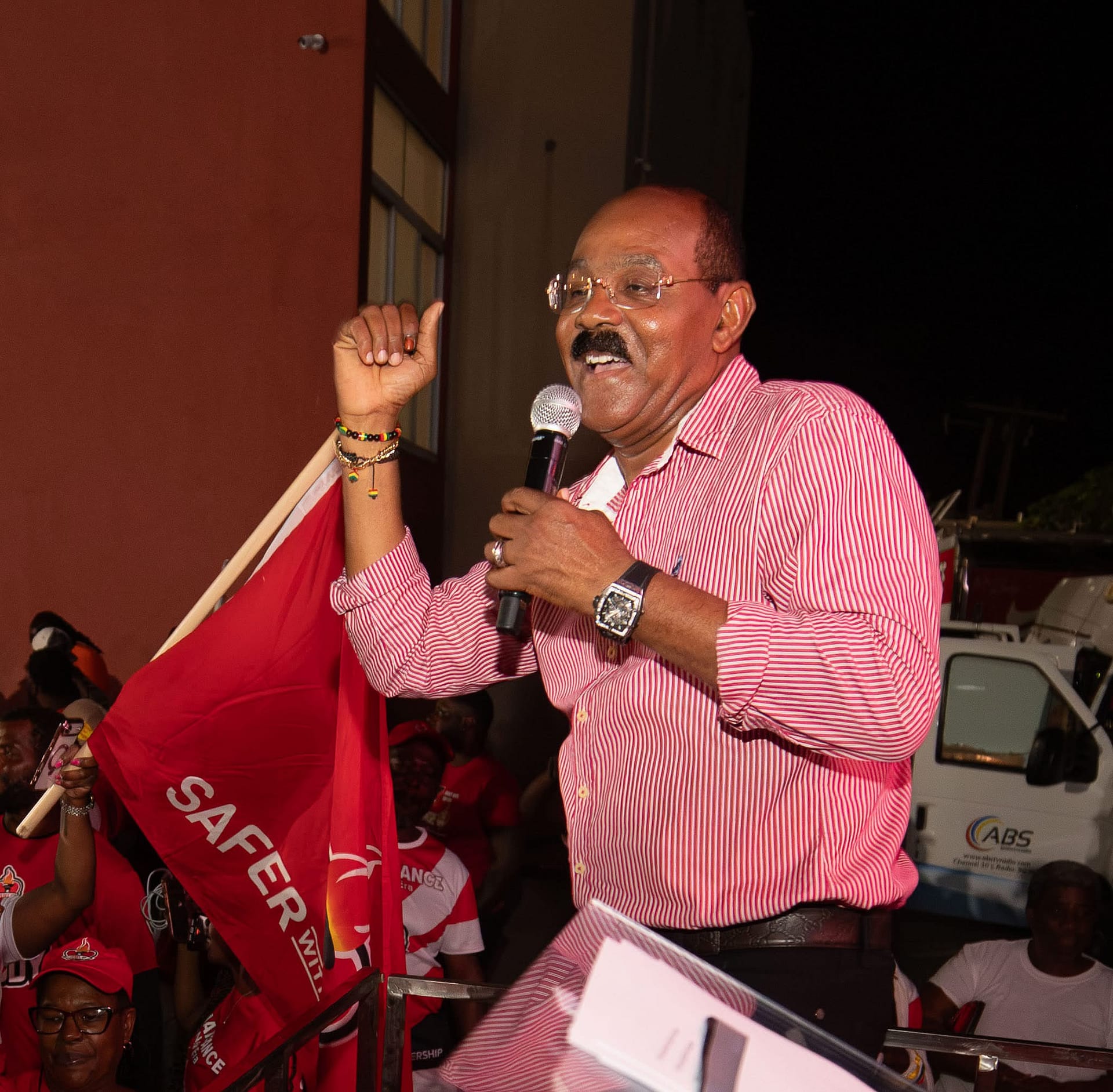
    Following a historic landslide victory in the April 30 general election, Antigua and Barbuda Prime Minister Gaston Browne is pushing for a fundamental shift in the nation’s political culture, calling on all political actors to abandon divisive, vitriolic rhetoric and embrace a more measured, constructive public discourse.

    Browne made the remarks during an appearance on the *Browne and Browne Show* broadcast on Pointe FM Saturday, where he framed the election outcome as a clear rejection of hostile political tactics by the wider electorate. His Antigua and Barbuda Labour Party (ABLP) secured an overwhelming mandate, taking 15 out of 17 total parliamentary seats — a result that solidifies the party’s control of national governance for a new term.

    In his address, Browne argued that the misinformation, disinformation, and bitter resentment that have dominated past political exchanges have never worked to broaden a party’s appeal. Instead of winning over undecided voters, he said, these aggressive tactics only serve to trap political parties within the narrow bubble of their existing core supporters, failing to resonate with the broader electorate.

    “I don’t think that there is any need for the kind of rancor and the vitriolic rhetoric that we have seen before,” Browne told listeners. “All this misinformation, disinformation, all the rancor, all of the rhetoric — they do not work.”

    Entering his new full term as prime minister, Browne announced he will take a deliberately statesmanlike approach to governance in the coming years, prioritizing policy delivery and national progress over partisan confrontation. “I don’t know, as a full-term prime minister, that I need to be in any quarrels with anybody at this point,” he noted.

    Browne wrapped up his remarks by urging rival political factions to read the message sent by voters in the recent election. He called on all political actors to reassess their divisive strategies and work alongside the government to build a more collaborative, productive national political climate that serves the interests of all Antigua and Barbuda residents.

  • The significance of the observance of Labour Day

    The significance of the observance of Labour Day

    International Workers’ Day, widely known as Labour Day or May Day, serves as more than just a public holiday—it is a global moment of reflection, recognition, and collective solidarity for working people everywhere. Rooted in the historic fight for fair working conditions, the annual observance honors the sacrifices of past generations of organizers, celebrates hard-won progress for workers, and keeps the urgent push for expanded labor rights at the center of public conversation. This year, as the world marks the occasion, the Caribbean nation of Barbados stands out for its decades of incremental, transformative progress in protecting and expanding worker protections.

    Over the past century, organized labor in Barbados has secured foundational rights that many workers now consider standard. Early 20th-century struggles delivered the 40-hour workweek and 8-hour workday, landmark gains that reshaped the balance of power between workers and employers. In the decades that followed, the labor movement expanded these wins to include guaranteed minimum wage, paid sick leave, annual vacation leave, maternity leave, and paid study leave. More recently, the nation has added new protections: paternity leave for new parents and unemployment benefits to support workers navigating job loss.

    This progress has been codified in a wave of progressive, worker-centered legislation passed over the last 13 years. Key reforms include the 2012 Safety and Health at Work Act and the 2012 Employment Rights Act, which laid out basic protections for all workers. The 2017–2021 Sexual Harassment (Prevention) Act created clear safeguards against workplace abuse, while the 2020 Employment (Prevention of Discrimination) Act banned unfair bias in hiring, promotion, and firing. Most recently, the nation passed the 2025 Family Leave Bill to further expand caregiving protections for workers.

    Complementing these legal reforms is the establishment of the Employment Rights Tribunal (ERT) in 2013, a specialized tripartite arbitration body designed to resolve employment disputes—most notably unfair dismissal claims—outside of the overburdened traditional court system. Operating under the voluntary framework that guides modern industrial relations practice, the ERT offers workers and employers a faster, more accessible path to conflict resolution, a win for all parties in the employment relationship.

    Barbados has also aligned its national labor standards with global best practices through its commitment to the International Labour Organization (ILO). As of June 2025, the Barbadian government has ratified all 10 of the ILO’s fundamental core conventions. These include the 1930 Forced Labour Convention (No. 29), the 1957 Abolition of Forced Labour Convention (No. 105), the 1948 Freedom of Association and Protection of the Right to Organise Convention (No. 87), and the 1949 Right to Organize and Collective Bargaining Convention (No. 98). Most recently, Barbados ratified the 1981 Occupational Safety and Health Convention (No. 155) on June 5, 2025, during the 113th International Labour Conference, alongside the 2006 Promotional Framework for Occupational Safety and Health Convention (No. 187).

    A groundbreaking new development for Barbadian workers came with the 2025 passage of the Caribbean Community (Free Movement of Nationals) Bill. The legislation unlocks new opportunities for labor mobility across all CARICOM member states, a fitting step forward given May Day’s deep roots in the Caribbean labor movement of the 1930s and 1940s. From its earliest days, the regional movement centered worker contributions to national development, and today’s milestone serves as a powerful reminder that every right currently enjoyed by Barbadian workers—from the 8-hour workday to anti-discrimination protections—was won through decades of organizing, protest, and collective action by early labor leaders.

    Despite these significant gains, shifting global labor market dynamics are creating new, urgent challenges that Barbados’s labor movement and trade unions must address moving forward. Experts emphasize that organizing and engaging younger generations of workers is a top priority to sustain the movement into the future. Trade unions also face growing structural pressures, including declining membership density, prolonged battles over union recognition, the rise of outsourcing and precarious contract work, and the disruptive impact of automation and artificial intelligence on traditional employment. The rapid growth of the gig economy has created a large cohort of workers without access to the basic protections won over the last century, while rising workplace mental health concerns and growing political pushback against collective bargaining have further stretched the labor movement’s capacity.

    This analysis comes from Dennis De Peiza, Labour Relations & Employment Relations Consultant at Regional Management Services Inc.

  • Barbados to participate in 2nd International Migration Review Forum

    Barbados to participate in 2nd International Migration Review Forum

    A high-level Barbadian delegation, headed by Minister of Home Affairs and Information Gregory Nicholls, is set to travel to the United States to take part in the second iteration of the International Migration Review Forum, a major UN-backed global gathering running from May 5 to 8. The forum stands as the leading intergovernmental global space where United Nations member states can convene to exchange updates and perspectives on the progress they have made in advancing the full implementation of the Global Compact for Safe, Orderly and Regular Migration (GCM), as well as the migration-related targets embedded within the 2030 Agenda for Sustainable Development.

    Over the course of the four-day event, participants will engage in a structured lineup of activities designed to drive collaborative dialogue. These include four interactive round table sessions that bring together stakeholders from multiple sectors, a formal policy debate, and a closing plenary session. Core discussion topics will center on the GCM’s 23 interconnected objectives, ongoing barriers and challenges that nations face in putting these objectives into practice, cross-border capacity-building frameworks, and both long-standing and newly emerging issues shaping global migration patterns in the 21st century.

    Beyond on-the-ground dialogue, the forum will also deliberate on potential guidance to strengthen the entire UN system’s efforts to boost cross-agency effectiveness, improve policy coherence, and better support national governments as they work to meet their GCM commitments.

    As the official representative of Barbados, Minister Nicholls is scheduled to deliver a three-minute national statement to the forum’s General Assembly segment during the policy debate, outlining the Caribbean island nation’s approach to domestic and international migration policy. Ahead of the official opening of the forum, an additional pre-event informal interactive hearing will be held on May 4, gathering input from a wide range of non-state stakeholders across civil society, the private sector, and academia. A civil society representative will present a full summary of the hearing’s key takeaways during the plenary’s opening session to ensure grassroots and multi-stakeholder perspectives are integrated into official forum discussions. The report was sourced via the Barbados Government Information Service (BGIS) and SFC.

  • STATEMENT: Preliminary statement of CARICOM Election Observation Mission to the general elections of Antigua and Barbuda

    STATEMENT: Preliminary statement of CARICOM Election Observation Mission to the general elections of Antigua and Barbuda

    At the official invitation of the Government of Antigua and Barbuda, the Caribbean Community (CARICOM) assembled a six-person regional Election Observer Mission (CEOM) led by CARICOM Secretary-General Dr. Carla Barnett to monitor the country’s April 30, 2026 general elections. The mission brought together seasoned electoral experts from six CARICOM member states: Barbados, Dominica, Jamaica, Saint Lucia, Suriname, and Trinidad and Tobago.

    Mission leadership and the full observation team arrived in Antigua and Barbuda in stages between April 23 and April 27, with a departure scheduled for May 3. Ahead of election day, the delegation held broad consultations with a wide cross-section of national stakeholders to build a comprehensive understanding of the pre-election atmosphere and the readiness of electoral bodies. These meetings included discussions with Prime Minister Gaston Browne, leader of the incumbent Antigua and Barbuda Labour Party (ABLP), opposition United Progressive Party (UPP) leader Lars Jamale Pringle, representatives from independent and state-affiliated media outlets, prominent social media political and public figures, national police commissioner Everton Jeffers, and leadership from the Antigua and Barbuda Elections Commission and the Office of the Supervisor of Elections.

    On election day, the CEOM deployed its observers across 16 of the country’s 17 constituencies, ultimately accessing 182 of the nation’s 185 total polling stations to monitor every phase of the voting process. Observers arrived at their assigned stations before opening to audit the pre-vote setup, and their initial observations painted a picture of strong preparation. Adequate uniformed police presence was maintained at all locations, all polling staff arrived on schedule, and all required election materials were delivered in time to open polling promptly at 6:00 a.m. Each contesting political party had two accredited agents present at every station, all required voter notices and instructions were clearly posted, and opening procedures were followed fully in line with regulatory requirements. Polling opened on time across almost all stations, with a steady stream of voters already queuing by opening time, and the early voting process unfolded in an entirely calm and organized manner.

    At all stations visited by the CEOM, official voter rolls were posted prominently to allow electors to verify their registration. Information clerks were on hand to assist voters with checking their registration and directing them to the correct polling booth. CEOM observers noted that polling staff were well-trained, courteous, and consistently impartial, providing targeted assistance to elderly and disabled voters as needed, and explaining voting procedures uniformly to all electors. Turnout followed a predictable pattern throughout the day: peak voting volumes occurred in the early morning and in the final hour before polls closed, with a distinct lull in activity during midday. Despite the fluctuations in voter flow, staff remained focused on their duties throughout the day, ensuring all eligible voters were able to cast their ballots without unnecessary delay. All voting procedures observed aligned with the rules and guidelines published by the Antigua and Barbuda Electoral Commission.

    CEOM observers remained at their assigned polling stations through the close of voting at 6:00 p.m. Observers arrived early to monitor closure, and found that almost no queues remained at closing time. In the few stations where voters were still waiting to vote, all were permitted to cast their ballots in line with national electoral regulations. The mission also observed post-closure procedures, including the sealing of ballot boxes and the secure transport of ballots to central counting centers. At counting stations, observers monitored the tabulation process, confirming that ballot boxes were opened in the presence of polling agents and other official observers, and that counting was carried out in full compliance with established protocols.

    In its interim assessment, the CEOM concluded that the April 30 general election allowed Antiguan and Barbudan electors to exercise their democratic franchise in a peaceful, orderly environment, free from major disruptive incidents. The mission commended polling staff for their high level of professionalism, and praised national police for maintaining public order at all stations, noting that law enforcement interactions with voters and stakeholders were consistently professional and appropriate.

    The CEOM extended formal congratulations to the Antigua and Barbuda Electoral Commission for its competent administration of the entire electoral process, as well as to all contesting political parties, their polling agents, and supporters for conducting themselves in a calm, peaceful manner throughout election day. The mission also expressed gratitude to the CARICOM Secretary-General for the opportunity to undertake the observation mission and for the logistical and operational support provided to the team, and thanked all national stakeholders who met with observers to share perspectives ahead of the vote.

    This statement represents the mission’s preliminary, interim assessment based on on-the-ground observations. A full final report, including detailed findings and actionable recommendations for future electoral processes, will be submitted to the CARICOM Secretary-General in the coming weeks. CARICOM reiterated its longstanding commitment to continuing to support Antigua and Barbuda’s democratic development, and the country’s ongoing work to build a peaceful, unified, and prosperous future for all its citizens.

  • Four remanded on drug and firearms charges

    Four remanded on drug and firearms charges

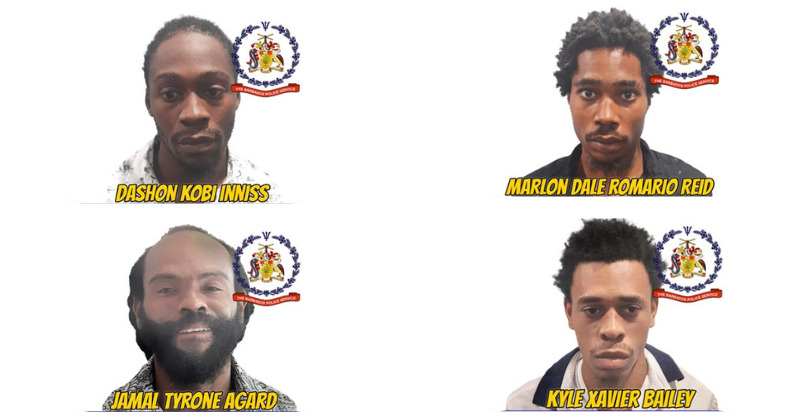
    A major cross-district drug and arms trafficking crackdown has led four suspects to make their first court appearance in Barbados following one of the more significant narcotics seizures in recent local memory. On Saturday, the four accused — identified as 23-year-old Kyle Xavier Bailey from Claybury, St John; 34-year-old Jamal Tyrone Agard from Philips Road, Cleavers Hill, St Joseph; 26-year-old Marlon Dale Romario Reid, also of Claybury, St John; and 23-year-old Dashon Kobi Inniss from Branchbury, St Joseph — appeared before Magistrate Alison Burke at the District ‘A’ Traffic Court.

    All charges stem from alleged criminal activity that took place on April 25. The four men face a joint slate of offences: possession of cannabis, possession of cannabis with intent to supply, trafficking of cannabis, illegal possession of three firearms, and possession of 12 rounds of ammunition. Reid faces an additional two separate charges, carrying one more unregistered firearm and 17 extra rounds of ammunition that were not included in the joint count.

    Law enforcement officials confirmed that the total weight of the seized suspected cannabis clocks in at 499.15 kilogrammes, just under the half-tonne mark. When calculated at current street prices, the haul is estimated to be worth approximately $3,494,050 Barbadian dollars.

    Under Barbados’ criminal procedure rules, the accused were not required to enter a plea at this initial hearing because the offences are indictable, meaning they will proceed to a higher court for trial following preliminary hearings. All four men have been remanded into the custody of the Barbados Prison Service at Dodds Prison. The case has been transferred to the District ‘F’/Belleplaine Court, with the next procedural hearing scheduled for May 18, 2026.

  • LISTEN: PM Browne says UPP Chair Gisele Isaac must resign after election loss

    LISTEN: PM Browne says UPP Chair Gisele Isaac must resign after election loss

    In the aftermath of a crushing general election defeat for the United Progressive Party (UPP), Antigua and Barbuda’s Prime Minister Gaston Browne is publicly calling for opposition party chair D. Gisele Isaac to step down from her leadership post, arguing that top party officials must bear accountability for the April 30 vote outcome.
    Browne made the call during an appearance on the *Browne and Browne Show*, broadcast on Pointe FM this past Saturday. The prime minister noted that Isaac had previously privately signaled to fellow party members that she would resign following the electoral loss, and is now pushing her to follow through on that commitment.
    “She had said to a number of her colleagues that she would resign, and now is the time for her to resign. I don’t know what she’s waiting for,” Browne told listeners during the radio segment.
    Beyond calling for her departure, Browne argued that Isaac’s exit from the UPP chair role is a necessary first step for the fractured opposition to begin rebuilding its political standing ahead of future elections. “She should leave office and resign as chairman of UPP” to open space for organizational renewal, he added.
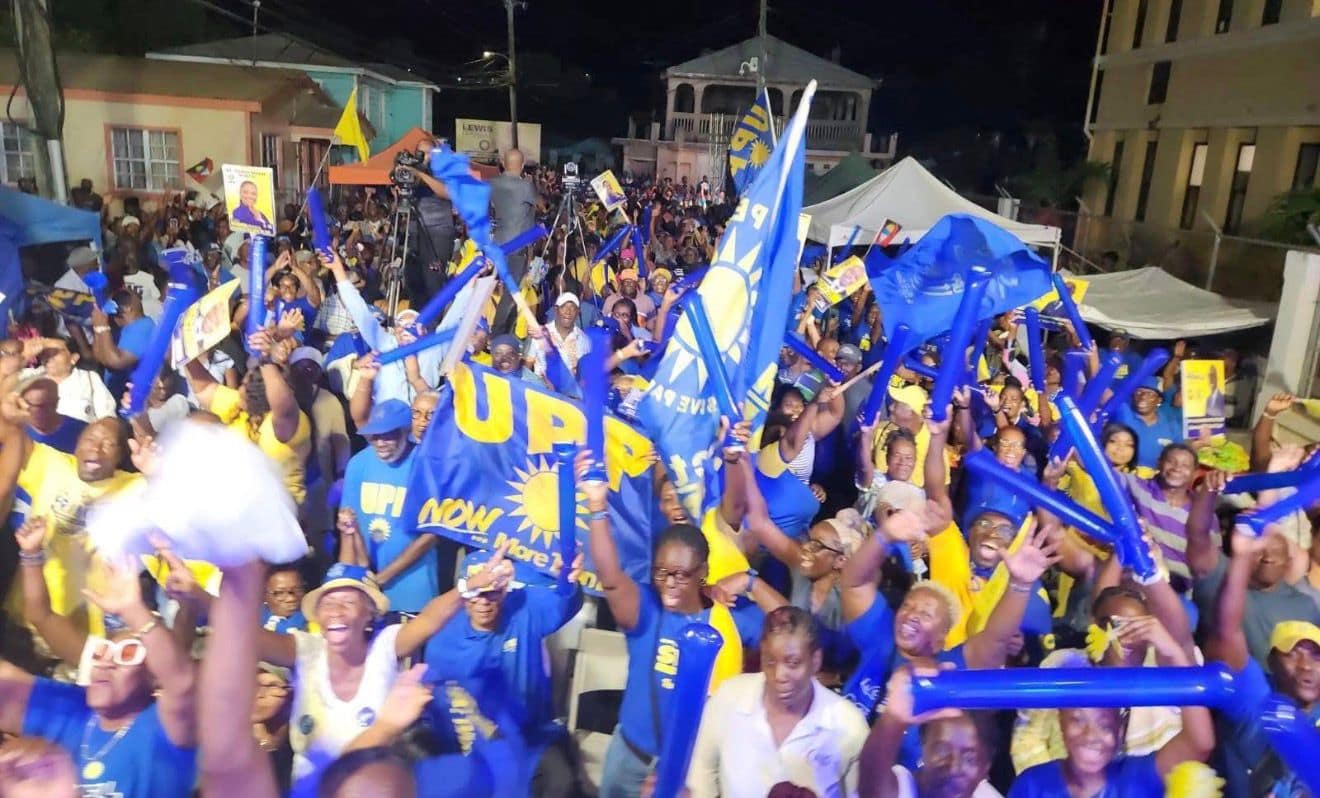
    Browne’s calls for leadership change come on the heels of a historic landslide victory for his governing Antigua and Barbuda Labour Party (ABLP). The ABLP secured 15 of the 17 total available seats in the country’s parliament, leaving the UPP with only a tiny fraction of legislative representation after a deeply underwhelming performance at the polls.
    During his radio interview, the prime minister did not hold back in his assessment of the opposition’s campaign and internal governance. He sharply criticized the UPP’s campaign strategy, describing the party as deeply disunited and lacking a clear policy or ideological direction that resonates with voters. He added that the UPP’s top leadership failed to build meaningful connections with constituents during the election cycle, and warned that if party officials refuse to embrace necessary structural and leadership changes, the UPP will only continue to decline in influence.
    The prime minister emphasized that the UPP is currently at a crossroads: to regain political traction and relevance in Antigua and Barbuda’s political landscape, the party must implement sweeping reforms that bring new leaders and fresh talent into its upper ranks.
    As of press time, Isaac has not issued any public statement responding to Browne’s calls for her resignation.

  • PM Browne Pledges Non-Discrimination, Including on Sexuality, in Post-Election Addresses

    PM Browne Pledges Non-Discrimination, Including on Sexuality, in Post-Election Addresses

    Fresh off a decisive landslide victory in Antigua and Barbuda’s April 30 general election that earned him a fourth consecutive term in office, Prime Minister Gaston Browne has centered his early messaging on a radical commitment to inclusive governance, explicitly highlighting that all citizens — regardless of sexual orientation — will be equally served by his administration.

    Browne first laid out this vision in his election night victory address, framing the poll outcome as a fresh starting point to heal divisions left by a bitter, competitive campaign. He emphasized that pathways to contributing to national progress would remain open to every member of society, saying no one would be locked out “notwithstanding their socioeconomic standing, notwithstanding their political affiliation, notwithstanding his sexuality.” His core promise for the incoming term was that his government would work to lift up every resident, across every single community in the nation.

    The prime minister doubled down on this inclusive agenda during his official swearing-in ceremony the following day, tying the principle of non-discrimination directly to the conduct of all appointed government officials. He issued a clear warning to any public servants joining his new administration: they must carry out their duties fairly, with zero tolerance for exclusion, and no effort to sow division among the public. “They are expected not to discriminate against anyone and not to divide the country,” Browne stated.

    Expanding on the idea in philosophical terms, Browne framed national unity as a natural extension of shared belonging. “This country is our mother. She does not discriminate among her children. And neither should we,” he said. He also moved to ease voter fears of political retaliation, reassuring residents that differing political loyalties would not block access to state-run support and services. “Notwithstanding your political persuasion… we are here to serve all the people of Antigua and Barbuda,” he added.

    Alongside his commitment to inclusion, the prime minister pledged to build a culture of accountability within his new government, stressing that breaches of public confidence would not go unpunished. “The trust of the people is sacred… it must never be taken for granted and it will not be abused,” he noted.

    Political analysts point out that Browne’s repeated explicit references to non-discrimination, including his specific mention of sexual orientation, mark one of the most clear and public stances the prime minister has taken on inclusive policy as he embarks on his new term, signaling a potential shift toward more equitable governance for marginalized groups in the country.

  • UPP to Host Labour Day Event at Ffryes Beach on May 4

    UPP to Host Labour Day Event at Ffryes Beach on May 4

    The United Progressive Party (UPP), one of the major political organizations in Antigua and Barbuda, has announced it will host a public Labour Day commemorative event at the popular Ffryes Beach on Sunday, May 4.

    The coastal location, known for its soft white sand and clear turquoise waters, was chosen to give working families across the island a comfortable, accessible space to gather and honor the contributions of laborers to national development. Party organizers note that the event is open to all members of the public, regardless of political affiliation, and will include activities designed for attendees of all ages.

    Labour Day, a global observance dedicated to recognizing the social and economic achievements of workers, holds particular significance for Antigua and Barbuda’s working population, which forms the backbone of the island nation’s key tourism and service sectors. The UPP’s planned beach gathering is expected to combine formal recognition of workers’ rights with informal community bonding, giving attendees an opportunity to connect with party representatives while enjoying a day of leisure by the sea.

    Organizers are currently finalizing details for the event, including logistics for parking, refreshments, and scheduled speeches from party leadership that will focus on the UPP’s policy priorities for working-class households. The event comes as the party continues to engage with grassroots communities across Antigua and Barbuda to build connections and share its vision for inclusive economic growth that supports local workers.

  • Cuba slams ‘unprecedented’ Trump threats

    Cuba slams ‘unprecedented’ Trump threats

    HAVANA, CUBA – Cuban President Miguel Diaz-Canel has issued a stark condemnation of former U.S. President Donald Trump’s escalating military threats against the island nation, describing the rhetoric as having reached a “dangerous and unprecedented threshold” that demands action from the global community.