博客

  • Twenty Years Strong: Hypasounds Celebrates Music, Legacy, and Home in Barbados

    Twenty Years Strong: Hypasounds Celebrates Music, Legacy, and Home in Barbados

    This June, Barbados prepares to honor one of its most enduring musical talents as international recording artist Hypasounds celebrates two decades in the industry. The milestone anniversary concert, titled “Soca For Her: The Coronation” on June 20th, represents a profound reflection on a career meticulously built, nurtured, and widely admired by fans and peers across generations.

    Hypasounds first captured public imagination with his 2006 breakthrough single “Sunshine Girl,” a timeless record that established immediate connection with a predominantly female audience drawn to his distinctive sound, heartfelt lyrics, and captivating stage presence. This initial success provided the foundation for an extraordinary journey that would transform the emerging artist into a globally recognized performer, songwriter, producer, and creative force across international markets.

    Unlike many Caribbean artists who relocate permanently overseas following success, Hypasounds made the conscious decision to maintain Barbados as his home base—a choice deeply rooted in family values and his commitment to daughter Kenza, who reminds him daily of life beyond the spotlight. This grounding connection has enabled him to balance fatherhood with artistic development while building his career on his own terms.

    His two-decade evolution demonstrates remarkable artistic expansion, with collaborations spanning the Caribbean diaspora and performances across Europe, North America, and the Caribbean. His catalog showcases both versatility and depth, characterized by what he describes as the definitive ‘boom’ sound.

    Beyond musical achievements, Hypasounds has established himself as a philanthropic force, mentoring emerging creatives, supporting youth initiatives, and investing in community development. His ambassador role for the Holetown Festival and inspirational talks at his alma mater demonstrate his commitment to uplifting the next generation.

    Reflecting on his journey, Hypasounds shares: “Twenty years in music teaches you patience and gratitude. It reminds you that every stage, from your first song to your latest project, matters. My legacy is still being written, but reaching 20 years in this industry is no easy feat that must be acknowledged, celebrated, and respected.”

    The Coronation concert promises a carefully curated experience through his career eras, featuring early hits like “Dutti,” “How She Like It,” and “Roll It” alongside recent international releases including “Made Fuh Dat,” “Perfect Man,” and “Happy.” Supported by a live band and special guests, the event will highlight themes of growth, resilience, and creative excellence.

    As Crop Over season approaches, this celebration stands as a powerful testament to sustained artistry—rejecting notions of overnight success in favor of two decades of evolution, commitment, and consistent excellence that demonstrates how Caribbean artists can thrive globally while remaining connected to their roots.
  • Internationale reacties op VS-Israël aanval op Iran: toenemende spanningen, oproep tot kalmte

    Internationale reacties op VS-Israël aanval op Iran: toenemende spanningen, oproep tot kalmte

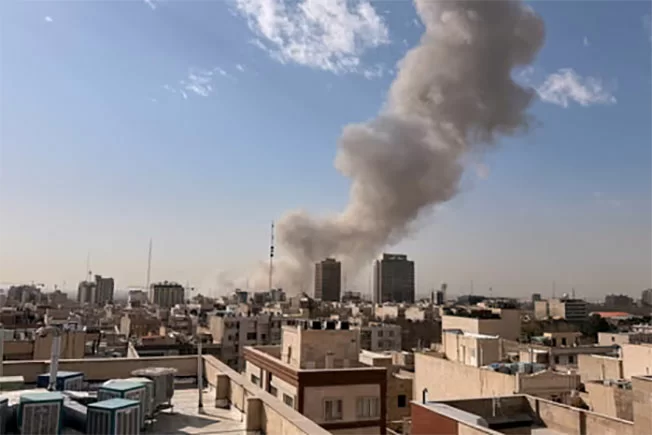
    A coordinated military operation conducted by United States and Israeli forces against Iranian targets early Saturday has triggered international condemnation and significantly heightened geopolitical tensions across the Middle East. Dubbed ‘Operation Epic Fury,’ the offensive targeted Iran’s nuclear facilities and military infrastructure, prompting immediate retaliatory measures from Tehran and drawing sharp responses from global powers.

    The United Nations and European Union issued urgent calls for restraint and diplomatic engagement following the attacks. UN Secretary-General António Guterres emphasized the critical importance of adhering to international law and avoiding further escalation, while EU representatives expressed deep concern that military action could undermine ongoing diplomatic efforts.

    Russia and China delivered particularly strong condemnations of the operation. Moscow characterized the strikes as ‘an irresponsible provocation that unnecessarily exacerbates regional tensions,’ while Beijing warned that such military actions ‘seriously undermine Middle Eastern stability’ and urged immediate return to dialogue.

    The military confrontation has triggered significant security responses across the Gulf region. Multiple nations have enhanced their military readiness, implemented temporary flight restrictions, and canceled commercial air traffic as precautionary measures. Bahrain’s American Fifth Fleet service center reportedly sustained damage from rocket attacks, while Israel temporarily closed its airspace to civilian flights.

    Iranian leadership, including Supreme Leader Ayatollah Ali Khamenei and President Masoud Pezeshkian, were specifically mentioned as targets, though the extent of impact remains unclear. Tehran has responded with missile and drone strikes against Israeli positions and issued threats toward American interests throughout the region.

    Political leaders from the attacking nations defended their actions. U.S. President Donald Trump characterized the operation as ‘necessary for American security’ and encouraged Iranian citizens to ‘reclaim their leadership when appropriate conditions are established.’ Israeli Prime Minister Benjamin Netanyahu framed the offensive as an opportunity for Iranians to ‘cast off the yoke of tyranny.’

    The confrontation follows months of strained diplomatic negotiations between Washington and Tehran regarding Iran’s nuclear program. While Iran had demonstrated willingness to make concessions in exchange for sanctions relief, it consistently refused limitations on its ballistic missile development.

    In the aftermath, Iran has announced plans to accelerate its missile program and implement additional military countermeasures. State media reports indicate new missile tests have been conducted and the Revolutionary Guard has been placed on heightened alert.

    The UN Security Council has convened an emergency session to address the crisis, with numerous member states advocating for immediate cessation of hostilities and resumption of diplomatic talks. The EU has announced additional sanctions targeting specific Iranian military entities while simultaneously calling for de-escalation.

    Regional economic implications have already emerged, with global oil prices experiencing significant increases following the attacks. Analysts warn that prolonged conflict could have far-reaching consequences for energy security and geopolitical stability worldwide. Both the U.S. and Israel have indicated readiness for further military action should Iran continue what they term ‘aggressive activities’ and nuclear weapons development, even as diplomatic efforts toward a new nuclear agreement continue despite diminishing prospects for swift resolution.

  • VS en Israël vallen Iran aan; Iran reageert met raket- en droneaanvallen

    VS en Israël vallen Iran aan; Iran reageert met raket- en droneaanvallen

    The Middle East has plunged into heightened military confrontation following coordinated pre-dawn offensive operations by United States and Israeli forces against multiple Iranian targets. This escalation marks a significant deterioration in regional stability, transforming long-simmering tensions into open warfare.

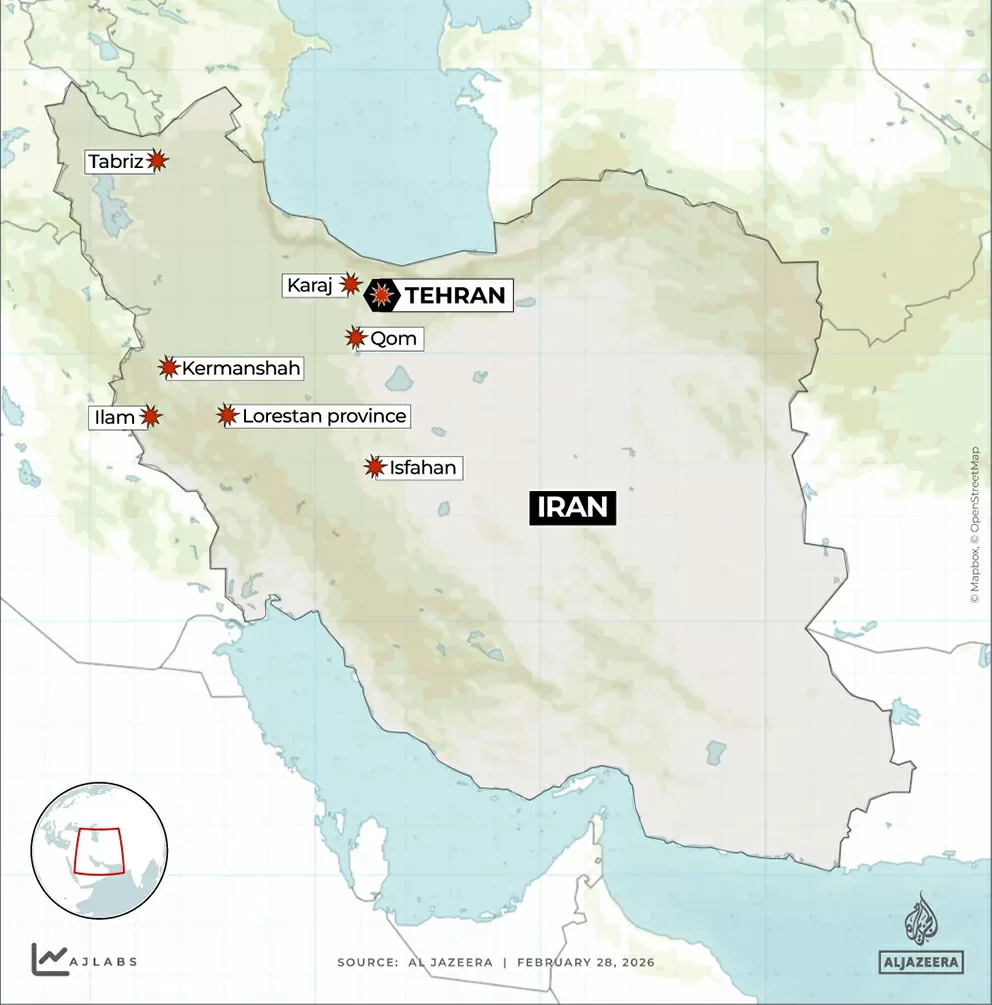
    According to verified international reports, the joint military campaign struck strategic locations across Iran including the capital Tehran and major urban centers such as Isfahan, Qom, and Karaj. The operation specifically targeted Iran’s long-range missile capabilities and nuclear infrastructure, which Western intelligence agencies have repeatedly identified as threats to regional security.

    US President Donald Trump characterized the mission as “major combat operations” designed to eliminate imminent security threats and prevent Tehran from acquiring nuclear weapons. The administration emphasized that these measures were necessary to protect American allies and maintain stability in the volatile region.

    Iran responded with immediate countermeasures, launching missile and drone attacks against Israeli positions. The Islamic Revolutionary Guard Corps confirmed these retaliatory strikes, labeling the initial assault as “hostile criminal aggression.” Residents in northern Israel reported audible explosions and anti-aircraft activity as the Israeli Defense Forces intercepted incoming projectiles. Civil defense sirens were activated across multiple regions, prompting civilians to seek shelter.

    The rapid exchange of hostilities has raised concerns among international observers about potential further escalation, with diplomatic channels working urgently to de-escalate the situation before it evolves into a broader regional conflict.

  • Fire breaks out at Cooks Landfill

    Fire breaks out at Cooks Landfill

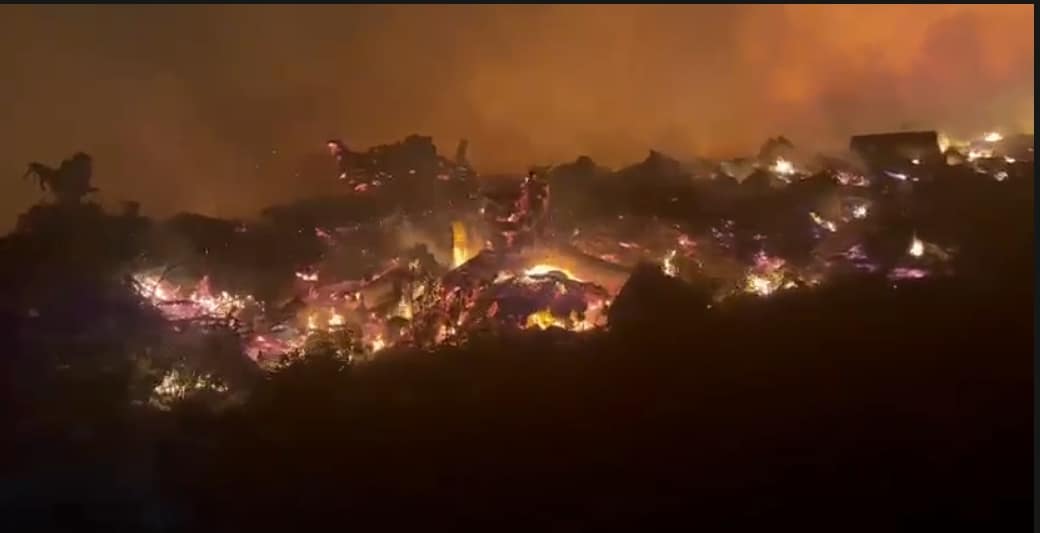
    A significant fire incident erupted at Cooks Landfill on Friday evening, prompting a large-scale emergency response to control the spreading flames. The blaze initiated approximately at 19:00 within the primary section of the waste disposal facility, though its precise origin remains under investigation as authorities have not yet determined the cause.

    Multiple agencies have coordinated efforts to manage the situation. Fire Department personnel are spearheading the containment operations with crucial support from the National Solid Waste Management Authority, the Public Works Department, and the National Office of Disaster Services. This collaborative approach highlights the seriousness of the incident and the potential environmental hazards associated with landfill fires.

    Visual evidence from the scene, circulating through social media channels, depicts intense flames consuming substantial portions of the landfill area, indicating the fire’s considerable scale and intensity. The footage shows fire spreading rapidly across the waste materials, creating concerns about air quality and potential environmental contamination in surrounding communities.

    As emergency crews continue their work to bring the situation under control, officials have not released any information regarding potential injuries to workers or residents. The absence of casualty reports suggests that evacuation protocols may have been successfully implemented, though authorities have not confirmed this detail. The incident remains developing as firefighters work to fully extinguish the blaze and prevent further damage.

  • Antigua and Barbuda Scout Association Elects New Executive Committee to Lead National Revitalization

    Antigua and Barbuda Scout Association Elects New Executive Committee to Lead National Revitalization

    In a significant development for youth development in the Caribbean, the Antigua and Barbuda Scout Association (ABSA) has successfully concluded its triennial elections during the Annual General Meeting convened at Government House on February 26, 2026. The proceedings were honored by the presence of His Excellency Sir Rodney Williams, Governor General and Chief Scout, who presided over the assembly that elected a revitalized Executive Committee.

    The newly constituted leadership team, mandated to guide the organization through the March 2026 to February 2029 term, features Dr. Fitzmore Burns as Chairman, supported by Vice-Chairmen Ambassador Anthony Liverpool and Mr. Cordel Josiah. The financial stewardship will be managed by National Treasurer Ms. Lily Schofield, while administrative coordination falls to National Secretary Dr. Janil Gore-Francis. The committee further comprises Scout Leader Representatives Ms. Brianna Pereira, Mr. Tarik Mussington, Mr. Kadeem Charles, and Ms. Abigail Burke, alongside Lay Members Mr. Norman Spencer, Mr. Joseph Prosper, Mr. Novelle Williams, and retired Commander Auden Nicholas.

    This elected body will collaborate with uniformed members, including Chief Commissioner Patricia Salmon and Assistant Chief Commissioners Lt. Col. (ret’d.) Ivor J. Walker, Mr. Delano Richards, Ms. Heather Cole, Mrs. Patsy Quinland-Richards, Mr. Kibwé Harris, and Ms. Denise Jarvis, plus two co-opted members to form the complete Executive Committee.

    This electoral milestone represents a transformative chapter for Scouting in the twin-island nation, building upon its historic achievement in 2022 of becoming a fully independent National Scout Organization within the World Organisation of the Scout Movement (WOSM). The association now stands at the threshold of substantial expansion and program innovation.

    The incoming leadership has been entrusted with capitalizing on this autonomous status to usher in a rejuvenated phase of youth participation and community service. Association spokespersons emphasized that this transition extends beyond mere administrative change, representing a recommitment to Antigua and Barbuda’s younger generation. The independent status enables the design of tailored programs addressing contemporary youth needs while promoting leadership capabilities, resilience, and national pride.

    Strategic priorities for the forthcoming three-year period encompass territorial expansion of Scout groups into every parish and enhancement of mentorship quality for participants aged 5 to 25. To realize these objectives, ABSA is actively seeking partnerships with corporate entities, community organizations, and faith-based groups as potential Scout Group sponsors. Such collaborations offer organizations distinctive opportunities to contribute to youth mentorship, facilitate skill-building workshops in vocational training, environmental conservation, and digital literacy, and support community development initiatives that foster civic engagement among young citizens.

    Reaffirming its commitment to providing ‘a world of adventure’ through Scouting, the Association anticipates that this dynamic new executive formation will extend the Scouting experience to communities nationwide.

  • Department of Culture Announces Return of National Secondary Schools Theatre Festival

    Department of Culture Announces Return of National Secondary Schools Theatre Festival

    The Department of Culture, operating within the Ministry of Education, Sports and Creative Industries, has officially unveiled plans for the 2026 National Secondary Schools Theatre Festival. Scheduled for April 13th-18th, 2026, this prestigious event will spotlight the artistic talents of the nation’s youth through competitive performances in both dance and drama disciplines.

    Ten secondary schools will participate in the dance competition while six institutions will contend in the drama category, creating a diverse platform for creative expression. The festival is positioned as a dynamic celebration of cultural heritage, innovation, and performing arts excellence, featuring student demonstrations of artistic mastery, collaborative spirit, and national pride.

    Organizers emphasize the event’s role in fostering youth development through cultural engagement and disciplined artistic practice. The public is enthusiastically invited to attend all festival activities to support emerging talent and experience the vibrant creative energy of Antigua and Barbuda’s next generation of performers.

    Complete details regarding venue locations, performance timetables, and ticket acquisition procedures will be released in subsequent announcements over the coming weeks.

  • Hogere goudprijs stuwt staatsinkomsten en internationale reserves

    Hogere goudprijs stuwt staatsinkomsten en internationale reserves

    Suriname’s Finance and Planning Minister Adelien Wijnerman announced Friday that soaring global gold prices have generated substantial revenue gains for the nation throughout 2025 and early 2026. The mineral-rich South American country has experienced measurable improvements in both mining sector revenues and international reserve levels, marking a significant turnaround in fiscal stability.

    Minister Wijnerman detailed that beyond conventional tax revenues, non-tax receipts have shown particular strength—primarily royalties and dividends from the mining industry. The international gold market’s robust performance has directly translated into increased sectoral income, contributing to a stronger governmental financial position compared to 2024. While final 2025 figures remain under processing, the minister characterized these developments as “positively transformative” for national finances.

    By January 2026, Suriname’s international reserves climbed to approximately $1.8 billion, providing import coverage for 7.8 months. This reserve accumulation stems largely from enhanced mining revenues, particularly gold exports. Minister Wijnerman emphasized that fortified reserves play crucial roles in exchange rate stabilization, meeting foreign debt obligations, and buffering against external economic shocks.

    Despite these fiscal improvements, inflation persists as a pressing concern. Annual inflation reached 11.4% in 2025, exceeding 2024’s 10% rate. The minister attributed persistent price pressures to elevated utility tariffs, rising food costs, and broader economic expense developments.

    During questioning, Minister Wijnerman corrected previous communications regarding gold royalty rates, confirming the current 5.5% levy remains effective. While a potential reduction to 4.5% remains under discussion, earlier references to 3.5% were acknowledged as erroneous.

    The minister cautioned that while elevated gold prices provide immediate fiscal breathing room, Suriname’s economy remains heavily dependent on mining revenues. She stressed that economic diversification remains imperative to reduce vulnerability to commodity price fluctuations and build sustainable long-term resilience.

  • US Agency gives green flag to St. Kitts Citizenship Programme  – WIC News

    US Agency gives green flag to St. Kitts Citizenship Programme  – WIC News

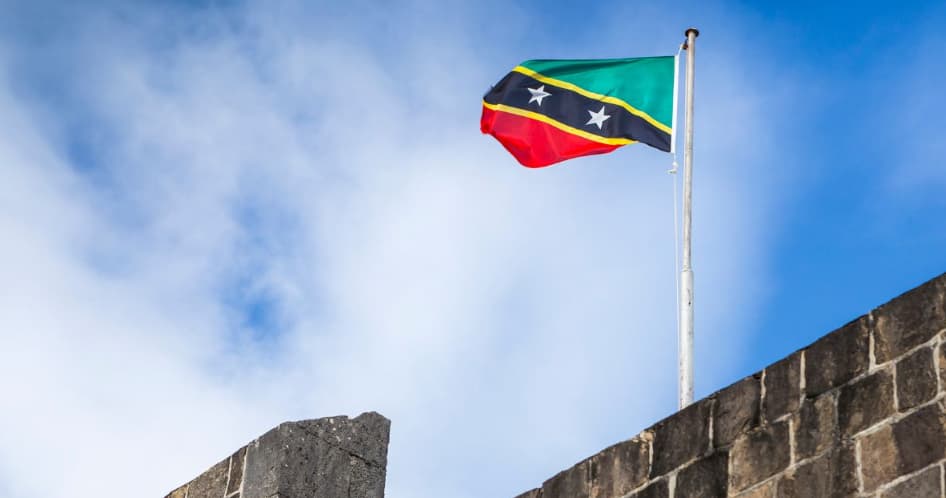
    In a significant diplomatic development, the United States Financial Crimes Enforcement Network (FinCEN) has formally withdrawn its 2014 advisory against St. Kitts and Nevis’ Citizenship by Investment Programme. The withdrawal, effective February 2, 2026, marks a substantial vote of confidence in the Caribbean nation’s reformed governance framework.

    Chairman Calvin St Juste, overseeing the revitalized programme, confirmed that the Citizenship Unit has been restructured as a statutory body with an independent Board of Governors. This institutional transformation has strengthened accountability mechanisms and regulatory independence, directly addressing previous concerns about oversight vulnerabilities.

    The original advisory (FIN-2014-A004) had highlighted potential risks associated with economic citizenship programmes. In response, St. Kitts and Nevis implemented comprehensive reforms including enhanced multi-layered due diligence protocols, mandatory applicant interviews, advanced biometric verification systems, and alignment with global anti-money laundering and counter-terrorism financing standards.

    The programme has also established deeper collaboration with international law enforcement agencies, improving information sharing and security coordination. Notably, upcoming 2026 reforms will introduce a mandatory ‘genuine link’ requirement, compelling applicants to demonstrate substantive connections through physical presence, economic activity, or national development engagement.

    St Juste emphasized that the government treated the advisory with utmost seriousness, implementing sustained reforms that have now received international validation. The removal signifies that the corrective measures have effectively addressed previous concerns while establishing a robust framework for continued operational excellence.

  • Fietsboom in Havana door Amerikaanse brandstofblokkade

    Fietsboom in Havana door Amerikaanse brandstofblokkade

    Havana’s streets are witnessing an unprecedented transportation transformation as Cubans increasingly turn to bicycles amid a severe fuel shortage crisis. The shift comes as direct consequences of tightened U.S. sanctions that have disrupted oil supplies from Venezuela and other traditional sources.

    The current situation stems from January 2026 when the United States arrested Venezuelan leader Nicolás Maduro, effectively cutting off Cuba’s primary oil supply that had sustained the island nation for over a quarter-century. Subsequent American threats against oil-exporting nations have further constrained deliveries from Mexico and other potential suppliers.

    This energy crisis has forced Havana residents to adopt innovative survival strategies. Across the city, people are retrieving long-stored bicycles from storage, repairing worn tires, and even learning to ride for the first time. The movement represents both practical adaptation and symbolic resistance to economic pressures that have made traditional transportation increasingly unaffordable.

    Transportation costs have tripled in recent months, compelling citizens like 23-year-old Gabriela Barbon to embrace cycling. ‘Cycling is no longer a hobby, it’s a necessity,’ she remarked during a training session with local organization Citykleta. Their ‘Learn to Pedal’ campaign has seen overwhelming response, attracting nearly four times the expected participants.

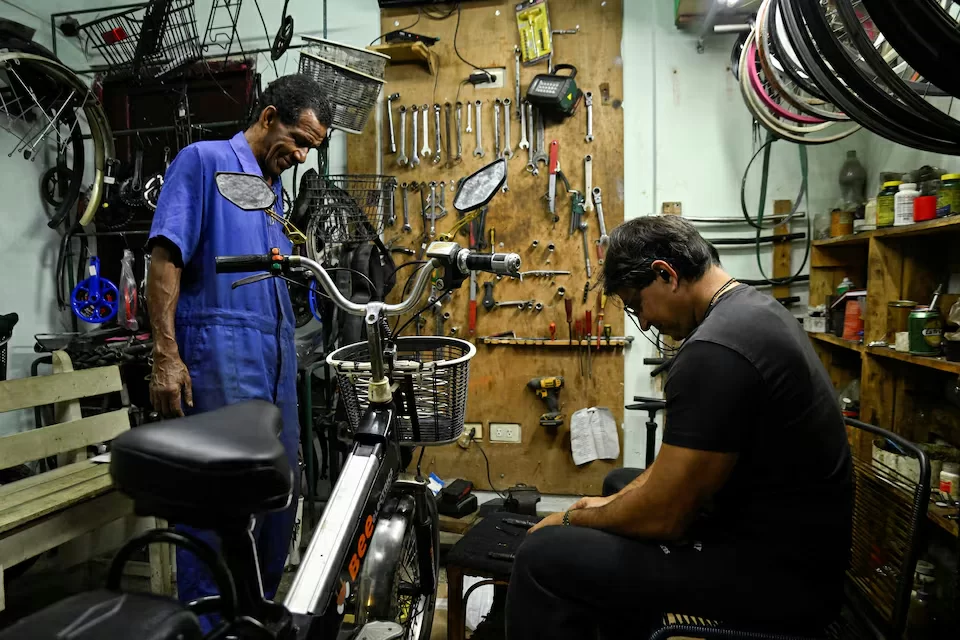
    The trend has created parallel economic opportunities and challenges. Bicycle repair shops like that of Pedro Carrillo report an ‘explosion’ in business, though they simultaneously face shortages of replacement parts. ‘Sometimes I don’t have what people need—those supplies are nowhere to be found,’ Carrillo noted from his sidewalk workshop.

    Meanwhile, the Cuban government is implementing emergency measures including investments in solar energy and other renewable sources. International aid organizations attempt to provide humanitarian assistance, though political tensions and the ongoing embargo continue to limit their effectiveness.

    According to United Nations reports, food security remains critically compromised while energy supplies stay unreliable. The six-decade American embargo, recently intensified under the Trump administration, continues to weigh heavily on Cuba’s economic stability.

    Despite these challenges, the bicycle phenomenon demonstrates Cuban resilience. As resident Yoandris Herrera explains while preparing to transport his children to school: ‘Fuel is now so expensive, cycling is simply more practical.’ This two-wheeled revolution represents both immediate practical solution and powerful symbol of adaptation in difficult times.

  • Rare earth elements could become a major source of non-tax revenue, says Luis Abinader

    Rare earth elements could become a major source of non-tax revenue, says Luis Abinader

    The Dominican Republic’s mining industry has reached an unprecedented milestone, achieving record-breaking export revenues while making significant strides in rare earth element exploration that could transform the nation’s economic landscape.

    President Luis Abinader announced during his accountability address that the mining sector generated over US$2.6 billion in exports—representing a remarkable 52% increase compared to the previous year. This performance solidifies mining as one of the country’s primary generators of foreign exchange and a cornerstone of its economic development strategy.

    Concurrently, exploratory efforts for rare earth elements—a group of 17 minerals critical for manufacturing advanced technologies including smartphones, semiconductors, space industry components, and military applications—are yielding increasingly optimistic results. Initial findings have confirmed gross deposits exceeding 150 million tons, with international laboratories verifying exceptional purity levels and extraction feasibility that rank among the world’s most promising reserves.

    The President revealed that formal mineral resource determination will be finalized this year, with reserve certification scheduled for completion by the first quarter of 2025. This timeline will pave the way for subsequent exploitation and refining phases, potentially establishing the Dominican Republic as a significant global player in the strategic rare earth market.

    Beyond their technological significance, these mineral resources could become the nation’s primary non-tax revenue source, creating a substantial strategic income stream. The mining sector’s success has already attracted substantial foreign investment, with US$556 million flowing into mining operations between January and September, while the energy sector received over US$1.01 billion during the same period. Combined, these sectors accounted for approximately 40% of total foreign direct investment, demonstrating strong international confidence in the country’s resource development capabilities.