博客

  • Belizeans in Taiwan Brace for Typhoon Bavi

    Belizeans in Taiwan Brace for Typhoon Bavi

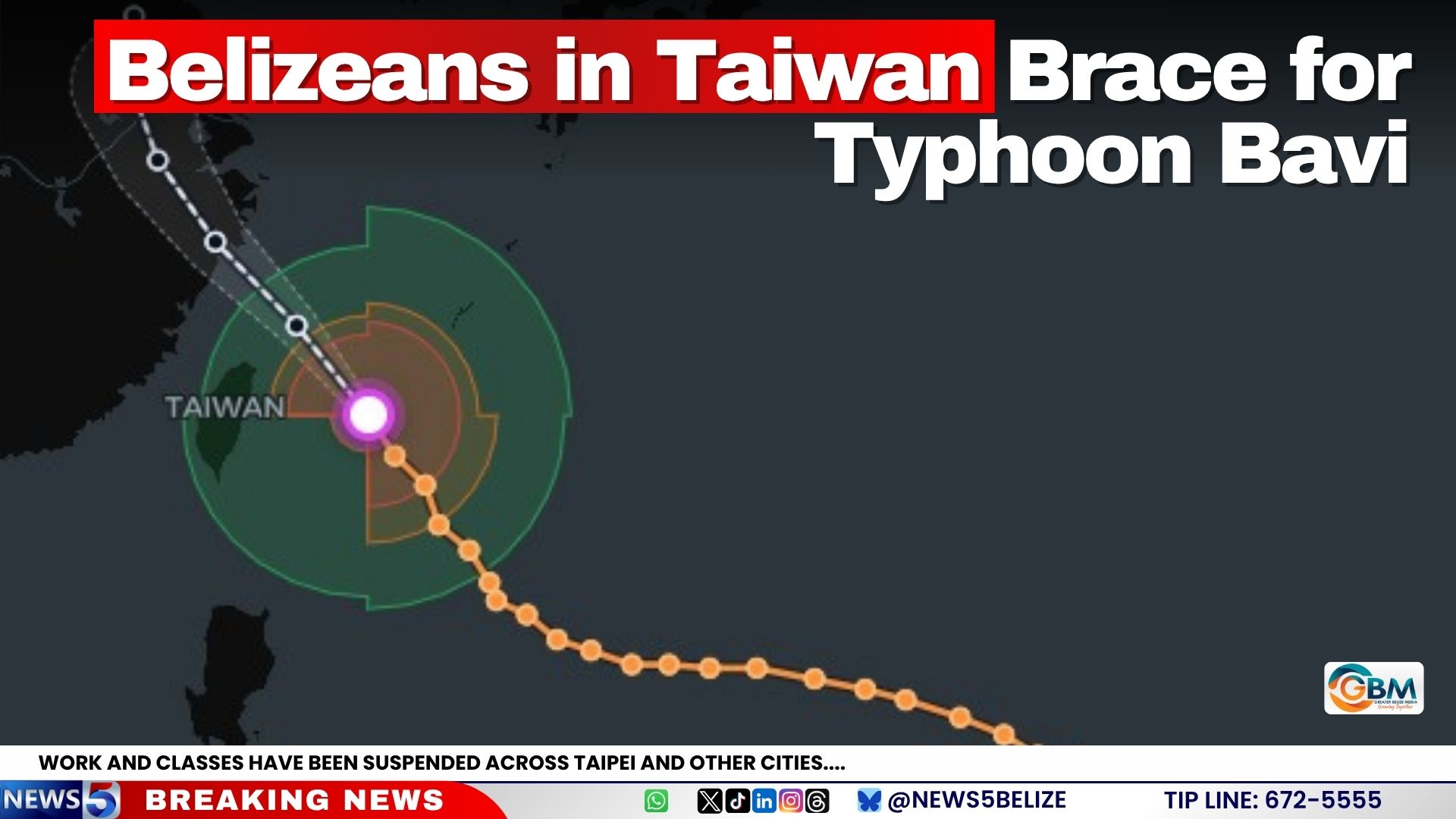
    As July 10, 2026 brings a rare large-scale weather event to East Asia, Taiwan is preparing for the arrival of Typhoon Bavi, a massive storm system advancing toward the island at a steady 27 kilometers per hour. Meteorological officials warn the storm could dump up to 700 millimeters of rain across affected regions in just 24 hours, a volume that raises severe flooding risks even in areas with well-established drainage infrastructure.

    While forecasters project Bavi will track through waters just off Taiwan’s northern coast rather than making a direct landfall, the unprecedented size of the storm system means no part of the island will escape its impacts. The Central Weather Administration has confirmed that Bavi is the largest tropical cyclone to approach Taiwan since 1987, a classification that has triggered widespread emergency preparations across the entire island, far beyond the areas expected to face the worst conditions.

    Among the communities preparing for the storm is the small population of Belizean residents living in Taiwan, including a large cohort of international students. With severe weather expected to last from Wednesday into Thursday, most Belizeans have stocked up on emergency food, water and supplies and are remaining indoors to ride out the storm.

    Nay Smith, a Belizean national currently residing in Taiwan, shared her on-the-ground experience ahead of the storm’s peak. She noted that the Belizean embassy has delivered prompt, consistent support to the community: “The embassy response has been really good. They have been keeping us updated, and I’m pretty sure they will message later to check on us.” Still, she shared a lighthearted observation about the storm’s slow build: “What’s disappointing is the rain; I expected much more, provided that it was marked as one of the heaviest ones ever since I don’t remember which year. The night market was half open and the morning one too.”

    In response to the incoming storm, Taiwan’s government has suspended all work and classes across Taipei and multiple other high-risk cities. Nationwide, nearly 29,000 military personnel have been placed on active standby to deploy for flood control efforts and emergency rescue operations if disaster strikes. The scale of preparation reflects the rarity of storms of this size in the region, with officials urging residents to remain vigilant even if their local area does not see immediate severe conditions.

  • Eastern Caribbean leaders meet in Dominica, unite in response to EU concerns over CBI programmes

    Eastern Caribbean leaders meet in Dominica, unite in response to EU concerns over CBI programmes

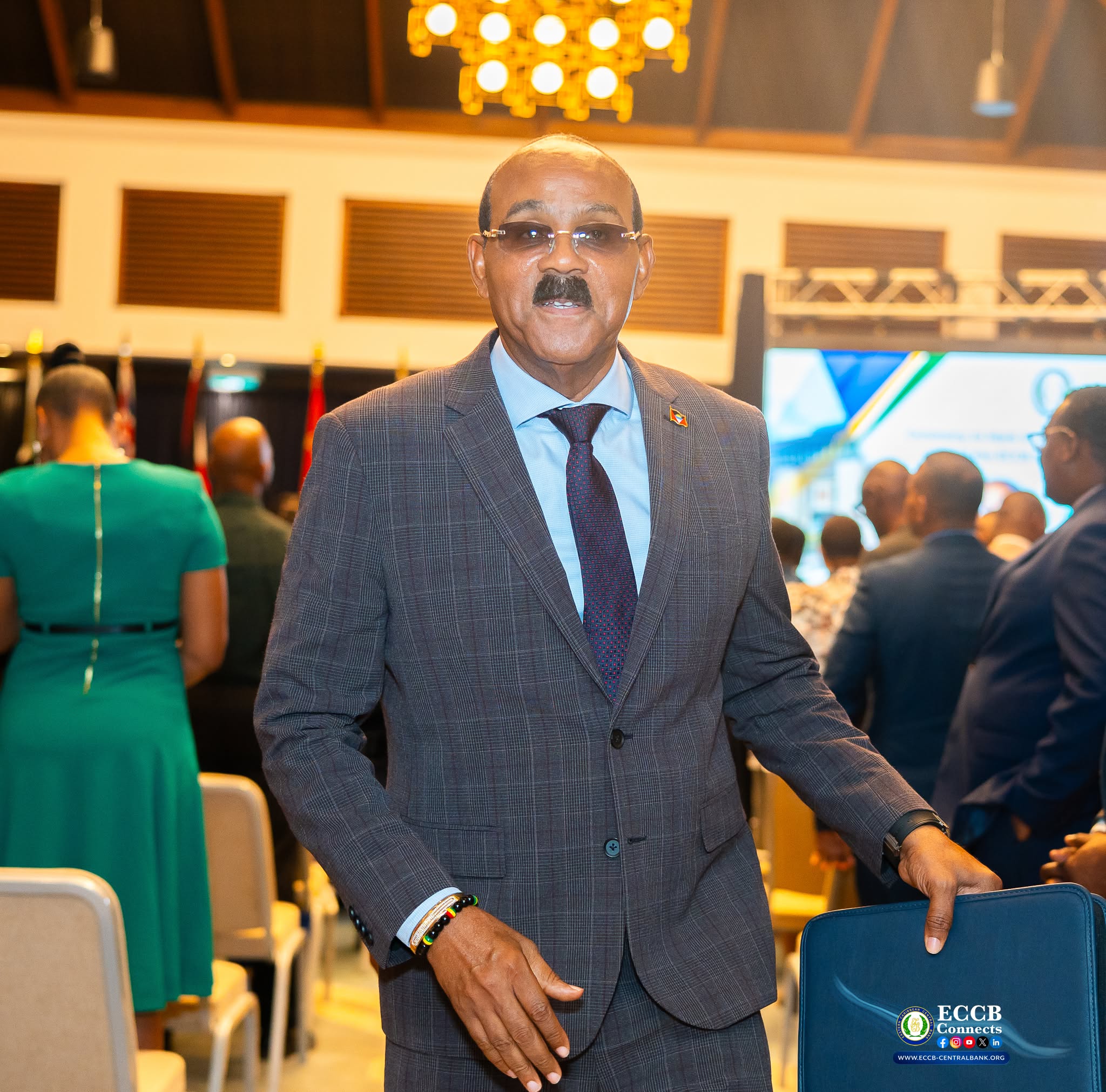
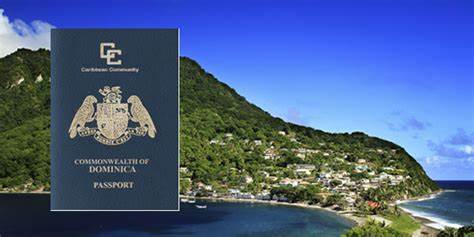
    On July 10, high-level government leaders from six Eastern Caribbean nations gathered in Dominica for a critical closed-door meeting focused on addressing growing scrutiny from the European Union over their regional Citizenship by Investment (CBI) programs. Chaired by Roosevelt Skerrit, Prime Minister of Dominica, the summit brought together heads of government from Antigua and Barbuda, Grenada, St Kitts and Nevis, St Lucia, and St Vincent and the Grenadines to coordinate a unified strategy amid looming changes to the EU’s visa suspension framework.

    Following hours of deliberation, the participating leaders issued a joint public statement reaffirming their unwavering commitment to upholding the strictest global standards for CBI operations, centered on security, full transparency, uncompromised integrity, and robust good governance. The leaders highlighted that the region has already implemented sweeping structural reforms to strengthen program oversight in recent years. These updates include more rigorous due diligence protocols for all applicants, expanded cross-border information sharing agreements, new mandatory transparency requirements, and the formal establishment of the Eastern Caribbean Citizenship by Investment Regulatory Authority, a centralized body tasked with ongoing monitoring and enforcement.

    In the statement, regional leaders emphasized that CBI programs have grown into an irreplaceable source of development financing for their small island economies. Unlike costly international borrowing, revenue generated by these programs directly funds a wide range of critical national priorities, from climate adaptation and resilience infrastructure that protects coastal communities from extreme weather to post-hurricane disaster recovery, affordable housing initiatives, expanded public healthcare services, education system upgrades, and core transportation infrastructure projects.

    To move the conversation forward constructively, the leaders agreed to ramp up targeted diplomatic engagement with EU institutions. They have scheduled a high-level diplomatic mission to Brussels to meet directly with senior EU officials, where discussions will center on negotiating a balanced, mutually acceptable resolution. The delegation will push for outcomes that address the EU’s security and regulatory concerns while fully acknowledging the unique economic vulnerabilities and urgent development needs of small island developing states.

    Closing the summit, the group of leaders expressed measured confidence that continued constructive dialogue and collaborative problem-solving will deliver practical, long-term solutions that safeguard both the region’s ongoing development progress and the decades-long strategic partnership between Eastern Caribbean states and the European Union.

  • PM Browne, Skerrit and Regional Leaders Unite Over EU Citizenship by Investment Demands

    PM Browne, Skerrit and Regional Leaders Unite Over EU Citizenship by Investment Demands

    In a high-level gathering held in Roseau, the capital of the Commonwealth of Dominica on July 10, 2026, the heads of government from seven Eastern Caribbean nations convened to coordinate a collective approach to their Citizenship by Investment (CBI) programmes amid evolving negotiations with the European Union. Chaired by Dominica Prime Minister Honourable Roosevelt Skerrit, the meeting brought together top leaders from Antigua and Barbuda, Grenada, Saint Kitts and Nevis, Saint Lucia, Saint Vincent and the Grenadines, all gathered to assess recent updates from the European Commission and map out a unified regional response to the EU’s revised visa suspension mechanism.

    At the opening of discussions, participating leaders first reaffirmed the deep, long-standing collaborative partnership between their small island developing states (SIDS) and the European Union. Built on a foundation of shared democratic values, mutual respect, and a joint commitment to global cooperation and inclusive sustainable development, the leaders emphasized their openness to ongoing dialogue and their dedication to constructive engagement to resolve shared concerns.

    Central to the meeting’s deliberations was the future of CBI programmes, a policy area that has drawn increased scrutiny from European regulators. Responding to global standards, Eastern Caribbean governments have invested heavily in systemic reforms of their CBI frameworks over recent years. These changes include strengthening due diligence protocols for all applicants, expanding cross-border information sharing, introducing new transparency requirements, and adopting strict regional operating standards that position the region’s programmes among the most rigorous in the world. A landmark step in this reform process has been the establishment of the Eastern Caribbean Citizenship by Investment Regulatory Authority, a regional body designed to harmonize rules, boost compliance, and align the region’s practices with evolving international best practices through collective governance.

    Beyond regulatory issues, leaders underscored the outsized economic role CBI programmes play for the region’s SIDS, which face unique structural vulnerabilities including limited economic diversity, high exposure to climate disasters, and constrained access to development financing. For these nations, CBI revenues have become a core pillar of economic resilience and development investment, funding critical priorities ranging from climate adaptation infrastructure and post-hurricane disaster recovery to affordable housing, public healthcare, universal education, and long-term fiscal stability. During periods of unprecedented external shocks—including the COVID-19 pandemic and global energy price spikes—CBI revenues enabled these governments to fund emergency response without taking on unsustainable levels of sovereign debt, helping to preserve macroeconomic stability across the region.

    Against this backdrop, leaders stressed that any future changes to the EU’s regulatory relationship with the region’s CBI programmes must fully account for the specific economic realities and development vulnerabilities of SIDS. Any policy shift that reduces or eliminates this critical source of development financing, they argued, must be paired with a comprehensive support framework that protects existing development gains, preserves current economic stability, and supports the development of equivalent sustainable alternative financing sources to meet the region’s long-term needs.

    To advance their shared objectives, the regional leaders have agreed to launch a coordinated diplomatic engagement strategy with EU institutions and member state governments. A high-level delegation is scheduled to travel to Brussels at the earliest practical opportunity to hold direct talks with the President of the European Commission, President of the European Council, and the High Representative of the Union for Foreign Affairs and Security Policy. The core goals of these discussions will be to deepen European policymakers’ understanding of the unique challenges facing Eastern Caribbean SIDS, negotiate practical, mutually beneficial solutions to the concerns raised by the European Commission, and strengthen the decades-long partnership between the two blocs.

    To ensure a unified regional voice, leaders have directed foreign ministers, CBI programme leads, ambassadors, and senior official teams to coordinate closely across all engagements with European stakeholders. A structured diplomatic outreach programme to key European national capitals has also been mandated to build support for the region’s position ahead of formal negotiations. The heads of government concluded their meeting by noting that balanced, durable solutions can only be developed through genuine collaborative partnership, one that honors both the EU’s legitimate regulatory objectives and the equally legitimate development needs of small island developing states. Rooted in the principles of proportionality, shared responsibility, partnership, and sustainable development, leaders reaffirmed their commitment to constructive dialogue and expressed confidence that mutually acceptable outcomes can be achieved through cooperation.
  • Alfred impresses with record-breaking run in Monaco

    Alfred impresses with record-breaking run in Monaco

    In a historic display of sprinting dominance at Friday’s Meeting Herculis held at Monaco’s Stade Louis II, Saint Lucian Olympic 100m gold medalist Julien Alfred delivered a performance for the record books, clocking a blistering 21.51 seconds in the women’s 200m to claim the third-fastest time ever recorded over the distance. The 25-year-old speedster outpaced a star-studded field of global competitors, turning a mediocre start into a legendary victory that left the sold-out crowd roaring with excitement.

    Alfred’s historic run not only shattered her own 2023 national record of 21.71 seconds set in London, but it also toppled a 31-year-old meeting record that had stood since 1993 – a 21.77s mark set by Jamaican sprint legend Merlene Ottey. Her time also jumps to the top of the 2026 global rankings, knocking British Virgin Islands sprinter Adaeajah Hodge from the top spot. Hodge, who had previously posted the year’s fastest time of 21.68 seconds just one month prior, took second place in Monaco with a solid 21.70s run. Closing out the podium was American Olympic 200m gold medalist Gabby Thomas, who finished third in 21.84 seconds. Only two women in track and field history have ever run faster than Alfred: the long-standing world record holder Florence Griffith-Joyner and Jamaica’s own Shericka Jackson.

    Race observers noted that Alfred got off to a relatively slow start out of the starting blocks under clear, sunny skies, but the sprinter found her gear within the first 10 meters of the race and never gave up the lead, pulling away from the field down the home straight. In post-race comments, Alfred downplayed the importance of a quick reaction time, emphasizing that the final result is all that matters. “It’s not about the reaction time; it’s about how you finish. I don’t care about my reaction time, I was first, that’s all that matters,” she said.

    Reflecting on the years of work that led to her historic performance, Alfred shared that she had spent months preparing for this breakthrough moment, and only realized the scale of her achievement once she crossed the finish line and saw the clock. “I have been preparing for this for such a long time; to finally see it pay off, I am just happy. I didn’t realise how fast it was till I crossed the line. I looked at the clock and saw my time, and that’s why I was screaming like at the Olympics. Because I have been looking forward to this for a long time.”

    Alfred added that her result exceeded her own pre-race expectations, leaving her elated and hungry for more success. “I am just so happy to see that time. There are no limits right now. Today, I was actually hoping to see 21.6; I got 21.5, so I am happy nonetheless.” Her groundbreaking performance has sent shockwaves through the global track and field community, cementing her status as one of the greatest sprinters of her generation and setting the stage for an exciting showdown at upcoming world championship and Olympic events.

  • Martinique, Barbados sign landmark cooperation agreement

    Martinique, Barbados sign landmark cooperation agreement

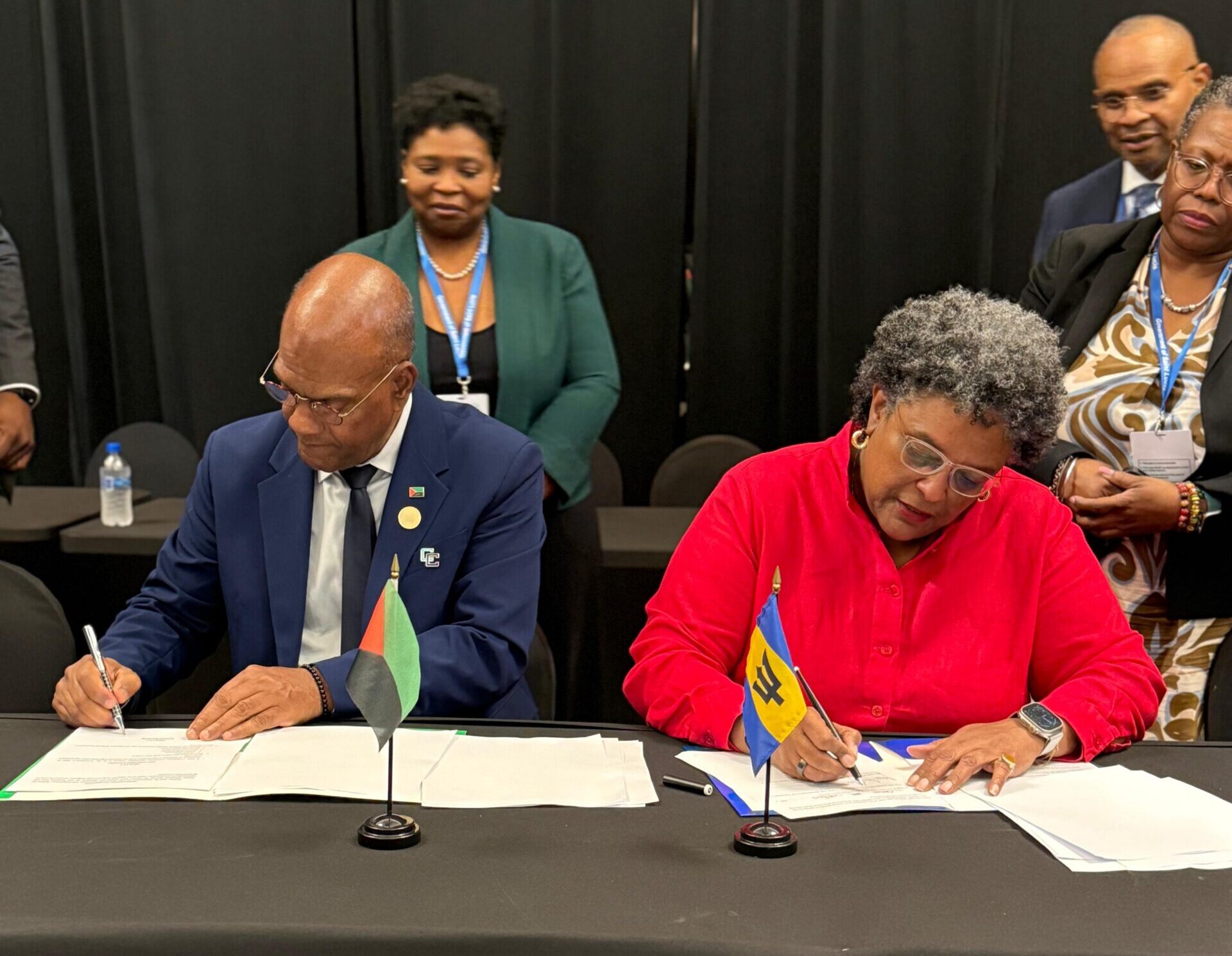
    On July 7, on the sidelines of the CARICOM Summit, a landmark cooperation agreement was formalized between Barbados and Martinique, signed by Barbadian Prime Minister Mia Mottley and Serge Letchimy, President of Martinique’s Executive Council. This signing represents far more than a routine bilateral pact: it cements a pivotal political milestone that redefines Martinique’s role as an active, fully committed stakeholder within its inherent regional home, the Caribbean.

    For the Territorial Collectivity of Martinique, the agreement transforms a long-held strategic ambition into tangible, actionable progress. The core vision behind the partnership is to position deepened Caribbean regional integration as a powerful engine for inclusive development, expanded economic autonomy, broader cultural exchange, and collective action to address the pressing shared challenges that define the 21st century for small island nations across the region.

    Letchimy emphasized that Martinique’s growing engagement with CARICOM goes far beyond claiming a seat at the regional negotiating table. “We are not here simply to participate—we are here to build, propose, collaborate and deliver results,” he noted. “With Barbados, we are opening an entirely new chapter of Caribbean cooperation: one that is practical, operational, well-structured, and focused on delivering tangible outcomes for our people. We share a collective responsibility to turn our close geographic, historical, and human ties into concrete projects that improve lives across both our territories.”

    The agreement lays out a comprehensive general framework for collaboration across eight strategic sectors that are critical to the long-term prosperity and resilience of Caribbean communities. These priority areas include cultural and creative industries, sports, general education, vocational skills training, disaster risk management, public health, tourism, fisheries, and trade facilitation. Each of these priorities was selected to directly respond to the most urgent challenges facing Caribbean nations today: generating new economic and professional opportunities for young people, expanding the regional skilled workforce, strengthening economic connectivity between island economies, boosting community resilience to climate-linked natural hazards, supporting core productive industries, and leveraging culture as a unifying force for cooperation, shared identity, and sustainable development.

    To ensure the partnership delivers on its promises, the text establishes clear, formal mechanisms for implementation and ongoing progress monitoring. First, a joint Joint Cooperation Committee, co-chaired by senior representatives from both Barbados and the Territorial Collectivity of Martinique, will be tasked with setting annual work priorities, approving collaborative programs, overseeing rollout, evaluating outcomes, and recommending adjustments to future action. Second, a dedicated Technical Secretariat will handle day-to-day operational oversight of all active projects. On an annual basis, the two sides will release a joint activity report that assesses completed actions, tracks resources mobilized, evaluates performance against agreed indicators, documents unforeseen challenges, and outlines a detailed work plan for the coming year.

    This structured, results-focused approach reflects a deliberate commitment from both parties to move beyond symbolic general declarations of cooperation and build a partnership that is organized, measurable, and sustainable over the long term. The initial term of the agreement is five years, with an option for renewal, and it creates a formal foundation for deeper bilateral ties while advancing Martinique’s broader strategic goal of acting as a dynamic connecting bridge between the Caribbean region, Europe, the Americas, and Africa.

  • Belize Takes the Wheel on Regional Health

    Belize Takes the Wheel on Regional Health

    On July 10, 2026, Belize officially stepped into the six-month rotating Pro Tempore Presidency of the Council of Ministers of Health of Central America and the Dominican Republic (COMISCA), taking the lead in coordinating cross-border efforts to address the region’s most pressing public health priorities. The formal handover ceremony occurred during the council’s 63rd ordinary session, where outgoing president Víctor Atallah, Minister of Public Health of the Dominican Republic, formally transferred the leadership role to Kevin Bernard, Belize’s Minister of Health and Wellness.

    Atallah emphasized that the Dominican Republic transferred the responsibility to Belize with full confidence in the government and people of the Central American nation, noting that outgoing administration’s work laid a foundation for continued regional health integration. “Regional cooperation remains the most effective strategy to build stronger, more resilient health systems that can protect the well-being of all communities across our shared neighborhood,” Atallah stated, adding that the Dominican Republic will continue to actively participate in and support collective efforts during Belize’s tenure.

    Accepting the presidency, Bernard outlined Belize’s core priorities for the upcoming six months, aligning with longstanding COMISCA goals. The nation will focus its coordination on advancing progress across five key areas: combating the growing burden of non-communicable diseases, expanding and upskilling the regional health workforce, improving equitable access to affordable essential medicines and cutting-edge health technologies, strengthening collective response capacities for public health emergencies, and supporting systemic reforms to build long-term health system resilience across the region.

    Bernard stressed that cross-border collaboration and shared action consistently deliver greater public health outcomes than individual national efforts, reaffirming Belize’s unwavering commitment to deepening regional integration under the framework of the Central American Integration System (SICA), which established the rotating presidency structure that transfers leadership to a new member every six months.

  • CCJ president meets St Lucia Prime Minister during CARICOM Summit visit

    CCJ president meets St Lucia Prime Minister during CARICOM Summit visit

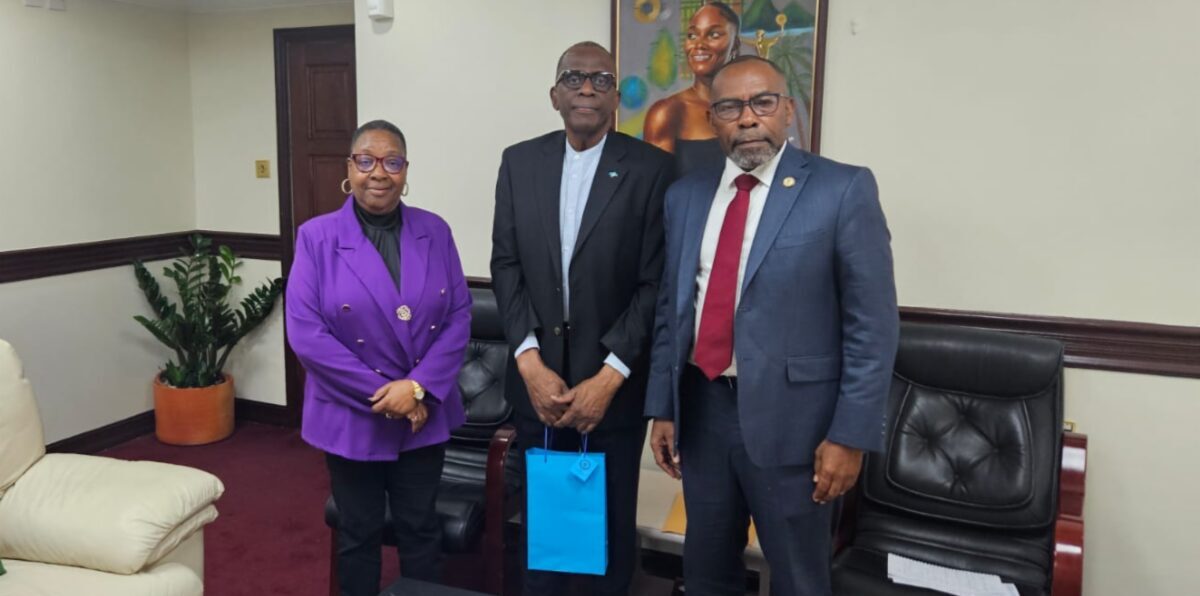
    On July 5, 2026, as the Caribbean prepared for one of its most important annual regional governance gatherings, the Caribbean Court of Justice (CCJ) President Justice Winston Anderson made an official courtesy visit to Saint Lucia’s Prime Minister Philip J. Pierre, deepening judicial-government ties across the region. The meeting was held ahead of the opening of the 51st Regular Meeting of the Conference of Heads of Government of the Caribbean Community (CARICOM, which brought regional leaders to the island nation for three days of policy coordination and collective decision-making.

    Justice Anderson was joined during the meeting by Her Ladyship Justice Margaret Price-Findlay, who holds dual senior roles as Chief Justice of the Eastern Caribbean Supreme Court and Commissioner of the Regional Judicial and Legal Services Commission. Following the courtesy engagement, Anderson took part in the official opening ceremony of the CARICOM Heads of Government summit, an appearance that came at the formal invitation of the conference. This attendance marked the continuation of a longstanding CCJ tradition of engaging with the highest regional political gatherings, reflecting the court’s integrated role in Caribbean governance.

    In an official press statement published after the meeting, the CCJ emphasized that the dialogue was part of the court’s sustained, long-term strategy to strengthen collaborative ties with national governments and domestic judicial bodies across all CARICOM member states. The engagement also aligns directly with the court’s recently launched Strategic Plan for 2025–2032, a guiding document that prioritizes expanding and deepening partnerships between the CCJ and a broad range of regional stakeholders.

    Beyond a formal diplomatic courtesy, the meeting created a dedicated space for open, continued dialogue between the Caribbean’s highest regional court and national political leadership. As Caribbean regional institutions increasingly work in lockstep to advance cross-border integration, sustainable development, and coordinated policy action, such engagements reinforce the shared commitment of judicial and governmental bodies to advancing collective progress across the region.

  • Matthews, Grimmond’s record 258-run opening stand drives nine-wicket victory over Ireland

    Matthews, Grimmond’s record 258-run opening stand drives nine-wicket victory over Ireland

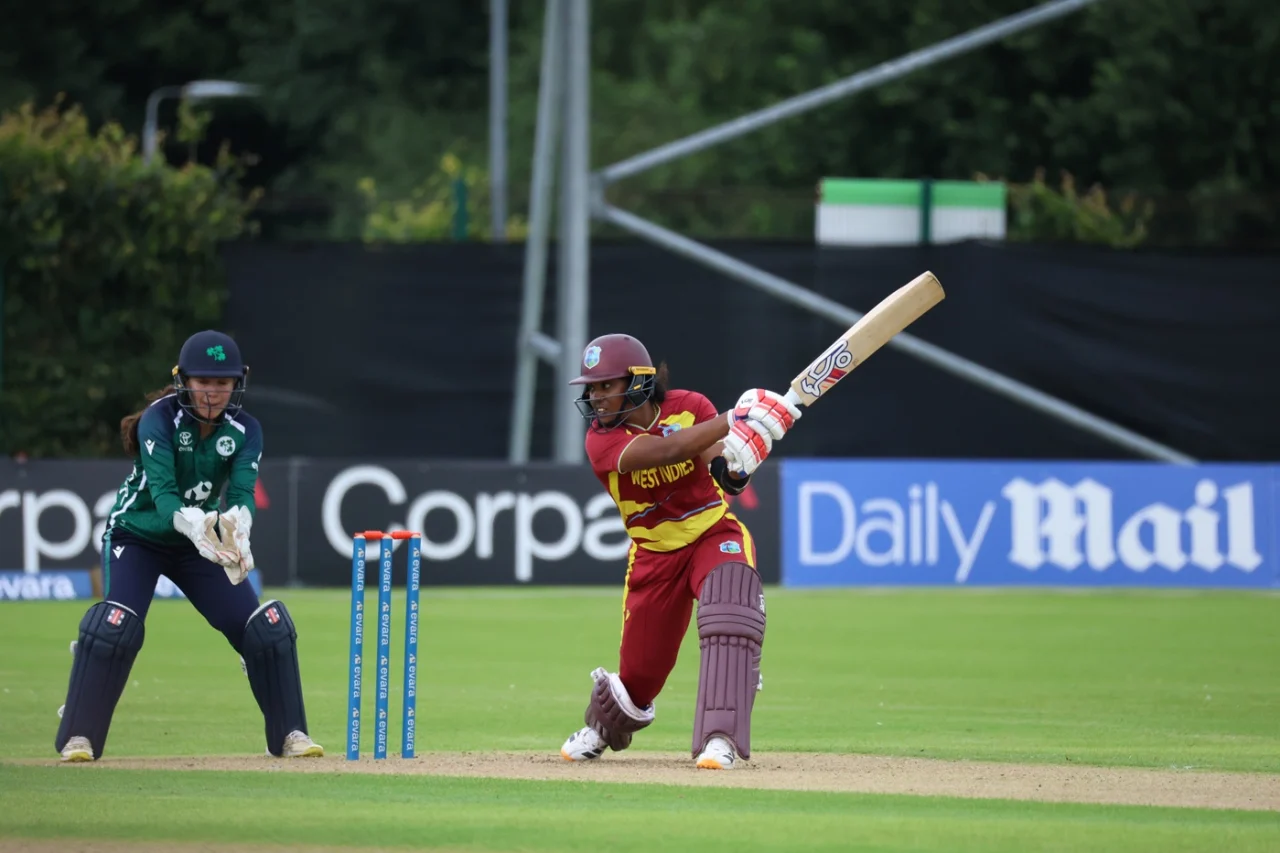
    On a crisp Friday at Bready Cricket Club, the West Indies Women’s national cricket team delivered a clinical, record-breaking performance to secure a dominant nine-wicket victory over Ireland in the opening match of their three-match ODI series, notching the highest successful run chase in the program’s 50-over history.

    Ireland, playing on home turf, got off to a promising start after electing to bat first. Captain Gaby Lewis set a brisk early pace, scoring 39 quick runs to give the hosts a solid foundation. The standout performance of Ireland’s innings came from 22-year-old Amy Hunter, who anchored the order with a masterful 96 runs off 130 balls. Hunter built consistent partnerships across the batting line-up, notching a 69-run stand with Orla Prendergast (30) and a 50-run collaboration with Rebecca Stokell (20). By the 38th over, Ireland was cruising at 5.71 runs per over, and looked on track to post a total exceeding 270 that would put the visitors under serious pressure.

    However, West Indies’ spin attack turned the tide dramatically in the closing overs. All-rounder Hayley Matthews and leg-spinner Afy Fletcher triggered a devastating collapse, picking up wickets in quick succession to derail Ireland’s momentum. Matthews claimed 3 key wickets for 52 runs, including the critical scalp of Lewis to break Ireland’s most productive stand, while Fletcher finished with impressive figures of 4 for 49. Between the 34th and 40th overs, the pair combined to take four Irish wickets, collapsing the hosts’ batting order to bundle Ireland out for 269 all out, a total that ultimately fell well short of what the home side had expected to set.

    What followed was one of the most dominant opening partnerships in women’s ODI history. Chasing a steep target of 270 for victory, Matthews and debutant-turned-standout opener Realeanna Grimmond put on an extraordinary batting clinic that defied the challenge of the required run rate. The pair got off to a blistering start in the powerplay, hammering 13 fours between them in the opening 10 overs to put Ireland’s bowling attack on the back foot from the first ball. West Indies raced to the 100-run mark in just 14 overs, putting the result on track long before the middle innings.

    Matthews, who was dropped by Ireland’s Jane Maguire when she was just 52 runs in the 12th over, made Ireland pay for the costly mistake in brutal fashion. She brought up her century off just 90 balls in the 28th over, then accelerated further with a flurry of sixes to keep the run rate sky-high. Playing only her sixth ODI, Grimmond held up her end of the partnership perfectly, notching her second career half-century and surviving a drop on 84 before finally falling just nine runs short of a maiden century, with the team only 12 runs away from victory. Her 91 runs included 11 boundaries, and her stand with Matthews reached 258 runs – the highest partnership for any wicket in West Indies women’s ODI history, breaking the previous record of 204 runs set by Stafanie Taylor and Juliana Nero back in 2011.

    Matthews finished the innings unbeaten on a majestic 159 runs off 123 balls, smashing 24 fours and two sixes in a virtuoso batting display that will go down in West Indies cricket records. West Indies reached the 270-run target with only one wicket down and more than 10 overs (65 balls) to spare, sealing the nine-wicket win to take a 1-0 lead in the three-match series. The result marks one of the most dominant ODI victories in West Indies women’s cricket history, and cements Matthews’ status as one of the top all-rounders in the global game.

  • GHTA concludes successful Discover Hospitality Camp

    GHTA concludes successful Discover Hospitality Camp

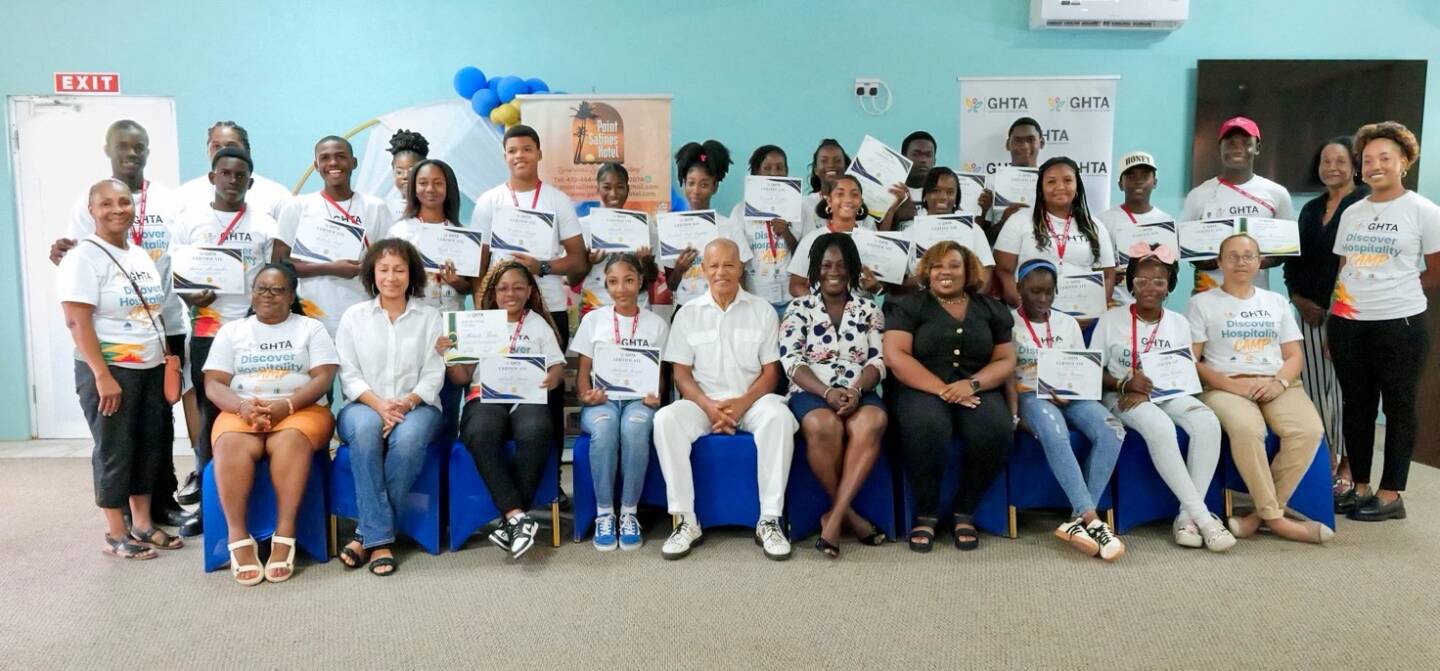
    Grenada’s key tourism industry body has wrapped up a landmark youth outreach initiative, closing out a seven-day immersive program that opened the door to local secondary school students to explore the island’s thriving tourism sector, its commitment to sustainable operations, and the wide range of long-term career opportunities available within it.

    Organized by the Grenada Hotel and Tourism Association (GHTA), the Discover Hospitality Camp welcomed 22 third- and fourth-form students from schools across the country. Designed as a practical, hands-on learning experience rather than a traditional classroom program, the initiative gave young participants direct access to every corner of Grenada’s $tourism and hospitality economy, blending interactive training, on-site industry exposure and one-on-one mentorship from seasoned professionals.

    Throughout the week, students took part in a packed schedule of activities tailored to build both hard and soft skills. They joined targeted skill-building workshops focused on guest experience management and food and beverage operations, toured leading local hotels and popular tourist attractions to see daily industry operations firsthand, and participated in hands-on activities focused on sustainable hospitality and marine conservation. Each participant also had the opportunity to connect with and learn from industry veterans who provided guidance on career trajectories and professional growth.

    The official closing ceremony brought together a range of stakeholders to celebrate the program’s success. Remarks were delivered by Leslie Ann Johnson, Communications Director of Grenada’s Ministry of Tourism, Mandoo Seales, GHTA Director and co-founder of the Grenada Green Group, youth ambassador Ella-Rose Charles, and other special invited guests. GHTA Hospitality Ambassador Ethan Edwards delivered the formal vote of thanks to attendees, organizers and partners.

    Arlene Friday, Chief Executive Officer of GHTA, emphasized the transformative impact of the initiative in her comments. “Watching our young people engage with such enthusiasm for both hospitality and sustainable stewardship has been incredibly inspiring,” Friday said. “This camp confirms what we have long understood: investing in hands-on education and real-world experience doesn’t just strengthen the future of our industry—it also reinforces our commitment to protecting our beaches, coastlines and local communities. By the end of the week, every participant left with new practical skills, expanded professional networks, and a much clearer picture of the diverse career pathways that tourism has to offer.”

    Ella-Rose Charles, the youth ambassador who supported the planning and execution of camp activities, shared her own perspective on the program’s value. “This week opened my eyes to just how exciting and varied careers in tourism can be—everything from protecting our natural coastal ecosystems to welcoming visitors from all corners of the globe,” Charles said. “I’m incredibly proud to have been part of an initiative that empowers young Grenadians to care for our island and pursue meaningful, rewarding careers right here at home.”

    GHTA extended formal gratitude to the wide network of partners that made the camp possible, including major industry players Sandals Resorts, La Luna Hotel, True Blue Bay Resort and Point Salines Hotel, as well as public and community collaborators: the Solid Waste Management Agency, T’s Eco Farms, TAMCC, NEWLO, and St George’s University. The association also recognized the hard work and dedication of the Hospitality Camp Committee, chaperones, volunteers and in-house GHTA staff who contributed to the program’s success.

    The Discover Hospitality Camp was fully funded through the GHTA Tourism Enhancement Fund. Looking ahead, GHTA has confirmed it will continue expanding investments in youth development programs that strengthen Grenada’s tourism workforce and embed a culture of long-term environmental stewardship across the sector.

  • Derde helft WK 2026: Spanje stopt WK-avontuur van België’s gouden generatie

    Derde helft WK 2026: Spanje stopt WK-avontuur van België’s gouden generatie

    The 2026 FIFA World Cup quarter-final clash between Spain and Belgium delivered a rollercoaster of drama, emotion and high stakes at Los Angeles Stadium, with a last-gasp 88th-minute goal from substitute Mikel Merino securing a tense 2-1 win for Spain that booked La Roja’s spot in the tournament’s semi-finals.

    Spain got off to a flying start, asserting their signature control of possession and pinning Belgium back in their own half from the opening whistle. Their pressure paid off in the 30th minute, when a crisp, well-orchestrated combination down the left flank opened up Belgium’s defense, allowing Fabian Ruiz to break the deadlock and put Spain ahead. The clinical finish lifted Spanish spirits and sent their traveling supporters into celebration, giving La Roja a valuable early foothold in the match.

    Far from crumbling under the early setback, Belgium responded rapidly just after the first hydration break. Charles De Ketelaere rose above the Spanish defense to power a stunning header into the back of the net, not only leveling the score but also ending Spain’s impressive 600-plus minute unbeaten streak without conceding a goal. The equalizer breathed new life into Belgium, turning the match into a tightly contested, tactically intense battle that kept fans on the edge of their seats for the rest of the game.

    The second half saw tensions climb, with both sides creating half-chances but failing to find a breakthrough. The match’s most heartbreaking moment came in the 72nd minute, when Belgium’s star goalkeeper and defensive lynchpin Thibaut Courtois suffered an injury that forced him off the pitch in tears. Young replacement Senne Lammens, called up from Manchester United and thrown abruptly into the biggest match of his young career, struggled under the intense pressure and made several uncharacteristic critical mistakes.

    It was in this chaotic final phase that Spain pounced. Merino, who had already built a reputation as a reliable impact substitute throughout the tournament, reacted quickly to a rebound after a Lammens save, cooly slotting the ball home to put Spain ahead with just two minutes left in regulation. The late strike proved decisive, securing Spain’s passage to the semi-finals. Spanish players and supporters erupted in celebration, while Belgium was left to process a devastating, narrow defeat. In a show of sportsmanship, a disappointed Courtois still stepped forward to console his young replacement, who retained the full support of his teammates despite the late error.

    This victory marks only the second time in Spanish history that the men’s national team has reached a World Cup semi-final – their first trip to the final four came in 2010, the year they lifted their only World Cup trophy. While Spain did not play the flashy, dominant football they are known for throughout this knockout clash, their patience and clinical efficiency in critical moments won out the day. For Belgium, the defeat marks the likely end of the road for the nation’s celebrated “Golden Generation” of stars including Kevin De Bruyne, Romelu Lukaku and Youri Tielemans, who are expected to retire from World Cup competition after this tournament. Though they never claimed the World Cup title they chased for years, the group leaves behind a lasting legacy of skill, passion and fighting spirit that will be remembered fondly by Belgian football fans.

    Spain will next face France in the World Cup semi-final, as they chase a second world title 16 years after their historic 2010 win. For Belgium, the tournament ends in heartbreak, but their fighting performance through the knockout stage cements the reputation of an unforgettable generation of talent.