博客

  • Guyana in talks with Belize, St Kitts & Nevis for e-ID card travel – Guyana Times

    Guyana in talks with Belize, St Kitts & Nevis for e-ID card travel – Guyana Times

    In a major push to deepen regional integration across the Caribbean Community (CARICOM), Guyana has entered formal discussions with Belize and St. Kitts and Nevis to extend its successful electronic identification (e-ID) card travel initiative beyond its existing passport-free travel agreement with Barbados, senior government officials have confirmed.

    Zulfikar Ally, Guyana’s Minister of Public Service, Government Efficiency and Implementation, revealed the new negotiations in an exclusive interview with Guyana Times this week, noting that exploratory talks are also underway with multiple other CARICOM member states interested in joining the cross-border travel framework. The development comes less than six weeks after Guyana and Barbados launched their joint e-ID travel program on July 1, which allows eligible citizens of both nations to cross borders seamlessly without requiring traditional paper passports.

    The bilateral initiative was first announced in May 2026, framed by both governments as a landmark step toward breaking down travel barriers and strengthening people-to-people connections across the Caribbean. Speaking at a ceremony marking the first passport-free trip between the two countries earlier this year, Ally made clear that the Barbados partnership was only the first phase of a broader regional ambition. “We’re not gonna stop here. This card will also be used for travel throughout the Caribbean,” he stated at the time.

    Ally reaffirmed this goal in a social media video posted to his ministry’s official channels over the weekend, following his attendance at the 51st Regular Meeting of the CARICOM Heads of Government Conference in Saint Lucia. He noted that the regional summit generated significant interest from other member states, with multiple nations indicating they want to integrate their own digital identification systems with Guyana’s platform to enable reciprocal e-ID travel.

    As of mid-July 2026, more than 31,000 Guyanese residents have already completed registration for the national e-ID card. Currently, registrations are processed at five permanent Government Service Centres spread across Guyana’s most populous regions: Cotton Field in Region Two, Leonora in Region Three, Fort Wellington in Region Five, Port Mourant in Region Six, and the Region Four Main Office in Georgetown’s Campbellville neighborhood. To expand access, the government is fast-tracking the opening of new centres in Bartica, Kamarang, Linden, and Lethem, which Ally expects to begin operations within the next few weeks. Officials are also developing standalone registration stations across the country, and are exploring a plan to allow e-ID registration at the same time citizens apply for traditional passports to streamline the process.

    Ally urged residents who have not yet registered to take advantage of the existing facilities to obtain their cards ahead of further regional expansion. “I hope to see those of you who have not gone yet to get your e-ID cards that you go out very soon to utilise the centres to get them done,” he said in the Saturday video.

    The government has set a national target of 200,000 total e-ID enrolments by the end of 2026, according to Data Protection Commissioner Aneal Giddings, who spoke to the Department of Public Information in May. Beyond cross-border travel, the digital ID system is designed to streamline access to both government and private sector services, allowing citizens and eligible residents to complete transactions and access information securely using a single, standardized identity document.

    Applicants for the e-ID are required to submit proof of Guyanese citizenship, a photo ID, and proof of address, with acceptable supporting documents including birth certificates, existing national IDs, driver’s licences, utility bills, and Tax Identification Number certificates. Giddings emphasized that the new digital card is not designed to replace existing forms of identification such as passports, driver’s licences, or Guyana Elections Commission ID cards at this stage of the program.

    In addition to facilitating travel and public services, the e-ID program also includes a regulatory component for foreign residents. Vice President Dr. Bharrat Jagdeo explained in 2025 that the card will be mandatory for all non-citizen residents, enabling the government to track and identify foreign nationals living in the country. Under the upcoming rules, foreign residents without a valid e-ID will be barred from opening bank accounts and securing formal employment, as employers will be required to verify possession of the document. “At any given moment, we will know of all of the people who are in our country who are not Guyanese and wherever they’re from. We will have their biometrics too so when we put in the 3,000-4,000 security cameras around the country, we will be able to tell you exactly where they are,” Jagdeo said at the time.

    The e-ID initiative traces its origins back to 2023, when the Guyanese government signed a $35.4 million contract with Germany-based identity solutions provider Veridos Identity Solutions to design and deploy the national digital identification system.


  • Kennis uit Brazilië moet Inheemse dorpen wapenen tegen cassaveziekte

    Kennis uit Brazilië moet Inheemse dorpen wapenen tegen cassaveziekte

    A 12-member delegation from the Voluntary Indigenous Development Service (VIDS) has returned from a week-long knowledge-exchange mission to northern Brazil, bringing back critical new insights to fight Cassava Witches’ Broom Disease — a destructive pathogen that threatens cassava production and food stability for Indigenous communities across Suriname. The mission, held from July 2 to 9 in Oiapoque, Amapá state (a Brazilian region bordering Suriname and French Guiana), was backed by the United Nations Development Programme (UNDP) and funded by the New Zealand Embassy, and forms a core part of the Women-Led Indigenous Action Against Cassava Witches’ Broom Disease initiative.

    The project centers the critical role women play in protecting food systems: in most Indigenous villages across the region, women are the primary stewards of cassava cultivation, responsible for both household food supply and community-level crop management. The delegation included Indigenous leaders, small-scale cassava farmers, youth representatives, and UNDP liaisons, who traveled across three local Indigenous villages — Ahumã, Curipi, and Kuahi — to learn on-the-ground disease management strategies. During site visits, the team inspected disease-affected cassava fields, exchanged insights with local Brazilian farmers who have successfully controlled outbreaks, and held working meetings with leading agricultural research bodies including Embrapa and Rurap, the Oiapoque Council of Indigenous Leaders, and an Indigenous women’s organization that leads regional disease response efforts.

    Through these engagements, the delegation gained hands-on training in three key areas: early identification of Cassava Witches’ Broom Disease symptoms, proven prevention practices to stop pathogen spread, and the development of local community surveillance systems that catch outbreaks before they decimate entire crops. Delegates also learned about climate-resilient safe cultivation techniques and the importance of using certified disease-free planting material to protect new crops.

    For VIDS, the mission is not a concluding step, but the starting point of a coordinated national response to the disease in Suriname. Over the coming months, mission participants will share their new expertise through a series of community workshops and village gatherings across Suriname, bringing practical, locally accessible training directly to Indigenous smallholders. Attendees will learn to recognize early disease signs, implement on-farm prevention measures, and adopt practices that slow the spread of the pathogen to healthy fields. Feedback and on-the-ground outcomes from these community sessions will then be shared back with VIDS to refine the national disease response strategy for Suriname.

    Cassava is far more than a staple crop for Suriname’s Indigenous communities: it is a primary source of household income, and a core element of Indigenous cultural heritage. The spread of Cassava Witches’ Broom Disease has emerged as a major threat to both food security and livelihoods across the country’s rural Indigenous villages. VIDS officials note that the cross-border knowledge exchange will lay the groundwork for a more coordinated, community-led response to the disease, protecting existing cassava plantations and securing long-term food stability and economic resilience for Indigenous communities across Suriname.

  • Macmillan Education Caribbean Launches Second Edition of “New Branches” Regional Poetry Competition

    Macmillan Education Caribbean Launches Second Edition of “New Branches” Regional Poetry Competition

    Caribbean-based educational publisher Macmillan Education Caribbean has kicked off the second iteration of its signature regional New Branches Poetry Competition, with the contest opening officially to entries on June 8, 2026. Launched first in 2025, the popular creative initiative has returned this year with a revamped, expanded structure designed to draw broader participation from young learners and educators across the Caribbean region. Beyond providing a dedicated space for emerging creators to share their original work, organizers say the competition remains focused on advancing literacy, strengthening regional cultural identity, and nurturing a lasting passion for language arts across Caribbean educational communities.

    The most significant update to the 2026 contest is the introduction of a new Upper Secondary division, extending eligibility beyond the three categories offered during the inaugural 2025 competition: Primary, Lower Secondary, and Teacher. This addition opens new creative opportunities for older secondary students who previously did not have a dedicated division to enter.

    This year, competitors are invited to submit original poetry centered on a curated selection of Caribbean-focused themes, ranging from coastal life, local festivals, and regional cuisine to personal connections to one’s island or community, collective Caribbean voices, and personal explorations of journeys, ancestral roots, and belonging.

    Revised submission guidelines have also been rolled out for the second edition. Primary school participants are required to submit poems between 8 and 20 lines long, while entries from Lower Secondary, Upper Secondary, and teacher participants must fall between 10 and 25 lines to meet eligibility requirements.

    All 2026 entries will be evaluated by a panel of two respected regional literary figures: returning judge Julia Sander, a published author and educational trainer, and Mansha Hunte-Baptiste, a Saint Lucian author and educator who recently took part in Macmillan Education’s Caribbean Author Academy.

    Beyond recognition, top-performing entries will earn a permanent spot in the 2026 New Branches poetry anthology, and all winning creators will receive complimentary printed copies of the collection to celebrate their achievement. The competition is scheduled to close for submissions on September 8, 2026, a date intentionally chosen to align with the observance of World Literacy Day.

    Full contest rules, entry requirements, and submission portals are available for download via a dedicated blog post on the Macmillan Education Caribbean official website. The organization has also shared direct access links through SharePoint with schools and educational stakeholders across the region to simplify entry for interested participants.

    Looking back to the 2025 inaugural competition, top honors went to three creators across the original divisions: Celine Rolle from St. Andrew’s Anglican Primary School in Exuma, The Bahamas took home the Primary prize; Shakeir Thomas of Antigua Grammar School in Antigua & Barbuda won the Secondary division; and Sasha Maynard, a teacher at Charles E. Mills Secondary School in St. Kitts & Nevis, claimed first place in the Teacher category.

  • Streamlining foreign investment and expanding foreign trade

    Streamlining foreign investment and expanding foreign trade

    Facing sustained external pressure from long-standing U.S. sanctions, Cuba has launched a landmark set of policy overhauls targeting its foreign investment and international trade sectors, designed to unlock economic potential and deliver broad-based benefits for the Cuban people. Announced by senior officials from Cuba’s Ministry of Foreign Trade and Foreign Investment (Mincex) during a televised appearance on the Mesa Redonda program, these reforms reposition foreign investment from a supplementary economic contributor to a core pillar of national development, while opening new avenues for engagement with global markets and Cuban diaspora investors.

    First Deputy Minister Carlos Luis Jorge Méndez pushed back against widespread misinformation circulating on social media, stressing that the changes do not signal a retreat toward capitalism or a desperate short-term maneuver to weather U.S. aggression. Instead, he framed the reforms as a deliberate, long-term component of the government’s national development strategy, focused on harnessing every available Cuban asset — from natural resources to the country’s highly skilled workforce — to generate critical revenue, foreign exchange, and sustainable growth.

    To lay the legal groundwork for these changes, Cuba published Decree 153, an amendment to the existing Foreign Investment Law Regulations (Decree 325), in the Official Gazette on July 10, 2026. The updated regulation introduces five key changes to streamline foreign investment processes:

    First, it imposes strict, clear deadlines for every stage of investment approval: the Business Evaluation Committee now has just seven business days to review applications, and investors receive the same timeframe to submit requested adjustments. Defined approval windows for different investment categories deliver much-needed certainty and speed for global investors. Second, documentary requirements for both domestic and foreign applicants have been updated and simplified, with standardized requirements for business plans and updated bank guarantees that boost transparency and predictability. Third, new conflict resolution mechanisms for joint venture partnerships and shareholder agreements address common pain points such as changes in ownership control and deadlocked decision-making, improving business stability. Fourth, operational adjustments that do not alter ownership stakes — including capital increases or reductions — can now be approved directly by Mincex within 15 business days, eliminating unnecessary bureaucratic escalation to higher government bodies. Finally, the reform strengthens post-investment oversight, mandating final technical-economic evaluations and post-implementation studies, while adding clearer regulation for company liquidation processes to protect state interests.

    In practice, these changes will eliminate long-standing barriers for investors. One of the most notable adjustments removes the requirement for foreign-invested businesses to hire workers exclusively through state employment agencies — a rule originally designed to protect worker rights that became a major impediment to investment. The reform also extends land use usufruct limits and grants surface rights for up to 90 years, while retaining full state ownership of land, creating a strong incentive for real estate and infrastructure projects. This framework allows foreign-invested real estate firms to facilitate residential property transactions without putting Cuba’s historic, cultural, and heritage sites at risk. Additionally, foreign capital businesses will now be permitted to hold foreign bank accounts without intermediation from Cuban financial institutions, a pragmatic adaptation to the reality that Cuban banks have been a primary target of U.S. embargo measures, allowing companies to operate more smoothly in the country’s partially dollarized economy.

    Méndez emphasized that the core goal of the reforms is simple: to create the conditions for foreign investors to come to Cuba, build successful businesses, create jobs, generate shared wealth, and deliver mutual benefit for all stakeholders. “We will do everything possible to generate the prosperity that the Cuban people so richly deserve,” he said.

    Mincex Vice Minister Déborah Rivas Saavedra outlined complementary trade reforms centered on the strategic goal of boosting foreign exchange earnings and achieving a national trade surplus. A signature policy, Transformation 129, authorizes approved state-owned, private, and cooperative enterprises to conduct direct foreign trade operations, cutting out bureaucratic middlemen for importing inputs, raw materials, and finished goods. Transformation 128 introduces a “negative nomenclature” system for trade: instead of approving specific product lists for each trading entity, the government will publish a single limited list of restricted products, meaning all goods not on the list are automatically allowed, provided they meet international and national standards for quality, health, and environmental protection.

    Two additional key trade policies include Transformation 127, which offers targeted incentives to boost exports and encourage productive integration with foreign capital, and Transformation 130, which legalizes the sale of intangible assets such as patents and trademarks. Rivas Saavedra highlighted that Cuba’s highly skilled workforce, particularly in the biopharmaceutical sector, positions the country to benefit significantly from global trade in intellectual property, a standard global practice that can generate major revenue that will be shared broadly across the Cuban population. The reforms also lift a previous ban on foreign commercial representative offices operating in Cuba conducting their own foreign trade operations.

    To support these sweeping changes, the Cuban government plans to update core legislation including Law 118 and the Civil Code, alongside complementary decrees and resolutions. While implementation is already underway, officials note the timeline for regulatory updates remains flexible to accommodate adjustments. To cut through red tape, Mincex has established a dedicated cross-functional task force that provides daily progress monitoring and regular reporting to the national government. By early August 2026, both the Single Window for Foreign Investment and Single Window for Foreign Trade will be fully operational to accept all applications and process requests end-to-end.

    Cuban officials have prioritized existing investors that have maintained their commitment to Cuba through periods of tightened U.S. embargo, pledging to offer these longstanding partners first access to new opportunities. While the country maintains a non-discriminatory policy for capital from all global origins, priority will be given to strategic partners and countries with greater economic complementarity.

    With this package of reforms, the Cuban government reaffirms its commitment to deepening structural adjustments to its economic model, with the ultimate goal of securing critical foreign currency, expanding domestic production, and improving the quality of life for all Cubans amid ongoing external challenges.

  • Revitalization efforts underway in Pinar del Río

    Revitalization efforts underway in Pinar del Río

    As the Cuban city of Pinar del Río prepares to host national celebrations marking the 73rd anniversary of the historic attacks on the Moncada and Carlos Manuel de Céspedes barracks, a province-wide initiative to upgrade public infrastructure, heritage sites and community facilities is in its final stages. Local leaders and cross-sector teams have been racing to complete dozens of renovation and restoration projects across the city ahead of the July 26 commemorations, touching everything from iconic cultural monuments to critical healthcare facilities.

    Leading the province’s preparations, Governor Eumelín González Sánchez told local outlet Granma that work is progressing across all major public green spaces, with one of the most transformative upgrades being the rollout of solar-powered public street lighting. This initiative, funded primarily through the local 1% territorial development contribution, addresses longstanding infrastructure damage caused by Hurricane Ian, which destroyed the majority of the region’s street lighting networks. The new photovoltaic-powered systems are designed to maintain consistent illumination even during unexpected power outages, bringing reliable, sustainable lighting to main parks in all municipal capitals across the province in addition to central Pinar del Río.

    Heritage restoration forms a core part of the pre-commemoration work, according to José Manuel Fernández Paulín, provincial director of Cultural Heritage. Along Martí Street, the city’s busiest central thoroughfare, crews have undertaken a wide range of upgrades: resurfacing and revitalizing the central promenade, restoring public sculptures originally installed for Pinar del Río’s 150th founding anniversary in 2017, and completing structural and cosmetic restoration on two of the city’s most culturally significant buildings, the Museum of Natural Sciences and the Provincial History Museum. Two key heritage landmarks directly tied to the upcoming celebrations have also been prioritized: the monument to the Saíz Montes de Oca brothers at the city’s main entrance, and the José Jacinto Milanés Theater, which will host the official 26th of July artistic gala.

    The improvements extend far beyond public spaces and cultural sites, reaching critical community healthcare and social services. The operating room at Pepe Portilla Pediatric Hospital has received a full renovation, while a new residential facility for children without parental care is set to open its doors alongside the commemorations. At the Abel Santamaría Cuadrado General Teaching Hospital, construction and renovation work continues on more than a dozen patient wards, supported by both state and non-state entities that have earmarked a share of their profits for what González Sánchez called a project of exceptional humanitarian value.

    Beyond institutional projects, the lead-up to the anniversary has become a broad community-wide effort, with hundreds of local residents volunteering their time to support sanitation, food harvesting and production at the city’s community organic gardens. Dozens of public and private entities across the city have also launched volunteer efforts to repaint and refurbish their building facades, uniting the city in a collective push to present a renewed, vibrant public face for the national commemoration.

  • Ministry of Justice and Legal Affairs advances Diversionary Caution System as a Major Justice Sector Reform

    Ministry of Justice and Legal Affairs advances Diversionary Caution System as a Major Justice Sector Reform

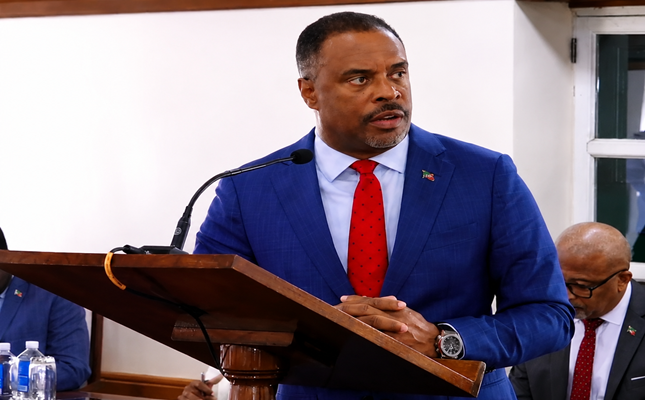
    BASSETERRE, St. Kitts and Nevis — July 15, 2026 — The nation’s Ministry of Justice and Legal Affairs, in partnership with the UNDP PACE Justice Project and the United Nations Office on Drugs and Crime (UNODC), is hosting a four-day capacity-building training for the new Diversionary Caution System, a landmark initiative to reshape the country’s criminal justice sector through more proportional, restorative practice. The training, which runs from July 13 to 16 at a venue in Royal St Kitts, is split into two targeted phases to equip key stakeholders with the knowledge to roll out the reform.

    The first phase, concluded on July 14, brought together roughly 60 frontline police officers to learn the legal parameters and operational protocols of the new framework. The ongoing second phase, which concludes July 16, gathers an additional 50 stakeholders representing a cross-section of justice and support institutions, including the national judiciary, the Office of the Director of Public Prosecutions, the private legal profession, court administration, His Majesty’s Prison, public social service agencies, contracted rehabilitation providers and other relevant government bodies.

    At its core, the Diversionary Caution System establishes a legally structured, regulated alternative to traditional prosecution for eligible, low-level offenders. Rather than automatically pursuing court processing for minor offences, the system directs qualifying cases toward timely, proportionate accountability through a range of tailored interventions. These can include victim reparation, financial compensation, formal apologies, therapeutic counselling, targeted rehabilitation programming, restorative justice practices, educational courses, social support services and other evidence-based interventions approved under the framework.

    The initiative prioritizes restorative justice and rehabilitation over punitive processing for eligible cases. Its core goals extend beyond responding to the offence itself: it aims to address the harm caused to victims and communities, support lasting behavioural change, cut rates of recidivism, and help eligible offenders successfully reintegrate into their families and local communities. Critically, the system retains formal prosecution for serious offences, repeated offending, violent crimes, exploitation cases, and any matter that requires full court intervention, ensuring public safety remains a central priority.

    A diversionary caution can only be granted if strict legal criteria are met. These requirements include sufficient evidence to support a prosecution, a voluntary admission of responsibility by the offender, informed consent to participate in the diversion process, and a formal assessment confirming diversion serves the public interest. The framework also mandates meaningful victim engagement, standardized official record-keeping, regular monitoring of compliance with intervention conditions, clear consequences for breach of terms, and ongoing institutional oversight to ensure consistent, accountable application across all cases.

    Opening the initial police training session, Attorney General Garth Wilkin emphasized that the reform is not intended to excuse criminal behaviour. Instead, he explained, the system is designed to ensure the justice system delivers the right response for each individual case. Wilkin reiterated that diversion must operate within a transparent legal framework, anchored in evidence, voluntary consent, victim input, proper documentation, ongoing oversight, and clear consequences for noncompliance. He added that successful national rollout will require disciplined practice and coordinated collaboration across all relevant institutions, from law enforcement and prosecution services to judicial bodies, social service providers and government ministries.

    Deputy Commissioner of Police Cromwell Henry echoed Wilkin’s remarks in his opening address to participating officers. “The Diversionary Caution System represents a modern approach to policing and justice,” Henry stated. “For the Royal St. Christopher and Nevis Police Force, this initiative reinforces our commitment to fair, proportionate, and evidence based policing.” He also stressed that it is critical all law enforcement officers fully understand the legal requirements and operational responsibilities tied to the new framework to ensure consistent implementation.

    To support practical implementation, the reform will be backed by a national Directory of Programmes and Service Providers. This centralized resource will help authorized officers and justice institutions quickly identify vetted, appropriate services to match the intervention conditions attached to a diversionary caution, including counselling, rehabilitation, restorative justice programming, education, social support, and employment readiness training. The directory ensures intervention conditions are not just procedural formalities, but are connected to real-world services that address the underlying drivers of offending, support accountability, and enable effective monitoring of compliance.

    The Ministry of Justice and Legal Affairs has credited the UNDP PACE Justice Project with playing an instrumental role in advancing the reform from policy development to operational readiness. The project has provided financial, programmatic, and institutional support to help the ministry build out the framework and prepare for national launch. UNODC, meanwhile, has served as a key technical partner, leading the design and delivery of the four-day training program. UNODC worked closely with local officials to adapt training content to align with St. Kitts and Nevis’ unique legal, institutional and operational context, and provided hands-on guidance and support to both police officers and senior justice sector stakeholders.

    The combined support from UNDP and UNODC has ensured the reform is not only enshrined in national legislation, but also backed by the institutional expertise, operational guidance, and cross-sector partnerships required for effective, sustained implementation. The Diversionary Caution System forms a core part of the St. Kitts and Nevis government’s broader agenda to modernize justice administration, strengthen the rule of law, expand access to justice, reduce unnecessary case backlogs and pressure on the court system, and build a criminal justice system that is firm, fair, proportionate, restorative, and trusted by the public. The ministry extended gratitude to all national, regional, and international partners that have contributed to advancing the reform.

  • Minister announces end to secondary school registration fees

    Minister announces end to secondary school registration fees

    In a policy announcement released Tuesday via NBC Radio, St. Vincent and the Grenadines’ Minister of Education and Vocational Training Phillip Jackson has introduced a major cost-cutting reform for secondary education: the full elimination of all registration-related fees for incoming Form 1 students at public and government-assisted private secondary schools across the nation.

    Jackson, who also holds ministerial portfolios for innovation, digital transformation and information, framed the fee removal as a core component of the ruling New Democratic Party (NDP) government’s wider initiative to reduce financial burdens on Vincentian households amid ongoing cost of living pressures. The decision came after months of research and internal deliberation by the Ministry of Education, and was crafted to align with both the national Education Act and the NDP administration’s stated commitment to expanding accessible education, he explained.

    “This new policy reflects the ambitions of the Education Act, the broader vision Prime Minister Godwin Friday has laid out for equitable education access across St. Vincent and the Grenadines, and our party’s promise to ease cost of living burdens for local families,” Jackson stated in his pre-recorded address to parents, guardians and the general public.

    Under the terms of the new policy, all fees categorized as registration, application processing, and admission fees are scrapped entirely for first-year secondary students attending eligible institutions. While the overarching policy mandate has been finalized at the ministerial level, Jackson noted that individual secondary schools will issue customized, updated registration packets with specific implementation details tailored to their own processes. He urged families to wait for direct communication from their child’s assigned school before moving forward with registration paperwork or payments.

    Addressing the fact that some schools had already opened registration cycles and collected fees from early applicants under the old fee structure, Jackson confirmed that all affected households will receive full refunds. Individual institutions will publish clear timelines and instructions for processing these refunds, he added.

    The minister took full accountability for the late timing of the policy shift, acknowledging that the change may cause temporary administrative disruptions for schools and confusion for families. However, he emphasized that the decision to move forward with the reform now was driven by a commitment to delivering on the government’s campaign promises as quickly as possible, and prioritizing the long-term financial well-being of students and their families.

    “Please be assured that we are acting in the best interests of our students and their families as our administration and the ministry implements its commitment to ensuring that every child has equitable access to quality and affordable education,” Jackson said, calling on parents and guardians to extend patience to school administrators as they adapt their processes to the new policy framework.

  • School Leavers Empowered with Essential Money Management Skills at ASPIRE Financial Symposium

    School Leavers Empowered with Essential Money Management Skills at ASPIRE Financial Symposium

    In a proactive push to strengthen youth financial literacy ahead of their transition into adulthood, dozens of final-year high school students from across Nevis gathered this week for the ASPIRE Financial Symposium, an interactive skills-building event focused on equipping young people with practical money management knowledge.

    Held at the Nevis Performing Arts Centre (NEPAC) and led by stakeholders including the Eastern Caribbean Central Bank, the half-day event forms a key component of the St. Kitts and Nevis national financial education initiative branded ASPIRE, short for Achieving Success through Personal Investment, Resources and Education. The overarching program was developed to arm young citizens across the federation with the foundational knowledge, practical skills and self-assurance required to build stable, long-term financial futures.

    Speaking at the symposium’s opening ceremony, Honourable Troy Liburd, Minister of Education and Youth within the Nevis Island Administration (NIA), praised the federal government for launching the impactful initiative, emphasizing the lifelong value of early financial discipline.

    “Learning how to manage resources intentionally and put money to productive use is a discipline that serves people for their entire lives,” Liburd said. “I want to commend our Federal Government for putting this initiative in place. It’s a wonderful project, and I hope all young people embrace what ASPIRE has to offer. It will set the younger generation of the federation on strong footing for saving and investing for their future.”

    Unlike traditional classroom-based financial lectures that rely heavily on theory, the ASPIRE Symposium centered on hands-on, engaging activities that let students apply core financial concepts to real-world scenarios. Curriculum covered all the critical topics new adults need to navigate independent finances: opening and maintaining a personal bank account, monthly budgeting basics, core strategies for saving and investing, how credit works and the responsibilities that come with borrowing, and frameworks for setting aligned financial and career goals.

    The event kicked off with icebreaker exercises that prompted students to reflect on their own existing attitudes toward money. One of the most popular interactive activities, “Sort That Expense,” challenged participants to categorize spending items into needs and wants, a core skill for building realistic budgets. Another simulation, “Living on a 20 Green Leaves Income,” asked teams to manage a fixed monthly household income, make spending tradeoffs aligned with their priorities, and balance competing demands on a limited budget.

    A dedicated guest presentation from the Eastern Caribbean Central Bank introduced attendees to the ECCU First Step Savings Account, a specialized product designed to help new savers build their first financial safety net. Additional activities covered smart consumer shopping strategies, step-by-step financial goal-setting, and vision boarding exercises to encourage students to visualize and plan for their long-term financial aspirations. Through collaborative group work and a spoken word competition, participants also explored the interconnected relationship between their career goals, expected future income, regular budgeting, and consistent saving.

    To reinforce core concepts, organizers integrated quizzes and guided discussions on foundational economic and financial principles including compound interest, the impact of inflation on purchasing power, and long-term saving strategies. These activities helped students understand how small, everyday financial choices can accumulate to shape their long-term financial well-being.

    The ASPIRE program is rooted in the core vision of embedding responsible financial management habits in young people from an early age, before they face the independent financial responsibilities of post-school life. By combining structured education, interactive entertainment, and hands-on practical experience, the initiative makes financial literacy accessible and relevant to young learners, while building positive habits that create ripple benefits for students, their families, and entire communities.

    Following the conclusion of the symposium, event organizers shared that they are confident the program provided participating school leavers with the actionable tools they need to navigate new financial responsibilities, pursue their personal and professional ambitions, and make informed, sound financial choices as they move into the next phase of their lives.

  • Four Financial Services Bills Receive First Reading in the Nevis Island Assembly

    Four Financial Services Bills Receive First Reading in the Nevis Island Assembly

    CHARLESTOWN, Nevis – July 14, 2026 marks a key milestone for regulatory modernization in Nevis’ growing financial services sector, as four targeted amendment bills to upgrade the island’s core financial legislation passed their first reading during a weekly sitting of the Nevis Island Assembly. The legislative package was formally introduced by Honourable Mark Brantley, who serves dual roles as both Premier of Nevis and Minister of Finance within the Nevis Island Administration (NIA).

    The four bills put forward by Brantley cover every major segment of Nevis’ corporate and international financial ecosystem: the Companies Ordinance (Amendment) Bill 2026, the Nevis Business Corporation Ordinance (Amendment) Bill 2026, the Nevis Limited Liability Company Ordinance (Amendment) Bill 2026, and the Nevis International Banking (Amendment) Bill 2026. All four proposals completed the required first reading step immediately after their introduction to the chamber.

    Following the completion of the first reading process, the Nevis Island Assembly adjourned sine die, meaning no fixed date for the next sitting has been scheduled at this time. This procedural move paves the way for further stakeholder consultation, committee review, and amendment ahead of the second reading and final vote that will determine whether the reforms become law.

    The proposed amendments are widely framed as a strategic effort to strengthen Nevis’ overall financial services regulatory framework. Updates to corporate, limited liability company, and international banking rules are expected to bring the island’s regulatory standards in line with evolving international best practices, boost transparency, and reinforce Nevis’ competitiveness as a global offshore financial center. This press release was originally issued by the NIA and published in full by SKNVibes.com, which notes it does not edit original submissions for spelling or grammar, and the views contained do not necessarily represent those of the outlet, its sponsors, or advertising partners.

  • Ruim 1.860 kilo drugs verbrand na onderschepping op Surinamerivier

    Ruim 1.860 kilo drugs verbrand na onderschepping op Surinamerivier

    In a public, transparency-focused operation held Tuesday in Kraka, Suriname’s Para district, law enforcement officials incinerated nearly 1,864 kilograms of seized illicit drugs with an estimated street value of more than $5.5 million. The large narcotics shipment was uncovered less than a week prior, following a targeted interception carried out by the country’s Justice Intervention Team (JIT) along the Suriname River.

    JIT team leader Radjinderkoemar Panchoe outlined the details of the interception in press statements: the contraband was hidden aboard a low-profile small cargo vessel called a barkas, which had departed from Dijkveld and was en route to the river’s mouth when JIT agents stopped the craft. After diverting the boat and its passengers to the Coast Guard jetty near the MAS area, law enforcement conducted a thorough search, ultimately uncovering the cache hidden in a secret compartment. The seizure consisted of 1,616 individual packages, each weighing approximately one kilogram on average.

    When questioned by reporters about the relatively fast timeline for destroying the seized drugs, Panchoe emphasized that the operation strictly followed the public prosecutor’s office established protocols and policy. He clarified that destruction only proceeds after all required legal procedural steps are completed, including full documentation of the shipment’s weight, the collection and securing of test samples for mandatory chemical analysis. As of the operation date, authorities have taken 10 people into custody in connection with the smuggling plot: one Surinamese national and nine foreign citizens.

    To prepare the narcotics for incineration, officials layered the packages between fuel pellets and discarded vehicle tires, before dousing the entire stack with accelerant. The entire pile was set ablaze shortly after preparation, with members of the press present to observe the full process. Before the incineration, authorities conducted random sample testing to confirm the packages contained illicit narcotics, and allowed reporters to select which packages to test. Two separate testing methods confirmed all selected packages contained illegal drugs, matching the contraband packaging descriptions.

    A key detail emerging from the seizure is that the individual packages bore distinct logos from multiple different groups, a marker Panchoe said indicates the shipment sourced from multiple separate producers. He reiterated a key point about Suriname’s role in global drug trafficking: the country does not produce illicit narcotics, and shipments are typically trafficked into Suriname across air, sea, and land routes before being moved onward to international markets. Early investigations indicate this large seized shipment was ultimately bound for foreign destinations, Panchoe added, noting the probe into the smuggling network remains ongoing.

    The public destruction operation represents part of Suriname’s ongoing push to disrupt transnational drug trafficking networks that use the country as a transit hub. By allowing press access to both testing and incineration, authorities aimed to demonstrate accountability and highlight the progress of anti-trafficking enforcement efforts.