博客

  • Sir Garfield Sobers (1936-2026) Cricket figures mourn ‘man of grace, greatness’

    Sir Garfield Sobers (1936-2026) Cricket figures mourn ‘man of grace, greatness’

    The global cricket fraternity is in mourning this week following the death of one of the sport’s most iconic figures, Sir Garfield Sobers, the National Hero of Barbados, who passed away at 89 at his home on Friday after a period of illness, just 11 days shy of his 90th birthday. Tributes have poured in from across the world from commentators, administrators and players alike, all celebrating Sobers’ unparalleled legacy both on and off the pitch.

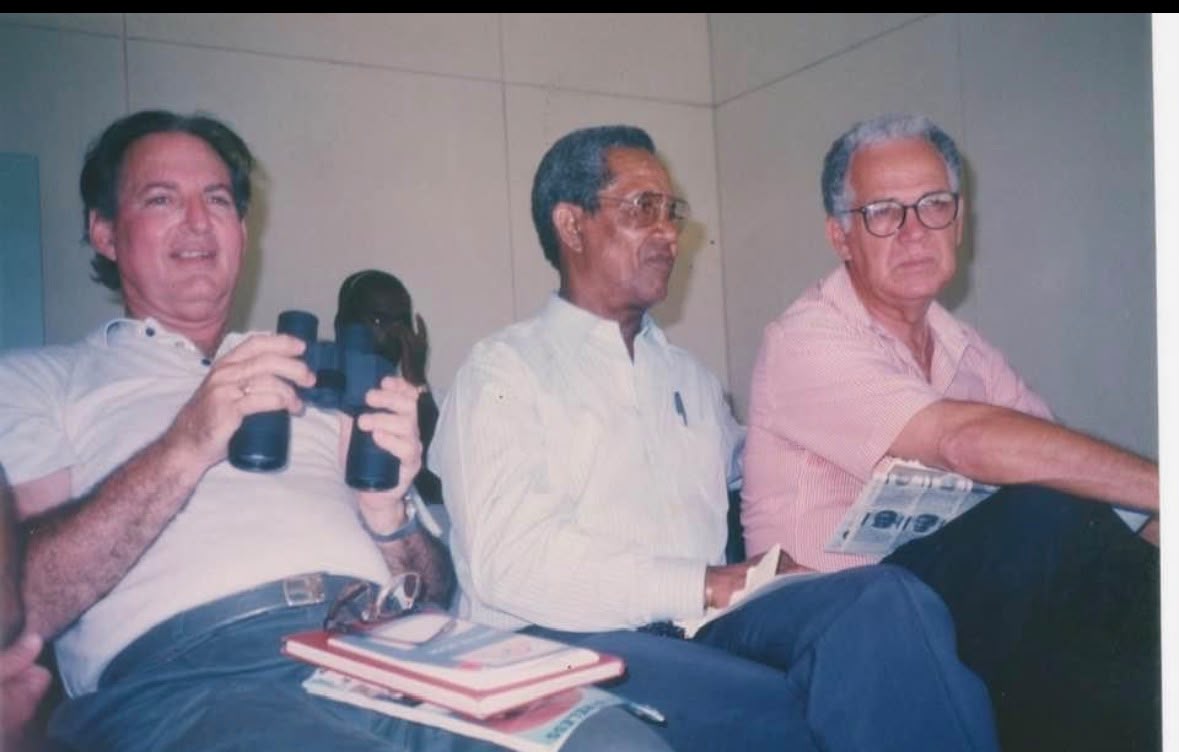
    Veteran cricket commentator Joseph Reds Pereira, who watched Sobers play on multiple occasions and later built a close friendship with him after his retirement, shared his earliest memories of the all-rounder. As a young cricket-mad boy, Pereira stayed up late to listen to radio commentary of the 1961 opening Test, where Sobers scored a brilliant 132 runs, an innings that still stands out in his memory as one of the most special performances he has ever witnessed. Pereira first saw Sobers play in person in 1955, and the pair grew much closer during the 1978 Kerry Packer World Series Cricket in Australia, where Sobers served as a relaxed, charismatic ambassador for Caribbean cricket. Pereira recalled how Sobers would casually reach out to arrange a round of golf, a hobby the legend remained passionate about long into retirement. One of Pereira’s most cherished memories is watching Sobers take the pitch alongside fellow West Indies great Rohan Kanhai at Bourda in Guyana, an experience he described as watching two kings of the game walk out to bat.

    The news of Sobers’ death broke mid-play during the annual Sir Garfield Sobers Under-19 Cricket Tournament, a youth competition he founded 32 years ago that is hosted across Barbados, including at Queen’s College. Ricky Clarke, the tournament’s co-ordinator, called the news devastatingly hard to process, having worked closely with Sobers since the legend invited him to join the event in 1991. Clarke remembered Sobers’ remarkable grace, a quality that defined his character long before he earned national hero status. He emphasized that Sobers took a deeply hands-on approach to running the tournament, which has nurtured multiple generations of young cricketers, including the iconic Brian Lara, who competed in the event early in his career, along with dozens of top young players from across the Caribbean and the United Kingdom. Clarke echoed the widespread belief across the sport that Sobers is unequivocally the greatest cricketer of all time, noting that his status as a Barbadian National Hero is a perfectly fitting honor for a man who gave so much to his country and the global game.

    Commentator Wayne Holder shared that he felt like he had lost a close family member when he heard the news, noting that Sobers is such a core part of Barbadian national identity that the entire country has lost a beloved member of its extended family. Reflecting on Sobers’ well-known humility despite his global fame, Holder recalled a chance early-morning encounter decades ago at Enid’s Bar in Baxters Road, where both men stopped in for patties. When Holder introduced himself as a young fan, Sobers made time for him, and from that point on always recognized and greeted Holder on every subsequent meeting across the years.

    Andy Payne, president of Maple Cricket Club and a graduate of the Sir Garfield Sobers Schools Competition, shared personal memories of Sobers’ kindness off the pitch. Beyond cricket, Sobers was a dedicated golfer who represented Barbados in the sport from the 1970s through the 2010s, and founded the Sir Garfield Sobers Festival of Golf, where he served as patron. Early in Payne’s career, when he worked in tourism and struggled to get time off to compete in domestic cricket, Sobers personally intervened with Payne’s employer to argue that the young rising player deserved the opportunity to play. Like others, Payne summed up Sobers’ legacy simply: for his contributions to cricket, tourism and Barbadian national life, he will always be remembered as the greatest of all time.

    On the pitch, Sobers’ statistical achievements remain staggering decades after his retirement. He represented the West Indies in Test cricket between 1954 and 1974, playing 93 matches, scoring 8,032 runs at an average of 57.78, and taking 235 wickets at an average of 34.03, proving his dominance as one of the sport’s greatest all-rounders. In 1958, he hit an unbeaten 365 against Pakistan, a record that stood as the highest individual Test score for more than 36 years. He made another piece of history in 1968, when captaining Nottinghamshire against Glamorgan in first-class cricket, he became the first batsman ever to hit six sixes in a single over.
  • Police mark first UWI-accredited crime scene training course

    Police mark first UWI-accredited crime scene training course

    A landmark collaboration between the Barbados Police Service (BPS) and the University of the West Indies (UWI) has reached a historic milestone, graduating its first group of formally accredited crime scene investigators – a development set to elevate evidence handling protocols and reinforce the judicial readiness of the island nation’s policing efforts.

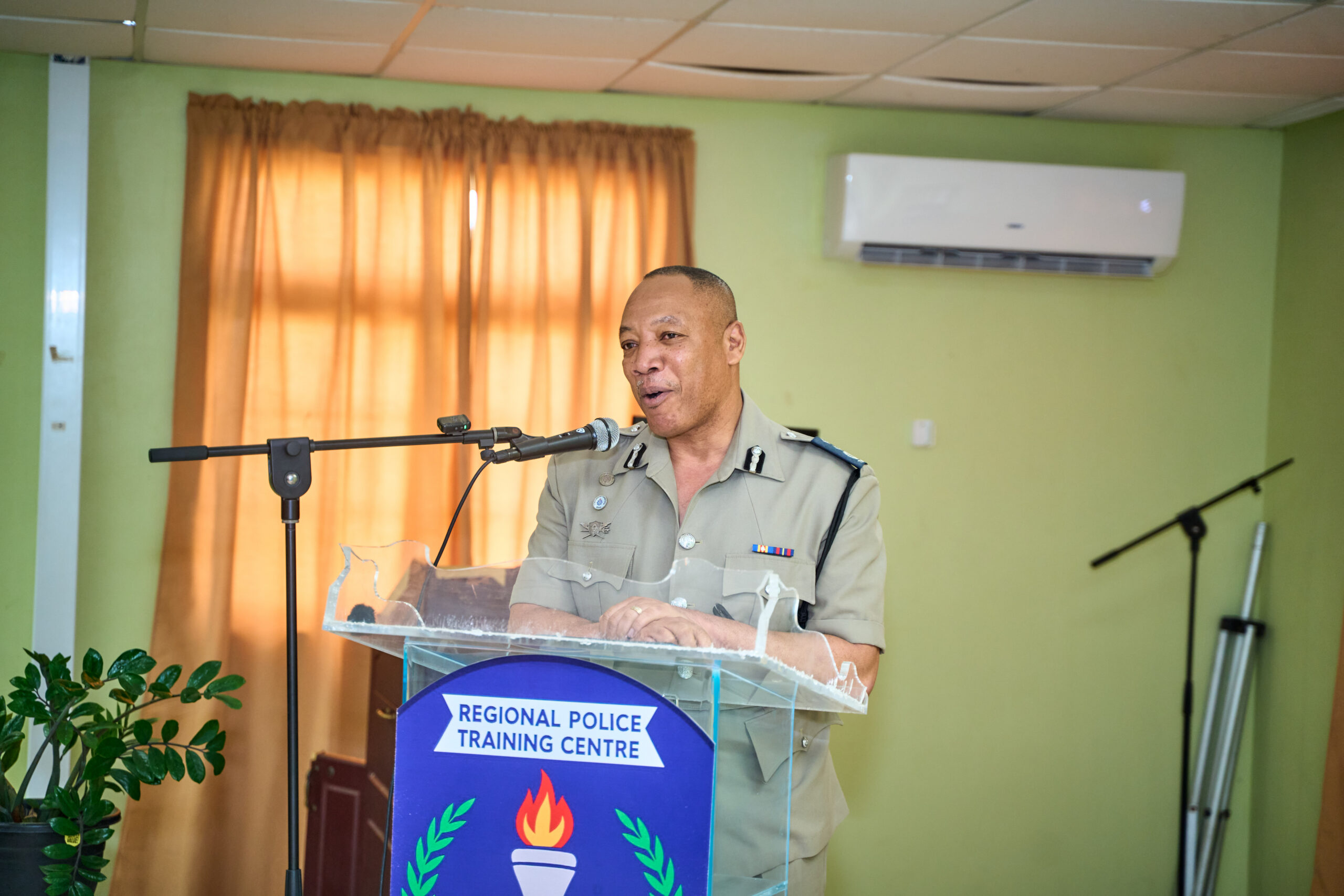
    The newly launched Basic Crime Scene Investigation and Management programme, the product of this cross-sector partnership, marks a major step forward in boosting the professional standards of law enforcement in Barbados, according to Deputy Commissioner of Police (DCP) Adrian Broomes. Speaking at the graduation ceremony held at the Regional Police Training Centre, Broomes emphasized that the initiative reflects the police force’s ongoing commitment to nurturing highly skilled investigative personnel equipped to meet the complex demands of 21st-century policing.

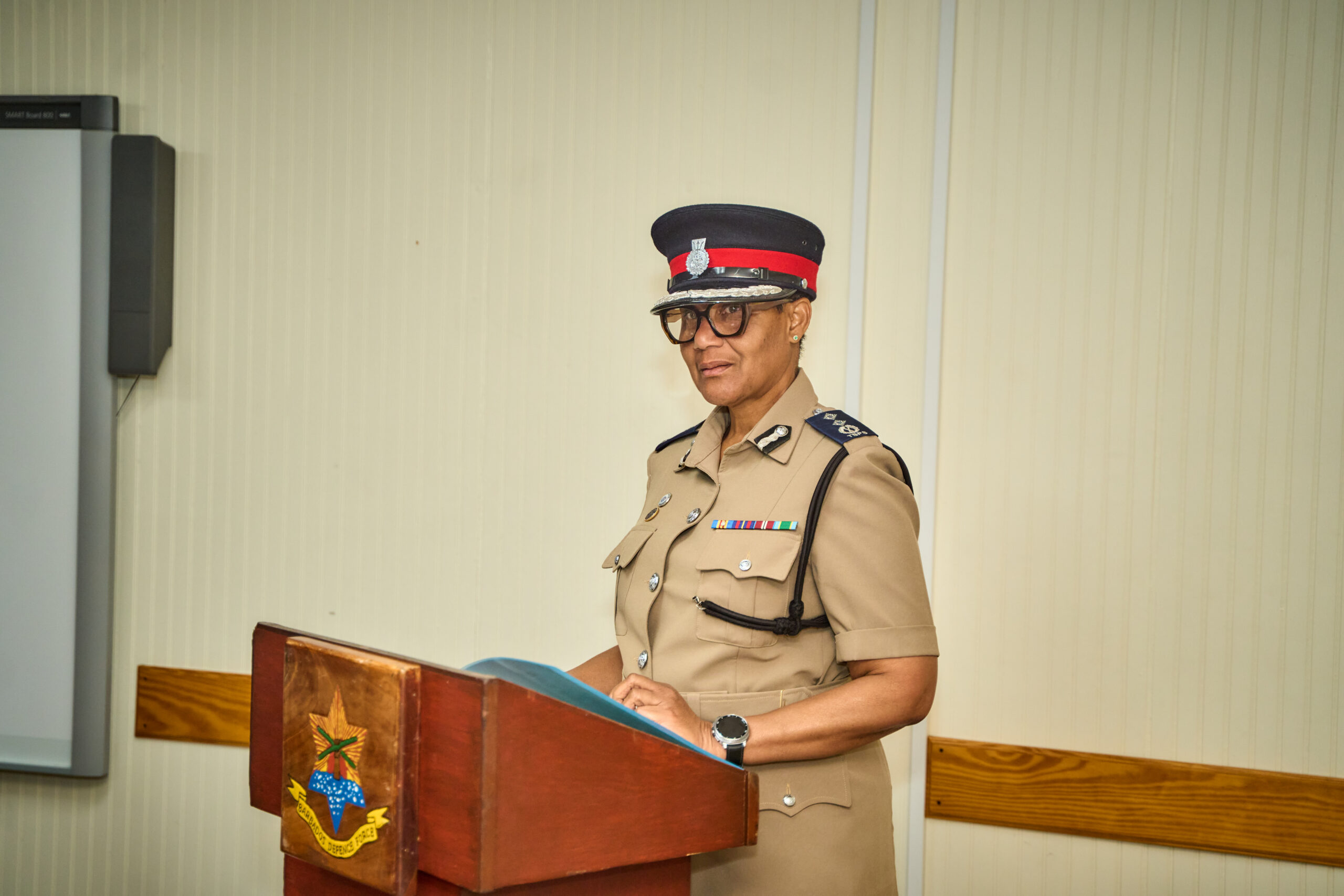
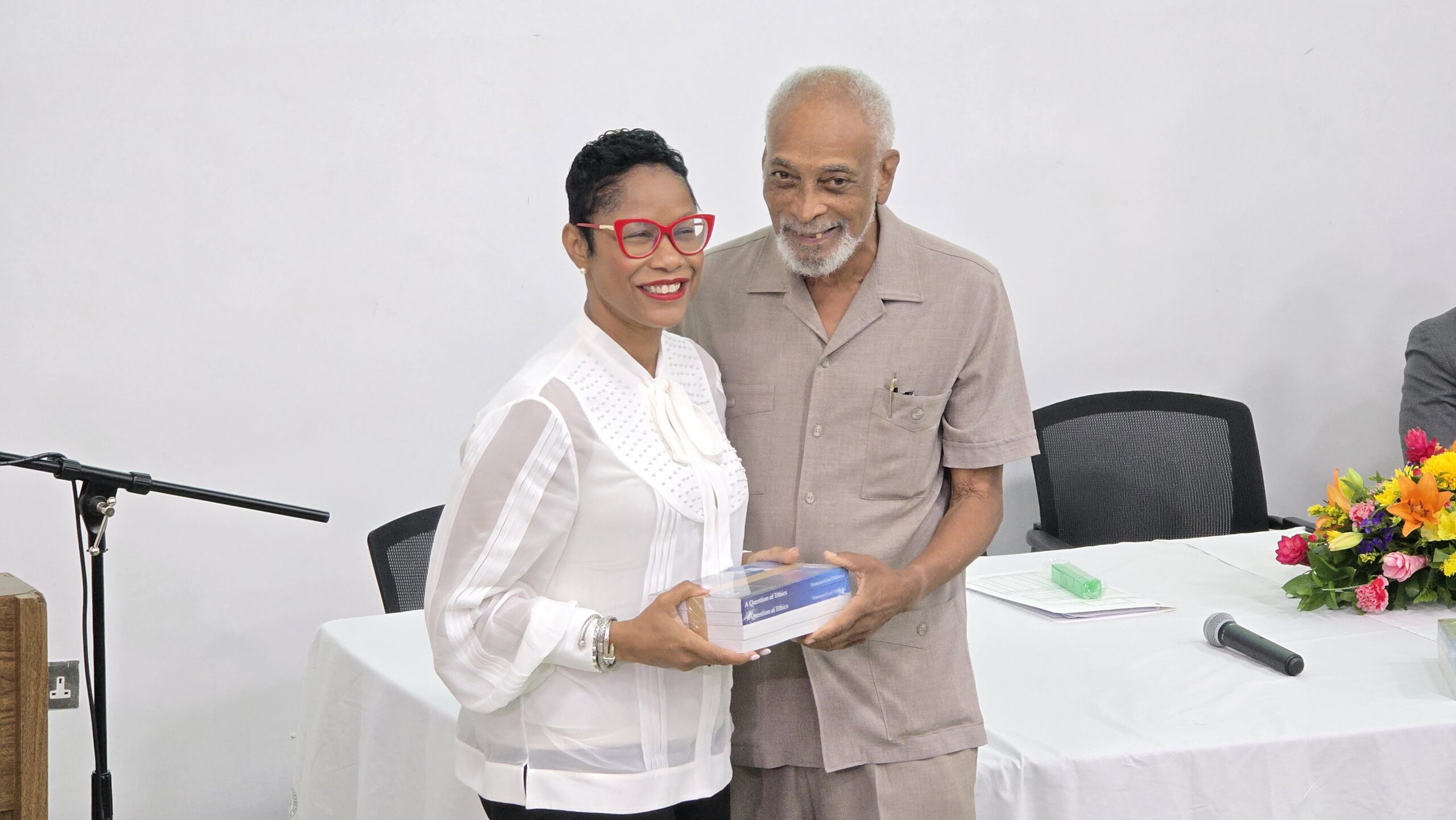
    Over the course of the intensive training programme, participants mastered a comprehensive curriculum covering every critical domain of modern crime scene work. Core modules included crime scene logistics management, scene preservation protocols, detailed evidence documentation, trace and biological evidence collection, traffic collision investigation, latent fingerprint development, DNA evidence handling, forensic photography, digital and electronic evidence processing, ballistics fundamentals, and best practices for presenting evidence in judicial proceedings. During the ceremony, DCP Broomes presented the top graduate award to Sergeant 1364 Roz’Marie Ward-Waterman. (Photo Credit: Shamar Blunt)

    Broomes noted that these covered skills form the foundational backbone of contemporary policing and functional criminal justice systems. Reminding graduating investigators of the weight of their public mandate, he stressed that law enforcement personnel are entrusted with three core responsibilities: serving the Barbadian public, safeguarding local communities, and conducting all investigative work with unwavering integrity, impartiality, respect for individuals, and steadfast adherence to the rule of law.

    Public trust in policing, Broomes added, hinges entirely on the ability of investigative work to withstand rigorous judicial scrutiny. “Every crime scene is unique, each holding its own critical narrative that can make or break a case,” he said. “But regardless of the circumstances, our methods must be consistent, rooted in cutting-edge practice, and above all, completely beyond reproach.”

    Reflecting on the programme’s incremental growth, Broomes explained that the training initiative began as an internal BPS effort in 2021, expanding gradually through successive training cohorts before this year’s milestone. “This is our third iteration of the course, and it stands as a significant historic milestone because it represents the first formal collaborative effort with the University of the West Indies,” he said.

    Far from being a merely symbolic partnership, the collaboration merges frontline operational policing expertise with UWI’s established academic excellence, with the goal of cultivating investigators who are not just practicing officers, but also lifelong learners equipped to integrate academic research, theoretical frameworks, and evidence-based practices into their daily work, Broomes explained.

    The formal partnership with UWI demonstrates the BPS’s firm commitment to investing in its workforce, elevating professional standards across the force, and strengthening its ability to serve the public with integrity, he added. “By aligning our training with the University of the West Indies, we are affirming that policing is not just a vocation – it is a professional discipline rooted in rigorous knowledge, ethical practice, and continuous professional development,” Broomes said.

    Looking ahead, Broomes expressed optimism about the future of the partnership, noting that transformative progress consistently emerges when frontline law enforcement and academic institutions collaborate. He added that he anticipates more expansive and impactful joint initiatives between the BPS and UWI in the coming years.

  • UWI expands ethics training as healthcare evolves

    UWI expands ethics training as healthcare evolves

    Against a backdrop of rapid global transformation in healthcare – driven by breakthrough technologies, shifting public expectations and emerging public health challenges – The University of the West Indies (UWI) at Cave Hill has announced a major update to its medical training curricula, centering expanded medical ethics education to reinforce physician professionalism and deepen patient-centered engagement. Faculty leadership outlined the changes Friday during the opening of the 25th annual Sir Errol Walrond Scientific Symposium, hosted at Bridgetown’s Queen Elizabeth Hospital.

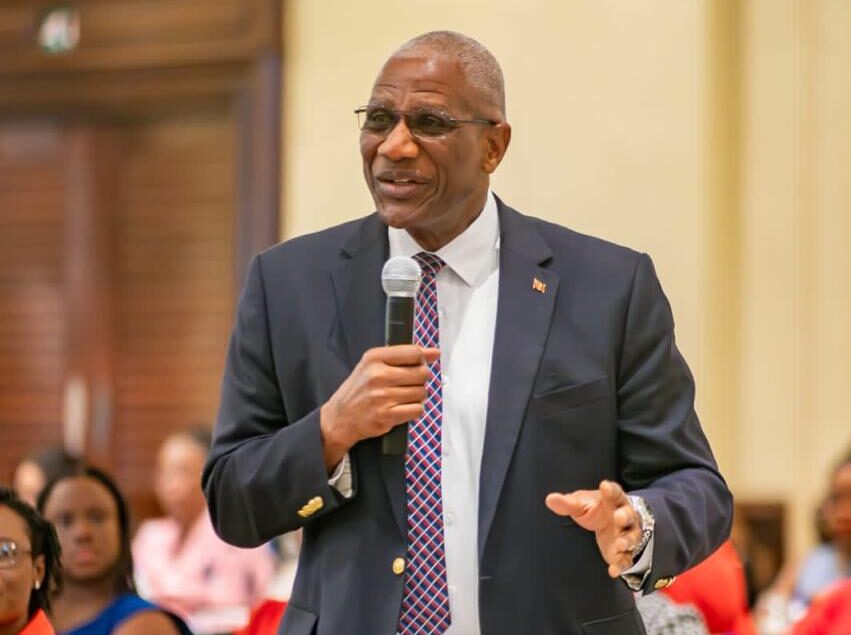
    Dr. Damian Cohall, Dean of the UWI Cave Hill Faculty of Medical Sciences, told attendees that the institution regularly revises its training programs to align with the evolving demands of 21st-century healthcare, equipping graduates with the competencies they need to practice modern medicine. The most significant curricular change, Cohall confirmed, is the strengthening of ethics training for undergraduate medical students, which adds two new academic credits dedicated to the subject at the fourth-year level. While ethics has long been part of medical training at the institution, the revision re-centers the topic as a core, formal requirement, with repeated reinforcement before students enter their fifth and final year of clinical training.

    Cohall explained that the curriculum update was a direct response to feedback from key stakeholders, including the Barbadian government, the general public and industry partners, all of whom have called for greater focus on respectful doctor-patient communication and consistent professional conduct across clinical settings. “We have certainly heard comments from our key stakeholders about the state of engagement between our trainees – both undergraduate and postgraduate – and patients across all clinical and community care spaces,” Cohall said. “We conducted an internal review of all our programs and implemented targeted adjustments to ensure we stay aligned with our core mission: that the interaction between the public and emerging healthcare practitioners is consistently respectful, patient-centered and professional.”

    In addition to the curricular changes, Cohall announced that stand-alone ethics conferences are now a mandatory requirement for both undergraduate and postgraduate medical students at the faculty. To date, the events have drawn far more participation than the institution’s own trainee body: the last two conferences attracted more than 160 attendees total, including practicing clinicians, nurses and other healthcare professionals from across the region. “We don’t want this critical training to be limited only to our medical students,” Cohall noted, acknowledging the cross-professional benefit of expanded ethics education.

    Beyond ethics training, Cohall highlighted ongoing investments to strengthen the faculty’s research capacity, built through strategic external partnerships and targeted grant funding. One key collaboration is with the Sick Kids Initiative, which supports the Shaw Centre of Pediatric Excellence; the partnership has recently funded a new full-time research fellow position at the centre. The faculty currently runs five active catalyst research grants, bringing cutting-edge, community-relevant research projects to both academic and public health spaces in Barbados.

    Cohall challenged medical trainees and residents to pursue transformative research that directly shapes clinical practice and health policy, rather than studies that only generate disconnected data. “One of the key gaps we have identified repeatedly is that we need transformative research from our residents,” he said. “We don’t want research that just counts beans – we want work that changes how care is delivered.” Cohall added that he expects research presented at this year’s symposium will not only secure academic publication but also drive tangible improvements to local healthcare delivery and clinical practice.

    Barbados Minister of Health Senator Lisa Cummins echoed that call in her opening remarks to the symposium, which honors the legacy of legendary Barbadian surgeon Sir Errol “Mickey” Walrond. Cummins framed the work of medical training and research as a foundational investment in the future of regional healthcare, noting that progress emerges at the intersection of evidence-based policy, ethical practice, empirical research and intentional implementation.

    She challenged researchers and trainees in attendance to consider their own professional legacy, following in Walrond’s footsteps by building the “institutional scaffolding” that will support future generations of clinicians and improve population health outcomes. “What is the role of everyone in this room in developing solutions to the pressing healthcare problems we face today?” Cummins asked. “How will you carry forward Sir Errol Walrond’s legacy by carving your own path, and building a foundation that those who come after you can stand on?”

    The minister also reminded attendees that healthcare’s core mission is centered on the people it serves, warning that losing that focus undermines all research, policy and system reform work. “Any time we lose sight of the people on whose behalf we work, research, shape policy and introduce reforms, we have lost sight of the entire point of our work,” she said.

    Cummins also emphasized that medical training must adapt to a host of disruptive forces that are reshaping global healthcare at an unprecedented pace, from technological innovation to climate change. “We are not operating in a vacuum today. Innovations and new interventions are changing our field at breakneck speed: artificial intelligence is already reshaping how we deliver care, genomics is rewriting what precision medicine means, robotics is redefining surgical practice, and climate change is creating public health emergencies that most classic medical textbooks never even considered.” Cummins concluded, “Change is happening. It is already here, and more change is still coming.”

  • Cuba Solidarity Fund reaches landmark $200,000

    Cuba Solidarity Fund reaches landmark $200,000

    A grassroots solidarity movement in Grenada has hit a major milestone in its campaign to support Cuba amid a deepening humanitarian crisis, with the Cuba Solidarity Fund crossing the $200,000 threshold on July 15. All organizational costs for the three months of fundraising activities across the island nation have already been covered, meaning every dollar raised will go directly to relief efforts for the Cuban people.

    The fundraising drive has been a truly nationwide effort, with events hosted across every parish of Grenada, plus the smaller island territories of Carriacou and Petite Martinique. Community groups organized a diverse slate of activities: a formal dinner at the Grenada Trade Centre, a major concert, three separate community breakfasts in Town, Mt Moritz, and StPaul’s, a combined health fair and breakfast in the capital St George’s, a raffle, community barbecue and motorcade in St Patrick, an evening soiree dedicated to Cuba in St Andrew, two back-to-back breakfasts and an additional raffle in St David. Volunteers also ran donation collections at hundreds of churches across the entire country, with more contributions still being processed.

    Church communities have accounted for the two largest individual donations to the fund. The Roman Catholic Church contributed $61,469.29, while the Seventh Day Adventist Church donated $32,572.00, both deposited to the fund’s bank account this week. Additional contributions have already arrived from the Methodist and Presbyterian churches, with more church donations expected to be finalized within the next seven days. Two of the largest standalone fundraising events, the May 6 dinner at the Grenada Trade Centre and the May 15 soiree at St Andrew’s Rainbow Inn, generated a combined net profit of just over $50,000.

    The campaign launched in April 2026 with an official media briefing, timed to coincide with the 47th anniversary of diplomatic relations between Grenada and Cuba on April 14. It is led by Citizens for Cuba, a non-partisan, citizen-led coalition open to all residents, united by the shared goal of helping Cuba address its worsening humanitarian emergency.

    Cuba has faced growing hardship in recent months, compounded by more than six decades of U.S. economic blockade that has been exacerbated by tightened sanctions. The country is currently suffering acute shortages of fuel, basic food staples, and critical medical supplies. Widespread, extended blackouts have become a daily reality across the island, and dozens of urgent, life-saving medical procedures have been forced to be canceled, resulting in multiple preventable deaths.

    For Grenadians, the campaign is an opportunity to repay decades of selfless support Cuba has given to their nation. Cuba’s most iconic contribution to Grenada is the construction of the country’s international airport, but it has also provided hundreds of university scholarships for Grenadian students and deployed dozens of Cuban medical specialists across multiple disciplines to strengthen Grenada’s public health infrastructure.

    Operating under the theme “Grateful Grenada Gives Back to Cuba,” the drive has drawn support from across all sectors of Grenadian society, with donations flowing through community organizations, churches, trade unions, and direct individual contributions. Direct donations can still be made to the campaign via the Humanitarian Relief Inc. account at the Grenada Co-operative Bank, account number 11302334. The solidarity drive remains ongoing, with two additional recent events held: a combined breakfast and lunch hosted by the St Paul’s Sports and Culture Organisation on June 20, and a luncheon organized by the Technical and Allied Workers Union on July 3. More donations from trade unions and additional church groups are expected within the next week.

    Citizens for Cuba has issued a statement of deep gratitude to every organization and individual across Grenada, Carriacou, and Petite Martinique that has contributed to the initiative, noting the broad cross-section of society that has backed the effort. When all outstanding pledges and donations are collected within the next two weeks, organizers project the total fund will reach an impressive $250,000, a testament to the widespread gratitude of the Grenadian people for their long-standing ties to Cuba.

  • PM Browne Celebrates Daughter’s UK Master’s Graduation

    PM Browne Celebrates Daughter’s UK Master’s Graduation

    One of the most defining moments for any parent comes when they watch their child cross a major academic finish line, and for Antigua and Barbuda Prime Minister Gaston Browne, that moment recently unfolded thousands of miles from home in the United Kingdom.

    Browne made the journey across the Atlantic to take part in Britney Browne’s graduation ceremony, where his daughter was conferred a Master of Science degree in International Business from Anglia Ruskin University, one of the UK’s growing modern higher education institutions. In an exclusive interview with local outlet Antigua.news following the ceremony, the head of government called the occasion among the most personally gratifying experiences of his entire life.

    The prime minister did not hold back in celebrating his daughter’s years of effort that led to this milestone, emphasizing that her advanced degree was not the result of luck, but of consistent grit, late nights of study, and unwavering dedication to her academic goals. Beyond the personal family celebration, Browne used the moment to reaffirm a long-held core belief: that investing in education remains the single most valuable commitment that both individual families and entire nations can make. For families, it opens doors to new opportunity and upward mobility; for countries, it builds a skilled, competitive workforce that drives long-term growth, he argued.

    Browne also shared a message of encouragement for young people across Antigua and Barbuda, saying he hopes Britney’s achievement will inspire the next generation to pursue advanced tertiary education and never settle for anything less than their personal best. Even amid the relentless demands of leading a small island nation, the prime minister stressed that making time for this family event was non-negotiable, noting that the day served as a powerful reminder that family priorities hold equal weight to public responsibilities for leaders and ordinary citizens alike.

  • WeBiz Bajan launches to bring biz services into communities

    WeBiz Bajan launches to bring biz services into communities

    Barbados has unveiled a groundbreaking national small business support initiative, WeBiz Bajan, designed to cut through bureaucratic red tape and deliver end-to-end assistance directly to local micro-entrepreneurs and aspiring business owners across the island. Developed through a cross-organizational partnership between Barbados Trust Fund Limited and the Office of the Supervisor of Insolvency, the new program reimagines how government and public bodies support grassroots economic growth by unifying fragmented services into a single, accessible offering.

    For decades, small business owners in Barbados have faced the frustrating challenge of navigating multiple separate government agencies to access basic resources: one entity for financing, another for business registration, a third for skills training, and yet more for operational guidance. Kevin Hunte, Permanent Secretary of the Ministry of Energy, Business Development and Consumer Affairs, emphasized that WeBiz Bajan upends this outdated model entirely. “Instead of requiring entrepreneurs to go from door to door chasing support, we bring government services directly to you,” Hunte explained at the program’s launch. “Every resource you need to launch or grow a business—from information and financing to employment support and sustainability tools—is available in one centralized location.”

    Hunte highlighted that micro-entrepreneurs, street vendors, and local innovators form the backbone of Barbados’ domestic economy, working long hours to create local jobs and keep community capital circulating. This initiative, he said, is a formal acknowledgement of their critical importance, signaling that the government recognizes and values their contributions to national prosperity.

    The collaboration between Barbados Trust Fund Limited and the Office of the Supervisor of Insolvency raised eyebrows at first, as the two organizations typically work at opposite ends of the business lifecycle. But Barbados Trust Fund CEO Gerald Amos noted that the partnership makes intuitive sense once the shared mission is clear. The Trust Fund helps emerging entrepreneurs build opportunities before challenges arise, while the insolvency supervisor supports business owners navigating financial hardship to get back on stable footing. “On paper, it might look like an unusual pairing, but at its core, this is just two groups of people working together to help other people build better lives,” Amos explained. His experience working on the initiative has shifted his perspective on public sector collaboration: after years believing that support for local entrepreneurs was insufficient, he said he has now found a network of dedicated public servants united around a common goal of becoming the “single front door” for small business support.

    Three islandwide community expos are scheduled through late 2024 to bring WeBiz Bajan services directly to local populations, with a special focus on accessible energy efficiency and renewable energy solutions for small businesses. Representatives from the Ministry of Energy and Barbados National Energy Company Limited will attend each event to demonstrate practical solar power and energy-saving systems, which Hunte noted can cut operating costs for small businesses, freeing up capital to reinvest in inventory, staff, and growth.

    The first expo will open on August 29 at Trents in St James, followed by events at Glebe in St George on September 19 and Rices in St Philip on October 24. Each expo will include family-friendly activities for children, local culinary demonstrations, and showcases of authentic Barbadian products alongside business support services.

    A centerpiece of the initiative is the C-suite Challenge, a pitch competition hosted at each expo that gives aspiring local entrepreneurs the chance to turn their business ideas into actionable ventures. Winning pitches receive a comprehensive business development package valued at over $32,000, including $22,000 in cash grants, access to a $10,000 low-interest loan from the Barbados Trust Fund, one year of personalized mentorship, business incubation support, branding and marketing assistance, and exhibition space at future national trade events.

    Neisha Holder, a member of the WeBiz Bajan event planning team, noted that the program is built on the belief that Barbados’ next iconic local brand is already being developed in community homes, garages, and home kitchens across the island. “The C-suite Challenge gives emerging creators the platform, funding, and tools they need to share their ideas with the world and build successful, sustainable businesses,” Holder said. Organizers are currently inviting additional private sector companies to join the initiative as preparations for the first St James expo progress.

  • Sir Garfield Sobers (1936-2026) Police chief recalls role in Sobers’ early cricketing rise

    Sir Garfield Sobers (1936-2026) Police chief recalls role in Sobers’ early cricketing rise

    The Caribbean nation of Barbados is this week mourning the loss of one of its most celebrated citizens, cricket icon and National Hero Sir Garfield St Aubrun Sobers, and no institution is marking his passing with more heartfelt reflection than the Barbados Police Service. The force, which played an uncredited foundational role in launching Sobers’ legendary sporting career, has paid warm tribute to the all-rounder, framing his life as a timeless beacon of excellence, discipline and unshakable national pride for all Barbadians.

    Though Sir Garfield never served as a sworn police officer, his path to international stardom began when he was just a 15-year-old Police Band cadet. It was Inspector Wilfred Farmer, then captain of the Police First Division team competing in the Barbados Cricket League, who first spotted the young left-arm bowler’s extraordinary raw talent. For the 1951–1952 season, Farmer extended a formal invitation to Sobers to join the police squad, a opportunity that would alter the trajectory of cricket history.

    That early spot on the Police First Division team proved to be the critical stepping stone Sobers needed to grow his craft. Competing against top-tier regional batsmen allowed the teenage prospect to refine his skills far faster than he could have in lower-level local competition. It also put his talent on the radar of selectors, opening the door to trials for the Barbados national side, his first-class debut in 1953, and his historic Test debut for the West Indies just one year later.

    In an official statement released Friday, Barbados Police Commissioner Sonia Boyce extended condolences on behalf of every officer and staff member of the force to Sir Garfield’s family, friends, and millions of admirers across the globe. “It is with profound sadness that I…on behalf of the men and women of The Barbados Police Service, extend heartfelt condolences to the family, friends, colleagues, and countless admirers of The Right Excellent Sir Garfield St Aubrun Sobers,” Boyce said.

    Boyce emphasized that Sir Garfield’s impact extended far beyond the boundary of any cricket pitch, describing him as “more than a cricketing legend”. “He was a son of Barbados whose extraordinary gifts, discipline, humility, and love of country carried the name of this island to every corner of the world,” she added. Widely recognized as one of the greatest all-rounders to ever play the game, Sir Garfield inspired generations of cricketers not only through his performances with bat and ball, but through his quiet leadership and the unwavering dignity with which he represented Barbados and the entire West Indies region, Boyce noted.

    For the Barbados Police Service, Boyce explained, Sir Garfield’s passing carries extra weight because of the decades-long bond between the institution and the legend. Long before Farmer rose to the rank of deputy police commissioner, he identified the teenager’s potential at the Police Sports Club, and his early confidence in Sobers created space for the young prospect to develop within the force’s sporting fraternity. Beyond his time on the First Division squad, Sir Garfield also cut his teeth through involvement with the Police Boys’ Club and the Police Band, all of which gave him access to structured competitive cricket during his formative teenage years.

    Today, that shared history is permanently enshrined at the Police Sports Club in Weymouth, where interpretive panels mark the exact spot where “a national hero’s legendary journey took flight”, Boyce said. The force has always treasured that connection, she added, and Sir Garfield’s life stands as a powerful reminder of what young talent can achieve when paired with discipline, perseverance, and national pride.

    “His life demonstrated that talent, when joined with discipline, perseverance, and pride in country, can transcend circumstance and leave an enduring mark on the world,” Boyce said. “May his family find comfort in the gratitude of a proud nation, and may his legacy continue to inspire future generations. May he rest in peace.”

  • 2 men with history of violence among 3 killed in K’town

    2 men with history of violence among 3 killed in K’town

    On a Friday night in the capital city of Kingstown, St. Vincent and the Grenadines, a brazen public shooting left three men dead just hundreds of meters away from the island nation’s Central Police Station, shocking local communities and adding to a growing count of annual homicides. The three victims have been identified as Claude John, a resident of Redemption Sharpes, and Ottley Hall locals 35-year-old Karon “Twin” Bowens and 24-year-old Giovannie Grant.

    The attack unfolded in the Chinatown district of Kingstown, a busy commercial and social corridor situated opposite Central Police Station, nestled between the Solidarity Carpark and the capital’s fish market. This stretch of the city is a common gathering spot for locals, who regularly congregate here to eat, drink, socialize, and gamble, making the public attack all the more alarming.

    Preliminary reports from the scene outline a coordinated, targeted assault: two masked gunmen crept toward the group from the seaside path behind the city’s public washroom before opening fire, striking all three men fatally at the scene. Local law enforcement has not yet released an official statement on the incident, the investigation, or potential motives as of press time.

    The killings push the total number of homicides recorded in St. Vincent and the Grenadines for the current year to 27. While this marks a 13-homicide drop from the 40 killings recorded in all of 2025, the year still has five months remaining, leaving open the possibility that the final count could narrow the gap between this year and last.

    Criminal analysts and insiders with knowledge of local gang activity have posited that John was likely an unintended casualty of the attack, with Bowens and Grant the actual intended targets. Both men had lengthy criminal histories that had previously put them in the national news headlines.

    Grant’s criminal record stretches back several years and includes multiple violent and non-violent offenses. In June 2023, he was sentenced to three years and nine months in prison for assaulting his ex-girlfriend in a public attack that unfolded shortly after police had already warned him to stay away from her. The assault began in Little Tokyo and escalated to a public punch to the woman’s face under the Courts gallery on Upper Bay Street, after Grant failed to force his way into the car where she had sought safety.

    That September 2023, Grant received an additional one-year prison sentence for stealing EC$200 from a sanitation worker who had fallen asleep at the Public Health Department in Kingstown in January of that year. More recently, in May 2027, he faced a new wounding charge for allegedly cutting a 23-year-old Campden Park woman on the left hand during an incident in Kingstown; he was granted EC$2,900 bail ahead of a trial scheduled for February 8, 2027. That same March, he was charged with stealing EC$100 in cash from a 53-year-old South Rivers farmer at the Solidarity Carpark in February, pleaded not guilty, was granted EC$500 bail, and no update on the case’s court status is currently available.

    Bowens, meanwhile, had a repeated history of firearms-related offenses dating back to 2009. That September, he was sentenced to three years in prison after being caught carrying a Ruger GP 100-357 Magnum revolver and six rounds of .38 special ammunition by Rapid Response Unit officers in Ottley Hall. Officers reported that Bowens threw the weapon into nearby brush when he realized he had been spotted approaching the patrol.

    In May 2027, Bowens was again imprisoned for firearms-related violence: he received concurrent sentences totaling five years for possession of an unlicensed firearm, discharging the weapon, and wounding after he fired at Kemel Peters of Green Hill, accidentally striking Aaron Delpesche of Chateaubelair instead. Both Bowens and Grant also faced a joint 2022 charge of possession of 54 pounds of mutton suspected to be stolen, alongside two other co-defendants.

    This triple killing marks the second multiple-homicide shooting in Kingstown so far this year. On April 10, two men — 29-year-old Enrique “Shoubu” John of Layou and 22-year-old Raheem Guy — were shot and killed in the Stony Ground neighborhood of the capital. Enrique John, one of the victims, had been out on bail for two attempted murder charges at the time of his death, just two days after a court ruled he could retain bail despite violating his curfew. He was also a co-defendant in a high-profile credit union robbery case from July 2024 that brought multiple charges against five separate suspects.

  • Final Call for Nominations for National Honours 2026

    Final Call for Nominations for National Honours 2026

    With just weeks remaining until the nomination window closes, authorities have issued a final urgent reminder to communities across the nation to submit their candidates for the 2026 National Honours programme. This prestigious annual initiative recognizes outstanding individuals whose contributions have left an indelible mark on public life, spanning everything from grassroots volunteer work to decades of professional achievement in service of the national good.

    The National Honours system, established to celebrate the diverse talent and dedication of people from all walks of life, accepts nominations for a range of awards that recognize different levels of achievement and service. Eligible candidates include community organizers who have lifted up disadvantaged neighborhoods, educators who have transformed young lives, healthcare workers who have gone above and beyond in patient care, innovators who have driven national progress, and volunteers who have given countless hours to charitable causes.

    Officials overseeing the programme emphasize that no nomination is too small, and that unsung heroes who have worked quietly behind the scenes are just as eligible for recognition as high-profile public figures. To complete a nomination, submitters must provide detailed information about the candidate’s work, the impact it has had on their community or the nation, and supporting references from people who can speak to their contributions.

    The final deadline for all submissions is fast approaching, and late applications will not be accepted under any circumstances. Members of the public are encouraged to start the process early, gather all required documentation, and submit their nominations well before the closing date to ensure they are considered. After the nomination window closes, an independent advisory committee will review all submissions, conduct thorough assessments, and forward recommendations to relevant government bodies for final approval.

    Recipients of the 2026 National Honours will be announced in a formal ceremony later next year, with many of the award winners invited to attend a national celebration of their achievements. Programme organizers have stressed that this recognition not only honours individual recipients but also serves to inspire others to contribute to the public good and strengthen national communities.

  • Midden-Oostenconflict kan Caribische economieën treffen; Suriname mogelijk in uitzonderingspositie

    Midden-Oostenconflict kan Caribische economieën treffen; Suriname mogelijk in uitzonderingspositie

    Growing geopolitical friction in the Middle East is emerging as a dual threat: not only does it risk further destabilizing already jittered global energy markets, but it also carries far-reaching economic repercussions for small island nations across the Caribbean, leading regional economists have warned.

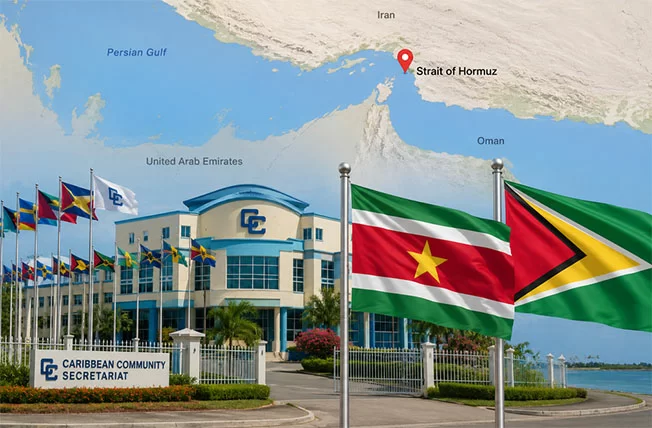
    New concerns have been triggered by a fresh uptick in international crude oil prices and growing instability around transit through the Strait of Hormuz, one of the world’s most critical energy chokepoints. Roughly 20% of the global oil supply passes through this narrow strategic waterway on a yearly basis. In a dedicated analysis of the Middle East conflict’s spillover effects on global energy markets and the world economy, the International Energy Agency (IEA) has emphasized that prolonged disruption to shipping through the strait poses a major risk to global energy security. The agency’s report details how even limited disruptions in this corridor can ripple out to push energy prices higher, stoke renewed inflationary pressures, and erode energy affordability for households and businesses across every region of the world.

    For most Caribbean countries, a sustained jump in oil prices would trigger immediate, direct economic harm. The vast majority of regional economies are heavily reliant on imported fossil fuels to power electricity generation, public and private transport, and industrial production. As a result, higher energy costs pass through almost instantly to rising household living expenses, pushing up food prices and transport fares for everyday consumers.

    Beyond broader cost-of-living pressures, the region’s core economic engine — tourism — also faces significant downside risk. More expensive fuel increases operating costs for international airlines and cruise lines, which typically pass these extra expenses on to consumers in the form of higher ticket prices. That makes travel to Caribbean destinations less affordable for international visitors, which can ultimately dampen tourist arrivals and cut into the billions of dollars in annual revenue the sector generates for local economies.

    The outlook is more nuanced for two regional outliers: Suriname and Guyana. While Suriname will still face higher prices for imported goods and transport services if tensions worsen, it ranks alongside Guyana as one of the Caribbean’s emerging oil producing nations. A prolonged period of elevated global oil prices could, over the longer term, boost expected revenue from Suriname’s developing offshore oil production projects. Guyana, which has rapidly grown to become a major net oil exporter over the past several years, is already reaping the benefits of current high crude prices.

    Earlier reporting from Reuters confirms that recent Middle East tensions stand to further increase Guyana’s oil export revenue, even as the surge in production creates new challenges for sustainable economic development and management of its fast-expanding petroleum sector. For Suriname, where first commercial offshore oil production is still being prepared for launch over the coming years, the current global situation underscores how critical it is for policymakers to plan for prudent management of future oil revenues. At the same time, until domestic production scales up, Suriname remains highly vulnerable to rising import costs and fuel price spikes.

    Economists stress that while higher global oil prices will eventually deliver extra revenue for producing nations in the region, these benefits will only materialize once full-scale production is operational. In the interim, if the Middle East conflict continues to escalate, Suriname’s households and businesses will overwhelmingly feel the negative impacts of higher transport and import costs. The unfolding crisis makes clear just how interconnected global markets are: events thousands of kilometers away can quickly translate into tangible economic shifts across the Caribbean’s small, open economies.