博客

  • OPINION: Caribbean Bail – How Long Is the String

    OPINION: Caribbean Bail – How Long Is the String

    A decades-long former criminal lawyer based in the Cayman Islands has sounded the alarm on a cascading crisis of failing criminal justice systems across the Caribbean, rooted in outdated colonial-era structures that current regional governments have repeatedly failed to reform.

    New data from Cayman Islands law enforcement underscores the scale of the problem: more than 800 residents of the small British Caribbean territory are currently living under court-ordered liberty restrictions amid open, slow-moving investigations. When including defendants awaiting trial, that figure is expected to double, leaving thousands trapped in legal limbo. Strikingly, more than 20% of the Cayman Islands’ total population holds a criminal conviction – a statistic that gives unsettling new context to the territory’s annual Pirates Week cultural festival.

    This crisis persists despite the Cayman government allocating $100 million to law enforcement, a budget that prioritizes other enforcement priorities over proactive crime prevention. The issue is not isolated to the Cayman Islands: the same systemic failures are replicated across nearly every Caribbean nation, with little meaningful action taken to overhaul broken frameworks. The territory’s recently elected administration has drawn particular criticism for its inaction on the persistent crime and justice crisis, even after a mass shooting took place in the Premier’s own electoral district, with no substantial youth violence intervention programs launched in the aftermath. In its first months in office, the government prioritized approving budget allocations for official government chauffeurs, a perk that several principled ministers openly rejected.

    These problems stretch far beyond the Cayman Islands. Across the region, archaic, colonial-era law enforcement and legal systems inherited from past imperial rule remain entrenched, acting as enablers for ineffective, failing administrations. In Jamaica, for example, hundreds of accused individuals have languished in prison for decades, only to be released on the brink of death with minimal compensation for their wrongful or unnecessary detention.

    For ordinary law-abiding Caribbean residents, the scope of the crisis often goes unseen in daily life. As residents go about routine activities – grocery shopping, visiting banks, or walking through city neighborhoods – they are routinely surrounded by individuals out on police bail, defendants awaiting trial, and repeat offenders released from overcrowded prisons. If the public fully grasped how widespread this issue is, many would be too afraid to leave their homes, analyst Peter Polock argues.

    Regional governments have a long track record of kicking meaningful reform of broken crime prevention and justice systems down the road, perpetuating the cycle of crisis. Polock points to a striking example from the Cayman Islands: a former Director of Public Prosecutions, now a sitting judge, once claimed that any public criticism of the justice system would damage its reputation, a defensive mindset that has kept failed systems stagnant for years. Today, there remains a severe lack of both innovative policy thinking and funding to address backlogged court dockets, overcrowded police holding cells, and overcapacity prisons across the region.

    Polock outlines simple, immediate reforms that could begin unclogging broken systems. One low-cost change is to allow administrative rescheduling of court and police hearings, a practice already used in some lower courts, that would eliminate the requirement for defendants to make repeated unnecessary court appearances outside of trial, charging, or release proceedings. The current system of endless, repeated bail hearings creates massive unnecessary bureaucratic bloat that clogs dockets and traps defendants in limbo for years. Jamaica’s justice minister has already taken a small step toward addressing this issue by adopting a reform model first tested in Rwanda, but Polock argues this incremental change is far from sufficient, and other regional governments must go further to implement full systemic change.

    Another critical shift that needs to happen, Polock argues, is dispelling the widely held myth that harsher criminal penalties reduce or eliminate crime. This policy has never worked, he notes: even in jurisdictions where murder rates have fallen, other violent crimes including rape, assault, and home invasion often remain high or continue to rise. Announcing tougher sentencing is a tired political tactic, used by politicians and their legal advisors to mislead the public into thinking meaningful action is being taken, when no substantive prevention work is actually underway. The only effective way to reduce crime is to address root causes before offending occurs, Polock emphasizes.

    Meaningful systemic change cannot come from within the existing political and bureaucratic establishment, Polock argues. Building more security grilles for homes and businesses is not a solution to the underlying crisis. Instead, progress requires modern, practical policy proposals from a new generation of political leaders, rather than the entrenched old guard that has preserved the failing status quo for decades, often promising not to run for reelection only to continue blocking reform.

    Polock calls on the Caribbean diaspora to stop supporting performative, fake administrations that have consistently failed to deliver effective anti-crime strategies. There is no shortage of young, innovative politicians with modern ideas, who do not come from nepotistic political dynasties, that deserve the chance to lead regional reform and rescue Caribbean communities from this ongoing crisis. At the end of the day, regional residents must take action to help themselves, Polock concludes.

    Peter Polock practiced criminal law in the Cayman Islands for several decades. He is the author of multiple nonfiction books including *The Last Hot Battle of the Cold War: South Africa vs. Cuba in the Angolan Civil War* (2013), *Jamaica, The Land of Film* (2017), and *Guerrilla Warfare: Kings of Revolution* (2019), and contributed to the *Encyclopedia of Warfare* in 2013. His latest work documents Soviet and Russian espionage activities, profiling nearly 500 Soviet spies expelled from almost 100 countries between 1940 and 1988.
  • Hope for the Future in Antigua and Barbuda Engages Community on Protecting Children from Unhealthy Food Marketing

    Hope for the Future in Antigua and Barbuda Engages Community on Protecting Children from Unhealthy Food Marketing

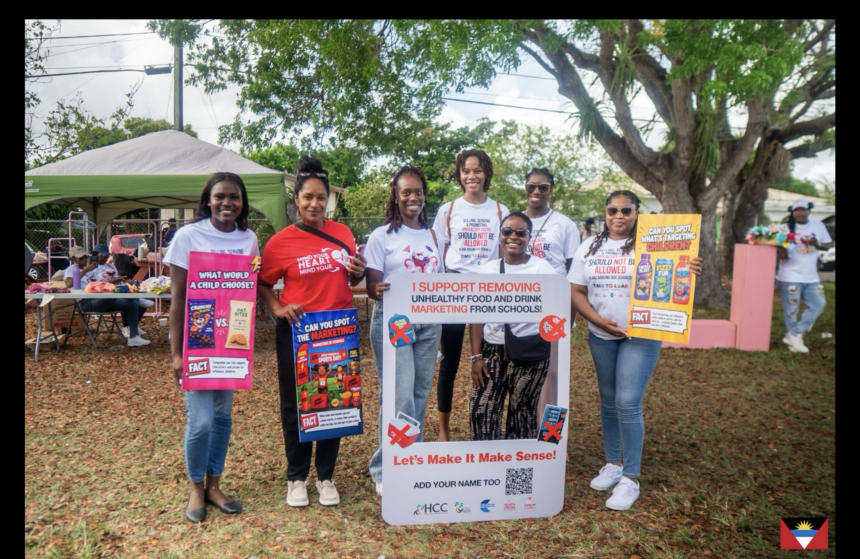
    Across the small twin-island nation of Antigua and Barbuda, a growing public health movement named Hope for the Future is bringing together local community leaders, educators, healthcare workers, and parents to address an often-overlooked threat to child well-being: pervasive marketing of unhealthy, high-sugar, high-fat processed foods aimed directly at young people.

    The initiative, rooted in local public health advocacy, emerged in response to mounting data showing rising rates of childhood obesity, type 2 diabetes, and dental decay across the country, trends that public health officials link directly to aggressive advertising of nutrient-poor food and beverage products on social media, local television, in-store displays near school routes, and community events. Unlike broad national policy pushes that can feel distant to local residents, Hope for the Future centers community engagement at every step: organizers host interactive town halls in parishes across both islands, run parent education workshops that break down how marketing tactics target developing brains, and partner with local schools to teach children how to identify misleading advertising claims.

    Community participants have welcomed the approach, with many parents noting they had not previously recognized how ubiquitous unhealthy food marketing is in spaces their children frequent every day. Local healthcare providers have also backed the effort, emphasizing that preventative action to reduce children’s exposure to these marketing tactics can cut long-term public health costs and improve lifelong health outcomes for the next generation. Organizers say the next phase of the initiative will include developing community-led guidelines for local businesses to limit child-targeted unhealthy food marketing, and pushing for broader regional policy changes to support local restrictions, with the ultimate goal of building a healthier environment for Antigua and Barbuda’s children.

  • CARICOM trade ministers meet in Georgetown for 62nd COTED

    CARICOM trade ministers meet in Georgetown for 62nd COTED

    The 62nd Regular Meeting of the Caribbean Community’s Council for Trade and Economic Development (COTED) kicked off on Thursday, June 11, hosted at the CARICOM Secretariat headquarters in Georgetown, Guyana. Chaired by Hon. Dr. Vince Henderson, Dominica’s Minister of Foreign Affairs, International Business, Trade and Energy, the two-day gathering brings together regional trade ministers and delegates to confront pressing economic challenges and advance the bloc’s shared development agenda.

    In her opening address to assembled attendees, CARICOM Secretary-General Dr. Carla Barnett framed the meeting against a turbulent global economic landscape marked by overlapping cascading crises. Barnett emphasized that persistent disruptions to global energy markets and cross-border supply chains have sent ripples through international financial systems, driven up consumer and producer prices, and created widespread uncertainty that undermines projections for global growth.

    Drawing on latest analysis from the United Nations Conference on Trade and Development (UNCTAD), Barnett outlined a sobering near-term outlook: global merchandise trade is projected to contract, while prices for critical commodities including fuel, food, and fertiliser remain at elevated levels. These combined pressures, she warned, will fuel sustained high inflation, put growing strain on regional food security, and leave small open CARICOM economies disproportionately exposed to sudden external shocks that can reverse years of development progress.

    Against this challenging backdrop, the Secretary-General stressed that the outcomes of this COTED session carry far-reaching consequences for every corner of the Caribbean Community. “Our resilience is being tested, and safeguarding our trade and economic development agenda requires strategic, coordinated and focused efforts,” she stated. “In this regard, the COTED deliberations and decisions continue to be consequential for every member of the Community, particularly businesspersons, consumers, the self-employed, and our young people.”

    At the top of the meeting’s policy agenda is a comprehensive assessment of the CARICOM Single Market and Economy (CSME), the integration framework that Barnett described as “the Region’s core platform for economic development and resilience.” The ongoing review, she explained, reinforces the urgent need for more robust implementation of the Revised Treaty of Chaguaramas, a step required to build a stronger, more durable CSME that can withstand external pressures.

    Barnett specifically highlighted Article 164 of the Treaty, a provision designed to support industrial development across the bloc, particularly in CARICOM’s Lesser Developed Countries. The article enables temporary tariff protection and targeted market access support to nurture growing regional industries, and the Secretary-General extended recognition to the CARICOM Development Fund for its sustained work assisting local firms that leverage these development-focused measures.

    Beyond advancing the core single market agenda, trade ministers will turn their attention to fast-emerging priority areas that align with the shifting demands of the 21st-century global economy. One key topic is digital trade, where regional negotiators have already made steady progress on developing a unified CARICOM digital trade policy that positions the bloc to capitalize on the growing digital segment of global commerce.

    Ministers will also conduct a full review of ongoing developments in the global multilateral trading system, an institution that Barnett acknowledged has faced persistent structural and functional challenges in recent years that have weakened its ability to support small developing economies.

    The 62nd COTED Regular Meeting is scheduled to continue through Friday, June 12, with delegates expected to finalize decisions and forward recommendations to broader CARICOM leadership for implementation. COTED, as the permanent body dedicated to advancing the Caribbean Community’s trade and economic priorities, holds formal responsibility for advancing integration and overseeing the ongoing operations of the CSME.

  • Barbados To Host Caribbean Travel Marketplace, After Antigua and Barbuda’s successful hosting

    Barbados To Host Caribbean Travel Marketplace, After Antigua and Barbuda’s successful hosting

    The Caribbean tourism industry is preparing for one of its most anticipated annual gatherings, as Barbados has officially stepped forward to host the upcoming Caribbean Travel Marketplace. This decision comes after Antigua and Barbuda delivered a widely praised, successful iteration of the event in its most recent hosting cycle, setting a high bar for the island nation of Barbados to build on.

    As a cornerstone event for the regional travel and hospitality sector, the Caribbean Travel Marketplace brings together hundreds of stakeholders, from hotel operators and tourism boards to airline executives, cruise line representatives, and international travel buyers. The event serves as a critical networking hub, where industry leaders forge new business partnerships, showcase destination upgrades, and negotiate travel booking contracts that drive billions in regional tourism revenue annually.

    Barbados’ selection as the next host marks a strategic milestone for the country’s own tourism recovery and growth agenda. In recent years, Barbados has invested heavily in upgrading its hospitality infrastructure, expanding its international flight connections, and positioning itself as a leading destination for both leisure travelers and remote workers through its popular Welcome Stamp visa program. Local tourism officials have noted that hosting the high-profile marketplace will not only highlight Barbados’ ongoing improvements to the global travel community but also generate immediate and long-term economic benefits for local businesses, from transportation and catering to accommodation services.

    Industry analysts point out that the handover from Antigua and Barbuda to Barbados reflects the collaborative spirit of Caribbean tourism stakeholders, who work collectively to boost the entire region’s global visibility. Following the disruptions of the global travel slowdown, the Caribbean Travel Marketplace has taken on renewed importance, as destinations across the region look to rebuild visitor numbers, attract new investment, and adapt to shifting traveler demands, including rising interest in sustainable tourism and experiential travel.

    Preparations for the event are already well underway in Barbados, with organizers confirming that they are incorporating new sustainability initiatives into the event framework, aligning with the region’s collective goal of cutting carbon emissions from tourism and promoting eco-friendly travel practices. Early registration numbers from international buyers and regional exhibitors have already exceeded initial expectations, signaling strong industry confidence in Barbados’ ability to deliver another successful gathering.

  • CHTA Announces Barbados as Host Destination for 2027 Caribbean Travel Marketplace

    CHTA Announces Barbados as Host Destination for 2027 Caribbean Travel Marketplace

    The Caribbean Hotel and Tourism Association (CHTA) has officially unveiled that Barbados will serve as the official host destination for the 2027 edition of Caribbean Travel Marketplace, one of the region’s most influential annual travel industry gatherings. The announcement marks a key milestone in the Caribbean’s ongoing efforts to strengthen its position as a top global tourism destination, while also highlighting Barbados’ growing reputation as a premier venue for international business events.

    Caribbean Travel Marketplace has long served as a critical networking hub, bringing together thousands of tourism stakeholders including hotel operators, travel agents, airline executives, cruise line representatives, and tourism board officials from across the region and beyond. The annual event facilitates thousands of business-to-business meetings, fosters new partnership opportunities, and drives billions in projected tourism revenue for the host nation and the broader Caribbean region.

    In a statement accompanying the announcement, CHTA leadership emphasized that Barbados was selected for its world-class tourism infrastructure, proven track record of hosting large-scale international events, strategic geographic location, and unwavering commitment to sustainable tourism growth. Industry analysts note that hosting the 2027 marketplace is expected to deliver significant economic benefits to Barbados, including increased pre-event tourism visibility, new business investments, and long-term growth in international visitor arrivals.

    Barbados’ tourism authorities have already welcomed the decision, noting that they are already beginning preparations to deliver a seamless, impactful event that showcases the island nation’s unique hospitality, cultural attractions, and advanced tourism facilities to global industry leaders. The announcement comes as the Caribbean tourism sector continues its steady recovery from the impacts of the COVID-19 pandemic, with regional stakeholders working collectively to boost visitor numbers, expand industry partnerships, and build more resilient, sustainable tourism economies across the area.

  • Antigua and Barbuda Faces High Shipping Costs as Caribbean Freight Rates Outpace Global Routes

    Antigua and Barbuda Faces High Shipping Costs as Caribbean Freight Rates Outpace Global Routes

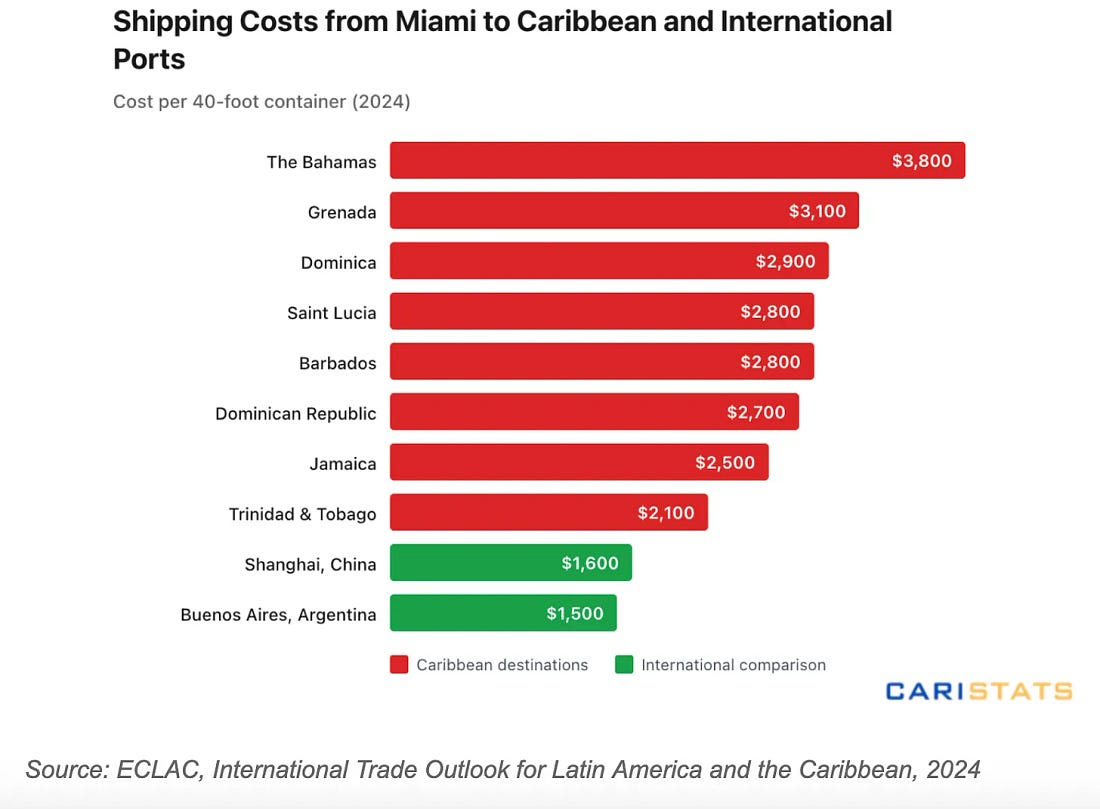
    A counterintuitive pricing trend uncovered in the 2024 Economic Commission for Latin America and the Caribbean (ECLAC) International Trade Outlook has laid bare deep structural flaws in the Caribbean’s maritime logistics network: shipping costs to nearby island nations from major North American hubs are often far higher than freight charges for far-flung global ports thousands of kilometers away.

    Consider this staggering example: moving a standard 40-foot container from Miami, Florida to The Bahamas – a journey of just 144 kilometers – comes with a price tag of $3,800. That is more than double the $1,600 it costs to ship the exact same container all the way to Shanghai, China, a port located nearly 15,000 kilometers across the Pacific Ocean. ECLAC analysis shows this lopsided pricing pattern is not an isolated anomaly; it plagues nearly all port facilities across the Caribbean region, with only a handful of exceptions.

    Multiple interconnected structural challenges drive this so-called Caribbean maritime paradox. First, decades of underinvestment have left most regional port infrastructure ill-equipped to handle the larger, modern container vessels that dominate global trade today. Limited annual cargo volumes at smaller Caribbean ports push per-unit operational costs sharply higher, as carriers are forced to spread fixed expenses across far fewer shipments. Second, infrequent shipping routes – most small island nations only receive weekly service at best – make it impossible to efficiently consolidate cargo, a particular problem for regional exporters of perishable agricultural goods who cannot wait for larger loads to fill available container space.

    This gap in global connectivity is confirmed by the United Nations Liner Shipping Connectivity Index, which shows nearly all Caribbean nations rank well below average for regional maritime infrastructure, with only Jamaica and the Dominican Republic bucking the trend. Compounding these issues is extreme market concentration: just a small handful of major shipping lines control most regional routes, allowing carriers to keep prices artificially high. Many of these routes also see ships returning north to North American hubs empty after dropping off cargo, meaning carriers must charge higher import fees to offset the lost revenue from the return leg of the journey.

    In the most extreme cases, ECLAC estimates that freight costs from Miami to some small Caribbean destinations can reach four times the cost of shipping the same container to Argentina, Uruguay, or even mainland China. The ripple effects of these inflated shipping costs extend far beyond the logistics sector, hitting everyday consumers hardest. ECLAC links these elevated transport costs directly to the Caribbean’s status as the region with the world’s highest cost for a nutritionally adequate diet, where the average daily cost to access healthy food hits $5.16 per person.

    To address this decades-long crisis, regional governments are moving forward with a landmark infrastructure intervention: a joint Barbados-Guyana regional food distribution hub, currently under construction and scheduled for completion in 2026. The project aims to consolidate cargo flows across the region, improve route efficiency, and create enough volume to drive down per-unit shipping costs for food imports and regional exports alike. As of 2024, this hub stands as the most ambitious coordinated effort to untangle the structural knots that have left the Caribbean facing its counterintuitive and economically damaging pricing paradox.

    This analysis draws on data from CARISTATS, a free public data archive that draws on ECLAC’s 2024 trade outlook report. CARISTATS operates on a voluntary support model, inviting readers to pledge future subscriptions to sustain its work, with no charges levied until payment systems are formally activated.

  • Nation’s Brightest Students Honoured at 40th National CSEC Awards

    Nation’s Brightest Students Honoured at 40th National CSEC Awards

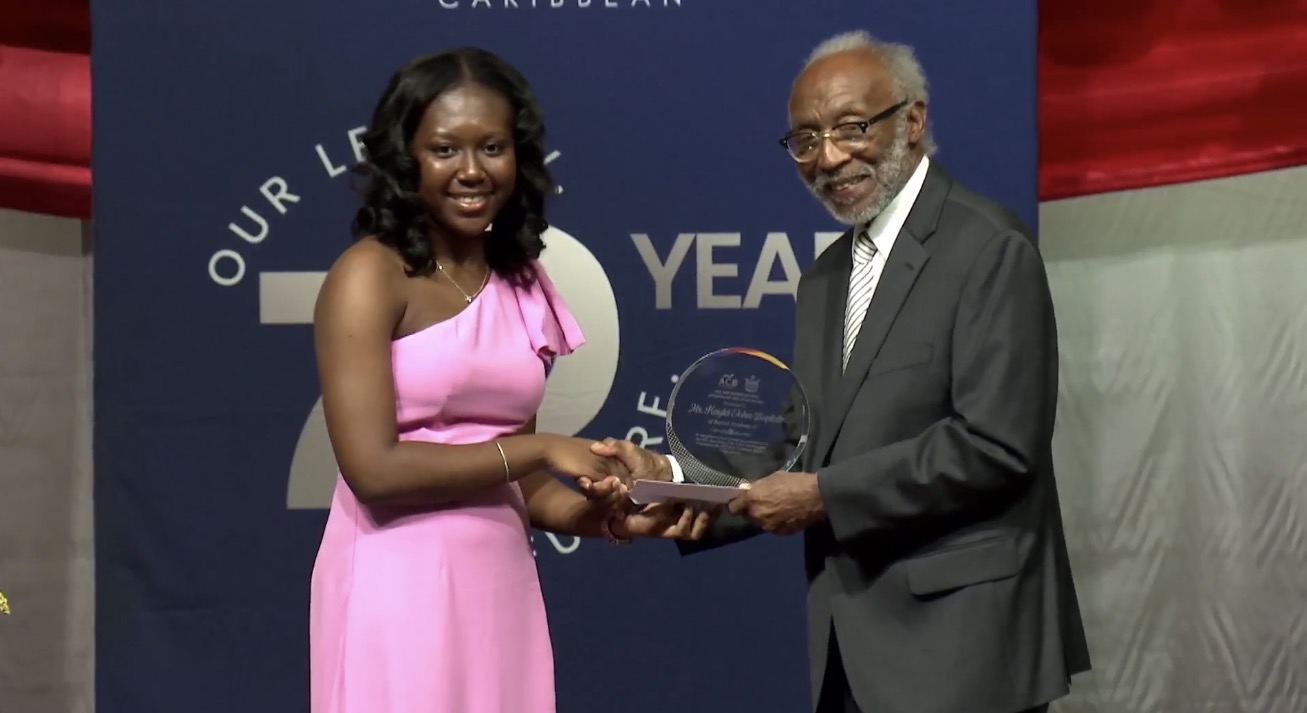
    On Thursday, Antigua and Barbuda’s most exceptional secondary school graduates took center stage as the Ministry of Education, Science and Technology hosted the 40th National CSEC Awards Ceremony, a milestone event celebrating standout performance in the 2025 Caribbean Secondary Education Certificate (CSEC) examinations.

    Organized under the forward-looking theme “Architects of Tomorrow,” the ceremony drew a cross-section of attendees: celebrated students, proud family members, dedicated educators, and senior government officials, all gathered to recognize the young people who earned extraordinary exam scores and regional-level distinctions. The annual event does more than honor individual success—it also highlights the collective work of educators and guardians that underpins student achievement, a mission it has carried forward for four decades.

    Topping the 2025 leaderboard was Kaylei John-Baptiste, a student at Antigua’s Baptist Academy, who claimed the prestigious title of National CSEC Student of the Year. Her historic academic feat included passing all 20 registered subjects, with 18 of those results earning the highest possible Grade One mark. Following closely behind in the national rankings was Kha-lique Harris of St. Joseph’s Academy, who secured second place, while Nayima Lewis—another Baptist Academy student—took third place after notching 16 Grade One passes across her 20 subjects.

    Beyond national honors, the ceremony also spotlighted students who earned spots on the Caribbean region’s overall merit lists for individual subject areas. Standout regional performances included Asia Roberts of Antigua Girls’ High School, who claimed second place across the entire Caribbean for English A; Anwar Stilston of St. Joseph’s Academy, who ranked first regionally in Music; and Khaliq Harris, who secured second place in Industrial Technology.

    Dozens more graduating students were recognized with tiered awards—Platinum, Gold, Silver, and Bronze—handed out based on the number of Grade One passes each student earned, aligned with eligibility criteria set by the Ministry of Education.

    Clare Brown, the nation’s Director of Education, delivered the keynote address to the assembled group, where he commended the awardees for their relentless dedication and persistent effort through the examination cycle. “Your performance in the 2025 CSEC examinations has earned you a place among our nation’s finest scholars,” Brown told the honorees, urging them to maintain their commitment to excellence in all future academic and professional pursuits.

    He also emphasized that strong academic results must be paired with unwavering personal integrity and strong moral character, noting that the long-term trajectory of Antigua and Barbuda will be defined by the choices these young leaders make and the contributions they offer to their communities and the nation in the coming years.

    As the 2025 ceremony wrapped up, organizers reflected on the 40-year legacy of the National CSEC Awards Programme, which has grown alongside Antigua and Barbuda’s education system to consistently celebrate academic excellence and honor the shared investment of students, teachers, and families in advancing national educational success.

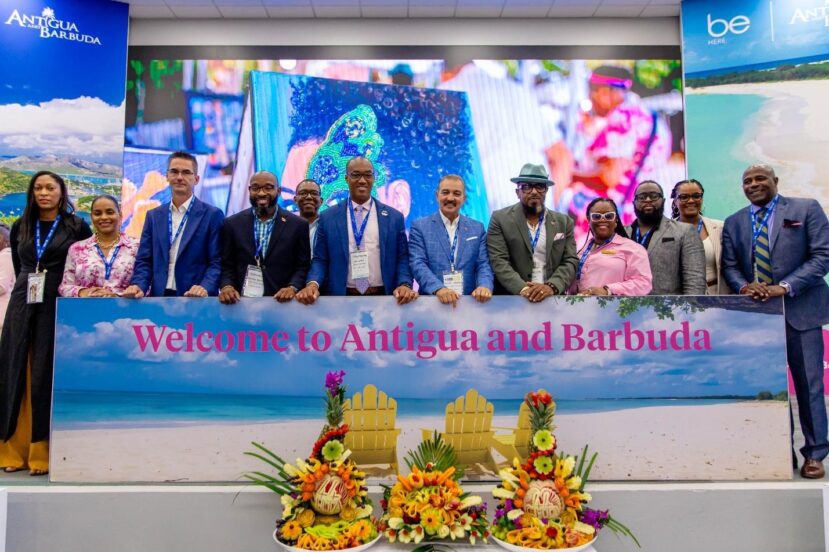
  • Antigua And Barbuda Spotlighted At CTO’s Caribbean Week In New York

    Antigua And Barbuda Spotlighted At CTO’s Caribbean Week In New York

    The Caribbean Tourism Organization (CTO) has brought the twin-island nation of Antigua and Barbuda into the global tourism spotlight during its annual Caribbean Week event held in New York City. This high-profile gathering, which brings together tourism industry leaders, travel media, business investors and hospitality stakeholders from across the globe, serves as a critical platform for Caribbean destinations to showcase their unique offerings to the $1.1 trillion North American travel market.

    During the event, Antigua and Barbuda’s delegation highlighted the nation’s 365 pristine white-sand beaches, world-class luxury resorts, vibrant cultural heritage and newly expanded sustainable tourism initiatives. Delegates held a series of productive meetings with major tour operators, airline executives and potential investors, outlining new investment opportunities in eco-lodges, adventure tourism infrastructure and digital visitor experience upgrades. The nation also used the platform to promote its recently updated entry requirements, which now offer fully visa-free access for travelers from 108 countries, making it more accessible than ever for North American visitors.

    Industry observers note that Caribbean Week in New York comes at a key moment for regional tourism, as the Caribbean works to solidify its post-pandemic recovery and position itself as a leading destination for high-value, low-impact travel. For Antigua and Barbuda, the spotlight at the event is expected to drive a significant increase in visitor arrivals from the U.S. and Canada, while attracting long-term foreign investment that supports the nation’s goal of becoming a carbon-neutral tourism destination by 2030. The CTO has highlighted Antigua and Barbuda’s community-focused tourism model as an example for other small island developing states, emphasizing how balanced growth can benefit both local economies and natural ecosystems.

  • Derde helft WK 2026: Zuid-Korea knokt zich langs Tsjechië 2 – 1

    Derde helft WK 2026: Zuid-Korea knokt zich langs Tsjechië 2 – 1

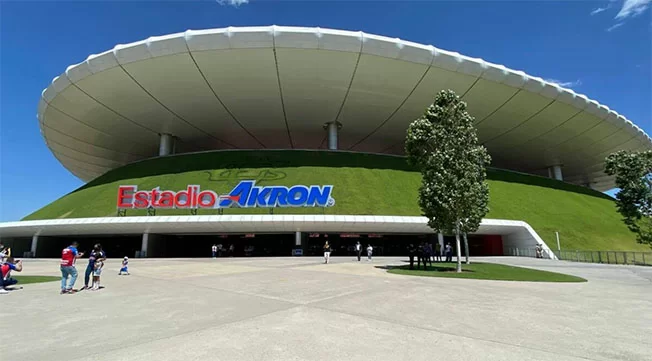
    The 2026 FIFA World Cup delivered its first dramatic comeback story on matchday one of Group A, as South Korea fought back from a second-half deficit to secure a crucial 2-1 victory over Czech Republic at Guadalajara’s Estadio Akron in Zapopan. The thrilling result leaves Group A’s qualification race wide open, with South Korea level on points with tournament hosts Mexico at the top of the standings.

    The opening 58 minutes of the clash was a tightly contested, cagey affair, with both sides prioritizing defensive solidity over reckless attacking risk, resulting in few clear-cut goal-scoring opportunities for either camp. That stalemate was finally broken in the 59th minute, when Czech defender Ladislav Krejčí found the back of the net to put the European side ahead. The goal looked set to give Czech Republic a momentum-shifting opening win, as they held their advantage comfortably for most of the second half.

    But South Korea refused to let the game slip, upping their intensity and pressing high to turn the tide of the match. Just eight minutes after Krejčí’s opener, Hwang In-beom found the equalizer for the Asian side, injecting a massive dose of confidence into his squad that pushed Czech Republic further and further onto the back foot. The full turnaround was completed in the 80th minute, when substitute Oh Hyeon-gyu slotted home the winning goal, capping a dominant second-half performance that saw South Korea seize complete control of the tie.

    While Oh grabbed the decisive goal, all eyes remained on South Korean captain and star forward Son Heung-min, who turned in a match-defining display despite failing to score. Son was constantly available for passes, used his blistering pace and intelligent movement to stretch the Czech defense, and created multiple dangerous chances throughout the 90 minutes. The Tottenham Hotspur attacker had multiple clear opportunities to find the net, but was denied by solid Czech defending and a streak of bad finishing luck. Despite the lack of a goal, Son’s influence on the comeback was undeniable, and he was substituted midway through the second half after putting in a hard-working shift to set up the win.

    Group A also includes hosts Mexico and South Africa, who faced off earlier in the matchday. Mexico kicked off their tournament with a 2-0 win over South Africa, putting them top of the group on goal difference, with South Korea sitting just behind in second place, both holding three points from one match.

    The next round of group stage matches is already set to deliver high-stakes drama. South Korea will face off against hosts Mexico in a clash that could well decide who claims the group’s top spot and advances to the knockout stage. For Czech Republic, their next match against South Africa is a must-win: they need to pick up full points to keep their own hopes of progressing alive.

    For South Korea, this opening comeback victory marks a promising start to their 2026 World Cup campaign. The side proved they have the resilience, tactical quality and attacking firepower to fight back from adverse situations – attributes that could take them far in the tournament as the knockout rounds approach.

  • Column: Van wie is het WK nog?

    Column: Van wie is het WK nog?

    The biggest global sporting spectacle on the planet, the FIFA World Cup, kicked off on Thursday, drawing an audience of billions across every continent. Public squares fill with cheering crowds, bars work around the clock to serve thirsty fans, and for a few weeks, the world feels like it has transformed into one giant, interconnected football family. This unifying power has defined the World Cup for nearly a century: it is one of the rare global events that brings together people from every nationality, language, religion and political background, all bound by a shared love for a single game played with a round ball.

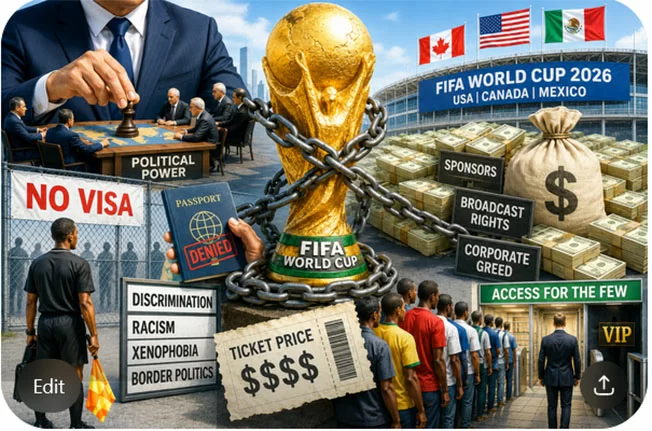
    Yet long before the opening whistle of the first match, an uncomfortable question has once again loomed over this year’s tournament co-hosted by the United States, Canada and Mexico: who does football truly belong to in the modern era?

    The recent controversy surrounding Somali referee Omar Abdulkadir Artan, who faced major barriers entering the United States despite holding an official appointment from FIFA, is far more than an isolated bureaucratic incident. It has become a powerful symbol of a shifting dynamic that has been unfolding for decades. While the World Cup brands itself as a celebration of global equality, behind the scenes, nationality, power, geopolitics and money still dictate access and opportunity.

    This pattern is nothing new. Past tournaments have been marked by persistent tension: debates over exorbitant stadium construction costs in South Africa, mass public protests against billion-dollar infrastructure investments while basic public services were underfunded in Brazil, arguments over geopolitical influence surrounding the Russia World Cup, and widespread scrutiny of migrant working conditions and human rights abuses in Qatar. This year, the core tension centers on immigration policy, border controls, visa restrictions and unequal access for participants and fans alike.

    Time and again, the World Cup proves it cannot exist separate from the problems of the wider world: it is a mirror that reflects global inequality, power imbalances and political divisions. That is why the long-held idea that sport and politics can remain completely separate may be a comforting myth, but it no longer matches reality. Today, the World Cup is a sprawling global enterprise that caters to the competing interests of national governments, international bodies, multinational sponsors, media conglomerates and billion-dollar corporate partners.

    Once, the World Cup was first and foremost a celebration for ordinary fans. Now, it increasingly caters to the needs of sponsors, marketing firms, broadcast rights holders and commercial partners. No one expects a tournament of this scale to run for free; organization and infrastructure require massive investment. But the slow shift has transformed what was once a people’s festival into an exclusive commercial product, priced out of reach for millions.

    For any fan traveling to the United States to cheer on their national team this year, the total cost amounts to a small fortune. Hotel prices have skyrocketed across host cities, domestic airfare has surged to record levels, and match tickets are already among the most expensive in the history of the tournament. On top of that, fans must cover the cost of ground transportation, travel insurance, food and accommodation, pushing the total even higher.

    For millions of supporters across Africa, Asia, Latin America and even low-income regions of Europe, a trip to this World Cup is now financially impossible. The same is true for many fans from the Caribbean and Suriname, communities that have long contributed to the growth of global football. Millions of fans who helped turn the sport into the global phenomenon it is today can only watch from their living rooms on television.

    Even fans watching from home cannot escape the grip of the World Cup’s massive commercial machine. Broadcasters pay billions of dollars to secure exclusive broadcast rights, while sponsors pour hundreds of millions into attaching their brand to the tournament. Every goal, every replay, every press conference is built around a revenue model designed to generate profit for corporate stakeholders.

    For decades, the modern World Cup has not been just about football. This shift is not just disappointing – it carries real risks. Football’s enduring power has always come from its accessibility: you do not need expensive equipment, an exclusive club membership or luxury accommodation to play. All you need is a ball and a patch of open ground. That is what made football the game of workers, students, farmers, children and neighborhood communities across the entire world. Now, the world’s biggest football celebration risks drifting further and further away from the ordinary fan that built the sport.

    Even with all this criticism, billions of people across the world will spend the next four weeks cheering, laughing, groaning and dreaming alongside their favorite teams. An unexpected upset victory by a small underdog nation will still bring an entire country to a standstill in collective euphoria. A last-minute winning goal will still stir raw, genuine emotions that no sponsor can buy and no governing body can manufacture. That unchanging magic of football is still alive.

    But precisely because football holds such enormous, often inspiring power over billions of lives, we cannot shy away from asking these hard questions. Why does access to the tournament remain out of reach for so many? Why do debates over origin, migration and unequal treatment keep resurfacing at every edition? Why do commercial interests grow larger and more central with every World Cup?

    There is no question that the World Cup remains the most beloved sporting event on the planet. But it is long past time for FIFA, host organizers and participating national governments to step back and ask what ordinary fans actually want from the tournament. It is not just bigger stadiums, more expensive hospitality packages and higher revenue streams – it is a tournament that is actually open and accessible to people from every walk of life.

    We can only hope that the inherent beauty of the game will ultimately prove stronger than the politics that surround it and the money that is made from it. Because if the World Cup is supposed to be about anything, it should not be about power or profit – it should be about people.