分类: world

  • Pakistan meest vervuilde land ter wereld in 2025, rapport IQAir

    Pakistan meest vervuilde land ter wereld in 2025, rapport IQAir

    In a sobering environmental assessment, Pakistan has been identified as the world’s most polluted country according to the 2025 annual report by IQAir, a Swiss air quality monitoring organization. The nation’s atmospheric concentrations of hazardous fine particulate matter (PM2.5) reached alarming levels—approximately 13 times higher than the World Health Organization’s recommended safety threshold.

    The comprehensive study, which analyzed data from 9,446 cities across 143 countries, revealed that Pakistan’s average PM2.5 level stood at 67.3 micrograms per cubic meter. While this represents a slight improvement from the 2024 record of 73.7 micrograms, it remains critically elevated. The report underscores a global crisis with only 13 countries and territories managing to maintain PM2.5 concentrations below the WHO guideline of 5 micrograms per cubic meter. A staggering 130 of the 143 monitored nations failed to meet this international standard.

    Bangladesh and Tajikistan followed Pakistan as the second and third most polluted countries respectively. Chad, which had recorded the highest particulate levels in 2024, dropped to fourth position—a decline potentially attributable to data collection irregularities rather than genuine environmental improvement.

    At the municipal level, Loni, India claimed the dubious distinction of being the world’s most polluted city with an average PM2.5 concentration of 112.5 micrograms per cubic meter. The entire list of the top 25 most polluted cities was exclusively composed of urban centers within China, India, and Pakistan.

    In response to this environmental challenge, multiple nations are implementing countermeasures. Pakistan has introduced stricter environmental regulations targeting industrial and vehicular emissions, alongside campaigns to reduce agricultural waste burning—a significant contributor to smog in cities like Lahore. Bangladesh is investing in cleaner energy sources and enhancing public transportation systems to diminish private vehicle usage. Tajikistan is focusing on reducing household wood burning and initiating reforestation projects. India has launched air quality improvement programs in several cities, including restrictions on polluting fuels, closure of contaminating factories, and promotion of electric transportation.

    Suriname emerged as an environmental bright spot, highlighted in the report for maintaining air quality without significant health-threatening pollution. The country’s relatively clean atmospheric conditions are attributed to low industrialization levels and extensive forest areas that function as natural air filtration systems.

    The report emphasized that PM2.5 particulate matter is globally recognized as a major contributor to preterm births and long-term exposure has been linked to neurological disorders including dementia, Parkinson’s disease, and Alzheimer’s. Compounding the problem, climate change continues to exacerbate air quality deterioration through increased wildfire activity that releases substantial carbon emissions into the atmosphere.

  • Belize, Guatemala and Mexico Talk Protection of Maya Forest

    Belize, Guatemala and Mexico Talk Protection of Maya Forest

    In a significant environmental diplomacy move, Belize is currently hosting a pivotal trinational summit with neighboring Guatemala and Mexico to address the conservation of the Greater Maya Forest. The high-level workshop, taking place in Placencia from March 22-28, 2026, represents a coordinated effort to protect one of Central America’s most critical remaining tropical forest systems.

    Delegations from Belize’s Forest Department, Guatemala’s National Council of Protected Areas (CONAP), and Mexico’s National Commission of Natural Protected Areas (CONANP) are collaborating to develop a comprehensive joint action plan. The agenda focuses on identifying priority conservation zones, establishing cross-border protection protocols, and exchanging innovative management strategies for protected areas within this vital ecological corridor.

    Beyond conference room discussions, participants will engage in field expeditions to critical habitats including Mountain Pine Ridge and the Chiquibul Forest. These site visits are designed to provide firsthand understanding of the ecological challenges and conservation needs within Belize’s diverse landscapes.

    Official statements from the Belize Forest Department emphasize that this collaborative initiative demonstrates the sustained commitment of all three nations to implement effective transnational conservation measures. The Greater Maya Forest represents not only a biodiversity hotspot but also a cultural heritage site of global significance, making its protection a regional priority with international implications.

    This trilateral cooperation marks a progressive approach to environmental governance, recognizing that ecological preservation requires coordinated efforts across national boundaries to address deforestation, habitat fragmentation, and climate change impacts effectively.

  • CARICOM to Send Humanitarian Supplies to Cuba

    CARICOM to Send Humanitarian Supplies to Cuba

    In a significant demonstration of regional solidarity, Caribbean Community (CARICOM) nations have mobilized to deliver critical humanitarian assistance to Cuba. This coordinated effort was formally approved during the bloc’s 50th Regular Meeting of the Conference of Heads of Government, convened in St. Kitts and Nevis in February 2026.

    Under the leadership of CARICOM Chairman Dr. Terrance Drew, the initiative represents a comprehensive regional response to address pressing needs in Cuba. The CARICOM Secretariat, headquartered in Georgetown, Guyana, is coordinating the multinational operation to procure and transport essential supplies.

    The humanitarian consignment encompasses multiple categories of vital goods: nutritional supplements including powdered milk and infant formula; stable food commodities such as beans, wheat flour, rice, and canned provisions; fundamental medical materials; and sustainable energy equipment including solar panels, batteries, and water storage systems.

    Adding substantial logistical capability to the mission, the Government of Mexico has pledged strategic partnership in identifying reliable suppliers and facilitating complex transportation arrangements. Mexican authorities have further committed to covering all shipping costs for transporting the aid from Mexico to Cuban ports.

    This collaborative endeavor exemplifies the deepening ties within the broader Latin American and Caribbean region, forming part of ongoing multilateral cooperation initiatives designed to support Cuba during current periods of challenge. The operation highlights how regional blocs can effectively coordinate humanitarian responses through shared resources and diplomatic coordination.

  • Haiti Police Accused of “Summary Executions” Amid Rising Gang Violence

    Haiti Police Accused of “Summary Executions” Amid Rising Gang Violence

    A damning United Nations report has unveiled a catastrophic human rights situation in Haiti, documenting over 5,500 fatalities between March 2025 and January 2026 as criminal syndicates expand their territorial control beyond the capital. The comprehensive assessment from the UN Human Rights Office reveals that escalating violence has displaced approximately 1.4 million residents while gangs systematically consolidate authority over critical transportation corridors that fund their operations.

    Civilians face multidimensional threats including targeted killings, widespread abductions, child trafficking networks, and systematic extortion schemes. Particularly disturbing are accounts of victims being executed and subsequently burned. Those perceived as resisting gang authority face brutal retaliatory measures, including arbitrary detention under gang-organized judicial parodies and coercive financial demands for release.

    Alarmingly, the report documents nearly 250 instances of “actual or attempted summary executions” perpetrated by Haitian police forces, characterized by “unnecessary or disproportionate” application of force. The crisis has been further complicated by private military operations employing drone strikes and helicopter attacks that may constitute targeted killings without judicial oversight.

    Vigilante justice has emerged as another destabilizing factor, with self-defense groups conducting public lynchings of alleged gang members—actions sometimes allegedly facilitated by police collaboration. UN Human Rights Chief Volker Türk emphasized that sustainable security requires robust judicial mechanisms: “Gang suppression can only achieve lasting success through systematic identification, detention, and prosecution of those financing and organizing criminal activities in accordance with international standards.”

    The report concludes that without immediate accountability measures and institutional strengthening, all stabilization efforts remain fundamentally precarious.

  • “Let Cuba Live”: First International Aid Boat Reaches Cuba

    “Let Cuba Live”: First International Aid Boat Reaches Cuba

    In a significant humanitarian breakthrough, the first international aid vessel successfully docked in Havana on March 24, 2026, delivering crucial supplies to Cuba during its most severe energy crisis in decades. The Mexican fishing boat Maguro, ceremoniously renamed ‘Granma 2.0’ in homage to the historic vessel that transported Fidel Castro’s revolutionaries in 1956, arrived after navigating formidable maritime challenges including powerful winds, turbulent currents, and technical malfunctions.

    The symbolic arrival featured activists standing atop the cabin holding a banner proclaiming ‘Let Cuba Live’ as the vessel entered Havana’s harbor. This maritime delivery represents the seaborne component of the broader Our America Convoy initiative, which has already transported assistance via aerial routes from multiple continents. The mission carried 32 international volunteers from Australia, Brazil, Ecuador, Italy, Mexico, and the United States.

    Cuba’s current crisis stems from multiple nationwide blackouts caused by antiquated power infrastructure and critical fuel shortages. The situation deteriorated dramatically following January’s military operation ordered by U.S. President Donald Trump that resulted in the capture of Venezuelan leader Nicolás Maduro, effectively severing Cuba’s primary oil supply chain. The U.S. administration has further threatened tariffs against nations attempting to ship petroleum to the island.

    Regional response has intensified through coordinated efforts by CARICOM (Caribbean Community), whose member states have committed to delivering powdered milk, canned goods, medical resources, solar technology, and water storage systems. Mexico has additionally pledged logistical support and financial assistance for transportation costs, signaling growing international concern about Cuba’s deteriorating humanitarian situation.

  • UN General Assembly vote to recognise transatlantic African slave trade as ‘the gravest crime against humanity’

    UN General Assembly vote to recognise transatlantic African slave trade as ‘the gravest crime against humanity’

    In a historic move with profound implications for global justice, the United Nations General Assembly has formally designated the transatlantic African slave trade as the most severe crime against humanity in recorded history. The resolution, adopted on Wednesday at UN headquarters, received overwhelming support with 123 nations voting in favor, while only three countries—the United States, Israel, and Argentina—opposed the measure. Fifty-two member states, including Britain and several European Union nations, chose to abstain from the vote.

    The resolution represents more than symbolic recognition, explicitly calling upon nations historically involved in the slave trade to engage in comprehensive restorative justice measures. UN Secretary-General Antonio Guterres characterized the transatlantic slave trade as a fundamental assault on human dignity that systematically destroyed families and communities while generating a pseudoscientific racist ideology to justify its atrocities.

    The presence of Ghanaian President John Mahama, a prominent advocate for slavery reparations within the African Union, underscored the resolution’s significance. President Mahama described the adoption as both a safeguard against historical amnesia and a critical step toward healing and reparative justice for centuries of systematic oppression.

    The resolution further highlighted the enduring legacy of slavery through contemporary manifestations of racial discrimination and neo-colonial structures that continue to affect societies worldwide. This declaration establishes an important framework for future discussions regarding accountability, reconciliation, and substantive reparations for one of history’s most devastating chapters in human rights violations.

  • Caricom reiterates call for reparatory justice for slave trade

    Caricom reiterates call for reparatory justice for slave trade

    GEORGETOWN, Guyana – The Caribbean Community’s Reparations Commission (CRC) has proclaimed a pivotal turning point in the global movement for reparatory justice. In a powerful statement marking the International Day of Remembrance of the Victims of Slavery and the Trans-Atlantic Slave Trade, the commission emphasized unprecedented momentum building within Global Africa coalitions and international awareness.

    The CRC welcomed the African Union’s landmark declaration of the Decade for Reparations (2026-2035) as a transformative commitment that significantly strengthens worldwide reparations efforts. The commission simultaneously renewed its urgent call for comprehensive restitution programs and compensation mechanisms aimed at repairing centuries of structural damage.

    Historical crimes against humanity—including racialized chattel enslavement, systematic trafficking of Africans, and genocide—were identified as deliberately engineered systems that fueled European economic growth while systematically underdeveloping African and Caribbean nations. The commission underscored how these deeply entrenched exploitation systems continue to shape contemporary global inequalities.

    During Wednesday’s observance, the CRC honored the memory of 15 million African men, women, and children who endured three centuries of brutal enslavement in the Americas. The tribute acknowledged both the unimaginable suffering caused by the Middle Passage and slavery’s brutality, while celebrating countless acts of courage and defiance against European domination systems.

    The commission reaffirmed its commitment to advancing the CARICOM Ten Point Plan for Reparations, which outlines the region’s comprehensive vision for justice aligned with developmental priorities. This includes intensified dialogue, advocacy campaigns, and public education initiatives recognizing that reparatory justice represents both historical correction and essential humanitarian imperative.

    The CRC concluded that international communities must take decisive action to address slavery’s harmful legacies, asserting that justice for victims of African enslavement ultimately constitutes justice for all humanity.

  • Columbia: Doden bij vliegtuigcrash opgelopen tot 66

    Columbia: Doden bij vliegtuigcrash opgelopen tot 66

    A Colombian Air Force Lockheed Martin Hercules C-130 transport aircraft crashed during takeoff from Puerto Leguizamo on Monday, resulting in 66 fatalities among the 128 personnel on board. The tragedy occurred near the Peruvian border when the aircraft reportedly struck a tree with its wing at the end of the runway before crashing and igniting onboard explosives.

    The aircraft was carrying 11 air force members, 115 army personnel, and 2 national police officers according to General Hugo Alejandro Lopez, head of Colombia’s armed forces. Initial rescue efforts were spearheaded by local residents who extracted survivors from the wreckage and transported injured soldiers to hospitals via motorcycles before military vehicles could access the remote crash site.

    Defense Minister Pedro Sanchez confirmed via social media that search and recovery operations continue for four missing individuals despite challenging terrain conditions. Currently, 57 survivors have been hospitalized with 30 treated at military medical facilities in non-critical condition.

    President Gustavo Petro condemned bureaucratic obstacles delaying military modernization plans, stating on social media: ‘I will not permit further delays; this concerns the lives of our youth. Civil or military officials unable to meet this challenge must be replaced.’ Multiple presidential candidates for the May 31 elections expressed condolences and demanded thorough investigation into the incident.

    Lockheed Martin has committed to supporting Colombia’s investigation into the crash. The involved aircraft was among three C-130s transferred from the United States under excess defense articles programs in recent years. These Hercules aircraft have served Colombia since the late 1960s, frequently deployed for troop transport amid the nation’s six-decade internal conflict that has claimed over 450,000 lives.

    This incident follows a similar tragedy in late February when a Bolivian Air Force C-130 crashed in El Alto, causing over 20 fatalities and 30 injuries while sparking civil unrest after scattering banknotes during the accident.

  • Fisher exchange with Grenada prepares Turks and Caicos Islands

    Fisher exchange with Grenada prepares Turks and Caicos Islands

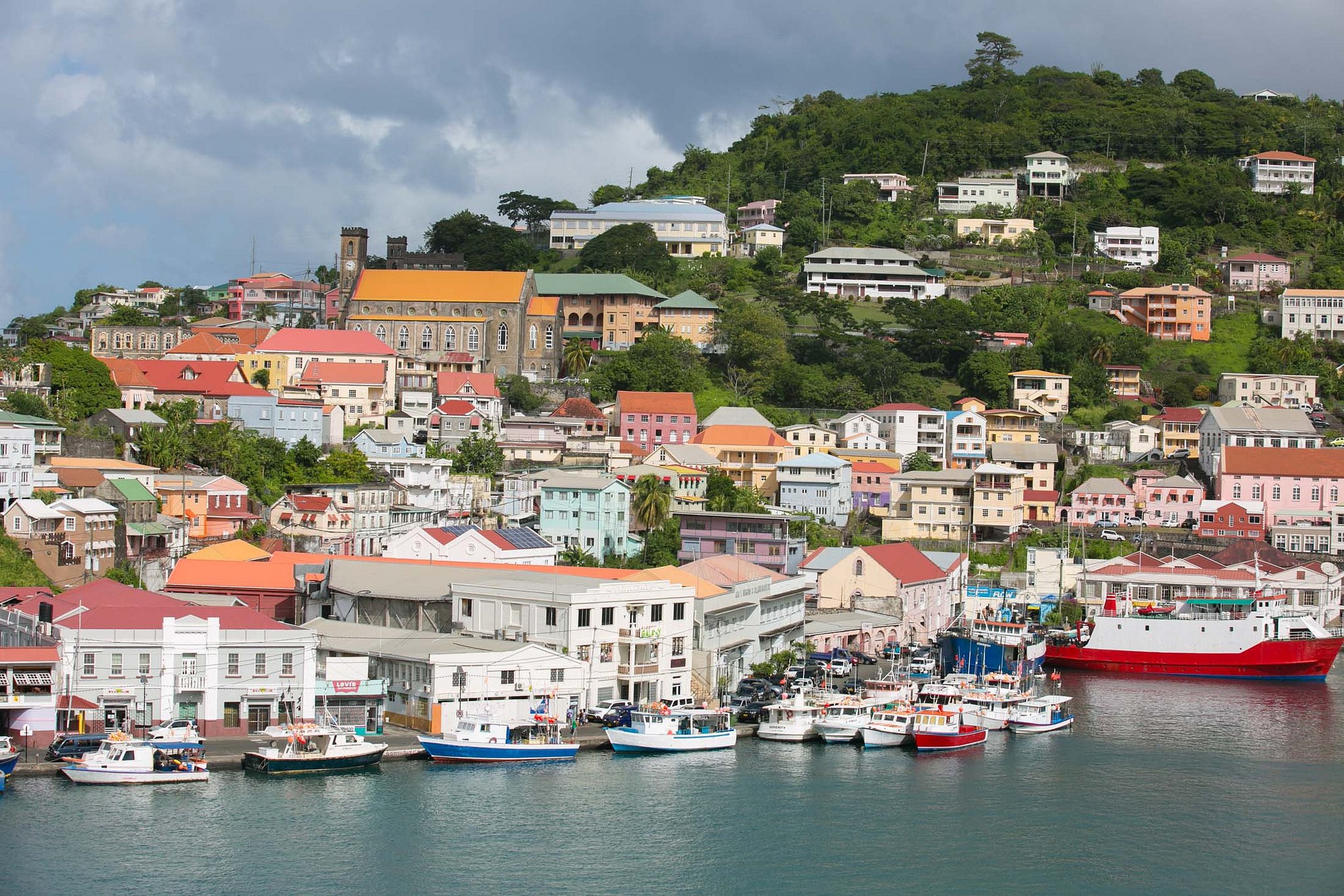
    In a landmark demonstration of South-South cooperation, fisheries experts from the Turks and Caicos Islands have completed an intensive knowledge transfer program in Grenada focused on advanced Fish Aggregating Device (FAD) technology. The four-day exchange (March 16-19) enabled six TCI fishers and two fisheries officers to acquire hands-on experience in constructing and deploying these innovative marine systems that significantly enhance open-water fishing efficiency.

    This capacity-building initiative represents a strategic advancement in regional fisheries collaboration under the Caribbean Regional Fisheries Mechanism (CRFM). Grenada’s sophisticated FAD infrastructure has been modernized through the World Bank-funded ‘Unleashing the Blue Economy of the Caribbean’ (UBEC) project, building upon earlier technological foundations established through Japanese-funded CARIFICO initiatives between 2012-2017.

    The exchange provided TCI delegates with unprecedented access to Grenada’s operational FAD systems, where they observed the harvesting of substantial pelagic species including yellowfin tuna exceeding 100 pounds. Participants gained practical technical expertise in FAD construction methods that will directly inform TCI’s upcoming pilot program scheduled for implementation in coming months.

    Grenada’s Minister of Blue Economy and Marine Affairs, Hon. Lennox Andrews, characterized the exchange as “one very good example where, as a people, we can come together and work together to share our knowledge, share experiences, and create the competence and the human resources that we all need to develop our region.”

    TCI fishers reported transformative experiences during the knowledge transfer. Veteran fisherman David Clare exclaimed, “It’s the greatest fishing [technology] I’ve ever seen in my life, and it works perfectly!” while Kevin Harvey noted the dramatic efficiency improvements compared to traditional trolling methods.

    The TCI Department of Fisheries and Marine Resources Management Director Alwyn Ponteen emphasized the program’s alignment with UN Sustainable Development Goals regarding zero hunger, decent work, economic growth, and marine conservation. “This programme represents a strategic and sustainable investment in the youths, men, and women who form the backbone of our fisheries sector,” Ponteen stated.

    Both nations have committed to ongoing collaboration, with Grenada’s Chief Fisheries Officer Nigel Gibbs anticipating “a lasting Caribbean relationship that will grow stronger in the future.” The TCI government confirms its resolution to develop sustainable FAD fisheries as part of its broader Sustainable Livelihoods Strategy, including comprehensive stakeholder consultations, management planning, and legislative reforms.

  • Antigua and Barbuda Pushes Climate Priorities at Global Talks

    Antigua and Barbuda Pushes Climate Priorities at Global Talks

    Antigua and Barbuda’s delegation to the 64th Session of the Intergovernmental Panel on Climate Change (IPCC-64) in Bangkok comprises Orvin Paige from the Meteorological Department and Arry Simon from the Department of Environment. This pivotal gathering, scheduled for March 24–27, follows the inconclusive proceedings of IPCC-63 in Lima, where member nations could not reach consensus on deadlines for essential climate assessment reports.

    For vulnerable island nations, these procedural delays carry profound implications that extend far beyond bureaucratic negotiations. Countries situated on the frontlines of climate impacts, including Antigua and Barbuda, face existential threats from rising sea levels that endanger coastal populations and tourism infrastructure—the lifeblood of their economies. Increasingly intense hurricanes and erratic precipitation patterns further strain limited resources, despite these nations’ minimal contributions to global carbon emissions.

    A central challenge remains the accessibility of climate finance mechanisms. Small Island Developing States (SIDS) consistently encounter barriers when seeking funding, grappling with convoluted application procedures, insufficient technical expertise, and inflexible eligibility requirements. Even when financing is secured, implementation frequently proceeds at a pace insufficient to address urgent adaptation needs, including coastal defense systems, water security initiatives, and climate-resilient infrastructure development.

    The Bangkok negotiations will also address funding limitations within the IPCC’s own operations, underscoring a systemic concern: inadequate financial support threatens to paralyze both global climate science and localized mitigation efforts in the world’s most vulnerable regions. The outcomes of this session will directly inform preparatory work for COP31, where enhanced financing architectures and strengthened commitments will take center stage. For Antigua and Barbuda and fellow SIDS, the paramount objective remains transforming international policy decisions into tangible, accessible support that delivers measurable protection against climate devastation.